2027 How to Become a Nurse in Virginia

Co-Founder and Chief Data Scientist
Becoming a nurse in Virginia means choosing the right education pathway, meeting Virginia Board of Nursing requirements, passing the correct NCLEX exam, and keeping your license active after you begin practice. The process is manageable, but it can feel confusing because Virginia has multiple nursing roles, several degree options, compact license rules, renewal requirements, and different career paths for RNs, LPNs, APRNs, nurse practitioners, and nurse midwives.
This guide is for students, career changers, licensed nurses moving to Virginia, and current nurses planning to advance into higher-level roles. You will learn how Virginia nursing licensure works, which programs can qualify you for practice, how salaries and job outlook compare, what mistakes to avoid, and how to evaluate whether nursing school in Virginia is the right investment for your goals.
Quick Answer: How do you become a nurse in Virginia?
To become a nurse in Virginia, you generally need to complete a state-recognized nursing program, apply through the Virginia Board of Nursing, complete a fingerprint-based background check, pass the appropriate NCLEX exam, and maintain your license through renewal and continuing education. Registered nurse candidates typically complete either an Associate Degree in Nursing (ADN) or a Bachelor of Science in Nursing (BSN), while licensed practical nurse candidates usually complete a practical nursing program and take the NCLEX-PN.
Key Things You Should Know About Becoming a Nurse in Virginia
- Virginia has one of the lowest registered nurse-to-patient ratios in the country, with approximately 10.5 RNs for every 1,000 patients.
- The average salary for registered nurses in Virginia ranges between $80,000 and $90,000 per year, making it competitive with national averages.
- The employment outlook for nurses in Virginia is exceptionally positive, with the Bureau of Labor Statistics projecting a growth rate of 7% for registered nursing positions from 2019 to 2029.
- To become a nurse in Virginia, aspiring candidates must complete an accredited nursing program, which can be an Associate Degree in Nursing (ADN) or a Bachelor of Science in Nursing (BSN).
- Virginia provides several pathways for professional development, including advanced roles like Nurse Practitioners and Clinical Nurse Specialists.
- What are the steps to becoming a nurse in Virginia?
- What are the educational requirements for becoming a nurse in Virginia?
- What types of nurses can legally practice in Virginia?
- What are the licensing requirements for nurses in Virginia?
- What types of nursing licenses are available in Virginia?
- Can a Compact nurse practice in Virginia?
- Can you practice as a nurse without a license in Virginia?
- What is the state of nursing in Virginia?
- How do nursing and pharmacy careers compare in Virginia?
- Can I finance my nursing education in Virginia?
- What is the job outlook for nursing in Virginia?
- What are the continuing education and career advancement opportunities for nurses in Virginia?
- Can nurses explore complementary healthcare roles in Virginia?
- What are the essential steps to become an LVN in Virginia?
- How can I evaluate the quality of online nursing programs in Virginia?
- How do I maintain and renew my nursing license in Virginia?
- What are the essential steps to become a nurse midwife in Virginia?
- What types of nursing programs are available in Virginia?
- What are the best educational paths for aspiring nurse practitioners in Virginia?
- What are the nurse practitioner education requirements in Virginia?
- What professional organizations can enhance my nursing career in Virginia?
What are the steps to becoming a nurse in Virginia?
The path to nursing licensure in Virginia depends on the role you want, but most candidates follow the same basic sequence: choose a qualifying program, complete clinical training, apply to the Virginia Board of Nursing, pass the NCLEX, and renew the license on schedule.
- Choose the nursing role you want first. Decide whether you are aiming for practical nursing, registered nursing, or advanced practice. Your decision affects the program length, exam, scope of practice, salary potential, and future education options.
- Complete an approved nursing education program. RN candidates commonly complete an ADN, which is typically a two-year program, or a BSN, which usually takes four years. Students who already have a bachelor’s degree in another field may consider accelerated BSN programs, often completed in 12 to 18 months.
- Apply for licensure through the Virginia Board of Nursing. After graduation, submit the required application, pay the applicable fees, and provide documentation requested by the board.
- Complete fingerprinting and a background check. Virginia requires a fingerprint-based criminal background check before licensure can be finalized.
- Register for and pass the NCLEX. RN candidates take the NCLEX-RN, while LPN candidates take the NCLEX-PN. After application review, candidates usually receive authorization to test (ATT) within a few weeks and then have a 90-day window to take the exam.
- Wait for license processing. After passing the exam and completing all required steps, the Virginia Board of Nursing may take 30 to 45 business days to process the license application.
- Renew and maintain your license. Virginia nurses can renew online through the Virginia Department of Health Professions. During each two-year renewal cycle, nurses must complete continuing competency requirements, such as 15 contact hours of relevant courses or workshops or a board-approved refresher course.
If you plan to move into advanced practice later, compare long-term earning potential early. For example, reviewing NP salaries by state can help you understand how graduate nursing education may affect future compensation.
| Step | What to confirm before moving forward | Why it matters |
| Select a role | RN, LPN, APRN, CNA, or another pathway | The role determines your education, exam, and legal scope of practice. |
| Choose a program | Approval, accreditation, clinical placements, and NCLEX preparation | An unapproved program can delay or prevent licensure. |
| Apply for licensure | Board requirements, fees, transcripts, and deadlines | Incomplete applications can slow the licensing timeline. |
| Take the NCLEX | Correct exam type and ATT window | Passing the NCLEX is required for RN or LPN licensure. |
| Maintain the license | Renewal cycle and continuing education requirements | Practicing with an expired or invalid license can create legal and employment problems. |
What are the educational requirements for becoming a nurse in Virginia?
Virginia offers several nursing education routes, and the best choice depends on whether you want to enter the workforce quickly, pursue hospital-based RN roles, or prepare for graduate-level practice. The key is to choose a program that supports your intended license and is recognized for licensure eligibility.
- Associate Degree in Nursing: An ADN is a common RN entry route offered by many community colleges. It is generally a two-year program that combines classroom study, laboratory instruction, and supervised clinical experience. Graduates can sit for the NCLEX-RN.
- Bachelor of Science in Nursing: A BSN is typically a four-year degree that includes nursing theory, patient care, leadership, research, public health, and clinical learning. Many hospitals and healthcare employers prefer or require BSN-prepared nurses. In Virginia, 51% of nurses hold a BSN as their highest professional degree.
- Master of Science in Nursing (MSN): An MSN is designed for nurses seeking advanced roles such as nurse practitioner, nurse educator, or nurse administrator. It typically requires an additional two years of study beyond the BSN. Nurses who already hold a graduate nursing degree may also compare options such as the shortest online post-master's FNP certificate programs.
- Doctor of Nursing Science (DNS) and Doctor of Philosophy in Nursing (DPN): Doctoral nursing pathways emphasize research, leadership, scholarship, and high-level academic or administrative preparation. In Virginia, approximately 2,237 nurses hold doctorate degrees, representing 2% of the state's nursing workforce.
Program format also matters. Some students prefer traditional campus-based programs because of in-person labs and structured clinical support, while working adults may prefer hybrid or online coursework where available. Students with a prior degree may want to compare online accelerated BSN programs, but they should confirm that clinical requirements can be completed in a way that satisfies Virginia expectations.
| Education option | Typical purpose | Best for | Important caution |
| Practical nursing program | Prepares students for LPN licensure | Students who want a shorter route into basic nursing care | Career mobility may require later RN education. |
| ADN | Prepares students for RN licensure | Students seeking a faster and often lower-cost RN pathway | Some employers may prefer a BSN. |
| BSN | Prepares students for RN practice with broader academic preparation | Students targeting hospitals, leadership, public health, or future graduate study | Usually takes longer than an ADN. |
| MSN | Supports specialization and advanced nursing roles | RNs seeking NP, educator, or administrative roles | Admissions may require RN experience and a BSN. |
| Doctoral nursing degree | Builds advanced research, clinical, or leadership expertise | Nurses pursuing top-level practice, policy, research, or academic careers | Requires a major time and financial commitment. |
What types of nurses can legally practice in Virginia?
Virginia recognizes multiple nursing and nursing-support roles. Each has a different legal scope of practice, education requirement, and level of independence. Understanding these differences before enrolling in a program can prevent choosing a path that does not match your career goals.
- Registered Nurses: RNs assess patients, administer medications, coordinate care, educate patients and families, support treatment plans, and communicate with physicians and other clinicians. In Virginia, nearly 94,000 nurses are RNs. About 20% specialize in acute, critical, or emergency care, while 8% work in surgery and perioperative care.
- Licensed Practical Nurses: LPNs deliver basic nursing care under the supervision of RNs, physicians, or other authorized providers. They typically complete a practical nursing program that lasts about one year and then pass the NCLEX-PN. As of 2023, there were only 9,739 LPNs in Virginia according to the Healthcare Workforce Data Center.
- Advanced Practice Registered Nurses (APRNs): APRNs include Nurse Practitioners (NPs), Clinical Nurse Specialists (CNSs), Nurse Anesthetists (CRNAs), and Nurse Midwives (CNMs). These roles require graduate nursing education, specialty preparation, and national certification in the relevant practice area.
- Certified Nursing Assistants: CNAs are not licensed nurses, but they are important members of the care team. They assist with activities of daily living, mobility, hygiene, and basic patient support after completing a state-approved training program and competency exam.
| Role | Main function | Typical education route | Licensure or credentialing focus |
| CNA | Assists patients with daily care needs | State-approved nurse aide training | Competency exam |
| LPN | Provides basic nursing care under supervision | Practical nursing program | NCLEX-PN |
| RN | Provides and coordinates professional nursing care | ADN or BSN | NCLEX-RN |
| APRN | Provides advanced clinical care in a specialty area | MSN, doctoral degree, or qualifying graduate preparation | National certification and state authorization |
What are the licensing requirements for nurses in Virginia?
Nursing licensure in Virginia is overseen by the Virginia Board of Nursing. Requirements vary by license type, but the board generally expects candidates to complete approved education, pass the correct exam, submit an application, and clear a background check.
- Choose the correct license category: Virginia has separate pathways for LPNs, RNs, and APRNs. Each pathway has its own education, testing, and documentation requirements.
- Complete qualifying education: RN applicants typically complete an ADN or BSN. LPN applicants usually complete a diploma or certificate-style practical nursing program.
- Pass the required NCLEX: RN candidates take the NCLEX-RN. LPN candidates take the NCLEX-PN. Passing the appropriate exam is required before a license can be issued.
- Submit the application and fees: Candidates apply to the Virginia Board of Nursing and provide proof of education, examination information, and the required non-refundable application fee, typically around $190 for RNs and $150 for LPNs.
- Complete the background check: Virginia requires fingerprinting and a criminal background check. Costs can vary, but candidates should budget approximately $50 for fingerprinting.
- Follow board instructions carefully: Missing transcripts, incorrect exam registration, or delayed background check completion can extend the licensing process.
The safest approach is to start with the Virginia Board of Nursing’s current instructions, then verify that your school, exam registration, and application timeline match the board’s requirements.
What types of nursing licenses are available in Virginia?
Virginia nursing licenses are tied to role, education level, and scope of practice. Before choosing a program, make sure the license it prepares you for matches the work you actually want to do.
- Registered Nurse License: An RN license allows nurses to provide professional nursing care, administer medications, coordinate care plans, educate patients, and work across hospitals, clinics, public health settings, long-term care facilities, and other healthcare environments. Candidates typically complete an ADN or BSN and pass the NCLEX-RN.
- Licensed Practical Nurse License: An LPN license qualifies nurses to provide basic nursing care under appropriate supervision. LPNs commonly monitor vital signs, assist with patient care tasks, support medication administration within scope, and work in hospitals, nursing homes, clinics, and other settings. Candidates complete a practical nursing program and pass the NCLEX-PN.
- Nurse Licensure Compact privilege: Virginia participates in the Nurse Licensure Compact, which allows eligible RNs and LPNs with a multistate license from another compact state to practice in Virginia without obtaining a separate single-state Virginia license, as long as they meet compact rules.
Advanced practice nurses should also consider how graduate credentials can influence career options. Those comparing doctoral-level pathways may find it useful to review DNP salary information by state.
Can a Compact nurse practice in Virginia?
Yes. Virginia is part of the Nurse Licensure Compact, so eligible nurses with a multistate license from another compact state may practice in Virginia without applying for an additional Virginia single-state license. This is especially useful for travel nurses, telehealth nurses, military spouses, and clinicians who work across state lines.
Compact practice is not automatic for every nurse. Nurses must meet the Uniform Licensure Requirements and maintain a qualifying primary state of residence. They must also follow Virginia’s nursing laws and scope-of-practice rules when caring for patients located in Virginia.
- Primary State of Residence (PSOR): A compact nurse’s home license must be tied to the state where the nurse primarily resides. That home-state license provides the multistate privilege to practice in other compact states, including Virginia.
- Proof of residency: Nurses may need to show residency documentation, such as a driver’s license, voter registration card, or other acceptable proof tied to their primary state of residence.
- Virginia practice rules: While the compact allows mobility, nurses still must follow Virginia’s scope of practice, reporting rules, and professional standards when providing care in the state, including through telehealth.
If you are still choosing a nursing school and want a pathway with fewer admissions barriers, reviewing accessible nursing schools can help you identify programs that may fit your academic background.
Can you practice as a nurse without a license in Virginia?
No. Virginia does not allow someone to practice as a nurse without a valid nursing license or lawful authorization. Licensure protects patients by confirming that the nurse has completed required education, passed the appropriate exam, and met board standards for practice.
To practice legally as an RN or LPN in Virginia, candidates must generally:
- Graduate from a qualifying nursing program: RN candidates typically complete an ADN or BSN, while LPN candidates complete a practical nursing program.
- Pass the correct NCLEX exam: RN candidates take the NCLEX-RN, and LPN candidates take the NCLEX-PN.
- Apply through the Virginia Board of Nursing: The application process includes proof of education, exam completion, applicable fees, and a criminal background check.
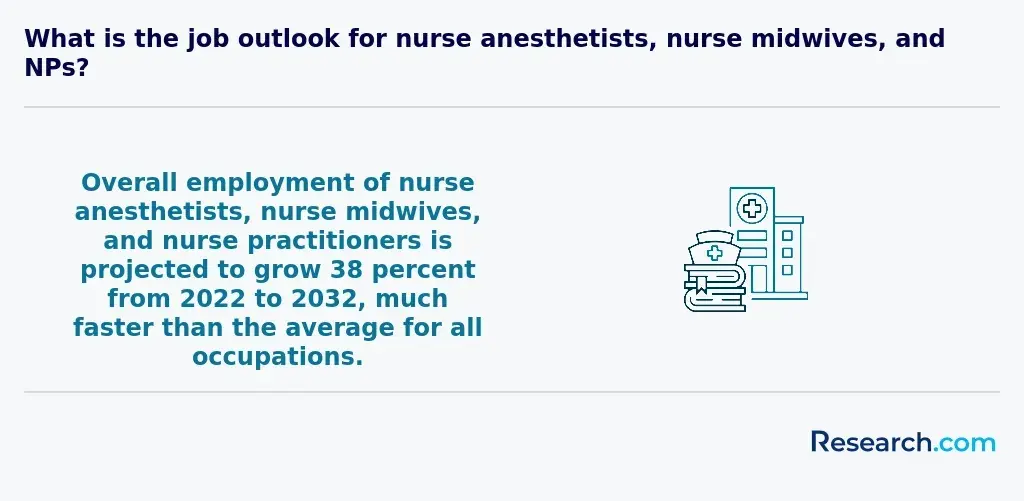
Virginia's nursing field is expanding rapidly, with an estimated 29,200 annual job openings for nurse anesthetists, nurse midwives, and nurse practitioners over the next ten years. That demand does not remove licensure requirements. It makes proper preparation more important, because employers need qualified nurses who can practice safely from day one.
-
: "
"I remember being in my small apartment, surrounded by textbooks and feeling overwhelmed," one Virginia nurse said about preparing for the NCLEX. "Yet, I was driven by a strong desire to help people, knowing I couldn’t do that without a license. When I passed, it felt like a burden was lifted. The license symbolized my commitment to my patients and my career."
"
What is the state of nursing in Virginia?
Virginia has a large nursing workforce, varied employment settings, and ongoing demand in both urban and rural areas. For students, this creates opportunity, but it also means choosing a program and location strategically.
- Employment outlook: Demand for nurses in Virginia remains positive, shaped by healthcare utilization, population needs, preventive care, and workforce replacement demand.
- Number of licensed nurses: Virginia has more than 107,355 nurses and over 100,000 registered nurses actively practicing in the state, making nursing a major part of the healthcare workforce.
- Nursing shortages: Some areas, especially rural communities, continue to face staffing challenges. Nurses willing to work in underserved regions may find stronger hiring interest and possible employer incentives, including sign-on bonuses or student loan repayment programs.
- Cost of living: Virginia includes higher-cost metro regions such as Northern Virginia and more moderate-cost areas in smaller cities and rural communities. Salary should be evaluated against housing, commuting, childcare, and local job availability.
- Major employment sectors: Hospitals, outpatient care centers, and long-term care facilities employ many nurses. By sector, 45% of Virginia's RNs work in the non-profit sector, 40% in for-profit sectors, and 10% in government settings.
Students interested in advanced practice should also understand the difference between graduate nursing roles before committing to a degree. A comparison such as FNP vs DNP can help clarify whether a clinical practitioner track, doctoral practice route, or another pathway is the better fit.
How do nursing and pharmacy careers compare in Virginia?
Nursing and pharmacy are both healthcare careers, but they suit different strengths. Nursing is built around direct patient care, assessment, care coordination, bedside communication, health education, and clinical judgment in changing patient situations. Pharmacy focuses more on medication therapy, drug safety, dosing, interactions, counseling, and collaboration with prescribers.
| Factor | Nursing | Pharmacy |
| Primary focus | Patient care, monitoring, treatment support, and care coordination | Medication management, drug therapy expertise, and patient counseling |
| Work style | Often fast-paced and hands-on, especially in hospitals and acute care | Often detail-heavy and medication-centered, with patient and provider consultation |
| Licensure | Requires nursing education, NCLEX for RN or LPN licensure, and board approval | Requires pharmacy-specific education and pharmacist licensure |
| Best fit for | People who want frequent patient interaction and broad clinical responsibilities | People who are drawn to pharmacology, precision, safety checks, and medication counseling |
If you are comparing healthcare careers before choosing a degree, review the requirements for how to become a pharmacist in Virginia alongside nursing licensure rules.
Can I finance my nursing education in Virginia?
Yes, but the right financing strategy depends on your program type, school, enrollment status, and whether you plan to work while studying. Nursing students should compare more than tuition. Fees, books, uniforms, background checks, immunizations, transportation to clinical sites, exam fees, and lost work hours can all affect the true cost.
- Start with federal aid: Complete the FAFSA to determine eligibility for grants, loans, and work-study.
- Ask schools about nursing-specific awards: Many colleges offer scholarships, emergency grants, or departmental aid for nursing students.
- Check employer support: Healthcare employers may offer tuition reimbursement or education benefits, especially for employees advancing from CNA or LPN roles into RN roles.
- Compare total program cost: A lower tuition rate may not be the lowest-cost option if the program has limited transfer credit, distant clinical placements, or delayed graduation timelines.
- Consider advanced-degree affordability early: Nurses planning graduate study may want to compare options such as the most affordable BSN to DNP programs online.
| Cost factor | Question to ask before enrolling |
| Tuition and fees | What is the full cost per term and for the entire program? |
| Clinical placement | Will the school arrange placements, or must students find sites? |
| Transfer credits | How many prior credits will actually apply to the nursing curriculum? |
| Licensure exam preparation | Is NCLEX preparation included, optional, or an extra cost? |
| Schedule flexibility | Can you realistically work while meeting lab and clinical requirements? |
What is the job outlook for nursing in Virginia?
The nursing job outlook in Virginia is strong, supported by healthcare demand across hospitals, outpatient centers, long-term care, specialty settings, and underserved communities. According to the Virginia Employment Commission, the nursing sector is projected to grow by approximately 12% from 2020 to 2030, significantly outpacing the average growth rate for all occupations.
Compensation varies by license type, location, employer, specialty, shift, experience, and education. As of 2023, the average annual salary for RNs in the state is $80,000 to $90,000, depending on experience, education, and location.
Top-paying metropolitan areas include:
- Northern Virginia, where RNs can earn upwards of $85,000 annually.
- Richmond, with salaries averaging around $78,000.
- Virginia Beach, where the average salary is approximately $76,000.
Top-paying industries for nurses in Virginia include:
- Specialty hospitals, which often pay more because care can be complex and specialized.
- Outpatient care centers, which may offer competitive pay and more predictable scheduling than some inpatient roles.
Nurse anesthetists and nurse practitioners often earn the highest nursing salaries, frequently exceeding $100,000 annually. LPNs generally earn less, averaging around $48,000 per year.
| Career level | Typical advantage | Trade-off to consider |
| LPN | Shorter education route and earlier workforce entry | Lower average pay and narrower scope than RN roles |
| RN with ADN | Faster RN pathway than a traditional BSN | Some employers may prefer BSN-prepared nurses |
| RN with BSN | Stronger preparation for hospitals, leadership, and graduate study | Longer initial program commitment |
| NP or other APRN | Advanced clinical scope and higher earning potential | Requires graduate education, certification, and additional responsibility |
What are the continuing education and career advancement opportunities for nurses in Virginia?
Virginia nurses must keep their licenses current and maintain professional competency. Continuing education is not only a renewal requirement; it can also help nurses move into specialty units, leadership, education, case management, advanced practice, or non-bedside roles.
- License renewal education: Virginia nurses must meet continuing competency requirements during each two-year renewal cycle.
- Specialty certifications: Certifications can support advancement in areas such as emergency care, critical care, perioperative nursing, oncology, pediatrics, informatics, or case management.
- Bridge and accelerated programs: LPN-to-RN, RN-to-BSN, second-degree BSN, MSN, and doctoral pathways can help nurses move into higher-responsibility roles. Students seeking a fast route may compare the best 12 month accelerated online nursing degree programs.
- Leadership development: Charge nurse, nurse manager, quality improvement, and educator roles often require strong communication, documentation, mentoring, and systems-thinking skills.
The best advancement plan starts with a target role. A nurse who wants emergency department leadership may need different certifications and experience than a nurse who wants to become a family nurse practitioner or nurse educator.
Can nurses explore complementary healthcare roles in Virginia?
Yes. Nursing experience can transfer well into adjacent healthcare roles, especially for professionals who want to reduce bedside work, move into operations, or apply clinical knowledge in administrative settings. Options may include healthcare administration, utilization review, quality assurance, care coordination, public health, patient education, medical billing, coding, compliance, or informatics.
These roles are not identical to nursing and may require additional training, certification, or employer-specific experience. For example, nurses interested in revenue cycle and documentation-focused work can review how to become a medical biller and coder in Virginia to compare requirements.
What are the essential steps to become an LVN in Virginia?
Virginia commonly uses the title Licensed Practical Nurse (LPN), while the term Licensed Vocational Nurse (LVN) is used in some other states. If you are searching for LVN programs in Virginia, you are usually looking for the practical nursing pathway that leads to LPN licensure.
- Find a state-approved practical nursing program. Confirm that the program qualifies graduates for the NCLEX-PN and Virginia licensure.
- Complete classroom, lab, and clinical training. Practical nursing programs cover foundational patient care, anatomy, pharmacology, basic nursing procedures, and supervised clinical practice.
- Apply to the Virginia Board of Nursing. Submit required documentation, fees, and background check materials.
- Pass the NCLEX-PN. Passing this exam is required for practical nursing licensure.
- Begin practice within the LPN scope. LPNs work under appropriate supervision and must follow Virginia practice rules.
For a pathway-specific overview, see how to become an LVN in Virginia.
How can I evaluate the quality of online nursing programs in Virginia?
Online nursing programs can be convenient, but nursing is never fully online because students must complete labs, simulations, and clinical experiences. The strongest programs make clinical expectations clear before enrollment and provide transparent outcomes.
- Verify approval and accreditation: Confirm that the program can lead to the Virginia license you want.
- Ask about clinical placement support: Determine whether the school places students or expects students to secure sites independently.
- Review NCLEX outcomes: Graduation rates and licensure exam pass rates can help you judge program effectiveness.
- Compare student support: Look for tutoring, faculty access, simulation resources, advising, and NCLEX preparation.
- Check state authorization: If the school is outside Virginia, confirm that it can serve Virginia students and meet Virginia clinical or licensure expectations.
Students comparing program quality can start with the best online nursing programs in Virginia, then verify each school’s current licensure alignment directly.
How do I maintain and renew my nursing license in Virginia?
Maintaining a Virginia nursing license requires more than paying a renewal fee. Nurses must renew on time, meet continuing competency requirements, keep contact information current, and follow professional standards set by the board.
- Track your renewal deadline. Do not wait until the final days of the cycle to gather documentation.
- Complete required continuing competency activities. Virginia recognizes options such as 15 contact hours of relevant education or a board-approved refresher course.
- Keep records. Maintain proof of completed education or competency activities in case of audit.
- Renew through the state system. Submit the renewal application and required fee through the appropriate Virginia Department of Health Professions process.
- Review rule changes. Licensure expectations can change, so nurses should check board guidance before each renewal.
For more detailed guidance, review the requirements for nursing licensure in Virginia.
What are the essential steps to become a nurse midwife in Virginia?
Nurse midwives are advanced practice nurses who specialize in reproductive, pregnancy, birth, postpartum, and newborn-related care. In Virginia, this path requires RN preparation first, followed by graduate-level midwifery education and specialty credentialing.
- Become an RN. Complete qualifying nursing education and obtain RN licensure.
- Gain relevant clinical experience. Experience in labor and delivery, maternal health, women’s health, or related areas can strengthen readiness for graduate midwifery study.
- Complete an accredited nurse-midwifery program. Candidates typically need graduate education focused on midwifery, obstetrics, maternal care, and neonatal care.
- Complete supervised clinical requirements. Clinical training should align with professional standards and Virginia Board of Nursing expectations.
- Pursue certification and state authorization. Candidates must meet applicable certification and licensure requirements before practicing.
Prospective students should also evaluate tuition, clinical site availability, faculty expertise, and professional mentorship. For a focused pathway guide, review how to become a nurse midwife in Virginia.
What types of nursing programs are available in Virginia?
Virginia students can choose from entry-level, bridge, graduate, and specialty nursing programs. The right option depends on your current education, timeline, budget, and target license.
- CNA training: A short pathway into patient support roles, often useful for students who want healthcare experience before nursing school.
- LPN programs: Practical nursing programs prepare students for the NCLEX-PN and supervised nursing practice. Students can compare online LPN programs in Virginia to identify options that fit their schedule and goals.
- ADN programs: ADN programs prepare students for RN licensure and may appeal to those seeking a faster RN route.
- BSN programs: BSN programs provide broader academic and clinical preparation and may be preferred by some employers.
- Bridge programs: LPN-to-RN and RN-to-BSN programs help working nurses advance without starting over.
- Graduate programs: MSN, DNP, certificate, and specialty programs support advanced practice, leadership, education, and specialized clinical roles.
What are the best educational paths for aspiring nurse practitioners in Virginia?
Aspiring nurse practitioners in Virginia should choose a pathway based on their current nursing credential, preferred patient population, and long-term practice goals. NPs are advanced practice registered nurses, so the route generally starts with RN preparation and continues through graduate education, specialty clinical training, national certification, and state authorization.
Accreditation is one of the most important selection factors. An accredited NP program helps ensure that the curriculum, faculty qualifications, clinical training, and outcomes meet recognized standards. Students should also compare specialty tracks, such as family practice, psychiatric-mental health, acute care, adult-gerontology, pediatrics, or women’s health.
| Current background | Possible NP pathway | When it may make sense |
| Non-nurse with bachelor’s degree | Accelerated BSN, then graduate NP program | Good for career changers who need RN preparation first |
| ADN-prepared RN | RN-to-BSN, then MSN or DNP | Useful when graduate programs require a BSN |
| BSN-prepared RN | MSN-NP or BSN-to-DNP | Common direct route into advanced practice education |
| MSN-prepared nurse | Post-master’s certificate or doctoral option | Good for adding a new NP specialty or advancing credentials |
Directories of the best NP programs in Virginia can help students compare schools, but rankings should not replace direct verification of accreditation, clinical placement support, certification pass outcomes, and state eligibility.
What are the nurse practitioner education requirements in Virginia?
Virginia nurse practitioner candidates must complete advanced nursing education that prepares them for a defined population focus and specialty role. This generally includes an accredited graduate program, supervised clinical training, competency-based evaluation, national certification, and state authorization to practice.
Students should confirm requirements before enrolling because NP preparation is specialty-specific. A family nurse practitioner program does not prepare students for the same scope as a psychiatric-mental health, neonatal, acute care, or women’s health NP program. For a step-by-step explanation of nurse practitioner education requirements in Virginia, review the dedicated pathway guide.
What do nurses say about becoming a nurse in Virginia
- I’ve been a nurse in Virginia for over five years, and I can confidently say that the sense of community here is unparalleled. The support from colleagues and the camaraderie among healthcare professionals make a significant difference in our daily work. Virginia's diverse patient population also enriches my experience, allowing me to learn and grow continuously. The state’s commitment to nursing education, with numerous accredited programs, ensures that we have a well-prepared workforce. Norah
- Transitioning to nursing in Virginia was one of the best decisions I’ve made. The state offers competitive salaries and benefits, which is a huge plus. According to the Virginia Employment Commission, the average salary for registered nurses in Virginia is around $90,000, which is higher than the national average. This financial stability allows me to focus on my patients without the constant worry about my finances. Plus, the work-life balance here is commendable, with many facilities offering flexible scheduling. Arthur
- As a nurse practitioner in Virginia, I appreciate the autonomy we have in our practice. The state has progressive laws that empower nurse practitioners to provide comprehensive care, which is incredibly fulfilling. I often hear from my peers that Virginia's supportive regulatory environment fosters innovation and allows us to truly make a difference in our patients' lives. The ongoing professional development opportunities available here also keep us engaged and informed about the latest in healthcare. Cora
What professional organizations can enhance my nursing career in Virginia?
Professional organizations can help Virginia nurses stay informed, build networks, find mentors, access continuing education, and follow policy changes affecting nursing practice. Membership can be especially valuable for students, new graduates, nurses entering a specialty, and experienced clinicians pursuing leadership or advanced practice.
- Students: Look for organizations that offer scholarships, exam preparation support, mentorship, and student chapters.
- New nurses: Prioritize groups that provide transition-to-practice resources, specialty exploration, and networking with local employers.
- Specialty nurses: Join associations aligned with your field, such as critical care, perioperative care, emergency nursing, public health, informatics, or advanced practice.
- Nurses considering role changes: Use professional networks to learn what additional education, certification, or experience is expected. If you are comparing practical nursing and related pathways, see how to become a nurse midwife in Virginia.
Common mistakes to avoid when becoming a nurse in Virginia
| Mistake | Why it can hurt you | Better approach |
| Choosing a program without checking approval or accreditation | You may face licensure delays or limited eligibility. | Verify program status before applying or paying deposits. |
| Looking only at tuition | Clinical travel, fees, supplies, testing, and lost work time can raise total cost. | Compare full cost of attendance and graduation timeline. |
| Assuming online means fully remote | Nursing requires labs, simulations, and clinical experiences. | Ask exactly where and how clinical requirements are completed. |
| Ignoring NCLEX outcomes | Weak exam preparation can delay licensure and employment. | Review pass rates, tutoring support, and remediation policies. |
| Choosing a role before understanding scope of practice | You may train for a role that does not match your desired responsibilities. | Compare CNA, LPN, RN, and APRN duties before enrolling. |
| Assuming salary outcomes are guaranteed | Pay varies by location, shift, specialty, employer, and experience. | Research local job postings and talk to working nurses in your target area. |
Questions to ask before choosing a Virginia nursing program
- Is the program approved for the license I want in Virginia?
- What are the most recent NCLEX pass rates and graduation rates?
- Who arranges clinical placements, and how far might I need to travel?
- Can I work while completing labs, simulations, and clinical rotations?
- What fees are not included in advertised tuition?
- How many of my transfer credits will apply to the nursing curriculum?
- Does the program support students who need tutoring or NCLEX remediation?
- Will the degree help me pursue BSN, MSN, DNP, NP, or specialty certification later?
- What are the program’s background check, immunization, and health documentation requirements?
- Does the school have relationships with Virginia healthcare employers?
Key Insights
- Becoming a nurse in Virginia requires approved education, board application, background checks, the correct NCLEX exam, and ongoing renewal compliance.
- An ADN can be a faster RN route, while a BSN may offer broader employer appeal and stronger preparation for graduate study.
- Virginia recognizes multiple nursing roles, including LPNs, RNs, APRNs, and CNAs, each with different responsibilities and legal authority.
- Virginia participates in the Nurse Licensure Compact, allowing eligible multistate license holders to practice in Virginia while following Virginia rules.
- Program quality matters. Accreditation, clinical placement support, NCLEX outcomes, cost, and licensure alignment should carry more weight than convenience alone.
- Registered nurse salaries in Virginia are reported in the $80,000 to $90,000 range, but actual pay depends on location, specialty, employer, shift, and experience.
- Advanced roles such as nurse practitioner, nurse anesthetist, and nurse midwife require graduate education and specialty certification, but they can expand autonomy and earning potential.
- The smartest nursing pathway is the one that fits your target role, budget, schedule, and long-term career plan—not simply the shortest or cheapest program available.
Related Articles for Nearby States
- 2027 How to Become a Nurse in West Virginia
- 2027 How to Become a Nurse in Maryland
- 2027 How to Become a Nurse in North Carolina
- 2027 How to Become a Nurse in Tennessee
- 2027 How to Become a Nurse in Kentucky
- 2027 How to Become a Nurse in Pennsylvania
- 2027 How to Become a Nurse in South Carolina
- 2027 How to Become a Nurse in Ohio
- 2027 How to Become a Nurse in Delaware
- 2027 How to Become a Nurse in New Jersey
References:
- Abooali, S. (2022, December). The nursing shortage and its consequences in rural Virginia. Virginia Department of Health. Retrieved August 26, 2024.
- Healthcare Workforce Data Center. (2023, November). Virginia’s registered nurse workforce: 2023. Virginia Department of Health Professions. Retrieved August 26, 2024.
- Healthcare Workforce Data Center. (2023, November). Virginia’s licensed practical nurse workforce: 2023. Virginia Department of Health Professions. Retrieved August 26, 2024.
- U.S. BLS. (2024, April 17). Occupational outlook handbook: Nurse anesthetists, nurse midwives, and nurse practitioners. U.S. Bureau of Labor Statistics. Retrieved August 26, 2024.
- VBN. (2018, July 6). Laws & regulations. Virginia Board of Nursing. Retrieved August 26, 2024.
Other Things You Need to Know About Nursing in Virginia
To become a licensed registered nurse in Virginia in 2027, complete an accredited nursing program, pass the National Council Licensure Examination for Registered Nurses (NCLEX-RN), and submit an application to the Virginia Board of Nursing, including required documentation and fees.
In 2027, to become a registered nurse in Virginia, you must complete an accredited nursing program, such as an Associate Degree in Nursing (ADN) or Bachelor of Science in Nursing (BSN). After graduation, pass the NCLEX-RN exam and apply for licensure with the Virginia Board of Nursing.