2027 Cheapest Online Radiology Technician Associate Degree Programs That Pay Well: Tuition, Duration, and Career Outcomes

Co-Founder and Chief Data Scientist
Choosing a low-cost radiology technician associate degree is a tuition decision, a licensure decision, and a career-risk decision. The payoff can be strong: the BLS reported a May 2024 median wage of $77,660 for radiologic technologists and technicians. This guide is for students comparing affordable online or hybrid radiography programs, especially those who need clinical training near home. You'll learn how costs, duration, accreditation, financial aid, transfer options, and realistic career outcomes affect whether a cheap program is actually worth it.
Key Things You Should Know
- The cheapest route is usually a public community college or state technical college radiography AAS/AS with online general education courses, but first-time radiography students should expect in-person labs and supervised clinical rotations.
- Public two-year colleges averaged about $4,050 in tuition and fees for in-district students in 2024-25, but radiography students often pay more after clinical fees, uniforms, imaging markers, background checks, insurance, and certification exam costs.
- Radiologic technologist roles had a May 2024 median wage of $77,660, while BLS projections for radiologic and MRI technologists showed 6% employment growth from 2023 to 2033, making program quality and licensure eligibility as important as low tuition.
Which Are the Cheapest Online Radiology Technician Associate Degree Programs That Lead to Well-Paying Careers?
The cheapest "online radiology technician associate degree" is rarely a fully online program for beginners. Radiography is a patient-care field, so accredited entry-level programs typically combine online lectures or general education courses with campus labs and clinical placements in hospitals, outpatient imaging centers, or physician groups.
For cost-conscious students, the best comparison is by program structure rather than by advertised online status. The table below shows the affordable program types most likely to lead to radiologic technologist eligibility and well-paying imaging careers.
| Affordable program type | Best fit | Typical credential | Online component | Career value | Main caution |
| Public community college radiography program | First-time students who can attend local labs and clinicals | AAS or AS in Radiography/Radiologic Technology | Often online general education and some didactic coursework | Usually the strongest low-tuition path to ARRT radiography eligibility | Admission can be selective and clinical sites may require daytime availability |
| State technical college hybrid radiologic technology program | Students who want a workforce-focused schedule | AAS in Radiologic Technology | Hybrid lectures, online assignments, and in-person skills training | Good fit for students focused on fast employment rather than transfer | Transfer options may be narrower than an AS pathway |
| Hospital-affiliated associate pathway | Students near a hospital-based radiography school with college credit partnerships | Associate degree plus clinical certificate or integrated AAS | Varies; some academic courses may be online through the college partner | Strong clinical exposure and employer visibility | Students must verify degree-granting status, accreditation, and credit transfer |
| Online associate completion program for certified technologists | ARRT-certified or registry-eligible imaging workers who already completed primary training | AS or AAS completion degree | Often mostly or fully online | Can support promotion, bachelor's transfer, or employer degree requirements | Not an entry route for students without clinical radiography training |
| Private college hybrid radiography program | Students who need a specific location, start date, or cohort schedule | AAS or AS | Hybrid or blended | May offer structured advising and fixed cohorts | Higher tuition can reduce ROI unless placement, completion, and licensure outcomes are strong |
A cheap program is most valuable when it is accredited, leads to eligibility for the certification or license required in your state, has accessible clinical placements, and can be completed without excessive debt. If you are new to healthcare and need a fully online entry option, consider whether a non-clinical pathway such as medical billing and coding better matches your schedule before committing to radiography clinical requirements.
How Much Does an Online Radiology Technician Associate Degree Cost?
An online or hybrid radiology technician associate degree can look inexpensive on a tuition page but cost much more once required program expenses are included. The College Board's 2024-25 public two-year in-district average of about $4,050 gives a useful baseline, but radiography is usually more expensive than a general associate degree because of clinical and equipment-related costs.
The table below breaks down the main cost categories students should add before deciding whether a program is truly affordable.
| Cost category | What to check | Why it affects affordability |
| Tuition per credit | Resident, nonresident, online, and program-specific rates | A lower per-credit price can be offset by more required credits or higher fees |
| Program fees | Radiography lab fees, clinical coordination fees, simulation fees, and testing fees | These charges may not appear in general tuition estimates |
| Clinical requirements | Background check, drug screen, immunizations, CPR certification, liability insurance, and health records | Most are mandatory before clinical placement |
| Books and supplies | Textbooks, online courseware, image markers, uniforms, lead markers, and dosimeter fees | Costs can occur before financial aid refunds arrive |
| Technology | Laptop, webcam, internet access, testing software, and learning platform fees | Online coursework shifts some learning costs to the student |
| Licensure and certification | ARRT exam preparation, registry exam fees, and state license application costs | These are often paid near graduation, when students are already financially stretched |
| Transportation | Gas, parking, tolls, public transit, or relocation for clinical sites | A cheap program far from clinical sites may be more expensive in practice |
To estimate your total cost, multiply required credits by the tuition rate, then add published program fees and realistic commuting or technology expenses. This is more useful than comparing tuition alone because two schools with similar credit rates can differ sharply in clinical travel, required equipment, or time to completion.
Common red flags include schools that advertise low online tuition without clearly explaining clinical placement costs, programs that do not disclose whether fees change by cohort, and private programs that use "career-ready" language without publishing licensure exam or completion information. When data is missing, ask for a written cost sheet before applying.
How Long Does It Take to Complete an Online Radiology Technician Associate Degree?
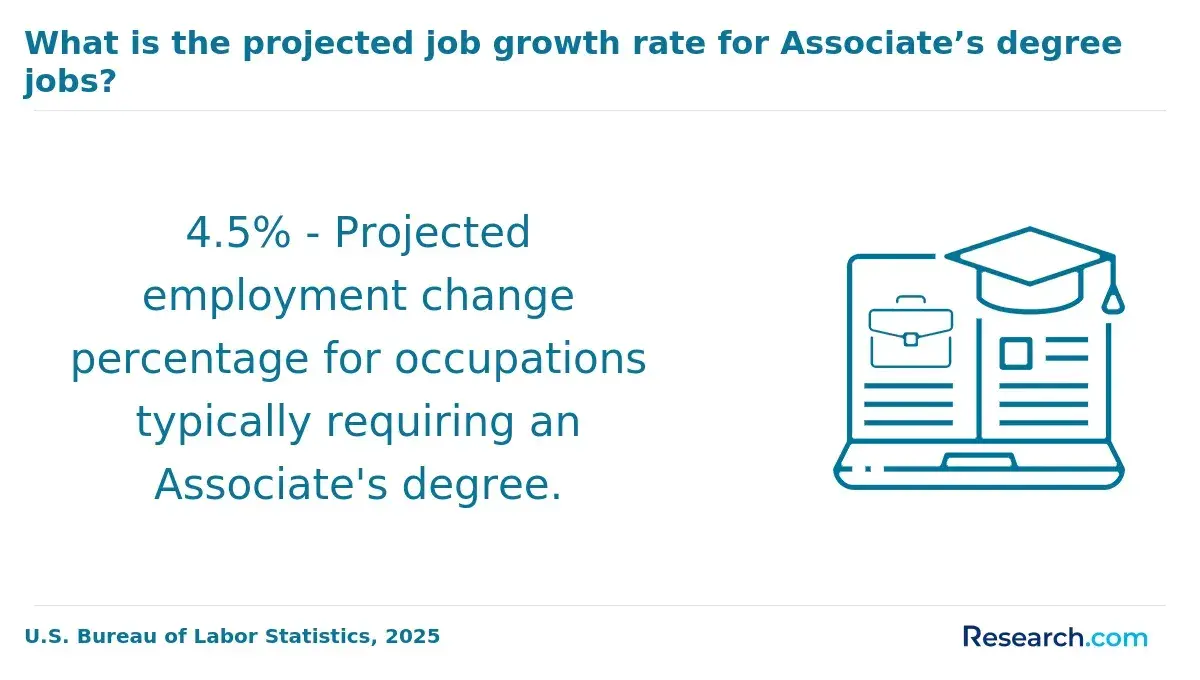
Most associate-level radiography programs take about two academic years after prerequisites, but the real timeline can be longer if science prerequisites, application cycles, waitlists, or clinical scheduling delay entry. Students comparing cheap programs should treat time as a cost because an extra semester can add tuition, fees, transportation, and lost work hours.
The table below shows how common program structures affect completion speed and financial value.
| Program structure | Common timeline | Who it helps | ROI consideration |
| Full-time lockstep AAS or AS | About 21 to 24 months after admission to the professional sequence | Students who can prioritize school and clinical hours | Often best for entering the workforce sooner if you can manage the schedule |
| Prerequisite plus selective admission model | Often longer than two years if prerequisites are not finished before application | Students who need to build math, anatomy, or science readiness | Low tuition may still be valuable, but delayed admission lowers short-term ROI |
| Part-time general education before cohort entry | Varies by student | Working adults, caregivers, and students improving grades | Can reduce borrowing but may postpone earnings from radiography employment |
| Online completion associate for credentialed technologists | Often faster because clinical training is already complete | Working imaging professionals without an associate degree | Potentially high ROI if the degree supports promotion or bachelor's transfer |
Before choosing a program, ask whether the published duration starts at college admission or at acceptance into the radiography cohort. Many "two-year" radiography programs require prerequisites, observation hours, or competitive application steps before the professional sequence begins.
Students who work full time should be especially cautious. Clinical rotations often occur during weekday business hours, and some programs include early morning, evening, or weekend assignments. A cheaper program may not be the best fit if its clinical schedule forces you to quit work or pay for extra childcare.
An associate degree in radiography most directly prepares students for radiologic technologist roles, but additional modalities can raise earning potential after experience and extra certification. The BLS May 2024 wage data below gives a national salary context; local entry-level wages may be lower, and advanced roles often require postprimary certification, experience, or additional training.
| Career path | Typical education route | May 2024 median wage | How an associate degree fits |
| Radiologic technologist or technician | Accredited radiography associate program plus certification or state licensure where required | $77,660 | Primary target career for most radiography associate degrees |
| MRI technologist | Radiography background or MRI-focused pathway plus modality certification | $88,180 | Often an advancement path after primary imaging training |
| Nuclear medicine technologist | Associate or bachelor's pathway in nuclear medicine technology plus certification | $95,080 | May require a separate accredited program rather than radiography alone |
| Radiation therapist | Associate or bachelor's pathway in radiation therapy plus certification or licensure where required | $101,990 | Higher-paying but usually not entered through a general radiography associate alone |
The main lesson is that "radiology technician" is not one job with one salary. Diagnostic radiography is the entry point for many students, while MRI, CT, mammography, interventional radiography, radiation therapy, and nuclear medicine may require additional credentials, employer training, or a separate accredited program.
Students who want healthcare income but do not want direct patient imaging, radiation safety responsibilities, or clinical rotations may compare administrative pathways instead. For example, accredited medical billing and coding schools online with financial aid can lead to different healthcare office roles with more fully online training options, though salary ceilings and job duties differ from imaging careers.
The best ROI usually comes from the program that produces the lowest realistic total cost while still preserving eligibility for licensure, certification, employment, and future transfer. The cheapest advertised tuition is not automatically the best value if the program has limited clinical access, weak completion support, poor transferability, or uncertain accreditation status.
A practical ROI comparison should combine tuition, time, and career access. The table below shows how to interpret common affordability scenarios.
| Scenario | Likely ROI strength | Why it matters | What to verify |
| Low-cost public program with strong accreditation and local clinical sites | Strong | Lower debt plus direct eligibility for entry-level imaging work can create a favorable cost-to-earnings balance | Completion rate, credential exam pass rate, clinical location availability, and state licensure alignment |
| Very cheap program with long waitlist | Mixed | Waiting one or more cycles delays income and can reduce the value of low tuition | Average time from application to cohort start |
| Higher-priced private hybrid program with faster start | Depends | Earlier completion may offset some tuition difference, but only if outcomes are strong and debt is manageable | Total loan amount, placement support, pass rates, and refund policies |
| Online completion associate for already certified technologists | Potentially strong | Shorter completion and no repeated clinical training can make the degree valuable for promotion or transfer | Whether the degree is recognized by your employer or target bachelor's program |
| Non-accredited or unclear program | Weak or risky | Low cost has little value if it does not lead to required credentials | Programmatic accreditation, state approval, and ARRT eligibility pathway |
A simple way to compare programs is to divide estimated total education cost by the national median wage for the target occupation, then adjust for local wages and your expected borrowing. This does not predict your personal salary, but it shows whether one program requires significantly more financial risk for the same entry-level credential.
Students should avoid choosing an associate degree based only on ranking lists, marketing claims, or a single tuition number. A program with slightly higher tuition may be a better investment if it has better clinical placement support, stronger transfer agreements, a shorter route to completion, or a track record of helping students qualify for required exams.
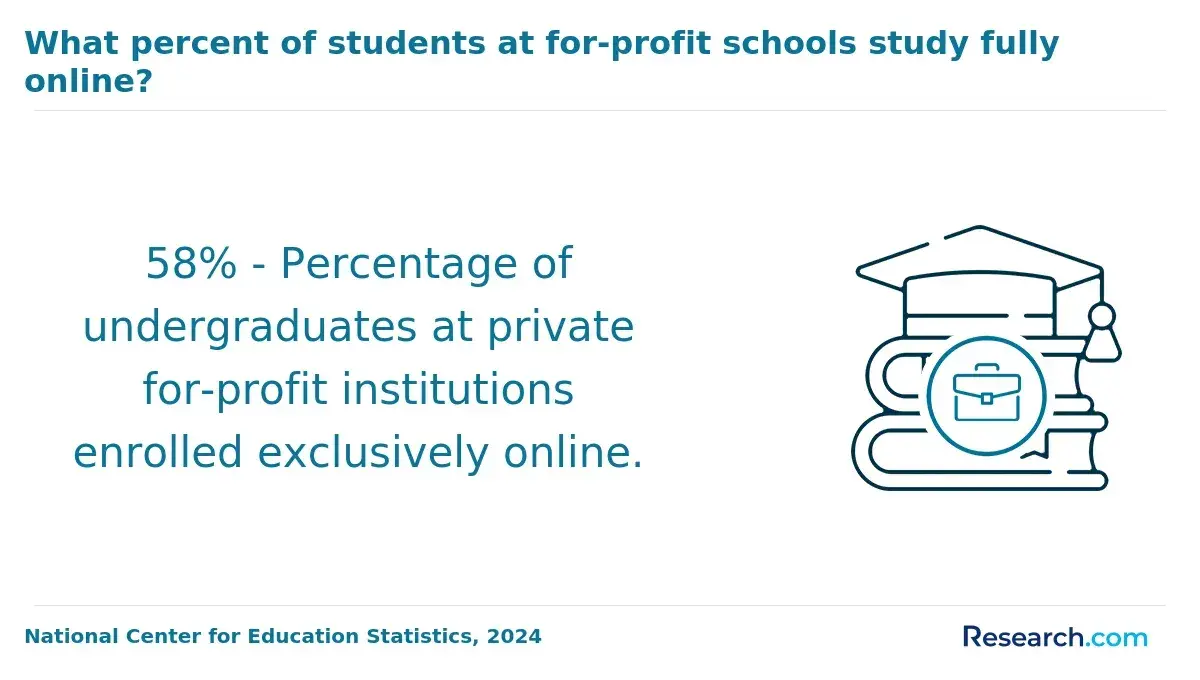
Financial aid can turn a merely affordable program into a realistic one, especially for students who would otherwise borrow for tuition, transportation, and clinical expenses. The key is to compare net price after grants, scholarships, employer support, and transfer credit rather than sticker price.
Students should investigate aid in a specific order so they do not miss money that does not need to be repaid. The steps below help you build a lower-cost plan before committing to a cohort.
- Submit the FAFSA and review federal Pell Grant, work-study, and federal loan eligibility before comparing out-of-pocket prices.
- Ask the college whether radiography students qualify for program-specific scholarships, workforce grants, state healthcare grants, or foundation awards.
- Check whether local hospitals, imaging centers, or healthcare systems offer tuition assistance, sponsorships, or loan repayment for hard-to-fill imaging roles.
- Ask whether prerequisite or general education credits can transfer from a lower-cost community college before you enter the professional sequence.
- Request a written estimate of costs that are not covered by tuition, including background checks, uniforms, dosimeters, clinical travel, testing, and licensing fees.
Borrowing is not automatically a bad decision if the program is accredited and leads to a realistic career path, but students should keep debt low enough that early-career wages can support repayment. Be cautious with programs that encourage maximum borrowing before explaining clinical placement requirements or credential eligibility.
If you are comparing healthcare programs mainly by aid availability, you may also want to review options outside imaging, such as best online CAHIIM accredited health information management degree programs, which may fit students who prefer data, records, compliance, and administrative healthcare roles.
Accreditation is one of the biggest value factors in radiography education because it can affect credential eligibility, state licensure, employer recognition, and transfer options. A low-cost program that does not meet the requirements for your target credential can become expensive if you have to repeat coursework elsewhere.
Radiography students should distinguish institutional accreditation from programmatic accreditation. Institutional accreditation applies to the college as a whole, while programmatic accreditation evaluates the radiologic technology program and its clinical education standards.
| Quality signal | What it tells you | Why it matters for ROI |
| Institutional accreditation | The college meets recognized academic and administrative standards | Often needed for federal financial aid and transfer credit consideration |
| Programmatic radiography accreditation | The radiography program meets field-specific education and clinical standards | Can affect certification eligibility, employer trust, and graduate mobility |
| ARRT eligibility alignment | The curriculum supports the pathway needed for radiography certification | Certification is commonly expected by employers and may be tied to state licensure |
| State approval or licensure alignment | The program meets requirements for the state where you plan to work | Requirements vary, so a program's value depends partly on your target state |
| Published outcomes | Completion, credential exam pass, and job placement data where available | Outcome transparency helps distinguish real value from low-price marketing |
Ask each school whether its graduates are eligible for the credential and license needed in your state, not just whether the college is accredited. This distinction is especially important for online and hybrid students who live outside the school's home state.
Students interested in adjacent healthcare information roles should use the same accreditation mindset when comparing programs. For example, a health information management degree online may be evaluated through a different accreditation and credentialing framework than radiologic technology, even though both are healthcare pathways.
Flexible and accelerated radiology technician associate degree options exist, but flexibility has limits because students must complete hands-on clinical competencies. The most flexible programs usually move lecture content online, allow general education courses before cohort entry, or offer multiple clinical affiliates rather than eliminating in-person training.
The best flexible option depends on whether you are a beginner or already credentialed. The table below separates realistic accelerated routes from options that may sound faster than they are.
| Flexible option | Best for | Potential benefit | Limitation to confirm |
| Online general education before radiography admission | Students still completing prerequisites | Can lower scheduling pressure before the professional cohort | Prerequisites may expire or require minimum grades |
| Hybrid radiography cohort | Students who can attend labs and clinicals but prefer online lectures | Reduces campus lecture time while preserving clinical training | Clinical hours may still be fixed and daytime-heavy |
| Summer or year-round course sequence | Students who want faster completion | Can shorten calendar time if courses are sequenced tightly | Workload can be intense and hard to combine with full-time work |
| Credit for prior learning or transfer credit | Students with previous college coursework | Can reduce tuition and time in general education courses | Professional radiography courses are less likely to transfer |
| Online completion degree | Certified technologists who lack an associate degree | Often the most flexible associate route | Usually not available to students without prior imaging credentials |
When comparing accelerated programs, ask whether faster completion changes clinical intensity, weekly time commitment, or employment feasibility. A shorter program is only financially better if you can complete it successfully without retaking courses or dropping hours you cannot afford to lose.
Students should also ask whether part-time enrollment is allowed after admission to the radiography cohort. Some programs permit part-time prerequisites but require full-time participation once clinical education begins.
An associate degree can be both an employment credential and a stepping stone to a bachelor's degree, but the value depends on the degree type and transfer policy. An AAS is often career-focused, while an AS may include more transferable general education and science coursework; however, transfer rules vary by school, state system, and receiving university.
Career advancement in imaging often comes from combining the associate degree with experience and additional modality credentials. Common paths include CT, MRI, mammography, interventional radiography, quality assurance, clinical education, department supervision, and eventually imaging management.
Students planning long-term advancement should ask about transfer before enrolling, not after graduation. The following questions can prevent expensive credit loss.
- Does the program have an articulation agreement with a bachelor's program in radiologic sciences, imaging sciences, healthcare administration, or a related field?
- Will radiography technical credits transfer as major credit, elective credit, or not at all?
- Can graduates complete a bachelor's degree online while working as registered technologists?
- Does the receiving bachelor's program require additional clinical competencies or only upper-division coursework?
- Will the associate degree meet general education requirements, or will you need extra math, science, writing, or humanities courses?
An associate degree may be the better first investment if you want to enter the workforce faster and later use employer tuition assistance for a bachelor's degree. A bachelor's-first pathway may make more sense if your target role is management, advanced modality leadership, education, or a specialized healthcare field that requires broader coursework.
If your long-term goal is healthcare data leadership rather than direct imaging practice, comparing radiography transfer plans with a health information management degree online can clarify whether you prefer patient imaging, clinical operations, compliance, coding, informatics, or records management.
How Should Students Choose the Cheapest Online Radiology Technician Associate Degree for Their Career Goals?
The best cheap online or hybrid radiology technician associate degree is the one that fits your target job, state requirements, schedule, and debt tolerance. Start with career eligibility, then compare cost; reversing that order can lead to a low-price program that does not support your actual goal.
Use the checklist below when narrowing your options. It is designed to help you compare programs beyond tuition and avoid common affordability traps.
- Confirm the exact occupation you want, such as radiologic technologist, MRI technologist, CT technologist, radiation therapist, or nuclear medicine technologist, because each can have different education and credential requirements.
- Verify institutional accreditation, programmatic accreditation, ARRT eligibility, and state licensure alignment for the state where you plan to work.
- Calculate total program cost by adding tuition, fees, clinical expenses, technology, books, supplies, exam costs, and transportation.
- Ask whether the program's published duration includes prerequisites, waitlists, and selective admission requirements.
- Compare clinical placement logistics, including distance, schedule, required shifts, and whether placements are guaranteed or student-arranged.
- Review completion rates, credential exam pass rates, and job placement information when schools publish them.
- Check whether credits transfer to a bachelor's degree, especially if you want management, education, or advanced modality opportunities later.
- Estimate affordability using net price after grants and scholarships, not just sticker tuition.
- Compare local wages in your region because national median wages may not reflect entry-level pay in your city or state.
- Avoid programs that cannot clearly answer questions about accreditation, clinical placement, credential eligibility, total costs, or graduate outcomes.
Choose a community college or state technical college pathway if you want the lowest likely cost and can manage a structured clinical schedule. Consider a higher-cost program only if it offers a faster start, stronger clinical access, better support, or a schedule that materially improves your chance of finishing.
Students should avoid radiography if they need a fully online program with no in-person requirements, cannot meet physical and clinical expectations, are uncomfortable with direct patient care, or are not prepared for selective admission. In those cases, another healthcare associate or certificate program may provide a better cost-to-fit balance.
Other Things You Should Know About Radiology Technician
Many people use the terms interchangeably, but employers and credentialing bodies often use "radiologic technologist" for professionals trained to perform diagnostic imaging. Job titles vary by state and employer, so always read the credential and license requirements in job postings.
Some students work part time, especially during prerequisites, but full-time work can be difficult once clinical rotations begin. Clinical schedules may require weekday daytime availability, travel, and strict attendance.
Yes. Students use anatomy, physiology, radiation physics, image evaluation, patient positioning, and safety concepts. You do not need to be a science expert before enrolling, but weak prerequisite preparation can make the professional sequence harder.
Employers usually care less about whether some coursework was online and more about accreditation, clinical competency, certification eligibility, state licensure, and hands-on experience. A hybrid accredited program with strong clinical training can be credible, while a fully online program without clinical preparation is unlikely to meet entry-level radiography expectations.
- Find a Program - JRCERT https://www.jrcert.org/find-a-program/
- Radiology Technician Salary & Job Outlook in the USA – 2025 Guide https://ccitraining.edu/blog/radiology-technician-salary-and-job-outlook-in-the-usa/
- Guide to Top Scholarships for Online Radiology Tech Students https://www.edumed.org/financial-aid/scholarships/radiology-tech-programs/
- How To Become A Radiologic Technologist | Become With Lantern https://www.learnhowtobecome.org/radiologic-technologist/
- Radiologic Technology Associates https://an.edu/programs/associates/radiologic-technology-associates/
- Radiology Tech Scholarships | Imagine America Foundation https://imagine-america.org/scholarships/radiology-technology/
- Center for Radiology Education to Provide Medical Imaging Scholarships at John Patrick University https://www.itnonline.com/content/center-radiology-education-provide-medical-imaging-scholarships-john-patrick-university
- NHTI Radiologic Technology program graduates earn 100% national exam pass rate https://www.nhti.edu/nhti-radiologic-technology-program-graduates-with-100-national-exam-pass-rate/
- Radiology Tech Programs: Types, Timelines, and How to Choose (2026) | Tesla MR Institute https://teslamr.com/guides/radiology-tech-programs/
- Academic Scholarships https://www.asrt.org/foundation/programs/academic-scholarships