2027 Machine Learning Degree Master's Programs You Can Get Into Right Now (Eligibility-Based Matches)

Co-Founder and Chief Data Scientist
Many professionals with backgrounds unrelated to computer science face challenges when seeking to enter the field of machine learning. Without a clear pathway or understanding of eligibility, candidates miss opportunities to enroll in master's programs designed for career changers. The demand for machine learning experts continues to rise, with online programs reporting a 40% increase in enrollment among non-technical applicants over the past three years. Addressing these barriers, this article identifies master's programs in machine learning that accept students based on specific eligibility criteria. It aims to guide prospective students toward flexible, accredited options tailored to their academic and career transition needs.
Key Benefits of Eligibility-Based Machine Learning Degree Master's Programs
- Programs offering flexible schedules and part-time options enable working professionals to balance career demands while earning their degree without compromising job responsibilities.
- Accelerated pathways and credit transfers reduce time-to-completion, allowing students to quickly acquire advanced skills critical for rapidly evolving AI and data science roles.
- Access to global cohorts and industry partnerships fosters diverse networking opportunities, enhancing career prospects through collaboration with experts worldwide.
What Is the Minimum GPA Requirement for Machine Learning Master's Programs?
Prospective students assessing eligibility for machine learning master's programs need to be aware of varying minimum GPA requirements that affect admission chances. To help you quickly benchmark your academic standing, key distinctions and examples across program tiers are outlined below.
Key points of minimum GPA requirements include:
- Minimum Versus Competitive GPA: Many programs list a 3.0 GPA as a strict minimum cutoff, yet the average admitted GPA tends to be higher due to competitive applicants.
- Range Across Program Tiers: Top-tier universities commonly enforce a 3.0 minimum, while mid-tier and regional schools sometimes accept GPAs as low as 2.75, especially when supplemented by strong application materials.
- Holistic Review Practices: Some admissions offices apply a holistic approach, allowing candidates below minimum GPA thresholds to demonstrate potential via professional experience, recommendation letters, and personal statements.
- Concrete Admissions Examples: For example, the University of Colorado Boulder accepts applicants with a 2.75 GPA if accompanied by strong supplemental materials, whereas Carnegie Mellon University upholds a firm 3.0 minimum.
- Recent Trends: Around 40% of U.S. STEM graduate admissions offices have increased flexibility in GPA standards post-pandemic to prioritize holistic evaluations.
Gathering this data on minimum GPA requirements for machine learning master's programs in the US allows you to filter schools realistically and build a tailored list matching your profile. For additional guidance on related disciplines, consider exploring reputable online MSW programs as well.
Which Machine Learning Master's Programs Accept Students Without Direct Field Experience?
Applicants to machine learning master's programs come from diverse backgrounds, including career changers, recent graduates, and professionals from related fields. Because of this variety, experience requirements differ significantly across programs. The following key mechanisms outline how schools accommodate students without direct field experience.
- Bridge or Preparatory Courses: Several programs provide foundational or boot camp-style courses in math, programming, and data science to prepare students before or alongside the main curriculum. For instance, Carnegie Mellon's Master of Computational Data Science permits conditional admission upon completion of specified bridge courses as detailed on their admissions page.
- Prerequisite Waivers and Evaluations: Institutions like Georgia Tech assess applicants based on academic records and standardized test scores, often waiving prior machine learning experience requirements for those with strong quantitative skills demonstrated in other disciplines.
- Provisional or Conditional Admission: The University of Washington's Master of Science in Data Science admits students lacking a machine learning background conditionally, requiring them to fulfill prerequisite coursework during their first year, as stated in their policy documentation.
- Interdisciplinary Application Pathways: Schools such as Stanford emphasize problem-solving and analytical skills over direct experience, providing resources aimed at quickly bridging knowledge gaps for applicants from non-traditional backgrounds.
- Holistic Review Processes: Many programs now prioritize motivation, recommendations, and demonstrated learning potential rather than strict experience, increasing accessibility to a wider range of candidates.
When applying to master's degrees in machine learning with flexible admission criteria, applicants with limited experience should highlight quantitative coursework, relevant projects, or work in related fields as strengths. This approach can demonstrate adaptability and readiness.
Currently, about 30% of admitted students in top U.S. machine learning programs enter without formal prior experience, indicating a growing openness to diverse academic and professional profiles. For additional guidance on affordable options, prospective students might explore the cheapest EdD programs online as an example of flexible graduate pathways.
Are There Machine Learning Master's Programs That Do Not Require the GRE or GMAT?
The shift toward test-optional or waived GRE and GMAT policies has become widespread across graduate education, especially within machine learning master's programs following the pandemic. These changes aim to improve accessibility and reflect a more holistic review of applicants.
Below are critical distinctions to consider when evaluating schools' test requirements.
- Full GRE/GMAT Waivers: Several programs have completely removed standardized tests from their admissions criteria, instead emphasizing undergraduate GPA, relevant coursework, or professional experience as primary evaluation factors.
- Optional Test Submission: Many institutions now allow applicants to decide whether to include GRE or GMAT scores. Submitting high scores can enhance an application, but absence of scores does not automatically disqualify candidates.
- Conditional Test Waivers: Some schools grant waivers only if applicants meet predefined academic benchmarks, such as a strong GPA, or possess substantial professional experience in related fields like data science or software development.
- Temporary Suspensions During the Pandemic: A number of graduate programs paused test requirements amid COVID-19 uncertainties; however, many have since reinstated or modified these policies. Applicants need to confirm the current status as it may vary each admissions cycle.
- Verification and Strategic Submission: With policies evolving frequently, candidates should verify each program's official requirements before applying. When optional, submitting test scores should be a careful decision based on whether the results strengthen the application profile.
For prospective master's students, letters of recommendation are a critical part of the application process and can significantly influence admissions decisions. The typical recommendation letters needed for master's in machine learning admissions usually range from two to three, but there are exceptions.
Below is an overview of key points to consider when securing these letters.
- Typical Number of Letters: Most machine learning master's programs request two or three recommendation letters. While some programs accept two letters, three often offer a more comprehensive view of an applicant's skills and character.
- Academic vs. Professional Recommenders: Academic recommenders often highlight technical competency and research potential, especially in machine learning-related coursework, whereas professional recommenders provide insight into industry experience and problem-solving abilities.
- What Makes a Strong Letter: Admissions committees prioritize personalized letters with clear examples of analytical thinking, creativity, and resilience over generic endorsements. Focused stories about accomplishments and challenges stand out.
- Timing and Preparation: It's advisable to request letters at least one to two months ahead of deadlines. Providing recommenders with your résumé, transcripts, program information, and personal goals helps craft well-targeted letters.
- Submission Requirements: Some programs mandate letters be submitted through specific portals or emailed directly by recommenders, so carefully following these instructions is essential to avoid delays.
Applicants should also explore pathways such as financial aid and time-to-completion estimates when comparing programs. For those balancing work and study, flexible options like an online bachelor's degree may offer foundational preparation before pursuing advanced machine learning master's degrees.
Prospective students aiming for a machine learning master's program must navigate a variety of application deadlines that shape their chances for admission and financial aid. Recognizing the timing and type of each deadline helps candidates plan effectively. Here are essential points to understand:
- Deadline Types: Programs generally feature early decision, priority, regular, and rolling deadlines. Early decision often requires a binding commitment but can boost acceptance odds and scholarship opportunities. Regular deadlines are firm cutoff dates, while rolling admissions process applications continuously until the program fills.
- Seasonal Timeline: Most fall enrollments have deadlines between November and February, with early decision dates commonly in November or December. Spring or summer sessions are less frequent and typically close several months before start dates.
- Benefits of Early Submission: Applying early, especially in rolling-admission contexts, enhances admission chances and increases access to financial aid, as fewer applicants compete for limited seats.
- Distinguishing Deadlines: It is crucial to differentiate between final application dates and deadlines for supporting documents like transcripts or recommendation letters, since missing either can delay or invalidate an application.
- Tracking Progress: Creating a personalized calendar with key dates-including financial aid, test scores, and document submissions-supports organized and timely completion of each requirement.
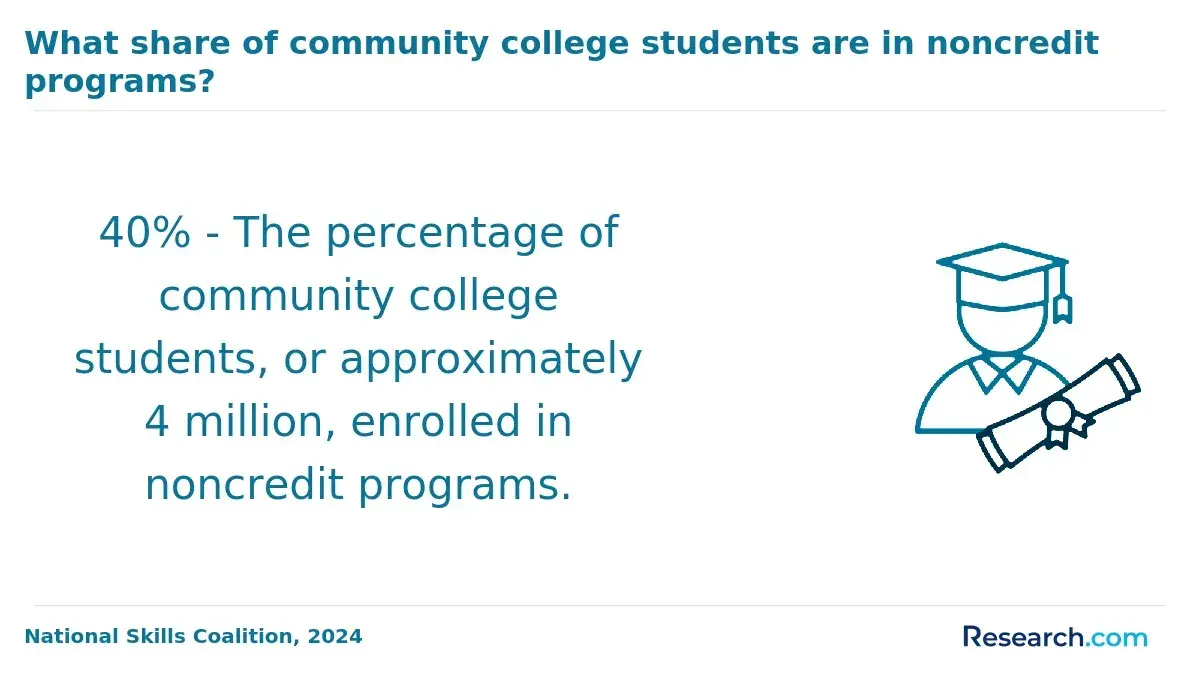
Flexible delivery options are increasingly important for prospective master's students in machine learning who balance work, family, or international relocation. These formats offer different advantages and compromises depending on your personal and professional needs.
Below are key considerations to guide your choice.
- Varied Learning Formats: Programs often come as fully online, hybrid, part-time evening, or weekend cohort models. Fully online studies offer maximum scheduling flexibility but can reduce live interaction, while hybrid programs combine remote coursework with some on-campus sessions to foster engagement.
- Accreditation and Credential Parity: Leading universities confirm that their online or part-time machine learning degrees hold the same accreditation and maintain equivalent academic standards as their in-person counterparts, ensuring the credential's full legitimacy.
- Employer Perceptions: Most employers in the machine learning sector focus more on applicants' skills and portfolios than the mode of degree delivery, particularly when the program is from a reputable institution with recognized accreditation.
- Networking and Career Support: Online students may find fewer spontaneous networking moments but can often access virtual events, mentorship programs, and dedicated career services designed to support remote learners.
- Scheduling, Residency, and Cost Factors: Part-time paths allow extended study timelines to accommodate employment, while residency requirements vary-some programs request brief on-campus visits. Overall, online and part-time tracks may reduce costs and travel but require careful evaluation of total expenses.
Specific examples include Carnegie Mellon University's Master of Science in Machine Learning, which offers a part-time online option with identical accreditation, and Georgia Tech's Online Master of Science in Computer Science with a specialization in machine learning, both assuring equal credential value and extensive virtual support.
Fulfilling prerequisite courses is essential for machine learning master's degree applicants to demonstrate readiness for advanced study and to promptly identify any academic gaps. Below are key considerations to help you assess and address these requirements efficiently.
- Hard Prerequisites: These are foundational undergraduate courses such as linear algebra, calculus, programming, and probability or statistics that must be completed prior to enrollment. Most programs will not admit students without these due to their importance in grasping advanced machine learning concepts.
- Soft Prerequisites: These typically include introductory machine learning topics or research methods courses which can often be taken concurrently during the first semester. They offer flexibility for students who lack some background but otherwise meet admission criteria.
- Remediation Options: If you need to fill gaps, time-efficient alternatives include community college courses, accredited MOOCs, or certificate programs designed to quickly build required skills without delaying application timelines.
- Waivers and Exceptions: Some graduate programs waive prerequisites if applicants can demonstrate equivalent academic work or substantial relevant professional experience. Contacting admissions or graduate advisors directly is vital to confirm your eligibility for such exceptions.
- Verification and Planning: Review each program's published prerequisite list carefully and consult admissions staff before applying. This ensures a clear understanding of what must be completed first and what can wait, enabling you to prepare a realistic and competitive application.
Prospective students exploring financial aid options for machine learning master's programs can navigate a range of funding sources that help manage the costs of graduate study. Understanding these categories and their application nuances is essential to developing a realistic funding strategy.
Key funding types include the following:
- Institutional Scholarships: Offered by universities based on merit or financial need, these scholarships may require separate applications or automatic consideration when admitted. Deadlines vary across institutions, so early inquiry is necessary to meet all requirements.
- Departmental Fellowships: Competitive and merit-based, these awards come from machine learning or computer science departments. Applications often involve submitting proposals or supplementary materials to highlight research potential and academic excellence.
- Teaching Assistantships (TAs): Providing tuition waivers or stipends in exchange for teaching-related duties, TAs require strong academic records and communication skills. Application deadlines typically differ from admissions cycles, demanding proactive outreach.
- Research Assistantships (RAs): Funded through faculty grants, RAs combine financial support with valuable hands-on research experience. Securing these positions usually necessitates direct contact with faculty members and demonstrating relevant skills.
- External Awards from Professional Associations: Scholarships and grants targeted at machine learning graduate students are available from organizations such as the Association for Computing Machinery (ACM), the Institute of Electrical and Electronics Engineers (IEEE), and the Machine Intelligence Research Institute (MIRI). These opportunities are competitive and require early planning aligned with association deadlines.
When comparing programs, carefully calculating the net cost of attendance by accounting for all financial aid sources and living expenses is crucial. A recent trend shows growth in merit-based scholarships aimed at STEM fields, reflecting increased competition among institutions to attract top talent in machine learning.
For detailed financial aid options, students may also explore resources typical of other fields, including those listed on sites promoting an accredited online psychology degree for parallels in funding pathways.
Writing a strong statement of purpose is essential for prospective master's degree students in machine learning, directly impacting admissions outcomes. This section outlines how to craft a compelling and targeted statement for those aiming to understand how to write a compelling statement of purpose for machine learning master's programs.
To focus efforts effectively, consider these vital elements:
- Compelling Opening: Begin with a clear, engaging introduction that highlights your passion and motivation for machine learning. Avoid clichés and emphasize a specific experience or insight that ignited your interest.
- Clear Research or Professional Focus: Clearly state the areas within machine learning you plan to explore or work on. Briefly mention relevant projects, skills, or career goals that demonstrate your understanding of the field.
- Evidence of Preparation: Use concrete examples of academic achievements, technical skills, or professional experiences that equip you for the program. Specific details increase credibility and impact.
- Program Fit Paragraph: Show familiarity with the program by referencing faculty members, labs, or unique resources aligned with your ambitions. This approach signals research depth and strategic thinking rather than generic praise.
- Revision and Feedback Process: Admissions committees value intellectual focus, writing quality, self-awareness, and alignment with program strengths. Remove vague phrases, substitute broad compliments with specific details, and use a confident, active voice. Seek peer reviews, writing center help, or mentor feedback, and anticipate at least three drafts to refine your statement.
In parallel, applicants should also evaluate practical aspects such as admissions criteria including GPA floors, GRE waivers, recommendation letters, and prerequisite coursework to build a realistic application list. Research financial aid pathways, career outcomes, accreditation, and program duration to assess both access and value.
This comprehensive strategy supports crafting an effective sop for admission to machine learning graduate programs that is both competitive and authentic. For related insights on affordable educational pathways, prospective students may explore the cheapest online construction management degree as a comparative model for balancing access, cost, and program value.
Prospective machine learning master's students benefit greatly from analyzing graduate career outcome data to make well-informed enrollment decisions. Different sources offer varying levels of transparency and detail, so it's important to evaluate the data carefully.
Here are essential factors to consider when reviewing career outcomes:
- Reliable Data Sources: Employment outcomes can be found via first-destination surveys conducted shortly after graduation, LinkedIn alumni filters that track career progress, and official graduate school outcome reports. Each source differs in scope and accuracy, requiring careful scrutiny.
- Key Outcome Indicators: Focus on metrics such as employment rates within six months of earning the degree, median starting salaries, typical job titles like data scientist or AI engineer, and the industries that employ graduates, including technology, finance, and healthcare sectors.
- Contextual Variations: Career results often vary depending on factors such as a program's specialization, geographic location, and whether it emphasizes thesis research or coursework, influencing the types of roles graduates secure.
- Assessing Data Quality: Look for transparent information on sample sizes, response rates, and definitions of employment status to avoid misleading or inflated figures derived from small or selective respondent groups.
- Alumni Outreach: Connecting with alumni directly through LinkedIn enables prospective students to gather unfiltered insights on career paths and real-world job market dynamics beyond official statistics.
Eligibility-based matching focuses on aligning your academic achievements, test scores, work experience, and specific program requirements to find master's programs in machine learning that you have a realistic chance of entering. This method offers a practical alternative to relying solely on generic rankings, helping applicants build a more targeted and achievable list of schools that match their unique qualifications.
Popular matching platforms each bring different strengths and trade-offs. Peterson's compiles GPA ranges, GRE minimums, and prerequisite coursework data sourced from official university catalogs, offering a broad foundational overview. Niche blends statistical information with student reviews, which can provide useful insights about program culture but may sometimes be subjective or incomplete. GradCafe aggregates crowd-sourced admissions outcomes to illustrate real acceptance trends, though it lacks formal validation. Professional association directories emphasize accredited programs and formal requirements but might not reflect the latest admissions updates promptly.
Since admission criteria like GRE waivers and holistic evaluations evolve constantly, it's critical to verify results from any matching tool against official program publications and data. These platforms serve as a helpful starting point to narrow your search but should never be the sole resource. To confirm your actual eligibility and get the most current information, contacting admissions offices directly remains essential before submitting applications.
What Graduates Say About Eligibility-Based Machine Learning Degree Master's Programs
- Augustus: "Pursuing an eligibility-based machine learning master's degree was a strategic decision to pivot my career towards data science, especially since I already had a solid foundation in software engineering. I found the program's cost surprisingly reasonable compared to other options, which made it accessible without sacrificing quality. This degree significantly accelerated my path to leadership roles in AI development, aligning perfectly with my long-term career aspirations."
- Antonio: "Reflecting on my experience, the eligibility requirement gave the program a sense of exclusivity and motivation to push myself harder. I chose this master's specifically for its focus on core machine learning concepts tailored to professionals like me aiming to refine skills rather than start from scratch. Though the price was a major consideration, it felt like a worthwhile investment given how it opened doors to impactful projects and elevated my professional credibility."
- Julian: "As someone balancing work and study, the eligibility-based master's program offered a perfect blend of flexibility and rigor that suited my busy schedule. The cost was a concern initially, but the financial aid options and the quality of instruction justified the expense. Completing this master's has been transformative, enabling me to contribute to cutting-edge initiatives and fulfill my goal of becoming a recognized expert in machine learning applications."
Other Things You Should Know About Machine Learning Degrees
Accreditation standards ensure that a program meets specific quality criteria which can influence the eligibility and options available to students. Accredited programs tend to be more recognized, affecting financial aid eligibility and credit transfers. In 2027, checking accreditation status is crucial for enrolling in reputable Machine Learning master's programs.
Yes, several universities offer accelerated or combined bachelor's-to-master's pathways in machine learning. These programs allow students to begin graduate coursework during their undergraduate studies, often shortening the total time to earn both degrees by one year or more. Eligibility usually requires maintaining a certain GPA and completing prerequisite courses early. Prospective students should check specific program requirements and deadlines to take full advantage of these pathways.
Yes. Many 2027 Machine Learning master’s programs accept applicants with bachelor’s degrees in computer science, statistics, mathematics, data science, or engineering. Common requirements include a minimum 3.0 GPA, calculus, linear algebra, probability, and prior programming experience in Python, Java, or C++.
- Best Artificial Intelligence and Machine Learning Scholarships https://aifwd.com/education/best-artificial-intelligence-scholarships/
- Artificial Intelligence (AI) Master's Degree Programs That Don't Require the GRE - AI Degrees Online https://aidegreesonline.com/degrees/masters/ai-programs-no-gre/
- Why Get a Masters in AI or ML? Career Benefits and Future Outlook https://futurense.com/blog/why-get-a-masters-in-ai-or-ml
- Machine Learning MSc https://www.ucl.ac.uk/prospective-students/graduate/taught-degrees/machine-learning-msc
- Letter of recommendation for masters https://edvoy.com/articles/letter-of-recommendation-for-masters/
- Masters Artificial Intelligence https://www.udacity.com/masters-artificial-intelligence
- Machine Learning Admission and Application https://uni-tuebingen.de/fakultaeten/mathematisch-naturwissenschaftliche-fakultaet/fachbereiche/informatik/studium/studierende/lehre-studienorganisation/studiengaenge/machine-learning/admission-and-application/
- No GRE Master's in AI Programs - MastersInAI.org https://www.mastersinai.org/degrees/no-gre-ai-programs/
- Best Study Abroad Eligibility Calculator: Try it for Free https://universitiespage.com/eligibility-calculator
- Dates - Machine Learning and Generative AI Master https://www.fh-joanneum.at/machine-learning-and-generative-ai/master/en/admissions/dates/