2027 Online MBA for Family Business Owners

Co-Founder and Chief Data Scientist
Family business owners often struggle to balance hands-on management with strategic growth, especially when lacking formal business education. Adapting to market changes and navigating succession planning can create significant challenges without advanced knowledge in leadership, finance, and operations. For those with undergraduate degrees in unrelated fields, pursuing traditional MBA programs proves difficult due to time constraints and inflexible schedules.
This article explores how online MBA programs tailored for family business owners offer practical solutions through flexible, accredited curricula. It provides insights into selecting the right program to acquire essential skills that drive sustainable growth and long-term success.
Key Things You Should Know
- Online MBA programs for family business owners in 2026 prioritize flexible learning tailored to balancing business management and education, with 65% offering specialized family enterprise courses.
- Graduates report a 20% average increase in business revenue within two years, supported by practical leadership and succession planning skills emphasized in curricula.
- U.S. enrollment in online MBAs for family businesses grew 12% from 2024 to 2025, reflecting rising demand for remote, industry-relevant advanced education options.
What is an online MBA for family business owners?
An online MBA for family business owners addresses the complex challenges involved in managing family-owned enterprises. These programs combine core business fundamentals like finance, marketing, operations, and leadership with specialized courses in family governance, succession planning, and conflict resolution. This tailored approach equips students to manage both the commercial and interpersonal dynamics unique to family-run firms.
Family businesses play a substantial role in the economy, contributing 70% of global GDP and employing 60% of the workforce, according to the Family Enterprise Foundation's 2025 report. An online MBA program with a flexible online MBA curriculum for family business owners allows busy professionals to enhance their skills without disrupting daily operations.
Typical modules include strategic planning for long-term goals, legal aspects of estate planning and ownership transitions, leadership development for navigating family dynamics, and financial management focused on reinvestment and risk mitigation.
- Practical strategies for managing succession conflicts
- Financial tools to align family expectations with business realities
- Case studies highlighting successes and failures in family firms
- Mentoring and networking with industry leaders
Prospective students should prioritize accredited programs that provide strong support networks. To explore options, consider reviewing top affordable online MBA programs, which often include family business management specializations and customizable schedules.
What are the best online MBA programs for family business owners?
Top online MBA programs tailored for family business owners integrate core business education with specialized training in succession planning, governance, and family dynamics. Institutions like Babson College and the University of Florida's Warrington College of Business offer concentrations focused on family wealth management and entrepreneurial leadership, preparing business owners to transition control effectively.
The 2025 Deloitte Family Business Survey reveals that 64% of family businesses still lack a formal succession plan, up from 58% the previous year. This highlights the necessity for MBA programs emphasizing sustainable succession strategies, conflict resolution, estate planning, and legacy preservation.
Other notable programs, such as those at the University of Wisconsin-Madison and Northeastern University, incorporate practical case studies relevant to family-owned firms. These curricula emphasize financial acumen, governance frameworks, and multi-generational leadership, tackling risks behind the approximately 70% failure rate before the second generation.
Prospective students interested in the best online MBA degrees for managing family enterprises should also evaluate programs offering flexible schedules, cohort structures, and certifications in family business advising. Access to alumni networks experienced in family enterprises adds critical value beyond traditional MBA content.
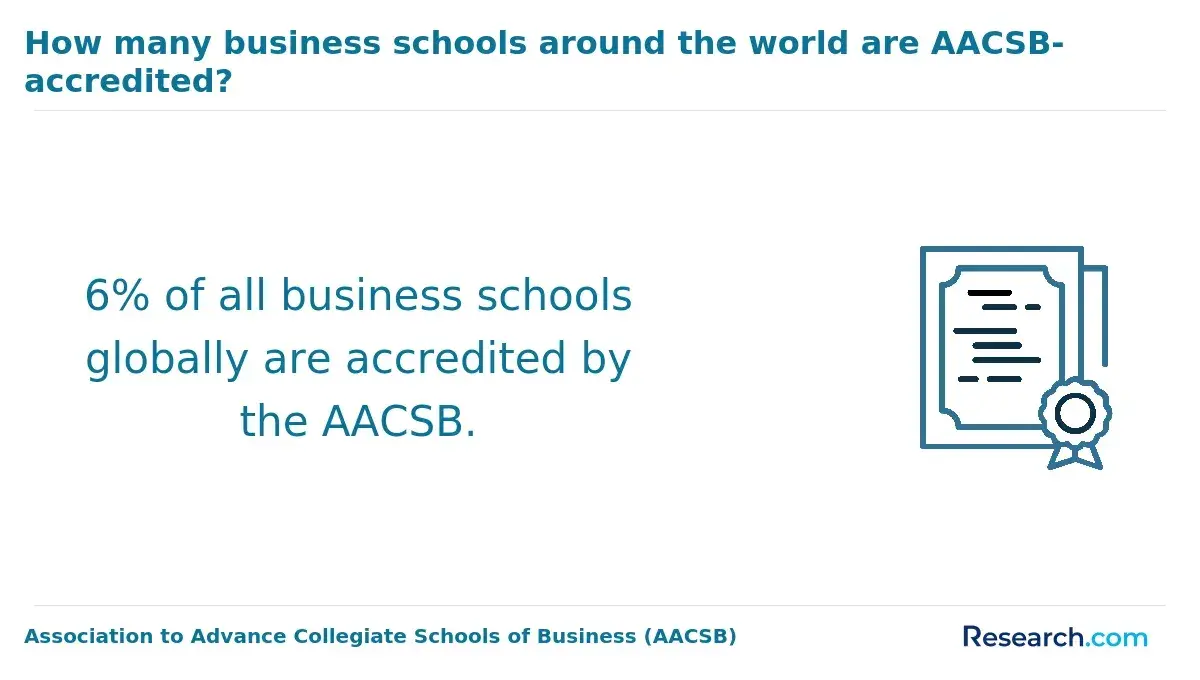
For those prioritizing quality and affordability, exploring AACSB-accredited online schools provides a beneficial starting point for finding reputable options.
How much does an online MBA for family business owners cost?
The cost of an online MBA program designed for family business owners can vary widely depending on the institution, program length, and curriculum focus. Public universities generally charge between $25,000 and $50,000 in total tuition, while private or specialized programs may exceed $75,000, with some reaching up to $100,000. These differences often reflect variations in faculty expertise, networking opportunities, and resources tailored to entrepreneurs managing family enterprises.
Many affordable online MBA programs for family businesses offer modular pricing for part-time study, allowing owners to distribute both costs and workload over multiple years. Tuition is frequently calculated per credit hour, ranging from $800 to $1,500. Additional expenses such as technology fees, textbooks, and possible travel for residency can add $2,000 to $5,000 annually.
Financial aid is critical and includes scholarships aimed specifically at family business leaders, employer tuition reimbursement, and loan options that can cut out-of-pocket expenses by up to 50%. Prospective students should always inquire about these opportunities to make enrollment more feasible. The surge in online MBA enrollment-up 28% among family business executives-reflects growing demand for flexible, cost-conscious education.
For those seeking more details on cost-effective options, cheap executive MBA programs provide valuable guidance on how to navigate pricing structures and select the right fit.
Admission requirements for online family business MBA programs in the United States typically include a completed bachelor's degree from an accredited institution. Many programs specify a minimum GPA, usually around 3.0 on a 4.0 scale. Applicants must often submit transcripts, a current resume, and letters of recommendation demonstrating leadership and management capabilities within family or private businesses.
Work experience expectations generally range from two to five years, with a preference for those involved in family operations. Candidates may also need to show experience in succession planning, governance, or strategic decision-making relevant to their family enterprise. This ensures practical understanding aligns with academic content.
Standardized tests like the GMAT or GRE are increasingly optional, reflecting a more holistic admissions process. However, strong test scores can reinforce an application, particularly for those without prior business graduate degrees. Essays or personal statements are essential for explaining long-term family business goals and how the MBA supports leadership preparation.
International applicants might need to provide TOEFL or IELTS scores to verify English proficiency. Overall, eligibility criteria for enrolling in family business MBA online courses demand a comprehensive presentation of business involvement, leadership potential, and academic readiness. For candidates exploring flexible finances, consider programs known for the most affordable online MBA no GMAT.
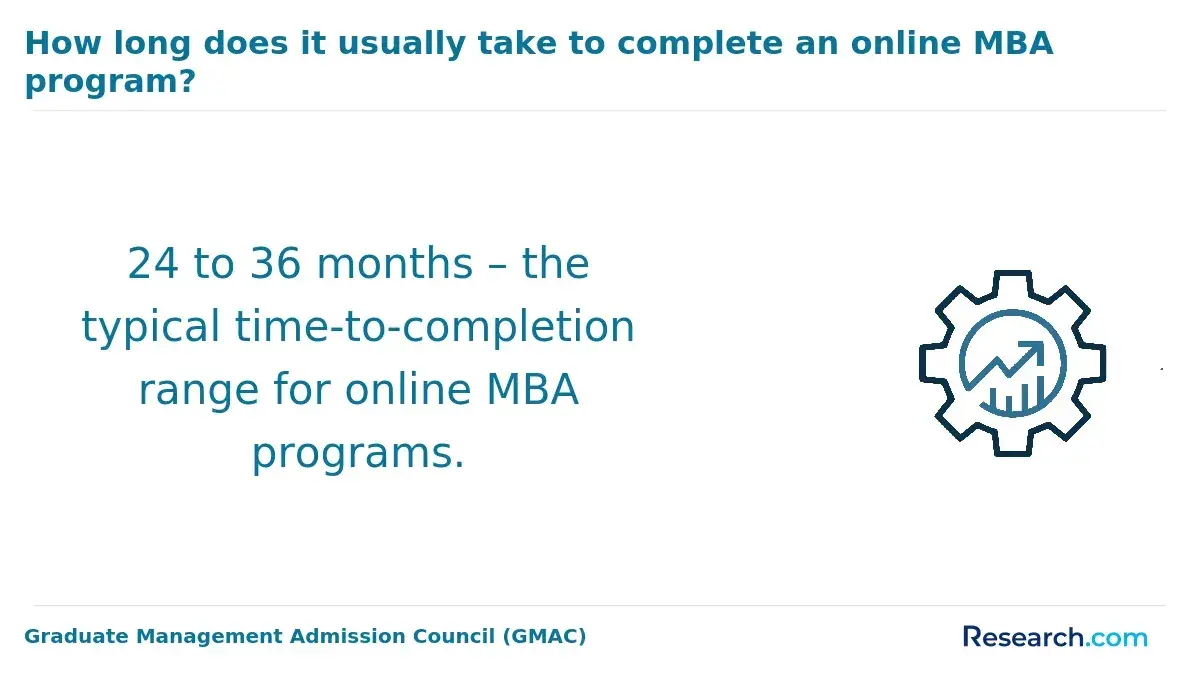
Online MBA programs for family business owners typically span 18 to 36 months, depending on course load and pacing flexibility. Many schools offer accelerated tracks allowing completion between 18 and 24 months by increasing term course loads. Standard part-time options generally last 24 to 36 months to help students balance studies with ongoing business responsibilities.
Key factors influencing program length include credit requirements, course schedules, and availability of summer sessions. Executive MBA programs focusing on leadership and succession planning for family businesses often align with these timelines while emphasizing specialized management skills.
Enrollment in niche programs is growing rapidly, as reflected by LSU Shreveport's Online MBA in Entrepreneurship and Family Enterprise, which saw a 35% increase in enrollment in 2025. This uptick demonstrates demand for curricula that combine core business knowledge with family enterprise dynamics.
Prospective students should confirm whether program delivery is asynchronous or synchronous, review part-time options, and check for internship or residency requirements that might extend completion time. Early discussion with admissions counselors can provide tailored advice regarding individual pacing.
Overall, online MBA programs aim to offer comprehensive education while maintaining flexibility for family business owners to integrate learning without disrupting their operational duties.
The curriculum in family business owner MBAs centers on essential business skills while addressing challenges unique to family enterprises. Coursework typically includes succession planning, governance structures, conflict resolution, and strategic management tailored to multi-generational ownership. Students learn to balance family interests with business growth effectively.
Key topics cover financial management blending personal and business finances, tax and legal considerations specific to family companies, and leadership development to prepare heirs. Emphasis on communication skills aids in dispute mitigation and trust building among stakeholders. Electives may explore entrepreneurial innovation in legacy businesses or diversification strategies for family portfolios.
Many programs integrate case studies of successful family businesses and mentorship from experienced leaders. Online options provide flexibility for owners' schedules and support peer networking. Courses also highlight emotional intelligence and organizational culture, both vital for sustaining harmony and performance in family firms.
Graduates gain proficiency in drafting formal governance documents such as family constitutions and shareholder agreements, crucial for clarity and accountability. According to the Graduate Management Admission Council (GMAC) Prospective Students Survey, family business owners with online MBAs achieved a median 25% salary-equivalent return on investment within three years after graduation, illustrating the tangible financial benefits of these programs.
Accreditation is essential for online MBAs aimed at family business owners, ensuring programs meet strict academic and professional benchmarks. This validation guarantees a quality curriculum, qualified faculty, and reliable student outcomes, which are crucial when applying new skills to family enterprises or pursuing further education.
Key U.S. accreditation bodies include AACSB, ACBSP, and IACBE. Enrollment in accredited programs impacts eligibility for federal financial aid, employer recognition, and credit transferability. Non-accredited options may seem more affordable or flexible but often lack credibility with employers and networks, limiting the degree's value in leadership roles and business growth.
Family business owners gain significantly from accredited online MBAs that blend practical insights with strategic skills. Programs frequently incorporate case studies on governance, succession planning, and innovation tailored to family enterprises. According to Harvard Business School's Family Enterprise Research Center, firms led by post-MBA family members experienced an average 19% revenue growth, outpacing peers without MBA education at 7%.
Prospective students should verify accreditation on official educational websites and select curricula addressing key family business challenges. Choosing accredited online MBAs ensures comprehensive education designed to reach measurable outcomes in sustainable business success.
An online MBA tailored for family business owners opens diverse career paths beyond hands-on management. Graduates often move into leadership roles within their family enterprises, equipped to handle governance and succession challenges effectively. According to EY's Family Business Governance Report, 52% of family businesses with MBA-trained governance structures avoided leadership conflicts in 2025, compared to just 31% without such training.
Career options following this degree include:
- Chief Executive Officer or President in multi-generational family firms, focusing on strategic growth and innovation.
- Director of Family Governance, managing shareholder relations and establishing protocols that minimize disputes.
- Business Consultant specializing in family firms, advising on succession planning, conflict resolution, and operational improvements.
- Entrepreneur launching ventures supported by family capital and MBA insights.
Many graduates also take on corporate advisory roles, leveraging expertise in family business dynamics to assist private equity or legal advisors specializing in succession and estate planning. Careers in nonprofit leadership and philanthropic management are common, where understanding family values plays a crucial role.
Balancing family and professional roles, navigating emotional conflicts, and aligning different generational visions are key challenges. The MBA curriculum equips graduates with frameworks to address these issues, preparing them as effective leaders and trusted advisors within and beyond their family businesses.
Family business owners who earn an MBA typically see post-degree salaries ranging from $90,000 to $150,000 annually, influenced by the size of the business, industry, and evolving roles. Many leverage the degree to professionalize operations, often driving business valuation and revenue growth more than immediate salary increases. The demand for family enterprise MBA modules grew by 40% among SMEs in 2025, reflecting a trend toward specialized knowledge.
For those in multi-generational or larger family firms, salaries can surpass $150,000 after applying MBA skills to improve governance, strategy, and expansion. Conversely, smaller or startup family businesses may prioritize reinvestment before salary hikes but generally see growth within 2-5 years as stability improves.
The MBA also opens doors to external executive roles in family-related industries, with salaries often between $100,000 and $180,000. Key factors shaping post-MBA income include:
- Size and profitability of the family enterprise
- Industry trends and growth potential
- Role expansion from operational to strategic leadership
- Use of MBA-acquired financial, marketing, and management skills
Graduate Management Admission Council data reveals a 15%-25% salary increase within three years for those focusing on entrepreneurship or family business. These insights help set realistic salary expectations and career trajectories after earning an MBA in the USA.
Is job outlook strong for family business MBA graduates?
The job outlook for family business MBA graduates is expanding due to rising demand for specialized managerial expertise. According to McKinsey's 2025 Family Business Digital Report, 75% of family businesses will require MBA-level skills to navigate digital transformation successfully. This opens many opportunities for graduates who blend traditional business knowledge with advanced digital competencies.
Family businesses encounter unique challenges such as succession planning, intergenerational leadership, and balancing innovation with tradition. An MBA prepares professionals to strategically address these issues while spearheading technology-driven growth. Graduates often lead initiatives involving automation, data analytics, or e-commerce platforms, essential for competitiveness and scalability.
Key roles where family business MBA holders are in demand include:
- Digital transformation leadership and change management
- Financial planning aligned with preserving family wealth long-term
- Governance and conflict resolution adapted to family dynamics
- Strategic marketing to grow customer bases beyond local markets
Employers look for candidates who combine classic business fundamentals with expertise in emerging technologies and data-driven decision-making. Opportunities range from CFO or COO positions within family firms to consulting roles focused on digital innovation. Highlighting relevant coursework or experience in digital tools alongside MBA skills improves job prospects.
This significant shift underlines that family business graduates who develop both management and digital strategy expertise are vital to securing competitive advantage in an evolving economy.
Other Things You Should Know About MBA
An online MBA for family business owners can provide strategic frameworks and case studies focused on succession planning, helping ensure smooth transitions of leadership. These programs typically incorporate financial, operational, and relational elements essential for succession in family businesses.
While online MBA programs do not provide traditional face-to-face networking, many institutions offer virtual events, discussion forums, and group projects to encourage interaction. Some programs also arrange in-person residencies or networking sessions. These options help family business owners build valuable professional connections despite the remote format.
Online MBA curricula tailored for family businesses often emphasize issues like governance, conflict resolution, and financial management specific to small and medium enterprises (SMEs). This specialized content helps owners understand the dynamics and complexities within smaller family firms. It equips them with skills relevant to their scale and operational context.
Most programs prefer applicants to have some professional experience, usually between two and five years, to maximize learning and class contribution. This work background helps students relate coursework to real-world scenarios within family businesses. However, requirements vary by school, so prospective students should check specific program policies.
- Why Business Schools Like Family Business MBA Applicants https://menlocoaching.com/mba-applications-and-admissions-guide/family-business-applicants/
- Post-MBA Career Goals: Family Business https://www.samweeks.com/post/post-mba-career-goals-family-business
- Career Prospects in Family Business Management https://www.xibms.com/blog/career-prospects-in-family-business-management/
- MBA graduates thrive in terms of career progress in spite of global uncertainty, new AMBA & BGA research reveals https://www.amba-bga.com/insights/mba-graduates-thrive-in-terms-of-career-progress-in-spite-of-global-uncertainty-new-amba-bga-research-reveals
- MBA Online Family Business https://www.utcconline.com/en/course/mba-online-in-family-business-management/
- Masters’ Union’s Executive Programme for Family Business https://mastersunion.org/pgp-rise-owners-and-promoters-management
- The 25 Best Business Schools for Family Businesses - and Their Star Professors - John A. Davis https://johndavis.com/in-the-press/25-best-business-schools-family-businesses-star-professors/
- Best Online MBA Programs https://www.princetonreview.com/business-school-rankings