2027 Science ROI by Institution Type: Public vs Private vs Nonprofit Online Programs

Co-Founder and Chief Data Scientist
Choosing an online science program can feel deceptively straightforward when tuition rates and program descriptions appear nearly identical. Yet, a 2024 analysis from the National Center for Education Statistics reveals public institutions' online science graduates have a 12% higher 6-year graduation rate than private counterparts, while certain nonprofit programs report significantly lower average student debt.
These disparities affect not only educational cost but also career mobility and long-term financial stability. Understanding how tuition and debt align with graduation success and employer recognition is crucial.
This article compares public, private, and nonprofit online science programs to clarify their ROI and help students make a data-driven choice.
Key Things to Know About Science ROI by Institution Type
- Public online science programs generally offer lower tuition and reduced student debt exposure, but often trade off with less personalized learner support and completion rates below private nonprofit peers, affecting timely credentialing.
- Private nonprofit institutions typically have stronger employer recognition and higher graduation rates in online science disciplines, indicating better career advancement potential, though elevated cost increases long-term debt risk for adult learners.
- Flexibility standards vary by institution type; public and nonprofit providers accommodate working adults better than some private options, influencing enrollment timing and program completion speed critical for ROI in dynamic science fields.
- Key Things to Know About Science ROI by Institution Type Key Things to Know About Science ROI by Institution Type
- What Does ROI Mean for a Science Program and How Is It Measured? Understanding Science Program ROI
- How Do Public, Private, and Nonprofit Online Science Programs Differ in Overall Value? Value by Institution Type
- How Do Tuition Costs Affect the ROI of a Science Program Across Institution Types? Tuition Costs and ROI
- How Do Graduation Rates Influence Science Program ROI? Graduation Rates Impact ROI
- What Role Do Career Outcomes Play in the ROI of a Science Degree? Career Outcomes and ROI
- How Does Student Debt Impact the Long-Term ROI of a Science Program? Debt vs. Long-Term ROI
- How Do Flexibility and Adult Learner Support Affect Science Program Value? Flexibility and Program Value
- How Do Accreditation and Institutional Reputation Influence Science ROI? Accreditation and Reputation
- How Does Time-to-Degree Affect the ROI of Public, Private, and Nonprofit Science Programs? Time-to-Degree
- How Can You Choose the Best Science Program Based on Your ROI Goals? Choosing Programs by ROI
What Does ROI Mean for a Science Program and How Is It Measured?
Evaluating the return on investment for a science program requires looking beyond sticker prices to how total educational costs, time-to-degree, and student debt combine to influence both short- and long-term value. For example, a public online program with lower tuition but extended completion time can raise opportunity costs through delayed workforce entry, potentially eroding its apparent affordability.
Measuring ROI for online science degree programs must also account for graduation rates, as lower completion rates concentrate debt burdens among fewer graduates, inflating individual financial risk. Private nonprofit programs, although often more expensive, may deliver higher retention and career advisement that improve actual outcomes, meaning the lowest-cost option does not always equate to the best long-term investment.
Decisions about science program ROI hinge on individual goals and circumstances, including career trajectory expectations and tolerance for debt. Institutional reputation and employer preferences frequently emphasize programs that integrate experiential learning and robust learner support, which can accelerate employment in relevant fields and boost salary growth over time.
Recognizing these nuanced tradeoffs is critical, especially when comparing public, private, and nonprofit options where cost structures, student support, and program length differ significantly. Prospective students seeking degrees you can get online that pay well should balance affordability against quality metrics and career outcomes to make informed choices aligned with their practical realities.
How Do Public, Private, and Nonprofit Online Science Programs Differ in Overall Value?
Public, private, and nonprofit online science programs present distinct tradeoffs that extend well beyond tuition rates, making a thorough evaluation essential for those balancing cost and educational impact. Public programs typically offer lower sticker prices, averaging 40-50% less per credit hour than private options, and often incur less student debt, around $21,000 on median according to 2024 National Center for Education Statistics data.
However, these affordability benefits can correlate with lower average graduation rates, generally falling between 45-60%, compared to nonprofit programs that may achieve 65% or higher due to more intensive academic support and networking resources that enhance student persistence and employer recognition.
Nonprofit online science schools often engage more robustly with accreditation standards and provide targeted career services, contributing to stronger employer perceptions of graduate readiness despite higher tuition and debt burdens. For cost-conscious learners juggling work and study, public programs may deliver workable debt levels but potentially less direct alignment with competitive job markets.
In contrast, private nonprofits might better position graduates for advanced roles through experiential learning opportunities and alumni networks, though at the expense of financial flexibility. This divergence influences not only immediate affordability but also the longer-term return on investment, depending on an individual's career goals and tolerance for upfront costs versus potential earnings premium.
One working professional carefully compared several online science programs, weighing a state-funded public option against private nonprofit alternatives. Concerned about accumulating excessive debt while needing flexible scheduling, they initially favored the public route but hesitated due to its lower graduation rates and less comprehensive career support.
After reviewing accreditation rigor and employer feedback, the decision settled on a nonprofit institution that offered dedicated advising and internship placements, which aligned better with goals for license eligibility and industry connections, despite a higher sticker price. The student found reassurance in choosing a program that balanced long-term educational and financial value rather than defaulting to the lowest cost option.
How Do Tuition Costs Affect the ROI of a Science Program Across Institution Types?
Lower tuition at public online science programs often reduces upfront costs and borrowing needs, but this advantage alone does not guarantee the best return on investment. For instance, while the National Center for Education Statistics reported an average net price of about $9,400 yearly for public programs versus over $20,000 for private nonprofit ones in 2024, private institutions frequently show completion rates roughly 10 percentage points higher.
Faster graduation and stronger program quality at private nonprofits can offset their higher tuition by minimizing time-to-degree and enhancing hiring prospects, which are critical factors for many working adults balancing education with income loss and career shifts.
Nonprofit online science programs usually fall between public and private tuition levels, often supplementing costs with more comprehensive student supports like career services and flexible scheduling. These resources help improve persistence and employment outcomes, which contribute significantly to long-term ROI, especially for adult learners who must navigate complex life demands alongside coursework.
However, students at private nonprofits may still face greater debt burdens despite scholarships, whereas public program participants typically rely more on federal loans with more manageable repayment options.
Ultimately, selecting a program requires weighing tuition against non-tuition factors including retention, credential value, and career alignment. Higher sticker prices can be justified if they lead to quicker entry into competitive science fields or stronger networks, but for cost-conscious learners, public programs' affordability and federal aid options often reduce financial risk. The decision hinges on a realistic assessment of one's financial capacity, time constraints, and career objectives rather than tuition alone.
How Do Graduation Rates Influence Science Program ROI?
Graduation rates influence the return on investment for online science programs by reflecting key operational distinctions between public, private, and nonprofit institutions. Private nonprofit programs often report higher completion percentages than many public online options, partly because of more selective admissions and stronger academic support services that foster persistence.
However, these rates can obscure realities such as part-time enrollment or extended time-to-degree common among working adults, which may lower graduation percentages without necessarily diminishing individual ROI when balanced against ongoing employment and income.
For cost-conscious learners comparing science program graduation rates and their impact on online education ROI, it is crucial to weigh factors beyond raw completion data. Public institutions frequently serve more diverse, nontraditional students who face unique challenges affecting institutional graduation metrics but offer broader access and flexibility.
Since longer enrollment periods increase tuition costs and debt, which reduce ROI, students should also consider how well programs align with industry needs and job placement rates. Adult learners can explore options like an affordable online master's in psychology to balance affordability and career outcomes effectively.
Graduation rates thus provide an important but incomplete indicator of institutional effectiveness and economic value in online science degrees. The 2024 National Student Clearinghouse Research Center data highlights these nuances, underscoring that ROI assessments must incorporate persistence challenges, support availability, and labor market alignment to make fully informed, practical decisions.
What Role Do Career Outcomes Play in the ROI of a Science Degree?
Career outcomes critically shape the ROI of science degrees from public, private, and nonprofit online institutions by directly influencing both immediate employment prospects and long-term professional trajectories. Public online programs, which report employment rates around 78% within six months post-graduation per the National Center for Education Statistics 2024, tend to offer stronger regional labor market connections that facilitate quicker job placement at often lower tuition costs.
In contrast, private institutions may carry higher price tags but frequently leverage specialized industry partnerships that can yield better access to leadership roles or niche sectors, presenting a tradeoff between upfront cost and career mobility. Nonprofits sometimes emphasize flexible program formats and pathways suited for graduate study, which can delay labor market entry but potentially enhance long-term academic and career advancement opportunities.
Employer preferences underscore the importance of tangible skills and experiential learning over institutional brand alone, emphasizing programs integrating hands-on training may provide tangible ROI advantages regardless of the student's chosen sector. For cost-conscious learners balancing debt load and time investment, weighing the nuanced differences in job placement, professional networking, and skill relevance is essential.
A program's alignment with geographic job markets and the specificity of its curriculum can significantly alter the perceived value, especially when considering the full spectrum of costs, from tuition to foregone wages during study, against realistic career outcomes.
One graduate reflected on the challenge of evaluating ROI after completing an online science degree from a nonprofit provider. Initially uncertain whether the credential would yield meaningful career growth, they found that while immediate salary increases were modest, internal promotions and increased responsibilities followed within two years, validating the investment as more than a short-term financial calculation.
The degree's practical focus facilitated stronger collaborations with supervisors and technical teams, which was critical in shifting their role from entry-level technician to project coordinator, highlighting how career outcomes can unfold incrementally in real workplace contexts.
How Does Student Debt Impact the Long-Term ROI of a Science Program?
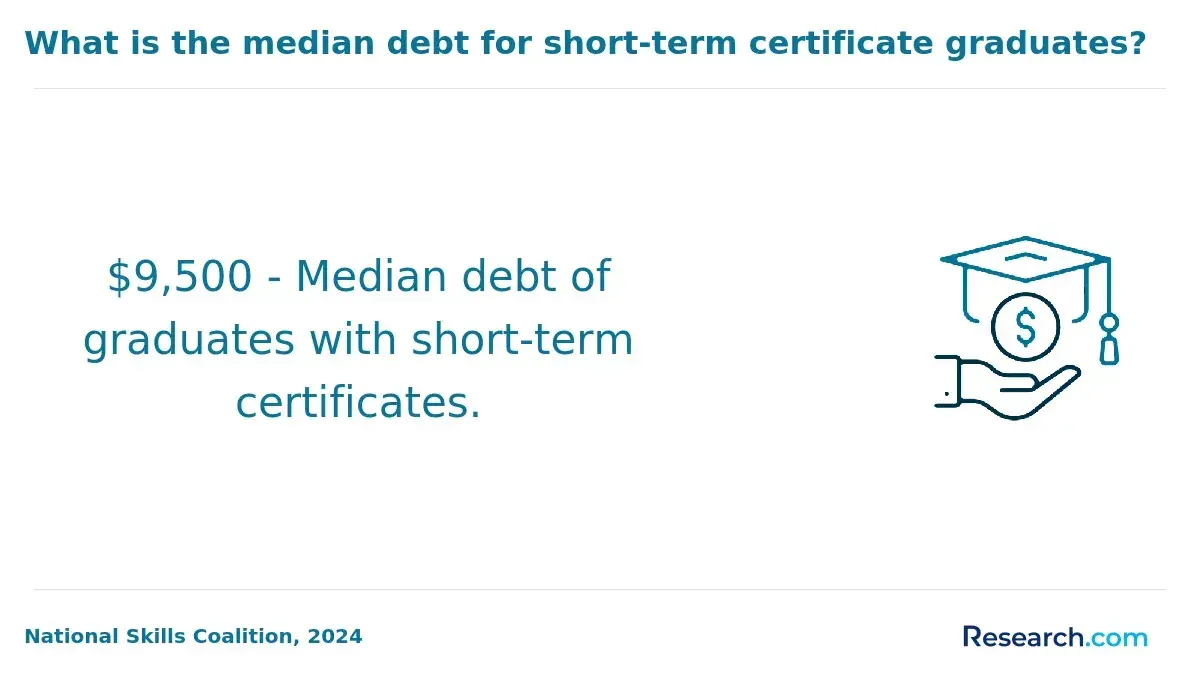
Debt levels and borrowing strategies substantially influence the long-term ROI of science programs, especially when comparing public, private, and nonprofit online institutions. Students enrolling in private programs often face higher loan amounts, about 35% more on average, driven by tuition costs that extend repayment periods and increase monthly obligations.
For example, graduates burdened with elevated debt from private programs show a 20% higher likelihood of repayment difficulties within five years, as observed by the Brookings Institution. These dynamics highlight that debt servicing can delay wealth accumulation and limit financial flexibility, reducing the practical value of the degree.
Public online science programs generally offer more accessible tuition rates and state or federal aid, producing lower borrowing requirements and improving return prospects when completion and employment outcomes align. Nonprofit institutions typically fall in between but with financial aid that can mitigate debt impact.
However, adult learners and career changers must weigh debt relative to expected earnings growth, completion timelines, and the alignment of credentials with employer expectations. Science professionals increasingly prioritize skills that complement or sometimes substitute costly degrees. Thus, assessing enrollment in private or nonprofit programs against public alternatives involves balancing cost, educational quality, and graduation risks-factors critical to understanding student debt and long-term ROI in science programs.
Ultimately, financing decisions should incorporate realistic repayment feasibility and program-specific labor market data instead of relying solely on institutional prestige. Those evaluating options might also consider alternatives like specialized certificates or less expensive pathways such as the cheapest PsyD programs online that address workforce demands at reduced cost.
This nuanced approach to the impact of student loans on science program financial outcomes better equips students to select pathways with meaningful career value while managing potential financial strain.
How Do Flexibility and Adult Learner Support Affect Science Program Value?
Flexibility and adult learner support directly shape the return on investment for online science programs by influencing how efficiently students can navigate degree requirements amid competing work and family demands. For example, asynchronous course options and part-time enrollment facilitate steady progress without sacrificing income, a factor that over 65% of adult learners identified as critical according to the 2024 National Center for Education Statistics report.
However, public institutions often prioritize affordability through standardized scheduling and limited advising, which may extend time-to-degree and increase opportunity costs for nontraditional students. In contrast, private and nonprofit programs frequently incorporate dedicated academic and career support along with flexible access to faculty, enhancing retention and employability but at higher tuition rates that must be justified by tangible career outcomes.
Robust transfer credit evaluation and accommodations for working adults or military-affiliated learners are essential in minimizing credit loss and ensuring cumulative progress toward credentials. Data from the 2024 Council for Adult and Experiential Learning indicates that institutions with comprehensive advising and transfer services see graduation rates improve by up to 20% among adult science students, underscoring the cost-effectiveness of these supports.
Yet, this gain comes with tradeoffs: public programs may offer greater regional recognition and lower sticker prices, appealing to students with employer tuition benefits or external support, while private and nonprofit options often deliver stronger networking and placement resources that align more closely with employer expectations for both technical expertise and soft skills.
Ultimately, prospective students must weigh these factors against their career timelines and financial constraints to discern the most practical pathway.
How Do Accreditation and Institutional Reputation Influence Science ROI?
Institutional accreditation and reputation critically shape the financial and professional returns of science degrees, particularly for online learners balancing cost and career objectives. Regional accreditation remains a fundamental consideration because it governs credit transferability, eligibility for federal aid, and graduate school acceptance—factors that directly affect both upfront expenses and long-term academic flexibility.
For example, a working professional pursuing a Biology degree through a regionally accredited public university is likely to find smoother pathways for credit transfer or advanced studies than if enrolled in a program lacking such accreditation, which can lead to wasted time and added expenses.
Programmatic accreditation, like that from ABET for engineering-related sciences, provides an additional layer of validation that many employers regard as evidence of technical rigor; a 2024 survey by the National Association of Colleges and Employers found that 68% of employers prioritize specialized accreditation when assessing science graduates. Nevertheless, institutional reputation, whether rooted in established public networks or private brand prestige, does not consistently guarantee superior employment outcomes.
Data from the 2024 Integrated Postsecondary Education Data System highlight wide variation in graduation rates and student support across sectors, underscoring the importance of examining program-level quality rather than institutional type alone. Higher tuition at private nonprofits often raises debt burdens without a proportional increase in ROI, making cost-conscious comparisons essential for those weighing public versus private options in online science education.
Thus, accreditation and reputation intersect with practical concerns such as tuition costs, employer perceptions, and academic support services, shaping science degree ROI in tangible ways. Students prioritizing affordability and timely completion should seek programs with recognized regional and programmatic accreditation, strong institutional support, and clear transfer or licensure pathways to maximize long-term career flexibility and minimize financial strain.
How Does Time-to-Degree Affect the ROI of Public, Private, and Nonprofit Science Programs?
Longer time-to-degree in public online science programs often leads to increased tuition costs and delayed workforce entry, diminishing short-term ROI despite typically lower per-credit tuition. This is partly driven by high rates of part-time enrollment and transfer credits, with 44% of public university students taking six years or more to finish, according to recent data.
In contrast, private nonprofit programs frequently adopt accelerated or cohort-based models allowing full-time students to graduate in under four years, offsetting higher tuition through earlier labor market participation. However, these intensified schedules can stress nontraditional students juggling work and family, reflecting real tradeoffs in balancing affordability, pacing, and academic demands—a crucial consideration for those weighing how time-to-degree influences ROI in public and private science programs.
Nonprofit online science programs prioritize flexibility, enabling part-time study and extended timelines that support greater persistence and graduation rates exceeding 60%, above many public counterparts. While this approach may extend completion times, it helps mitigate dropout risk and the negative ROI often seen in incomplete degrees, especially for adult learners managing multiple commitments.
Ultimately, students must consider how program flexibility, credit transfer policies, and completion speed impact debt accumulation and employability trajectories. For example, prospective students might explore options like an online bachelor's in electrical engineering to evaluate how time-to-degree and program design converge with career goals. This nuanced view underscores the significant impact of degree completion speed on nonprofit science program returns beyond mere price comparisons.
How Can You Choose the Best Science Program Based on Your ROI Goals?
Determining the best online science program for ROI relies heavily on how individual priorities align with institutional characteristics rather than simply choosing between public, private, or nonprofit categories. Public institutions generally have lower tuition and more extensive financial aid, leading to reduced debt.
Data from the National Center for Education Statistics indicates that graduates from public online science programs carry roughly 20% less debt than those from private institutions. However, private and nonprofit programs often offer stronger employer recognition, accelerated graduation paths, and targeted learner support, which can shorten time-to-degree and enhance early career earnings, important factors for working adults balancing education with job and family obligations.
Graduation rates, institutional accreditation, and program reputation critically influence long-term ROI and employment outcomes. Many employers favor degrees with specialized research strengths or established alumni networks more common in selective private and nonprofit programs, though publicly accredited universities remain competitive and widely respected in the science community.
For career changers or professionals seeking flexible pacing and a balance of affordability and prestige, evaluating tradeoffs including total cost, debt burden, and post-graduate employment outcomes is essential, especially given the growing demand across healthcare systems and STEM fields. Those interested in exploration of specific offerings may also consider a cyber security course online as a strategic addition to their skill set within science-related disciplines.
References
- ROI Frameworks for Data Analytics Projects https://www.lucid.now/blog/roi-frameworks-for-data-analytics-projects/
- Lifelong Learning: How Behavioral Science Can Help Adults Thrive in a Changing World https://gc-bs.org/articles/how-behavioral-science-can-help-adults-thrive-in-a-changing-world/
- Adult Learning Theory: How Adults Learn Differently | Park University https://www.park.edu/blog/adult-learning-theory-how-adults-learn-differently/
- What is Adult Learning Theory: A Comprehensive Guide | NEIT https://www.neit.edu/blog/what-is-adult-learning-theory
- New study projects ROI for public colleges will surpass private colleges by 24% in 2025 - Utah System of Higher Education https://ushe.edu/new-study-projects-financial-roi-for-public-colleges-will-surpass-private-colleges-by-24-in-2025/
- Insights Into Adult Education: A Need for Flexibility and Innovation https://www.wested.org/blog/insights-impact/insights-into-adult-education-a-need-for-flexibility-and-innovation/
- The Long-Term Effects of Student Loans | ACE Blog https://ace.edu/blog/the-long-term-effects-of-student-loans/
- Is Rising Student Debt Harming the U.S. Economy? | Council on Foreign Relations https://www.cfr.org/backgrounders/us-student-loan-debt-trends-economic-impact
Other Things You Should Know About Science ROI by Institution Type
Employers typically place more emphasis on applied skills and relevant experience than on institution type alone, but private online programs often have stronger industry connections that translate into internship opportunities and projects highly valued by employers. Public programs may offer broader theoretical grounding but sometimes lack the direct experiential components favored in competitive science job markets. For career-oriented students, prioritizing programs with clear employer engagement-even if private or nonprofit-can yield better ROI through job placement and skill relevance.
Private online science programs frequently impose more intensive, cohort-based schedules with stringent deadlines, which can benefit students needing structured pacing and motivated peer interaction. Public online programs often provide more flexible pacing but may demand greater self-direction to navigate independently. Students balancing work and study should evaluate whether workload structures align with their time constraints because mismatched pacing can extend time to degree and reduce ROI irrespective of institutional prestige.
Nonprofit online science programs often maintain smaller class sizes and more faculty interaction than many large public universities, enhancing personalized feedback, which improves comprehension and project quality, critical in science education. Conversely, public programs might rely more heavily on prerecorded lectures and automated assessments, affecting depth of engagement. Candidates prioritizing hands-on mentorship and tailored support should weigh nonprofit program offerings more heavily to maximize educational value and skill mastery relevant to STEM careers.
Public institutions generally facilitate easier credit transfers within state systems and have established articulation agreements, which can shorten time to degree and lower cost for transfer students. Private and nonprofit programs often have more restrictive credit acceptance policies, which may require repeating coursework and increase overall expense and time invested. Prospective students planning to transfer or restart studies should prioritize public online programs for their greater flexibility and potential for higher ROI through smoother credit portability.