2027 Science Student Debt Report: Borrowing, Monthly Payments, and Repayment Risk

Co-Founder and Chief Data Scientist
Science degree programs often require extended academic timelines and extensive hands-on lab work, which shape borrowing behaviors differently than other disciplines. Equipment fees and fieldwork obligations add unique financial pressures exacerbating repayment challenges.
Recent data from the National Center for Education Statistics highlight that 42% of science undergraduates enroll in programs lasting beyond four years, influencing cumulative debt levels and monthly payment burdens. Furthermore, fluctuating workforce demand and variability in early-career salaries create inconsistent repayment conditions.
This report examines borrowing patterns, anticipated monthly payments, and debt risks specifically tied to Science degrees, considering how student age distribution reflects shifting workforce needs and access to Science education.
Key Things to Know About Science Student Debt
- Average debt for science graduates rose 12% in 2024, reflecting expanded program costs; this heightens upfront financial strain, potentially delaying career entry or necessitating cost-benefit analysis of advanced degrees.
- Monthly repayment amounts often exceed initial budget projections due to variable interest rates and post-graduation income fluctuations, requiring adaptive financial planning to avoid default risks.
- Employers increasingly assess debt load as a factor in candidate stability, implying higher student debt can limit mobility or negotiation leverage in labor markets, impacting long-term career growth opportunities.
- Key Things to Know About Science Student Debt Key Things to Know About Science Student Debt
- How Much Student Loan Debt Do Science Graduates Typically Have at Graduation? Average Studen Loan Debt
- What Factors Have the Biggest Impact on Science Student Loan Debt? Student Debt Key Factors
- What Is the Average Monthly Student Loan Payment for Science Graduates? Average Monthly Payment
- How Do Repayment Rates Compare Between Public and Private Institutions? Public vs. Private Institution Repayment Rates
- Do Online Science Graduates Have Different Repayment Outcomes Than Campus-Based Students? Online vs. On-Campus Student Loan Repayment
- Which Industries Provide the Best Financial Return Relative to Borrowing Costs? Industries Providing the Best ROI
- Does Student Debt Affect Which Jobs Science Graduates Accept? Jobs Affected by Student Debt
- What Factors Increase Student Loan Repayment Risk for Science Graduates? Loan Repayment Risk Factors
- How Can Science Students Reduce Student Loan Debt While Earning Their Degree? Tips to Reduce Student Debt
- How Should Prospective Students Evaluate Borrowing Risk Before Enrolling? Evaluating Student Debt Risk
How Much Student Loan Debt Do Science Graduates Typically Have at Graduation?
Graduates of science degree programs typically incur student loan debt ranging between $25,000 and $40,000 at graduation, based on 2024 data from sources like the National Center for Education Statistics. These figures reflect a moderate level of borrowing compared to professional degrees but vary notably depending on enrollment type and institution.
This range captures both undergraduate and combined undergraduate-graduate coursework pathways, which often extend program length and increase costs. Understanding science graduate student loan debt at graduation requires considering not only tuition expenses but also associated costs such as lab fees and materials unique to these fields.
Variations in student borrowing amounts for science degrees arise from multiple nuanced factors. Public versus private institution attendance significantly impacts tuition rates, with out-of-state students often facing steeper fees than their in-state counterparts.
Additionally, the availability of scholarships, grants, and institutional aid can reduce reliance on loans, while part-time enrollment may extend the duration but reduce annual costs. Geographic cost-of-living differences also influence total borrowing, as higher living expenses add financial strain beyond tuition alone. These elements combine to create a broad debt distribution among science graduates rather than a uniform burden.
The relationship between borrowing levels and post-graduation outcomes is critical, as repayment stress varies widely based on income trajectories within science fields. Early career salaries in biology or environmental science may support manageable monthly payments, but prolonged research or internships can delay income generation, increasing repayment risk.
Income-driven repayment plans offer some mitigation, yet the debt burden still shapes financial stability and career choices. Prospective students should balance program costs with practical funding strategies and consider easy certifications to get online that may supplement skills without excessive borrowing.
What Factors Have the Biggest Impact on Science Student Loan Debt?
Student loan debt levels among science degree students arise from a constellation of interrelated factors that go well beyond simple tuition costs. These drivers reflect the interaction between institutional pricing systems and individual financial circumstances, revealing a complex landscape of affordability challenges.
Understanding these influences is essential to grasp why borrowing patterns vary notably within science programs.
- Program Length and Curriculum Demands: Many science disciplines extend beyond the traditional four-year timeline through combined bachelor's-master's pathways or required research projects. This elongation increases direct tuition outlays and living expenses over a longer period, which often leads students to borrow more extensively to cover sustained costs.
- Institution Type and Pricing Structures: Students at private nonprofit institutions generally incur higher debt levels compared to those attending public universities, mainly due to disparities in tuition pricing and in-state rate eligibility. These institutional differences shape borrowing since public universities typically offer lower sticker prices and more accessible aid options that can reduce loan dependency.
- Financial Aid Availability and Composition: Science students face relatively limited merit-based scholarships and grants compared to fields with stronger funding endowments or direct workforce demand, such as healthcare. This constrained financial aid results in a greater need to rely on loans, contributing to higher debt accumulation for many science graduates.
- Extra Academic Costs Specific to Science: Expenses such as lab fees, specialized equipment, and conference travel create additional financial pressure that is not generally offset by institutional aid. These ancillary costs often require increased borrowing, pushing up the overall debt burden for science students beyond standard tuition and living expenses.
- Regional Economic Factors and Living Costs: Science students studying in urban or high-cost metro areas face greater financial strain due to housing and daily expense differentials. This geographic cost variation interacts with other factors like enrollment choices and aid availability, influencing total borrowing and future repayment challenges.
Data from the Institute for College Access & Success highlights that about 62% of science undergraduates graduate with debt, carrying an average loan amount around $28,500, slightly above the national average across all disciplines.
This underscores how the key drivers of science graduate borrowing amounts reflect not only tuition affordability but also systemic aid gaps, extended educational pathways, and unique programmatic expenses. These structural factors materially shape student borrowing behavior and long-term debt risks within science fields.
Those evaluating or currently navigating science degrees should also consider institutional choices carefully, as research consistently shows that debt levels differ substantively based on where students enroll. Exploring options from various providers, including the top online universities, may offer alternative cost structures and financial aid environments that affect borrowing outcomes.
What Is the Average Monthly Student Loan Payment for Science Graduates?
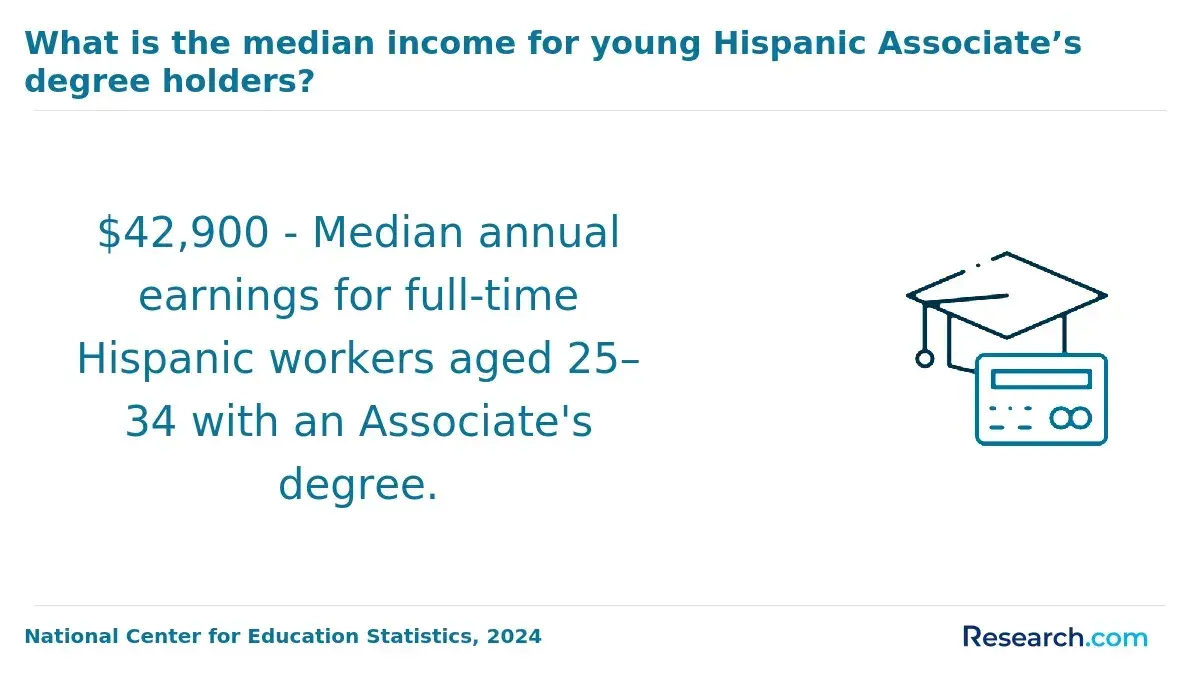
Recent data from the U.S. Department of Education and Federal Reserve reports in early 2024 indicate that monthly student loan payments for science graduates generally fall between $300 and $550. This variation reflects differences in whether the degree is at the undergraduate or graduate level, with advanced degrees often carrying higher loan balances and consequently larger monthly obligations.
The duration and cost of study, especially for fields like biology, chemistry, and environmental science, also contribute to these payment ranges, given the extended time and certifications sometimes required. Such figures encompass a broad set of repayment scenarios but highlight that monthly financial commitments can shift substantially based on individual borrowing profiles.
The divergence in monthly payments arises mainly from how loan amounts interact with repayment plan structures and post-graduate income levels. Borrowers with larger principal balances face higher costs unless they opt for income-driven repayment plans, which can lower immediate payments but may extend the repayment period and increase total interest accrued.
Science graduates employed in higher-paying sectors such as pharmaceuticals or tech typically manage standard repayment terms more comfortably, while those entering academia or nonprofit roles often rely on flexible plans to align payment with fluctuating incomes. Interest rates, loan tenure, and salary trajectories within scientific fields combine to shape not just monthly payment size but also long-term financial stress and repayment sustainability.
Reflecting this complexity, a recent science graduate described navigating rolling admissions during a gap year before enrollment. Uncertain about when official acceptance and financial aid packages would finalize, they hesitated to commit early, aware that timing would directly affect their borrowing strategy and subsequent loan payments.
This pause allowed adjustment for tuition changes and exploration of different aid options, underscoring how timing and preparation can materially influence student debt outcomes even before classes begin.
How Do Repayment Rates Compare Between Public and Private Institutions?
Recent data from the U.S. Department of Education reveals that graduates with science degrees from private institutions tend to repay their student loans at higher rates within the first three years after entering repayment compared to their public institution counterparts.
Repayment rates for private science graduates often range between 55% and 60%, while those from public universities typically fall closer to 45%-50%. This variance reflects more than just institutional type; it highlights deeper differences in borrowing behavior, graduate earnings, and the financial pressures faced by students depending on where they studied.
The factors driving these repayment discrepancies include higher tuition costs at many private institutions, which paradoxically coexist with more substantial financial aid offerings, reducing net borrowing for some students. Graduates from private science programs frequently enter industries with stronger growth trajectories and higher starting salaries, such as specialized engineering or biotechnology sectors, enabling more reliable loan repayment.
In contrast, public university science students often carry larger loan balances due to fewer scholarships and grants, coupled with slower income growth post-graduation, especially when attending community colleges or less selective public institutions. Additionally, smaller class sizes and enhanced career support services at private schools contribute to more effective job placement, thereby influencing repayment outcomes.
These repayment patterns have broader consequences for financial stability and long-term wealth accumulation among science graduates. Elevated repayment risk associated with public institutions can increase borrower stress and potentially limit career mobility if higher debt burdens constrain choices.
Understanding these dynamics is essential for prospective students weighing the tradeoffs between institutional cost, debt load, and income prospects in science fields, as repayment performance becomes a proxy for both institutional accountability and the practical value of educational investment in this sector.
Do Online Science Graduates Have Different Repayment Outcomes Than Campus-Based Students?
Recent data from the U.S. Department of Education's Integrated Postsecondary Education Data System indicates a notable disparity in student loan repayment rates between graduates of public and private institutions in science degree programs. Within five years of graduation, approximately 72% of private institution science graduates successfully repay their loans compared to 64% from public universities.
This difference in repayment performance reflects more than just institutional type; it signals underlying financial and career dynamics that shape borrower outcomes. Understanding these nuances is critical for prospective students weighing their options, especially given varied repayment experiences between campus versus online science student loan repayment pathways.
The higher repayment rates among private institution graduates relate closely to elevated tuition costs and subsequently larger average borrowing amounts, which are often offset by stronger employment outcomes in STEM fields and higher starting salaries. Private universities tend to maintain more specialized program structures and leverage robust employer networks that contribute to improved income prospects, enhancing borrowers' ability to manage and repay debt.
Conversely, public institutions usually offer more affordable tuition with lower debt burdens, yet their graduates face slower income growth on average, influencing repayment timelines. These structural differences, combined with diverse student demographics and financial aid accessibility, drive the contrasting repayment behaviors observed across sectors.
For science graduates navigating these complexities, repayment rates serve as one indicator amid broader considerations like repayment stress and long-term financial mobility. The ability to efficiently manage loan obligations directly relates to realistic career planning and understanding employer expectations, including practical experience requirements often impacted by program delivery mode.
Exploring options such as a finance degree online can also illustrate how modality influences borrowing and repayment trajectories. Ultimately, aligning anticipated earnings with debt levels remains a pivotal strategy for managing repayment risks and evaluating institutional value beyond headline repayment statistics.
Which Industries Provide the Best Financial Return Relative to Borrowing Costs?
Financial returns for science graduates vary widely across industries, shaped not only by salary levels but also by borrowing amounts and repayment demands. Evaluating return on investment (ROI) requires balancing median earnings, hiring trends, and career advancement speed against typical student debt burdens.
Some sectors enable faster income growth and more manageable repayment relative to borrowing, while others present tighter margins despite their societal importance.
- Healthcare Technology and Biomedical Engineering: These fields consistently rank high in median salaries, often exceeding $90,000 mid-career, according to the 2024 College Scorecard. The combination of robust demand driven by healthcare innovation and specialized skill requirements supports accelerated salary progression, improving graduates' ability to service debt promptly.
- Information Science and Data Analytics: Rapidly growing demand for data-driven roles fuels upward mobility and competitive compensation in this sector. For graduates, this translates into improved debt-to-income ratios early in the career path, offsetting borrowing costs more effectively than many traditional science roles.
- Chemical Sciences in Industrial Applications: Specialized expertise in chemical sciences tends to attract employers offering stable and competitive pay. Though initial salaries may vary, the sector benefits from steady occupational growth, allowing for consistent debt repayment capacity over time.
- Pharmaceutical Sciences: Pharmaceutical research and development roles generally provide salaries above the national science graduate average, supported by industry investment and regulatory demands. Graduates often face moderate borrowing but benefit from relatively rapid career progression, enhancing long-term financial return.
- Environmental Science and Conservation: Despite increasing societal emphasis, this sector often reports median wages closer to $50,000, according to federal data. Lower initial earnings relative to borrowing levels can extend repayment periods and increase financial strain, limiting ROI despite the sector's essential contributions.
Does Student Debt Affect Which Jobs Science Graduates Accept?
Student loan repayment demands heavily influence which positions science graduates pursue immediately after degree completion, particularly when monthly debt obligations consume a significant portion of starting income. Graduates facing substantial debt are often compelled to prioritize roles with higher initial salaries to meet loan payments, even if these jobs fall outside their scientific specialties or preferred career tracks.
This financial constraint frequently nudges them toward private sector positions offering more competitive pay, such as pharmaceutical or biotech sales and technical support, rather than research or academic roles where compensation typically begins lower. Data from the National Center for Education Statistics in 2024 highlights that over 60% of science graduates with meaningful debt acknowledged that their borrowing influenced job selection, underscoring the tangible impact of loan repayment on early-stage employment choices.
Beyond immediate salary considerations, broader patterns emerge when comparing graduates with differing debt burdens. Those with heavier loan loads often exhibit reduced geographic flexibility and are less likely to wait for ideal roles aligned with long-term goals, instead opting for opportunities that ensure financial stability in high-cost areas.
Conversely, graduates with modest or no debt hold greater latitude to enter lower-paying but research-intensive or public service positions offering non-monetary rewards and future academic progression. Employer loan repayment assistance programs and supplemental funding buffers also modulate these dynamics, shaping whether debt restricts or guides industry selection.
Consequently, science graduates' employment decisions reflect complex tradeoffs between economic necessity, sector-specific remuneration structures, and strategic career investment under varying financial pressures. Students may also consider taking up the cheapest data science degree to boost their chances of success in the job market.
A recent graduate with a biology degree described their experience navigating job offers amid significant student debt. They recalled hesitating to accept a position in academic research due to the modest salary, fearing inadequate funds to cover loan payments and living expenses.
Meanwhile, competitive offers from the private sector arrived during a rolling admissions process for post-baccalaureate programs, forcing a tough decision on timing: commit early to a stable but less aligned role or delay income for uncertain advanced study acceptance. Ultimately, they chose a higher-paying lab technician job to stabilize finances, reflecting how student debt urgency can alter the expected progression and timing of a science career path.
What Factors Increase Student Loan Repayment Risk for Science Graduates?
Repayment risk for science graduates arises from a complex mix of financial, academic, and labor market conditions rather than a single factor. Effective management of student loan debt depends on both the total borrowing amounts and the consistency of post-graduation earnings.
This nuanced relationship means that repayment challenges often coincide with how well graduates can secure stable employment and navigate variable debt loads accumulated through extended education. Understanding these interacting conditions is crucial for assessing student loan repayment risk factors for science graduates.
- Variable Entry-Level Salaries: Science fields differ widely in starting salaries, with areas like computer science and engineering typically offering higher pay than biology or environmental science. Lower initial earnings reduce the borrower's capacity to manage monthly loan obligations, especially where debt levels are high relative to income.
- Extended Educational Pathways: Many science degrees require prolonged study, graduate education, or costly certifications to reach competitive income thresholds, resulting in larger loan balances and longer repayment periods. Additional expenses for lab fees and research materials further increase borrowing, compounding financial risk.
- Employment Instability and Sector Dependency: Jobs in emerging science fields or research-based roles often depend on fluctuating grant funding or temporary contracts, which can cause income interruptions. Inconsistent earnings undermine steady repayment and increase vulnerability to default.
- Limited Financial Literacy and Access to Repayment Support: Graduates unfamiliar with income-driven repayment options, refinancing, or loan forgiveness programs may fail to optimize repayment strategies, leading to avoidable financial strain.
According to the 2024 National Postsecondary Student Aid Study, approximately 28% of science graduates with federal loans are projected to struggle with repayment within five years of leaving school, showing the tangible implications of these interconnected factors. For those weighing options, exploring an accelerated human services degree online may represent a pathway with different cost and repayment dynamics worth considering.
How Can Science Students Reduce Student Loan Debt While Earning Their Degree?
Reducing student loan debt while earning a science degree demands proactive planning and strategic decision-making across academic and financial dimensions. Effective debt reduction hinges on financial awareness, maximizing institutional resources, and designing an educational path that balances cost with timely progress.
These approaches position students to limit borrowing without compromising employability or program completion timelines, which is critical given median debt levels often exceed $30,000 according to 2024 data from the National Center for Education Statistics.
- Start at Lower-Cost Institutions and Transfer - Beginning at community colleges or in-state schools for foundational courses can cut total degree expenses by up to 40%. This reduces early borrowing and offers a tuition-efficient pathway for the first two years before transferring into a four-year science program.
- Leverage Paid Research and Internships - Participating in research assistantships, internships, or paid lab roles provides income and practical experience while often offsetting tuition costs. These roles enhance employability and reduce dependency on loans by generating earned income during study.
- Apply Aggressively for Scholarships and Grants - Targeted scholarships and grants for science majors lower borrowing substantially; U.S. Department of Education data shows recipients cut loan amounts by roughly $5,000 annually on average. Systematic application enhances funding opportunities beyond generic aid.
- Balance Course Load with Income-Generating Work - Combining part-time enrollment with employment prevents reliance on high-interest credit or private loans, which carry greater repayment risks. Effective time management supports steady academic progress while keeping debt manageable.
- Optimize Use of Institutional Resources - Engaging academic advisors and financial aid offices early helps align course selection and funding options with career goals, minimizing unnecessary credits and reducing time to degree completion.
- Consider Accelerated Online Degree Programs - Some students may reduce costs and loan needs through accelerated online degree programs designed for working adults, enabling faster completion and income continuity. This pathway can be a strategic element in long-term debt reduction when accessible and aligned with career objectives.
These combined strategies form a framework for how science students can minimize student loan debt while earning their degree with intentional academic planning and financial behavior. Such tactics improve affordability, lower debt-to-income ratios, and better prepare graduates for manageable repayment obligations.
How Should Prospective Students Evaluate Borrowing Risk Before Enrolling?
Evaluating borrowing risk before enrolling in a science degree program requires a clear-eyed analysis of total expected debt weighed against realistic post-graduation earnings. With 68% of science graduates carrying a median debt near $27,000 according to the 2024 National Center for Educational Statistics report, students face significant financial commitments that extend beyond tuition costs.
This assessment is crucial for understanding long-term financial stability and managing repayment burdens in often varied science career paths.
- Projected Earnings and Job Market Stability: Investigate median starting salaries and employment rates specific to your discipline, as fields like engineering or computer science often offer higher and more stable returns compared to other science areas.
- Debt-to-Income Ratio: Calculate anticipated monthly loan payments against expected net income, aiming for payments below 10-15% of monthly post-tax earnings to maintain manageable debt levels.
- Institutional Cost Structures: Compare tuition, fees, and associated living expenses across programs to identify options with lower upfront costs or better financial aid, which directly reduces loan amounts.
- Repayment Terms and Flexibility: Examine loan interest rates and repayment options, including federal programs and income-driven plans, especially important if career entry requires extended training or certification.
- Long-Term Career Trajectory: Assess the likelihood of income growth over time and labor market demand for your science specialty to anticipate how quickly debt can be repaid and financial footing improved.
- Alternative Funding Opportunities: Prioritize scholarships, grants, or employer tuition assistance to minimize borrowing and mitigate early-career financial risks.
- Financial Contingency Planning: Consider economic variability and possible career interruptions which can impact repayment capability, emphasizing the need for flexible financial strategies.
Such a comprehensive evaluation steers prospective students towards borrowing choices grounded in realistic affordability and long-term return on investment rather than upfront cost alone, recognizing that effective debt management in science education requires balancing educational aspirations with measurable economic outcomes.
References
- The Hidden Cost of Student Debt: How Universities Can Help Break the Cycle - iGrad Financial Wellness | Enrich https://enrich.org/insights/2050/the-hidden-cost-of-student-debt-how-universities-can-help-break-the-cycle
- In Debt: Student Loan Burdens Among Teachers https://learningpolicyinstitute.org/product/student-loans-among-teachers-brief
- 10 Key Facts about Student Debt in the United States https://www.pgpf.org/article/10-key-facts-about-student-debt-in-the-united-states/
- Private Vs. Federal Student Loans: Which Is Better In 2025? | Bankrate https://www.bankrate.com/loans/student-loans/federal-vs-private-student-loans/
- The Long-Term Effects of Student Loans | ACE Blog https://ace.edu/blog/the-long-term-effects-of-student-loans/
- Is Rising Student Debt Harming the U.S. Economy? | Council on Foreign Relations https://www.cfr.org/backgrounders/us-student-loan-debt-trends-economic-impact
- Average Graduate Student Loan Debt [2025]: for Master's & PhD https://educationdata.org/average-graduate-student-loan-debt
Other Things You Should Know About Science Student Debt
Science careers often include periods of contract work or grants that cause income variability, making fixed monthly loan payments challenging. Graduates should consider repayment plans with flexible payment options tied to income, such as income-driven repayment, to avoid default during lower earning phases. Prioritizing adaptability over aggressive repayment can sustain financial stability without stressing tenuous income streams typical in early science careers.
Additional borrowing for specialized certifications or graduate degrees in science can increase earnings potential but also heighten repayment risk if those credentials don't align well with stable, higher-paying roles. Graduates must evaluate whether the incremental salary gains realistically cover the added debt burden, considering employer demand and job stability in that specialization. Often, it is wise to limit borrowing to programs with clear, measurable employment outcomes rather than pursuing niche qualifications with uncertain market value.
Many science programs require extensive lab work and field studies, limiting opportunities for part-time employment and complicating debt management. Students should anticipate higher borrowing to cover living expenses since work hours may be constrained. Recognizing these workload realities upfront can guide more conservative borrowing and better financial planning, avoiding later repayment stress caused by underestimating program intensity and overreliance on income during study.
Students should weigh tuition differences against program length, research opportunities, and employer networks rather than assuming lower cost always means lower debt risk. Sometimes higher upfront costs at research-intensive institutions provide stronger job placement or faster degree completion, reducing total borrowing time. Prioritizing programs with proven career integration and efficient pathways often outweighs initial sticker price in minimizing long-term repayment obligations.