2027 Science Transfer Credit Trends: How Schools Are Adapting for Adult Learners

Co-Founder and Chief Data Scientist
A military veteran returning to civilian life, expects that previously earned biology and chemistry credits will transfer seamlessly to her new bachelor's program. Instead, discovers that only 60% of her credits count toward graduation, a situation echoed in a 2024 report showing 45% of adult learners face unexpected credit loss when transferring into Science disciplines.
This not only extends degree completion timelines but increases educational costs, forcing many to reassess their academic and financial strategies. Such credit-transfer barriers disproportionately affect working professionals balancing education with career demands. This article examines current trends in Science transfer credit acceptance, institutional adaptations for adult learners, and practical strategies to navigate credit policies for efficient, cost-effective degree completion.
Key Things to Know About Science Transfer Credit Trends for Adult Learners
- Expanded acceptance of military and workforce credits in science programs often excludes lab-intensive courses, requiring adult learners to weigh credit mobility against mandatory in-person components that delay graduation timelines.
- Institutions increasingly use technology-enabled transcript evaluations, accelerating admissions yet risking overreliance on automated algorithms that may undervalue critical prior learning nuances impacting employer-recognized competencies.
- Credit for prior learning boosts cost-efficiency but may reduce breadth of foundational science exposure, signaling to employers potential gaps in practical skills despite accelerated degree completion for working professionals.
- Key Things to Know About Science Transfer Credit Trends for Adult Learners Key Things to Know About Science Transfer Credit Trends for Adult Learners
- How Are Science Programs Changing Transfer Credit Policies for Adult Learners? Evolving Adult Transfer Policies
- Why Are More Science Schools Accepting Credit for Prior Learning and Work Experience? Prior Learning Credit Benefits
- How Do Science Colleges Evaluate and Award Transfer Credits Today? Transfer Credit Evaluation Process
- Which Alternative Credits Are Most Commonly Accepted by Science Programs? Accepted Alternative Credits
- How Are Science Schools Improving Transfer Pathways for Community College Students? Improved Community College Pathways
- How Can Transfer Credits Help Science Students Graduate Faster? Accelerating Degree Completion
- How Much Money Can Students Save Through Science Transfer Credit Opportunities? Cost Saving Through Transfers
- How Are Science Programs Supporting Military Students and Workforce Learners Through Transfer Credits? Military Credit Transfer
- What Transfer Credit Innovations Are Shaping the Future of Science Education? Transfer Credit Innovations
- How Can Adult Learners Maximize Transfer Credits in a Science Program? Maximizing Your Transfer Credits
How Are Science Programs Changing Transfer Credit Policies for Adult Learners?
The transformation in transfer credit policies within science programs reflects a broader shift towards accommodating the complex backgrounds of adult learners, especially working professionals and military-affiliated students. Programs are increasingly expanding credit acceptance to include prior learning assessments, certifications, and military experience, helping reduce redundant coursework and accelerating degree timelines.
However, students must navigate varying institutional policies, which can affect credit mobility and course sequencing, especially for lab-intensive or highly specialized science courses that still require residency hours or specific prerequisites. A recent report from the National Student Clearinghouse Research Center found that while nearly 62% of bachelor's degree recipients transferring credits experienced credit loss, more flexible policies have successfully cut these losses by up to 30%, illustrating both progress and ongoing challenges in optimizing transfer pathways.
Flexible transfer credit pathways for working professionals in science not only improve affordability by shortening time-to-degree but also help adult learners strategically plan their academic and career trajectories, balancing prior experience with new learning requirements. Transfer articulation agreements and advanced transcript evaluation technologies increasingly streamline admissions processes, though differences between institutions in credit recognition can complicate decisions for students transferring from community colleges or other nontraditional providers.
Adult learners aiming to maximize previously earned credits should carefully assess articulation policies and consider options like online certification courses that align with institutional criteria, as these steps can significantly impact credential completion timelines and workforce readiness in science fields.
Why Are More Science Schools Accepting Credit for Prior Learning and Work Experience?
The increasing acceptance of credit for prior learning and work experience in science programs reflects a strategic institutional shift rather than a simple policy relaxation. Schools facing enrollment pressures and stricter performance metrics are responding by evaluating nontraditional credentials-such as military training, industry certifications, and employer-based competencies-for alignment with science curriculum outcomes.
This approach aims to balance accessibility with academic rigor, recognizing that validated experiential knowledge can shorten time to degree completion and enhance student persistence, especially for adult learners balancing multiple responsibilities. However, these accommodations require careful policy design to ensure equivalency, as not all hands-on experience substitutes for foundational scientific principles, making transfer evaluations a critical decision point for prospective students.
Data from the Council for Adult and Experiential Learning in 2024 reveals that roughly 70% of colleges now incorporate some form of prior learning credit, a notable surge reflecting broader shifts toward flexible learning pathways. For science programs that have traditionally emphasized structured, sequential coursework, this trend signals gradual acceptance of work-based learning and competency assessments that mirror evolving workforce needs.
Nevertheless, the variability in how institutions credit nonacademic learning introduces practical tradeoffs. For example, military-affiliated students must often navigate extensive documentation and justification processes, affecting enrollment timelines and requiring informed planning. Employers increasingly value hires who couple formal science credentials with validated hands-on experience, so the recognition of such prior learning directly influences employability and career trajectory within STEM fields.
How Do Science Colleges Evaluate and Award Transfer Credits Today?
Transfer credit evaluation in Science colleges has evolved from a routine administrative check to a strategic function integral to enrollment management and student retention. Admissions and registrar offices now carefully scrutinize accreditation status and course equivalency agreements to ensure credits align with institutional standards while protecting academic rigor.
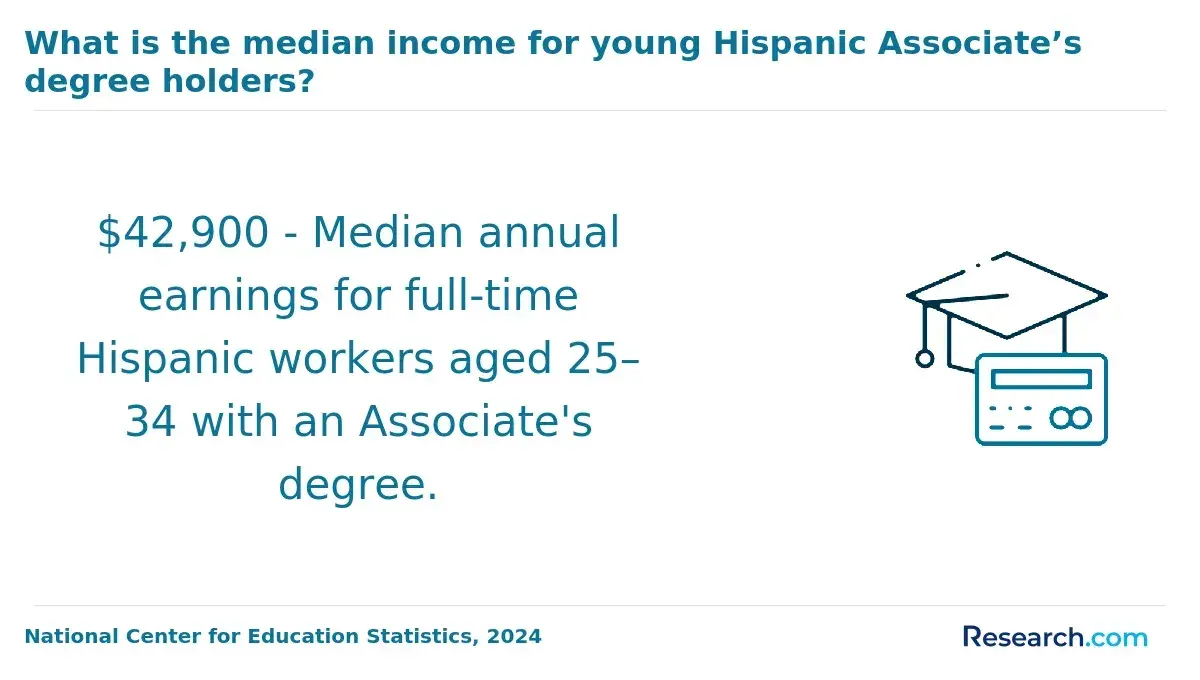
For example, a student transferring from a community college may find that even when courses appear similar, departments demand detailed syllabus comparisons focusing on learning outcomes and lab work before granting full credit, which can extend time to degree and increase educational costs. Increasingly, institutions incorporate credit for prior learning-including military training and professional certifications-into their policies, broadening pathways for adult learners and military-affiliated students. According to the 2024 National Center for Education Statistics report, nearly 45% of public four-year universities have expanded such provisions recently.
However, departmental discretion and residency requirements often limit how transferred credits apply to upper-division or core Science degree requirements, resulting in partial credit acceptance that may require additional coursework. This nuanced evaluation affects not only academic planning but also student mobility, making it critical for transfer students to weigh potential credit restrictions against accelerated completion goals when selecting programs.
Which Alternative Credits Are Most Commonly Accepted by Science Programs?
Acceptance of alternative credit sources in science transfer programs has become a deliberate strategy to enhance degree accessibility and reduce time to completion for adult learners, rather than a mere adjustment to transfer policies. Many science programs increasingly value credits from the American Council on Education (ACE), which includes military training and workforce certifications, reflecting alignment with core competencies relevant to technical and general education requirements.
Credit for prior learning (CPL) through portfolio assessments or competency-based evaluations offers practical flexibility, but institutions frequently apply stringent validation criteria and limit credit applicability to maintain academic rigor. This variability requires adult learners to assess institutional residency rules and course equivalency reviews carefully to optimize transfer success.
Standardized exams like CLEP and DSST are common pathways for foundational science courses, with nearly half of surveyed programs integrating these credits, yet their acceptance for upper-division courses remains rare due to prerequisites involving labs or specialized research. Partnerships with online providers add another layer of opportunity but often come with restrictions, especially for hands-on requirements. These policies directly affect affordability and transfer planning strategies, as students must weigh the tradeoff between ease of credit acquisition and the specificity of program demands.
Understanding how commonly accepted prior learning credits for adult science learners interface with these institutional constraints is crucial, especially as employers typically prioritize credentials that reflect comprehensive, discipline-specific mastery. For professionals exploring diverse options, including in interdisciplinary fields such as programs that prepare a video game designer, aligning credit acceptance with career objectives remains a pivotal consideration.
How Are Science Schools Improving Transfer Pathways for Community College Students?
Science programs have prioritized refining transfer pathways because the high incidence of credit loss-affecting nearly 67% of students transferring into science-related bachelor degrees according to the National Student Clearinghouse Research Center's 2024 report-directly impedes academic progress and workforce entry. Institutions are increasingly deploying articulation agreements that map foundational courses like biology and chemistry more transparently to minimize redundant coursework.
These partnerships, often bolstered by dual-admission structures and statewide transfer frameworks, aim to clarify equivalencies upfront, but disparities in lab requirements or course rigor can still leave students wary of incomplete credit recognition. The tradeoff for students involves balancing course selection at community colleges with the receiving institution's policies to maintain momentum toward degree completion without unexpected delays.
Adopting prior learning assessments (PLAs) and expanding specialized transfer advising further address nontraditional learners, including military veterans whose experience may translate into credit beyond conventional coursework. These adaptations reduce barriers by supporting early transcript evaluations and offering degree maps tailored to science curricula, accelerating graduation timelines for those with variable academic backgrounds.
Nonetheless, students must navigate significant institutional differences and verify how credits apply to their intended science major, as transfer acceptance remains uneven despite improvements. Strategies that integrate robust advising and clear credit pathways suggest progress, but variability across schools means transfer students must engage in proactive planning to avoid extended time to degree and potential gaps in qualification standards valued by employers.
How Can Transfer Credits Help Science Students Graduate Faster?
Transfer credit options for science students create a pathway that can reduce duplication of coursework, but their impact on accelerated graduation depends heavily on institutional acceptance and credit relevance. For example, a working professional transferring credits from a community college may find that while foundational courses like biology or chemistry are accepted through articulation agreements, upper-division credits often face stricter scrutiny.
This means students must carefully evaluate how transferred credits apply specifically to core major requirements, as credits fulfilling only electives rarely shorten time spent in essential labs or theory classes. Furthermore, residency rules and the sequencing demands of advanced science programs can limit flexibility, affecting enrollment decisions and potentially extending degree timelines despite having transfer credits.
Prior learning assessments (PLA) offer additional avenues, particularly for military-affiliated learners or those with workplace certifications, by granting credit for experiential knowledge. However, the variability in PLA policies and the relatively small credit amounts awarded often reduce their overall effect on time-to-degree. Navigating these complexities requires strategic academic planning to maximize transferred credits' value without incurring unintended delays.
These evolving transfer-friendly policies influence affordability and degree completion options for adult learners, transfer students, and working professionals who must balance professional obligations alongside their education. Those interested in programs that facilitate credit mobility might also explore specialized options such as an MBA in operations management online, which sometimes integrate transfer credits differently while addressing workforce demands.
How Much Money Can Students Save Through Science Transfer Credit Opportunities?
Transfer credit policies within science programs can substantially impact students' educational expenses, though their value depends heavily on institutional restrictions and individual credit applicability. For example, adult learners who strategically apply credits from community colleges or military training may reduce their degree duration by up to a year, which a 2024 National Student Clearinghouse Research Center report equates to roughly 20%-30% savings in tuition.
However, these advantages are often moderated by residency mandates requiring a minimum number of credits completed on campus and transfer limitations that frequently reject or downgrade nearly 40% of science-related coursework, forcing students to repeat costly classes. Military-affiliated and working professionals commonly benefit from recognition of technical training and competency-based credits, which many traditional programs now accept, allowing for accelerated degree progress and reduced duplication of prior learning.
Yet, transfer credit caps and the specialized nature of science curricula can restrict the transferability of upper-division courses, necessitating careful vetting of articulation agreements and transparent credit policies. Learners must balance potential financial savings against the possibility of extended enrollment if key credits are discounted or not accepted, underscoring the importance of informed credit evaluation when planning degree pathways in science disciplines.
How Are Science Programs Supporting Military Students and Workforce Learners Through Transfer Credits?
Science programs increasingly tailor transfer credit policies to recognize military training, workforce certifications, and apprenticeships, yet the variability in evaluation standards across institutions remains a critical challenge. Although many institutions follow American Council on Education (ACE) recommendations to assess military and professional learning for credit equivalency, this process does not guarantee comprehensive credit acceptance, potentially extending time to degree completion.
For example, a military-affiliated student with substantial technical training might expect significant credit transfer, but inconsistent articulation agreements or differing institutional thresholds may leave gaps that require additional coursework, affecting both academic planning and financial investment. Prior learning assessments (PLA) have become a pivotal mechanism to validate competencies acquired outside traditional classrooms, especially for applied science fields like biotechnology or environmental science. Despite the promise of PLA to shorten degree timelines and enhance accessibility, workforce learners face inconsistent credit recognition because many professional credentials lack standardized evaluation protocols.
The U.S. Government Accountability Office (GAO) reports that transfer credits bolster persistence rates among military students by up to 20%, underscoring successful structures for this group, whereas workforce learners often navigate more fragmented pathways, influencing their educational and career trajectories. Institutions engaging with industry credentialing bodies aim to bridge this gap, but adult learners must weigh the tradeoff between leveraging existing competencies and fulfilling residual academic requirements necessary for meaningful degree outcomes.
What Transfer Credit Innovations Are Shaping the Future of Science Education?
Emerging transfer credit innovations are reshaping access and degree mobility for adult learners in science education by improving how institutions recognize diverse learning experiences. The integration of AI-assisted transcript evaluation now enables faster, more consistent assessments of previously earned credits, yet uneven adoption means many smaller or resource-limited institutions still rely on manual reviews, creating disparities in credit acceptance.
For example, military-affiliated students can leverage expanded credit for prior learning (CPL) policies that acknowledge technical and experiential training aligning with science curricula, which can accelerate degree completion while reducing costs. However, variations in how institutions apply CPL and competency-based education (CBE) models complicate long-term planning, as learners must navigate inconsistent employer recognition and credit transferability across programs.
Technology-driven credit assessment methods for adult learners increasingly include digital credentialing platforms and blockchain applications intended to enhance credit portability and verification. While these tools simplify paperwork and improve institutional trust in nontraditional credits, they have yet to achieve widespread standardization, posing challenges for students aiming to transfer science credits seamlessly.
Transfer pathway agreements between community colleges and four-year universities remain critical but unevenly implemented, underscoring the necessity for learners to proactively assess their transfer options. For students seeking flexible entry points, enrolling in an associate degree online program can be a strategic first step, though clear awareness of credit policies remains essential to avoid lost credits and prolonged time to degree.
How Can Adult Learners Maximize Transfer Credits in a Science Program?
Maximizing transfer credits in Science degree programs requires a nuanced approach that goes beyond simply submitting transcripts. Adult learners must strategically navigate institutional transfer policies, which often limit credit eligibility to 60-75% of total degree requirements, affecting degree-completion timelines and educational costs. For example, a working professional transferring from a community college may find that lab science courses lack direct equivalency at a university, necessitating additional coursework that could extend time to degree despite an initially high number of transferable credits.
Understanding these transfer credit strategies for adult science students-including articulation agreements and course equivalencies-is crucial to prevent costly delays and ensure that prior learning is effectively applied. Credit for prior learning (CPL) options, such as military training and professional certifications, present important but variable pathways to accelerate programs. Institutions increasingly recognize such alternative credits, though acceptance criteria differ widely and often intersect with rigid residency requirements.
A 2024 study from the National Student Clearinghouse Research Center found students leveraging articulation agreements boosted credit acceptance by nearly 20%, highlighting the value of proactive transcript evaluation and degree mapping tools to align prior credits with core program requirements. Adult learners should weigh how these credit decisions influence not only time to graduation but also course sequencing and long-term academic flexibility within Science disciplines. For more insights on efficient degree progression, readers may refer to how long does it take to study architecture.
References:
- How Work Experience Can Help You Return to College - Athens State https://www.athens.edu/online-degree-completion-programs-working-adults/how-work-experience-can-help-you-return-to-college/
- The Missing Link: Adult Learners and the Transfer Process https://www.cael.org/resouces/pathways-blog/the-missing-link-adult-learners-and-the-transfer-process
- Improving the Share of Adult Learners at Four-Year Institutions - Ithaka S+R https://sr.ithaka.org/blog/improving-the-share-of-adult-learners-at-four-year-institutions/
- How College Credit Transfer Really Works: A Practical Guide https://www.straighterline.com/blog/transfer-how-college-credit-transfer-really-works-a-practical-guide
- How to Transfer College Credits and Finish Your Degree Faster https://www.park.edu/blog/transfer-college-credits-finish-degree-faster/
- Trends in Online Learning for Adult Learners in Science and Medical Education | Galician Medical Journal https://ifnmujournal.com/gmj/article/view/e-GMJ2025-A22/e-GMJ2025-A22XML
- 4 Ways Transfer Students Can Maximize College Credits for Prior Experience https://www.umassglobal.edu/blog-news/4-ways-transfer-students-can-maximize-college-credits-prior-experience
- How to Transfer Credits and Maximize What You’ve Already Done - ReUp Education https://reupeducation.com/blog/how-to-transfer-credits-and-maximize-what-youve-already-done/
- What Are University Credits and How Do They Transfer? - Cyprus West University https://www.cwu.edu.tr/what-are-university-credits-and-how-do-they-transfer/
- College Credit for Heroes: Accelerating Degree Completion | Journal of Veterans Studies https://journal-veterans-studies.org/articles/10.21061/jvs.v8i1.264
Other Things You Should Know About Science
Transfer credits from different schools often represent inconsistent curricula and rigor, which can dilute the depth and coherence of a science degree. This variability challenges programs to ensure graduates meet core competencies, sometimes requiring additional coursework to fill gaps. Adult learners should assess whether their accepted credits align well with program learning outcomes, as shortcuts might reduce preparedness for advanced work or employment demands.
Most science degrees heavily emphasize lab and practical components, which are not always fully transferable through credits. Even if theoretical coursework transfers, students may face requirements to retake lab sessions on campus, extending time and workload. Prioritizing programs that explicitly recognize and credit equivalent lab work can minimize redundant training and better match real-world employer expectations for practical skills.
Adult learners may be tempted to prioritize broad credit acceptance, but this can come at the cost of enrolling in less rigorous programs with weaker reputations. Since employer recognition often hinges on the program's standing, it's prudent to balance transfer convenience with the long-term value of credential prestige. Opting for programs with selective credit policies but stronger industry ties often improves employment outcomes despite potentially longer completion times.
Unaligned transfer credits can leave students with "dead-end" units that don't count toward critical science requirements or electives, inflating their total required credits. This can lead to increased financial and time costs, undermining the strategy of accelerating degree completion through transfer. Adult learners should prioritize clear articulation agreements or programs with flexible credit evaluation processes to maximize credit utility and avoid unnecessary coursework.