2027 Public Relations Degree Completion Rates by Format: Online, Hybrid, and Campus Programs Compared

Co-Founder and Chief Data Scientist
Key Things to Know About Public Relations Degree Completion Rates by Format
- Online public relations programs show a 15% lower completion rate than campus formats, reflecting challenges in self-directed learning that can delay career entry and professional networking.
- Hybrid formats often yield higher completion rates than purely online ones due to blended peer interaction, enhancing skill absorption critical for evolving media landscapes.
- A 2024 study highlights that campus-based programs retain 20% more students to graduation, underscoring immersive environments' influence on mastering practical public relations competencies.
- Key Things to Know About Public Relations Degree Completion Rates by Format Key Things to Know About Public Relations Degree Completion Rates by Format
- How Do Completion Rates Compare Across Online, Hybrid, and Campus Public Relations Programs? Completion Rate Comparison
- What Factors Have the Greatest Impact on Public Relations Degree Completion? Degree Completion Factors
- Which Public Relations Degree Format Is Hardest to Complete? Completion Difficulty
- How Does Each Public Relations Learning Format Affect Student Success? How Does Each Public Relations Learning Format Affect Student Success?
- How Does Enrollment Status Affect Public Relations Completion Rates? How Does Enrollment Status Affect Public Relations Completion Rates?
- Can Transfer Credits Improve Public Relations Degree Completion? Transfer Credits
- What Student Support Services Improve Public Relations Completion Rates? Student Support Services
- How Do Public Relations Completion Rates Affect Career Outcomes? Impact on Career Outcomes
- How Should Students Choose the Best Public Relations Learning Format? Choosing the Best Format
- What Are the Long-Term Pros and Cons of Each Public Relations Learning Format? Learning Format Pros & Cons
How Do Completion Rates Compare Across Online, Hybrid, and Campus Public Relations Programs?
Differences in completion rates among these formats often relate to the flexibility each offers and the demands placed on students. Hybrid and online public relations degree completion rates tend to be lower partly due to the need for strong self-discipline and time management amidst competing priorities. Campus programs, with about a 65% completion rate within six years, benefit from structured schedules and direct faculty engagement. However, the hybrid model's blend of remote and in-person elements can suit those balancing external commitments, while fully online programs, often under 50% completion, may challenge students lacking robust academic support or social interaction. Ultimately, success hinges on individual circumstances as much as format choice.
Prospective students evaluating public relations degree completion rates by format should weigh these statistics alongside their personal learning preferences, available study time, and external responsibilities. Choosing between the formats involves assessing how each aligns with one's work-life balance and career objectives rather than defaulting to a perceived "best" option. For instance, a working parent may thrive in a hybrid or online program if supported effectively, despite generally lower reported graduation rates. Those interested in exploring related educational paths might also consider insights on what is the easiest masters degree to find a program that fits their goals realistically.
What Factors Have the Greatest Impact on Public Relations Degree Completion?
Completion of a public relations degree depends on more than just student motivation; it hinges on an interplay of personal readiness, academic environment, and program-specific resources. Students often underestimate how external pressures and institutional factors shape their ability to persist through program demands. For example, a working parent enrolled in a primarily campus-based public relations program may struggle to juggle time commitments without adequate support. Below are key factors that most commonly influence public relations degree completion success.
- Consistent Student Engagement: Active involvement in coursework, discussions, and advisory meetings is a strong predictor of persistence. According to the National Center for Education Statistics, students who maintain regular contact with advisors and participate in discussions have a 30% higher completion rate. This factor is especially crucial for online learners who must self-motivate and cultivate virtual peer networks.
- Institutional Academic Support Services: Access to tutoring, writing centers, and mental health resources significantly improves graduation odds. Programs offering robust support services help students overcome academic and personal challenges, benefiting those balancing family or work obligations who might otherwise fall behind.
- Socioeconomic and Demographic Background: Students from lower socioeconomic backgrounds or first-generation college attendees often face unique hurdles such as financial strain and limited social capital. Targeted financial aid and mentorship can mitigate these barriers, making it easier for these groups to stay on track.
- Program Flexibility and Scheduling: Hybrid and online formats that allow for asynchronous learning can accommodate non-traditional students better than rigid campus schedules. Those with work or caregiving responsibilities often find flexible pacing critical to completion, whereas inflexible traditional programs may contribute to higher dropout rates.
- Sense of Community and Peer Support: A connected learning environment increases motivation and accountability. Hybrid programs frequently foster a stronger community feeling than fully online formats, positively impacting students' likelihood to complete their public relations degree successfully.
- Student Preparedness and Time Management Skills: Students who enter programs with strong planning and self-regulation skills navigate the coursework more effectively. For example, a self-disciplined student in an online public relations program who manages deadlines proactively is more likely to graduate on time than one who struggles to organize studying.
- Alignment of Program with Career Goals: Students who clearly see how their public relations degree fits into their long-term professional plans tend to stay committed. Exploring specialized areas early and assessing affordability and return on investment-as found in resources like marriage and family therapist degree program analyses-helps maintain focus and persistence.
Which Public Relations Degree Format Is Hardest to Complete?
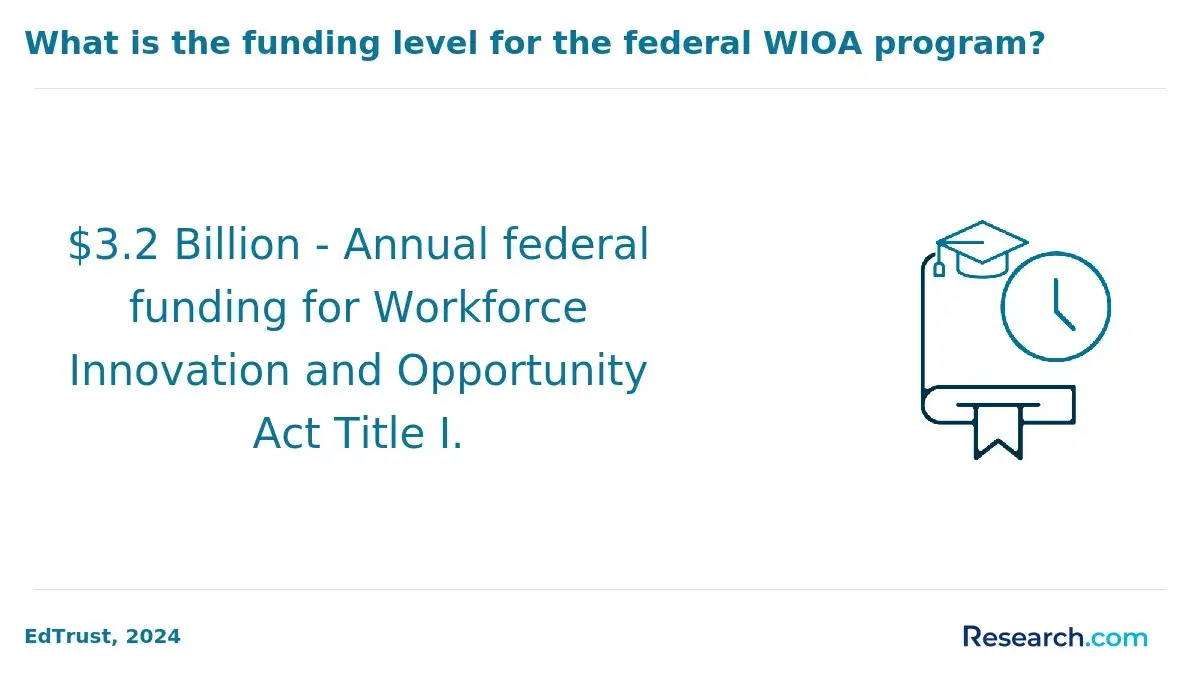
Recent data from the National Center for Education Statistics reveal that fully online public relations programs have completion rates about 10 to 15 percentage points lower than campus-based programs, reflecting the challenges inherent in remote learning. Campus programs benefit from structured routines, immediate access to faculty, and daily peer engagement, all of which bolster student persistence. Hybrid formats, blending online and in-person elements, tend to occupy a middle ground but can introduce scheduling conflicts that affect completion. This suggests that success in any format depends heavily on a student's ability to navigate the tradeoffs between flexibility, social interaction, and time management.
Consider a student balancing a full-time job and family obligations; an online program offers necessary flexibility but demands strong self-discipline and isolation resilience, which can undermine retention. Conversely, a campus program might provide motivation through community but may be impractical for those with tight schedules. Hybrid formats require careful coordination to avoid clashes between online coursework and mandatory on-campus activities, complicating progression without deliberate planning. This evidence underlines that no single format is inherently hardest, but rather the best fit depends on individual circumstances and learning preferences.
A recent graduate who completed a hybrid public relations degree recalled feeling torn during her first semester as her job hours occasionally overlapped with campus seminars. "I hesitated at times; I worried I wouldn't keep up," she shared. Her strategy became setting strict weekly priorities and negotiating occasional schedule adjustments at work, which alleviated some pressure. She noted, "The flexibility was a lifesaver but also required constant juggling." Her experience highlights the nuanced realities behind completion difficulties when students manage competing demands alongside varied program formats.
How Does Each Public Relations Learning Format Affect Student Success?
Student success in Public Relations degree programs depends significantly on how well a learning format suits individual study habits, time availability, and personal obligations rather than the mode itself. Selecting between online, hybrid, and campus settings involves balancing flexibility, engagement, and support, which directly influence completion rates and academic persistence. For example, a working parent might thrive in a hybrid program with both virtual and periodic in-person sessions, while a recent high school graduate might benefit from the structured environment of campus learning. Below are key factors shaping success across these learning formats:
- Engagement and Interaction Opportunities: Regular face-to-face contact in campus programs fosters deeper connections with instructors and peers, enhancing motivation and accountability. Hybrid formats offer some in-person engagement without sacrificing flexibility, whereas fully online learners often rely on virtual forums that may limit spontaneous collaboration, affecting persistence.
- Access to Academic Resources: Campus students typically enjoy immediate assistance from tutoring, counseling, and library services, which can be crucial for staying on track. Hybrid students gain partial access, while online learners depend heavily on digital tools and self-directed resourcefulness, which can be challenging without strong institutional support.
- Flexibility for Life Commitments: Online programs provide unmatched scheduling freedom, beneficial for students balancing work and family. Yet, this flexibility demands rigorous self-discipline and time management skills to avoid falling behind, as data from the National Center for Education Statistics (2024) shows online completion rates lagging behind campus and hybrid formats.
- Structured Learning Environment: Campus programs excel at offering a predictable routine that helps many students maintain momentum. Hybrid models blend structure with adaptability, while online formats often require learners to set their own schedules, which can either encourage independence or cause procrastination.
- Student Motivation and Self-Regulation: Success in online Public Relations degrees strongly correlates with a student's intrinsic drive and organizational abilities. Those less experienced in managing autonomous study may struggle without the external pressures found in more traditional settings.
- Peer and Faculty Support Networks: In-person settings naturally encourage community building, which can lead to increased support and information exchange. Hybrid programs partially fulfill this need, while purely online formats must intentionally create virtual spaces to foster similar connections for persistence.
- Completion Rate Trends: Consistent evidence from the National Student Clearinghouse Research Center (2024) indicates campus programs have approximately 65-70% completion rates within six years, hybrid formats range around 60-65%, and online approaches lag closer to 45-55%, reflecting the varying challenges and advantages of each mode.
How Does Enrollment Status Affect Public Relations Completion Rates?
Enrollment status remains one of the most decisive factors influencing degree completion rates in public relations programs, yet its impact extends beyond simply how many courses a student takes. The difference between full-time and part-time study involves varying degrees of commitment, access to resources, and life balance strategies, all of which shape the likelihood of finishing a degree. This complexity means prospective students must evaluate their personal circumstances carefully instead of assuming one enrollment pace guarantees success. Below are key ways enrollment status affects public relations degree completion.
- Time Commitment and Academic Momentum: Full-time students typically maintain steady progress, completing more credits per term and staying engaged with coursework. This momentum often translates into higher completion rates, with campus-based full-time students frequently exceeding 70%. However, part-time students balancing work or family often face disruptions that slow academic progress, reducing their likelihood of finishing promptly.
- Access to Institutional Support: Full-time enrollment often grants better access to faculty mentoring, academic advising, and extracurricular resources. Students attending campus full-time benefit most, but hybrid formats also foster some engagement advantages. Part-time students, especially those studying fully online, may struggle with lower levels of direct support, which can impede completion.
- Flexibility Versus Structure: Part-time students enjoy greater scheduling flexibility, crucial for those managing external responsibilities. However, this comes with the tradeoff of less structured accountability, which can lead to attrition. Hybrid programs may mitigate this by combining in-person check-ins with online convenience, helping part-time learners maintain focus.
- Financial and Opportunity Costs: Full-time study demands more immediate financial investment and time dedication, which may be impractical for some. Part-time enrollment allows students to pace expenses and balance income, appealing to those needing to work while studying. These financial realities affect who can sustain their enrollment status without pause or dropout.
- Impact of Peer Networks: Full-time students on campus often build stronger peer connections that reinforce persistence and motivation. Part-time and exclusively online students find these networks harder to develop, which can lessen social engagement and decrease completion probabilities.
- Variability Across Delivery Modes: Completion rates for full-time students in online public relations programs typically hover between 60-68%, reflecting flexibility benefits but also engagement challenges. Part-time students experience wider disparities, with online program attrition notably higher compared to hybrid or campus formats.
- Alignment with Career and Life Goals: Students must assess how enrollment status fits their professional timelines and personal commitments. For example, a working professional pursuing an online MBA in operations management might find part-time study optimal despite extended duration, whereas a recent high school graduate aiming for swift entry into public relations roles may prefer full-time, campus-based enrollment for fastest completion and immersion.
Can Transfer Credits Improve Public Relations Degree Completion?
Transfer credits can notably shorten the time needed to finish a public relations degree by eliminating redundant coursework, but this advantage hinges on how well the credits align with the program's requirements. Students entering with prior college classes, military training, or professional certifications may find that applicable transfer credits reduce the total credits needed, allowing for a faster path to graduation. For example, a student who completed core communications courses at a community college might skip equivalent foundational public relations classes in an online program, trimming their timeline significantly.
However, this benefit is not guaranteed. Acceptance of transfer credits varies widely among institutions and delivery formats. Campus-based programs often enforce strict residency policies and tightly mapped curricula, limiting which credits count. In contrast, online programs tend to offer greater flexibility, frequently evaluating and applying transfer credits more liberally to meet degree requirements.
Some hybrid programs strike a middle ground, adjusting transfer credit acceptance based on how online and in-person elements are combined. Yet transfer credits only expedite completion when they fulfill core competencies rather than peripheral or unrelated courses. According to a 2024 report from the National Student Clearinghouse Research Center, students who successfully transfer eligible credits can complete their degrees 20-30% faster, but nearly 40% of transfer credit applications are denied due to curriculum mismatches, resulting in lost time and frustration.
Prospective students can better predict whether transfer credits will hasten degree completion by requesting official evaluations from target schools and comparing how many credits remain after transfers adjust their program load. Careful scrutiny of each program's credit acceptance policies, especially in online and hybrid offerings, helps align academic history with graduation goals. While transfer credits contribute to shortening degree paths for many, they remain one factor among others-including enrollment intensity, course availability, and student commitment-that collectively influence timely degree completion.
What Student Support Services Improve Public Relations Completion Rates?
Effective student support services significantly influence the likelihood of completing a public relations degree, with varying impact depending on the program format-online, hybrid, or campus-based. Data from the National Center for Education Statistics in 2024 indicates that institutions emphasizing integrated support see persistence and graduation rates improve by as much as 15%. The following key services demonstrate the most consistent association with degree completion across formats.
- Personalized academic advising: Tailored guidance helps students map out degree requirements and troubleshoot obstacles before they escalate. This is particularly vital for online learners, who lack regular face-to-face interaction and must navigate coursework independently.
- Accessible tutoring and resources: Virtual tutoring paired with 24/7 access to digital libraries bridges learning gaps for remote students. Hybrid students especially benefit when such resources complement in-person assistance, fostering deeper understanding and steady progress.
- Career counseling aligned with public relations: Services that connect academic milestones to real-world job market trends boost motivation and contextualize studies. Programs that integrate career advice demonstrate stronger retention by linking coursework to tangible future outcomes.
- Mental health support services: Rising stress levels among students emphasize the need for accessible emotional wellness programs. Embedding mental health resources within the curriculum or campus environment has shown measurable improvements in student perseverance and academic performance.
- Proactive outreach and communication: For online formats where disengagement risks are higher, frequent, adaptive communication strategies maintain connection and accountability, countering isolation that can hinder completion.
- Learning communities and faculty mentoring: Campus and hybrid students benefit from structured peer networks and mentoring relationships that encourage persistence through social and academic integration.
One online public relations graduate recalled feeling overwhelmed early in her program due to limited in-person contact and the complexity of balancing work and school. She hesitated to ask for help but eventually reached out to virtual tutoring services and her assigned advisor. These resources not only clarified course material but also provided a structured plan to stay on track. She later reflected that without that proactive advising and emotional support, she might have dropped out during a particularly challenging semester.
How Do Public Relations Completion Rates Affect Career Outcomes?
Completion rates for public relations degrees significantly impact long-term career outcomes, with degree attainment serving as a powerful differentiator in the communications job market. Graduates who successfully finish their programs tend to experience measurable benefits in salary, job security, and promotional opportunities compared to those with incomplete credentials. For students weighing online, hybrid, and traditional campus formats, understanding how completion influences career trajectories is vital. The following points highlight key ways completing a public relations degree shapes professional success.
- Higher Median Earnings: Graduates with a completed public relations bachelor's degree often see a 20-30% increase in median salary compared to those without degrees or with incomplete studies. This wage premium reflects employer recognition of formal qualifications and the skills verified through degree completion. Workers balancing employment and coursework, particularly in online or hybrid programs, see tangible financial returns when they persist to graduation.
- Improved Access to Leadership Roles: Degree holders are significantly more likely to secure management-level positions within public relations agencies and corporate communications departments. Persistence in completing the program signals to employers the candidate's dedication and competency, which are critical in fields reliant on trust and strategic communication. Those in hybrid formats may gain particularly strong networking advantages contributing to leadership prospects.
- Enhanced Job Stability and Advancement Potential: Completing a structured public relations curriculum, especially within immersive campus programs, often results in more stable employment and clearer promotion pathways. Access to internships and faculty mentoring in campus-based settings correlates with smoother transitions into skilled roles, although these environments may be less accessible for some students due to geographic or scheduling limits.
- Broader Opportunities for Graduate Education and Specialization: A finished bachelor's degree serves as a prerequisite for advanced degrees and certifications that can further elevate a public relations career. According to workforce studies, degree completion increases the likelihood of enrollment in graduate programs. This is relevant for those aiming to deepen expertise or pivot specialties within communications.
From a practical perspective, a student completing a public relations degree online may benefit from flexible schedules but face challenges with peer engagement that could impact completion rates and networking outcomes. Hybrid models offer a balanced path by combining flexibility with on-campus experiences, supporting stronger peer and faculty connections, which is critical given the impact of completion on careers. Traditional campus programs generally provide the most comprehensive environment for finishing degrees, but not all students can attend these due to location or personal constraints. For prospective students, especially nontraditional ones, examining these trade-offs alongside completion statistics and career ambitions is essential. Those interested in affordable and flexible options might explore programs like the best online MBA under 10k, which reflects the growing landscape of cost-effective graduate pathways.
- Public relations degree completion rates and career success
- Impact of online and campus PR graduation rates on job outcomes
How Should Students Choose the Best Public Relations Learning Format?
Choosing the best public relations program format is a matter of aligning personal circumstances with proven trends in degree completion and overall success. Campus programs generally show higher completion rates due to structured schedules and peer accountability, while online and hybrid formats offer crucial flexibility for those balancing jobs or families. A 2024 report from the National Center for Education Statistics confirms that students working full-time are likelier to persist in online or hybrid models instead of traditional on-campus settings. Below are key factors prospective students should evaluate to determine their best path.
- Time Management and Work Commitments: For students juggling full-time employment, online programs provide unmatched flexibility that can improve persistence despite the absence of daily structure. However, self-discipline is crucial; those unable to manage deadlines independently may benefit more from hybrid or campus settings where schedules reinforce accountability.
- Technological Readiness and Digital Skills: Successful navigation of online formats requires a baseline of digital literacy and comfort with virtual communication tools. Those lacking this foundation face higher dropout risks, making hybrid or campus attendance safer choices to build skills on the go.
- Networking and Mentorship Opportunities: Traditional campus programs often accelerate employability by fostering direct industry connections, professional mentorship, and in-person networking-advantages hybrid programs partially replicate while online-only formats can limit these engagements.
- Learning Style and Motivation: Independent learners thrive in online environments where self-direction is key, whereas students benefiting from instructor-led, immersive experiences may find campus programs more supportive for comprehension and engagement.
- Family and Personal Responsibilities: Hybrid and online formats provide adaptability for those with caregiving duties, allowing attendance during off-hours or weekend sessions. This flexibility can be decisive for completion prospects.
- Program Availability and Start Dates: Students aiming to enroll swiftly can explore options at online colleges starting soon, which often offer rolling admissions and multiple start points compared to rigid campus calendars.
- Financial and Resource Access: Campus attendance may provide access to scholarships, labs, and career services that enhance outcomes. Online learners should evaluate institutional support carefully to ensure comparable resources are reachable.
What Are the Long-Term Pros and Cons of Each Public Relations Learning Format?
Choosing between online, hybrid, and campus formats for completing a public relations degree influences more than just how you study-it shapes your long-term career path and academic success. Each format offers unique strengths and drawbacks that impact graduation rates, networking, and real-world readiness differently. Below are key factors to consider when deciding which format aligns best with your personal and professional goals.
- Flexibility and Retention: Online programs excel in providing flexible schedules crucial for working adults or those with family commitments, often increasing retention for non-traditional students. However, fully online formats may suffer from lower completion rates due to limited real-time mentorship and fewer engagement opportunities.
- Networking Opportunities: Campus programs offer rich face-to-face interaction vital for building strong industry connections through events and internships, fostering better job placements. Hybrid formats expand networking by blending online convenience with in-person experiences, benefiting learners who seek balance.
- Hands-On Experience and Skill Application: Hybrid and campus models emphasize practical projects and internships, enhancing real-world skills necessary in public relations careers. Fully online learners might miss these immersive experiences unless supplemented by local internships.
- Student Support and Community: Hybrid programs often provide stronger peer and faculty support by encouraging periodic campus visits, which correlates with improved persistence rates. Campus settings reinforce this further with instant feedback and resource accessibility, while online students may feel isolated.
- Accessibility and Resource Availability: Online formats break geographic barriers and reduce commuting challenges, increasing accessibility for diverse populations. Campus programs offer direct access to career services and technology but require physical presence, which can limit prospective students with mobility or location constraints.
- Long-Term Career Benefits: Data from the National Education Association 2024 report highlight higher early-career employment rates for campus graduates, followed by hybrids, with online program completers showing slightly slower labor market entry, often due to networking limitations.
References
- Disadvantages of PR: Challenges of Public Relations Today https://prlab.co/blog/disadvantages-of-public-relations/
- Account Suspended https://www.commissionpred.org/commission-reports/
- Careers in PR https://www.learndirect.com/pillar/careers-in-pr
- curriculum - Journal of Public Relations Education https://journalofpreducation.com/tag/curriculum/
- Public relations (PR) https://www.nibusinessinfo.co.uk/content/advantages-and-disadvantages-public-relations
- The Critical Success Factors for a Successful PR and Communications Career in Africa - Africa PR & Communications Report https://africaprreport.com/the-critical-success-factors-for-a-successful-pr-and-communications-career-in-africa/
- Education PR: How Public Relations Helps Education Brands Grow https://www.prcompanion.com/blog/education-pr/
- Public Relations and Corporate Communications https://www.haw-kiel.de/en/degree-courses/courses/public-relations-and-corporate-communications/
- PR Best Practices: 7 Strategies for Success https://icrinc.com/news-resources/pr-best-practices-7-strategies-success/
- How To Get Into PR: What Studying Public Relations Can Offer You https://giveagradago.com/resources/blog/how-to-get-into-pr-what-studying-public-relations-can-offer-you/
Other Things You Should Know About Public Relations
Yes, engagement differences linked to format affect completion rates notably. Online public relations programs often lack the immediate interpersonal dynamics found in campus settings, which can lead to feelings of isolation or detachment over time. Consequently, students without strong self-discipline or external accountability may struggle to maintain motivation. For those considering online formats, prioritizing programs with synchronous sessions or cohort-based structures can mitigate these challenges and improve persistence.
Hybrid formats offer flexibility by blending online and in-person components, but this mixture can introduce logistical and cognitive burdens. Managing different learning environments, schedules, and communication modes demands high organizational skills. Students unprepared for this balancing act may face disruptions that delay or derail completion. Prioritizing hybrid options with clear, consistent scheduling and robust academic advising is advisable to navigate these complexities successfully.
Employer perceptions often favor traditional campus degrees, associating them with rigorous training and networking opportunities. While online and hybrid completions are increasingly recognized, students in those formats must proactively engage in internships and professional activities to demonstrate comparable readiness. If immediate employment in competitive public relations roles is a priority, on-campus completion may offer clearer pathways, though commitment to supplemental experiential learning can offset this gap for online or hybrid students.
Campus programs typically impose fixed schedules, which can help in creating routine but may conflict with outside responsibilities. Online formats offer asynchronous flexibility, allowing workload adjustment around personal commitments but demanding strong time-management skills. Hybrid programs require juggling both dynamics, which can increase cognitive load. Students should honestly assess their self-management capabilities and life demands, choosing the format that aligns with their strongest approach to sustained workload balance for successful completion.