2027 Public Relations Degree Growth by State: Where Interest Is Rising the Fastest

Co-Founder and Chief Data Scientist
States experiencing rapid growth in public relations degree enrollment often reflect unique local shifts in their economies and demographics. For example, expanding media markets or regulatory changes in states with growing urban centers create tangible demand for professionals equipped to navigate these evolving landscapes. According to a 2024 report from the National Center for Education Statistics, increased enrollment among adult learners pursuing flexible or online graduate programs accounts for much of this surge. This trend signals a broader shift toward accessible, career-aligned education that accommodates working professionals aiming to enhance mobility within dynamic job markets, influencing where and how prospective students commit to their public relations studies.
Key Things to Know About the State Where Public Relations Degree Interest Is Rising the Fastest
- Florida's surge in public relations enrollments reflects its expanding media and tourism economies, yet intense competition among institutions drives a tradeoff between cost and program prestige for prospective students.
- Texas's booming corporate sector heightens demand for public relations graduates, signaling employers value situationally adaptive skills, which pressures programs to emphasize practical workplace communications.
- California's large adult learner population benefits from increasing online public relations offerings, enhancing access but complicating timing decisions given the pace of remote learning and networking challenges.
- Which States Are Seeing the Fastest Growth in Public Relations Degree Enrollment? States with Fastest Growth
- What Does Enrollment Growth in Public Relations Programs Actually Tell Prospective Students? Interpreting Enrollment Growth
- How Do Regional Job Market Conditions Drive Public Relations Degree Demand by State? Regional Job Market Conditions
- Which States Have Added the Most New Public Relations Degree Programs in the Last Five Years? States with New Programs
- How Has the Rise of Online Education Changed Which States Lead in Public Relations Program Interest? Role of Online Education
- What Demographic Trends Are Fueling Public Relations Degree Growth in Specific States? Demographic Trends Fueling Growth
- How Do State Funding Levels for Public Relations Services Influence Degree Program Growth? Role of State Funding
- Which States Are Emerging as Unexpected Leaders in Public Relations Degree Interest? Leaders in Growth
- How Does State Population Size Affect the Interpretation of Public Relations Degree Growth Data? Role of State Population
- What Role Do State Licensing Requirements Play in Driving or Suppressing Public Relations Enrollment? Role of State Licensing
Which States Are Seeing the Fastest Growth in Public Relations Degree Enrollment?
Enrollment trends in public relations degree programs are not uniform across the United States, reflecting varied regional economic and institutional factors that shape workforce readiness. While national interest in both graduate and undergraduate public relations education has steadily expanded, some states stand out for especially rapid growth, indicating shifting demand pockets and potential new hubs for related careers. Those aiming to enter or advance in public relations fields should consider how these local dynamics intersect with employer expectations and the practical value of graduate credentials in diverse markets.
- North Carolina: Benefiting from a booming tech and healthcare sector, North Carolina has seen the highest growth rates in public relations degree enrollment, supported by expanding university programs and regional industry demand.
- Arizona: Rapid population growth and a diversifying economy have contributed to Arizona's rising public relations student numbers, propelled further by increased investment in local educational institutions.
- Colorado: Colorado's emphasis on sustainable business and outdoor recreation industries aligns with increased public relations education, reflecting changing organizational priorities.
- Florida: Florida's large media market and vibrant tourism sector foster consistent growth in public relations enrollment, especially within graduate studies tied to hospitality and entertainment communications.
- Washington: A regional center for technology and international trade, Washington state has experienced notable enrollment gains, capitalizing on both undergraduate and graduate program expansions.
This growth is concentrated primarily in the South, Mountain West, and Pacific Northwest rather than traditional Northeast or Midwest educational hubs. These patterns illuminate how regional economies and demographic shifts influence not just enrollment but also the types of public relations roles likely to be available. Subsequent sections will unpack the economic and demographic variables fueling this growth, analyze program adaptations to local industry needs, and explain why grasping enrollment momentum is critical when evaluating public relations degree programs.
For professionals returning to school or career changers, such insights clarify where graduate education aligns closely with employer expectations and viable career trajectories. Additionally, students with geographic flexibility might find connections to specialized programs-such as certain online degrees-that address emerging public relations competencies in these expanding markets, comparable to what is observed in AI degrees online.
What Does Enrollment Growth in Public Relations Programs Actually Tell Prospective Students?
Enrollment growth in public relations programs often masks critical nuances affecting program quality and graduate success. Without deeper analysis, rising numbers alone can mislead applicants about the program's actual value and alignment with career outcomes.
Raw enrollment increases may reflect factors unrelated to academic rigor, such as expanded recruitment or eased admissions standards, which do not guarantee employment prospects or educational effectiveness. Prospective students must interpret growth alongside key metrics and market realities to make informed decisions.
- Retention Rates: Sustained student engagement through successive terms indicates curriculum relevance and institutional support, providing a more reliable gauge of program stability than initial entry figures.
- Graduation Rates: High completion rates demonstrate the program's capacity to prepare students for professional challenges after degree conferral.
- Job Placement Outcomes: Employment in public relations or related fields within a reasonable timeframe signals alignment with labor market demand and program effectiveness.
- Licensure Pass Rates: In states requiring certification, these rates reflect preparation for regulatory hurdles that impact career mobility and eligibility.
- Growth Drivers: Growth driven by academic reputation and market demand contrasts significantly with increases stemming from aggressive marketing or reduced standards, which may dilute educational quality.
- Critical Evaluation: Enrollment data should be integrated with qualitative insights gained from conversations with current students and alumni to build a nuanced understanding of strengths and weaknesses.
Ultimately, enrollment growth is a single, insufficient data point; discerning applicants balance quantitative indicators with grounded insights to evaluate public relations programs critically, especially given the variable economic, demographic, and regulatory environments influencing regional demand and graduate outcomes.
How Do Regional Job Market Conditions Drive Public Relations Degree Demand by State?
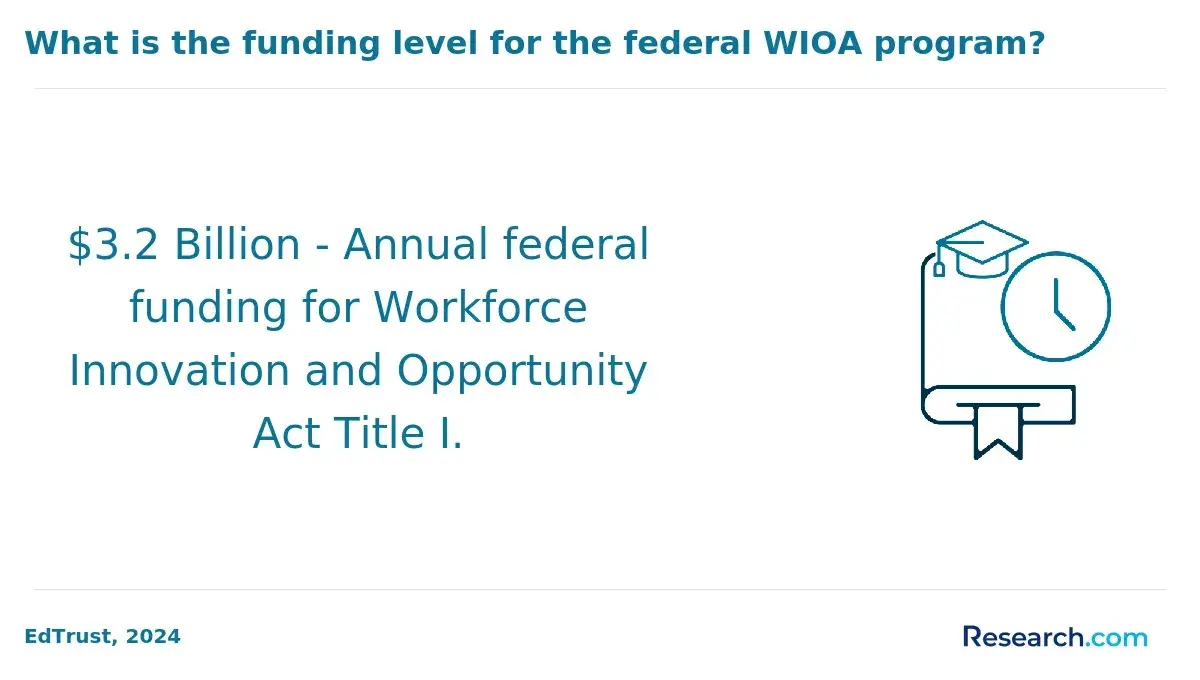
Labor market conditions at the state level shape demand for public relations degree holders by driving employer needs that graduate programs respond to in enrollment patterns. States with expanding healthcare and education sectors or growing public service agencies create environments where skilled communicators are vital for stakeholder engagement and reputation management. These workforce realities tie directly to educational choices, as employer-backed incentives such as loan repayment tied to public sector roles or workforce grants encourage candidates toward formal credentials, reinforcing the cycle between job openings and graduate interest. Understanding these dynamics is critical for those examining where to pursue public relations degrees online or on campus with strong employment prospects.
- California: Leading projected job growth in public relations is linked to its large healthcare industry and thriving tech sector, which increasingly require communication professionals to manage complex internal and external narratives.
- Texas: Significant public sector expansion, especially through municipal agencies and large school districts, drives demand for specialists who can effectively manage government and community relations.
- Florida: The growth of healthcare systems combined with a robust tourism economy creates consistent opportunities for credentialed public relations experts.
- New York: Though the financial sector is mature, expanding roles in government and nonprofit organizations supported by localized workforce initiatives sustain demand here.
- Washington: A dense concentration of tech firms and active state workforce incentives make this a fertile market for public relations professionals.
Prospective students evaluating the public relations job market growth by state should carefully investigate labor projections and employer trends within their preferred locations. A strong regional economy often translates to richer practicum or internship opportunities and stronger leverage in salary discussions after graduation. Selecting a graduate program without considering these factors risks misalignment between educational investment and actual job market conditions. Career changers and geographically mobile students can also benefit from comparing states in terms of industry health and credential demand. For those balancing education with career shifts, exploring quality psychology degrees online reveals similar patterns of regional workforce influence worth noting across disciplines.
Which States Have Added the Most New Public Relations Degree Programs in the Last Five Years?
States leading growth in public relations degree programs reveal distinct economic and institutional patterns influencing these expansions. Increased offerings do not simply indicate more educational access; they reflect strategic responses to local industry demands, accreditation incentives, and competitive academic positioning. Prospective students must weigh how program availability intersects with tuition variance, scholarship rivalry, and specialization possibilities when selecting regions for study.
- California: This state dominates in launching new programs and expanding existing ones, driven by the confluence of media, technology, and entertainment sectors with strong workforce demand. Universities leverage state grants and favorable accreditation environments to create diverse online tracks aimed at nontraditional, working adult learners.
- Texas: Population growth and inter-institutional competition fuel the rise of public relations programs here, with both flagship and private colleges boosting enrollment and introducing focuses such as multicultural communication and digital media to meet evolving employer expectations.
- Florida: The expansion hotbed for online program offerings due to its international business influx and service economy growth. Competition among institutions affects tuition fees and scholarship distribution, requiring careful comparison beyond program availability alone.
- New York: Existing programs grow capacity and niche specializations like crisis management and corporate social responsibility, reflecting localized corporate hiring trends and strict adherence to accreditation demands driving program enhancement rather than just numeric growth.
- North Carolina: Workforce shortage designations for communication-related roles accelerate program development in partnership with local healthcare and technology industries. State funding supports creation of specialized public relations tracks targeting expanding sectors.
Broadly, institutional moves to launch or scale public relations programs align heavily with accreditation compliance, regional labor market shortages, and reactive moves to peer offerings. For students, a larger selection within a state signals greater financial aid competition and nuanced specialization options. Comparisons across programs-especially for those with geographic flexibility-aid in optimizing fit according to career ambitions, affordability, and local employer alignment.
One graduate recalled navigating several months of uncertainty during the rolling admissions process for public relations master's programs in Texas. Initially hesitant after a delayed response from a preferred school, she applied to multiple institutions strategically, mindful of scholarship deadlines and program start dates. Ultimately, she chose a newer online track launched amid recent expansion trends, appreciating the program's digital focus aligned with her career goals. This experience underscored the importance of timing and proactive planning in selecting a program amidst rapidly evolving options.
How Has the Rise of Online Education Changed Which States Lead in Public Relations Program Interest?
Fully online public relations programs have significantly altered traditional enrollment patterns by removing geographic constraints that once limited student choices to nearby institutions. This shift enables students to access programs nationally, allowing states with well-established online offerings to attract out-of-state learners far beyond local markets. For instance, a professional in the Midwest may now enroll in a program based on reputation and cost in a state several regions away without relocating, directly influencing how and where public relations education is concentrated.
- Geographic Decoupling: Distance no longer defines enrollment boundaries. Students can pursue top-tier programs without physical relocation, increasing competition among states to capture a broader applicant base.
- Program Reputation: States with universities recognized for comprehensive curricula and expert faculty benefit from heightened enrollment, drawing students willing to choose quality over proximity.
- Tuition and Affordability: Reasonably priced online programs appeal to cost-conscious students nationwide, amplifying enrollment in states offering competitive rates without sacrificing program quality.
- Accreditation Matters: State programs maintaining rigorous accreditation standards serve as trusted options for students prioritizing employer recognition and degree legitimacy, thereby reinforcing their market dominance.
- Regulatory Implications: Despite expanded access, students must navigate state-specific licensure and professional practice requirements, making verification of local credentials critical before committing to out-of-state online programs.
What Demographic Trends Are Fueling Public Relations Degree Growth in Specific States?
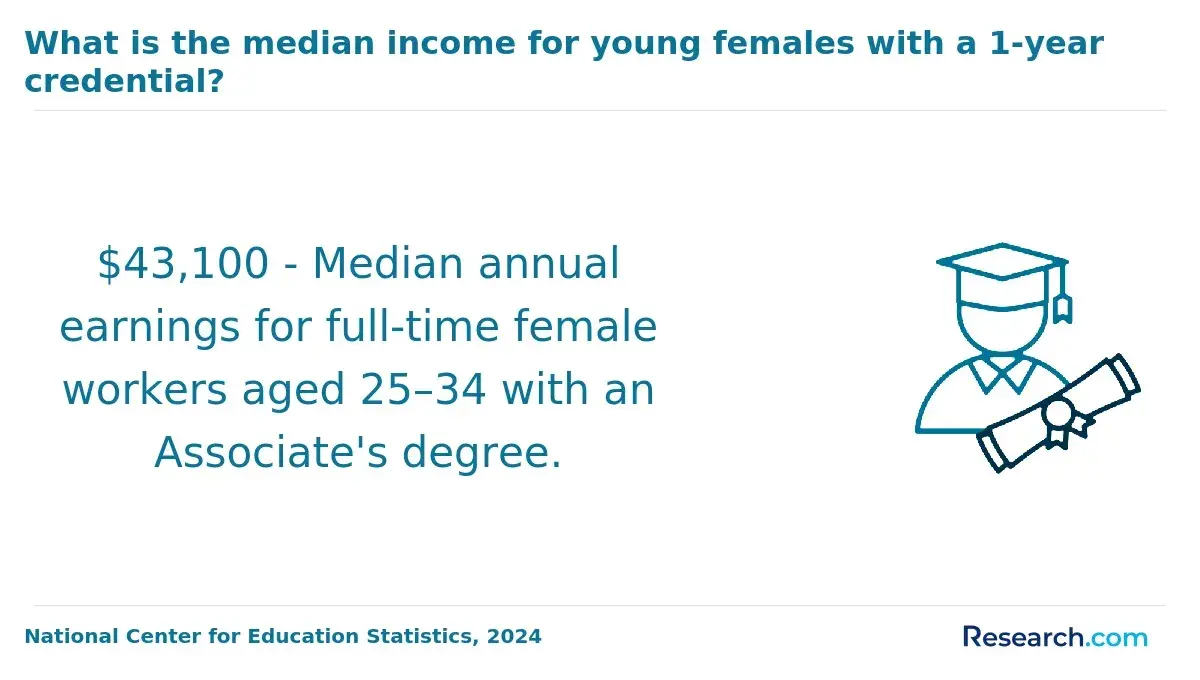
Enrollment growth in public relations degree programs across states reflects varied demographic factors driving regional workforce demand, not uniform national trends. Prospective students should analyze how these state demographic factors driving public relations enrollment translate into concrete career opportunities, especially since workforce needs differ markedly by location and sector. For example, in states with aging populations, public relations professionals must tailor healthcare and retirement messaging to older adults, a niche requiring specialized skills distinct from those needed in rapidly urbanizing areas with corporate hubs.
- Population Aging: Southeastern and Midwestern states with significant elderly populations see growth in public relations roles supporting healthcare providers, retirement communities, and public health campaigns, fostering enrollment in programs aligned with these sectors.
- Immigration Patterns: States including California and Texas with high immigrant populations demand culturally nuanced public relations strategies to engage multilingual audiences, spurring enrollment in culturally competent program tracks.
- Urbanization: Rapidly growing metropolitan hubs in places like Georgia and Washington create competitive markets where communicators develop sophisticated campaigns for innovation-driven industries, increasing demand for graduates experienced in urban public relations dynamics.
- K-12 Enrollment Growth: Areas experiencing influxes of younger families, such as Idaho and Utah, generate public relations needs within school districts and educational nonprofits, promoting stable program enrollment linked to community engagement roles.
- Rising Mental Health Diagnoses: States like Massachusetts and Oregon with increasing mental health awareness expand public relations roles in healthcare advocacy and nonprofit sectors, pressing programs to adapt curricula accordingly.
Such differences mean enrollment spikes often signal regional market needs rather than broad national demand, highlighting the importance of reviewing regional population growth impact on public relations degrees when selecting a program. Students should prioritize states where demographic trajectories and sector demand suggest sustained employer interest, reducing risks tied to cyclical industry shifts. For those weighing accelerated credentials, exploring options like a 6 month masters degree online can provide a faster route to capitalize on these evolving opportunities.
How Do State Funding Levels for Public Relations Services Influence Degree Program Growth?
State funding decisively shapes the expansion or stagnation of Public Relations degree programs by influencing the availability of employment within the public sector. When states increase investment in publicly funded Public Relations roles-such as Medicaid communication reimbursements, outreach block grants, mental health program funding in schools, and community health center support-they cultivate stable job markets. This creates a tangible employment pathway, encouraging universities to develop or enlarge Public Relations programs to meet rising workforce demand. In contrast, underfunded states often see limited public sector openings, prompting graduates to relocate to better-funded regions, which in turn depresses local program growth and enrollment over time. Prospective students should carefully evaluate their target states' recent legislative history on Public Relations funding and inquire about in-state graduate employment rates after five years to assess the sustainability of local career opportunities.
- Funding Stability: Consistent or increasing public sector budgets underpin dependable career pipelines, making programs more attractive to both applicants and academic planners.
- Graduate Retention: Adequate funding supports job availability that retains graduates locally, reducing brain drain and sustaining community expertise.
- Program Expansion: Reliable investment incentivizes institutions to improve curricula and admit more students responding to market demand.
- Workforce Alignment: Public funding growth drives development of specialized roles, prompting degree programs to adapt skills training to employer expectations.
- Underfunding Risks: Chronic fiscal shortfalls lead to talent migration and hinder long-term program viability within the state.
- Legislative Insight: Reviewing recent public relations funding legislation provides prospective students an indicator of economic and sector stability post-graduation.
- Employment Outcomes: Graduate retention statistics within five years of graduation serve as a practical measure of program effectiveness in local job markets.
A Public Relations graduate recalled hesitating during a rolling admissions cycle because her preferred state's funding commitment was unclear. She delayed submitting final documents while monitoring legislative updates on Medicaid and community health center budgets, knowing these directly impacted job prospects in the state. When funding appeared unstable, she weighed offers from better-funded programs out of state, ultimately choosing a university where financial support and graduate employment data gave more confidence in steady career opportunities. This experience underscored the importance of aligning application timing and decision-making with evolving policy signals rather than rushing to meet deadlines without fully assessing economic context.
Which States Are Emerging as Unexpected Leaders in Public Relations Degree Interest?
Unexpected growth in public relations degree programs by state reveals shifting educational dynamics where states not traditionally seen as academic hubs are now emerging as leaders. This trend affects decision-making for students seeking programs aligning with employability and practical workforce demands, especially in regions diversifying their economies amid changing labor markets. Choosing a program in one of these states can mean access to less competitive admissions and affordability but comes with the caveat of carefully assessing whether local industry demand will sustain post-graduation opportunities.
- Arizona: Arizona's rise correlates with expanding communications schools and state-led workforce initiatives emphasizing healthcare and technology sectors. The proliferation of accredited online and hybrid programs caters to geographically dispersed professionals, supporting sustained enrollment growth that mirrors the state's broad economic diversification efforts.
- Kentucky: Growth here is tied to legislative support, public-private partnerships, and membership in interstate compacts easing credit transfers and reducing costs for graduate public relations students. While some of this momentum is linked to temporary pandemic funding, the state's focus on aligning education with local economic development suggests potential long-term stability.
- Michigan: This state's enrollment increases stem from targeted grants and corporate partnerships, especially around Detroit's revitalization. Such synergies between academia and industry create practical pathways, but the burgeoning number of programs hints at rising competition for graduate students and jobs in public relations.
- North Carolina: Expanding access to rural and underserved communities through satellite campuses and online offerings is reinforced by state incentives targeting workforce reskilling. The combination of a strong non-profit sector and flexible program formats supports working professionals, fostering steady demand in public relations education and its application in varied local contexts.
- Idaho: Newly accredited programs aligned with regional diversification draw students attracted by lower tuition and less competitive admission standards. However, growth here remains sensitive to fluctuations in external funding, so graduates should weigh job market maturity against early career opportunities.
States with the fastest growing public relations degree programs by state often represent alternative pathways that prioritize accessibility and affordability. This can present valuable practical advantages for career changers and geographically mobile students but requires vigilance regarding evolving local economic conditions and industry demand.
Prospective students balancing return-to-school decisions should compare these emerging public relations markets not only against established centers but also alongside other fields, such as computer science degrees online, which increasingly compete for workforce attention and funding. Understanding where public relations program enrollment is rising and why can clarify the tradeoffs between program availability, cost, and durable career outcomes.
How Does State Population Size Affect the Interpretation of Public Relations Degree Growth Data?
Interpreting public relations degree growth by state without accounting for population size can lead to misleading assumptions about market demand and career opportunities. For example, a large state adding 2,000 new public relations graduates annually may appear to experience strong expansion, yet this absolute figure may mask a relatively stagnant per-capita growth rate. Conversely, a smaller state producing 300 graduates annually might exhibit a more substantial per-capita increase, indicating emerging local demand and potentially less competition for entry-level positions. This distinction between absolute enrollment growth and per-capita growth is critical when analyzing public relations enrollment trends by state population size.
Beyond enrollment numbers, evaluating the current baseline of licensed public relations professionals relative to the state population is essential. States with high workforce saturation often see slowed employment growth despite increasing graduate numbers, suggesting a tighter job market. Students and career changers considering multiple locations should prioritize states where the ratio of licensed public relations professionals to population falls below the national average, as these areas typically present stronger pathways to employment shortly after graduation. These nuanced metrics provide a more meaningful lens through which to assess true market potential and program value.
- Workforce Saturation: States with already high numbers of licensed professionals relative to their population can show slowing growth despite increases in new graduates.
- Regulatory Barriers: Some states impose complex licensing or credential evaluations that can restrict entry, affecting both degree program attractiveness and graduate employment ease.
- Population Density: Dense urban centers often concentrate jobs but also competition, skewing growth interpretation if population is ignored.
For those contemplating a graduate degree in a related area, exploring options such as the best online master degree in human resource management can offer complementary career paths, particularly in states where public relations markets are highly saturated or regulated.
What Role Do State Licensing Requirements Play in Driving or Suppressing Public Relations Enrollment?
State licensing requirements play a decisive role in either fostering or constraining enrollment in public relations graduate programs by shaping the practical value and career viability of these degrees. When licensure pathways are transparent, consistent, and accessible, prospective students perceive a clearer return on investment, which accelerates enrollment growth. For example, in states where the licensure process is straightforward and aligned with hiring practices, graduates can more easily transition into roles that often start with salaries 10-15% higher than those in less regulated markets, making these programs more attractive. Conversely, states with ambiguous or frequently shifting licensure rules impose hidden costs in time, effort, and uncertainty, deterring candidates who weigh these factors against alternative states or careers.
Licensing boards indirectly influence program demand by anchoring employer expectations. In regions with robust credentialing systems, many public relations employers either require or strongly prefer licensed professionals, creating a competitive advantage for graduates holding recognized credentials. This employer preference reinforces a feedback loop: stronger licensure frameworks promote program expansion, which bolsters professional advocacy for regulatory refinement, thus sustaining enrollment momentum and workforce quality.
Prospective students must therefore conduct thorough due diligence not only on curriculum content but also on the entire licensing trajectory in their state of interest. Assessing relative licensing manageability-and how it compares to other states-is critical since post-graduation hurdles substantially affect employability timelines and geographic mobility.
- Transparency: Clear licensure requirements reduce uncertainty, encouraging enrollment by simplifying career planning.
- Stringency: Excessively strict or convoluted rules can discourage prospective students due to increased time and cost commitments.
- Employer Alignment: States where licensing aligns with employer preferences tend to have higher graduate employment rates, boosting program appeal.
- Feedback Mechanism: Growing programs foster stakeholder advocacy that supports continual improvements in licensure frameworks.
- Geographic Mobility: Students weigh licensing portability and process difficulty when choosing where to study and work.
References
- The top 10 universities with public relations degrees https://www.agilitypr.com/pr-news/public-relations/the-top-10-universities-with-public-relations-degrees/
- The Evolution of Public Relations | Blackberg Group, LLC. https://www.blackberggroup.com/insights/the-evolution-of-public-relations
- Reports & Resources https://www.commissionpred.org/reports-resources/
- California’s Higher Education Funding Landscape - Public Policy Institute of California https://www.ppic.org/publication/californias-higher-education-funding-landscape/
- An Overview of State Higher Education Funding Approaches - Ithaka S+R https://sr.ithaka.org/publications/an-overview-of-state-higher-education-funding-approaches/
- Is licensing an option or a must? Depends on whether we believe we are a profession or an organizational activity. https://www.prconversations.com/is-licensing-an-option-or-a-must-depends-on-whether-we-believe-we-are-a-profession-or-organizational-activity/
- Developing a New Generation of Public Relations Leaders: Best Practices of Public Relations Undergraduate Programs - Journal of Public Relations Education https://journalofpreducation.com/2019/01/31/developing-a-new-generation-of-public-relations-leaders-best-practices-of-public-relations-undergraduate-programs/
- Public Relations Market Size & Industry Trends [2035] https://www.businessresearchinsights.com/market-reports/public-relations-market-123404
- Why College Enrollment Is a Marketing Problem | AccessU https://accessu.com/why-college-enrollment-is-a-marketing-problem/
- Nearly 9 in 10 Colleges Plan to Expand Online Programs as Student Demand Soars, New Report Finds https://encoura.org/resources/press-room/Nearly-9-in-10-Colleges-Plan-to-Expand-Online-Programs-as-Student-Demand-Soars-New-Report-Finds
Other Things You Should Know About Public Relations
Employers in states where public relations degree interest is rising rapidly often prioritize graduates who demonstrate versatile communication skills combined with digital media proficiency. These markets typically demand candidates capable of managing integrated campaigns across traditional and emerging platforms, reflecting a shift towards data-driven storytelling. Graduates from programs that emphasize real-world project experience and adaptability tend to secure placements more quickly, highlighting the importance of practical learning over purely theoretical study.
Tuition affordability combined with cost of living plays a decisive role in shaping where students choose to enroll in public relations programs. States with lower living expenses but rising program quality are seeing sharper enrollment growth because they offer a better return on investment, especially for students seeking a balance between career preparation and financial feasibility. Prospective students should weigh these factors critically, as attending a program in a high-cost state without substantial financial aid may lead to higher debt burdens that undercut early-career earnings potential.
Rising enrollment interest in a particular state signals expanding local industry opportunities but can also indicate increasing competition for jobs post-graduation. Students should interpret growth data alongside labor market forecasts to assess whether the influx of graduates aligns with actual employer demand or risks saturating the local market. Prioritizing programs that maintain strong employer partnerships and offer specialized tracks relevant to the state's leading industries often results in better employment outcomes despite growing enrollment.