
2027 Most Valuable Online Master's in Early Childhood Education Degree Programs Ranking in the USA

Co-Founder and Chief Data Scientist
Choosing the right online master's degree in early childhood education can feel overwhelming. To help, this article introduces the 2027 Most Valuable Online Master's in Early Childhood Education Degree Programs Ranking in the USA. Developed by the Research.com team of data scientists, it offers clear insights based on data to guide your decision.
Reading this guide will empower you to find quality programs that fit your goals and lifestyle. Earning a degree in early childhood education opens rewarding career paths and makes a difference in young lives. Let this ranking be your supportive companion on that journey.
Key benefits of getting online early childhood education degree in America
- Early childhood education graduates in the US can expect starting salaries around $30,000 to $45,000 annually, depending on the role and location, offering a stable income to build a rewarding career.
- Graduates often pursue careers as preschool teachers, childcare center directors, or early intervention specialists, reflecting diverse and meaningful opportunities after completing their degree at institutions like the University of Florida.
- Online degrees, such as those from the University of Central Florida, provide flexibility for busy adults, allowing students to balance work and family while earning a respected credential that opens doors in education.
What can I expect from online early childhood education degree in America?
When it comes to the cost of an online early childhood education degree in America, graduates often say it's pretty manageable compared to on-campus options. On average, you can expect to pay anywhere between $10,000 and $30,000 for a bachelor's degree program. For example, students from well-known universities like the University of Florida or Arizona State University mention appreciating how affordable and flexible their programs are, especially since they can keep working while studying.
Many grads highlight that these online programs let you spread out costs over semesters thanks to asynchronous classes, which means no rushing or stressing about fitting courses into a strict schedule. Plus, financial aid or scholarships specifically for education majors can make a big difference. It's reassuring to know you're investing in a degree that not only fits your budget but also prepares you well for teaching or leadership roles in early childhood settings.
Where can I work with online early childhood education degree in America?
If you're wondering where an online early childhood education degree can take you in America, the options are pretty exciting. Many grads find themselves working in preschools, both public and private, teaching little ones from newborns up to age five. Imagine starting your mornings at a cozy preschool in your hometown, just like many graduates from popular programs at state universities do, shaping the foundation of curious kids' lives.
Others land jobs in childcare centers, especially those approved by the National Association for the Education of Young Children, where having a degree is often a must. These centers run full-day programs, so you're part of a trusted community that families rely on daily.
Some degree holders head over to public schools, teaching kindergartners and early elementary students. Online students from notable colleges often pair their degrees with state licensure, making their job search smoother and their careers more stable.
Plus, you might find it rewarding to work with children who need extra support through early intervention programs or nonprofits-roles that graduates with some special education training love because they get to make a huge difference.
How much can I make with online early childhood education degree in America?
If you're diving into an online early childhood education degree in America, you'll find salary expectations can vary quite a bit depending on your path. Graduates often start as preschool teachers, earning around $31,500 a year, which is pretty common for entry-level spots after schools like Liberty University or Arizona State University. It's a solid starting point for many fresh grads balancing work and study.
But here's the cool part: moving up the ladder-as a lead teacher or an education coordinator-usually means snagging a master's degree, and that can boost your paycheck significantly. Education administrators in preschools and childcare centers, which often require that extra education, can earn about $63,300 annually. Many grads from online programs at universities like Purdue or University of Florida find this progression exciting because it's not just about the money; it's about stepping into leadership roles that shape early learning experiences.
Plus, if you pair your degree with a specialty-think special education or early intervention certification-you could see your earnings climb even higher, sometimes breaking past $70,000 with experience. Online degrees make it easier to juggle learning with your current job, so you can grow your skills and income without missing a beat.
- Key benefits of getting online early childhood education degree in America
- What can I expect from online early childhood education degree in America?
- Where can I work with online early childhood education degree in America?
- How much can I make with online early childhood education degree in America?
- How do we rank schools?
- 2027 Most Valuable Online Master's in Early Childhood Education Degree Programs Ranking in the USA
- What online early childhood education degree graduates have to say
- Key Findings
- How long does it take to complete online early childhood education degree in America?
- What's the difference between online and on-campus early childhood education degree?
- What is the average cost of online early childhood education degree in America?
- What financial aid is available to online early childhood education degree students in America?
- What are the prerequisites for enrolling in online early childhood education degree program in America?
- What courses are typically in online early childhood education degree programs in America?
- What types of specializations are available in online early childhood education degree programs in America?
- How do you choose the best online early childhood education degree in America?
- What career paths are available for online early childhood education degree students in America?
- What is the job market for online early childhood education degree in America?
- Frequently Asked Questions About early childhood education
- Top Trending Early Childhood Education Rankings
How do we rank schools?
Investing in your education is a significant decision that can profoundly impact your career and personal growth. The Research.com team recognizes the importance of making well-informed choices, which is why we developed the "2027 Most Valuable Online Master's in Early Childhood Education Degree Programs Ranking in the USA" with a dedication to quality, credibility, and accuracy. We carefully analyzed multiple authoritative data sources to deliver a trustworthy and insightful guide.
We utilized the following reputable data sources to ensure a comprehensive evaluation of these programs:
By exploring this ranking, readers will gain valuable insights into the most rewarding online master's programs in early childhood education across the USA, enabling them to confidently choose the path best suited to their goals. For more information on how this ranking was created, please visit our Research.com methodology page.
2027 Most Valuable Online Master's in Early Childhood Education Degree Programs Ranking in the USA
# 1 position
Emporia State University
Master
Emporia State University's Master program focuses on Early Childhood Education and Education, offering a 24-month course. It has a graduation rate of 56% and an open admission policy with a 98% acceptance rate. The average total cost is $12,564, and the program supports a high level of financial aid, with 99% of students receiving assistance. The program serves 2,196 online students, making it accessible for remote learners.
# 2 position

The University of North Alabama offers a Master's program focused on Early Childhood Education and Education. This program has an open admission policy with an acceptance rate of 87%, making it accessible to most applicants. With 6,774 online students enrolled, it supports a broad student base. The average total cost is $11,550. Approximately 98% of students receive financial aid, reflecting high aid availability. The graduation rate stands at 55%.
# 3 position
National University
Master
The National University offers a master's program focusing on Early Childhood Education and Education. It features a graduation rate of 43% and has a high level of financial aid, with 84% of students receiving support. The average total cost for the program is $19,890. There are 20,886 online students enrolled, highlighting the program's strong online presence.
# 4 position
Walden University
Master
Walden University offers a Master's program focusing on Early Childhood Education and Education. The program enrolls 52,188 online students, reflecting its wide accessibility. The average total cost is $20,400, with 100% of students receiving financial aid, indicating high aid levels for enrolled students. Some data such as graduation and acceptance rates are not available for this program.
# 5 position

The New York Institute of Technology offers a Master's program focused on Early Childhood Education and Education, lasting 24 months. The program has an open admission policy with an 81% acceptance rate. Graduation rate is 59%. The average total cost is $38,550. All students benefit from high levels of financial aid, with 100% receiving support. There are 1,903 online students enrolled in this program.
# 6 position

Campbellsville University offers a Master's program focused on Early Childhood Education and Education, designed to be completed in 24 months. The program has an open admission policy with an 80% acceptance rate, welcoming a broad range of applicants. The average total cost is $11,160, and 79% of students receive moderate financial aid. With 8,038 online students enrolled, the program supports a significant online learning community. The graduation rate stands at 42%.
# 7 position
Texas Woman's University
Master
Texas Woman's University offers a Master's program focused on Early Childhood Education and Education, completed in 18 months. The program has an open admission acceptance rate of 96%, enrolling 5,972 online students. Approximately 94% of students receive high levels of financial aid. The average total cost is $9,690. The graduation rate for this program is 49%, reflecting the proportion of students who complete the degree within the expected time.
# 8 position

Concordia University, St. Paul offers a 24-month Master's program focused on Early Childhood Education and Education, admitting students with an open admission acceptance rate of 79%. The program supports a high level of financial aid, with 100% of students receiving assistance. Currently, 2,650 online students are enrolled. Graduates have a 46% completion rate, and the average total cost of the degree is $13,035.
# 9 position

The University of Mississippi offers a Master's program focused on Early Childhood Education and Education, designed to be completed in 24 months. The program has an open admission policy with a 97% acceptance rate. It features a 72% graduation rate, reflecting a solid completion track record. Students can expect to pay around $41,850 in total. A high level of financial aid is available, with 83% of students receiving support.
# 10 position

Worcester State University offers a Master's program focused on Early Childhood Education and Education, completed in 18 months. The program has an open admission policy with an 88% acceptance rate and a graduation rate of 61%. Costs average $421,940, and 90% of students receive high levels of financial aid. The program supports 4,181 online students, making it accessible for remote learners.
What online early childhood education degree graduates have to say
- Jessica: Earning my online early childhood education degree from the University of Florida was a life-changing experience. The flexibility fit perfectly with my busy schedule, and the professors were truly supportive. I gained practical skills that helped me confidently advance my career while balancing family life.
- David: Studying early childhood education online at Arizona State University offered interactive classes and real-world applications. The community felt close despite the distance, making learning engaging and dynamic. It was empowering to develop my teaching abilities while working full-time, knowing I was supported every step.
- Maria: The online program at Oregon State University exceeded my expectations with its comprehensive curriculum and accessible resources. I loved how I could study at my own pace, enhancing both my knowledge and passion for early childhood education. This degree opened doors to new opportunities I never dreamed possible.
Key Findings
- Tuition for online bachelor's degrees in early childhood education typically ranges from $15,000 to $40,000, with public schools generally offering lower costs than private ones.
- Master's degree programs in early childhood education usually cost between $10,000 and $30,000, depending on the institution and program length.
- Entry-level teachers with a bachelor's degree earn around $35,000 to $45,000 annually, while those with a master's or specialized credentials start closer to $50,000.
- Experienced early childhood educators can earn between $50,000 and $70,000 per year, especially in leadership or specialized roles.
- The U.S. Bureau of Labor Statistics projects a 7% job growth for preschool and kindergarten teachers from 2021 to 2031, matching the average growth rate for all occupations.
How long does it take to complete online early childhood education degree in America?
If you're thinking about earning an online early childhood education degree in America, the time it takes really depends on the level you choose. For example, at well-known schools like the University of Florida or Arizona State University, associate degrees usually take about two years if you're going full-time. Graduates often say this path was a great introduction, helping them land entry-level jobs or even transfer smoothly into a bachelor's program.
Bachelor's degrees, which many grads pursue for teaching credentials or admin roles, usually take around four years full-time. But some popular universities offer accelerated online options that let you finish in about three years if you're motivated and can handle the pace. Lots of students appreciate the flexibility to go part-time, especially when juggling work or family.
For those going the master's route, like at the University of Massachusetts or Penn State, it can take anywhere from 1.5 to 3 years, depending on how many classes you take each semester. Many grads love the balance this offers, letting them keep their jobs while earning their degree. Plus, practical experiences like student teaching might add some extra time-but they're key to feeling ready to jump into a career.
What's the difference between online and on-campus early childhood education degree?
Deciding between online and on-campus early childhood education degrees really comes down to how you want to learn. On-campus programs at schools like the University of Wisconsin or Florida State offer that classic campus vibe-think lively group discussions, hands-on labs, and easy access to libraries. Graduates often mention how much they appreciated face-to-face time with professors and their classmates, which helped build confidence and real-world skills.
On the flip side, online degrees from places like Penn State World Campus give you the freedom to study whenever and wherever you want. Many students love this flexibility because it lets them juggle work, family, and coursework without the commute. One graduate shared how completing assignments at night after putting their kids to bed made the whole experience manageable and less stressful.
No matter the format, both paths require real-world practice through internships at local childcare centers. Plus, tuition costs can vary but often balance out when you factor in saved travel and material expenses for online learners. It's all about picking what fits your lifestyle best while preparing you to thrive in early childhood education.
What is the average cost of online early childhood education degree in America?
If you're wondering what the average cost of a online early childhood education degree in America looks like, it generally depends on the type of program and whether you're attending a public or private institution. Graduates from public universities often share how they managed to keep their tuition around $12,000 if they qualified as in-state students, which feels like a relief compared to the higher out-of-state tuition that can jump to $32,000 or more. Community college grads aiming for an associate degree typically spent less overall, which helped them get started in early childhood roles without a mountain of debt.
For those pursuing a bachelor's online, many found the total tuition and fees easier to budget for thanks to flexible schedules and sometimes reduced costs compared to traditional campuses. It's common to see costs hover close to $21,000 on average, though this varies widely based on the school. Several graduates from well-known American universities have mentioned how balancing courses and life was possible because online programs often allow part-time options, making the investment feel more manageable.
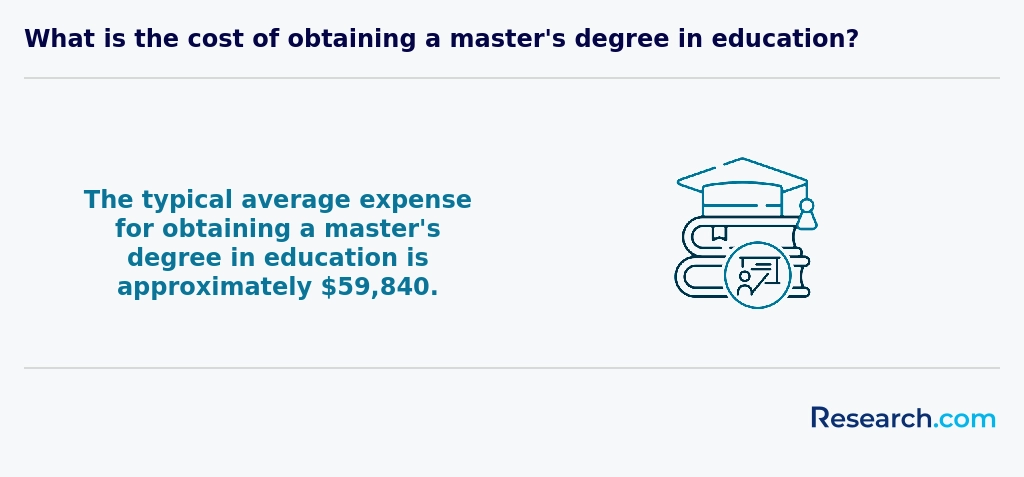
When considering advanced degrees, like a master's in early childhood education, many students factor in a total tuition and fees for online early childhood master's in USA that range between $10,000 and $35,000 depending on residency and university choice. More than just tuition, some note additional expenses like technology fees or course materials, but they say it's worth it for the career boost. If you're curious about branching into related fields, you might also want to explore options like a child mental health masters, which some find complements their education path nicely.
What financial aid is available to online early childhood education degree students in America?
When going for an online early childhood education degree in America, figuring out how to pay for it can feel a bit overwhelming, but there's actually a bunch of financial help out there. Most students start by filling out the FAFSA form, which is a total game changer. It opens doors to Federal Pell Grants-these are awesome because they don't have to be paid back and can cover up to $7,395 a year in 2024. On top of that, there are Federal Direct Student Loans with fair interest rates and flexible payback options. Some students also land Federal Work-Study jobs that help them earn while they learn, which really keeps things manageable.
Many who pursue their degrees at places like Arizona State University or the University of Florida find extra support through state grants or scholarships aimed just at early childhood education students. It's pretty common for local nonprofits or associations, such as the National Association for the Education of Young Children, to offer scholarships too.
Plus, if you're already working in childcare, some employers pitch in with tuition assistance. That kind of help can make the whole process way less stressful and more doable.
What are the prerequisites for enrolling in online early childhood education degree program in America?
When you're thinking about jumping into an online early childhood education degree in America, you'll want to know upfront what's expected. Most programs ask for a high school diploma or GED if you're aiming for an associate or bachelor's degree. Master's programs usually require a completed undergrad degree, sometimes with a focus on education or a related field. It's pretty common for schools like those big-name universities popular for education degrees to ask for official transcripts to see your past coursework.
Some students share that standardized tests like the SAT or ACT might be a thing, especially for undergrad admissions, but many places have relaxed these rules lately, which is a relief for busy adults balancing life and studies. For master's hopefuls, expect to write a statement of purpose, maybe snag a couple of recommendation letters, and hit that GPA mark-around 3.0 is typical.
Graduates from well-known colleges often mention how understanding these requirements early helped smooth out their admission process, making the whole experience feel a lot less overwhelming. Plus, don't forget some programs tie into state teaching licenses, so background checks or tests might come into play during or after your studies.
What courses are typically in online early childhood education degree programs in America?
If you're diving into an online early childhood education degree in America, expect courses that really prepare you for the real world of teaching little ones. Many graduates from well-known universities across the US say they found courses on child development especially enlightening-imagine exploring how toddlers hit milestones like learning to speak or play socially. These classes break down everything from physical growth to emotional skills, making it easier to connect theory to your future classroom.
Other popular courses focus on curriculum design, where you get to create fun, age-appropriate lesson plans that encourage play and discovery. This hands-on planning ties directly into what grads loved about programs at colleges famous for their flexible online options-balancing study with work or family life.
Helping families and building community bridges also comes up a lot, along with practical courses on health, safety, and nutrition, so you're ready to create a nurturing, safe space for kids. Plus, learning to assess progress means you know when to switch up teaching tactics to keep every child thriving.
What types of specializations are available in online early childhood education degree programs in America?
If you're diving into an online early childhood education degree in America, you'll find it offers some pretty cool specializations that fit different career vibes. For example, many students love focusing on Curriculum Development, where they get hands-on creating fun, age-appropriate lessons that really make a difference in classrooms. Others gravitate towards Special Education, learning how to support kids with unique needs and challenges - a path that feels super rewarding and important.
Then there's Early Childhood Administration, which prepares you to lead childcare centers or educational programs. Graduates from schools popular in America often say this track gave them confidence to manage real-world challenges in busy centers. Family and Community Engagement is also a hit, helping you connect kids' learning with the people around them, making education a team effort. You'll also find Child Psychology and Development for those curious about the "why" behind kids' behavior and growth.
Many students enrolled in specialized master's degrees in early childhood education America programs appreciate how these specializations open up real career doors. For practical know-how, some even check out the NASP school psychology programs for complementary skills.
How do you choose the best online early childhood education degree in America?
Choosing the best online early childhood education degree in America comes down to a few key things. First, make sure the program is properly accredited-graduates from well-known schools like public universities often rave about how accreditation gave them confidence employers respected. It's all about ensuring the degree holds real value.
Next, think about what you want from the curriculum. Some schools focus broadly on early childhood development, while others dive into special education or leadership. Many graduates from popular colleges share how picking programs that matched their career goals made learning more exciting and practical. When looking for affordable online early childhood education master's America, don't just settle; dig into course details.
Flexibility is a big deal, too. Working students appreciate fully asynchronous formats that let them study around family or jobs. Some grads have found hybrid programs helpful for hands-on experience but make sure it fits your routine. Also, double-check if the program lines up with your state's licensure rules-this saves headaches down the road.
If you want a smooth path to teaching credentials, look for degrees that support certification with practicums and test prep. Finally, check out reviews and outcomes; many former students say this helped them feel secure about their choice. For those interested, exploring options with the EdD online offers fast-track pathways worth considering.
What career paths are available for online early childhood education degree students in America?
Graduates with an online early childhood education degree in America have plenty of exciting career paths to choose from. Many end up as preschool or kindergarten teachers, crafting lessons that help little ones build social and emotional skills-something graduates from popular colleges like the University of Florida or Arizona State University often share as a rewarding experience. If you enjoy hands-on support, becoming an early intervention specialist is a great option, working closely with kids facing developmental challenges. Others take on leadership roles, like child care center directors, managing programs and staff while making a real difference in their communities.
There are also newer roles popping up, such as curriculum coordinators or family support coordinators, blending education with community services. It's worth noting that exploring online early childhood education job opportunities in America can save you money, as many online degrees cost less than traditional programs. For those curious about advancing further, a master's can open doors to policy or research jobs. Wondering how much does a doctorate in education cost? That's a smart next step for career growth.
What is the job market for online early childhood education degree in America?
The job market for online early childhood education degrees in America is looking pretty bright. Graduates from popular schools like Arizona State University or the University of Florida often find themselves stepping into roles at preschools, childcare centers, and even early intervention programs. With employment growth projected at 9% through 2032, thanks to rising awareness of quality early education, it's easier to land a job than you might think. Many states require formal credentials to work as licensed childcare providers, so having that accredited degree can really set you apart.
People pursuing an early childhood education career opportunities America-wide frequently share how the flexibility of online programs helps them balance life and study. Plus, the median wage around $31,900 may seem modest, but those with advanced degrees or certifications tend to earn noticeably more, especially when working in public schools or specialized roles. For those keen to boost their prospects, exploring options like BCBA online programs can be a smart move.
Online early childhood education jobs USA graduates often describe the satisfaction of making a real difference in kids' lives, which makes the journey well worth it.
Frequently Asked Questions About early childhood education
Online early childhood education degree students in America can maximize their learning by actively engaging with course materials and participating in virtual discussions. Research shows that interaction with peers and instructors enhances understanding and retention. Institutions accredited by the Council for Accreditation of Educator Preparation (CAEP) ensure quality standards, so choosing such programs is crucial.
Balancing coursework with practical experience is vital. Many states require practicum or student teaching hours to earn licensure, providing hands-on skills. Utilizing digital tools, such as learning management systems and video resources, supports diverse learning styles.
According to the National Center for Education Statistics, 70% of education students emphasize time management as key to success.
The early childhood education field in America is expanding into several specialized niches, reflecting evolving societal needs and educational research. One emerging area is bilingual and dual-language education, responding to the growing diversity of the U.S. young population. According to the National Center for Education Statistics, over 25% of children under five speak a language other than English at home.
Another niche gaining traction is early childhood neurodiversity and inclusive education. Educators trained to support children with developmental disabilities and sensory processing differences are in demand.
Additionally, the integration of technology in early learning environments is creating a need for professionals skilled in educational technology, particularly digital tools designed for children aged 0-8. The Bureau of Labor Statistics projects a 10% growth in preschool and childcare teaching jobs through 2031, highlighting these evolving opportunities.
Preparing for the job market after completing an online early childhood education degree in America involves focused steps to increase employability. Graduates should obtain state-specific teaching certifications or licenses since most states require these credentials to work in childcare or preschool settings. According to the National Association for the Education of Young Children (NAEYC), certification boosts job prospects and earning potential.
Gaining practical experience through internships or volunteer roles is equally important. Networking with professionals via associations such as NAEYC or local education boards helps graduates learn about job openings and trends.
Finally, developing strong communication and classroom management skills ensures a competitive edge in a sector projected to grow 9% from 2021 to 2031, per the U.S. Bureau of Labor Statistics.
Employers in the United States highly value early childhood education graduates who possess strong communication and interpersonal skills. These are essential for effectively engaging with young children, parents, and colleagues. Knowledge of child development theory and practical application is another key skill, helping educators support age-appropriate learning. According to the National Association for the Education of Young Children (NAEYC), 90% of employers prioritize graduates who can create inclusive, culturally responsive classrooms.
Additionally, problem-solving abilities and creativity are sought after to adapt lessons to diverse learning styles. Familiarity with technology used in modern classrooms is increasingly important. Finally, strong organizational skills and attention to health and safety regulations are critical for successful employment in this field.
Finding internships relevant to an early childhood education degree in America involves several strategic steps. First, students should consult their online program's career services, as many universities partner with local preschools, daycare centers, and community organizations to offer internship placements. According to the National Association for the Education of Young Children (NAEYC), practical experience is essential, with internships playing a key role in meeting certification requirements.
Online students can also explore platforms like Handshake and LinkedIn to find internships in early childhood settings. Networking with faculty and joining professional groups such as NAEYC enhances access to opportunities. Additionally, state Departments of Education websites often list approved internship programs compliant with state licensure.
An online early childhood education degree can significantly boost career mobility and advancement in the United States. According to the U.S. Bureau of Labor Statistics, professionals with a bachelor's or master's degree in early childhood education often qualify for higher-paying positions such as lead teacher, curriculum specialist, or program director.
Online degrees offer flexibility for working adults, allowing them to gain necessary credentials without interrupting employment. This flexibility supports continuous professional development, which is highly valued by employers in the education sector.
Additionally, many states require at least a bachelor's degree for certain licensing and certification roles, making online programs a practical pathway to meet these standards.
Research from the National Association for the Education of Young Children (NAEYC) highlights that higher educational attainment correlates with better job stability and increased opportunities for leadership roles within early childhood education settings.
Studying for an early childhood education degree in America equips students with knowledge that spans multiple disciplines. Coursework often includes psychology, child development, curriculum design, and family engagement, enabling graduates to work effectively in diverse educational settings. According to the National Center for Education Statistics, programs emphasize collaboration with health, social work, and special education fields, preparing students for roles beyond traditional teaching.
Online degrees often integrate practical skills with theory, fostering adaptability in interdisciplinary teams. Graduates can pursue careers in educational policy, early intervention, and community outreach, reflecting the broad scope of early childhood education today.
When choosing between a thesis and a non-thesis early childhood education degree program in America, consider your career goals. A thesis track typically involves conducting original research and writing a substantial paper. This option suits students aiming for roles in research, policy development, or pursuing a doctoral degree. According to the National Center for Education Statistics (NCES), thesis programs account for roughly 30% of master's degrees in education nationwide.
On the other hand, non-thesis programs focus more on coursework and practical skills, appealing to those seeking immediate leadership or advanced teaching positions. These programs may require a capstone project or comprehensive exam instead of a thesis. The Council for Exceptional Children notes that many early childhood educators prefer non-thesis formats for their applicability in the classroom.
American students interested in studying early childhood education abroad have several online options through partnerships between U.S. institutions and foreign universities. While direct enrollment in international online degrees remains limited, many programs offer global curricula that incorporate international teaching methods.
U.S. accrediting bodies, such as the Council for the Accreditation of Educator Preparation (CAEP), ensure that online degrees meet high standards, even when part of global collaborations. According to the National Center for Education Statistics, 14% of graduate students enrolled in education programs took at least one online course in 2022, reflecting growing accessibility.
Students should verify transfer credits and certification recognition in their home state before enrolling in abroad-affiliated programs. Several universities also offer study-abroad residencies combined with online coursework, enhancing cultural and practical learning opportunities.
Part-time job opportunities in America that complement early childhood education degrees often involve roles that enhance practical skills and classroom experience. Common positions include teacher's assistant, childcare provider, and after-school program facilitator. These jobs allow students to apply educational theories directly while developing classroom management skills.
According to the U.S. Bureau of Labor Statistics, employment of teacher assistants is projected to grow 11% from 2022 to 2032, reflecting steady demand. Working part-time in early learning centers or preschools also builds valuable experience in child development and curriculum implementation. Such roles may offer flexible hours, accommodating the schedules of online degree students.
Additionally, some students engage in tutoring or summer camp counseling, which deepens their understanding of diverse learning needs and age-appropriate activities. These jobs not only support academic goals but also improve employability after graduation.
Online early childhood education students in America benefit from diverse networking opportunities through their institutions and professional organizations. Many accredited programs offer virtual meetups, discussion boards, and group projects that foster peer connections and collaboration. According to the National Association for the Education of Young Children (NAEYC), membership provides access to conferences, webinars, and local chapters, which are key networking resources for students and professionals alike.
Additionally, students often engage with internship placements and practicum experiences arranged through their schools, connecting them with experienced educators in real-world settings. These contacts can lead to mentorship and employment.
Universities also facilitate alumni networks, which increase the potential for job leads and professional growth within early childhood education.
Alumni networks play a vital role for students pursuing online early childhood education degrees in America by providing access to professional connections and career resources. According to the National Association for the Education of Young Children (NAEYC), networking significantly improves job placement rates in the field.
These networks offer mentoring opportunities, helping students navigate certification requirements and classroom challenges. They also foster peer support and knowledge sharing among educators nationwide.
Additionally, alumni groups often host job fairs, webinars, and workshops tailored specifically to early childhood education careers, which can be crucial in a competitive job market.
Such connections support lifelong learning and professional growth essential in this evolving sector.
Customizing an online early childhood education degree program in America allows you to tailor your studies to match your specific career goals. Many programs offer elective courses in areas such as special education, curriculum development, or administration, providing flexibility to deepen expertise in preferred fields. You can often choose practicum placements or capstone projects that align with your interests and future job plans.
Additionally, accredited programs frequently integrate state-specific licensure preparation, ensuring you meet local certification requirements. According to the U.S. Bureau of Labor Statistics, specialization can boost job prospects and salary potential in this growing sector. Exploring program options thoroughly helps you make strategic choices for professional growth.
Online early childhood education students in America often face challenges related to balancing coursework with personal and professional responsibilities. Many learners juggle employment and family care while pursuing degrees, which can affect time management and study consistency. According to the National Center for Education Statistics, nearly 50% of online students work full-time during their studies, intensifying these demands.
Another challenge is accessing quality practicum experiences remotely. Hands-on training is essential in early childhood education, yet securing adequate local placements while studying online can be difficult. Additionally, some students report feelings of isolation due to limited peer interaction and instructor engagement, impacting motivation and retention rates.
Technology access and digital literacy also remain barriers, particularly for students in rural or underserved areas. Reliable internet and familiarity with learning platforms are critical for success but not always guaranteed.
With an online early childhood education degree, graduates can pursue several professional certifications that boost their career prospects. One common certification is the Child Development Associate (CDA) credential, recognized nationwide and often required for teaching roles in preschools and childcare centers. The National Association for the Education of Young Children (NAEYC) also offers a well-regarded accreditation that professionals use to demonstrate expertise.
Additionally, many states require early childhood educators to obtain state teaching licenses or certifications, which vary but often include coursework and supervised teaching hours.
Some educators pursue specialization certificates in areas like special education or infant-toddler care to broaden their skills.
According to the U.S. Bureau of Labor Statistics, certification can improve job prospects and earning potential in this field.
To write a winning application for an online early childhood education program in America, begin by clearly demonstrating your passion for working with young children. Highlight any relevant experience in childcare or education, as practical involvement strengthens your application. According to the National Association for the Education of Young Children, programs often value hands-on experience alongside academic achievements.
Showcase strong communication skills and a commitment to ongoing professional development. Emphasize your understanding of child development theories and how you plan to apply them in real settings. Many programs also require a personal statement that reflects your goals and reasons for choosing online study.
Include official transcripts reflecting a solid academic record, and ensure letters of recommendation speak to your dedication and abilities. Meeting all deadlines and customizing each application for the specific program can significantly increase your chances of acceptance.
Early childhood education is increasingly recognized worldwide as crucial for a child's development, but perspectives vary by region. In the United States, early childhood educators are expected to have at least a bachelor's degree, often with specialized training in child development. The U.S. Bureau of Labor Statistics projects a 9% growth in jobs for preschool teachers between 2022 and 2032, reflecting increased demand. Globally, organizations like UNESCO emphasize early education as a foundation for lifelong learning and social equity.
In America, online degree programs offer flexible options to meet these rising requirements, helping professionals contribute effectively to global early education standards.
Gaining practical experience while studying for an online early childhood education degree in America is essential for career readiness. Many programs require fieldwork or practicum hours completed at local schools or childcare centers. This hands-on training helps students apply theories in real-world settings.
Students often partner with licensed early childhood centers near their homes to fulfill these requirements. According to the National Association for the Education of Young Children (NAEYC), programs with at least 100 hours of supervised practicum tend to produce more effective educators.
Additionally, some schools incorporate virtual simulations to complement in-person experience, especially where placement is challenging. Volunteering and internships can also provide valuable practical exposure.
Choosing the right concentration within an online early childhood education degree program requires understanding your career goals and interests. Concentrations may include special education, curriculum development, or administration. According to the National Center for Education Statistics, early childhood educators with specialized skills often see higher job placement rates. Reflect on settings where you want to work-such as preschools, special needs centers, or educational policy organizations-as each concentration targets different roles. Additionally, examine state licensure requirements, since some concentrations align better with specific certifications. Finally, review program curricula to ensure they cover current research, like those recommended by the National Association for the Education of Young Children.
Top Trending Early Childhood Education Rankings
References
- Individualized Professional Development Plans to Support Career Pathways | HeadStart.gov https://headstart.gov/professional-development/article/individualized-professional-development-plans-support-career-pathways
- Application Letter for Childhood Education Program at University of Michigan https://essayscam.org/forum/fe/application-letter-childhood-education-program-6948/
- 20 Emerging Trends in Early Childhood Education 2026 https://rtoresources.eskilled.com.au/blog/top-20-emerging-trends-in-early-childhood-education-in-2026/
- Network Teachers & Alumni https://connect.teachforall.org/
- Global Trends in Early Childhood Education • NCEE https://ncee.org/global-trends-in-early-childhood-education/
- How Much Do Early Childhood Education Teachers Make? - CDI College Online https://www.cdicollege.ca/study-online/community/news/how-much-do-early-childhood-education-teachers-make/
- Everything You Need to Know About Earning a Degree in Early Childhood Education https://mybrightwheel.com/blog/degree-in-early-childhood-education
- 1+ Early Childhood Educator Cover Letter Examples (with In-Depth Guidance) https://www.tealhq.com/cover-letter-examples/early-childhood-educator
- Turn Your Job Into a Career: Creating and Exploring Career Paths in Early Childhood Education – Exchange Press https://hub.exchangepress.com/articles-on-demand/1935/
- Top Early Childhood Education Skills in Demand | FE https://www.foundationeducation.edu.au/articles/early-childhood-education-skills-demand


