2027 Online Oceanography Bachelor's Degree Programs That Accept Transfer Credits

Co-Founder and Chief Data Scientist
Many students with previous college credits face challenges when seeking to transfer into online oceanography bachelor's degree programs. The complex evaluation of transfer credits often delays degree completion, causing frustration and additional costs. According to the National Center for Education Statistics, approximately 38% of undergraduates transfer schools at least once, making credit transfer policies crucial. Online oceanography programs that efficiently accept and apply transfer credits can reduce time to graduation and ease financial burdens.
This article explores key programs that accommodate transfer credits, helping prospective students identify options that maximize their prior coursework's value and advance their academic goals effectively.
Key Benefits of Online Oceanography Bachelor's Degree Programs That Accept Transfer Credits
- Accepting transfer credits allows students to reduce time to degree completion by up to 50%, accelerating entry into the marine science workforce amid growing job opportunities.
- Transferring prior coursework lowers tuition costs significantly by minimizing required credits, easing financial burdens commonly reported by online STEM students.
- Flexible credit evaluation accommodates varied academic backgrounds, enabling working adults and returning students to engage in oceanography studies without sacrificing career or family commitments.
Who Should Consider an Online Oceanography Bachelor's Degree With Transfer Credits?
Online oceanography bachelor's degree programs that accept transfer credits provide an efficient path for students with prior college coursework to advance their education. Nearly 38% of U.S. undergraduate students are transfer students, underscoring the value of credit mobility in higher education today. These transfer-friendly online oceanography degree programs cater to diverse learners seeking to build on their previous academic achievements.
- Students with Prior Credits: Those who have completed general education or science courses at community colleges can transfer these credits to avoid redundancy. This approach saves time and money while allowing a focus on specialized oceanography subjects.
- Working Professionals: Individuals balancing career responsibilities and education benefit from the flexibility of online transfer-friendly programs. They can advance in marine sciences without relocating or interrupting their employment.
- Adult Learners: Returning students can smoothly re-enter academic life by leveraging transfer options. Prior credits reduce the total coursework required, making completion more manageable alongside other life commitments.
- Field Changers: Students shifting from related science or environmental studies to oceanography can efficiently pivot by transferring previously earned credits. This enables them to build on existing knowledge while pursuing new career goals.
- Flexible Schedule Seekers: Parents, military members, and others needing adaptable learning schedules appreciate programs that recognize earlier academic work. Transferring credits minimizes duplicate courses and helps accelerate graduation timelines without sacrificing quality.
For learners looking to identify the fastest degree to get with meaningful career potential, transfer-friendly online oceanography bachelor's degrees offer a valuable alternative that balances flexibility with academic rigor.
How Many Credits Can I Transfer Into an Online Oceanography Bachelor's Degree?
Most online oceanography bachelor's degree programs allow students to transfer a significant portion of their previous college credits to accelerate degree completion. Transfer credit limits typically range from 60 to 90 semester credits, which can represent up to 75% of the total credits required for graduation. This flexibility offers students the opportunity to save time and tuition costs by applying relevant coursework from accredited institutions. Programs designed for those pursuing an online oceanography bachelor's degree often have these transfer policies to accommodate prior academic work efficiently.
The maximum transferable credits for online oceanography programs depend on several key factors. Course compatibility is essential; credits from science, math, and environmental studies courses that align closely with the oceanography curriculum are usually accepted. Institutional accreditation plays a critical role, with regionally accredited schools' credits being more widely accepted. Additionally, the transfer evaluation considers the recency and rigor of previous coursework. Students seeking a faster path to graduation may also explore a fast track social work degree online to complement their education options across disciplines.
2026 Update: Checking Lab and Fieldwork Fit Before You Transfer
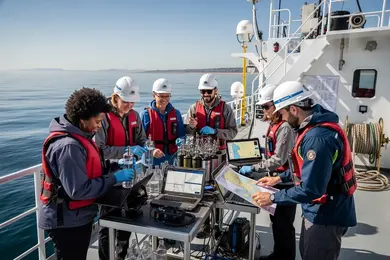
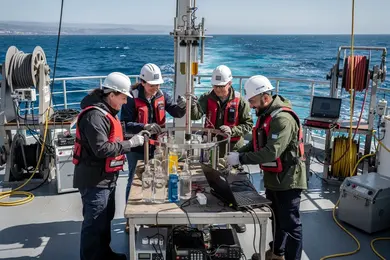
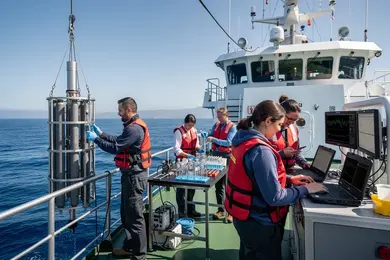
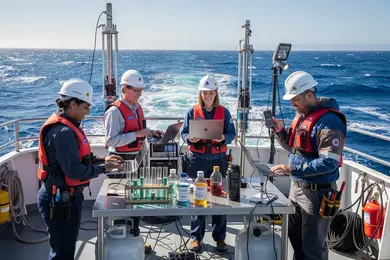
For 2026, this article was refreshed to help students look beyond accepted credits and confirm whether an online oceanography program can support required labs, field experiences, and hands-on science coursework.
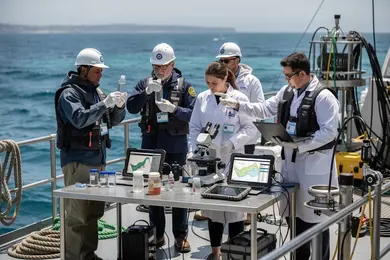
- Whether transferred science courses include lab components that meet major requirements.
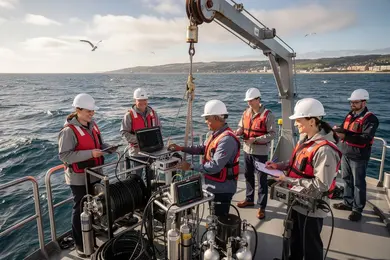
- If the program requires in-person fieldwork, campus visits, research cruises, or local site placements.
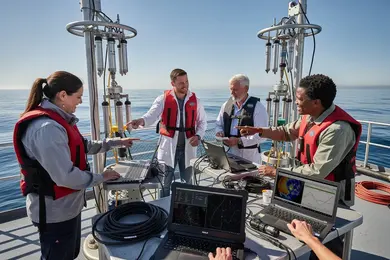
- How online labs are delivered, including kits, simulations, remote instruments, or partner facilities.
- Whether prior geology, chemistry, physics, biology, or environmental science labs match oceanography prerequisites.
- Any extra costs for lab kits, field travel, safety gear, software, or specialized equipment.
- How field or lab courses are scheduled, especially if they are only offered in certain terms.
Checking these details early helps transfer students avoid surprises after admission and choose a program where prior credits, online study, and required hands-on training fit together.
What Types of Credits Transfer to an Online Oceanography Bachelor's Degree?
Students entering an online oceanography bachelor's degree program can often transfer a variety of prior academic credits, helping shorten the time needed to graduate. Studies show that over 60% of online learners apply transfer credits toward their degree. Various credit types are commonly accepted, expanding options for returning or adult students.
- Community College Coursework: Credits from accredited community colleges, especially in foundational science and general education courses, frequently apply to online oceanography programs. These classes usually satisfy essential prerequisites or core requirements in the curriculum.
- AP and IB Credits: Qualifying scores on Advanced Placement or International Baccalaureate exams in relevant subjects like biology and chemistry may reduce the number of general education or introductory science courses needed.
- Military Training: Evaluations by recognized organizations translate military educational experiences into college credits. Active-duty service members or veterans with training in technical or scientific fields often receive credit toward their degree.
- Professional Certifications: Specialized training in marine technology, environmental policy, or scientific methodologies can sometimes be credited after program-specific review, reflecting its equivalency to academic coursework.
A graduate of an online oceanography program shared that navigating the credit transfer process initially felt overwhelming. "I wasn't sure which of my certifications and military courses would count," he explained. He found that careful documentation and proactive communication with admissions advisors were essential. "Once everything was assessed, it was rewarding to see how much progress I was given for prior experience," he added, emphasizing the importance of persistence and thorough preparation when transferring diverse types of credit.
Breakdown of Private Fully Online For-Profit Schools

What Are the Rules for Transferring Credits to an Online Oceanography Bachelor's Degree?
Transfer credit policies for online oceanography bachelor's degree programs follow strict academic criteria to preserve learning quality. About 60% of students transferring to four-year institutions have credits assessed for transfer, reflecting the importance of these guidelines. Below are key rules that affect transfer credit eligibility for online oceanography programs.
- Accreditation: Credits must originate from regionally or nationally accredited colleges to be accepted. This guarantees transferred coursework meets recognized academic standards necessary for oceanography degrees.
- Course Equivalency: Transferred classes must align closely with the content and credit hours of courses in the oceanography curriculum. This ensures relevant science and oceanography-related coursework matches program rigor and scope.
- Minimum Grades: Programs usually require transfer courses to have a grade of C or higher. Such standards confirm students' sufficient mastery before applying credits toward their degree.
- Credit Limits: Most schools limit the amount of transfer credits accepted, often capping between 60 and 90 semester credits. This encourages completion of a substantial portion of the degree within the current institution.
- Time Restrictions: Courses older than 5 to 10 years-especially science classes-may need revalidation or retaking to remain current with evolving oceanography knowledge and lab practices.
Students seeking to save time by transferring credits should review these accepted coursework and transfer guidelines for oceanography degrees carefully. For those interested in related fields, exploring mft online programs offers additional flexible educational options.
Which Colleges Are Transfer-Friendly for an Online Oceanography Bachelor's Degree?
Some colleges are notably more accommodating to transfer students, making it easier to apply previously earned credits toward an online oceanography bachelor's degree. With nearly 38% of U.S. undergraduates transferring at least once, navigating transfer policies is critical for saving time and money. Here are several types of institutions that tend to support transfer-friendly environments:
- Public Universities often have formal agreements with community colleges, streamlining credit acceptance. Their transfer policies are usually well-established, helping students transition smoothly into bachelor's programs.
- Online-Focused Schools cater to diverse learners including those with prior college credits. They emphasize flexible credit transfer options to accommodate non-traditional and returning students effectively.
- Adult-Friendly Programs prioritize working adults and experiential learning. These programs frequently offer generous credit evaluations and personalized advising tailored to transfer students' unique needs.
- Community Colleges with Pathways offer affordable starting points and often partner with four-year institutions. Transfer pathways allow students to complete lower-division coursework before advancing to bachelor's studies online.
One graduate of an online oceanography bachelor's degree shared her perspective on transferring credits: "Initially, I was overwhelmed by the process-each school's requirements felt like a puzzle. But once I connected with an advisor who understood my previous coursework, it became much clearer. It wasn't just about saving time; it was about feeling valued as a student with a unique background. The flexibility to apply my earlier classes made the whole degree feel achievable." Her experience highlights how personalized support can ease the transition and underscore the importance of transfer-friendly institutions in online education.
Which Online Oceanography Bachelor's Degree Programs Accept the Most Transfer Credits?
Some online oceanography bachelor's degree programs are specially designed to accept a large proportion of transfer credits, helping students make faster progress toward degree completion. Research indicates that flexible transfer policies can allow the transfer of up to 75% of previously earned credits, offering substantial savings in both time and tuition. The following features are commonly found in programs with high transfer credit acceptance.
- Flexible Curricula: Programs with broad core requirements enable students to apply a wide range of general education and elective credits, increasing the likelihood that past coursework counts toward the degree.
- Competency-Based Education: Some programs assess students' existing knowledge and skills instead of relying solely on traditional course credits, which can accelerate progress by recognizing prior learning.
- Adult-Focused Structures: Designs that prioritize the needs of adult learners often emphasize credit recognition for previous college work and professional experience, facilitating smoother transitions for transfer students.
- Clear Articulation Agreements: Formal partnerships between online programs and community colleges or other accredited institutions help streamline the transfer process by predefining credit equivalencies.
- Transfer Credit Advising: Dedicated advisors assist students by evaluating transcripts and guiding them on how to maximize accepted credits, reducing guesswork and paperwork.
How Do I Transfer Credits to an Online Oceanography Bachelor's Degree?
Transferring credits to an online oceanography bachelor's degree requires a structured process that ensures your prior college coursework applies effectively toward your new academic goals. Approximately 38% of U.S. undergraduates transfer at least once during their college career, making credit transfer policies vital for student success. Following specific steps can make the process smoother and help you save time and money.
- Transcript Submission: Provide official transcripts from all previously attended accredited colleges or universities to the admissions office of the online program. Accurate and timely transcript submission is the first key to starting the evaluation process.
- Course Evaluation: Academic advisors or transfer specialists review your completed courses to assess their relevance and equivalency to the required oceanography degree curriculum. This ensures your previous work aligns with degree requirements.
- Credit Approval: After evaluating your courses, the program determines which credits are transferable and count toward your degree. Approved credits reduce the number of classes you need to complete.
- Degree Planning: Collaborate with an academic advisor to incorporate accepted transfer credits into a personalized degree plan. This helps to meet core and elective requirements efficiently while focusing on advanced coursework.
- Additional Requirements: Complete any further documentation or placement assessments required by the program to finalize your transfer. This step ensures you meet all institutional policies for enrollment.
Following these guidelines and maintaining clear communication with your new institution can optimize your credit transfer experience, accelerating progress toward earning your online oceanography bachelor's degree.
How Do Transfer Credits Speed Up an Online Oceanography Bachelor's Degree?
Transfer credits can substantially reduce the number of courses required to complete an online oceanography bachelor's degree, often saving students one to two years of study. On average, students transfer between 30 to 60 credits, which effectively shortens their academic path and accelerates degree completion. These benefits make transfer credits a valuable strategy for those seeking to finish more efficiently.
- Reduced Coursework: Transfer credits allow students to bypass foundational general education or introductory science classes already completed, enabling a focus on advanced oceanography subjects sooner.
- Skipping Prerequisites: With prior coursework covering prerequisites, students can register directly for higher-level oceanography courses, streamlining their academic progression.
- Shortened Timelines: By lowering the total credit load needed for graduation, transfer credits decrease the number of semesters or quarters required to earn the degree.
- Faster Academic Momentum: Students often maintain or increase enrollment intensity due to fewer required classes, promoting steady progress toward their graduation date.
- Cost Savings: Accelerated degree completion minimizes tuition costs by reducing the time and credits needed to graduate, providing financial benefits alongside academic advancement.
Applying previous coursework to an online oceanography bachelor's program not only expedites the learning journey but also optimizes educational investment. Prospective students with transferable credits should explore program options carefully, especially since this approach aligns well with broader trends seen in online masters degrees in counseling and other fields that value transfer credits for accelerated completion.
Can Transfer Credits Reduce the Cost of an Online Oceanography Bachelor's Degree?
Using transfer credits can significantly lower the cost of earning an online oceanography bachelor's degree by reducing the number of courses a student must complete. Research shows that transfer students save an average of 15-30% on tuition fees when applying previously earned credits toward their degree requirements. These savings make transfer credits an important factor in managing overall educational expenses.
Transfer credits impact cost savings for oceanography bachelor's programs in several key ways:
- Tuition Reduction: By transferring credits, students take fewer courses, directly lowering tuition costs. This reduction in required coursework often results in substantial savings over the degree timeline.
- Lower Textbook Costs: Fewer courses mean fewer textbooks to purchase. Students can avoid paying for redundant learning materials, reducing expenses associated with coursework.
- Faster Degree Completion: Transfer credits accelerate time to graduation, cutting down living expenses and minimizing potential lost income from extended study periods.
- Reduced Administrative Fees: Some institutions charge fees based on enrolled credit hours, so fewer credits can also decrease these additional charges.
- Less Financial Aid Debt: Completing the degree in less time means students often rely less on loans, which in turn reduces debt accumulation and interest payments.
Students planning to transfer credits should ensure those credits align well with their oceanography program requirements. Often, credits earned from an associate's degree online or previous coursework can be applied, enabling them to save on tuition and finish their degree more efficiently while focusing on specialized oceanography topics.
How Can I Maximize Transfer Credits for an Online Oceanography Bachelor's Degree?
Students entering an online oceanography bachelor's program can maximize their transferred credits to shorten their path to graduation and reduce costs. Research indicates that nearly 70% of transfer students successfully apply some prior credits toward their degree. Implementing targeted strategies improves the chances of maximizing eligible credits.
Consider these approaches to optimize your credit transfer:
- Review Transfer Policies: Examine the credit acceptance rules of your target programs to identify which courses count toward the oceanography degree and align with core curriculum requirements.
- Plan Coursework Early: Compare your completed classes against the program's prerequisites, prioritizing courses in biology, chemistry, and physics to enhance the likelihood of credit acceptance.
- Request Transcript Evaluations: Utilize pre-assessment services many schools provide to estimate transferable credits before formal application, allowing for informed decision-making.
- Document Prior Learning: Compile evidence of military training, certifications, or relevant professional experience, as some programs grant credit for documented competencies.
- Communicate with Advisors: Engage academic counselors to clarify credit transfer processes and seek personalized guidance, helping to avoid common pitfalls during enrollment.
What Graduates Say About Online Oceanography Bachelor's Degree Programs That Accept Transfer Credits
- Paxton: "Switching to an online oceanography bachelor's program was the best decision I made to continue my education while working full-time. The ability to transfer my previous credits helped reduce both the time and financial burden, making the program very affordable. Now, I feel much more confident advancing in my marine science career with this flexible path behind me."
- Evelyn: "Reflecting on my journey, transferring credits into an online oceanography bachelor's program allowed me to focus more on the specialized courses I was passionate about. The reasonable fees for evaluated credits made the transition smooth and accessible without major debt. Thanks to this experience, I have broadened my professional opportunities in environmental consulting."
- Nathan: "From a professional standpoint, enrolling in an online oceanography bachelor's degree program that accepts transfer credits was key in accelerating my qualification timeline. The cost savings on credit transfers were significant, enabling me to invest more in advanced electives. This strategic choice has opened doors to better roles in oceanographic research and project management."
Other Things You Should Know About Oceanography Degrees
Yes, online oceanography bachelor's degree programs that accept transfer credits in 2027 are typically accredited. Accreditation ensures that the program meets established standards for academic quality. It's important to verify the specific accreditation of each program, as this can impact transferability of credits and recognition by employers or other institutions.
Yes, many online oceanography programs provide dedicated academic advising for transfer students. Advisors help you understand credit transfer policies and course selection, ensuring a smoother transition and timely graduation, especially catered to your educational background and career objectives.
Having prior coursework in biology, chemistry, physics, or geology can be advantageous when transferring credits into an oceanography degree program. These foundational sciences often overlap with oceanography prerequisites, potentially allowing students to bypass introductory courses and focus on advanced topics.
References
- SeaBluE - SEA-EU https://sea-eu.org/seablue/
- Transfer credits | Study https://www.uottawa.ca/study/undergraduate-studies/transfer-credits
- Transfer Credit Requirements https://www.umgc.edu/transfers-and-credits/credit-from-colleges/requirements
- How to Get a Bachelor's Degree Faster https://www.snhu.edu/about-us/newsroom/education/how-to-get-a-bachelors-degree-faster
- How to fast-track your degree by transferring credits to Saint Leo? - Saint Leo University https://in.saintleo.edu/news/understanding-credit-system
- Bachelor's Degree Marine Science https://www.bircham.edu/bachelor-s-degree-marine-science.html
- Planning for Transfer | Academic Advising | Ocean County College https://www.ocean.edu/student-resources/advising-and-transfer-services/planning-for-transfer/
- Transfer FAQ https://www.tru.ca/distance/transfer-options/transfer.html
- BSc Oceanography | Undergraduate Degrees | University of Exeter https://www.exeter.ac.uk/undergraduate-degrees/bsc-oceanography/
- Oceanography | Shasta College https://www.shastacollege.edu/academics/programs/oceanography/