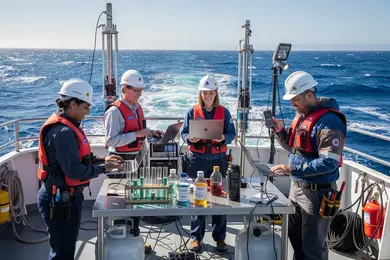
2027 Self-Paced Online Oceanography Bachelor's Degree Programs

Co-Founder and Chief Data Scientist
Many working professionals seek to transition into oceanography but face scheduling conflicts that traditional programs can't accommodate. This challenge is critical as the demand for oceanography experts grows, with employment expected to increase by 11% through 2031, according to the U.S. Bureau of Labor Statistics.
Self-paced online oceanography bachelor's degree programs offer flexibility that suits varied lifestyles, enabling career shifts without pausing income or personal commitments. This article explores these programs' structures, accreditation, and industry relevance to help prospective students navigate options and embark on a successful pivot toward oceanography careers.
Key Benefits of Self-Paced Online Oceanography Bachelor's Degree Programs
- Self-paced online oceanography bachelor's programs offer unmatched flexibility for working professionals, enabling studies around demanding schedules without sacrificing career or personal commitments.
- These programs often use competency-based education models, allowing students to accelerate skill acquisition by progressing upon mastering material rather than fixed timelines.
- Cost-effective pathways include transfer credit acceptance and prior learning assessments, reducing time and tuition costs while maintaining accreditation and financial aid eligibility.
What Are Self-Paced Online Oceanography Bachelor's Degree Programs, and How Do They Differ From Traditional Online Formats?
Self-paced online oceanography bachelor's degree programs enable students to complete coursework at their own pace, distinct from cohort-based or asynchronous-but-scheduled formats. These flexible self-paced online oceanography degree programs feature open enrollment, flexible timelines, and milestone-based progression.
Students can begin anytime, progress through material according to their personal schedule, and advance by demonstrating mastery of competencies rather than following fixed weekly deadlines.
Unlike traditional online programs that require adherence to specific calendars, live discussions, and timed assignments, self-paced programs emphasize learner autonomy. Faculty interaction may be less frequent but remains accessible when students seek guidance.
This model encourages strong time management but requires high self-discipline. Comparatively, traditional formats provide more external structure, which can benefit students who prefer scheduled accountability.
Competency-based oceanography bachelor's programs online focus on skill mastery, often assessed via tests, projects, or practical assignments. They typically accommodate transfer credit policies and prior learning assessments, helping students accelerate progress while maintaining quality standards.
Financial aid eligibility is commonly available, supporting diverse student needs. For those considering advanced studies, exploring shortest PhD programs may offer insight into streamlined academic pathways.
- Time Management Freedom: Self-paced programs allow students to fit study hours around busy or irregular schedules, which benefits working professionals and non-traditional students.
- Faculty Interaction Variability: Engagement with instructors is less scheduled but still accessible; students must proactively seek support when needed.
- Student Accountability: Without fixed deadlines, learners need strong self-discipline to avoid procrastination and ensure steady progress.
- Growing Popularity: The increasing demand for flexible education in oceanography reflects wider trends toward competency-based and personalized learning models.
Which Accredited Institutions Offer Self-Paced Online Oceanography Bachelor's Degree Programs?
Several regionally accredited institutions in the United States offer self-paced online oceanography bachelor's degree programs designed for maximum flexibility and tailored to working professionals and non-traditional students. These programs frequently utilize competency-based education models, allowing students to advance by demonstrating mastery rather than following fixed academic calendars.
This approach supports learners balancing education with other commitments by enabling personalized pacing.
- Western Governors University: WGU delivers a competency-based science bachelor's program with oceanography-related content fully online. Tuition works on a subscription model charging a flat rate every six months, motivating students to complete courses more rapidly. The university holds accreditation from the Northwest Commission on Colleges and Universities (NWCCU), and the average completion time ranges from 2 to 3 years depending on transfer credits and individual pace.
- Capella University: Capella's self-paced Bachelor of Science degrees in Earth sciences and environmental studies include oceanography coursework. Tuition is charged per credit hour, with a FlexPath format that lets students complete courses at their own speed. Capella is accredited by the Higher Learning Commission (HLC), ensuring recognized academic standards.
- Southern New Hampshire University: SNHU offers an online Bachelor of Science in Environmental Science with oceanography topics embedded. Students benefit from a self-paced option via prior learning assessments and flexible online classes. Accredited by the New England Commission of Higher Education (NECHE), SNHU charges tuition per credit and provides robust transfer policies for accelerated progress.
- University of Massachusetts Global: UMass Global features a Bachelor of Arts in Environmental Studies that includes oceanography-focused courses. Their self-paced program combines asynchronous modules with competency assessments. Accredited by the WASC Senior College and University Commission (WSCUC), tuition is per course, with financial aid available to eligible students.
- Colorado State University Global: CSU Global's Bachelor of Science in Environmental and Natural Resources offers oceanography-related electives supported by a self-paced model emphasizing assessment-based advancement. Accredited by the Higher Learning Commission (HLC), tuition is a flat rate per course, supporting cost-effective progression.
Each college promotes the acceptance of transfer credits and prior learning assessments, which often shorten the time and cost to degree completion. Financial aid options vary by school, so prospective students should inquire directly about scholarships and federal aid eligibility.
When evaluating top accredited colleges with self-paced online oceanography bachelor's degrees, students should consider accreditation, tuition models, and flexible pacing to align with their career goals.
For those weighing how much does it cost to get a masters in psychology or similar degrees, specific tuition details from these institutions provide useful context on pricing models conducive to accelerated or tailored learning paths through online programs.
2026 Update: Checking Fieldwork and Lab Requirements Before Enrolling
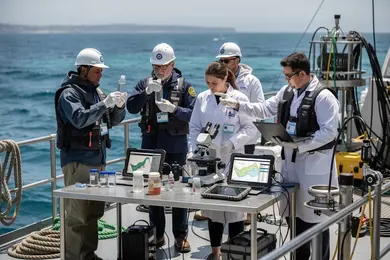
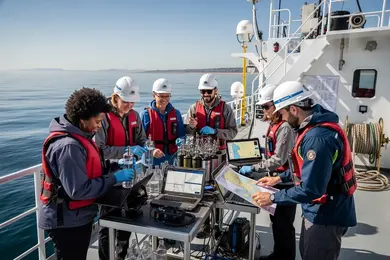
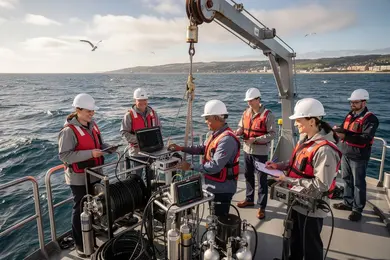
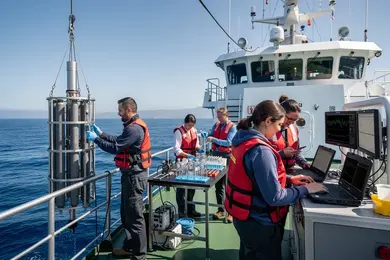
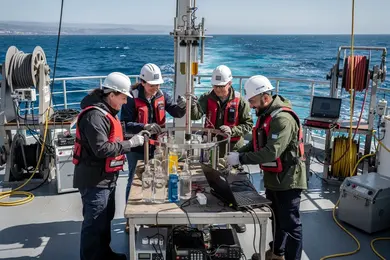
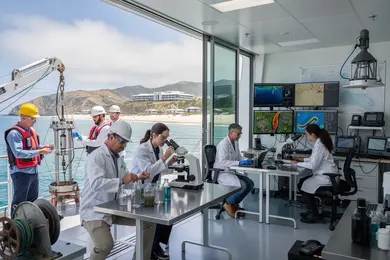
For this 2026 update, we focused on the hands-on parts of self-paced online oceanography programs, since marine science degrees often require more than recorded lectures and flexible assignments.
- Confirm whether lab courses are fully virtual, mailed-kit based, or tied to scheduled campus visits.
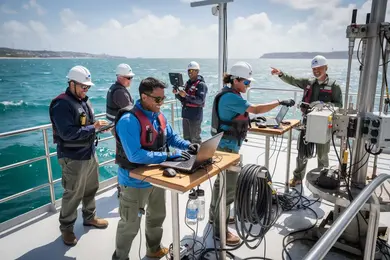
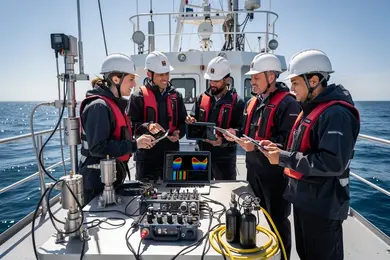
- Ask if any coastal fieldwork, research cruises, or local site observations are required for graduation.
- Check whether lab or field experiences can be completed near your home through approved partners.
- Review technology needs for mapping, data analysis, remote sensing, or ocean modeling coursework.
- Ask how self-paced deadlines work for courses with group projects, instructor-supervised labs, or seasonal observations.
- Verify whether hands-on requirements affect your ability to study while working full time.
Understanding these practical requirements helps students choose a program that is truly flexible while still providing the scientific experience expected in oceanography careers.
How Long Does It Take to Complete a Self-Paced Online Oceanography Bachelor's Degree?
Completion times for self-paced online oceanography bachelor's degrees vary significantly depending on a student's background and commitment. Some highly motivated learners finish in as little as one to two years by maximizing transfer credits and accelerating their studies.
Most, however, complete their programs within three to five years, which aligns closely with data from the National Center for Education Statistics (NCES) on typical timelines for science-related bachelor's degrees.
- Transfer Credits: Utilizing college credits from previous studies or Advanced Placement exams can reduce the number of courses needed, trimming one to two years off the total time.
- Weekly Study Commitment: Students dedicating 20 or more hours weekly tend to progress faster. Those balancing jobs, family, or other responsibilities generally take longer to finish.
- Prior Learning Assessments: Some programs grant credit for verified knowledge through exams or portfolio reviews, especially beneficial for professionals with relevant experience, enabling quicker degree completion.
- Program Flexibility: Self-paced structures let students adjust their enrollment speed, but consistent study habits are critical to maintaining steady progress and avoiding extended timelines.
- Support Resources: Access to academic advising, tutoring, and time management tools helps students plan realistically and stay on track throughout the program.
A professional pursuing a self-paced online oceanography degree shared that despite the flexibility, balancing coursework with work and family required intentional scheduling. He described frequent "moments of overwhelm" but noted that using university advising and online forums provided crucial encouragement.
"It wasn't always smooth, but seeing incremental progress kept me motivated," he explained. He found that setting weekly goals and taking advantage of credit-by-exam options accelerated his path, yet underscored that disciplined time management was key to avoiding burnout during the journey.
What Are the Admission Requirements for Self-Paced Online Oceanography Bachelor's Degree Programs?
Most self-paced online bachelor's degree programs require applicants to hold a high school diploma or GED, ensuring foundational academic preparedness. Many schools ask for a minimum GPA, typically between 2.0 and 3.0 on a 4.0 scale, though some programs have no strict GPA requirement, especially those with open-enrollment or rolling-admission policies that ease access for non-traditional and returning students.
These relaxed eligibility criteria for self-paced online degrees expand opportunities for a diverse student population.
High School Diploma or GED: Applicants to self-paced online oceanography bachelor's degree programs typically must have a high school diploma or GED. This baseline credential indicates readiness for undergraduate study and is required by most programs, whether selective or open-access.
Minimum GPA Requirements: GPA criteria vary; selective programs often mandate a minimum 2.5 to 3.0 GPA on a 4.0 scale, while many open-enrollment options have no strict GPA limits. Programs with rolling admissions frequently focus on potential rather than past academics, easing entry for those with lower GPAs.
Prerequisite Coursework: Some programs expect foundational courses in biology, chemistry, or math to prepare students for advanced oceanography topics. However, open-access programs with flexible prerequisites may let students complete these courses during initial terms, enhancing accessibility for many learners.
Open-Enrollment and Rolling Admissions: Numerous self-paced programs offer open or rolling admissions, which minimize barriers for non-traditional and returning students who need flexibility. This approach suits working professionals or those balancing personal obligations by allowing enrollment without rigid deadlines.
Selective vs. Open-Access Programs: Selective options usually provide robust academic support, such as dedicated advisors and tutoring, benefiting from smaller classes and higher standards. In contrast, open-access choices offer easier entry but require students to proactively seek resources, influencing the learning experience accordingly.
If minimum requirements aren't met, applicants can improve prospects by submitting strong personal statements emphasizing relevant experience or passion for oceanography. Completing related community college courses or certifications beforehand also signals commitment and readiness.
For professionals exploring flexible degree options, consider programs like a master's degree in cybersecurity online as part of career advancement strategies.
How Much Does a Self-Paced Online Oceanography Bachelor's Degree Cost, and What Affects Tuition?
The cost of a self-paced online bachelor’s degree can vary widely depending on the institution, program structure, and student enrollment status. Understanding the key factors that influence tuition—such as accreditation, residency, transfer credits, and technology fees—helps prospective students plan their budget and evaluate the overall value of the degree.
Per-Credit Tuition: Many programs bill by credit hour, typically between $300 and $600. This pay-as-you-go system offers flexibility, letting students control costs based on their course load and study pace, though total expenses can vary widely.
Flat-Rate Subscription: Some institutions charge a monthly fee ranging from $1,000 to $1,500, granting unlimited course access during enrollment. This benefits motivated learners who finish material faster, potentially reducing total tuition by accelerating program completion.
Bundled Fee Packages: Certain schools combine tuition, textbooks, software access, and proctoring fees into a single upfront cost. While this streamlines budgeting, it may involve higher initial payments compared to per-credit or subscription models.
Additional Technology and Course Fees: Beyond base tuition, students often face separate charges for tech support, virtual labs, or mandatory software subscriptions. These supplemental costs can add several hundred dollars each semester and should be anticipated.
Proctoring Expenses: Secure online exams frequently require proctoring services costing roughly $30 to $60 per test. Such fees accumulate depending on the number of courses and evaluations undertaken.
Course Materials: Unlike traditional programs, many self-paced online degrees exclude textbooks from tuition. Students may need to budget $500 to $1,000 for books and resources unless digital materials are provided.
A professional who completed a self-paced online oceanography bachelor's degree recalls the challenge of balancing study with work commitments while navigating these varied costs. She noted that understanding how fees add up early-especially hidden charges like proctoring and technology fees-helped her plan better.
"I underestimated how much materials and exam fees would impact my budget," she shared. However, the freedom to accelerate certain courses without financial penalty motivated her progress, and the ability to tailor pacing to her schedule was invaluable.
Ultimately, the layered cost structure demanded careful attention but rewarded flexibility, allowing her to complete the degree without compromising her career advancement.
What Financial Aid Options Are Available for Self-Paced Online Oceanography Bachelor's Programs?
Self-paced online oceanography bachelor's programs often offer various financial aid options, though eligibility can depend heavily on program design, especially for competency-based education (CBE) models. Since CBE programs measure progress through mastery rather than traditional credit hours, federal financial aid qualification requires institutions to align their credit-hour equivalencies with federal standards.
According to Federal Student Aid, students in eligible CBE programs may access federal grants, loans, and work-study opportunities. The College Board's Trends in Student Aid report highlights that around 85% of undergraduate online students received financial aid recently, demonstrating solid support for flexible learning formats. However, self-paced study can impact how and when aid is disbursed, so proactive communication with financial aid offices is vital.
- Federal Aid Access: Students enrolled in accredited CBE oceanography programs can qualify for federal grants and loans if their schools comply with federal credit-hour requirements. Timely FAFSA submission and enrollment verification remain crucial steps for receiving aid.
- State-Specific Funding: Many states provide financial aid or scholarships for residents attending online programs, but criteria and award levels differ widely. Consulting state education agencies helps clarify available options for oceanography majors.
- Institutional Funding: Colleges often offer scholarships, tuition discounts, and cost reductions through prior learning assessments and credit transfers, enhancing affordability in self-paced formats.
- Professional Scholarships: Associations such as the American Geophysical Union and The Oceanography Society provide targeted scholarships that support oceanography students pursuing specialized research or coursework.
- Aid Disbursement Considerations: Flexible pacing may alter standard financial aid timelines, making early and ongoing confirmation with aid offices essential to avoid funding gaps.
How Do Competency-Based Education (CBE) Models Work in Self-Paced Online Oceanography Programs?
Competency-based education (CBE) in self-paced online Oceanography bachelor's degree programs emphasizes mastery of skills over traditional seat time. Students demonstrate learning through assessments like projects, exams, or portfolios that apply real-world oceanographic concepts.
This assessment-driven approach allows students to progress at their own pace, accelerating through material they have already mastered, which is ideal for working professionals and adult learners seeking flexible education.
For financial aid, CBE programs convert competencies into credit hours, but there are two main models. Direct assessment programs grant credit based solely on demonstrated mastery without tracking traditional credit hours, while credit-hour-equivalent programs map competencies to standard credit hours, making it easier to qualify for federal aid and facilitating transferability.
This distinction is critical when evaluating program eligibility for financial support and employer recognition.
Universities such as the University of Wisconsin Flexible Option and Capella University provide self-paced Oceanography-relevant CBE pathways. The Wisconsin program relies on regular competency exams and offers faculty mentor support, while Capella integrates continuous assessments with coaching from advisors.
Both have strong employer recognition in environmental consulting and marine research fields, enhancing graduate career prospects.
Success in CBE demands strong self-discipline and time management, as learners control their pacing. Prospective students should critically assess their motivation and seek programs with robust student support services to ensure success. Enrollment in CBE programs has surged by more than 15% annually, reflecting growing demand for flexible, competency-driven education options.
- Mastery Over Time: CBE centers on skill mastery demonstrated through assessments, enabling learners to advance at an individualized pace without set schedules.
- Credit Hour Translation: Direct assessment awards credit based on competencies alone, while credit-equivalent models align with traditional credit hours to support financial aid eligibility.
- Program Examples: The University of Wisconsin Flexible Option and Capella University offer CBE oceanography pathways featuring competency exams and faculty mentoring.
- Self-Discipline Needed: Learners must manage their own progress and motivation, making strong support services essential for success.
- Growing Popularity: Annual enrollment growth of 15% or more underscores the increasing appeal of flexible, competency-based education.
What Accreditation Should a Self-Paced Online Oceanography Bachelor's Program Hold?
Accreditation plays a vital role when selecting accredited self-paced online oceanography bachelor's programs in the US, with regional accreditation generally carrying more weight with employers and graduate schools than national accreditation. Regional accrediting bodies are nonprofit, peer-reviewed organizations committed to upholding rigorous educational standards primarily for bachelor's degrees and higher, making their endorsement especially trustworthy.
The U.S. Department of Education recognizes six regional agencies: the New England Commission of Higher Education (NECHE), Middle States Commission on Higher Education (MSCHE), Southern Association of Colleges and Schools Commission on Colleges (SACSCOC), Northwest Commission on Colleges and Universities (NWCCU), Higher Learning Commission (HLC), and Western Association of Schools and Colleges Senior College and University Commission (WSCUC). Most reputable self-paced online oceanography degrees hold accreditation from one of these organizations.
Some programs may also feature programmatic accreditation, which evaluates specialized academic disciplines. Although this is less common in oceanography than in fields like nursing or engineering, it can further validate a program's quality. Students should be cautious about nationally accredited or non-accredited programs as credits from such institutions can be difficult to transfer, potentially delaying graduation.
Additionally, degrees from these programs may face skepticism from employers and graduate programs, limiting career advancement. Verification of accreditation status is advisable through the official U.S. Department of Education's accreditation database and the Council for Higher Education Accreditation (CHEA) directory.
Many flexible options exist, including 6 week certification programs online, which may complement self-paced online oceanography bachelor's studies by enhancing specialized skills or accelerating certain requirements.
- Regional Accreditation: Recognized as the gold standard for academic quality, regional accreditation ensures a program meets rigorous educational criteria and is widely respected by employers and graduate schools in oceanography.
- National Accreditation: Typically applied to vocational or career-focused schools, national accreditation holds less weight for bachelor's degrees and may limit credit transfer and career opportunities in oceanography.
- Recognized Accrediting Bodies: The U.S. Department of Education lists six key regional agencies, each overseeing colleges in specific U.S. areas, vital for verifying a program's legitimacy and quality.
- Programmatic Accreditation: Though rare for oceanography specifically, this focuses on specialized curriculum standards and can enhance a program's reputation in scientific and professional communities.
- Transfer and Career Risks: Degrees from nationally accredited or non-accredited programs often face challenges with credit transfers and employer recognition, potentially hindering future education and job prospects.
- Verification Resources: The Department of Education and CHEA provide official accreditation databases, essential tools for students to confirm a program's accreditation before enrollment.
How Many Transfer Credits Can Be Applied Toward a Self-Paced Online Oceanography Bachelor's Degree?
Self-paced online Oceanography bachelor's degree programs typically assess transfer credits individually, requiring official transcripts to determine equivalency. Transferability depends largely on the accreditation of the previous institution, alignment of coursework with Oceanography or related STEM fields, and minimum grade standards-usually a C or higher.
These programs often attract students seeking flexible pathways, including working professionals or non-traditional students aiming for efficient degree completion.
Some of the most generous transfer credit policies accept up to 90 credits, especially within competency-based education models designed to shorten time to degree. Many online programs recognize military training credits evaluated through ACE (American Council on Education) guidelines, welcoming students with prior military experience.
Additionally, articulation agreements between universities and community colleges streamline credit transfers, minimizing redundant coursework and saving both time and expenses. Prospective students should explore institutional transfer credit pages or articulation agreements-found in databases maintained by state university systems or educational consortiums-to compare specific policies.
To navigate these options effectively, it is advisable to request a formal transfer credit evaluation before enrollment. This assessment clarifies the actual amount of transferable credit, helping students accurately estimate remaining degree requirements and costs.
For those seeking a flexible, accredited pathway, researching a non profit online university offering robust transfer policies can be a key step in planning their academic journey.
- Maximum Transfer Limits: Some programs allow up to 90 transfer credits, particularly in competency-based models, enabling faster degree completion for eligible students.
- Military Credit Recognition: ACE recommendations enable students with military backgrounds to convert training into college credits, enhancing flexibility and progress.
- Community College Partnerships: Articulation agreements reduce duplication by facilitating seamless credit transfer from community colleges into four-year Oceanography programs.
- Course Relevance Criteria: Transfer credits usually must align with Oceanography or STEM coursework; unrelated general education credits may transfer more broadly but with restrictions.
- Pre-Enrollment Evaluation: Requesting an official transfer credit evaluation prior to admission ensures clear understanding of transferable credits, aiding budgeting and academic planning.
Can Students Earn Credit Through Prior Learning Assessment in Self-Paced Online Oceanography Programs?
Self-paced online oceanography bachelor's degree students can earn credit through Prior Learning Assessment (PLA), which values professional experience, military training, certifications, and self-study. PLA methods include portfolio reviews, challenge exams, and standardized tests like CLEP and DSST to verify knowledge equivalent to college-level coursework, reducing both time and tuition expenses.
More affordable programs such as Western Governors University and Thomas Edison State University provide some of the most accommodating PLA policies, allowing students to apply between 30 and 45 credits toward their degrees. These institutions typically require detailed documentation-including ACE-evaluated military transcripts, certificates, and sometimes faculty interviews-to validate prior learning.
The American Council on Education (ACE) transcript recommendations play a crucial role in simplifying credit approval, especially for military members and working professionals. Utilizing ACE's standardized credit guidelines often streamlines the evaluation process and increases the likelihood of PLA acceptance.
To optimize PLA credit recognition, students should prepare well-organized portfolios containing certificates, detailed resumes, work samples, and verification letters that align clearly with course objectives. This thorough documentation enhances credit award chances and accelerates degree completion.
Recent data reveals that over 70% of competency-based online students report PLA credits significantly speed up their degree progress, underscoring PLA's growing importance in flexible higher education.
- Multiple Credit Pathways: PLA recognizes diverse forms of experiential learning-from work to military service to certifications-enabling a broad range of prior knowledge to count toward degree requirements.
- Generous Credit Limits: Institutions like WGU and Thomas Edison State University allow substantial PLA credits, typically 30 to 45 credits, providing meaningful advancement toward degree completion.
- ACE Transcript Value: The American Council on Education's recommendations standardize military and professional training credit, facilitating smoother acceptance across programs.
- Effective Portfolio Preparation: Collecting and organizing evidence such as certificates and resumes that directly map to course outcomes maximizes PLA credit potential.
- Accelerated Degree Progress: PLA participation helps most competency-based students substantially reduce time-to-degree, reflecting its impact on modern online oceanography education.
What Concentrations or Specializations Are Available in Self-Paced Online Oceanography Bachelor's Programs?
Self-paced online bachelor’s degree programs often offer a range of concentrations or specializations that allow students to tailor their studies to specific career goals or industry interests. These options help learners build focused expertise while gaining the broader knowledge and skills associated with a bachelor’s-level education.
Marine Biology: Concentrations in marine biology focus on the study of aquatic life and ecosystems, preparing graduates for roles such as marine biologists or environmental consultants. Median salaries generally range from $49,000 to $90,000. Some career paths may require additional certifications or practical field experience beyond degree completion.
Physical Oceanography: This track centers on ocean dynamics like currents and waves as well as atmospheric interactions. Graduates often find opportunities in climate science or governmental research agencies, with median pay between $65,000 and $95,000. Proficiency with specialized software and data analytics can be necessary for advanced positions.
Marine Geology: Focusing on seafloor structures and coastal processes, this specialization is ideal for those interested in resource exploration or environmental evaluation. Expected median salaries range from $55,000 to $88,000. Additional credentials in geospatial technology are often preferred by employers.
Coastal Management: Designed for managing coastal environments and policy development, this pathway supports careers in urban planning or environmental advocacy. Salary ranges typically fall between $50,000 and $85,000. Completing internships with government bodies or NGOs is commonly recommended.
Ocean Engineering: This area combines engineering principles with ocean studies, preparing students for roles in offshore infrastructure and renewable energy projects. Median salaries span $70,000 to $110,000, with professional engineering licenses enhancing employment prospects.
Specialization choice impacts program length since some concentrations require extra internships, certifications, or labs. Selecting a track aligned with your interests and labor market trends enables better time management and career readiness in self-paced oceanography bachelor's degrees.
What Graduates Say About Self-Paced Online Oceanography Bachelor's Degree Programs
- Paxton: "Choosing a self-paced online oceanography bachelor's degree allowed me to balance my full-time job while gaining specialized knowledge. The program was surprisingly affordable compared to traditional universities, which made it an ideal option for someone cautious about student debt. Since graduating, I've been able to transition smoothly into marine research roles, thanks to the practical skills I developed at my own pace."
- Ameer: "I chose the flexibility of a self-paced online oceanography degree because it accommodated my unconventional work hours and travel commitments. The cost-effectiveness of the program meant I could continue investing in professional certifications alongside my studies. Reflecting on my career growth, this degree has been invaluable in unlocking consulting opportunities I never thought possible before."
- Nathan: "The self-paced online oceanography bachelor's program appealed to me because I wanted to deepen my knowledge without pausing my career. Given its lower tuition compared to campus-based courses, I found it a financially smart decision. Professionally, earning this degree has enhanced my credibility in environmental impact assessments and expanded my network within the scientific community."
Other Things You Should Know About Oceanography Degrees
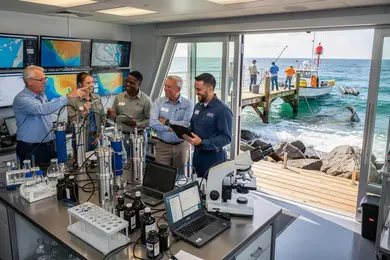
Self-paced online oceanography programs typically use learning management systems (LMS) such as Canvas, Blackboard, or Moodle. These platforms provide access to course materials, video lectures, discussion boards, and assignment submission portals. Many programs also integrate simulation software and virtual labs to replicate oceanographic experiments and data analysis, enhancing hands-on learning despite remote delivery.
These programs offer flexible scheduling that allows students to study and complete coursework at their own pace, which is ideal for those balancing work or family responsibilities. Additionally, they often provide dedicated academic advising, tutoring services, and online discussion forums to foster support and community. Prior learning assessments and transfer credit policies further accommodate students with relevant experience, shortening time to degree completion.
References
- 2025 Marine Biology and Biological Oceanography Tuition https://www.collegetuitioncompare.com/majors/26.1302/marine-biology-and-biological-oceanography/
- Best Online Oceanography Courses and Programs | edX https://www.edx.org/learn/oceanography
- Guide to Competency Based Education in a University Setting https://online.uwa.edu/news/competency-based-education/
- Self-Paced Learning: What to Expect From a CBE Program https://www.umassglobal.edu/blog-news/self-paced-learning-expect-a-cbe-program
- Competency-Based Education (CBE) https://lakeshore.edu/future-students/flexible-learning-options/competency-based-education
- Cost & Financial Aid https://www.semesteratsea.org/financial-aid/
- A Comprehensive Guide to Competency-based Education https://www.edalex.com/guides/comprehensive-guide-to-competency-based-education/
- Marine Science https://www.bircham.edu/marine-science.html
- Ecology https://www.fastweb.com/directory/scholarships-for-ecology-majors
- Programs - Norwalk Public Schools https://www.norwalkps.org/academics/marine-science-pathway/programs