2027 Online Oceanography Bachelor's Degree Program Costs: Tuition & Fees

Co-Founder and Chief Data Scientist
Many prospective students hesitate to enroll in an online oceanography bachelor's degree program due to unclear tuition and fee structures. With the average cost of online bachelor's programs ranging from $15,000 to $40,000 annually, budgeting becomes a significant barrier. Additionally, 62% of online degree seekers express concern over hidden expenses impacting graduation timelines and debt levels.
Understanding these costs upfront is essential for making informed decisions about education investments. This article examines the typical tuition, fees, and additional costs associated with online oceanography bachelor's programs to help students plan effectively and avoid unexpected financial burdens.
Key Things to Know About Online Oceanography Bachelor's Degree Program Costs
- Tuition for online oceanography bachelor's programs often follows per-credit or flat-rate models, with significant variations based on residency status and institutional type.
- Additional fees such as technology, lab materials, and lab shipping costs can increase the total program expenses beyond tuition alone.
- Prospective students should consider financial aid options, scholarship availability, and cost-effective course planning to manage overall debt and maximize investment value.
What Is the Average Cost of an Online Oceanography Bachelor's Degree?
The average tuition cost for earning an online Oceanography bachelor's degree in the United States generally falls between $300 and $600 per credit hour. Given that most programs require around 120 to 130 credits, total tuition typically ranges from $36,000 to $78,000. For example, a program charging $400 per credit with 120 credits would cost about $48,000 in tuition alone. This range illustrates the broad spectrum of average tuition rates for online Oceanography bachelor's programs in the U.S.
Programs commonly base their tuition charges on credits completed, with most degrees requiring roughly 120 to 130 credits for graduation. In addition to tuition, students should anticipate mandatory fees, though these are usually minor compared to tuition expenses. Online courses often offer flexible enrollment options, allowing students to pursue full-time or part-time study, which can influence the overall duration and distribution of tuition costs. Prospective students interested in related fields might explore options such as an ai online degree for alternative career paths.
What Factors Affect the Cost of an Online Oceanography Bachelor's Degree?
The total cost of an online oceanography bachelor's degree varies depending on several essential factors that impact tuition and related expenses. These influences help prospective students better understand the financial commitment involved and compare programs more effectively. Considering these cost drivers is crucial when evaluating online oceanography degree tuition rates in the US.
- Credit Hour Requirements: Degree programs typically require between 120 and 140 credit hours. Since tuition is often charged per credit, programs with higher credit demands generally lead to increased overall costs.
- Program Length and Pacing: Some programs offer accelerated tracks that reduce the time and tuition needed to graduate, while traditional four-year options may involve more fees due to extended enrollment periods.
- Tuition Pricing Models: Universities may charge a flat rate per semester or use per-credit pricing. This can affect students differently depending on part-time or full-time status and course load.
- Residency-Based Tuition Differences: Some schools apply different tuition rates based on residency, affecting out-of-state and in-state learners, while others maintain consistent pricing for all online students.
- Additional Fees and Expenses: Beyond tuition, technology fees, lab costs, and fieldwork expenses related to oceanography courses can add to the total cost. These additional fees often accumulate and influence affordability.
Students interested in comparing degree timelines might also explore 1 year msw programs online as an example of accelerated offerings in related fields.

2026 Update: Transfer Credit and Course Planning Costs
For 2026, this cost guide was updated to emphasize how transfer credits, prerequisite sequencing, and course availability can affect the real price of an online oceanography bachelor’s degree before enrollment.
- Ask for an official transfer credit evaluation, not just an informal estimate.
- Confirm whether prior science, math, and general education credits apply to major requirements.
- Check if upper-division oceanography courses are offered every term or only on a limited schedule.
- Review whether lab prerequisites must be repeated if they are considered outdated or incomplete.
- Find out how withdrawals, failed courses, or repeated classes are billed.
- Ask whether summer, accelerated, or part-time enrollment changes the per-credit price.
Reviewing these details early helps students avoid paying for unnecessary credits, delayed graduation terms, or courses that do not count toward the degree.
Choosing an online oceanography bachelor's degree often results in lower overall expenses compared to traditional campus programs. Data from the National Center for Education Statistics in 2023 shows that tuition and fees for online undergraduate degrees are generally 15-20% less than on-campus equivalents. This cost gap is largely due to various savings associated with online learning structures.
- Reduced Campus Fees: Online students typically avoid or pay much less in charges for campus services like facility upkeep and student activities, which are common for traditional attendees.
- Commuting Savings: Eliminating daily travel cuts significant costs related to fuel, public transit, parking, and vehicle wear-and-tear, often saving hundreds or thousands annually.
- Flexible Scheduling: Many online programs allow part-time enrollment or accelerated course loads, which can shorten the time needed to graduate and lower total tuition expenses.
- Variable Per-Credit Costs: Some schools offer online courses at more competitive per-credit rates, but this varies by institution, so students should confirm pricing details when selecting a program.
- Housing and Relocation: Online students can often remain at home, avoiding rent or dorm fees and extra costs linked to moving near campus.
When I spoke with a recent graduate from an online oceanography bachelor's degree, he shared how the financial relief came hand-in-hand with unique challenges. "Balancing work and coursework without the structured campus environment required a lot of self-discipline," he recalled. He described feeling relief from the cost savings but also a sense of isolation at times. "The flexibility was a double-edged sword; while I could study on my own schedule, staying motivated when things got tough was challenging." His experience highlights that, while an online oceanography degree can be more affordable, it demands strong self-management and persistence to succeed.
Online oceanography bachelor's degree programs typically do not offer fixed tuition rates; instead, many use a variable pricing model that charges students based on credit hours. Fixed tuition, which guarantees a set rate for an entire term or program duration, is available in about 20% of U.S. online bachelor's programs. This distinction plays a key role in how tuition costs may fluctuate throughout a student's enrollment. For those wondering, are tuition rates locked for an online oceanography bachelor's degree in the U.S.? Often, the answer varies by program and state.
- Per-Credit Billing: Many online oceanography programs charge tuition per credit, meaning costs can change depending on how many courses a student takes each semester. This model allows flexibility but may make budgeting less predictable.
- Flat-Rate Term Pricing: A smaller number of schools offer fixed tuition that applies a flat fee per term regardless of credit load, providing greater cost certainty for full-time students.
- Residency-Based Rates: Tuition for online oceanography bachelor's degrees often differs for in-state vs. out-of-state students, which contributes to varying total costs. Understanding how online tuition costs vary by state is essential when planning expenses.
- Rate Changes Over Time: While some programs lock in tuition rates for the entire degree, many permit increases during the course of study, making it important for students to confirm the stability of their rates upfront.
- Cost Efficiency Considerations: Students should compare models carefully, especially if enrolled in a accelerated paralegal program online or similar options, where tuition structure might affect overall affordability.

Technology fees are a frequent part of online degree programs, covering the essential digital infrastructure that supports course delivery and interactive learning. A 2023 study by the National Center for Education Statistics reports that these fees typically range from $100 to $300 per semester for online bachelor's programs. Below are the primary areas these fees support in online oceanography courses.
- Learning Management Systems: Platforms like Canvas or Blackboard are maintained and licensed through technology fees. These systems host course materials, assignments, and student-teacher communications, serving as the central point for managing online coursework.
- Virtual Labs and Simulations: Technology fees often cover specialized software that simulates oceanographic experiments and fieldwork. These virtual environments are critical for gaining practical experience when physical labs are not an option.
- Data Analysis Software: Applications such as Geographic Information Systems (GIS) and ocean modeling tools are included, enabling students to analyze scientific data and create visualizations essential for understanding marine science.
- Video Conferencing Tools: Fees also fund reliable platforms used for live lectures, seminars, and virtual office hours. High-quality communication technology ensures ongoing interaction between students and instructors.
- Digital Resources and Support: Academic libraries, online research databases, and technical support services are bundled within these fees to provide continuous assistance throughout the program.
Textbook and course material costs form a substantial part of the total expenses for students pursuing an online oceanography bachelor's degree. Studies show that the average annual expenditure on textbooks for bachelor's programs in the U.S. ranges from $1,200 to $1,500. These costs fluctuate depending on the specific coursework and materials required. Factors influencing these expenses include:
- Required Course Materials: Certain classes may require specialized textbooks or lab manuals unique to oceanography, which often carry higher price tags than general academic texts.
- Digital Versus Print Formats: Digital textbooks usually cost less and provide interactive elements, but some students need or prefer printed versions, which tend to be more expensive.
- Bundled Resources: Textbook packages can include access codes for online platforms, software, or supplementary content that increase upfront costs but enhance learning value.
- Supplemental Learning Tools: Some oceanography programs require software simulations, lab kits, or geographic data sets that add to the total materials budget.
Being aware of these diverse factors helps students prepare financially for their academic path in oceanography. Careful budgeting ensures that learners can acquire all necessary resources without encountering unexpected financial challenges.
Federal, state, and institutional financial aid programs offer significant support to students pursuing an online oceanography bachelor's degree in the US. Recent data shows that approximately 58% of undergraduates taking some or all courses online received federal financial aid, highlighting the accessibility of financial assistance for online learners. Understanding key eligibility requirements and aid types can help students maximize funding opportunities.
- Eligibility Requirements: Most aid requires enrollment in an accredited online degree program along with satisfactory academic progress. Citizenship or eligible non-citizen status is typically necessary to qualify for federal assistance.
- Application Process: Submitting the Free Application for Federal Student Aid (FAFSA) is essential for consideration in federal and many state aid programs. The FAFSA assesses financial need to determine eligibility for grants, loans, and work-study.
- Grants: Grants like the Pell Grant provide vital funding that doesn't require repayment. Some states also offer grants to support residents enrolled in online programs at in-state colleges, easing financial burdens for these students.
- Federal Loans: Federal student loans often carry low interest rates and offer borrower protections and flexible repayment options. Unlike private loans, federal loans may include benefits such as deferment under qualifying conditions.
- Work-Study Programs: Eligible online students can participate in work-study opportunities, earning income through part-time jobs related to their field both on campus and in the community.
For prospective students evaluating financial aid options in STEM fields, it may be useful to compare programs and costs. For example, determining whether a bachelor degree in project management worth it can provide perspective on investment decisions relative to other disciplines.
Overall, financial assistance for online oceanography degrees in the US offers multiple pathways to funding beyond paying out of pocket, emphasizing the importance of thorough financial aid applications and maintaining academic standards.
Online oceanography bachelor's degree programs generally offer lower tuition and fees than traditional on-campus programs, but students can further reduce costs by implementing additional strategies. Nearly 37% of students who transfer prior credits are able to shorten their time to degree completion and save on tuition and related fees. Below are practical cost-saving methods that can help manage expenses effectively during the course of study.
- Transfer Credits: Maximizing the use of prior college credits can significantly reduce your total tuition costs by decreasing the number of courses you need to complete.
- Digital Textbooks: Opt for digital textbooks instead of printed ones, as they are typically less expensive and often include interactive features that enhance learning at a lower price.
- Course Load Management: Maintaining a steady and balanced course load each term avoids late registration fees and extra charges from extended enrollment periods, helping students graduate on time and save on tuition.
- Low-Cost Resources: Utilize free or affordable online resources to supplement your studies, reducing the need for costly materials and supporting your coursework efficiently.
- Elective Fee Comparison: Compare fees for elective courses within your program, as costs can vary and selecting lower-fee options will help control overall expenses.
Students should also explore scholarships and financial aid options for online oceanography degrees to further lighten their financial burden. Additionally, for those interested in complementing their oceanography degree with additional credentials, consider easy certifications that pay well to enhance career prospects without excessive costs.
Online oceanography bachelor's programs offer enhanced accessibility and flexibility compared to traditional on-campus degrees, allowing students to manage coursework alongside work or personal commitments. This flexibility benefits those living far from coastal research hubs or balancing multiple responsibilities. Financially, earning a degree in oceanography can be advantageous; for example, environmental scientists and specialists, which include oceanographers, earned a median annual wage near $79,100 in 2023, with an anticipated 8% job growth over the next decade-outpacing average occupational growth.
The degree's value also depends heavily on individual career objectives and preferred learning styles. Since hands-on fieldwork and lab experience are essential in oceanography, fully online formats may have some limitations. Students who excel in self-directed or remote study environments might find these programs more suitable, whereas those seeking direct mentorship and practical research opportunities may find online learning less optimal. Additionally, opportunities for internships, networking, and research collaborations are critical for maximizing long-term career benefits and should be carefully considered when assessing the investment.
What Graduates Say About Online Oceanography Bachelor's Degree Program Costs
- Paxton: "Choosing to pursue an online oceanography bachelor's degree was largely influenced by my need to balance cost with quality education. The flexibility of the program allowed me to save on commuting and housing, which made the overall expenses manageable without sacrificing the depth of the curriculum. This decision directly impacted my ability to advance in marine research roles, providing both practical skills and theoretical knowledge."
- Ameer: "When I first evaluated the pros and cons of an online oceanography program, the cost was a major factor in my decision-making process. Although some might worry about reduced networking opportunities, the lower tuition and access to digital resources helped me complete my degree without accumulating significant debt. Today, I see how this cost-effective choice opened doors for me in environmental consultancy, proving the value of affordability paired with solid academic content."
- Nathan: "Pursuing an online bachelor's in oceanography was a strategic move influenced by financial considerations and professional goals. The program's cost-effectiveness allowed me to focus on my studies without the pressure of hefty loans, and the convenience of online learning made it easier to gain work experience simultaneously. This combination prepared me well for a career in coastal management, where the specialized knowledge and credentials have been invaluable."
Other Things You Should Know About Oceanography Degrees
Yes. Many online oceanography bachelor’s programs charge a technology fee of about $25 to $100 per term, plus online course fees in some cases. Schools may also add lab, proctoring, and digital materials charges, so the published tuition rate is not the full cost.
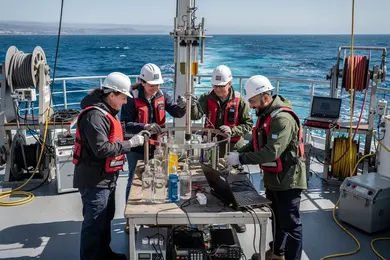
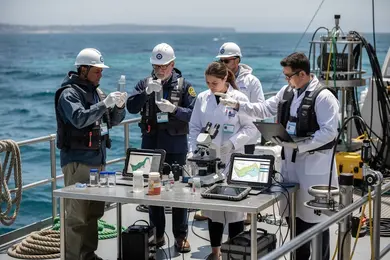
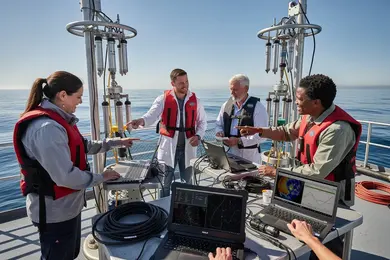
Yes, despite the online format, many oceanography programs require lab or fieldwork components that can incur extra costs. These may include fees for ship trips, lab equipment, or local field stations. Students should inquire about these potential expenses when reviewing program costs.
- Oceanography Online Courses: Top Colleges, Eligibility, Platforms & Job Opportunities https://www.selectyouruniversity.com/blog/oceanography-online-courses
- Best Oceanography Degrees Online and On-Campus: Top 10 Values 2026 https://www.collegevaluesonline.com/rankings/bachelors-oceanography/
- Ocean Sciences https://www.liverpool.ac.uk/courses/ocean-sciences-bsc-hons
- Best Online Oceanography Courses and Programs | edX https://www.edx.org/learn/oceanography
- Average Cost of College Textbooks [2026]: Prices per Year https://educationdata.org/average-cost-of-college-textbooks
- Oceanography Textbooks https://www.worldofbooks.com/en-ie/collections/oceanography-textbooks-book-series
- BSc Oceanography | Undergraduate Degrees | University of Exeter https://www.exeter.ac.uk/undergraduate-degrees/bsc-oceanography/
- Oceanography Textbooks in eTextbook Format | VitalSource https://www.vitalsource.com/textbooks/science/earth-sciences/oceanography
- International Students in Norway, 2016 | Surveybanken - Sikt https://surveybanken.sikt.no/en/study/3d994840-947c-47af-8e57-af320ba562ef/6
- Southern University of Science and Technology Oceanography Program | Apply Online https://sustech.cucas.cn/program/Oceanography-56075.html