2027 Return on Investment of an Online Oceanography Bachelor's Degree: Salary vs Cost

Co-Founder and Chief Data Scientist
Considering a career shift through an online oceanography bachelor's degree poses a critical financial question: will increased earnings justify the upfront cost and time? Many prospective students worry about balancing tuition against future salary gains in a field with fluctuating demand.
Recent data shows that oceanography graduates can expect a median starting salary of around $58,000 annually-significantly higher than the national average for bachelor's degree holders in science, but variable depending on geographic and sector factors.
This article examines salary trends versus program expenses to help readers evaluate the true return on investment of earning an online oceanography degree.
Key Things to Know About the Return on Investment of an Online Oceanography Bachelor's Degree
- Average tuition for online oceanography bachelor's degrees ranges from $15,000 to $30,000-significantly lower than traditional programs, reducing upfront financial burden and student debt.
- Graduates report median starting salaries near $55,000, with mid-career earnings exceeding $80,000, reflecting positive salary growth aligned with industry demand.
- Non-financial benefits include enhanced job security, strong career advancement prospects, and access to specialized professional development opportunities within marine and environmental sectors.
What Is the True Cost of Earning an Online Oceanography Bachelor's Degree From Enrollment to Graduation?
Costs associated with earning an online oceanography bachelor's degree include both direct and indirect expenses, which are crucial for accurately assessing the return on investment.
- Tuition and Fees: Tuition varies widely across programs, typically ranging from $15,000 to over $40,000 for the entire degree. Additional technology and lab fees, often between $500 and $1,500 yearly, cover access to essential online platforms and virtual labs.
- Course Materials and Textbooks: Specialized materials such as textbooks, scientific journals, and software can cost between $1,000 and $2,500 over the course of the program. While some institutions bundle these costs in fees, many require separate budgeting.
- Proctoring and Exam Fees: Remote proctoring is commonly used to ensure exam integrity, with fees ranging from $30 to $60 per exam, totaling approximately $300 to $600 for the degree.
- Net Price After Aid: Data from the National Center for Education Statistics and IPEDS show that net prices after scholarships and grants often reduce total costs by 30% to 50%. Using university net price calculators helps prospective students estimate personalized expenses more accurately.
Online oceanography bachelor's degree total tuition costs in the United States can be effectively compared by analyzing comprehensive cost factors from enrollment through graduation.
This detailed breakdown assists students in developing realistic budgets that align with their financial situation. For those seeking affordability, exploring options among online colleges that accept FAFSA offers valuable financial support opportunities.
Altogether, the total estimated cost of completing an online oceanography bachelor's degree generally falls between $20,000 and $45,000 when factoring in financial aid.
This range serves as a benchmark for weighing education expenses against potential salary outcomes and career advancement opportunities available to graduates in this field.
How Does the Starting Salary for Oceanography Bachelor's Degree Graduates Compare to the Total Cost of the Degree?
Graduates holding a bachelor's degree in oceanography often start their careers in environmental science, marine biology, and research positions.
According to the Bureau of Labor Statistics (BLS) Occupational Outlook Handbook, the median annual starting salary for these entry-level roles is approximately $50,000. This figure serves as a practical benchmark when comparing earnings to the total cost of an online oceanography degree.
The total cost for earning an online oceanography degree varies widely depending on the institution and financial aid availability. In a best-case scenario, combining low tuition rates and scholarships, the degree might cost around $20,000.
In contrast, a worst-case scenario with higher tuition and limited aid can push the cost to $60,000 or more. Comparing these expenses against the starting salary helps students gauge financial feasibility and plan accordingly.
For example, at $20,000 total cost and a $50,000 annual salary starting point, it takes about five months of full earnings before taxes to recover tuition expenses.
In the worst-case scenario, with costs at $60,000, the payback period extends to roughly 14 months. Understanding this balance is crucial when evaluating total cost versus average salary of online oceanography degree holders, especially for first-generation students and working professionals managing tight budgets.
Starting salary is only part of the financial picture-BLS data projects annual salary growth of 3 to 5 percent in the first decade for oceanography-related careers. This growth improves long-term returns, making the initial investment more manageable.
Moreover, pursuing a degree online can be a cost-effective alternative to traditional programs, similar to options found for other fields such as a business administration degree online cost.
- Starting Salary Benchmark: Median entry-level wages average around $50,000 annually, reflecting realistic income potential for new oceanography bachelor's degree graduates in the United States.
- Cost Variability: Online degree costs range between $20,000 and $60,000 depending on tuition and financial aid, highlighting the importance of selecting affordable programs.
- Payback Period: Recovering tuition takes about five months at the low end and over a year at the high end, impacting budgeting for students on tight financial plans.
- Salary Growth Outlook: Annual increases of 3 to 5 percent improve the return on investment, boosting earning potential over time.
- Beyond Finances: The degree supports career advancement, job security, and ongoing professional development, providing important non-monetary benefits for long-term success.
What Is the Average Return on Investment (ROI) for an Online Oceanography Bachelor's Degree Over a 10-Year Career?
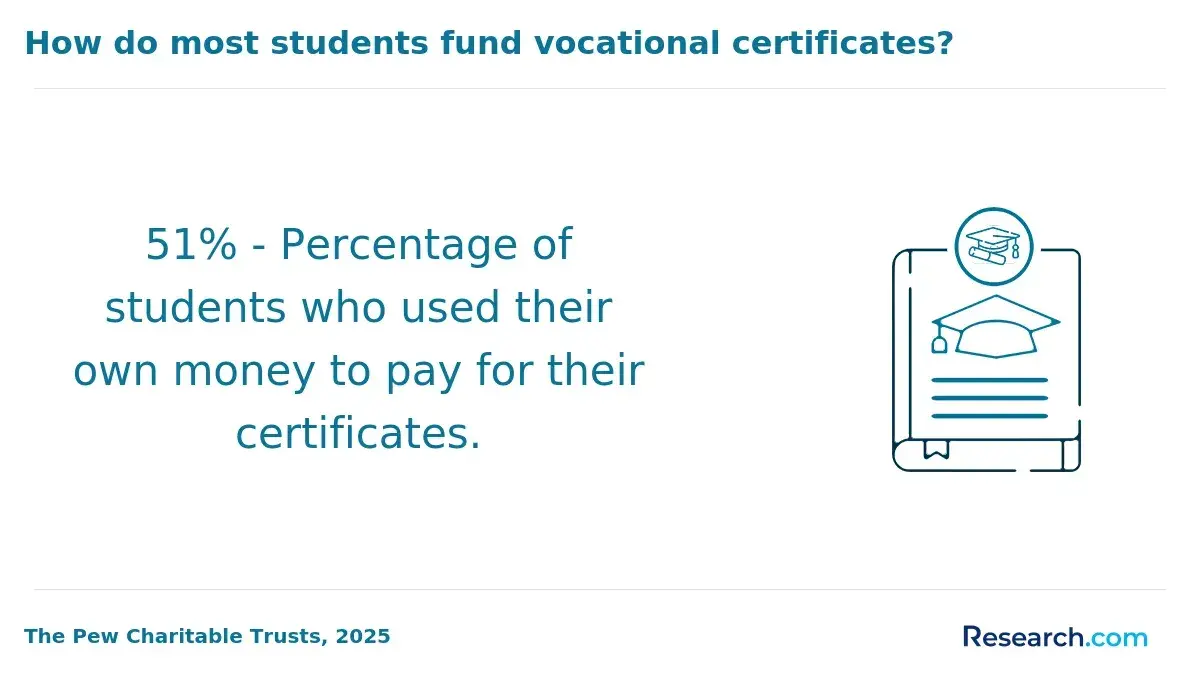
Return on investment (ROI) in higher education measures the financial gain from a degree by subtracting total education costs from the extra earnings a graduate achieves over ten years compared to someone with only a high school diploma or an associate degree in a related field.
According to the Georgetown University Center on Education and the Workforce, this cumulative additional earning provides a clear way to evaluate the economic advantage of various degrees. PayScale's College ROI Report supports these benchmarks, showing that certain fields surpass the average ROI for bachelor's degrees nationally.
For oceanography graduates, median starting salaries reported by the Bureau of Labor Statistics approximate $65,000 annually. Assuming a 3% yearly raise, total earnings over a decade amount to about $750,000. After deducting an estimated $40,000 cost for a fully online degree, graduates realize a net gain close to $710,000.
In contrast, workers with just a high school diploma or associate degree average about $40,000 annually and $440,000 cumulatively over the same period. This indicates oceanography graduates earn roughly $270,000 more over ten years.
- Cost Efficiency: Online oceanography programs often reduce expenses by eliminating commute and housing costs, lessening financial strain for students managing tight budgets.
- Salary Premium: Graduates receive significantly higher wages than those without a bachelor's, accelerating the payoff of their education investment.
- Career Advancement: A bachelor's degree opens pathways to specialized roles and research opportunities not typically available without this credential.
- Job Security: STEM-related oceanography careers tend to be more resilient to economic fluctuations, offering stability beyond mere salary increases.
- National Comparison: ROI for oceanography exceeds the average for bachelor's degrees nationwide, highlighting its competitive earnings potential.
A professional who completed an online oceanography bachelor's degree reflected on the decision, commenting that "I initially worried about balancing work, class, and family responsibilities." After calculating the total costs and potential earnings, he decided the investment was worthwhile.
"The flexibility of the program allowed me to study without disrupting my job," he said, noting that focusing on ROI provided confidence during moments of doubt. He described the journey as challenging but "ultimately rewarding, especially seeing how the degree opened doors to research roles I couldn't have accessed before."
How Do Online Oceanography Program Tuition Rates Compare Across Public, Private, and For-Profit Institutions?
Prospective students should weigh tuition differences carefully. Considering the average tuition for online oceanography degrees alongside graduation statistics and employer perceptions offers a clearer picture of value.
Public universities often present a solid middle ground with credible accreditation and career support, but comparing outcomes is crucial.
- Public Universities: Online oceanography programs at public universities generally provide the most budget-friendly tuition, especially for in-state students. Some institutions offer flat-rate online tuition that does not depend on residency, which helps keep annual costs predictable.
- Private Nonprofit Institutions: These schools tend to charge between $20,000 and $40,000 annually. Although pricier, private nonprofits often deliver expanded academic resources, stronger faculty involvement, and wider alumni networks that can enhance professional prospects.
- For-Profit Colleges: Tuition at for-profit colleges usually falls in the $10,000 to $18,000 range. While cheaper upfront costs may appeal to certain students, these programs frequently have lower graduation rates and face employer skepticism, factors that can limit job placement and long-term earnings potential.
Those interested in an affordable degree might also explore programs like an accounting degree online to understand broader cost dynamics and ROI considerations in online education.
What Long-Term Salary Growth Can Oceanography Bachelor's Degree Holders Expect Over a 20- to 30-Year Career?
Workers with a bachelor's degree in oceanography typically see steady salary increases over two to three decades, fueled by growing expertise and career development.
Early in their careers, graduates usually earn near the median wage for the field, with gradual raises as they build practical skills and contribute to research or environmental projects.
- Early Career Growth: During the first five years, salary rises reflect growing experience and greater involvement in complex projects, often positioning graduates for future advancement.
- Mid-Career Acceleration: Between five and ten years, pay tends to increase more rapidly, as oceanographers often transition into supervisory or management roles.
- Senior Professional Plateau: After about 15 years, many oceanographers reach senior roles like lead scientists or consultants. While salary growth slows, it remains stable, with earnings significantly exceeding the national average for STEM jobs without advanced degrees.
- Cumulative Earnings Premium: Over a 30-year span, bachelor's degree holders in oceanography tend to accumulate 40% to 60% higher lifetime income compared to non-degree peers in related fields, driven by elevated starting salaries and consistent growth at career milestones.
A professional who built her career following graduation from an online oceanography bachelor's program shared reflections on these salary trends.
She noted, "Balancing work and studies online was challenging, but it allowed me to gain relevant experience simultaneously." Over time, she witnessed her paychecks grow in tandem with her expanding project responsibilities.
"Advancing into leadership wasn't instantaneous-it took deliberate effort and strategic choices." Her journey illustrates how persistence and skill development can translate academic investment into tangible financial and professional rewards.
How Does the ROI of an Online Oceanography Bachelor's Degree Compare to an Associate Degree or a Professional Certificate?
Choosing the right oceanography credential means weighing costs against long-term returns, as a bachelor’s degree, associate degree, and professional certificate each offer different levels of investment, career opportunities, and earning potential.
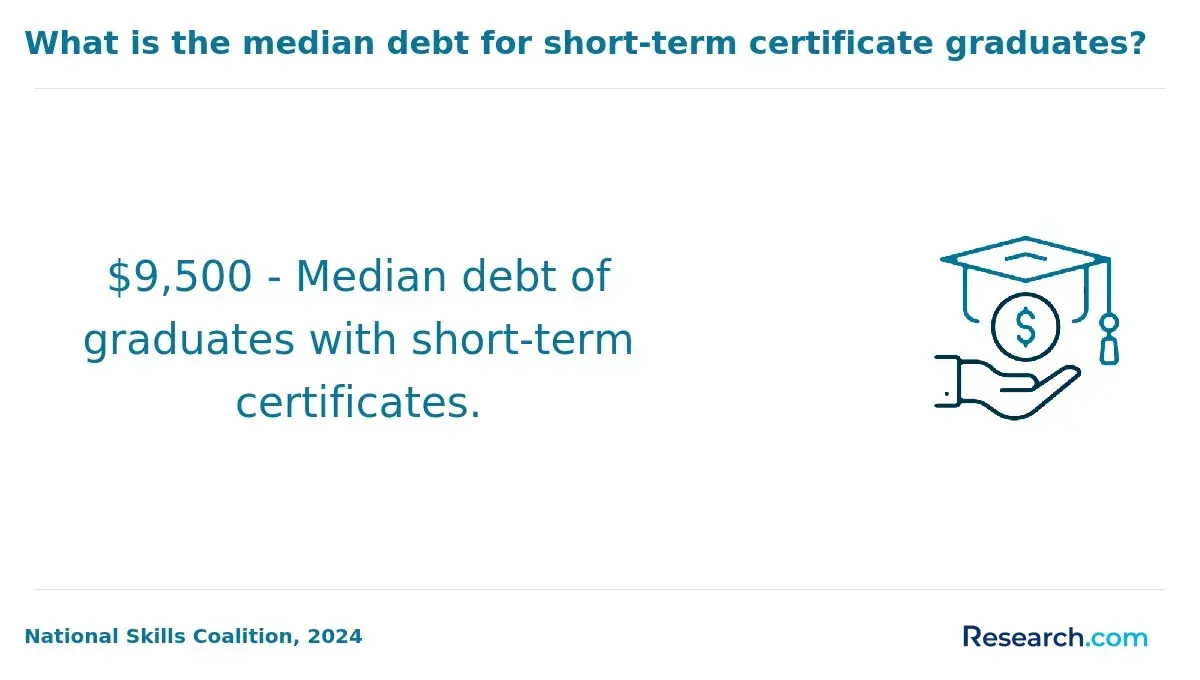
- Cost Comparison: Tuition for an online oceanography bachelor's degree generally ranges from $40,000 to $70,000, varying by school. In contrast, associate degrees usually cost between $10,000 and $20,000, while professional certificates typically require less than $5,000, making them the most affordable entry points.
- Salary Prospects: According to the Bureau of Labor Statistics, oceanographers with a bachelor's degree earn a median annual income near $69,000. Those with associate degrees in related fields tend to make around $45,000 annually, with certificate holders earning between $35,000 and $40,000 depending on their specialization and employer demand.
- Short-Term ROI: For individuals prioritizing fast workforce entry or with limited funds, certificate and associate programs offer quicker returns due to lower costs and shorter completion times. This approach suits career changers or adults looking to enhance skills efficiently without incurring significant debt.
- Long-Term ROI: Over time, bachelor's degree holders generally experience greater financial rewards through eligibility for advanced roles such as research analysts, environmental consultants, or policy specialists. These positions typically offer higher wages, improved job security, and better promotion prospects that compensate for the initial investment.
- Career Advancement and Job Security: A bachelor's credential unlocks opportunities for federal research positions, academia, and leadership roles rarely accessible with lower-level qualifications. Conversely, certificates and associate degrees may limit individuals mainly to technical or support roles in more competitive job markets.
- Decision Framework: Prospective students should weigh their current financial constraints, timeline, and career ambitions. If immediate employment with minimal debt is a priority, certificates or associate degrees provide practical short-term benefits.
Which Online Oceanography Specializations or Concentrations Yield the Highest Earning Potential After Graduation?
Among online oceanography bachelor's degree specializations, those emphasizing marine technology and environmental oceanography tend to offer the highest earning potential after graduation.
Bureau of Labor Statistics (BLS) data show graduates in Marine Technology qualify for roles such as offshore engineering, remote sensing, and marine instrumentation. These fields often provide median salaries 15% to 25% higher than those of general oceanographers in related industries.
- Marine Technology: Develops skills in operating advanced underwater equipment and autonomous vehicles. Careers typically involve government agencies and private firms focused on offshore exploration or environmental monitoring.
- Environmental Oceanography: Centers on ocean ecosystems and climate effects, leading to roles in environmental consultancy and regulatory compliance. Salaries here often exceed general oceanographer median income by about 10%, driven by growing demand for climate resilience expertise.
- Geospatial Oceanography: Specializes in mapping and spatial analysis using Geographic Information Systems (GIS). This expertise commands higher salaries due to its importance in coastal management and resource development.
- Marine Resource Management: Focuses on sustainable ocean resource use and may require certifications in fisheries or environmental law. Although initial investment can be greater, this specialization offers improved job security and salary growth over time.
Specializations requiring further certification or continuing education affect total investment costs but often accelerate return on investment by opening higher-paying roles.
For students balancing budgets and ambitions, choosing a specialization with robust industry demand and feasible certification paths maximizes career and financial outcomes. Prior STEM experience can reduce time and expenses for prerequisites, making high-earning tracks more accessible and beneficial.
How Do Employer Tuition Reimbursement and Financial Aid Reduce the Net Cost of an Online Oceanography Bachelor's Degree?
Employer tuition reimbursement programs play a vital role in making an online oceanography bachelor's degree more affordable for working students. Under IRS Section 127, employers can offer up to $5,250 annually in tax-free tuition benefits, reducing the immediate financial burden without additional tax liabilities.
The Society for Human Resource Management (SHRM) reports that nearly 60% of U.S. employers provide tuition assistance, making this a widely accessible benefit for learners pursuing degrees while balancing professional responsibilities.
Alongside employer tuition reimbursement benefits for online oceanography degrees, federal and institutional financial aid significantly lowers total education costs. Grants, scholarships, and subsidized federal student loans-many of which are need- or merit-based-help decrease the sticker price without adding to student debt.
The Employee Benefit Research Institute notes that when employer contributions are combined with federal aid, students can cut the overall cost of their degree by more than half, substantially easing financial strain.
For example, a student facing $20,000 in annual tuition could reduce this cost dramatically. With a maximum employer tuition reimbursement of $5,250, a $6,000 Pell Grant, and an additional $3,000 in scholarships, the net expense may drop to roughly $5,750 yearly.
This effective combination enables students to earn their degree affordably, minimizing debt and enhancing long-term return on investment. These financial strategies are particularly important for those seeking advancement or career changes while managing tight budgets.
Students interested in related fields may also explore options such as online masters mental health counseling, which similarly benefit from employer assistance and financial aid.
- Employer Tuition Reimbursement: Employers can provide up to $5,250 yearly tax-free under IRS Section 127, reducing costs without increasing taxable income and supporting continuous education.
- Prevalence of Benefits: Nearly 60% of U.S. employers offer tuition assistance, making tuition reimbursement a common benefit for working professionals pursuing online oceanography programs.
- Federal and Institutional Financial Aid: Grants, scholarships, and subsidized loans offer significant financial relief, lowering net tuition costs for students with demonstrated need or merit.
- Net Cost Reduction: Combining employer tuition reimbursement benefits with federal aid can reduce the total cost of earning an online oceanography bachelor's degree by more than 70%, easing debt burdens substantially.
- Practical Example: A $20,000 annual tuition can be lowered to under $6,000 through combined employer and federal assistance, allowing students to complete their degree with minimal financial hardship.
What Hidden Costs Should Students Factor Into the Total Investment of an Online Oceanography Bachelor's Degree?
Students often underestimate the hidden expenses of an online oceanography bachelor's degree, which affect the total investment considerations for online oceanography students. These costs extend beyond base tuition and can significantly delay the break-even point on the degree's return on investment (ROI).
For instance, many programs charge technology fees averaging $200 to $500 annually to support online platforms and IT assistance. Exam proctoring fees add $30 to $50 per test, and these can accumulate across multiple courses requiring monitored assessments.
Graduation fees usually range from $100 to $150, covering diploma processing and transcript handling. Additionally, specialized software licenses for oceanographic data analysis and modeling may add $100 or more per year.
Optional but valuable professional memberships, such as joining The Oceanography Society, typically cost $50 to $100 annually and provide networking and career development opportunities. Incorporating these expenses into budgeting is key for students aiming to understand the total investment considerations for online oceanography students.
Data from the College Board and institutional disclosures show that hidden fees can increase the total cost by 10-20%. Prospective students should always request a comprehensive cost-of-attendance breakdown, including these mandatory and ancillary fees, before enrolling.
For students comparing these costs with other fields, such as an online architecture degree, understanding all associated fees is essential for accurate financial planning.
- Technology Fees: Online oceanography programs frequently impose annual technology fees that can total several hundred dollars, often excluded from initial estimates.
- Proctoring Costs: Per-test proctoring charges, which can sum to hundreds depending on course requirements, add a recurrent expense during the program.
- Graduation and Administrative Fees: Fees for processing diplomas and transcripts generally range from $100 to $150, contributing to overall degree costs.
- Specialized Software Licenses: Required coursework may need paid licenses for advanced analytical tools, increasing the financial burden beyond tuition.
- Professional Memberships: Optional dues support networking and career advancement, typically costing $50 to $100 annually.
How Does the Accreditation Status of an Online Oceanography Program Affect Graduate Salary and Employability?
Regional accreditation evaluates entire colleges or universities, ensuring comprehensive academic quality, faculty credentials, and student success.
Programmatic accreditation focuses narrowly on specific fields like oceanography, emphasizing curriculum relevance and industry standards. Both forms signal to employers that graduates have received credible and rigorous training.
According to the National Association of Colleges and Employers (NACE), employers prefer candidates from regionally or programmatically accredited programs, associating these degrees with stronger skills and workforce readiness.
The Society for Human Resource Management (SHRM) also reports that degrees from nationally accredited-only or non-accredited schools often limit job opportunities, decrease salary negotiation leverage, and exclude candidates from competitive government and research positions.
Enrolling in non-accredited or improperly accredited programs may bar students from key licensure exams, graduate studies, and jobs in federal agencies or healthcare-related environmental roles.
Prospective students should confirm accreditation status through the U.S. Department of Education's accreditation database and the Council for Higher Education Accreditation (CHEA) before committing to any online oceanography program.
- Regional vs Programmatic Accreditation: Regional accreditation certifies the overall institution's quality, while programmatic approval targets specialized oceanography curricula meeting professional standards.
- Employer Preferences: Hiring managers prioritize degrees from accredited programs, linking these credentials to higher performance and career readiness.
- Career Limitations with Non-Accredited Degrees: Lack of appropriate accreditation can restrict eligibility for licensure exams, graduate education, and roles in government or healthcare sectors.
- Impact on Salary Negotiations: Graduates from accredited programs typically have greater leverage to negotiate better salaries based on perceived degree value.
- Accreditation Verification: Utilize official government and oversight resources to verify program accreditation before enrollment to secure future career benefits.
What Entry-Level Job Titles and Salary Ranges Are Available to Graduates of Online Oceanography Bachelor's Programs?
Graduates holding online oceanography bachelor's degrees often begin their careers in varied roles with starting salaries influenced by industry and experience. Common entry-level job titles include:
- Marine Scientist: Entry salaries typically range from $45,000 to $60,000 annually, with government bodies like NOAA and environmental consultancies frequently offering the most competitive pay.
- Environmental Technician: Median starting pay falls between $40,000 and $55,000, often higher within private environmental service firms and technology companies.
- Coastal and Marine Technician: Starting wages usually sit around $38,000 to $52,000, largely in government agencies and nonprofit conservation groups.
- Hydrologist: New hydrologists earn between $50,000 and $65,000, especially in public water resource departments and engineering firms.
- Oceanographic Data Analyst: Salaries frequently range from $48,000 to $62,000, with technology firms and government research providing strong entry compensation.
- Laboratory Technician: Starting pay often falls between $35,000 and $50,000, primarily in academic and private research labs.
- Fisheries Biologist: Entry-level salaries average $43,000 to $58,000, mostly from government wildlife and environmental agencies.
- Technical Sales Specialist (Marine Equipment): Compensation typically ranges from $40,000 to $60,000, boosted by commissions in the marine tech sector.
Internships significantly elevate earning potential by equipping graduates with applied skills and industry connections. Certifications like Geographic Information Systems (GIS) or specialized marine instrumentation training can further increase starting salaries.
Concentrations in data analytics or environmental policy often accelerate salary growth and improve return on investment by enabling quicker entry into advanced or managerial roles.
What Graduates Say About the Return on Investment of Their Online Oceanography Bachelor's Degree
- Paxton: "Choosing the online oceanography bachelor's degree was a calculated decision based on the clear return on investment it offered. The tuition was reasonable compared to traditional programs, and the flexibility allowed me to keep working while studying-maximizing my earning potential throughout. Beyond finances, the program opened doors to advanced career roles and provided a strong network I hadn't anticipated."
- Ameer: "Reflecting on my journey, the online oceanography degree gave me more than a credential; it provided invaluable job security in a competitive field. The knowledge I gained propelled me into leadership positions faster than expected, proving that the non-financial returns truly matter. Investing in this program was about future-proofing my career and expanding my professional horizons."
- Nathan: "From a professional standpoint, the ROI of my online oceanography bachelor's degree is evident in how it transformed my career trajectory. The specialization I pursued significantly increased my marketability, while the cost savings from studying online freed resources for certifications and practical experience. I'm now in a role with greater responsibility and confidence, thanks to the blend of knowledge and flexibility the program offered."
Other Things You Should Know About Oceanography Degrees
On average, graduates with an online oceanography bachelor's degree can expect to recoup their educational investment within 8 to 12 years depending on their career path and salary progression.
Entry-level positions may offer lower initial wages, but the salary tends to grow as professionals gain experience and advanced certifications. Factors such as the total tuition cost and financial aid also influence the payback period.
Geographic location greatly impacts salary, with coastal states typically offering higher wages for oceanography graduates due to greater demand in marine research, environmental consulting, and government agencies.
Industry sectors like oil and gas, environmental monitoring, and federal research laboratories often pay more than academic or nonprofit positions. Graduates should weigh local job markets and industry trends to estimate their potential earnings.
Employer surveys regularly indicate that a bachelor's degree in oceanography is valued for its specialized scientific knowledge and technical skills.
Labor market data show consistent demand in environmental science, marine technology, and resource management fields. Employers appreciate graduates who combine strong analytical skills with practical experience, which enhances employability and salary potential.
References
- 5 Hidden Costs of Online College - Top Ten Online Colleges https://www.top10onlinecolleges.org/list/5-hidden-costs-of-online-college/
- Does College Pay Off? A Comprehensive Return On Investment Analysis - FREOPP https://freopp.org/whitepapers/does-college-pay-off-a-comprehensive-return-on-investment-analysis/
- International Students in Norway, 2016 | Surveybanken - Sikt https://surveybanken.sikt.no/en/study/3d994840-947c-47af-8e57-af320ba562ef/6
- Oceanography | Shasta College https://www.shastacollege.edu/academics/programs/oceanography/
- Online college courses are popular, why do they still cost so much? https://hechingerreport.org/as-online-higher-education-hits-a-milestone-why-does-it-still-cost-so-much/
- 10 college degrees with the best return on investment https://qz.com/college-degrees-highest-best-return-on-investment
- Marine Science https://www.bircham.edu/marine-science.html
- ROI on degrees, certificates https://www.ccdaily.com/2024/10/roi-on-degrees-certificates/
- Average Cost of Online College [2025]: Yearly Tuition + Fees https://educationdata.org/average-cost-of-online-college
- Salary expectations in Marine Sciences https://www.blue-jobs.com/blog/salary-expectations-in-marine-sciences/