2027 Online Oceanography Bachelor's Degree Programs for Adult Learners Returning to School

Co-Founder and Chief Data Scientist
Balancing a full-time job and family while pursuing a bachelor's degree in oceanography can overwhelm adult learners. Many face scheduling conflicts and limited access to traditional campus resources. With over 40% of adult learners enrolling in online programs to accommodate their busy lives, flexible education options are crucial.
Online oceanography degrees offer asynchronous coursework and remote labs, enabling students to study without compromising work or personal responsibilities. This article explores accredited online bachelor's programs tailored for adults returning to school and provides guidance on selecting flexible, reputable options that help advance careers in oceanography.
Key Benefits of Online Oceanography Bachelor's Degree Programs for Adult Learners Returning to School
- Flexible scheduling in online oceanography programs accommodates working adults, with 63% reporting improved balance between education, work, and personal life.
- Courses emphasize practical skills like data analysis and field techniques, enhancing career advancement in environmental and marine science sectors.
- Virtual cohorts and networking events create lasting professional and peer connections, critical for job placement and collaborative research opportunities.
Who qualifies as an adult learner in an online oceanography bachelor's degree?
Adult learners in online higher education are typically defined as students aged 25 or older who pursue college studies while managing various life commitments. This group makes up a significant portion of online learners, with over 70% of U.S. students enrolled in online courses fitting the profile of adult learners or nontraditional students.
Such demographics highlight the growing importance of flexible programs tailored to these individuals. Below are common categories of adult learners eligible for online oceanography bachelor's programs.
- Working Professionals: These learners seek to advance or pivot their careers toward marine sciences or environmental research by acquiring specialized knowledge that supports their professional goals.
- Career Changers: Adults aiming to transition into STEM fields focus on oceanographic studies to open new opportunities and reorient their skill sets for emerging job markets.
- Returning Students: Individuals who paused their education for personal, financial, or other reasons and are now motivated to complete their degrees benefit from flexible scheduling to fit their commitments. These returning adult students in online oceanography degrees often require tailored support to navigate academic challenges effectively.
- Military Personnel: Veterans and active service members pursue educational paths aligned with marine or environmental interests, leveraging their discipline and unique experiences in their studies.
- Parents and Caregivers: Needing convenience and flexibility, these learners utilize remote learning options to balance family responsibilities with academic progress.
Programs that accommodate these diverse learners often emphasize flexibility and accessibility. Adult learners value online formats for allowing study around work and family life without sacrificing quality. For those interested in affordable and flexible options, exploring programs aligned with the cheapest easiest online degree rankings can provide useful guidance.
What are the admission requirements for an online oceanography bachelor's degree for adult learners?
Admission requirements for adult learners seeking an online oceanography bachelor's degree are typically structured to support nontraditional educational paths while ensuring students possess the academic readiness necessary for success. These programs recognize diverse backgrounds and accommodate those returning to education after a break. Below are some common admission criteria in online oceanography degree programs designed for adult learners.
- Proof of Prior Education: Most programs require a high school diploma or a recognized equivalent such as a GED. This foundational credential confirms that applicants meet basic educational standards essential for undergraduate studies.
- Application Submission: Completing a formal application form is essential. This often includes personal information, educational history, and sometimes essays or statements of purpose that clarify the applicant's motivation and goals.
- Academic Transcripts: Schools usually request transcripts from previous institutions, including community colleges or universities. These documents help admissions committees evaluate academic performance and alignment with program requirements.
- Readiness for Online Learning: Recognizing the unique challenges of distance education, many programs require self-assessments or participation in orientation sessions. These methods evaluate skills such as time management, digital literacy, and independent study habits necessary for success.
Adult learners searching for an online oceanography degree admission criteria for adult learners should also consider programs that offer recognition of transfer credits and work experience, which can sometimes shorten the path to graduation. This flexibility acknowledges prior learning and professional expertise.
For those exploring career paths after earning this degree, it is helpful to review the most profitable degrees to understand potential opportunities in related fields.
2026 Update: Checking Lab, Fieldwork, and Residency Requirements
For 2026, this section adds a closer look at the hands-on parts of online oceanography bachelor’s programs, since adult learners often need to plan around work, family, and travel limits.
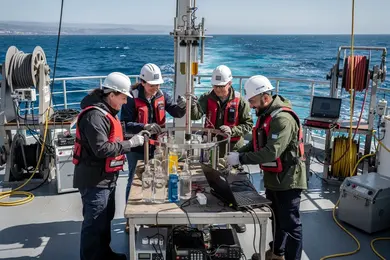
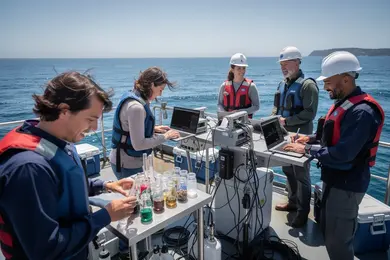
- Whether required labs are fully online, mailed as lab kits, simulation-based, or completed through partner sites.
- If any fieldwork, coastal study, research cruise, or campus residency is required before graduation.
- How far in advance in-person sessions are scheduled and whether weekend or summer options are available.
- What extra costs may apply for travel, lodging, lab materials, safety equipment, or local site fees.
- Whether students can complete approved field experiences near their home or workplace.
- How missed labs or field sessions are handled if work or caregiving emergencies come up.
Understanding these requirements early helps adult learners choose a program they can realistically complete without unexpected travel, expenses, or schedule conflicts.
Do adult learners need the SAT or ACT for an online oceanography bachelor's degree?
Most online bachelor's degree programs in oceanography designed for adult learners do not require SAT or ACT scores for admission. Instead, these programs focus on applicants' previous academic records, work history, and overall preparedness for college-level work.
By 2023, over 1,600 U.S. colleges and universities had adopted test-optional admissions, reflecting a growing acknowledgment that standardized tests may not fully capture the capabilities of nontraditional students.
Waiving test requirements helps improve accessibility and values diverse experiences such as professional achievements and prior coursework. This approach allows adult learners to apply without the added pressure of standardized testing, making higher education more inclusive.
When asked about the admissions process, an adult learner who returned to school and enrolled in an online oceanography bachelor's program shared that the absence of SAT or ACT requirements made the decision to apply less intimidating. "I was worried about taking standardized tests again after so many years," he said, noting that the emphasis on previous education and work experience felt more relevant.
Navigating the application with a focus on his real-world skills helped build confidence, and he appreciated that the university recognized the nontraditional path he had taken. "It wasn't about one exam but about what I've actually done and what I'm ready to tackle," he explained, highlighting how the admissions process encouraged rather than discouraged his return to school.
How flexible are online oceanography bachelor's degree programs for adult learners?
Flexibility is a cornerstone of online education, especially for adult learners returning to school who need to juggle coursework with their professional and personal lives. According to a 2023 report from the National Center for Education Statistics, 68% of online students value flexible scheduling as their top reason for choosing distance education.
This adaptability makes adult learner-friendly oceanography programs with flexible schedules a practical choice for those balancing multiple commitments. Below are the primary ways these programs support varied lifestyles.
- Asynchronous Learning: Learners can engage with lectures and assignments at any hour, allowing them to fit study sessions around work or family demands without strict live attendance.
- Part-Time Enrollment: Many programs offer reduced course loads, giving students the opportunity to extend their timeline and reduce stress while still progressing steadily toward their degree.
- Self-Paced Coursework: Some courses enable students to move through material at a personalized speed, catering to different learning preferences and time availability.
- Accelerated Pacing Options: For those eager to complete their degree faster, accelerated tracks are available without sacrificing flexibility, helping maintain momentum alongside other life responsibilities.
- 24/7 Access to Materials: Online resources such as digital libraries and labs are accessible around the clock, ensuring continuous support regardless of location or time zone.
Adult learners exploring flexible online oceanography degree options for adult learners who want to optimize their schedules may also find value in examining related fields and program types, such as the cheapest PsyD programs, for a broader view of online education flexibility.
Can I transfer previous college credits to an online oceanography bachelor's degree?
Many online bachelor's degree programs accept transfer credits, enabling students to shorten their time to graduation and avoid repeating similar courses. Data from the National Student Clearinghouse Research Center shows nearly 40% of undergraduates transfer credits during their studies, reflecting a common practice among learners. Below are important considerations when transferring credits to an online oceanography degree.
- Evaluation of Prior Coursework: Schools carefully examine transcripts to determine if previous courses align with their academic standards and curriculum needs.
- Credit Limits: Transfer credit caps usually range from 60 to 90 semester hours, ensuring students complete a substantial part of their education directly through the awarding institution.
- Relevance to the Program: Credits from disciplines like environmental science, biology, and mathematics fit well with oceanography, increasing chances of acceptance.
- Benefits for Adult Learners: Applying transfer credits can lower overall time and financial investment, making degree completion more manageable alongside work and personal responsibilities.
One adult learner who returned to school and completed an online oceanography bachelor's degree shared that navigating credit transfer was initially overwhelming because of varied policies across institutions.
She explained, "It took time to gather my transcripts and confirm which courses would count toward my degree, but having those credits accepted ultimately gave me a huge head start." Her experience highlights how persistence and detailed communication with advisors can ease the process, allowing adult students to build on past learning and accelerate degree completion.
Does work experience count toward an online oceanography bachelor's degree?
Many online bachelor's degree programs tailored for adult learners acknowledge the importance of prior work experience and often convert that experience into academic credit. Research shows that more than 85% of colleges and universities provide credit through some form of prior learning assessment, making education more accessible and efficient for professionals balancing work and study. Below are common methods used to evaluate this prior experience.
- Prior Learning Assessments: These evaluations test knowledge gained outside traditional classrooms, often using exams or standardized assessments that align with oceanography course requirements.
- Portfolio Reviews: Learners submit comprehensive portfolios documenting their relevant professional experiences, which faculty members review to determine if they meet specific course objectives.
- Competency-Based Evaluations: This approach allows students to show mastery of particular skills and concepts through projects or assessments linked to degree criteria.
- Professional Certifications: Certifications in marine science or related environmental fields can sometimes be credited, recognizing formalized training and expertise obtained prior to enrollment.
Utilizing these pathways can significantly reduce the time needed to finish an online oceanography degree, cut down on repeating content, and give adult students a tailored learning experience. This option is particularly advantageous for those reentering education after professional careers, helping them transform existing expertise into academic progress.
How much does an online oceanography bachelor's degree cost for adult learners?
The total cost of earning an online oceanography bachelor's degree for adult learners depends on several factors, including program structure, pacing, and institutional policies. On average, online bachelor's degrees in the U.S. range from $15,000 to $40,000 in tuition, though some programs may be more or less expensive depending on credit requirements and additional expenses. Understanding these cost components can help adult learners make informed decisions when returning to school.
Key factors affecting overall cost include:
- Tuition Per Credit: Most online programs charge based on credit hours, with rates that vary widely between institutions and whether students qualify for in-state or out-of-state tuition.
- Technology Fees: Many programs require extra fees to cover online learning platforms, IT support, and access to technical resources essential for virtual education.
- Course Materials: Costs may include required textbooks, digital resources, software licenses, and specialized equipment needed for oceanography coursework.
- Lab and Fieldwork Costs: While online formats reduce the need for in-person attendance, some programs may include optional or required labs or field studies that add to total expenses.
- Application and Enrollment Fees: These one-time fees can vary but are generally modest compared to tuition and other ongoing costs.
Adult learners should also consider how the pace of their program impacts affordability. Accelerated tracks might increase per-semester costs but shorten total time and overall expenses, while extended timelines can spread out payments but potentially raise the cumulative cost of completing an online oceanography bachelor's degree.
Are there financial aid options for adult learners in online oceanography bachelor's degrees?
Adult learners returning to online oceanography bachelor's degree programs often face financial challenges, but numerous financial aid options can help manage costs. Nearly 60% of undergraduate students benefit from some form of financial aid, a trend that includes many returning adults balancing school with work or family. Exploring these options can make education more affordable and accessible.
Common types of financial support include:
- Grants: These funds generally do not require repayment and are often awarded based on financial need or specific eligibility. Grants offer a valuable resource for adult learners seeking to reduce their overall educational expenses through scholarships and grants for returning adult students in oceanography programs.
- Federal and Private Loans: While loans must be repaid with interest, they allow students to cover tuition upfront and extend payments over time. Adult learners should carefully review loan terms to avoid financial strain, especially when managing other responsibilities.
- Employer Tuition Assistance: Many employers offer partial or full reimbursement for courses related to job skills or advancement, significantly offsetting educational costs for working adults.
- Payment Plans: Flexible payment options divide tuition into smaller installments, easing budget concerns by aligning expenses with monthly income.
By evaluating and combining these financial aids, adult learners can effectively pursue online oceanography degrees. For those looking for accelerated options, programs such as a 6 month masters degree demonstrate flexible and affordable pathways to advance education and career goals.
Do employers value online oceanography bachelor's degrees for adult learners?
Employer attitudes toward online oceanography bachelor's degrees for adult learners returning to school have become significantly more positive over the past decade. Many employers now recognize that accredited online programs can provide high-quality education tailored to industry needs.
This shift is partly fueled by the growing trend of skills-based hiring, which prioritizes demonstrable competencies and practical experience over the traditional mode of education.
According to a survey by the National Association of Colleges and Employers (NACE), more than 80% of employers are willing to consider candidates with online degrees, provided the credentials are accredited and relevant.
Key factors shaping employer perceptions include institutional accreditation, which assures program quality, and the direct relevance of skills gained, such as data analysis and field research techniques. Employers also value how adult learners integrate their formal education with prior work experience, enhancing their ability to solve real-world problems.
For those seeking career advancement with online oceanography degrees for nontraditional students, choosing programs aligned with recognized standards is crucial. Prospective students might also explore options like an online associate degree as part of their pathway to a bachelor's degree.
How do I choose the best online oceanography bachelor's degree program for adult learners?
Selecting the right online oceanography bachelor's degree program is vital for adult learners juggling education alongside work and personal life. Surveys show that 63% of adult students emphasize flexibility and support services when choosing online studies. Here are some essential factors to consider when evaluating programs.
- Accreditation: Ensure the program is accredited by a recognized agency, guaranteeing quality education, easier credit transfers, and employer acceptance.
- Program Flexibility: Look for options like asynchronous classes, part-time enrollment, or extended timelines to accommodate busy schedules and personal commitments.
- Curriculum Relevance: Choose programs with updated courses reflecting current oceanographic research, technology advances, and practical skills to increase career readiness.
- Student Support Services: Access to academic advising, technical help, and career counseling can provide crucial guidance and motivation for those returning to school.
- Tuition and Affordability: Compare costs, scholarship availability, and payment plans to find a program that fits your budget without sacrificing quality.
- Career Outcomes: Investigate graduate employment rates, internship opportunities, and connections with marine science organizations that can facilitate job placement.
What Graduates Say About Online Oceanography Bachelor's Degree Programs for Adult Learners Returning to School
- Paxton: "Returning to school as an adult was driven by my desire to shift careers toward environmental science. Choosing an online oceanography bachelor's degree program gave me the flexibility to study around my family commitments and full-time job. This degree has opened doors in marine consulting, enhancing my professional credibility and allowing me to contribute meaningfully to ocean conservation efforts."
- Ameer: "I decided to pursue an online oceanography degree because I wanted to deepen my understanding of marine ecosystems while continuing to work. The program's remote learning format was crucial, as it enabled me to balance my responsibilities and learn at my own pace. Earning this degree has already impacted my career, providing the specialization needed to advance in my role with a coastal planning firm."
- Nathan: "After years in unrelated fields, I returned to school to follow my passion for the oceans through an online bachelor's degree in oceanography. The accessibility and quality of the online coursework made a rigorous education manageable alongside adult life demands. Professionally, this degree has been transformative, equipping me with skills that have led to new research opportunities in marine data analysis and a fresh sense of purpose."
Other Things You Should Know About Oceanography Degrees
Online oceanography bachelor's degree programs usually offer courses in marine biology, geology, chemistry, physics, and environmental science. Students also study topics like ocean circulation, marine ecosystems, and data analysis techniques relevant to oceanographic research. Many programs include virtual labs and fieldwork simulations to provide practical experience.
Yes, many institutions offering online oceanography programs provide support services designed specifically for adult learners. These include academic advising, career counseling, technical assistance, and flexible scheduling. Such resources help students balance education alongside work and personal commitments.
References
- COA Scholarships - Acadia Institute of Oceanography https://acadiainstitute.com/coa-scholarships/
- Fisheries and marine sciences degree now available online https://www.uaf.edu/news/fisheries-and-marine-sciences-degree-now-available-online.php
- Oceanic Science Scholarships https://www.collegescholarships.com/major-degree/oceanic-science-scholarships
- Oceanography https://www.ccsf.edu/degrees-certificates/oceanography
- The Benefit of Online Learning for Adults Going Back to School https://www.lambdasolutions.net/en/blog/the-benefit-of-online-learning-for-adults-going-back-to-school
- Recognition of prior learning through credit transfer https://studies.helsinki.fi/instructions/article/recognition-prior-learning-through-credit-transfer
- World's Largest platform as University Common Application https://www.planstudyabroad.uniagents.com/course-details.php
- Courses https://www.theoceanadvocate.com/courses.html
- Best Online Oceanography Courses and Programs | edX https://www.edx.org/learn/oceanography