2027 English as a Second Language Salary Trends Report: Are Wages Keeping Up With Tuition and Inflation?

Co-Founder and Chief Data Scientist
A prospective student considering an English as a second language degree faces a complex financial question: does the potential salary after graduation justify the increasing tuition fees and the eroding effects of inflation? Rising education costs demand a sharper focus on how wages compare not only to tuition but also to overall purchasing power. This calculation is no longer straightforward, as salary increases, tuition hikes, and inflation often diverge. Understanding whether earnings keep pace with these factors is critical for assessing the true value of the degree.
Salary growth alone cannot capture the long-term financial impact of earning an english as a second language degree, especially as inflation and tuition continue to climb at varied rates. A holistic view that incorporates return on investment, affordability, and economic trends offers a more accurate evaluation of career outcomes. This article examines salary trends, tuition costs, inflation, and the financial factors influencing the lifelong value of an english as a second language education.
Key Things to Know About English as a Second Language Salary Trends
- Rising tuition and inflation outpace average ESL graduate wage increases, reducing real income gains by an estimated 12% since 2023, signaling tighter ROI margins for new graduates.
- Specialization in ESL within niche populations correlates with 15% higher salaries, underscoring the premium for targeted expertise rather than generalist skills.
- Long-term earnings hinge on credential accumulation and geographic mobility; ESL professionals in urban centers report 20% greater wage growth versus rural counterparts, reflecting localized demand disparities.
- Key Things to Know About English as a Second Language Salary Trends Key Things to Know About English as a Second Language Salary Trends
- What Is the Current Salary Outlook for English as a Second Language Graduates? Salary Outlook
- Are English as a Second Language Salaries Keeping Up With Inflation? Inflation Impact
- How Do Tuition Costs Compare With English as a Second Language Salary Growth? Tuition vs Salary
- Does a English as a Second Language Degree Deliver a Positive Return on Investment? Degree ROI
- Which Industries Offer the Highest Salaries for English as a Second Language Graduates? Which Industries Offer the Highest Salaries for English as a Second Language Graduates?
- Which States and Cities Offer the Highest Pay for English as a Second Language Professionals? Which States and Cities Offer the Highest Pay for English as a Second Language Professionals?
- How Do English as a Second Language Salaries Grow Throughout a Career? Career Growth
- How Do English as a Second Language Salaries Compare With Similar Degrees? Salary Comparison
- How Is Employer Demand Affecting English as a Second Language Salary Trends? Employer Demand
- How Can Students Maximize Their Lifetime Earnings With a English as a Second Language Degree? Maximizing Earnings
What Is the Current Salary Outlook for English as a Second Language Graduates?
The 2024 salary outlook for English as a Second Language graduates presents a nuanced picture shaped by geography, institution type, and broader economic factors. According to data from the U.S. Bureau of Labor Statistics, median wages for adult literacy and high school equivalency diploma teachers, positions commonly held by ESL graduates, hover around $62,000 annually. However, a graduate working in an urban public school district might earn between $65,000 and $75,000, benefiting from a higher cost-of-living adjustment, while another with the same qualifications employed in a rural or less affluent region could see salaries closer to $50,000. This disparity highlights how location and employer type directly impact actual earnings, making it important to evaluate job offers beyond just the degree held.
Two individuals graduating with an ESL degree may experience different financial outcomes, even early in their careers, depending on their chosen path. For example, one might secure a teaching position in a private institution with potentially variable pay but limited job stability, while another could join a public school system offering steadier income and clearer paths for incremental raises. Although typical salary increases for ESL educators lag behind rising tuition costs, with tuition growing by nearly 5% annually compared to 2-3% pay bumps, long-term career progression often includes opportunities for advancement and specialized certifications that could improve earning potential. Evaluating these salaries alongside trends in job demand and career development is crucial for prospective students weighing the true return on investment of an ESL degree.
Given these dynamics, aspiring educators should carefully weigh the financial trade-offs inherent in pursuing this field, particularly as tuition inflation outpaces starting salary growth. While passion for language education remains central, grounding decisions in realistic salary trends and job market conditions is essential. For those considering how an ESL degree fits into a broader career plan, exploring related opportunities, including alternative roles in education or linguistics, may provide better financial stability. Resources on online pharmacist programs can also offer insight into comparative earnings and educational investments across professions. Ultimately, understanding the current wage outlook for ESL degree holders within this broader economic context helps set pragmatic expectations for income potential and career sustainability.
Are English as a Second Language Salaries Keeping Up With Inflation?
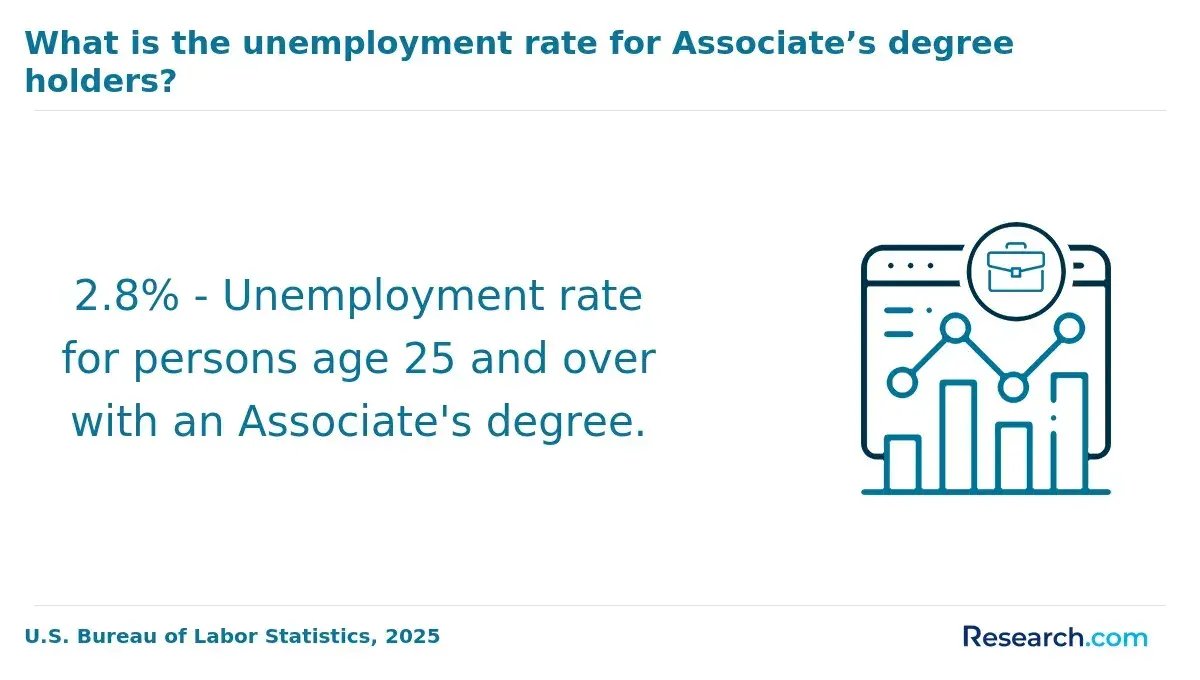
Nominal wage increases in English as a Second Language-related occupations have generally failed to keep pace with inflation, resulting in a decline in real earning power. The U.S. Bureau of Labor Statistics reports that wages for adult literacy and remedial education teachers, many of whom work in ESL instruction, rose roughly 3.5% over the past year. However, with inflation running around 4.2%, the purchasing power of these salary gains has shrunk, meaning that even though paychecks appear larger on paper, the actual economic value they represent has diminished. This gap highlights the critical difference between nominal salary growth and real wage growth, which is the measure most relevant to the quality of life and financial stability of educators.
Consider a prospective ESL instructor who completes certification after exploring affordable 1 year degree programs. While their degree and certification open doors to teaching roles, the incremental salary increase may not cover the cost of living adjustments or rising tuition debt in many regions. Additionally, disparities in economic conditions across metropolitan versus rural areas influence whether wages catch up to inflation, often leaving educators in less affluent locations financially strained. Those evaluating the long-term financial benefits of an ESL degree must recognize that without salary growth exceeding inflation, the real reward for their skill and effort may remain limited, underscoring the importance of strategic career and financial planning.
How Do Tuition Costs Compare With English as a Second Language Salary Growth?
Evaluating the financial viability of an english as a second language degree requires more than comparing tuition fees or starting salaries alone. Tuition for bachelor's programs focused on ESL has risen roughly 4.5% annually in recent years, surpassing inflation, while entry-level salaries in education and linguistic fields have grown about 2.8% per year, lagging behind educational costs. This gap means students might face increasing debt burdens relative to early earnings, particularly since average tuition exceeds $11,500 per year and starting salaries hover around $42,000 in 2024 according to the U.S. Bureau of Labor Statistics and National Center for Education Statistics data. Assessing tuition against salary growth offers a clearer picture of long-term return on investment, helping prospective students gauge whether income gains will sufficiently offset rising educational expenses over time.
Consider two students: one attending a public university with lower tuition but limited salary growth prospects, and another enrolled in a private institution with higher costs but potentially higher mid-career wages nearing $55,000 to $60,000. The former may struggle more with loan repayment despite paying less upfront, while the latter faces greater short-term financial pressure but might recoup costs faster through salary progression. Regional differences, types of institutions, and whether students finance education via loans add layers of complexity to this decision. Understanding how tuition inflation compares to actual salary trends unveils critical tradeoffs in financial planning, emphasizing the importance of scholarships, cost management, and realistic expectations about post-graduation earnings.
After completing her english as a second language degree at a regional public college, one graduate found herself weighing repayment options cautiously. She noted that while her tuition was more affordable than peers attending private schools, the entry-level salary she received made monthly loan payments tight and required strict budgeting. "I hesitated before committing to additional certifications because I wasn't sure the extra costs would lead to enough salary increase," she reflected. It wasn't until a few years into her career, with incremental raises and part-time tutoring income, that she felt more confident her education would pay off in the long run-highlighting how financial outcomes can unfold unevenly and hinge on individual circumstances beyond headline tuition and salary figures.
Does a English as a Second Language Degree Deliver a Positive Return on Investment?
Return on investment (ROI) in higher education measures how the cost of obtaining a degree compares to the long-term financial benefits and career opportunities it provides. For an English as a second language degree, this means balancing rising tuition expenses against the potential to earn more over time and advance professionally rather than focusing solely on initial salaries. Data from the National Center for Education Statistics and the Bureau of Labor Statistics in 2024 shows that while entry-level ESL teaching positions often pay slightly above the median for education jobs, wage growth tends to lag behind the increasing costs of the degree and inflation, which can limit immediate financial gains.
Consider a recent graduate who has completed an ESL degree but only holds basic certification. Despite securing a teaching role, stagnant wages and mounting student debt repayments can delay achieving a positive ROI. Conversely, professionals who invest in additional credentials such as TESOL certification or gain specialized experience in international or K-12 environments tend to access higher-paying roles, including administrative or leadership positions, which better offset their educational costs over time. Studies from the RAND Corporation and the American Academy of Arts & Sciences confirm that these advanced qualifications significantly improve the financial returns of an ESL degree by opening doors to more lucrative career paths.
Ultimately, achieving a positive return on investment with an English as a second language degree depends heavily on the individual's ability to leverage continued professional development and strategically pursue higher-level opportunities. Factors such as tuition inflation, prevailing wage trends, and the credential's market relevance must be taken into account. Prospective students should weigh the immediate financial commitment against long-term earning potential and job stability in the ESL field, recognizing that outcomes will vary based on economic conditions and personal career decisions.
Which Industries Offer the Highest Salaries for English as a Second Language Graduates?
Salary potential for English as a Second Language graduates varies significantly by industry, influenced by factors such as specialization, employer type, and geographical location. Data from the Bureau of Labor Statistics and education-focused research institutions highlights sectors where pay scales consistently outperform others. These industries not only offer higher salaries but also diverse career roles, ranging from academic instruction to corporate training and healthcare communication. Understanding these distinctions helps ESL graduates align their skill sets with industries providing both financial and professional growth. Below is an overview of the highest paying industries for English as a Second Language graduates.
- Higher Education: This sector is among the most lucrative due to the advanced degrees required and the demand for faculty and instructors at universities with specialized ESL programs. Positions here often include curriculum development and research roles, which reward expertise in academic English and pedagogical methods.
- Corporate Training and Consulting: With globalization driving the need for enhanced communication, companies pay premium salaries to ESL-trained professionals who design and deliver workplace language training. These roles frequently offer bonuses related to performance and contract achievements, rewarding practical impact on workforce productivity.
- Healthcare Communication: ESL graduates specializing in medical language and cultural competency training find opportunities in hospitals and healthcare providers. These roles are critical for effective patient care and legal compliance, resulting in higher compensation tied to the complexity and urgency of healthcare settings.
- Private Language Institutes: Institutes focusing on business English or certificate programs in metropolitan areas with multinational firms provide competitive pay. In these urban centers, instructors often leverage their expertise in professional English and cross-cultural communication to command better salaries.
- Government and Nonprofit Agencies: Though these sectors tend to have moderate salaries, they offer stability and meaningful work related to immigration and community services. Roles usually require strong cultural sensitivity and program coordination skills, balancing pay with benefits and advancement potential.
- Technology and E-Learning: Increasing demand for online ESL education leads to emerging opportunities in digital content creation, curriculum design, and virtual instruction. Graduates who combine language expertise with tech skills often see higher earnings and flexible employment options.
- Legal and Immigration Services: Specialized ESL professionals supporting translation and interpretation services in legal contexts command premium wages due to the high stakes of accurate communication and compliance.
According to recent salary trend analysis in English as a Second Language salary trends by industry, graduates entering higher education, corporate training, and healthcare communication sectors have the highest earning potential. For those seeking accelerated paths, pursuing an accelerated nutrition degree or similar complementary qualifications can also open interdisciplinary opportunities that enhance both income and career stability.
Which States and Cities Offer the Highest Pay for English as a Second Language Professionals?
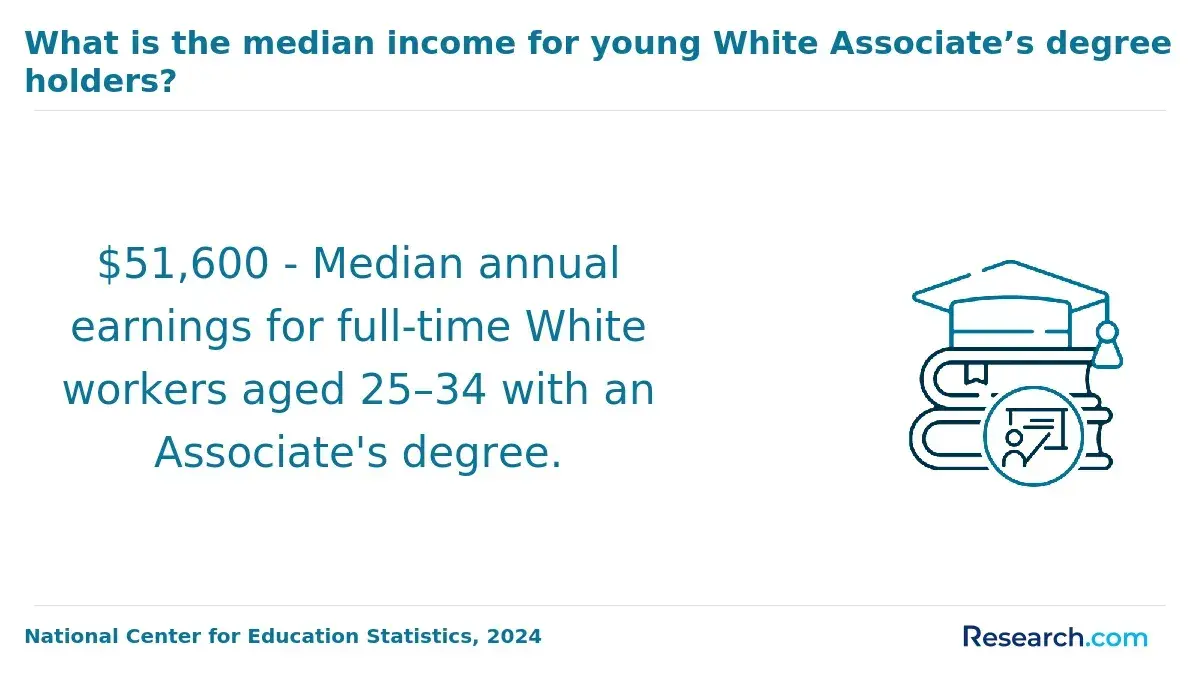
Compensation for English as a Second Language professionals varies significantly depending on location, shaped by local demand, industry presence, and cost of living. According to the U.S. Bureau of Labor Statistics and 2024 data from the National Center for Education Statistics, states and metropolitan regions with large immigrant populations and robust education sectors tend to offer the highest wages. However, these higher salaries often correlate with elevated living expenses and certification costs, which can offset apparent earnings. Choosing a location for training or work requires balancing salary potential against these economic realities. Below are key states and cities leading in compensation for ESL professionals:
- California: Home to major metropolitan areas like San Francisco and Los Angeles, California offers top-tier ESL wages, frequently exceeding $70,000 annually. The state's large immigrant communities and numerous universities fuel demand, but aspiring professionals should consider California's high living costs and often steep tuition fees for certification programs.
- New York City: The NYC metropolitan area provides competitive ESL salaries, reflecting its dense immigrant population and strong education infrastructure. Salaries here align with the city's elevated living costs, necessitating a careful assessment of whether higher wages sufficiently offset expenses.
- Massachusetts: Centered on Boston, Massachusetts supports ESL instructors with solid pay supported by a thriving higher education ecosystem and substantial adult education demand. While educational opportunities abound, prospective candidates must factor in significant living and tuition expenses typical of the area.
- Washington (Seattle): Emerging as a tech-driven ESL employment hub, Seattle offers growing opportunities and competitive wages tied to the expanding international workforce. Although salaries increase, candidates should weigh the city's rising housing costs and certification expenses.
- Virginia (Northern Virginia): Benefitting from proximity to federal agencies and tech companies, Northern Virginia presents strong ESL job growth with higher salaries. However, the region's cost of living and program tuition can erode net financial gain, calling for a thorough cost-benefit analysis.
For example, an ESL graduate pursuing certification and employment in San Francisco might earn a premium salary yet face substantial rent and tuition burdens. Conversely, a professional working in a lower-paying but more affordable state could achieve better net financial stability despite smaller gross income. This nuance is crucial for realistic career and financial planning in the field.
How Do English as a Second Language Salaries Grow Throughout a Career?
Initial salaries for English as a Second Language teachers usually range between $40,000 and $50,000, although this varies by location, institution type, and credentials. As educators gain experience-around eight to fifteen years in-the average salary typically climbs to between $55,000 and $70,000, driven primarily by professional development, advanced certifications, and leadership roles. Long-term growth beyond this point tends to plateau, especially in public education systems with fixed pay scales, where senior educators and program directors earn from $75,000 to $95,000 or more. Data from the U.S. Bureau of Labor Statistics and the Modern Language Association in 2024 highlight that while salaries do grow steadily, inflation and rising educational costs may outpace these increments, pressuring professionals to pursue continuous learning or administrative positions to maintain financial progress.
Consider two graduates entering the ESL field with identical degrees: one remains in a community college teaching position, while the other pursues a master's degree and administrative certification. After a decade, the first may see only modest salary increases tied to seniority, earning near the mid-career average. In contrast, the latter might advance into a curriculum coordinator or department lead role, surpassing the $70,000 threshold sooner with more consistent raises. This divergence illustrates the significant impact of proactive career moves and credential upgrades on salary trajectory, as outlined by research from the National Center for Education Statistics. Ultimately, willingness to seek additional qualifications and diversify job responsibilities often marks the difference between moderate and substantial wage growth in this profession.
One ESL graduate recalled hesitating to invest time and money into a master's program after several years of teaching at a public high school. Facing stagnant wages and increased personal expenses, the decision to pursue further education and certification was urgent yet daunting. Eventually, by transitioning into a program specialist role, the graduate found salary growth that not only caught up with inflation but also opened opportunities for leadership, validating the challenging mid-career choice to invest in deeper specialization despite immediate financial strain.
How Do English as a Second Language Salaries Compare With Similar Degrees?
English as a Second Language (ESL) salaries generally position themselves within a moderate earning range when compared to degrees in related education fields. However, real earning potential must be assessed beyond surface-level figures, especially given rising tuition costs and inflation pressures. While the ESL salary median is respectable within education, graduates often face tradeoffs when weighing similar degree programs that may lead to different opportunities and income scales. The following points illustrate how ESL salaries compare to closely aligned degrees based on data from respected national education and labor sources.
- General Education: This field typically yields higher median salaries than ESL, with postsecondary general education teachers averaging $65,000 annually versus about $60,000 for ESL educators. General education's broader applicability and higher workforce demand partly explain this premium, though career paths overlap significantly.
- Foreign Language Teaching: ESL graduates entering K-12 settings earn starting salaries comparable to foreign language instructors, generally around $45,000 to $50,000 depending on region. Both fields share similar instructional environments, but geographic and district economic factors heavily influence pay scales.
- Linguistics and Applied Linguistics: Graduates in linguistics often command higher salaries-around $70,000-especially in research or specialized roles requiring advanced degrees. These roles can offer better long-term earnings but usually demand additional qualifications beyond the typical ESL training.
- STEM Fields: Although less directly related, STEM disciplines consistently provide much higher salary medians, about $90,000, due to stronger industry demand and funding. For students comparing ESL with fields like computer science or engineering, the wage gap reflects both skill specialization and labor market dynamics.
For prospective students weighing these options, understanding how English as a Second Language salary comparison by degree factors into career planning is crucial. Some may find better financial returns in fields like linguistics or general education, while others prioritize roles closely tied to ESL instruction. Exploring related salary outlooks-such as the sports analytics salary-can also offer additional perspectives on education investment decisions.
Ultimately, ESL graduates earnings versus similar education fields present a nuanced picture. Salaries remain competitive in education but often lag behind emerging roles requiring fewer years of study or higher technical expertise. Students should carefully consider these trends alongside personal career goals and the evolving job market.
How Is Employer Demand Affecting English as a Second Language Salary Trends?
Employer demand for English as a Second Language educators exerts a significant influence on salary trends by shaping competition for qualified candidates and guiding organizational hiring and compensation strategies. For example, in metropolitan areas experiencing rising immigration, school districts face increasing pressure to fill ESL roles, often leading to more aggressive salary offers to attract candidates with advanced certifications or mastery degrees. Nevertheless, even in high-demand regions, wage growth can be tempered by tight budgets, especially within public schools and nonprofits, causing salaries to lag behind rising tuition and inflation. According to the U.S. Bureau of Labor Statistics 2024 data, demand for ESL educators is expanding steadily, but wage increases remain modest, reflecting the complex interplay of economic forces in the education sector.
Several factors shape employer demand, including demographic shifts, local immigration patterns, and sector-specific funding levels. This variability means that ESL salary growth is uneven across states and institutions, with some areas experiencing robust increases while others see stagnant pay. Experience, specialization, and economic conditions also critically impact earnings, so a candidate's long-term salary potential depends on more than demand alone. Prospective students and career changers should weigh these dynamics carefully, especially in light of rising tuition expenses. For those considering related educational pathways, programs like the medical billing and coding certificate online accelerated may offer alternative routes with different labor market characteristics.
In sum, while strong employer demand for English as a Second Language skills tends to support faster wage growth, the reality is nuanced. The National Center for Education Statistics 2024 report highlights that many ESL professionals continue to experience wage pressures due to budget constraints and increasing education costs, making it essential for students to assess whether the investment in an ESL degree aligns realistically with their expected earnings trajectory.
How Can Students Maximize Their Lifetime Earnings With a English as a Second Language Degree?
Strategic choices during and after earning an english as a second language degree significantly influence lifetime earnings, according to 2024 data from the U.S. Bureau of Labor Statistics and the National Center for Education Statistics. Higher qualifications and specialized skills consistently correlate with stronger salary growth. For instance, someone who attains a master's degree and gains experience in corporate training can often out-earn peers limited to entry-level teaching roles. Below are key strategies that enable graduates to capitalize on these trends for sustained income growth.
- Advanced Degrees: Pursuing master's or doctoral programs in linguistics or applied linguistics opens doors to higher-paying roles in academia and leadership. Data shows these credentials markedly increase earning potential compared to a bachelor's degree alone.
- Specialized Sectors: Focusing on corporate training, government language services, or healthcare interpretation meets growing demand where compensation is above average. Internships here build valuable networks and experience.
- Bilingual Proficiency: Mastery of multiple languages enhances marketability in diverse workplaces, directly impacting salary offers and job stability.
- Technology Integration: Skills in digital language tools and educational technology meet evolving employer needs and position graduates to design innovative curricula.
- Geographic Mobility: Relocating to metropolitan areas with diverse populations increases access to well-compensated positions due to higher demand and funding.
- Professional Portfolio: Publishing research or demonstrating innovative ESL methodologies differentiates candidates and supports negotiating leverage over time.
References
- the growing demand for english in the professional - Journals https://www.wosjournals.com/index.php/pteconf/article/download/1840/2415
- ESL Teacher Salary | ELL Teacher Salary https://www.eslteacheredu.org/salaries/
- ESL Teaching Careers: Explore Worldwide Opportunities https://teflinstitute.com/blog/esl-teacher-career-pathways-guide/
- ACTFL | Making Languages Our Business https://www.actfl.org/advocacy-and-public-education/making-languages-our-business
- Bilingual Employees Earn 19% More in 2026 (New Data) https://fluentcap.live/blog/multilingual-career-advantage-2026/
- Benefits of Degrees in English as a Second Language | AllEducationSchools https://www.alleducationschools.com/teaching-degrees/english-as-a-second-language/
- Why It Pays to Be Bilingual - LTI Blog https://www.languagetesting.com/blog/why-it-pays-to-be-bilingual/
- How Much Do English Teachers Earn Abroad? https://travelbud.com/travelbud-blog/how-much-do-english-teachers-earn-abroad
- In-Demand Jobs for English Degree Holders | OEd https://oed.com.ph/top-10-careers-for-english-major-graduates/
- The ESL industry and wage ratios https://www.ajarn.com/blogs/ajarn-street/the-esl-industry-and-wage-ratios
Other Things You Should Know About English as a Second Language
The design and duration of ESL programs can directly impact both earning potential and job demands. Intensive programs may increase tuition costs without significantly improving immediate salary outcomes, as employers often prioritize practical teaching experience over program length. Prospective students should weigh shorter, skill-focused certifications against extended degrees, focusing on programs that integrate real classroom hours to enhance job readiness and justify the cost.
Teaching ESL abroad often offers lower base salaries but may include benefits such as housing and travel stipends, reducing living expenses and enabling savings. Domestically, salaries tend to be higher but come with higher living costs and more competitive job markets. Choosing between the two depends on long-term career goals; those prioritizing salary growth and professional networking should lean toward domestic roles, while those valuing cultural exposure and lower upfront costs might consider international positions.
Employers increasingly expect ESL professionals to possess specialized certifications like TESOL or additional teaching credentials, which can delay entry into higher-paying positions but tend to yield better wage growth over time. Without these credentials, teachers may accept lower-paying roles with heavier workloads and limited advancement options. Prioritizing certification can be a strategic investment, especially for those targeting sustained earnings growth and leadership roles.
Programs offering job placement assistance can considerably ease the transition from education to employment, potentially enhancing early salary offers and reducing underemployment risk. However, such programs may carry higher tuition costs that must be weighed against the likelihood of securing a well-paid position. For students with limited industry connections, prioritizing these resources often produces better long-term financial results despite higher upfront expenses.