2027 Art Education Salary Trends Report: Are Wages Keeping Up With Tuition and Inflation?

Co-Founder and Chief Data Scientist
A prospective art education student faces a difficult question: does pursuing this degree provide a worthwhile financial return when tuition costs and inflation continue to rise? Weighing the immediate expense of higher education against potential future salaries requires more than a simple comparison of numbers. Inflation erodes purchasing power, while tuition and salaries increase at uneven rates, complicating any analysis of value.
Salary growth for art education graduates often lags behind rising costs and inflation, making it crucial to consider long-term earning potential rather than initial salary figures alone. Understanding how tuition, inflation, and wages interact sheds light on affordability and return on investment over time. This article examines these salary trends alongside education expenses and economic factors to evaluate the financial prospects tied to an art education degree.
Key Things to Know About Art Education Salary Trends
- Average starting salaries for art education graduates have stagnated near $45,000 despite a 10% tuition increase since 2020, eroding initial return on investment amid persistent inflation.
- Long-term earning potential strongly correlates with geographic location and additional certifications, emphasizing the need for strategic career planning beyond degree completion.
- Research in 2024 shows that integrating digital arts skills can increase salary offers by up to 15%, highlighting a growing skill premium affecting future income trajectories.
- Key Things to Know About Art Education Salary Trends Key Things to Know About Art Education Salary Trends
- What Is the Current Salary Outlook for Art Education Graduates? Salary Outlook
- Are Art Education Salaries Keeping Up With Inflation? Inflation Impact
- How Do Tuition Costs Compare With Art Education Salary Growth? Tuition vs Salary
- Does a Art Education Degree Deliver a Positive Return on Investment? Degree ROI
- Which Industries Offer the Highest Salaries for Art Education Graduates? Which Industries Offer the Highest Salaries for Art Education Graduates?
- Which States and Cities Offer the Highest Pay for Art Education Professionals? Which States and Cities Offer the Highest Pay for Art Education Professionals?
- How Do Art Education Salaries Grow Throughout a Career? Career Growth
- How Do Art Education Salaries Compare With Similar Degrees? Salary Comparison
- How Is Employer Demand Affecting Art Education Salary Trends? Employer Demand
- How Can Students Maximize Their Lifetime Earnings With a Art Education Degree? Maximizing Earnings
What Is the Current Salary Outlook for Art Education Graduates?
The 2024 salary outlook for art education graduates indicates modest earnings that are unevenly distributed across different roles and regions. According to the U.S. Bureau of Labor Statistics, art, drama, and music teachers in elementary and secondary schools earn an average of about $60,000 annually, but this figure masks significant variation. For instance, two graduates with identical degrees may face distinct outcomes: one employed in a well-funded urban public school might earn closer to $70,000 with experience, while another teaching in a rural or private setting could see salaries dipping below $50,000. These variations reflect disparities in school funding, geographic location, and the employment sector, which prospective art education professionals must consider carefully.
Analyzing average earnings for art education graduates alongside inflation reveals a challenging financial environment. Wage growth for these educators has largely stagnated at around 2% per year, which often lags behind the increasing cost of living-particularly in metropolitan areas where inflation exceeds 3%. This gap effectively reduces real income over time, making supplementary income sources common for teachers outside public schools. However, art education remains a field with stable demand, driven by increased emphasis on creative learning, which can open paths not only in teaching but also in administration, curriculum design, or specialized roles like art therapy. For those weighing the cost of their degree, exploring options such as online programs for healthcare administration or related fields might provide alternative pathways with differing financial prospects.
Long-term career progression is pivotal in interpreting these salary trends. Entry-level salaries provide a baseline, but advancement opportunities can significantly impact lifetime earnings. Strategic decisions about location, sector, and professional development influence future compensation and job security. Given the evolving educational landscape and economic pressures, graduates should align their expectations with broader job market dynamics and potential for growth rather than focusing solely on initial earnings. Understanding these factors can help art education students and career changers make informed choices about how their degree fits with their financial ambitions and lifestyle goals.
Are Art Education Salaries Keeping Up With Inflation?
Nominal wage increases in art education-related roles have hovered between 2% and 3% annually, while inflation rates have surged approximately 6% per year in recent data from the U.S. Bureau of Labor Statistics. This divergence means that despite small pay raises, the real earning power of many art education professionals is effectively eroding, reducing their purchasing power over time. For instance, an art teacher earning a 3% raise may still feel financially strained as the rising costs of housing, transportation, and essentials outpace their salary growth. Such a scenario highlights an important disconnect where salary increments do not automatically translate into improved financial wellbeing, especially in sectors sensitive to inflation like education.
The trend of art education salary trends versus inflation stems from factors beyond just economics; limited funding priorities and perceptions around the field's direct economic impact shape compensation patterns. Additionally, as tuition costs for art education degrees climb faster than inflation-often by 8% to 10% annually-the financial compromise widens for students who may graduate with debt without seeing proportional wage gains. Career changers and students weighing these aspects must consider whether the lifelong financial trade-offs align with their passion, potentially seeking supplemental skills that offer more competitive earnings. Comparing these realities with other disciplines, such as STEM, where higher demand drives stronger salary growth, gives a clearer view of economic incentives and constraints in education fields.
Those evaluating the value of an art education degree should also explore alternative career paths and resources such as the 20 careers in biology salary data, which can offer insight into broader workforce trends and sectors with more robust income growth. Balancing passion for teaching and creative work with pragmatic financial considerations remains key, as real wages in art education roles have largely stagnated or lagged behind inflation, limiting long-term earning potential and financial security.
How Do Tuition Costs Compare With Art Education Salary Growth?
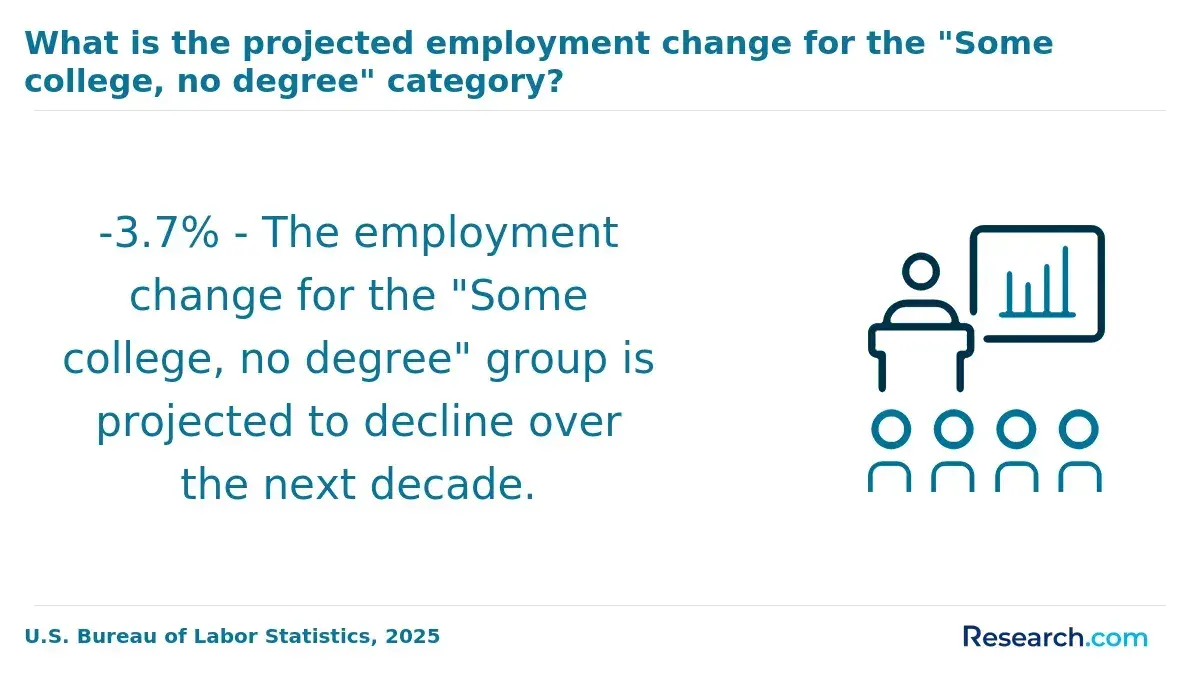
Evaluating tuition expenses alongside salary growth reveals a widening gap that challenges the financial viability of an art education degree. Between 2018 and 2023, average tuition at public four-year institutions increased by about 25%, with private schools experiencing over 30% growth, outpacing inflation significantly. In contrast, median salaries for early-career art education graduates rose by only around 10% during the same period, according to data from the National Center for Education Statistics and the Occupational Employment and Wage Statistics survey. This disparity indicates that the return on investment is eroding; graduates entering the job market face tuition debts that climb faster than their ability to repay through modest salary increments.
Considering these trends in tandem provides a clearer lens for financial planning than examining costs or earnings separately. For example, a recent graduate from a mid-tier public university may have expected to manage student loans comfortably on an early-career salary of approximately $45,000. However, with tuition outpacing salary growth, the resulting monthly payments might strain budgets and limit discretionary spending or savings differently compared to a student who began studies before tuition hikes accelerated. Factors such as geographic location, job placement in public schools with capped salaries, and personal financial support significantly affect how these economic pressures manifest. This nuanced view encourages prospective students to weigh financial risks alongside passion and alternative income strategies carefully.
One art education graduate recalled hesitation before committing to a second bachelor's degree amid soaring tuition. Balancing a day job and night classes, she noted tuition had jumped since her peers' earlier enrollments, forcing her to take on more loans despite similar salary prospects post-graduation. Though passionate about teaching, the financial strain led her to seek part-time tutoring to supplement income and explore loan forgiveness programs. This experience highlighted how tuition growth can disproportionately impact those starting later or changing careers, underscoring the importance of evaluating both costs and potential earnings realistically before investing in an art education degree.
Does a Art Education Degree Deliver a Positive Return on Investment?
Return on investment (ROI) in higher education means weighing the total cost of obtaining an art education degree-including tuition and living expenses-against the potential long-term earnings, career stability, and professional development opportunities it creates. For example, a graduate starting as a full-time art educator with a median salary near the national average might face tuition debts that rise faster than their early wages. This disparity challenges the straightforward financial payoff of the degree, especially since data from the National Center for Education Statistics and Georgetown University in 2024 show that median salaries for art education graduates typically lag behind those in higher-paying STEM or business fields.
However, ROI should not be measured solely by immediate salary outcomes. Many art education graduates benefit from broader career flexibility, job satisfaction, and community impact, which offer non-monetary returns that contribute to overall value. The rising cost of tuition, which often outpaces wage growth within this field, remains a key factor influencing the financial viability of pursuing art education. Specialized certifications or advanced qualifications can improve earning potential, yet growth remains modest relative to inflation, underscoring the importance of evaluating local job markets and personal career goals when considering this degree.
Ultimately, the financial ROI of an art education degree varies widely depending on individual circumstances and regional economic conditions. Government labor reports from 2024 indicate that while salaries in art education programs have experienced modest increases aligning roughly with inflation, students should anticipate a longer timeline to recoup educational expenses compared to other disciplines. Those prioritizing intrinsic rewards alongside career earnings may find the investment worthwhile, but prospective students must carefully balance upfront costs with long-term economic and personal benefits to make an informed decision.
Which Industries Offer the Highest Salaries for Art Education Graduates?
Art education graduates face a complex landscape when it comes to identifying industries that deliver the highest salaries and strongest long-term prospects. The best-paying opportunities tend to arise in fields where creative skills intersect with specialized knowledge or administrative expertise. Realistically, graduates need to weigh factors such as job stability, opportunities for advancement, and the potential to develop niche skills that command higher compensation. For example, an art educator who transitions into museum curation or postsecondary teaching often leverages both pedagogical and domain-specific expertise, resulting in higher earnings than standard K-12 roles. Below are key industries that typically offer the highest salaries for art education graduates:
- Postsecondary Education: Institutions like universities and specialized art colleges pay art, drama, and music teachers significantly more than K-12 schools. This premium reflects the advanced specialization required and access to research funding or grants. Graduates who pursue advanced degrees often open doors to these more lucrative academic positions.
- Museums and Cultural Institutions: Roles such as curators, education coordinators, and program managers blend educational expertise with administrative and curatorial skills. These positions tend to offer higher salaries compared to traditional classroom settings due to their complexity and public engagement responsibilities.
- Private Arts Organizations and Nonprofits: These employers often pay more than public schools, especially for professionals managing arts outreach programs. Salaries may also include benefits tied to grant administration and fundraising, requiring a combination of creative, educational, and organizational abilities.
- Corporate Training and Development: Some corporations value art education professionals for creative training workshops and educational content development. These roles benefit from a strong blend of instructional skills and business acumen, providing competitive wages, especially in companies with robust learning and development departments.
- Specialized Art Schools: Fine arts schools often offer higher pay than traditional education settings due to the specialized skills required. Instructors here typically teach advanced studio art or theory courses, attracting students with serious interest in professional art careers.
According to 2024 data from the U.S. Bureau of Labor Statistics, median annual wages for postsecondary art, drama, and music teachers surpass those of K-12 educators by a considerable margin. For art education graduates aiming to offset rising tuition and inflation, targeting industries such as postsecondary education and cultural institutions can be particularly strategic. Those exploring alternative pathways may also consider programs like the CMA to LPN bridge program online to diversify their qualifications and income potential in related fields.
Which States and Cities Offer the Highest Pay for Art Education Professionals?
Geographic location plays a pivotal role in shaping earning potential for art education professionals in 2024. While certain states and metropolitan areas provide markedly higher salaries, these financial advantages often align with elevated costs of living and tuition fees that temper net gains. For new graduates or those switching careers, understanding where wage premiums outweigh added expenses is critical. Below is an analysis of key regions offering some of the highest pay, paired with practical considerations for weighing salary against affordability and opportunity.
- California: Consistently ranking among the top-paying states, California's higher wages for art educators reflect strong public support for arts programming and a large, diverse educational system. Cities like Los Angeles and San Francisco drive demand, yet the state's steep housing costs require candidates to realistically assess whether salary increases can offset daily living expenses.
- New York: New York state, especially New York City, offers art education salaries often exceeding the national median by 25-30%. Demand is fueled by a dense network of schools and cultural institutions, though the cost of living and high rent in metro areas can absorb much of these earnings, challenging the financial outlook for recent graduates.
- Massachusetts: With strong funding for public and private education, Massachusetts supports competitive wages for art education professionals. Boston's prominence as an educational and cultural hub boosts opportunities, though candidates should balance salary with the region's pricey housing market and student debt levels.
- Washington, D.C. Metro Area: This region combines federal investment in education and a concentration of arts organizations that create robust employment for art educators. Salaries are comparatively high, but elevated costs for housing and commuting underscore the need for comprehensive budget planning.
- Chicago, Illinois: Chicago offers moderately high wages linked to its extensive public school system and vibrant arts scene. Lower living costs relative to coastal metros enhance the practical value of salaries, making it an attractive option for those prioritizing stability over top-dollar pay.
- Seattle, Washington: Seattle's growing arts environment and investments in education lead to competitive pay rates. The tech-driven economy indirectly supports wage growth, though rising living expenses mean educators must carefully evaluate net benefits.
- Boston, Massachusetts: As a city with numerous universities and arts organizations, Boston sustains strong demand and better-than-average pay for art educators. The tradeoff involves high housing costs and living expenses, which can challenge recent entrants balancing debt with income.
How Do Art Education Salaries Grow Throughout a Career?
Salary growth in art education generally begins at a modest level, with entry-level educators earning median annual salaries between $42,000 and $50,000, according to 2024 data from the U.S. Bureau of Labor Statistics. As professionals accumulate experience, obtain advanced degrees, or earn certifications, they often see salary increases around 15% to 25% within the first decade. However, these gains tend to slow significantly after 15 to 20 years, partly due to pay scales that plateau within many public school systems. Individuals who choose to pursue roles in higher education or arts administration-where starting salaries often begin near $60,000 and can rise beyond $85,000-may experience more substantial income growth over time.
Consider two graduates with an art education degree: one remains a secondary school art teacher, advancing through seniority steps and eventually earning extra pay as department chair; the other pursues a master's degree and transitions into postsecondary teaching or consultancy. Despite starting close in salary, the latter may outpace the former in earnings by leveraging advanced credentials and broader career options. Key factors influencing long-term salary increases include geographic location, level of education, institutional type, and additional roles or leadership positions. While experience and certifications contribute to wage growth, rising tuition and inflation often hinder these gains from fully balancing living costs.
One art education graduate reflected on the challenges of salary progression early in their career: "After five years, I was hopeful that earning my master's would open doors to better pay, but the increase was modest compared to the extra time and cost invested." Feeling the financial pressure, they hesitated before committing to leadership roles in their district, weighing if the incremental pay justified the added workload. Later, shifting to freelance arts consulting alongside teaching provided more flexible income streams, offering relief from the stagnant salary trend in traditional school settings.
How Do Art Education Salaries Compare With Similar Degrees?
Evaluating art education salary comparison with related degrees reveals subtle but important distinctions in earning potential and career paths. Median salaries for art education graduates typically range between $50,000 and $60,000 within five years of graduation, according to 2024 data from the U.S. Bureau of Labor Statistics and the National Center for Education Statistics. However, comparing these figures to similar fields highlights factors like job market size, alternative income opportunities, and regional wage growth that influence long-term financial outcomes. Below are key differences among related education degrees that clarify these earning dynamics.
- General Education: Graduates often earn between $55,000 and $65,000, benefiting from larger school districts and more diverse teaching opportunities. This broader market usually translates to steadier salary increases and less income volatility compared to art education.
- Music Education: Median salaries align closely with art education graduates, typically in the same $50,000-$60,000 range. However, music educators frequently supplement income through performances and private lessons, providing additional financial stability that art education careers may lack.
- Fine Arts: Artists pursuing professional careers face highly variable incomes, often below median teaching salaries. While some successful artists exceed typical educational salaries, many contend with income instability, making fine arts a higher-risk financial path.
- Regional Wage Growth: Real wage increases for art education graduates have stagnated or declined in some areas, challenging students to weigh tuition costs against modest earning growth. Inflation-adjusted earnings show art education salaries have not kept pace with rising education expenses, an essential consideration for ROI assessments.
Prospective students mindful of these complexities might also explore options like the cheapest PMHNP certificate programs, which could represent a strategic alternative in balancing passion with financial viability.
How Is Employer Demand Affecting Art Education Salary Trends?
Employer demand directly influences salary trends in art education by creating competitive pressure among institutions to attract qualified professionals. For example, urban and diverse school districts facing shortages of specialized art educators often raise wages or offer incentives to fill vacancies quickly. According to the U.S. Bureau of Labor Statistics Employment Projections for 2024, growth in art education jobs is modest compared to other education sectors, which limits widespread salary increases. This dynamic illustrates how employer demand impacts hiring activity and compensation strategies, as institutions with limited budgets must balance enrollment pressures and labor market realities.
Key factors shaping employer demand include regional demographics, budget allocations, and curricular emphasis on arts within K-12 and higher education. Areas experiencing stronger demand tend to see faster wage growth, although this is moderated by experience levels, specialization, and economic conditions. For instance, while specialized art educators in certain districts can command higher pay, overall salary trends struggle to keep pace with inflation and rising tuition costs, as noted by research from the National Center for Education Statistics and the American Educational Research Association. Prospective students should consider these employer demand impacts alongside financial factors when assessing the long-term value of an art education degree. Exploring options like a quickest medical billing and coding certificate online might offer alternative pathways with different market dynamics and earning potentials.
How Can Students Maximize Their Lifetime Earnings With a Art Education Degree?
Maximizing lifetime earnings with an art education degree requires more than completing coursework; it demands strategic decisions that align with market realities and evolving educational demands. Data from the U.S. Bureau of Labor Statistics and the National Center for Education Statistics highlights that advanced credentials and targeted experience significantly boost earning potential. For instance, an art educator obtaining National Board Certification can realistically increase earnings by up to 25% compared to those holding only a bachelor's degree. The following strategies demonstrate how students can implement practical steps to enhance long-term financial outcomes.
- Advanced Credentials: Pursuing master's or doctoral degrees and certifications like National Board Certification can increase salary ceilings. These qualifications distinguish candidates in competitive hiring markets and open access to higher-paying roles.
- Specialized Skills: Developing expertise in digital media, arts administration, or technology integration addresses rising demand for hybrid teaching methods, positioning educators as indispensable in modern classrooms.
- Targeted Experience: Gaining work experience in affluent K-12 schools or prestigious art institutions enhances earning potential as these employers often offer better pay and resources reflective of their budgets.
- Geographic Selection: Choosing to work in metropolitan areas like California or New York correlates with higher median salaries due to strong cultural infrastructures and superior school funding.
- Continuous Professional Development: Engaging in ongoing training, leadership roles, and curriculum design improves job stability and incremental salary increases through recognition of specialized contributions.
- Networking and Leadership: Active participation in professional organizations or school leadership positions cultivates connections and opportunities that often translate into advancement and pay raises.
References
- Does College Pay Off? A Comprehensive Return On Investment Analysis - FREOPP https://freopp.org/whitepapers/does-college-pay-off-a-comprehensive-return-on-investment-analysis/
- Average Cost of College [2025]: Yearly Tuition + Expenses https://educationdata.org/average-cost-of-college
- Artists You Need To Charge More: Income Inflation – Lily Williams https://lilywilliamsart.com/2021/11/15/artists-income-inflation/
- Trainee Art Teacher (Art Technician) Job in London - Grad2Teach Ltd https://www.grad2teach.ac.uk/careers/trainee-art-teacher-art-technician-london-ss_art_br-28938
- Six profitable careers you can get with an art school degree https://www.cca.edu/newsroom/6-highest-paying-careers-you-can-get-art-school-degree/
- Art Teachers Deserve to Earn More Money: 7 Tips to Advocate for Your Pay https://theartofeducation.edu/2026/03/art-teachers-deserve-to-earn-more-money-7-tips-to-advocate-for-your-pay/
- The return on investment from a liberal arts degree https://www.luminafoundation.org/resource/roi-of-liberal-arts-colleges/
- The price of college is rising faster than wages for people with degrees | USAFacts https://usafacts.org/articles/is-college-worth-it-the-price-of-college-is-rising-faster-than-wages-for-people-with-degrees/
- The Return on Investment in Education https://www.mytutor.com/blog/the-return-on-investment-in-education
- Do increases in public sector wages affect inflation? :: Public Sector Economics https://www.pse-journal.hr/en/archive/do-increases-in-public-sector-wages-affect-inflation_13377/
Other Things You Should Know About Art Education
Art educators employed in public schools often benefit from more stable salary structures tied to clear pay scales and union protections, while those in private institutions may face less predictable compensation and fewer benefits. This variability means that even with similar qualifications, teachers in private settings might experience wider income fluctuations, impacting long-term financial planning. Prospective art educators should weigh the tradeoff between stability and potentially different teaching environments when considering employment paths.
Many art teachers report significant increases in workload beyond classroom instruction, including managing art clubs, exhibitions, and administrative tasks. These added responsibilities often go uncompensated but contribute to teacher burnout and can diminish the effective hourly wage. Recognizing this dynamic is crucial for educators when assessing job offers and negotiating salary or workload, as the true cost is not just base pay but the total time and effort required.
Programs emphasizing practical training, internships, and community engagement better prepare art education graduates for the demands of real classrooms and can enhance job readiness, improving employment stability. Given that wages have not proportionally kept pace with tuition increases, investing in hands-on experience often yields better long-term value than simply attending a more expensive but less immersive program. Prioritizing experiential learning can bridge the gap between education costs and future earning potential.
Certification renewals and mandatory continuing education add ongoing expenses that are rarely reflected in salary increases, effectively eroding net income over time. Art educators must factor these recurring costs into their career calculations, as initial salary figures can be misleading without considering professional development expenditures. Strategically selecting certification programs and seeking employer support for these costs can mitigate financial strain and improve sustainability in the field.