2027 Health Communication Degree Master's Programs with GRE Waivers: Who Qualifies & How to Apply

Co-Founder and Chief Data Scientist
Prospective students seeking master's degrees in health communication often face the barrier of GRE requirements, limiting access for many qualified applicants. Recent data show that over 40% of graduate programs in related fields have adopted GRE waivers, responding to concerns about standardized test biases and widening diversity. Despite this shift, candidates remain unclear about who qualifies for waivers and how to navigate application processes without GRE scores. This article addresses these challenges by explaining eligibility criteria, institutional policies, and offers practical guidance. It equips readers with the knowledge to select suitable programs, avoid pitfalls, and submit competitive applications for health communication master's programs with GRE waivers.
Key Things to Know About Qualifying for Health Communication Degree Master's Programs with GRE Waivers
- Applicants with strong academic records, relevant professional experience, or advanced degrees often meet eligibility criteria for GRE waivers in health communication master's programs.
- Application procedures typically require submitting a formal waiver request with supporting documents, such as transcripts or resumes, during the admission process.
- Institutional policies vary but commonly consider factors like graduate GPA thresholds, healthcare work experience, or demographic diversity to grant GRE exemptions.
What Are GRE Waivers, and Why Do Health Communication Master's Programs Offer Them?
GRE waivers are increasingly important for applicants aiming to join health communication master's programs, as they can ease the application process by removing the need for standardized test scores. Understanding why these waivers exist helps candidates make informed decisions about where and how to apply, saving time and effort while enhancing their admissions strategy. A significant trend shows that nearly 40% of graduate programs in the United States waived the GRE requirement in 2021. Key factors behind this change can be summarized as follows:
- Historical Role in Health Communication: The GRE traditionally served as a standardized tool to assess verbal, quantitative, and analytical writing skills, enabling graduate programs to compare applicants from diverse academic backgrounds objectively.
- COVID-19 Policy Shifts in Health Communication: The pandemic disrupted testing availability and prompted institutions to adopt more flexible admissions criteria, accelerating the move toward GRE waivers.
- Equity Concerns in Health Communication: Research has highlighted how GRE scores often disproportionately disadvantage underrepresented minorities and low-income applicants, which limits cohort diversity. Waivers support more inclusive admissions.
- Validity Research in Health Communication: Studies question the GRE's effectiveness in predicting success in fields emphasizing interpersonal skills and public health knowledge, motivating programs to consider holistic criteria.
This shift toward GRE waiver benefits for health communication master's programs reflects a broader trend to value academic records, professional experience, and personal statements more heavily. Applicants should assess eligibility criteria carefully and build applications that demonstrate strengths beyond standardized tests. For example, candidates interested in healthcare roles might explore programs connected to a certified medical assistant program as part of their professional development.
What Is the Minimum GPA Requirement for Health Communication Master's Programs with GRE Waivers?
Identifying minimum GPA requirements is crucial when applying for health communication master's programs with GRE waivers, as it helps applicants determine their eligibility early in the process. Enrollment in health communication graduate programs has grown rapidly, increasing competition and raising academic standards nationwide. Below are key points to understand about GPA considerations for programs offering GRE waivers.
- Typical GPA Thresholds: Most programs expect a minimum undergraduate GPA between 3.0 and 3.5 on a 4.0 scale to qualify for GRE waivers, though exact figures vary by school and program focus.
- Institutional Prestige and Concentration: More selective institutions or specialized health communication concentrations may impose higher GPA standards or additional criteria for waiver eligibility.
- Related Degree Considerations: Applicants with degrees related to health communication often face more flexible GPA requirements, recognizing relevant academic background and experience.
- International and Non-4.0 Scale GPAs: Applicants with international transcripts or GPAs calculated on different scales should consult admissions to understand required credential evaluations and conversions affecting eligibility.
- Program-Specific Verification: Since GPA requirements differ widely, prospective students should verify official admissions pages rather than rely solely on average GPA needed to qualify for GRE waiver in health communication graduate degrees.
For students exploring additional pathways in healthcare, obtaining a healthcare management degree online may provide complementary skills and opportunities in the broader health sector.
Which Types of Health Communication Master's Programs Most Commonly Grant GRE Waivers?
For prospective students seeking Health Communication master's programs with GRE waivers, understanding program formats is essential. Different structures influence GRE policies, affecting eligibility and application strategies. National trends reveal that more than 60% of online Health Communication master's programs offer permanent GRE waivers, broadening access for nontraditional students. Consider these key points when evaluating programs:
- Professional and Online Programs Favor Waivers: These formats often emphasize practical skills and seek diverse, working professionals. Their admissions tend to be more flexible, commonly allowing GRE waivers to attract a wider applicant pool.
- Thesis-Based Programs Retain GRE Requirements: Traditional degree tracks focusing on research typically maintain stricter GRE mandates to ensure academic readiness for graduate-level scholarship.
- Temporary vs. Permanent Waivers: Some programs permanently eliminated the GRE, while others introduced temporary waivers during the pandemic, which may now be expired or conditional based on experience.
- Hybrid Program Variability: These programs can have mixed policies; remote students might qualify for waivers more readily than those attending on-site, reflecting varied admissions criteria.
- Confirm Policies Directly: Since GRE waiver rules change often, applicants should always check with admissions offices or program websites for the latest updates to avoid surprises.
One graduate of a Health Communication master's program shared how securing a GRE waiver eased their path significantly. "Applying without the GRE meant I could focus more on showcasing my professional experience and writing samples," they explained. The process involved careful communication with the admissions team to confirm eligibility and gather supporting documents. "It was reassuring to know that the program valued my practical background rather than just test scores," they added, reflecting on how this flexibility helped balance their return to school alongside ongoing work commitments.
Prospective students applying to master's programs in health communication should carefully examine how documented professional experience can substitute for GRE scores. Many programs waive the GRE requirement when applicants demonstrate substantial work history relevant to the field. Below are key factors to consider when assessing or building your case for a GRE waiver based on professional experience:
- Minimum Work Experience: Most programs require between two to five years of full-time employment in roles connected to health communication, public health messaging, or related sectors. This experience must be verifiable and directly linked to the skills needed in graduate study.
- Relevant Job Roles: Positions such as health education specialists, healthcare communication strategists, research assistants for health campaigns, or leadership roles in health program development are typically considered relevant professional work experience in health communication graduate admissions.
- Internship Considerations: Internships can count toward eligibility but are generally accepted only if they exceed basic academic requirements and involve significant responsibilities demonstrating core competencies like audience analysis and message development.
- Verification Documentation: Programs often require detailed résumés, letters from employers, professional references, or LinkedIn profiles that clearly describe duties, achievements, and employment duration. These materials should articulate the depth of expertise and leadership gained.
- Support for Career Changers and Recent Graduates: Applicants with less formal experience can strengthen their waiver request by emphasizing relevant volunteer work, research projects, or internships. Strong letters of recommendation highlighting communication skills and dedication to health topics also enhance eligibility.
Carefully presenting your professional experience demonstrates your preparedness and can significantly impact the success of your application. For candidates seeking affordable alternatives in nursing, exploring cheap nursing programs may also offer valuable insights into related health fields.
When considering GRE waivers for master's programs in health communication, admissions committees often look beyond GPA alone. Various academic achievements reflect an applicant's capability to succeed in graduate coursework and may exempt them from standardized testing requirements. These credentials provide evidence that students have already demonstrated academic rigor at or above graduate level.
Several key factors commonly influence waiver decisions. Below is a list summarizing the most relevant qualifications that can enhance an applicant's profile:
- Prior Graduate Degree: Completing a master's or doctoral degree in any field indicates proven advanced study skills, making additional standardized tests unnecessary.
- Academic Honors and Awards: Graduating with distinctions such as summa cum laude, earning departmental awards, or completing honors theses signal exceptional academic performance.
- Professional Certifications: Credentials like Certified Health Education Specialist (CHES) or related project management certificates demonstrate professional readiness linked to health communication.
- Published Research or Presentations: Contributions to peer-reviewed journals or conferences reveal subject matter expertise and scholarly competence beyond classroom success.
- Undergraduate Major Alignment: Holding a bachelor's degree in health communication, public health, or a closely aligned field supports foundational knowledge, strengthening waiver eligibility; however, strong credentials from other disciplines may also be acceptable.
A graduate I spoke with reflected on their journey: "Having a prior graduate degree made navigating applications much less stressful because the programs recognized my established study skills. I didn't have to worry about standardized tests, which freed me to focus on showcasing my relevant experience and research interests. It definitely eased the process and gave me more confidence in my application." This personal insight highlights how diverse academic credentials can smooth the path toward admission without GRE scores.
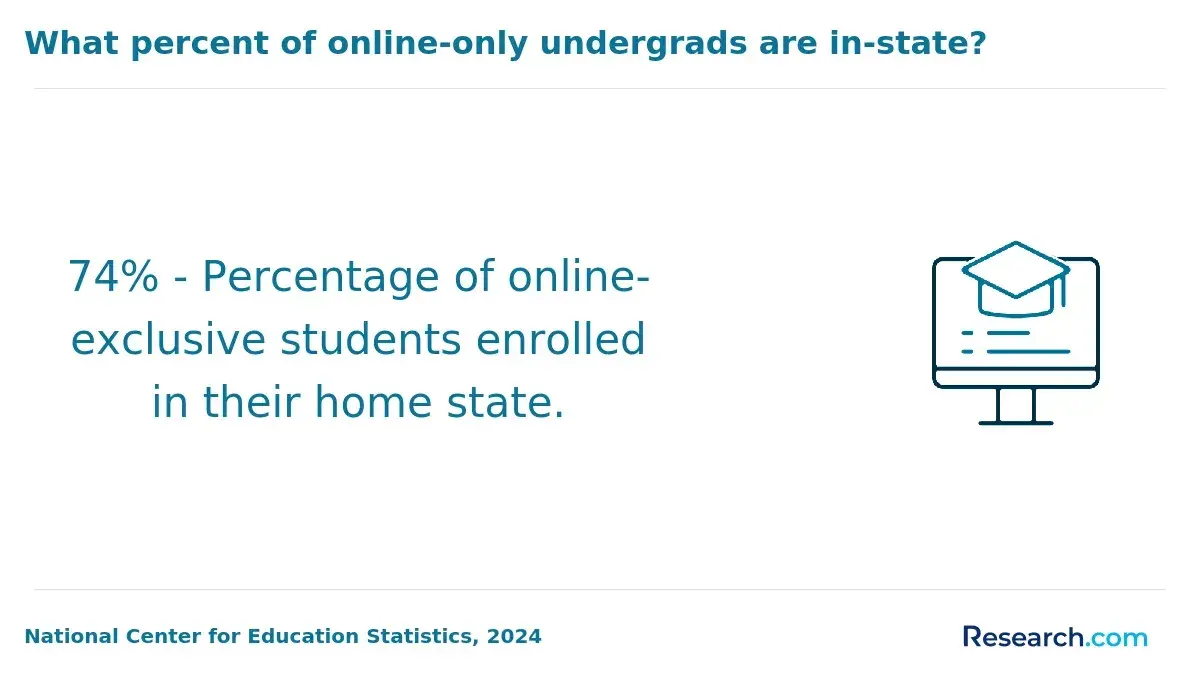
Regional and programmatic accreditations set the framework within which online Health Communication master's programs determine GRE waiver eligibility, ensuring admissions criteria maintain academic integrity. While online programs often have more flexible GRE policies due to their broader and more varied applicant pools, this does not imply diminished program quality. Evaluating factors such as faculty qualifications, graduation rates, licensure exam success, and employer reputation offers a clearer view of program rigor beyond standardized test requirements. Notably, about 45% of graduate programs nationwide offered GRE waivers by 2023, indicating a significant shift in admissions practices. The following points highlight key distinctions and considerations related to waiver policies.
- Market-Driven Flexibility: Online programs attract diverse candidates, including working adults and international students, prompting a streamlined admissions process that often relaxes GRE requirements to reduce barriers and stay competitive.
- Traditional On-Campus Standards: Campus-based programs tend to uphold stricter GRE mandates aligned with longstanding admissions traditions and a more localized applicant pool, emphasizing standardized testing as a reliable metric.
- Accreditation Compliance: Regardless of delivery mode, accredited programs must balance flexible admissions with academic standards, ensuring waiver policies do not undermine students' preparedness for graduate-level study.
- Indicators of Academic Quality: Prospective students should scrutinize attributes such as faculty credentials, graduation rates, licensure pass rates relevant to Health Communication fields, and recognition from industry employers to gauge true program strength independent of GRE use.
- Transparency and Resources: Reviewing program materials thoroughly and connecting with current students or alumni can provide valuable insights into an institution's educational standards beyond admissions policies.
The procedures for requesting a GRE waiver in health communication master's programs differ widely, making this guidance essential for applicants aiming to streamline their application and avoid unnecessary tests. Over 50% of public health-related graduate programs have adopted GRE waivers recently, reflecting a growing trend toward flexible admissions. Below is a practical overview of the main waiver models and how to effectively approach each step.
- Automatic Waivers for All Applicants: Some health communication programs eliminate the GRE requirement altogether, granting waivers automatically to all applicants. This approach requires no additional action or documentation, simplifying the application process significantly for prospective students.
- Waivers Based on Eligibility Criteria: Other programs grant GRE waivers when applicants fulfill specific criteria such as relevant professional experience in health settings, prior graduate degrees, or high undergraduate GPAs. In these cases, no separate petition is necessary, but applicants must clearly demonstrate eligibility within their application materials.
- Formal Written Petition Requirement: Many schools still require a formal GRE waiver petition, which must accompany or precede the application. This petition typically includes an addendum to the statement of purpose explaining why the GRE may not accurately reflect the applicant's skills, a detailed résumé emphasizing relevant academic and professional achievements, letters of support attesting to competencies in health communication, and documentation proving eligibility credentials.
Starting the waiver inquiry early-ideally at least one month before application deadlines-is recommended to clarify all requirements and assemble the necessary documents. Prompt communication with admissions offices helps avoid last-minute stress and allows time to follow up if additional information is needed. For applicants seeking guidance on affordable education options alongside waiver considerations, reviewing cheapest MHA programs online healthcare may provide valuable insights.
Crafting a targeted GRE waiver request letter is essential for applicants aiming to qualify for health communication master's programs that allow test waivers. This letter plays a key role in demonstrating the applicant's alignment with the program's waiver policies, particularly as many programs have increased flexibility for GRE waivers in recent years. Writing a clear, concise letter that highlights relevant qualifications can strengthen your application without relying on standardized scores. Here are crucial points to consider when drafting your request:
- Explicitly Identify the Program and Waiver Request: Begin with a direct statement specifying the health communication master's program and the request for a GRE waiver. This establishes clarity for the admissions committee and signals a focused, professional approach.
- Connect Your Credentials to Waiver Criteria: The letter's core should systematically link your academic achievements, professional experience, or demographic factors-such as international status or holding an advanced degree-to the program's listed waiver requirements. Use concrete evidence like GPA, coursework, or relevant job roles rather than broad claims.
- Affirm Preparedness for Graduate Study: Conclude by reaffirming your ability to handle the program's rigorous coursework in health communication. Express confidence grounded in experience and skills without overstating enthusiasm or potential.
- Keep It Concise and Focused: Most effective waiver letters stay under one page, avoiding lengthy narratives. Short, targeted content helps emphasize your qualifications clearly and respects the reader's time.
- Avoid Common Pitfalls: Steer clear of generic personal statements or vague passion claims unrelated to the waiver criteria. Also, make sure to reference the specific waiver policies of the program to demonstrate your research and seriousness.
Many prospective students explore self paced degree options while considering GRE waiver possibilities, since such formats can accelerate completion timelines for health communication master's degrees. Thoughtful letters paired with flexible online enrollment pathways enhance chances of admission and timely graduation.
Graduate applicants aiming for health communication master's programs often need clarity on GRE requirements to efficiently allocate their time and resources. With many institutions shifting toward more inclusive admissions, identifying programs that waive GRE scores is essential. Below is an overview of categories of programs known for GRE-optional or GRE-waiver policies, helping applicants focus their search effectively.
- Public Research Universities With Equity-Driven Admissions: Numerous state universities have revamped their graduate admissions to foster diversity by eliminating GRE mandates. These schools prioritize applicants' academic history, professional background, and personal essays rather than standardized test scores.
- Historically Black Colleges and Universities (HBCUs): Many HBCUs offering advanced degrees in health communication or allied fields have instituted GRE waivers to lower obstacles for underrepresented students. These institutions emphasize culturally aware admission procedures and provide flexibility regarding test requirements.
- Professional School Pathways Within Health Communication: Programs linked to public health, communication, or medical schools often waive GRE requirements for candidates with relevant work experience or prior graduate coursework. These pathways focus on practical skills, making admission more accessible for professionals re-entering academia.
- Institution-Wide Test-Optional or Test-Blind Policies: Some universities have adopted GRE-optional or test-blind rules across all graduate programs, including health communication. Since policies differ widely, applicants should consult program websites or admissions offices for up-to-date information.
- Leveraging Graduate School Databases and Official Resources: Applicants are encouraged to utilize resources like the Council of Graduate Schools database to filter programs by GRE policies. Directly contacting admissions personnel ensures accurate confirmation of GRE requirements and helps tailor applications accordingly.
For applicants seeking admission to health communication master's programs that waive GRE requirements, letters of recommendation become a crucial component of the application. These letters serve as key third-party validations that convey the candidate's academic strengths and professional promise in lieu of standardized test scores.
- Recommender's Expertise: Strong letters come from individuals well-versed in the applicant's specific skills and intellectual rigor, preferably those respected within or connected to the Health Communication field.
- Quantity and Balance: Most programs request two to three letters, ideally mixing academic referees familiar with research and teaching for recent graduates with supervisors or professional colleagues for mid-career applicants who can attest to practical experience and leadership.
- Contextual Briefing: Applicants should clearly explain the GRE waiver to their recommenders, emphasizing that the letters must effectively demonstrate readiness for graduate study despite the absence of test scores.
- Strategic Selection: Choosing recommenders with strong reputations and providing detailed guidance about program expectations ensures letters reinforce the candidate's fit and potential within health communication studies.
When applying to master's programs in health communication that offer GRE waivers, it is essential to follow a clear process to maximize your chances of success. Understanding each step and maintaining communication with admissions offices ensures you meet all specific criteria and avoid missteps.
- Research Programs and Eligibility: Begin by identifying health communication programs that explicitly provide GRE waivers. Review each program's eligibility requirements carefully, as they often differ based on academic background, professional experience, or demographic factors.
- Gather Transcripts Early: Collect official academic transcripts well ahead of deadlines. These documents are critical since they replace GRE scores and demonstrate your preparedness for graduate study.
- Secure Strong Letters of Recommendation: Obtain recommendations that highlight your relevant skills and experiences. These letters help offset the absence of standardized test scores, providing context about your qualifications.
- Craft a Tailored Statement of Purpose: Write a clear and focused statement explaining your interest in health communication and why you request a GRE waiver. This personalizes your application and shows understanding of each program's expectations.
- Complete Waiver Petition Forms: Include any required documentation or formal petitions to request the GRE exemption. Follow each school's instructions precisely to avoid delays or denials.
- Submit Applications on Time: Ensure your complete applications are submitted before deadlines, maintaining proof of submission for your records and potential follow-up.
- Maintain Communication with Admissions: After submission, contact admissions offices to confirm receipt and inquire about any further requirements. Waiver policies can change frequently, so staying informed prevents surprises.
What Graduates Say About Getting Accepted in Health Communication Degree Master's Programs with GRE Waivers
- Romeo: "Writing the GRE waiver letter was surprisingly straightforward once I focused on clearly expressing my academic preparedness and relevant experience. The process helped me appreciate how personalized applications can be, especially for health communication programs that value diverse backgrounds. This approach made me feel like my unique journey truly mattered beyond standard test scores."
- Aidan: "Qualifying for the health communication master's program with a GRE waiver involved carefully following each step outlined by the admissions office, which made the experience less daunting than I expected. I found that being methodical and double-checking requirements allowed me to submit a strong, complete application. It was empowering to realize that the waiver opened doors based on my academic merits rather than a test."
- Luke: "Relying on official academic catalogs and consulting accrediting agencies helped me better understand the rigorous standards behind the health communication master's degree requirements. Exploring federal education resources gave me confidence that my program aligned with national quality benchmarks. This thorough research reassured me I was making an informed decision for my educational and professional future."
Other Things You Should Know About Health Communication Degrees
Yes. Many programs treat GRE waivers as separate from funding decisions, and scholarship committees often still review GPA, prerequisite coursework, writing samples, and public health or communication experience. Some fellowships require a minimum 3.0 GPA and full-time enrollment, even when the GRE is not required.
International applicants should carefully review each program's GRE waiver criteria, as many require proof of English proficiency or relevant academic credentials alongside or instead of GRE scores. Some programs may waive the GRE for applicants from accredited international institutions or those with professional experience in health communication fields. It is advisable for international students to contact admissions offices directly to clarify eligibility and understand application requirements.
- GRE Waiver for the top universities - MBA Crystal Ball https://www.mbacrystalball.com/blog/2018/08/27/gre-waiver/
- Online Master’s Programs No GRE Required (GRE Test Waiver) https://www.onlineeducation.com/faqs/online-masters-degrees-no-gre-required
- Requesting Letters of Evaluation for Health Professions Programs https://ocs.yale.edu/blog/2020/05/13/requesting-letters-of-evaluation-for-health-professions-programs/
- How to Apply for a GRE Fee Waiver (2025 Guide) https://magoosh.com/gre/gre-fee-waiver/
- No GRE Online MS in Healthcare Informatics (MSHI) Degree Programs https://www.mhaonline.com/faq/no-gre-online-ms-healthcare-informatics-programs
- Health Communication Master's | Lasell University https://www.lasell.edu/graduate-studies/academics/ms-communication---health-communication.html
- 2025 Online Master’s in Communication Programs No GRE Required https://www.mastersincommunications.com/faqs/online-masters-in-communication-gre-requirements
- Frequently Asked Question at the College of Public Health. https://www.unthealth.edu/college-of-public-health/faq.html
- How to Apply & FAQ's | Yale School of Public Health https://ysph.yale.edu/admissions-financial-aid/master-in-public-health-admissions/apply-to-yale-school-of-public-health/
- PhD/Master's Application Process https://gsas.yale.edu/admissions/phdmasters-application-process