2027 Scholarships for Adult Learners

Co-Founder and Chief Data Scientist
Returning to school as an adult often means balancing tuition, work, family, and time. Scholarships can lower that risk, but eligibility rules vary widely for part-time students, online learners, parents, veterans, and career changers. The stakes are real: BLS reported that workers age 25 and older with a bachelor's degree had median weekly earnings of $1,543 in 2024, compared with $930 for those with only a high school diploma. This guide explains how adult learners can find credible scholarships, compare award value, and choose funding that fits their goals.
Key Things You Should Know
- Adult learners should combine scholarships with federal and state aid because the maximum Federal Pell Grant for 2025-26 is $7,395, and scholarship awards may reduce out-of-pocket costs before loans are needed.
- Cost fit matters: College Board reported average published 2024-25 tuition and fees of $11,610 for in-state students at public four-year colleges, so even modest renewable scholarships can meaningfully change total cost.
- The strongest scholarship strategy is targeted: adult students usually do better by applying to awards aligned with age, work history, caregiving status, military service, major, location, employer, or accredited program format.
What types of scholarships are available specifically for adult and nontraditional learners?
Scholarships for adult and nontraditional learners are awards that do not usually need to be repaid, provided the student follows the program's rules. Unlike many traditional merit awards aimed at recent high school graduates, adult learner scholarships often recognize interrupted education, work experience, caregiving responsibilities, military service, career change, or financial need.
The table below compares common scholarship types so you can quickly identify which awards are most relevant to your situation before spending time on applications.
| Scholarship type | Best fit | What reviewers usually look for | Important limitation |
| Adult learner or returning student scholarships | Students resuming college after a gap | Clear education plan, financial need, persistence, and career purpose | May require a minimum age, prior credits, or time away from school |
| Career-change scholarships | Workers entering a new field such as nursing, teaching, IT, business, or skilled trades | Connection between the program and a realistic career transition | Some awards are limited to high-demand fields or specific majors |
| Need-based scholarships | Adults with limited income or high household obligations | FAFSA data, household size, income, and unmet financial need | Eligibility can change if income, enrollment load, or aid package changes |
| Employer-sponsored scholarships | Working adults whose employer supports education | Job relevance, continued employment, performance, or service commitment | Some programs pay only after grades are posted or require repayment if you leave |
| Parent and caregiver scholarships | Single parents, working parents, guardians, and caregivers | Financial need, family responsibility, and plan for completing school | May require dependent documentation or enrollment in an eligible institution |
| Military, veteran, and spouse scholarships | Veterans, active-duty service members, spouses, and dependents | Service status, academic plan, and eligible school participation | Rules may interact with GI Bill benefits, state benefits, or institutional aid |
| Professional association scholarships | Students entering a licensed or specialized profession | Membership, major, career interest, leadership, or community service | Often competitive and tied to a particular industry or region |
Adult students should not assume they are limited to "adult learner" awards. Many general scholarships, departmental awards, community foundation grants, union scholarships, and employer benefits are open to older students as long as they meet enrollment and eligibility rules.
Who qualifies as an adult learner for scholarship eligibility, and what are typical requirements?
An adult learner is generally a student who is not following the direct high-school-to-college path. Scholarship providers may define this differently, but common criteria include being age 24 or older, returning after an education gap, studying part time, working full time, supporting dependents, serving in the military, or pursuing a credential for career advancement.
Typical requirements vary by sponsor, but adult scholarship programs often ask applicants to show that they are academically ready and financially serious about completing the program. Before applying, check whether the award requires any of the following:
- A minimum age, such as 24, 25, 30, or 35, depending on the scholarship provider.
- Enrollment in an accredited certificate, associate, bachelor's, master's, or professional program.
- Part-time or full-time enrollment, usually measured by credit hours per term.
- A minimum GPA, either from prior college coursework or after the first funded term.
- Financial need, often verified through the FAFSA, tax information, or a school financial aid office.
- Residency in a specific city, county, state, or service area.
- A personal statement explaining career goals, barriers overcome, and how the award will support completion.
Eligibility is not only about age. A 32-year-old full-time online student, a 45-year-old parent taking evening classes, and a 27-year-old veteran using transfer credits may all qualify for adult-focused awards, but they may qualify for different reasons. The safest approach is to read the provider's definition closely instead of assuming the word "adult" applies the same way everywhere.
How can adult learners find and research reputable scholarship programs and funding sources?
Finding reputable scholarships takes more than searching a large database and applying to everything. Adult learners should start with sources that can verify eligibility, coordinate with financial aid, and explain how awards are disbursed.
Use this order of research to reduce scams and focus on scholarships that are more likely to fit your background:
- Start with your school's financial aid office and academic department because institutional awards are often easier to verify and may be designed for admitted or enrolled students.
- Search state higher education agencies for grants tied to residency, workforce shortages, adult completion, teaching, nursing, or technical training.
- Check community foundations, local civic organizations, religious organizations, unions, and professional associations in your region or field.
- Ask your employer about tuition assistance, reimbursement, workforce grants, or scholarships for employees and dependents.
- Use national scholarship databases only after you have a short list of targeted keywords such as "returning women students," "single parent nursing scholarship," or "adult completion grant."
- Verify the sponsor's contact information, tax-exempt status when relevant, application deadline, selection criteria, and whether money is paid to the school or student.
Adult learners applying broadly should also consider the hidden cost of applications. If you are still comparing schools, lists of online universities with no application fee can help you preserve cash while you identify programs that match your scholarship and transfer-credit strategy.
Red flags include application fees for scholarships, requests for bank passwords, vague eligibility rules, guaranteed award language, and pressure to act immediately. Reputable scholarship providers may request personal and financial information, but they should explain why it is needed and how the award process works.
How do scholarships for adult learners differ for online, hybrid, and campus-based programs?
Scholarships for adult learners can work for online, hybrid, and campus-based programs, but the rules are not always the same. The most important issue is whether the school and program are eligible under the scholarship's terms, especially when the award is funded by a state, employer, foundation, or professional association.
The table below shows how format affects scholarship fit. Use it to compare convenience against eligibility, networking, clinical requirements, and total cost.
| Program format | Scholarship advantages | Potential challenges | Best fit |
| Online | Often easier for working adults, parents, rural students, and military-connected learners to schedule | Some scholarships exclude fully online programs or require the provider to confirm accreditation and enrollment status | Self-directed students who need flexibility and can verify that the program is eligible |
| Hybrid | Balances flexibility with in-person labs, networking, advising, or clinical experiences | Travel costs and campus requirements can reduce the value of an award | Students in health care, education, counseling, business, or technical fields that benefit from supervised practice |
| Campus-based | May offer more departmental scholarships, campus employment, cohort support, and local donor awards | Less flexible for students with work shifts, caregiving duties, or transportation limits | Students who need structured support, in-person services, or access to campus-specific funding |
Accreditation is especially important for adult learners because it affects federal aid eligibility, transfer credit, employer recognition, licensure, and scholarship approval. If you are comparing flexible options, focus first on accredited online degree programs rather than format alone.
Online programs can be a strong fit when they reduce commuting, childcare, or schedule conflicts, but they are not automatically cheaper. Compare tuition by credit, technology fees, books, clinical placement costs, graduation fees, and whether the scholarship applies to distance education fees.
What application materials, essays, and documentation do adult scholarship programs usually require?
Adult scholarship applications usually ask for evidence that you can complete the program and use the funding effectively. Reviewers often want to see a practical plan, not a perfect academic history. Work experience, caregiving, military service, volunteer work, and prior college credits can all strengthen an application when they connect to your goals.
Most adult learners should prepare a reusable application folder before deadlines begin. The documents below are commonly requested and can take time to gather:
- Current résumé showing work history, promotions, volunteer roles, military service, certifications, and leadership responsibilities.
- Unofficial or official transcripts from prior colleges, workforce programs, military training, or high school when required.
- Admission letter, enrollment verification, or proof that you have applied to an eligible program.
- FAFSA confirmation, Student Aid Index information, tax documents, or a school financial aid award letter when need is considered.
- Personal statement explaining why you are returning to school, why now, and how the credential supports a realistic career plan.
- Letters of recommendation from supervisors, instructors, community leaders, military leaders, or mentors who can speak to your reliability.
- Documentation of special eligibility, such as dependent status, residency, veteran status, membership, employment, or licensure pathway.
For essays, adult learners should avoid apologizing for a nontraditional path. A strong essay explains the barrier, the decision, the plan, and the outcome you are working toward. For example, instead of writing only that you left college because of family responsibilities, explain what has changed, how you will manage school now, and why the scholarship closes a specific financial gap.
Recommendation letters should come from people who can describe current performance. A recent supervisor who can explain your dependability may be more persuasive than a professor from many years ago who barely remembers your work.
How do federal aid, state grants, and institutional scholarships work together for adult students?
Scholarships work best when they are coordinated with federal aid, state grants, institutional awards, employer benefits, and payment plans. Adult students should think in terms of a complete aid package rather than a single award.
The federal aid process usually begins with the FAFSA. The maximum Federal Pell Grant for 2025-26 is $7,395, but the actual amount depends on financial need, enrollment intensity, cost of attendance, and program eligibility. For adult learners, this matters because part-time enrollment can reduce the amount received per term even when the student has significant need.
Financial aid offices generally apply gift aid before loans, but award order can vary. The most common funding layers are summarized below so you can understand how each piece may affect your final bill.
| Funding source | Usually based on | How it interacts with scholarships | Adult learner note |
| Federal Pell Grant | Financial need and eligible enrollment | May reduce unmet need before loans are offered | Part-time status can affect term amount |
| Federal student loans | Eligibility and annual loan limits | Scholarships may reduce the amount you need to borrow | Borrow only after estimating monthly repayment |
| State grants | Residency, need, program type, workforce priority, or age | May stack with federal aid unless the state has limits | Deadlines can be earlier than school deadlines |
| Institutional scholarships | Admission, major, need, merit, transfer status, or donor criteria | May be adjusted if total aid exceeds cost of attendance | Ask whether awards renew for adult or part-time students |
| Employer tuition assistance | Employment status, job relevance, grades, or service agreement | May be paid before or after the term, affecting cash flow | Understand reimbursement timing before enrolling |
Ask the school whether outside scholarships reduce loans first, unmet need first, or institutional grants. The most favorable outcome is often when an outside scholarship replaces loans rather than reducing grant aid, but policies differ by institution.
What scholarship options exist for part-time, working adults, parents, and caregivers returning to school?
Part-time students, working adults, parents, and caregivers often face the hardest scholarship search because many awards were originally designed around full-time enrollment. Still, there are realistic options if you target programs that recognize adult schedules and family obligations.
These scholarship categories are especially relevant for adults who cannot study full time:
- Part-time enrollment scholarships from colleges, departments, and community foundations that allow fewer credits per term.
- Adult completion grants for students who have prior college credits and need funding to finish a credential.
- Single-parent and caregiver scholarships that consider childcare, eldercare, household income, and dependent support.
- Workforce development grants for adults entering shortage fields such as health care, education, advanced manufacturing, information technology, and public service.
- Union, employer, and industry awards for workers who are upgrading skills or moving into supervisory roles.
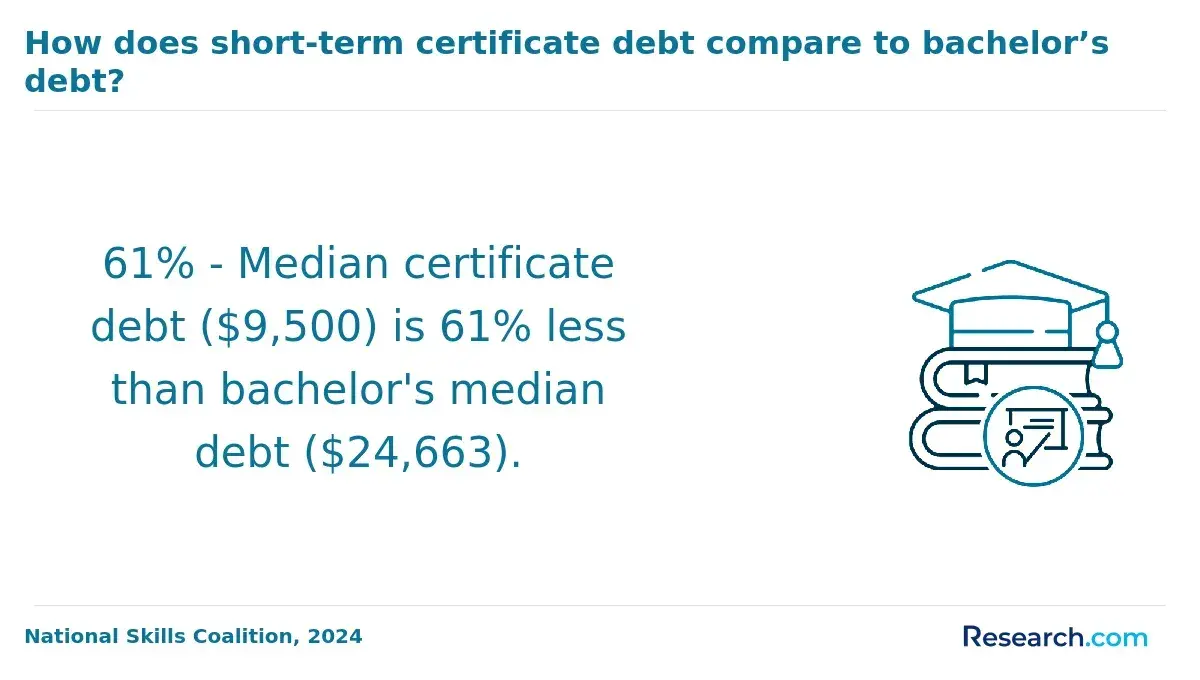
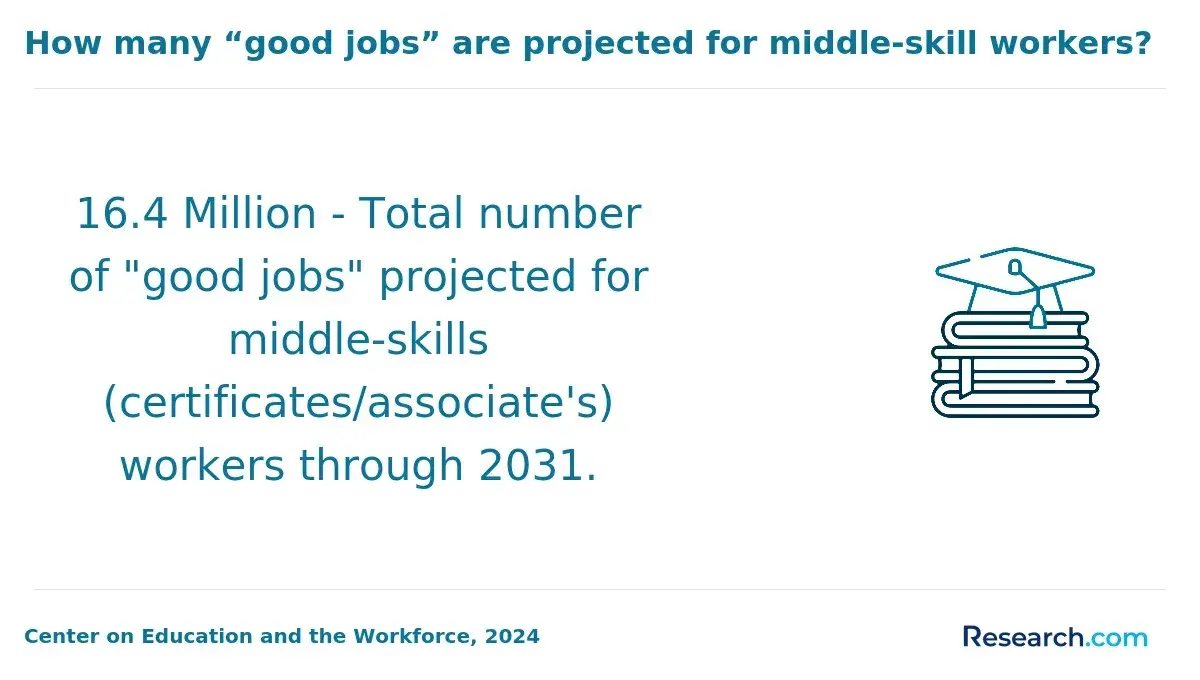
- Short-term certificate and credential scholarships for adults who need faster job mobility than a full degree may provide.
Working adults considering graduate study should compare workload carefully. Some easy master's programs may offer flexible formats or less quantitative coursework, but "easier" should never be the main selection factor; the better question is whether the program advances your career without creating unsustainable debt or schedule pressure.
Parents and caregivers should also ask whether scholarships can be used for indirect costs. Some awards are limited to tuition and fees, while others may be included in the school's cost of attendance calculation and indirectly free up resources for books, transportation, technology, or childcare. The school's financial aid office can explain what is allowed.
How do scholarship amounts, renewal rules, and award duration affect total education costs?
Scholarship value is not just the amount printed in the award email. A $1,000 one-time scholarship may be helpful, but a $2,000 renewable award for four years can change borrowing decisions much more. Adult learners should compare award amount, renewal rules, duration, disbursement timing, and restrictions.
College Board reported average published 2024-25 tuition and fees of $11,610 for in-state students at public four-year colleges. That means a renewable $2,000 annual award could cover a meaningful share of tuition and fees, while a one-time award may mainly help with books, technology, or a single term's balance.
The table below explains the scholarship terms that most affect total education cost. Review these before accepting an award or choosing between schools.
| Scholarship term | Why it matters | What to verify |
| One-time award | Helps with immediate costs but may not reduce long-term borrowing much | Whether you can reapply in later terms |
| Renewable award | Can lower total program cost across multiple years | Minimum GPA, credit load, major, and satisfactory academic progress rules |
| Last-dollar scholarship | Pays only after other aid is applied | Whether Pell Grants, state grants, or employer aid reduce the award |
| First-dollar scholarship | Can reduce costs before other aid is considered | Whether the school adjusts other grants after the award is posted |
| Tuition-only award | Cannot usually be used for living expenses or childcare | Whether fees, books, technology, or online course charges are covered |
| Program-specific award | May support high-cost or high-demand majors | Whether changing majors causes loss of funding |
Renewal rules deserve special attention for adult students because life events can interrupt enrollment. If you may need to pause, reduce credits, or switch formats, ask whether the scholarship allows deferment, appeal, or reinstatement.
What strategies help adult learners maximize scholarship opportunities and avoid common application mistakes?
The best scholarship strategy for adult learners is focused, documented, and deadline-driven. Applying to dozens of unrelated awards can waste time; applying to a smaller set of well-matched scholarships with strong materials usually produces a better return on effort.
Use the following process to build a realistic scholarship plan before the next deadline cycle:
- Create a funding spreadsheet with the scholarship name, sponsor, amount, deadline, eligibility rules, required documents, renewal terms, and submission status.
- Prioritize awards that match more than one part of your profile, such as adult learner, parent, state resident, accounting major, veteran, or health care worker.
- Write one strong core personal statement, then customize the opening, career goal, and financial need section for each scholarship.
- Request recommendation letters at least several weeks before the deadline and give each recommender your résumé, program name, and scholarship purpose.
- Submit the FAFSA early when the scholarship considers financial need, even if you are unsure whether you qualify for federal grants.
- Proofread for dates, school names, award names, and essay prompts because adult applicants often lose points through rushed copy-and-paste errors.
- After receiving an award, ask the financial aid office how it affects your loans, grants, balance, refund timing, and future eligibility.
Common mistakes include ignoring small local scholarships, missing state deadlines, assuming part-time students are ineligible, using the same essay for every prompt, and choosing a program before understanding transfer credits. Advanced adult learners should also compare program requirements carefully; for example, some may prefer doctoral programs without dissertation, but they should still verify accreditation, faculty support, employer recognition, and capstone expectations before committing.
Another mistake is chasing award amount without checking restrictions. A large scholarship tied to a major you do not want, a full-time schedule you cannot maintain, or a campus location you cannot reach may be less useful than a smaller award that fits your real life.
How should adult learners evaluate scholarship fit based on career goals, majors, and labor market demand?
Scholarship fit should be judged by how well the award supports your career goal, not just by whether you qualify. Adult learners have limited time and often higher opportunity costs, so the best funding choice is one that helps complete a credential connected to realistic employment or advancement.
Start by defining the job outcome you want. A scholarship for a short certificate may make sense if it leads to a specific promotion, licensure step, or employer-approved skill. A bachelor's degree may be more appropriate if your target roles require broad education, management preparation, or eligibility for graduate school. A master's degree may fit when the field rewards advanced credentials, but it should be evaluated against cost, time, and employer expectations.
The table below connects education goals with scholarship evaluation questions. It is designed to help you decide whether an award supports a practical return on investment.
| Goal | Scholarship fit question | Decision signal |
| Finish an unfinished degree | Does the award support transfer students, degree completion, or returning adults? | Strong fit if many prior credits apply and renewal rules allow adult schedules |
| Enter a licensed field | Does the program meet state licensure or certification requirements? | Strong fit only if accreditation, clinical hours, and exam eligibility are confirmed |
| Change careers quickly | Does the scholarship cover certificates or short-term credentials? | Strong fit if employers in the target field recognize the credential |
| Move into management | Does the degree align with leadership roles in your current industry? | Strong fit if your employer values the credential or offers advancement pathways |
| Increase earnings potential | Does the major connect to occupations with documented demand? | Strong fit when salary context, debt level, and job requirements are all realistic |
Labor market demand should guide the final decision. BLS 2024 education and earnings data shows a clear association between higher education levels and higher median weekly earnings, but that does not mean every credential has the same payoff. Major, occupation, location, experience, licensing, and employer demand all matter. If earnings are a major priority, compare scholarship opportunities with career-focused resources such as the top 10 highest paying degrees while also checking whether the field fits your skills and schedule.
Technology trends also affect fit. Fields influenced by AI and automation increasingly reward adaptable skills such as data literacy, communication, project management, ethical judgment, and industry-specific software ability. A scholarship that helps you build durable, employer-recognized skills is usually more valuable than one that simply lowers the cost of a credential with unclear outcomes.
Other Things You Should Know About
Yes. Many adult learner, degree-completion, transfer, and professional association scholarships accept applicants with prior college credits. Some even target students who stopped out and are returning to finish a credential.
Not always. Some scholarships require full-time enrollment, but many institutional, community, employer, and adult-focused awards allow part-time study. Always verify the minimum credit requirement before applying.
Yes, but eligibility depends on the scholarship provider and the school's accreditation. Confirm that the online program is eligible, that the award can be applied to distance learning, and that the credential meets any licensing or employer requirements.
It can. Schools must keep total aid within the cost of attendance, so an outside scholarship may reduce loans, unmet need, or sometimes institutional grants. Ask the financial aid office how the award will be applied before making borrowing decisions.
References
- The Top Most Common Scholarship Mistakes to Avoid - 8B - Student Loans for African Students https://www.8b.africa/the-top-most-common-scholarship-mistakes-to-avoid/
- New Careers Through Merit-Based Education https://www.plaio.org/index.php/home/article/download/266/335
- 9 Common Scholarship Application Mistakes https://mastercardfdn.org/en/what-we-do/our-programs/mastercard-foundation-scholars-program/application-tips-series/9-common-scholarship-application-mistakes/
- How Career Development Drives Adult Learner Success https://reupeducation.com/resources/adult-learner-career-development/
- Financial Aid For Online College Students | LearnHowToBecome.org https://www.learnhowtobecome.org/career-resource-center/financial-aid-for-online-colleges/
- Types of student financial aid | USAGov https://www.usa.gov/student-aid
- Scholarships for Nontraditional Adult Students: Tips, Strategies, and Resources https://www.myantshe.org/post/scholarships-for-nontraditional-adult-students-tips-strategies-and-resources
- Step-by-Step Scholarship Application Checklist: What You Need to Apply Successfully https://www.fastweb.com/college-scholarships/articles/step-by-step-scholarship-application-checklist
- Adult Learner Program Scholarship https://accessscholarships.com/scholarship/adult-learner-program-scholarship/
- Sample Application Materials https://www.truman.gov/apply/advice-guidance/sample-application-materials