2027 How to Decide Whether to Borrow for College

Co-Founder and Chief Data Scientist
Borrowing for college can open doors, but the wrong loan decision can limit choices for years. Federal Student Aid reported about $1.62 trillion in outstanding federal student loans across 42.7 million borrowers in Q4 2024, showing why this decision deserves careful math. This guide is for students, parents, returning adults, and career changers comparing college costs, aid offers, and future earnings. You will learn how to estimate affordability, compare federal and private loans, reduce borrowing, and decide whether a degree, school, or program is worth the debt.
Key Things You Should Know
- A practical borrowing limit is usually tied to repayment: many students aim to keep total student loan payments below 8% to 10% of expected gross monthly income after graduation.
- Federal undergraduate Direct Loans for 2025-26 carry a fixed 6.39% interest rate, so borrowing $30,000 on a standard 10-year plan would cost about $339 per month before any income-driven repayment adjustments.
- College value depends on net price, completion odds, major, accreditation, and career path; College Board's 2024 data shows published tuition and fees alone ranged from about $4,050 at public two-year colleges to $43,350 at private nonprofit four-year colleges.
How can I decide whether borrowing for college is financially worth it?
Borrowing for college is financially worth it when the likely career, credential value, and completion probability justify the total cost you must repay. The key term is net price: the amount you pay after grants and scholarships, before loans. A school with a high sticker price may be affordable after grants, while a lower-tuition school may still be costly if it requires extra years, unpaid commuting time, or weak transfer support.
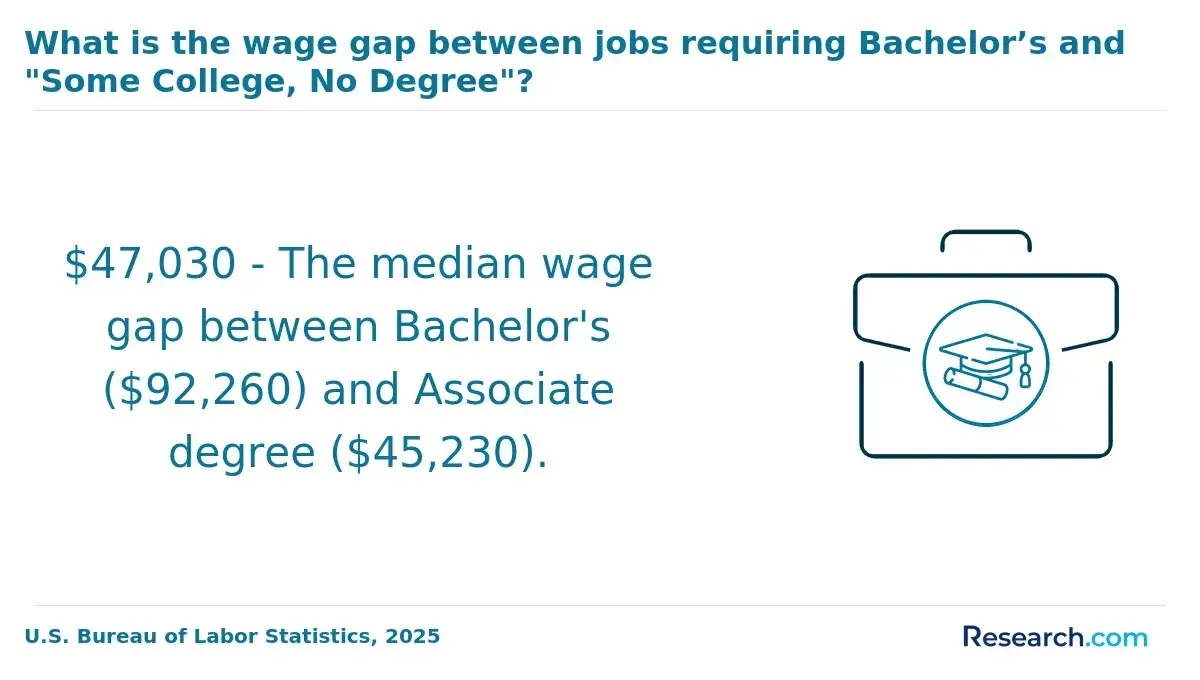
A useful first test is whether the program connects to a realistic earning path. The U.S. Bureau of Labor Statistics reported 2024 median weekly earnings of $1,543 for bachelor's degree holders compared with $930 for workers whose highest credential was a high school diploma. That gap supports the long-term value of college in general, but it does not mean every degree, school, or borrowing amount is a good deal.
The table below summarizes when borrowing tends to make more or less financial sense. Use it as a screening tool before you commit to a school or sign a loan agreement.
| Decision factor | Borrowing may make sense when | Borrowing is risky when |
| Career connection | The degree is required or strongly preferred for the target job. | The program has no clear link to a role, license, promotion, or salary range. |
| Expected completion | You can attend consistently, transfer credits apply, and graduation requirements are clear. | You are unsure about schedule, placement tests, prerequisites, or whether credits will count. |
| Total net cost | Grants, scholarships, work income, and savings reduce the amount borrowed. | You are borrowing for tuition, housing, transportation, fees, and lifestyle costs without a budget. |
| Repayment fit | Estimated monthly payments fit comfortably within projected entry-level income. | Payments depend on optimistic salary assumptions or a job market you have not researched. |
| School quality | The institution is accredited, transparent about outcomes, and aligned with licensing needs. | The school pressures you to enroll quickly or avoids answering cost and completion questions. |
A strong borrowing decision is not simply "college versus no college." It is a comparison among specific programs, prices, timelines, and career outcomes. If you cannot explain how the debt will help you earn, qualify, or advance, pause before borrowing.
How much should I borrow for college based on expected salary and repayment?
The safest way to decide how much to borrow is to work backward from expected income, not forward from the school's cost of attendance. A common affordability benchmark is to keep student loan payments below 8% to 10% of projected gross monthly income, especially if you will also pay rent, transportation, insurance, or childcare.
Before accepting loans, estimate an entry-level salary for the role you are targeting rather than using a broad national average. Salaries vary by state, employer, licensing status, industry, and whether you finish internships or clinical requirements. Use the lower end of a realistic salary range when stress-testing your loan decision.
Follow these steps to set a borrowing ceiling before you enroll or renew loans for the next academic year.
- Identify the specific job or career step the program is meant to support, such as registered nurse, elementary teacher, software developer, accountant, dental hygienist, or master's-prepared counselor.
- Look up entry-level or early-career pay for that role in your state or metro area using employer postings, state labor data, professional associations, and school outcome reports.
- Divide expected annual gross income by 12 to estimate monthly gross income, then multiply by 0.08 and 0.10 to create a target payment range.
- Use a loan calculator or repayment estimator to convert that payment range into a total debt limit at the interest rate you are likely to receive.
- Compare the debt limit with your remaining net cost after grants, scholarships, savings, work income, and family support.
For example, if a realistic starting salary is $48,000, gross monthly income is $4,000. A payment target of 8% to 10% equals about $320 to $400 per month. That might support moderate federal borrowing, but it may not support large private loans, parent loans, or debt for a program with uncertain completion odds.
Also consider non-loan costs after graduation. A payment that looks affordable on paper can become stressful if your field requires unpaid licensure hours, relocation, a professional wardrobe, exam fees, or a period of part-time work before full employment.
What steps should I take to reduce or avoid student loan borrowing?
The best student loan is often the one you do not need. Reducing borrowing does not always mean choosing the cheapest school; it means lowering total debt while protecting program quality, transferability, accreditation, and the chance of finishing.
Use the following sequence before accepting loans, especially unsubsidized, PLUS, or private loans.
- Complete the FAFSA as early as possible and check whether your state has a separate grant deadline.
- Ask each college for institutional scholarships, departmental awards, need-based grants, emergency grants, and work-study options.
- Compare total net price, including housing, books, fees, transportation, technology, health insurance, and required program supplies.
- Consider starting at a community college only if the credits transfer cleanly into your intended bachelor's program.
- Use summer courses, transfer credits, credit for prior learning, or exam-based credits if they shorten time to completion without hurting eligibility for aid.
- Work a manageable number of hours if it reduces borrowing without delaying graduation or lowering grades in a selective major.
- For career changes that do not require a full degree, compare lower-cost online certificate programs with degree options before borrowing for a multi-year program.
A common mistake is focusing only on tuition. Housing and living expenses can exceed tuition at some public colleges, while transportation and lost work hours can make a "cheap" campus less affordable than it first appears. Always compare the full cost of attendance against the credential you will actually earn.
How do federal and private student loans differ for college funding decisions?
Federal and private student loans are not interchangeable. Federal loans are issued under federal rules, have fixed rates for each borrowing year, and may offer deferment, forbearance, income-driven repayment, and forgiveness options for eligible borrowers. Private loans are issued by banks, credit unions, state agencies, or online lenders and depend heavily on credit, income, cosigner strength, and lender policy.
For 2025-26, new federal Direct undergraduate loans have a fixed 6.39% interest rate, while graduate Direct Unsubsidized Loans and Direct PLUS Loans are higher. This matters because the cost of borrowing is not just the amount you accept today; it is the interest that accumulates until repayment is complete.
The table below compares the loan types most students encounter. It is especially useful when deciding whether to borrow beyond annual federal loan limits.
| Loan type | Best fit | Main advantage | Main risk |
| Direct Subsidized Loan | Undergraduates with financial need | The government pays interest during certain in-school and deferment periods. | Annual and lifetime limits may not cover the full cost of attendance. |
| Direct Unsubsidized Loan | Undergraduate, graduate, and professional students | No need requirement and access to federal repayment protections. | Interest starts accruing after disbursement. |
| Direct PLUS Loan | Graduate students or parents of dependent undergraduates | Can cover remaining cost of attendance after other aid. | Higher rate, origination fee, and larger debt exposure for parents or graduate students. |
| Private student loan | Borrowers with strong credit or cosigners who have exhausted safer options | May fill funding gaps or offer competitive terms to highly qualified borrowers. | Usually fewer protections, variable underwriting, and limited hardship options. |
In most cases, students should use grants, scholarships, savings, work income, and federal student loans before considering private loans. Private loans may be reasonable for a small final gap in a high-value program, but they are risky when used to finance uncertain enrollment, weak career outcomes, or living expenses that could be reduced.
How should I use financial aid offers and net price calculators to decide on borrowing?
Financial aid offers can be confusing because schools do not always use the same format. One college may group loans with grants under "awards," while another may separate gift aid from borrowed aid. Your job is to identify the amount you do not have to repay, the amount you must repay, and the remaining out-of-pocket cost.
Net price calculators are also useful, but they are estimates. They depend on accurate family income, assets, household size, residency, academic profile, and sometimes test scores or GPA. Treat the calculator result as a planning estimate, then confirm details with the financial aid office.
Use this checklist when comparing aid offers from multiple colleges.
- Separate grants and scholarships from loans and work-study because only grants and scholarships directly reduce what you owe.
- Check whether scholarships are renewable and what GPA, enrollment level, or major requirements apply.
- Subtract gift aid from the full cost of attendance, not just tuition and fees.
- Identify whether parent PLUS loans or private loans are being shown as part of the "covered" cost.
- Ask how costs change after the first year, especially if housing, program fees, clinical fees, or scholarship amounts may change.
- Request a professional judgment review if family finances changed because of job loss, medical expenses, divorce, disability, or other documented circumstances.
The table below shows the parts of an aid offer that deserve the closest attention before you decide how much to borrow.
| Aid offer item | What it means | Question to ask |
| Grants | Need-based aid that usually does not require repayment | Is this amount renewable each year? |
| Scholarships | Merit, talent, need, or program-based aid | What GPA, major, or enrollment status must I maintain? |
| Work-study | Eligibility to earn wages through approved jobs | Is a job guaranteed, and how many hours are realistic? |
| Subsidized loans | Federal loans with in-school interest benefit for eligible undergraduates | How much of my total loan package is subsidized? |
| Unsubsidized, PLUS, or private loans | Borrowed money that can increase long-term repayment costs | Can I reduce or decline part of this amount? |
A red flag is any school that emphasizes monthly affordability while avoiding total debt. You should leave the financial aid conversation knowing your annual borrowing, estimated total borrowing to graduation, and likely payment range.
How do program type, major, and college choice affect whether I should borrow?
Program type, major, and college choice can change whether borrowing is smart because they influence both cost and payoff. A $12,000 loan for a credential required for a licensed role is a different decision from a $60,000 loan for a program with unclear career outcomes. The best choice is the least debt that still gets you to the credential, license, portfolio, network, or graduate admission you need.
For students who want a lower-cost starting point, online associate degree programs may be worth comparing with campus-based or four-year options, especially when transfer agreements are clear and the target career does not require immediate bachelor's completion.
The table below compares common college paths by fit and borrowing considerations. It is meant to clarify trade-offs, not rank one option as universally better.
| Path | Often fits students who | Borrowing considerations |
| Certificate or short-term credential | Need targeted skills for a specific job or promotion | Lower cost can be attractive, but confirm employer recognition and credit transfer. |
| Associate degree | Want lower tuition, technical training, or a transfer pathway | Borrowing can be manageable if credits apply to the next credential or lead directly to work. |
| Bachelor's degree | Need broad preparation, professional access, or graduate school eligibility | Debt should be compared with major-specific earnings, internship access, and graduation timeline. |
| Master's or professional degree | Need advanced credentials for licensure, leadership, or career change | Higher federal rates and larger balances require a stronger income and employment case. |
| Private or out-of-state college | Receive strong grants, specialized programs, or unique career access | Institution type alone does not determine value; net price and outcomes matter more. |
Major matters because some fields require a degree for entry, while others value experience, portfolios, apprenticeships, certifications, or employer-based training. Borrow more cautiously for majors with uncertain entry-level pay unless the school provides strong advising, internships, employer connections, and flexible transfer options.
What role do online vs campus formats play in college costs and borrowing needs?
Online and campus formats affect borrowing because they change both direct costs and opportunity costs. Online programs may reduce relocation, commuting, parking, and housing expenses, but they can still charge technology fees, out-of-state tuition, proctoring costs, or short residency fees. Campus programs may cost more to attend but can offer labs, clinical placements, research, networking, and structured support that some students need to finish.
Online education has become a mainstream option, especially for working adults and graduate students. If you already have a bachelor's degree and need career advancement without relocating, comparing affordable online masters programs can help you reduce debt while preserving access to accredited graduate study.
The table below highlights cost and fit differences that should influence borrowing decisions before you choose a format.
| Format | Potential cost advantage | Potential drawback | Best fit |
| Fully online | Lower commuting and relocation costs | Requires strong self-management and reliable technology | Working adults, caregivers, military families, and students with stable internet access |
| Hybrid | Balances flexibility with some in-person support | Travel days can still affect work schedules and childcare | Students in programs with labs, clinicals, cohorts, or occasional campus requirements |
| Campus-based | May offer direct access to facilities, advising, labs, and campus jobs | Housing and transportation can increase borrowing needs | Traditional-age students, hands-on majors, residential learners, and students needing structured support |
| Accelerated | Can shorten time away from full-time earnings | Intensive pace may reduce ability to work while enrolled | Students with transfer credits, strong preparation, and predictable schedules |
The cheapest format is not always the best financial decision if it lowers your chance of finishing. Borrowing less for a program you do not complete can still leave you with debt and no credential, so compare support services as carefully as tuition.
How do accreditation, licensing, and career outcomes influence smart borrowing decisions?
Accreditation, licensing, and career outcomes should be checked before borrowing because they affect whether the credential will be accepted by employers, graduate schools, and licensing boards. Institutional accreditation confirms that a college meets recognized quality standards, while programmatic accreditation may be required or strongly preferred in fields such as nursing, counseling, education, social work, occupational therapy, and engineering.
Licensing rules vary by state and profession. A program that works in one state may not automatically meet clinical, practicum, exam, or supervised-hour requirements elsewhere. This is especially important for online students, military-connected students, and anyone who may move before graduation.
Take these steps before accepting loans for a program tied to licensure or regulated employment.
- Confirm institutional accreditation through the college and the U.S. Department of Education's recognized accreditor listings.
- Check whether the specific program has any required programmatic accreditation for your field.
- Ask the school, in writing, whether the program meets educational requirements for licensure in the state where you plan to work.
- Review graduation, retention, placement, licensure exam pass rates, and typical time to completion when the school publishes them.
- Speak with employers, alumni, or professional associations to learn whether the credential is respected in your target market.
- Be cautious if the school cannot explain clinical placements, internships, transfer policies, or licensure disclosures clearly.
Common red flags include aggressive enrollment deadlines, vague job placement claims, credits that "may" transfer without written agreements, and programs that advertise high earnings without explaining local labor market conditions. Smart borrowing begins with verifying that the credential will actually be usable.
How can I estimate my future monthly student loan payments before borrowing?
You can estimate future student loan payments before borrowing by combining the loan amount, interest rate, repayment term, and repayment plan. For a simple baseline, use the standard 10-year repayment plan because it shows the cost of repaying the debt on a fixed schedule. Income-driven repayment may lower monthly payments for eligible federal borrowers, but it can also extend repayment and increase total interest.
The table below uses the 2025-26 federal undergraduate Direct Loan fixed rate of 6.39% and a standard 10-year repayment term. Actual payments may differ if rates change, fees apply, interest capitalizes, or you use a different repayment plan.
| Total borrowed | Approximate monthly payment | Approximate total repaid over 10 years |
| $10,000 | $113 | $13,560 |
| $20,000 | $226 | $27,120 |
| $30,000 | $339 | $40,680 |
| $50,000 | $566 | $67,920 |
Before enrolling in fast track programs, estimate payments under both the shorter completion timeline and a slower part-time timeline. Accelerated study can reduce living costs and time out of the workforce, but only if the pace is realistic enough for you to finish.
To stress-test affordability, compare the estimated payment with rent, food, transportation, insurance, taxes, childcare, retirement savings, and emergency savings. A loan payment that consumes your entire post-graduation margin may limit your ability to relocate, take an entry-level role, or handle unexpected expenses.
When might returning students or adult learners need different borrowing strategies?
Returning students and adult learners often need a different borrowing strategy because they may have dependents, existing debt, work schedules, military moves, prior credits, or a shorter timeline to recoup the investment. The goal is not always the lowest monthly payment; it may be the lowest total cost that fits family responsibilities and career timing.
Adult learners should pay special attention to transfer credits, credit for prior learning, employer tuition assistance, competency-based formats, evening courses, online support, and leave policies at work. A program that accepts prior college credit can reduce both tuition and time, while a program that does not accept credits may require unnecessary borrowing.
Use this adult-learner borrowing checklist before committing to a new program.
- Request an official transfer credit evaluation before enrolling, not after the first term starts.
- Ask whether military training, professional certifications, standardized exams, or prior learning assessments can reduce required credits.
- Confirm whether your employer offers tuition reimbursement and whether you must stay employed for a set period after receiving benefits.
- Choose a course load that protects both completion and income; taking too many credits while working can increase dropout risk.
- Build a childcare, transportation, and technology budget before accepting loans for living expenses.
- If you relocate often because of military service or family obligations, compare military spouse friendly online colleges that understand transfer, deployment, and residency challenges.
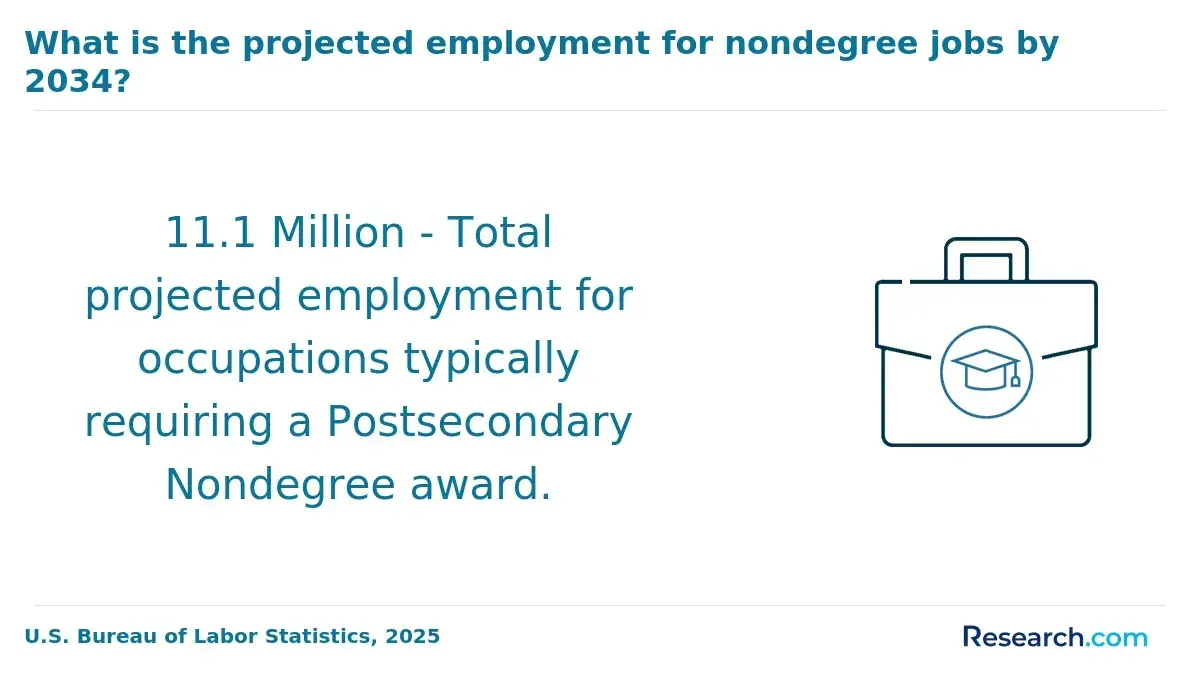
Adult students should also consider the time horizon for payoff. Borrowing for a credential that increases income quickly may be reasonable, while taking on large debt for a long program near retirement requires more caution. If the benefit is mainly personal enrichment rather than required career advancement, consider paying as you go or choosing a lower-cost nondegree option.
Other Things You Should Know About
You may be borrowing too much if estimated monthly payments exceed about 8% to 10% of your realistic gross monthly income after graduation, or if you need private or parent loans for most of the cost. Also be cautious if you are unsure you will complete the program.
Borrow conservatively until you choose a direction. Start with general education requirements, lower-cost colleges, strong advising, and transferable credits. Avoid large debt for an undecided path unless the school is affordable and gives you time to explore without extending graduation.
Federal student loans are usually the safer first choice because they offer fixed rates, standardized terms, and borrower protections that private loans may not provide. Private loans can be useful for small gaps, but they require careful comparison of rates, cosigner rules, hardship options, and repayment terms.
Not always. Compare net price, graduation rates, major quality, accreditation, internships, employer connections, and career outcomes. A more expensive school can be worth it if grants lower the real cost and the program improves completion or career access, but reputation alone is not a reason to overborrow.
References
- How to Compare Financial Aid Offers From Colleges | AcceptedX Blog https://acceptedx.com/blogs/how-to-compare-financial-aid-offers-from-colleges
- How to Prevent Student Debt Through Financial Education 4 / 4 https://nomoredebts.org/blog/student-loans/how-to-prevent-student-loan-debt-pay-off
- Student Loan/Salary Calculator - FAME Maine https://www.famemaine.com/affording-education/pay-for-school/resources-tools/calculators/student-loan-salary-calculator/
- Accreditation as a Strategic Driver of Alignment Across Higher Education and Industry https://acbspjournal.org/2026/05/22/accreditation-as-a-strategic-driver-of-alignment-across-higher-education-and-industry/
- February 25, 2022 https://yellowdig.co/2022/02/25/online-learning-vs-traditional-learning-is-online-college-cheaper/
- Debt to Salary Ratio https://www.gafutures.org/college-planning/college-money-matters/choosing-a-major/debt-to-salary-ratio/
- Adult Learner Reengagement: 7 Strategies to Boost Success - Motimatic https://motimatic.com/industry/higher-ed/adult-learner-reengagement/
- Private vs. Federal Student Loans https://www.mefa.org/article/private-vs-federal-student-loans/
- College is still worth it, even with student debt, but we can do better | Brookings https://www.brookings.edu/articles/college-is-still-worth-it-even-with-student-debt-but-we-can-do-better/
- Private Vs. Federal Student Loans: Which Is Better In 2025? | Bankrate https://www.bankrate.com/loans/student-loans/federal-vs-private-student-loans/