2027 How to Pay for Trade School or Certificate Programs

Co-Founder and Chief Data Scientist
Paying for trade school is often a faster decision than paying for a four-year degree, but the funding rules can be just as confusing. Federal Student Aid lists the current maximum Pell Grant at $7,395, which can cover a meaningful share of many short-term programs if the school and program qualify. This guide is for students comparing certificate, diploma, apprenticeship, and career-training options. You will learn which funding sources to check first, how to avoid expensive mistakes, and how to decide whether borrowing makes financial sense.
Key Things You Should Know
- Start with free aid before loans: FAFSA-based Pell Grants can provide up to $7,395 for eligible students in the current federal award year, but only if the school and program participate in federal student aid.
- Trade-school return on investment depends heavily on the occupation: BLS May 2024 data lists median pay of $62,350 for electricians and $59,810 for HVAC mechanics, but wages vary by state, union status, experience, and licensure.
- The biggest red flags are non-accredited programs, schools without a federal school code, unclear job-placement claims, high private-loan pressure, and programs that do not meet state licensing requirements.
What are the main ways to pay for trade school or certificate programs?
The main ways to pay for trade school are federal aid, state grants, scholarships, employer support, apprenticeships, veteran benefits, payment plans, savings, and student loans. The best order is usually to exhaust grants and earned benefits first, then consider low-cost payment plans or federal loans, and use private loans only when the expected career payoff justifies the risk.
Trade school can mean several things: a short certificate at a community college, a private career school, a union apprenticeship, a noncredit workforce program, or an industry certification course. Some options are eligible for federal aid; others are not. If you are comparing certification programs online, pay close attention to whether the credential is recognized by employers and whether the program includes hands-on requirements, clinical hours, labs, or exam preparation.
The table below summarizes common funding sources and when each one usually makes the most sense. Use it to prioritize the options that reduce your out-of-pocket cost before you sign an enrollment agreement.
| Funding source | Best fit | Main limitation |
| Federal grants | Students with financial need in aid-eligible programs | School and program must participate in federal student aid |
| State grants and workforce funds | Residents training for high-demand local jobs | Deadlines, residency rules, and eligible occupations vary |
| Scholarships and private grants | Students in specific trades, demographics, regions, or industries | Applications may be competitive and funds may be limited |
| Apprenticeships | Learners who want paid, work-based training | Entry may require testing, interviews, or union selection |
| Employer tuition assistance | Workers training for roles their employer needs | May require continued employment or repayment if you leave |
| Federal student loans | Eligible students who still have a funding gap after grants | Borrowing limits may not cover all costs |
| Private student loans | Students with strong credit or a qualified cosigner | Usually fewer protections than federal loans |
A practical funding plan starts with the total cost of attendance, not just tuition. Ask the school for an itemized estimate that includes tools, uniforms, exam fees, commuting, licensing tests, background checks, drug screens, and lost wages if you will reduce work hours.
How does federal financial aid work for trade and certificate programs?
Federal financial aid can apply to many career and technical programs, but eligibility is not automatic. The school must participate in Title IV federal student aid, and the specific program must meet federal requirements for length, credential type, and approved instruction. A school may offer some programs that qualify and others that do not.
Federal aid commonly includes Pell Grants, Direct Subsidized Loans, Direct Unsubsidized Loans, and sometimes Federal Work-Study. The amount you can receive depends on your Student Aid Index, enrollment intensity, cost of attendance, dependency status, and annual loan limits. For first-year dependent undergraduates, the annual federal Direct Loan limit is $5,500; for many independent first-year undergraduates, it is $9,500. This matters because a short, expensive private program can leave a gap even after federal aid.
Use this basic sequence before enrolling so you do not discover too late that your program is not aid-eligible.
- Confirm that the school has a federal school code and participates in federal student aid.
- Ask whether the exact certificate, diploma, or clock-hour program is eligible for Pell Grants and federal loans.
- Submit the FAFSA and list every school you are seriously considering.
- Compare official aid offers using total cost of attendance, not tuition alone.
- Check satisfactory academic progress rules because falling below them can interrupt aid.
Clock-hour programs can be especially confusing because aid may be disbursed in payment periods tied to completed hours and weeks, not a traditional semester calendar. If the program is accelerated, ask when aid is released and what happens if you withdraw, fail a module, or need to repeat clinical or lab hours.
Can I use FAFSA, Pell Grants, and state grants for trade school?
Yes, you can use FAFSA-based aid for many trade schools and certificate programs, but only when the institution and the program are eligible. FAFSA is not the aid itself; it is the application used to determine eligibility for federal grants, federal loans, work-study, and many state or school-based grants.
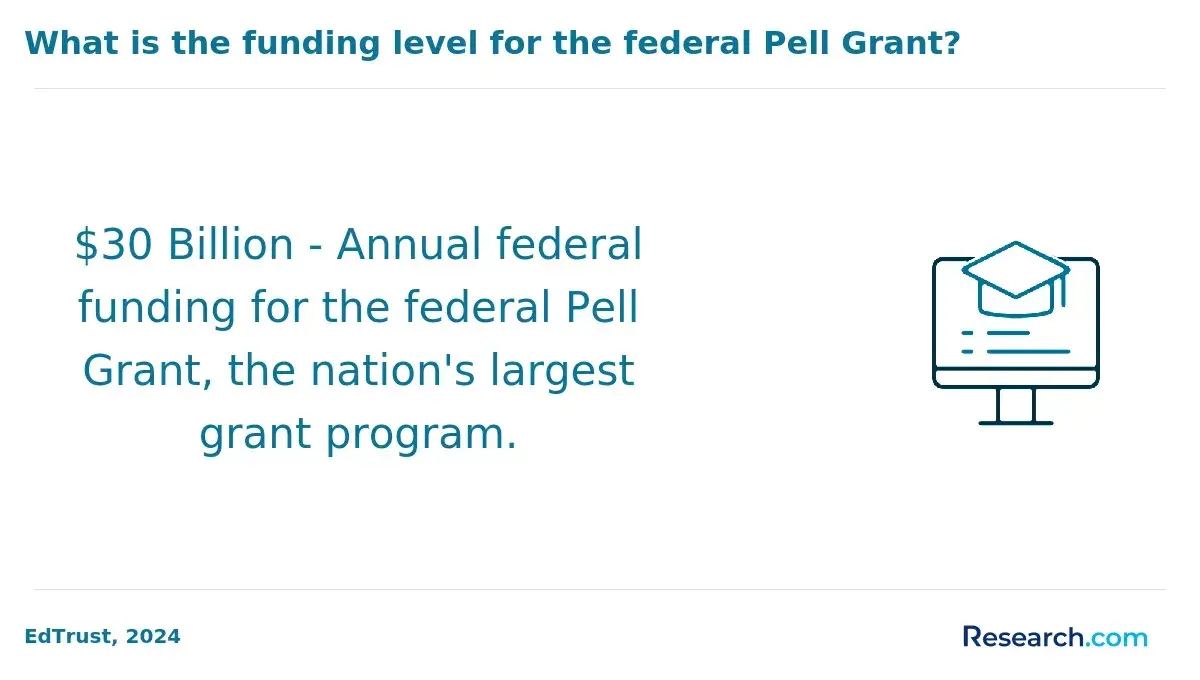
Pell Grants are usually the first federal award to look for because they do not have to be repaid if you complete the program and meet aid rules. The current maximum Pell Grant is $7,395, but your award may be lower based on your financial need, enrollment intensity, and program length. Short programs may receive prorated aid, so do not assume the maximum award will apply.
State grants can be just as important as federal aid, especially when states fund training for high-demand occupations such as nursing support, commercial driving, welding, advanced manufacturing, electrical work, or information technology. These programs often change based on labor-market priorities, so the same student may receive different options depending on county, residency status, and career goal.
Before you rely on FAFSA or state aid, verify these details with the financial aid office and, when relevant, your state workforce agency.
- Whether the program is credit-bearing, clock-hour, noncredit, or continuing education.
- Whether the program appears on the state's eligible training provider list.
- Whether grant funds can pay for tools, uniforms, testing fees, or only tuition.
- Whether aid is paid before classes begin or reimbursed after attendance is verified.
- Whether you must maintain a minimum pace, grade, attendance rate, or job-search activity.
A common mistake is assuming that "approved," "licensed," and "accredited" mean the same thing. A state may allow a school to operate, but that does not necessarily mean its programs qualify for federal aid or meet occupational licensing requirements.
What scholarships and private grants are available specifically for trade students?
Trade students can find scholarships from community foundations, employers, unions, professional associations, manufacturers, trade groups, state workforce boards, and nonprofit organizations. These awards are often smaller than traditional academic scholarships, but they can be highly practical because some pay for items federal aid may not fully cover, such as tools, boots, certification exams, or licensure fees.
The best scholarship search is targeted. Instead of applying only to broad national awards, look for sponsors connected to your exact trade, region, identity, employer pipeline, or training site. A welding student, for example, may find better odds through local manufacturing associations than through general college scholarship databases.
These categories are worth checking because they often align closely with trade-school expenses and employer demand.
- Industry associations for fields such as HVAC, automotive technology, construction, welding, cosmetology, dental assisting, medical assisting, and cybersecurity.
- Local employers that sponsor students in exchange for interviews, internships, apprenticeships, or post-training employment consideration.
- Community foundations that support residents entering in-demand careers.
- Women-in-trades, first-generation student, adult learner, rural workforce, and disability-focused scholarship programs.
- Tool grants, exam vouchers, and completion grants offered by schools or workforce agencies.
Read the scholarship rules carefully. Some awards are paid directly to the school, some reimburse you after purchase, and some are taxable if used for nonqualified expenses. If you receive a large outside scholarship, ask the financial aid office whether it will reduce loans first or reduce grant aid.
How do federal and private student loans for trade school compare?
Federal student loans are generally safer than private student loans because they offer fixed interest rates, income-driven repayment options, deferment possibilities, and clearer borrower protections. Private loans may help cover a remaining gap, but they are credit-based and usually offer fewer flexible repayment options if your income is lower than expected after training.
The right loan choice depends on program eligibility and debt size. If your school is not eligible for federal aid, you may be offered private financing, institutional loans, income-share-style arrangements, or retail credit. Treat those offers carefully, especially if the school pushes you to sign quickly before you have compared alternatives.
This comparison shows the main borrower-protection differences that matter when you are financing a short career program.
| Loan type | Typical advantages | Key risks |
| Federal Direct Subsidized Loan | Government pays interest during qualifying in-school periods for eligible borrowers | Only available to students with financial need in eligible programs |
| Federal Direct Unsubsidized Loan | Not based on financial need and includes federal repayment protections | Interest begins accruing when funds are disbursed |
| Private student loan | May cover costs federal loans do not, depending on credit approval | Rates, fees, cosigner rules, and hardship options vary by lender |
| School payment plan | Can spread tuition over several payments without long-term debt | Missed payments may block registration, transcripts, or completion |
| Retail financing or personal loan | May be available when education loans are not | Can have higher rates and fewer education-specific protections |
If you plan to continue beyond a trade certificate, compare the debt path for each credential. Some students later choose a shortest masters program after earning a bachelor's degree and gaining work experience, but advanced credentials make sense only if they connect to a higher-paying role or required license.
As a rule of thumb, avoid borrowing based only on advertised salary claims. Use local wage data, apprenticeship wage scales, employer postings, and licensing requirements to estimate a conservative first-year income after completion.
Can employer tuition assistance, apprenticeships, or unions help cover my training costs?
Yes. Employer tuition assistance, registered apprenticeships, and union training programs can dramatically reduce the need for student debt. These options are especially strong for fields where employers struggle to hire skilled workers, such as electrical work, plumbing, HVAC, advanced manufacturing, logistics, health care support, and information technology.
Apprenticeships are different from typical school-based certificates because they combine paid work with structured training. Many registered apprentices earn wages while they learn, and some employers or unions cover classroom instruction. BLS and Department of Labor data published in recent years continue to show strong demand for skilled technical workers, and apprenticeship models are expanding because employers want workers with job-ready skills rather than classroom knowledge alone.
Before accepting employer-paid training, review the conditions. These questions help you understand whether the benefit is truly free or simply deferred cost.
- Do I have to stay employed for a specific period after completing training?
- Will I owe repayment if I resign, am laid off, or fail a course?
- Are books, tools, exams, licensing fees, and travel covered?
- Is the training portable to other employers or specific to one company's internal systems?
- Will the program prepare me for a state license, national certification, or journeyman status?
Union programs can be excellent, but selection may be competitive. You may need to pass an aptitude test, meet physical requirements, hold a driver's license, interview with a committee, or wait for the next cohort. The trade-off is that the training often has a clearer wage progression than a stand-alone private certificate.
How can veterans, service members, and their families use GI Bill benefits for trade programs?
Veterans, service members, and eligible family members may be able to use GI Bill benefits for approved trade schools, non-college degree programs, apprenticeships, on-the-job training, licensing exams, and certification tests. The key word is approved: the program must be recognized for VA education benefits, and benefit levels depend on the person's eligibility, service history, transfer status, and program type.
Post-9/11 GI Bill benefits may help with tuition and fees, housing, and books or supplies, but rules differ for college programs, clock-hour schools, apprenticeships, and testing reimbursement. Apprenticeship and on-the-job training benefits can be especially useful because eligible participants may receive a housing allowance while earning wages, though the allowance may decrease as wages rise.
Military spouses and dependents should also compare education benefits, transfer options, portable online programs, and state licensing portability. If you are evaluating flexible programs, resources on military spouse online college options can help you think through mobility, accreditation, and career alignment.
Use this checklist before applying VA benefits to a trade program.
- Confirm the program is approved in the VA education benefits system.
- Ask whether the benefit pays tuition directly, reimburses exams, or supports apprenticeship wages.
- Check whether the credential is portable if you move to another state.
- Compare remaining entitlement against the total length of the program.
- Ask the school's veterans certifying official how withdrawals, repeats, or attendance issues affect benefits.
Avoid using valuable benefits on a program that does not lead to a recognized credential, licensure eligibility, or credible employer pathway. GI Bill entitlement is limited, so the opportunity cost matters.
What low-cost payment strategies and budgeting tips can make trade school more affordable?
The cheapest program is not always the best value, but controlling avoidable costs can reduce or eliminate borrowing. Start by comparing total cost, time to completion, schedule flexibility, exam pass preparation, employer connections, and whether you can keep working while enrolled.
Community colleges and public technical colleges are often strong first stops because they may offer lower tuition, transfer options, and state grant access. However, private career schools can make sense when they offer faster scheduling, strong clinical placement, specialized equipment, or direct employer pipelines. The better choice is the one that gets you to a valid credential at the lowest total risk.
These strategies can help lower your cash cost without weakening your career outcome.
- Choose a program that includes required exam prep instead of paying separately later.
- Buy used tools or uniforms only if they meet program and safety requirements.
- Ask whether prior learning, military training, or work experience can reduce required hours.
- Schedule classes around paid work if extending the timeline costs less than quitting your job.
- Use payment plans only after confirming fees, late penalties, and refund rules.
- Compare commuting, parking, childcare, and unpaid clinical hours before choosing a campus.
If your career goal eventually requires a bachelor's degree, compare the certificate route with low-cost degree pathways. For some students, starting with a certificate and later choosing a cheapest bachelor degree online can be more manageable than paying for a high-cost program upfront, especially when employers offer tuition assistance after hire.
One common budgeting mistake is ignoring the income gap during training. A $6,000 program can become much more expensive if it requires you to stop working for several months, relocate, or pay for childcare during evening labs.
How do I verify that a trade school or certificate program is accredited and aid-eligible?
To verify a trade school, check three separate things: institutional accreditation, program approval, and financial-aid eligibility. Accreditation means an outside agency reviews the school's quality; program approval means the training meets industry or licensing rules; aid eligibility means the program can receive certain federal or state funds. You may need all three, depending on your occupation.
For regulated fields such as practical nursing, radiologic technology, dental assisting, cosmetology, electrical work, plumbing, commercial driving, and many health programs, state approval can matter as much as institutional accreditation. A program can be legitimate for general training but still fail to qualify you for a required state license or exam.
Follow these verification steps before signing any enrollment contract.
- Search the school in the U.S. Department of Education accreditation database and confirm the accreditor is recognized.
- Ask the school for its federal school code and confirm the exact program is Title IV eligible if you plan to use FAFSA-based aid.
- Contact the state licensing board or workforce agency for your occupation and ask whether the program meets training requirements.
- Request written outcomes for completion, placement, licensure exam pass rates, and median debt when available.
- Read the refund policy, withdrawal policy, transfer-credit policy, and complaint history before paying deposits.
Be especially cautious with aggressive marketing around unusually fast or free credentials. The same verification mindset applies whether you are reviewing a short trade certificate or researching claims about 1-year PhD programs online free: confirm accreditation, eligibility, cost, and whether the credential is accepted by the employers or licensing bodies that matter.
Red flags include guaranteed job promises, refusal to provide itemized costs, pressure to use one lender, vague accreditation language, no local employer references, and programs that cannot explain how graduates qualify for licensure.
How should I decide if taking on debt for trade school is a good investment?
Taking on debt for trade school can be a good investment when the program leads to a recognized credential, the occupation has stable local demand, the total debt is modest relative to realistic entry-level pay, and the school has credible completion and placement outcomes. It is risky when borrowing is high, the credential is optional or poorly recognized, or the job requires additional unpaid steps you have not budgeted for.
Use wage data carefully. BLS May 2024 data lists median pay of $62,350 for electricians and $59,810 for HVAC mechanics, but those figures are national medians, not starting salaries. Entry-level pay may be lower, while union scale, overtime, state licensing, specialization, and experience can raise earnings over time.
Before borrowing, estimate your return using conservative assumptions rather than best-case marketing claims.
- Find local entry-level wages from employer postings, apprenticeship scales, state labor data, and recent graduate outcomes.
- Add every required cost, including tuition, fees, tools, exams, transportation, childcare, and lost income.
- Subtract grants, scholarships, employer support, GI Bill benefits, and savings before calculating loan need.
- Estimate monthly loan payments and compare them with a realistic first-year budget.
- Ask whether the credential is enough for employment or whether you also need a license, exam, apprenticeship hours, or experience.
The decision is not always certificate versus degree. Some learners should choose the shortest path into paid work; others need a degree for advancement, management, teaching, or licensing. If your long-term goal requires graduate study, compare the full education ladder instead of viewing the trade program in isolation.
Debt may be reasonable if it buys access to a licensed, high-demand field with clear wage progression. It may not be reasonable if the same job can be reached through a public technical college, employer-sponsored training, apprenticeship, or lower-cost online pathway. The smartest choice is the lowest-cost credential that employers and licensing boards will actually recognize.
Other Things You Should Know About
Yes, but only if the school and the specific certificate program are eligible for federal or state aid. Submit the FAFSA, then ask the financial aid office whether that exact program qualifies for Pell Grants, federal loans, or state workforce funding.
Often, but not always. Many trade programs are shorter than bachelor's degrees, which can lower tuition and reduce time out of the workforce. However, private career schools, required tools, licensing exams, and lost wages can make some programs expensive.
Use private loans cautiously and only after grants, scholarships, employer aid, GI Bill benefits, payment plans, and federal loans have been reviewed. Compare interest rates, cosigner release rules, deferment options, fees, and what happens if you cannot work immediately after completion.
The biggest mistake is enrolling before verifying accreditation, aid eligibility, licensure alignment, total cost, and realistic local wages. A program that looks fast or affordable can become costly if it does not qualify you for the job or license you want.
References
- Can’t Afford Trade School? Try These Ways to Pay https://www.globalcu.org/learn/family-finances/cant-afford-trade-school/
- Scholarships for Students Attending Trade School https://www.mefa.org/article/scholarships-for-students-attending-trade-school/
- Eligible educational institution | Internal Revenue Service https://www.irs.gov/credits-deductions/individuals/eligible-educational-institution
- How to lower the cost of college tuition: Smart ways to save | Dupaco https://www.dupaco.com/learn/blog/5-ways-to-lower-the-cost-of-tuition
- Tips to Make College More Affordable https://campuscu.com/blog/posts/2025/august/tips-to-make-college-more-affordable/
- Can You Get Financial Aid for Trade School? https://chartercollege.edu/news-hub/financial-aid-trade-school/
- How to Use Your Employer’s Tuition Assistance Program https://www.straighterline.com/blog/four-steps-to-using-your-employers-tuition-assistance-program
- Can I Get Financial Aid for Trade School in Texas? - South Texas Vocational Institute https://www.stvt.edu/blog/informational/can-i-get-financial-aid-for-trade-school-in-texas/
- Federal vs. Private Student Loans: Compare Key Differences - NerdWallet https://www.nerdwallet.com/student-loans/learn/student-loans-federal-vs-private-loans
- Pell Grants for Trade Schools: Eligibility, Application, & Benefits https://www.best-trade-schools.net/next-student-guide/aid/grants/pell-grants/