2027 How to Pay for Graduate School

Co-Founder and Chief Data Scientist
Graduate school can raise earning potential, but paying for it requires a plan before you enroll. Recent U. S. Bureau of Labor Statistics data show workers with a master's degree had median weekly earnings of $1,840, compared with $1,543 for bachelor's degree holders, yet tuition and borrowing can quickly reduce that advantage. This guide is for prospective graduate students comparing funding options, program formats, and loan choices. You'll learn how to estimate costs, reduce borrowing, and decide whether the investment fits your career goals.
Key Things You Should Know
- Graduate students can borrow up to $20,500 per year through federal Direct Unsubsidized Loans, but responsible financing usually starts with scholarships, grants, assistantships, employer aid, and savings before loans.
- NCES data published in 2024 show average graduate tuition and required fees were about $12,600 at public institutions and nearly $30,000 at private nonprofit institutions, so school choice can change total borrowing dramatically.
- A graduate degree is more financially defensible when the credential is required for advancement, licensure, or a higher-paying role; it is riskier when salary gains are uncertain or the program lacks strong career outcomes.
What are the main ways to pay for graduate school without taking on excessive debt?
The best way to pay for graduate school without excessive debt is to combine multiple funding sources and avoid treating loans as the default. "Excessive" debt depends on your field, expected income, existing undergraduate loans, family obligations, and whether the degree is required for your target role.
Start by separating free or earned aid from borrowed money. Free aid does not need to be repaid, earned aid reduces costs through work or service, and loans create future obligations with interest.
| Funding source | How it works | Best fit | Main caution |
| Scholarships and grants | Awards based on merit, need, identity, field, employer, or research interest | Students willing to apply broadly and early | Deadlines can be months before enrollment |
| Fellowships | Competitive support for study, research, public service, or professional preparation | Research-focused, public-service, STEM, policy, health, and academic tracks | May require essays, interviews, service, or full-time enrollment |
| Assistantships | Part-time teaching, research, or administrative work for stipend and possible tuition remission | Full-time graduate students who can work on campus or in a department | Workload can slow progress if expectations are unclear |
| Employer tuition assistance | Your employer pays or reimburses approved education costs | Working professionals pursuing job-related credentials | May require continued employment after completion |
| Federal loans | Government loans with fixed rates and federal repayment protections | Students who still have a funding gap after non-loan aid | Interest begins accruing while in school for graduate borrowers |
| Private loans | Bank, credit union, or online lender loans, often credit-based | Borrowers with excellent credit who need a small remaining gap | Fewer repayment protections than federal loans |
Before applying, confirm that your institution participates in federal student aid programs. If you are comparing online options, reviewing accredited online colleges that accept FAFSA can help you focus on schools where federal aid may be available.
A practical debt-reduction strategy is to build a funding stack in this order: aid you never repay, work-based support, savings you can use safely, then the smallest loan amount needed. Avoid borrowing the full cost of attendance simply because you are allowed to.
How much does graduate school typically cost, and how can I estimate my total expenses?
Graduate school costs include more than tuition. Your true cost is the school's cost of attendance, which may include tuition, fees, books, course materials, technology, transportation, housing, food, health insurance, licensing exams, clinical fees, and lost income if you reduce work hours.
Recent NCES data published in 2024 show that average graduate tuition and required fees vary widely by institution type. This matters because a one-year tuition difference can multiply across a two- or three-year program.
| Cost category | What to include | Why it matters |
| Tuition and mandatory fees | Per-credit tuition, program fees, technology fees, student fees | This is usually the largest direct school charge |
| Program-specific costs | Lab fees, clinical placement fees, software, background checks, certification exams | Professional programs often carry costs beyond standard tuition |
| Living expenses | Rent, food, utilities, transportation, childcare, health insurance | These can exceed tuition for students in high-cost cities |
| Opportunity cost | Income lost from reducing hours or leaving work | A "cheaper" full-time program may cost more if it eliminates earnings |
| Loan costs | Interest, origination fees, capitalization, repayment length | The amount repaid can be much higher than the amount borrowed |
To estimate your total cost, use the school's official cost of attendance as a starting point, then replace generic living estimates with your actual numbers. A commuter student, an online student, and a student moving to a high-cost city may face very different totals even in the same program.
Use a simple planning sequence before committing to a program:
- Multiply tuition by the total number of credits required for the degree.
- Add mandatory fees, books, technology, exam, licensure, and placement costs.
- Estimate living expenses for each month you will be enrolled.
- Subtract confirmed scholarships, grants, assistantship support, employer payments, and savings you can use without creating emergency risk.
- Model the remaining gap as potential debt and compare the future monthly payment with realistic post-graduation income.
The most common mistake is comparing only advertised tuition. A lower per-credit rate may not save money if the program requires more credits, has high fees, extends your time in school, or prevents you from working.
In what order should I use savings, aid, and loans to finance graduate school responsibly?
A responsible graduate school financing plan uses the least risky money first and the most restrictive or expensive money last. This approach helps you preserve flexibility if your income, family situation, or career plans change while you are enrolled.
Use this order when deciding how to cover each term's bill:
- Apply for scholarships, grants, fellowships, tuition waivers, and assistantships before borrowing.
- Use employer tuition assistance, military education benefits, AmeriCorps awards, or service-based funding if you qualify.
- Use savings only after protecting an emergency fund and avoiding high-interest credit card debt.
- Borrow federal Direct Unsubsidized Loans before considering Grad PLUS or private loans.
- Use Grad PLUS or private loans only for a remaining gap that is tied to a program with clear career value.
This order is not about avoiding all debt. It is about making sure debt is intentional, limited, and matched to the career value of the degree. Borrowing may be reasonable for medical, legal, nursing, counseling, engineering, analytics, education leadership, or other programs where the credential is required or strongly preferred, but the same debt level may be risky for fields with modest wage growth or uncertain hiring.
Also consider timing. If you can work for one more year, qualify for employer aid, improve your admissions profile, or apply for better funding, delaying enrollment may save more than rushing into a higher-cost option.
How do scholarships, grants, and fellowships for graduate students work and where can I find them?
Scholarships, grants, and fellowships are forms of funding that generally do not need to be repaid, making them the first place to look. Graduate awards are often more specialized than undergraduate scholarships, so your field, research interests, employer, identity, state, professional association, and service goals can all matter.
Understanding the differences can help you search more efficiently. A scholarship usually supports tuition or general education costs, a grant often reflects financial need or public funding priorities, and a fellowship may support study, research, dissertation work, public service, or professional training.
| Aid type | Typical basis | Common sources | What to verify |
| Scholarship | Merit, need, field, background, leadership, career goal | Universities, foundations, employers, professional groups | Renewal rules and enrollment requirements |
| Grant | Financial need, state priority, research area, public service | Federal, state, institutional, and nonprofit programs | Whether funds apply to graduate-level study |
| Fellowship | Academic promise, research, service, leadership, professional potential | Graduate schools, agencies, research centers, foundations | Service obligations, stipend amount, tuition coverage, tax treatment |
Because graduate awards can be competitive, organize your search by deadline and fit rather than applying randomly. The strongest applications usually connect your goals, past experience, and the funder's mission.
Use these search channels before you borrow:
- Your graduate department, not only the central financial aid office, because many awards are controlled by faculty or academic units.
- Professional associations in your field, especially for education, counseling, nursing, public health, engineering, accounting, social work, and data-related fields.
- State agencies and workforce boards that support high-need occupations.
- Employers, unions, hospitals, school districts, nonprofits, and government agencies that fund job-related graduate study.
- Foundation and fellowship databases connected to research, public service, diversity initiatives, and regional workforce needs.
If your goal is a specific skill upgrade rather than a full master's degree, compare whether shorter certificates online could meet the employer requirement at a lower cost. This is especially worth checking in technology, project management, analytics, cybersecurity, and business operations.
What graduate assistantships and work-study options are available, and how much can they offset costs?
Graduate assistantships and work-study can reduce costs by letting you earn money while enrolled. Assistantships are usually tied to academic departments, while Federal Work-Study depends on financial need, school participation, and available funding.
The most common assistantship types differ in responsibilities and career value. The table below summarizes what each option usually involves so you can evaluate whether the time commitment supports or distracts from your goals.
| Option | Typical role | Potential financial benefit | Career value |
| Teaching assistantship | Lead labs, grade assignments, support lectures, hold office hours | Stipend, partial tuition waiver, or full tuition remission depending on school | Strong for academic, education, communication, and leadership paths |
| Research assistantship | Collect data, run analyses, manage projects, support publications or grants | Stipend and possible tuition support funded by department or grant | Strong for research, doctoral study, lab, policy, and technical careers |
| Administrative assistantship | Support student services, advising, operations, outreach, or program management | Hourly pay, stipend, or tuition support depending on unit | Useful for higher education, nonprofit, operations, and public administration roles |
| Federal Work-Study | Part-time job approved through the school's aid office | Hourly earnings used for living or school expenses | Varies by placement; strongest when related to your field |
Assistantships can offset a meaningful share of costs, but the benefit varies by program. Some cover only a stipend, while others include partial or full tuition remission and health insurance support. Always ask whether tuition remission covers fees, summer credits, online courses, and required internships.
Before accepting an assistantship, clarify the working conditions in writing:
- Expected hours per week and whether peak periods require extra time.
- Whether the award covers tuition, fees, health insurance, or only a stipend.
- Minimum GPA, enrollment status, and satisfactory academic progress requirements.
- Whether the position is guaranteed for one term, one year, or the full program.
- How the assistantship affects your ability to complete internships, clinicals, or outside employment.
A common mistake is accepting an assistantship only because it sounds prestigious. If the workload delays graduation by a year, the added living costs and delayed earnings may outweigh the tuition savings.
How can employer tuition assistance, military benefits, or service programs help pay for grad school?
Employer tuition assistance, military education benefits, and service programs can substantially reduce the amount you need to borrow. These options are especially valuable for working adults because they often connect education funding to workforce needs.
Employer tuition assistance may be offered as upfront payment or reimbursement after you complete a course. Under current federal tax rules, employers can generally provide up to $5,250 per year in tax-free educational assistance to an employee when the benefit meets IRS requirements. That amount may not cover an entire program, but it can reduce the need for loans each year.
| Program type | Who it may help | How it reduces cost | Key question to ask |
| Employer tuition assistance | Employees pursuing job-related or advancement-focused degrees | Employer pays or reimburses approved tuition and fees | Do I need manager approval, a minimum grade, or a work commitment after reimbursement? |
| GI Bill and military benefits | Eligible veterans, service members, and in some cases dependents | Covers approved education costs based on benefit type and eligibility | Does this specific graduate program qualify, and how many months of benefits remain? |
| Public service and national service programs | Students entering teaching, health, public interest, nonprofit, or government work | Provides education awards, scholarships, stipends, loan repayment, or forgiveness eligibility | What service obligation is required, and what happens if I do not complete it? |
| Loan repayment assistance programs | Graduates in public service, law, health, education, or shortage-area roles | Helps repay qualifying loans after employment in approved roles | Which loans qualify, and is funding guaranteed or subject to annual budgets? |
Service-linked funding can be powerful, but it is not free money without conditions. Many programs require work in a specific location, agency, school, specialty, or underserved community for a defined period.
Review these details before relying on service or employer funding:
- Whether the program pays upfront or reimburses you after the course ends.
- Whether online, hybrid, clinical, thesis, dissertation, or noncredit courses qualify.
- Whether you must stay employed for a set period after receiving funds.
- Whether funds are taxable above federal exclusions or under specific program rules.
- Whether losing eligibility mid-program would force you to borrow unexpectedly.
If you are already employed, ask HR for the written policy before you apply to schools. Admissions counselors may understand program costs, but your employer controls reimbursement rules.
What federal student loan options exist for graduate students, and how do they compare to private loans?
Graduate students usually have access to federal Direct Unsubsidized Loans, and some may use Grad PLUS Loans for remaining costs. Federal loans typically offer fixed interest rates, income-driven repayment access, deferment options, and potential forgiveness pathways that private loans generally do not match.
For the 2025-26 award year, federal Direct Unsubsidized Loans for graduate students carry a 7.94% fixed interest rate, while Direct PLUS Loans carry an 8.94% fixed rate. These rates show why even federal borrowing should be limited to the amount you genuinely need.
| Loan type | Graduate eligibility | Typical use | Major trade-off |
| Federal Direct Unsubsidized Loan | Graduate and professional students who file the FAFSA and meet federal aid rules | First federal loan option for graduate study | Interest accrues while enrolled; annual limit applies |
| Federal Grad PLUS Loan | Graduate or professional students who meet credit and federal aid requirements | Remaining cost of attendance after other aid | Higher rate and fee than Direct Unsubsidized Loans |
| Private student loan | Credit-qualified borrowers, often with a cosigner if needed | Gap funding after federal aid or refinancing decisions after graduation | May lack income-driven repayment, broad deferment options, and federal forgiveness access |
Federal loans are often the safer first choice because repayment can adjust if your income is lower than expected. Private loans may advertise lower rates for highly qualified borrowers, but variable rates, cosigner obligations, and fewer hardship protections can create risk.
Use this checklist before choosing a loan:
- File the FAFSA even if you assume you will not qualify for need-based aid, because many graduate aid decisions use it.
- Borrow Direct Unsubsidized Loans before PLUS or private loans when available.
- Compare the interest rate, origination fee, repayment term, deferment options, and cosigner release rules.
- Estimate the monthly payment under both standard and income-driven repayment if using federal loans.
- Avoid using loans for lifestyle upgrades that are not necessary to complete the degree.
The biggest red flag is using private loans before understanding federal protections. Once you refinance or replace federal loans with private debt, federal repayment and forgiveness options are generally lost.
How does choosing online, part-time, or in-state graduate programs affect what I pay and borrow?
Program format can change both what you pay and what you need to borrow. Online, part-time, and in-state options may lower costs, but the cheapest format is not always the best choice if it delays completion, limits networking, or fails to meet licensure requirements.
The comparison below can help you evaluate format trade-offs beyond tuition. Focus on total cost, career access, schedule fit, and whether the format supports your intended outcome.
| Format choice | Potential cost advantage | Best fit | Watch out for |
| Online graduate program | May reduce relocation, commuting, and campus living costs | Working adults, caregivers, military students, and students outside major metro areas | Licensure, clinical placement, residency, and state authorization rules |
| Part-time enrollment | Lets you keep income and employer benefits while studying | Students with stable jobs or family responsibilities | Longer time to completion can increase fees and delay salary gains |
| In-state public program | Often lower tuition than out-of-state or private options | Residents with strong public university options in their field | Limited specialization or fewer assistantships in some departments |
| Accelerated program | May reduce time out of the workforce | Students who can handle intensive coursework and limited outside commitments | Less time to work, apply for awards, or complete internships |
| Hybrid program | Balances online flexibility with in-person labs, networking, or clinical training | Fields needing supervised practice, labs, or cohort interaction | Travel and residency costs can add up quickly |
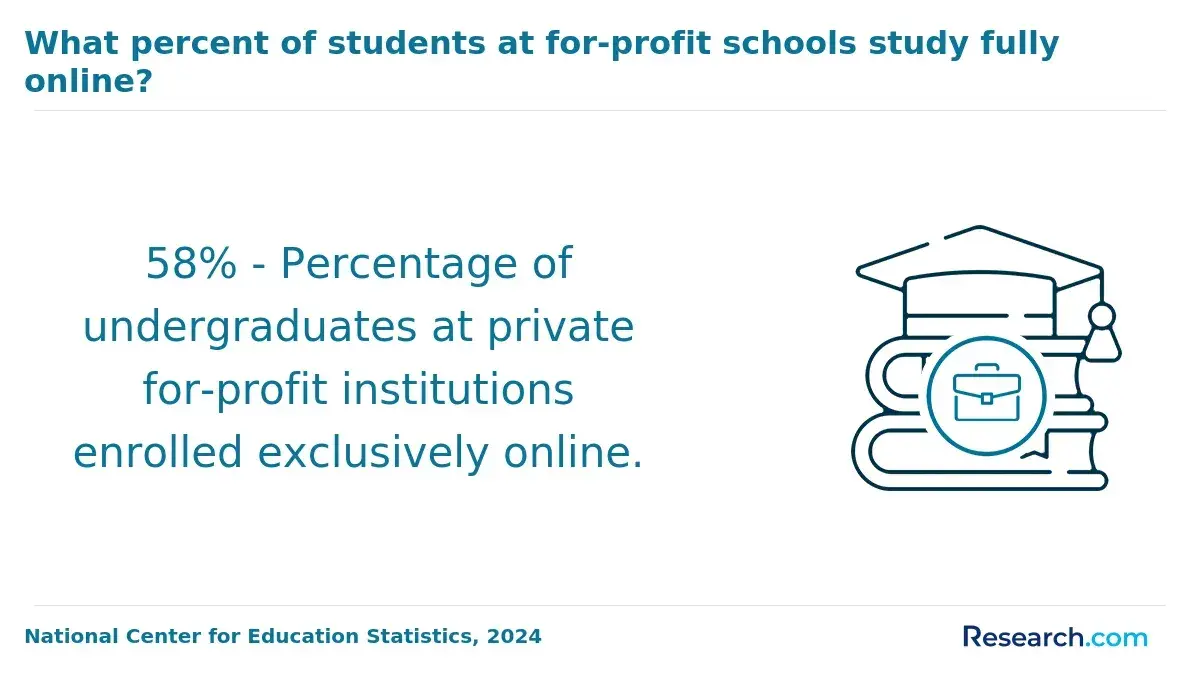
Online learning has become a mainstream graduate option, but quality varies. Check institutional accreditation, programmatic accreditation when relevant, faculty access, student support, placement help, and whether online students receive the same diploma, career services, and funding opportunities.
If flexibility is the main reason you are considering distance learning, compare structured online programs with online self-paced degrees. Self-paced formats can work well for disciplined students, but they may be harder for learners who need deadlines, live discussion, or close faculty feedback.
For licensure fields such as counseling, social work, nursing, education, psychology, and some health professions, confirm requirements with the state licensing board before enrolling. A program that is affordable but not accepted for licensure can become the most expensive mistake.
What budgeting strategies and lifestyle adjustments can help me afford graduate school while working?
Budgeting for graduate school is not only about cutting expenses. It is about protecting your ability to finish the program without relying on credit cards, emergency loans, or unsustainable work hours.
Start by building a monthly graduate school budget that separates fixed costs, flexible costs, and term-based costs. This makes it easier to see whether you need more aid, fewer credits, a different format, or a lower-cost school.
| Budget area | Examples | Planning purpose |
| Fixed monthly costs | Rent, utilities, insurance, phone, minimum debt payments | Shows the baseline income you need every month |
| Flexible costs | Food, transportation, subscriptions, personal spending | Identifies realistic places to reduce spending |
| Term-based costs | Books, fees, software, travel, exam registration | Prevents surprise charges from becoming credit card debt |
| Income sources | Wages, assistantship stipend, employer aid, savings draw | Shows whether your plan works before loans |
| Safety margin | Emergency fund and unplanned costs | Protects against dropping courses or borrowing under pressure |
Working while in graduate school can be financially smart, but it requires planning around workload. A full-time job plus a heavy course load can hurt grades, delay graduation, or prevent you from completing internships and networking.
Use these practical adjustments before increasing loans:
- Take the number of credits you can complete successfully while maintaining income, rather than enrolling full time by default.
- Ask whether your program offers evening, weekend, hybrid, or asynchronous courses that fit your work schedule.
- Use a separate account for term-based costs so books, fees, and exam expenses do not disrupt monthly bills.
- Negotiate flexible hours, remote days, or professional development support with your employer before the semester starts.
- Revisit your budget each term because tuition, aid, rent, and work hours can change.
If your long-term plan involves flexible employment, compare programs that build skills for remote-friendly fields. Researching degrees for work from home jobs can help you align graduate study with roles that may offer schedule flexibility after completion.
How can I evaluate whether the long-term career and salary outcomes justify graduate school costs?
Graduate school is financially worth considering when the degree is clearly connected to a career requirement, promotion path, licensure step, or measurable shift into a stronger labor market. It is less compelling when the program is chosen mainly for prestige, uncertainty, or a general hope that any advanced degree will pay off.
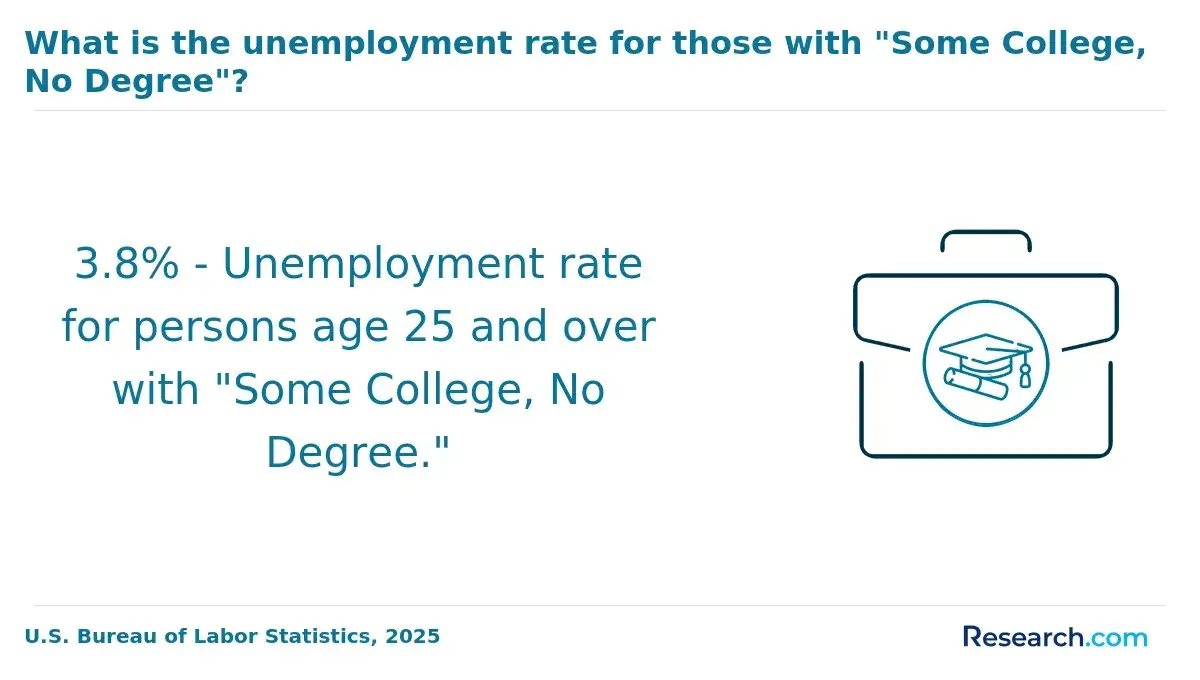
Recent BLS education data show that workers with higher levels of education tend to have higher median earnings and lower unemployment, but those figures are broad averages. Your personal return depends on field, school cost, local labor market, prior experience, program reputation, and whether employers in your target role actually value the credential.
A simple ROI review should compare total cost with realistic outcomes. The table below summarizes the factors to weigh before enrolling.
| ROI factor | What to examine | Why it matters |
| Credential requirement | Whether the degree is required for licensure, promotion, or entry into the role | Required credentials usually create a clearer case for investment |
| Expected salary range | Median pay for target roles using BLS, state labor data, and employer postings | Prevents relying on best-case salary stories |
| Total debt at graduation | New graduate debt plus existing undergraduate loans | Debt burden affects housing, family, career, and retirement choices |
| Completion time | Program length, transfer credits, prerequisites, thesis or clinical requirements | Longer timelines can increase living costs and delay earnings |
| Career services and placement | Internships, employer partnerships, licensure pass rates, alumni outcomes | Strong support can improve the transition from degree to job |
Before enrolling, take these steps to test whether the degree is likely to justify its cost:
- Identify three to five target job titles and confirm whether a graduate degree is required, preferred, or optional.
- Compare salary data from BLS, state labor agencies, employer postings, and alumni outcomes rather than relying on one source.
- Ask the program for completion rates, licensure pass rates, employment outcomes, assistantship availability, and average debt if available.
- Calculate the monthly payment on your likely debt and compare it with conservative early-career income, not only midcareer income.
- Consider lower-cost alternatives if the role values skills more than a graduate credential.
For career changers, the smartest path may not be graduate school first. Depending on the field, lower-cost routes such as the best associate degrees, certificates, apprenticeships, licensure coursework, or employer-sponsored training may provide a faster entry point before committing to a master's degree.
Common red flags include programs that cannot clearly explain career outcomes, pressure you to enroll quickly, advertise unrealistic salary claims, lack relevant accreditation, or make private loans seem like a routine first step. A trustworthy program should help you understand total cost, funding options, academic expectations, and career pathways before you sign.
Other Things You Should Know About
Yes. Graduate students can submit the FAFSA to be considered for federal Direct Unsubsidized Loans, Grad PLUS Loans, Federal Work-Study at participating schools, and some institutional or state aid. Graduate students usually do not qualify for Pell Grants.
Federal Direct Unsubsidized Loans are usually the first loan to consider because they have fixed rates and federal repayment protections. Grad PLUS Loans or private loans may fill remaining gaps, but they should be compared carefully because costs and protections differ.
It can be, especially if working lets you reduce borrowing or use employer tuition assistance. However, heavy work hours can slow progress or affect academic performance, so the best choice depends on program intensity, schedule flexibility, and your financial need.
There is no single cutoff. A safer borrowing level is one that fits your expected income, required credential value, existing debt, and repayment options. If projected payments would strain your budget or the degree is not clearly tied to career advancement, consider a cheaper program or delay enrollment.
References
- Master's with No Debt: A Strategic Guide to Funding Grad School https://www.onlinemastersdegrees.org/financial-aid/masters-with-no-debt/
- Budgeting for the First Year of Grad School Even with Financial Anxiety - Personal Finance for PhDs https://pfforphds.com/budgeting-for-the-first-year-of-grad-school-even-with-financial-anxiety/
- How to choose graduate student loans after the federal student aid overhaul https://www.cnbc.com/select/how-to-choose-a-graduate-student-loan/
- Tips on How to Pay for Graduate School Out of Pocket - Graduate Programs for Educators https://www.graduateprogram.org/blog/tips-on-how-to-pay-for-graduate-school-out-of-pocket/
- How to Pay for Graduate School When Federal Loans Fall Short https://www.savingforcollege.com/article/how-to-pay-for-graduate-school
- Federal vs. Private Graduate Student Loans - ELFI https://www.elfi.com/federal-graduate-student-loans-vs-private-graduate-student-loans/
- Federal and Private Student Loans: What’s the Difference? https://www.navyfederal.org/makingcents/college-planning/federal-vs-private-student-loans.html
- Cost and Value https://gradsense.org/cost-and-value/
- ROI: Real Costs, Real Careers: How to Evaluate the True Value of College and Career Paths | Your Future Blueprint https://www.yourfutureblueprint.com/blog/roi-real-costs-real-careers-how-to-evaluate-the-true-value-of-college-and-career-paths
- How To Pay For Grad School Without Student Loans - The Scholarship System https://thescholarshipsystem.com/blog-for-students-families/pay-grad-school-without-student-loans/