2027 How Earnings and Degree Level Affect College ROI

Co-Founder and Chief Data Scientist
Choosing a degree is now a financial decision as much as an academic one. BLS data released in 2024 shows full-time workers with a bachelor's degree had median weekly earnings of $1,543, compared with $930 for high school graduates. That gap can be powerful, but only if program cost, debt, major, school quality, and career fit line up. This guide is for students, parents, and working adults comparing education options. You will learn how earnings and degree level affect college ROI so you can choose a path with lower risk and stronger long-term value.
Key Things You Should Know
- Degree level matters, but it is not automatic profit: BLS 2024 data shows median weekly earnings of $1,099 for associate degree holders, $1,543 for bachelor's degree holders, $1,840 for master's degree holders, and $2,083 for doctoral degree holders.
- Cost can erase part of the payoff: College Board 2024 data lists average published tuition and fees of $4,050 at public two-year colleges, $11,610 for in-state public four-year colleges, and $43,350 at private nonprofit four-year colleges.
- Major choice often affects ROI as much as degree level; fields tied to licensed, technical, healthcare, business, data, and engineering roles usually have clearer earnings pathways than programs with broad or highly competitive labor markets.
How does degree level impact lifetime earnings and overall college ROI?
College ROI, or return on investment, compares what you pay for a degree with the financial benefits you may receive from higher earnings, better job stability, career mobility, and access to occupations that require a credential. The simplest version asks: "How long will it take for the added income from this degree to exceed the net cost of earning it?"
Degree level affects ROI because employers often use credentials as signals of knowledge, persistence, specialized training, and eligibility for regulated work. However, the payoff is uneven. A low-cost associate degree in nursing, dental hygiene, advanced manufacturing, or information technology may outperform a high-cost bachelor's degree with weak labor-market alignment. Likewise, a master's degree can be valuable in fields such as analytics, nursing, counseling, engineering, education leadership, and business, but less compelling when it does not unlock a promotion, license, or salary band.
The following table uses BLS 2024 median weekly earnings for full-time wage and salary workers age 25 and older. The annualized figures are simple weekly earnings multiplied by 52, so they should be treated as a broad comparison point rather than a guaranteed salary outcome.
| Education level | Median weekly earnings | Approximate annualized earnings | ROI interpretation |
| High school diploma | $930 | $48,360 | Useful baseline for estimating the earnings premium of postsecondary education. |
| Associate degree | $1,099 | $57,148 | Can deliver strong ROI when tuition is low and the program leads to an in-demand occupation. |
| Bachelor's degree | $1,543 | $80,236 | Often has the broadest career mobility, especially in fields requiring a four-year credential. |
| Master's degree | $1,840 | $95,680 | Most valuable when it is tied to advancement, licensure, specialization, or management roles. |
| Doctoral degree | $2,083 | $108,316 | Can pay off in specialized careers, but opportunity cost and time-to-completion are major factors. |
The key lesson is that higher degree levels tend to correlate with higher median earnings, but ROI depends on the cost of getting there. A student who transfers community college credits into an in-state bachelor's program may reach break-even much faster than a student who borrows heavily for a program with similar salary outcomes.
Which majors and fields of study deliver the strongest return on a college education?
Majors and fields of study influence ROI because they shape the jobs you can realistically compete for after graduation. A degree with a clear occupational pathway, measurable technical skills, and strong employer demand generally has lower ROI risk than a degree where career outcomes depend heavily on networking, graduate school, unpaid experience, or a highly competitive creative market.
Students comparing highest paying majors should look beyond the headline salary and ask whether the program teaches marketable skills, prepares students for internships, and has strong placement outcomes. High earnings potential is most useful when the path from coursework to employment is realistic.
The table below summarizes common ROI patterns by field. It is not a ranking, because salaries vary by region, employer, experience, school, and occupation, but it can help you understand which programs often have clearer financial pathways.
| Field of study | Typical ROI strengths | Common ROI risks | Best fit for students who want |
| Engineering and computer science | Strong technical demand, high entry-level ceilings, clear internship pathways. | Rigorous math requirements and competitive hiring for top roles. | Technical careers in software, systems, infrastructure, design, or applied problem-solving. |
| Nursing and allied health | Licensure-based employment, strong regional demand, practical clinical training. | State requirements, clinical placement availability, and exam pass rates matter. | A direct path into patient care, healthcare operations, or advanced practice later. |
| Business, accounting, and analytics | Broad employer demand and strong value when paired with internships and software skills. | Generic business programs may be weaker without specialization or experience. | Corporate, finance, operations, management, marketing analytics, or entrepreneurship roles. |
| Education and public service | Clear credential pathways and stable mission-driven work in many regions. | Pay scales may be lower, and licensure rules vary by state. | Teaching, counseling, administration, nonprofit, or government service careers. |
| Humanities, arts, and social sciences | Strong communication, research, writing, and critical thinking development. | ROI depends heavily on internships, portfolio quality, graduate study, or career strategy. | Flexible careers in media, policy, law preparation, communications, research, or creative work. |
A common mistake is assuming that a "good major" works the same everywhere. Program quality, local employer networks, internship access, capstone projects, portfolio development, and alumni outcomes can change the value of the same major from one school to another.
How can you calculate the ROI of a college degree using earnings and costs?
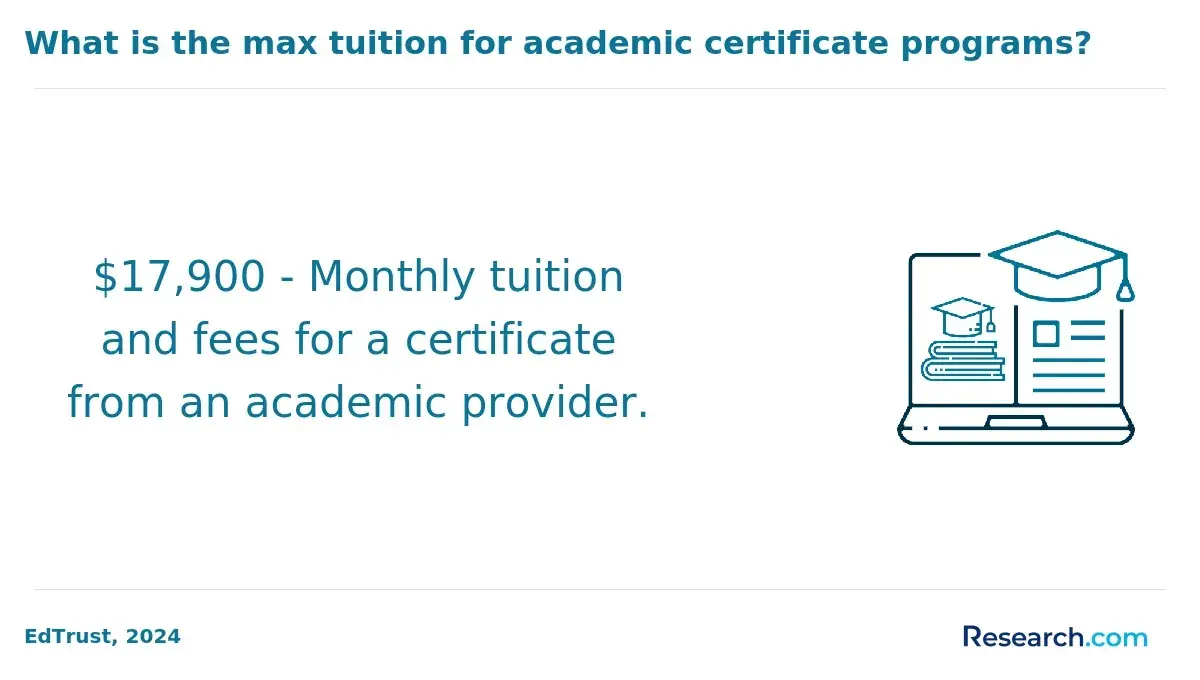
Calculating college ROI is not about predicting your exact future salary. It is about comparing realistic costs with realistic earnings scenarios before you commit. A good ROI estimate includes direct costs, borrowing costs, time out of the workforce, and the earnings premium associated with the degree.
Use this process to build a practical estimate before choosing a program:
- Estimate total program cost, including tuition, fees, books, technology, transportation, required equipment, clinical fees, exam fees, and lost income if you reduce work hours.
- Subtract grants, scholarships, employer tuition assistance, military benefits, and savings you do not need to repay to find your net cost.
- Estimate borrowing cost by adding expected interest and fees, not just the amount you borrow.
- Compare likely post-graduation earnings with your realistic alternative, such as working with a high school diploma, associate degree, or current bachelor's degree.
- Divide net cost by annual earnings gain to estimate a simple break-even timeline.
- Stress-test the decision by calculating a conservative case where earnings are lower, graduation takes longer, or you borrow more than planned.
The basic formula is simple: College ROI = financial benefits minus total costs, divided by total costs. For decision-making, however, the break-even timeline is often easier to use because it tells you how long it may take to recover your investment.
The table below shows the main variables to include. This helps prevent one of the most common mistakes: comparing tuition only while ignoring debt, time, and opportunity cost.
| ROI variable | What to include | Why it matters |
| Direct education cost | Tuition, fees, supplies, software, books, and required course materials. | These are the most visible costs, but they are not the full cost of attendance. |
| Living and access costs | Housing, food, transportation, childcare, parking, internet, and relocation. | Two schools with similar tuition can have very different total costs. |
| Debt cost | Loan principal, interest, origination fees, and repayment timeline. | A degree with good earnings can feel less valuable if monthly payments are too high. |
| Opportunity cost | Income lost while studying full time or reducing work hours. | Shorter, flexible, or part-time programs may improve ROI for working adults. |
| Earnings premium | The difference between expected earnings with and without the credential. | This is the main driver of break-even speed. |
For a more accurate estimate, compare program-level outcomes whenever available. Graduation rates, employment rates, licensure pass rates, median debt, and earnings by program are more useful than broad school averages.
How do associate, bachelor's, master's, and doctoral degrees compare in salary outcomes?
Associate, bachelor's, master's, and doctoral degrees serve different goals. The best choice is not always the highest credential; it is the lowest-cost credential that reliably gets you to the role, license, salary range, or advancement opportunity you want.
An associate degree often works well for students who want a faster, lower-cost path into technical, healthcare, or transfer-oriented programs. A bachelor's degree is usually the standard credential for many professional roles and offers broader career mobility. A master's degree can be valuable when it unlocks management, specialization, licensure, or higher pay bands. A doctoral degree is most appropriate for research, academia, advanced clinical practice, executive specialization, or fields where the credential is required or strongly preferred.
Students considering doctoral study should be especially careful with time and opportunity cost. Accelerated options, including best 1-year PhD programs online, may appeal to working professionals, but applicants should still verify accreditation, dissertation or capstone expectations, faculty support, and whether the credential is respected in their target field.
The table below compares common salary and decision factors across degree levels using BLS 2024 median weekly earnings as the salary reference point.
| Degree level | Median weekly earnings | Typical time commitment | When ROI is strongest |
| Associate degree | $1,099 | Often about two years full time. | When the program leads directly to a licensed, technical, or high-demand occupation, or transfers efficiently into a bachelor's degree. |
| Bachelor's degree | $1,543 | Often about four years full time, less with transfer credits. | When the major has strong career alignment, internships, employer demand, and manageable net cost. |
| Master's degree | $1,840 | Often one to three years, depending on field and pace. | When it is required for advancement, licensure, specialized practice, or a measurable salary increase. |
| Doctoral degree | $2,083 | Often several years, depending on program type and research requirements. | When the credential is essential for the career goal or produces a clear professional advantage that outweighs time and debt. |
The salary gaps are meaningful, but they should not be read as a promise. A master's degree in a low-paying field may not outperform a bachelor's degree in a high-demand technical field, and a doctoral degree can have weak financial ROI if it requires many years of foregone earnings without a clear salary increase.
How do tuition, fees, and student loan debt affect the financial payoff of college?
Tuition, fees, and loan debt directly affect ROI because they determine how much of your future earnings will be used to repay the cost of the credential. A degree with a moderate salary outcome can still be worthwhile if net cost is low, while a high-salary pathway can become risky if borrowing is excessive.
College Board data published in 2024 shows wide differences in average published tuition and fees by institution type for the 2024-2025 academic year. These figures do not include every living expense, but they give students a useful starting point for comparing price categories.
| Institution type | Average published tuition and fees | ROI implication |
| Public two-year, in-district | $4,050 | Often a strong low-cost starting point, especially for transfer or career-focused associate programs. |
| Public four-year, in-state | $11,610 | Can offer strong value when graduation rates, major outcomes, and transfer policies are favorable. |
| Public four-year, out-of-state | $30,780 | Requires careful comparison because the price gap can lengthen the break-even timeline. |
| Private nonprofit four-year | $43,350 | May be worthwhile with strong aid, outcomes, fit, or alumni networks, but sticker price alone is not enough to judge value. |
Debt adds another layer of risk. Federal Student Aid data released in 2024 showed the federal student loan portfolio remained above $1.6 trillion, which underscores why students should evaluate monthly repayment before enrolling, not after graduating. The relevant question is not only "Can I get admitted?" but also "Can I finish, find work, and manage payments on the salary this program commonly supports?"
Before borrowing, students should compare aid letters carefully and ask schools for program-specific costs. The following questions can reveal whether the advertised price understates the true investment:
- How much will I pay after grants and scholarships that do not need to be repaid?
- Are scholarships renewable, and what GPA or enrollment status is required to keep them?
- What fees are specific to my program, such as clinical, lab, internship, technology, testing, or equipment fees?
- How much debt do students in this program typically take on by graduation?
- What monthly payment would my expected borrowing create under standard and income-driven repayment options?
A common red flag is choosing a school based on the first-year aid package without checking whether the same aid continues. ROI can change quickly if grants disappear in later years and are replaced by loans.
How does school type and accreditation influence earnings potential and ROI?
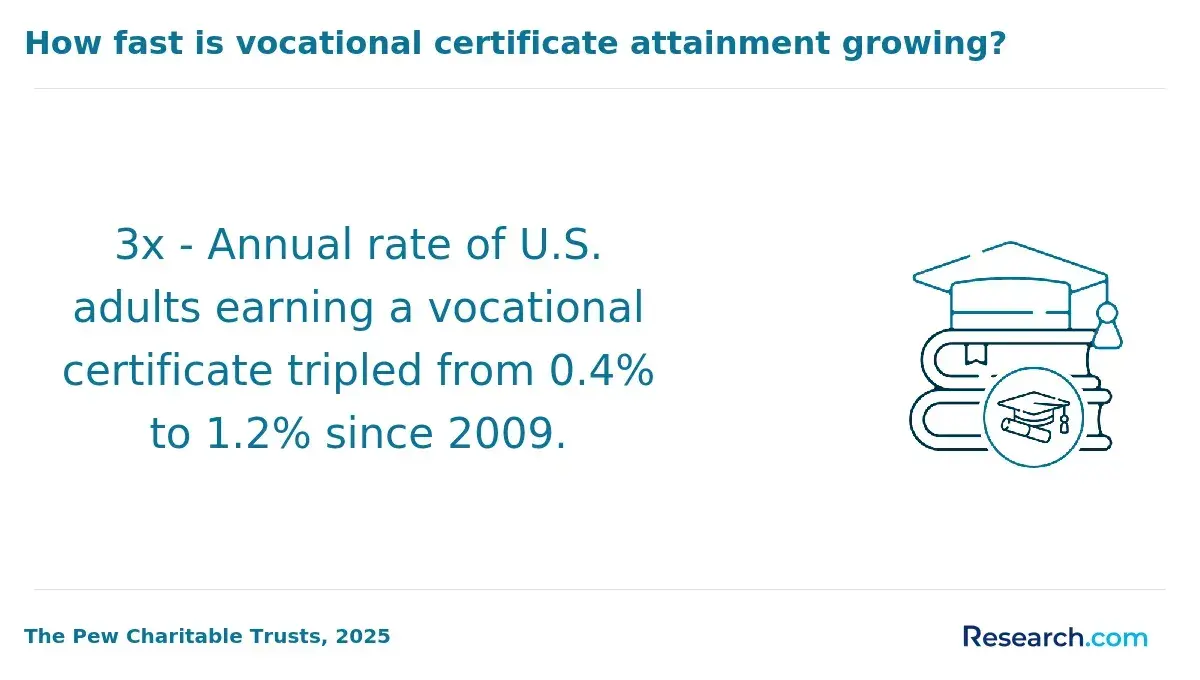
School type can influence ROI, but it does not determine ROI by itself. Public, private nonprofit, and private for-profit institutions can all vary widely in cost, selectivity, student support, graduation outcomes, employer reputation, and program quality. The better question is whether the specific school and program are accredited, affordable for you, and respected in the career path you want.
Institutional accreditation matters because it affects federal financial aid eligibility, transfer credit, graduate school admission, and employer confidence. Programmatic accreditation can be even more important in fields such as nursing, counseling, social work, engineering, education, public health, business, and allied health because it may affect licensure or professional recognition.
The following table shows accreditation and quality factors that can affect earnings potential and ROI. Use it to evaluate the program, not just the school brand.
| Factor to verify | Why it affects ROI | Possible red flag |
| Institutional accreditation | Supports aid eligibility, credit transfer, and general legitimacy. | The school is not accredited by a recognized accrediting agency. |
| Programmatic accreditation | May be required or preferred for licensure, certification, or graduate study. | The program says accreditation is "in progress" but cannot confirm current recognition. |
| Licensure alignment | Determines whether graduates can sit for required state exams or credentials. | The school cannot confirm whether the program meets requirements in your state. |
| Completion and placement outcomes | Low completion can increase debt without producing a credential. | The school gives only broad marketing claims instead of program-level results. |
| Employer and internship connections | Work experience improves the chance that the degree converts into earnings. | The program has limited career services, fieldwork, or employer partnerships. |
Accreditation does not guarantee a salary outcome, but lack of appropriate accreditation can block the payoff entirely. This is especially important for students pursuing regulated careers where state boards control eligibility.
What is the break-even timeline for recouping college costs at different degree levels?
The break-even timeline is the number of years it may take for additional earnings from a degree to recover the cost of earning it. A shorter break-even period usually means lower financial risk, while a longer period may still be acceptable if the degree provides stability, advancement, licensure, or nonfinancial benefits that matter to you.
A simple break-even formula is: net cost of the degree divided by annual earnings gain. The annual earnings gain should compare your likely earnings after the credential with the most realistic alternative you would have chosen without it.
The table below uses BLS 2024 annualized median earnings to show earnings premiums by degree level. It does not include tuition, debt, taxes, geographic differences, or lost wages, so use it as a framework rather than a personalized forecast.
| Credential comparison | Approximate annualized earnings difference | How to use it for break-even |
| Associate degree compared with high school diploma | $8,788 | Divide the net associate degree cost by this amount to estimate a simple payoff period. |
| Bachelor's degree compared with high school diploma | $31,876 | Useful for students deciding whether to pursue a four-year degree directly or enter the workforce first. |
| Bachelor's degree compared with associate degree | $23,088 | Useful for transfer students deciding whether the final two years are financially worthwhile. |
| Master's degree compared with bachelor's degree | $15,444 | Useful for professionals deciding whether graduate school is likely to produce enough added income. |
| Doctoral degree compared with master's degree | $12,636 | Useful for evaluating whether advanced study justifies extra years, debt, and delayed earnings. |
For example, College Board's 2024 average published tuition and fees for an in-state public four-year college were $11,610 per year. A student who completes a bachelor's degree at that price level will still need to add fees, living expenses, books, debt interest, and any lost income before calculating true break-even. This is why two students in the same major can have very different ROI: one may transfer credits, work part time, and avoid loans, while another may pay out-of-state tuition and borrow for living expenses.
When break-even looks too long, consider ways to reduce the investment before abandoning the goal. Community college transfer, employer tuition assistance, credit for prior learning, part-time study, scholarships, accelerated terms, and lower-cost public options can all shorten the timeline if they do not reduce program quality or licensure eligibility.
How do online college programs compare to campus-based options in ROI and earnings?
Online college programs can produce strong ROI when they are accredited, priced competitively, flexible enough to preserve income, and aligned with the same career outcomes as campus-based programs. The format itself is not the main issue. The real question is whether the online program gives you the credential, skills, support, and employer recognition needed for your goal.
Working adults often benefit from online formats because they can study without relocating or leaving the labor force. Options such as a self-paced bachelor's degree may improve ROI for students who can move quickly through material, use transfer credits, or balance school with full-time employment.
The following comparison can help you decide whether online, campus-based, or hybrid study is the better financial fit. Focus on program quality and completion likelihood, not convenience alone.
| Format | ROI advantages | ROI risks | Best fit |
| Online | Lower commuting costs, flexible scheduling, continued employment, wider school choice. | Requires strong self-management, and some programs may have limited hands-on support. | Working adults, caregivers, transfer students, and self-directed learners. |
| Campus-based | In-person networking, labs, student services, clubs, research, and structured routines. | Higher relocation, housing, commuting, or opportunity costs for some students. | Students who need structure, campus resources, labs, or intensive networking. |
| Hybrid | Combines flexibility with in-person labs, clinicals, residencies, or networking. | Travel and scheduling requirements may still affect work and family responsibilities. | Students in healthcare, education, counseling, business, or technical programs with hands-on requirements. |
AI and automation are also changing what makes an online program valuable. Programs that include applied projects, data tools, cybersecurity awareness, communication practice, and AI-literate workflows may prepare students better than programs that only replicate textbook learning online.
A major mistake is assuming online means easier or less respected. Employers usually care more about accreditation, skills, experience, and the institution's credibility than whether courses were completed online. However, students pursuing licensure should confirm state eligibility before enrolling, because some online programs may not meet every state's fieldwork or clinical requirements.
How do licensing and professional certifications interact with degrees to boost earnings?
Licensing and professional certifications can increase ROI when they convert a degree into eligibility for a specific occupation, promotion, or specialized role. In many fields, the degree is only one part of the earnings equation; exams, supervised experience, state approval, and continuing education may determine whether you can fully use the credential.
Short, targeted credentials can also help students test a field or add marketable skills without committing to a full degree immediately. For some learners, 6 week courses with certificates can be useful for building skills in areas such as software, business tools, healthcare support, project management basics, or career exploration, though they should not be confused with licenses required for regulated professions.
The table below shows how degrees and credentials often interact. Requirements vary by state, employer, and professional board, so always verify the rules for your target location and occupation.
| Career area | Degree connection | Credential or licensing factor | ROI impact |
| Nursing | Associate or bachelor's degree in nursing. | NCLEX-RN and state board approval. | Licensure is essential for accessing registered nursing roles. |
| Accounting | Bachelor's or master's coursework in accounting or business. | CPA requirements vary by state and usually include exams and credit-hour rules. | Certification can improve advancement potential in public accounting and finance. |
| Engineering | Engineering degree, often from an accredited program. | FE and PE licensing may be needed for certain responsibilities. | Licensure can expand authority, responsibility, and senior-level opportunities. |
| Teaching | Education degree or approved alternative pathway. | State licensure, exams, and student teaching requirements. | Credential eligibility is often required for public school teaching roles. |
| Cybersecurity and IT | Degree may be helpful but not always mandatory. | Vendor and professional certifications may validate specific skills. | Certifications can strengthen employability when paired with projects and experience. |
The best approach is to map the full credential stack before enrolling. If a career requires a license, confirm whether the program meets education requirements, prepares students for exams, provides required fieldwork, and publishes pass rates. If a certification is optional, ask employers in your target field whether it actually affects hiring or salary.
How can prospective students choose programs with strong salary outlook and low ROI risk?
Choosing a program with strong salary outlook and low ROI risk requires more than comparing rankings or tuition. You need to connect five things: career goal, credential requirement, program quality, total cost, and completion likelihood. If any one of those is weak, the financial payoff becomes less certain.
Some students search for the easiest bachelor's degree to get, but ease should not be the main selection factor. A manageable program can be a smart choice if it is accredited, affordable, aligned with your strengths, and connected to realistic careers. A program that is easy but poorly matched to the labor market may create weak ROI.
Use this decision process before applying or enrolling:
- Start with the job, not the major, by identifying target roles, required credentials, preferred skills, and typical entry-level pathways.
- Check whether the degree is required, preferred, or optional for those roles, because a certificate, associate degree, or employer training path may sometimes be enough.
- Compare program-level outcomes, including graduation rates, transfer rates, licensure pass rates, employment support, internship access, and median debt when available.
- Calculate net cost after grants and scholarships, then estimate monthly loan payments before accepting an aid package.
- Ask whether the program includes career-building experiences such as internships, clinicals, portfolios, labs, research, apprenticeships, or employer projects.
- Confirm accreditation and state authorization, especially for online, healthcare, education, counseling, engineering, and social work programs.
- Build a backup plan by choosing electives, minors, certifications, or work experience that expand your options if your first career target changes.
The following table highlights common mistakes that increase ROI risk and better alternatives that improve decision quality.
| Common mistake | Why it raises risk | Better approach |
| Choosing based only on school prestige. | A strong brand does not automatically offset high debt or weak program fit. | Compare program outcomes, net price, employer connections, and graduation likelihood. |
| Looking only at tuition. | Fees, housing, transportation, loan interest, and lost income can change total cost. | Use full cost of attendance and expected borrowing in your ROI estimate. |
| Ignoring accreditation. | Missing accreditation can affect aid, transfer, licensure, or employer recognition. | Verify institutional and programmatic accreditation before applying. |
| Assuming salary data guarantees your outcome. | Median earnings do not account for region, experience, grades, internships, or labor-market timing. | Use salary data as a planning range and improve odds through experience and skills. |
| Skipping transfer credit review. | Lost credits can add semesters, tuition, and debt. | Get written transfer evaluations before committing to a school. |
The lowest-risk program is usually one you can finish, afford, and clearly connect to a real opportunity. If a school cannot explain cost, accreditation, completion requirements, and career outcomes in plain language, treat that as a warning sign.
Other Things You Should Know About
College can be worth it when the degree is affordable, completed on time, and connected to a realistic career path. BLS 2024 earnings data shows higher median earnings at higher education levels, but ROI depends on major, debt, school quality, and whether the credential helps you access better jobs.
There is no single best level for everyone. Associate degrees can have strong ROI because they cost less and can lead quickly to technical or healthcare roles. Bachelor's degrees often provide broader mobility. Graduate degrees are strongest when they unlock licensure, advancement, or specialized salary growth.
A practical rule is to compare expected monthly payments with realistic entry-level income in your field. If loan payments would make it difficult to cover housing, transportation, savings, and basic expenses, the program may be too expensive unless aid improves or earnings prospects are unusually strong.
Not necessarily. An accredited online degree can have strong ROI if it reduces commuting, relocation, or lost income while leading to the same credential. The main risks are weak student support, poor fit for hands-on fields, and programs that do not meet state licensure requirements.
References
- Research Summary: Education and Lifetime Earnings https://www.ssa.gov/policy/docs/research-summaries/education-earnings.html
- How Colleges Can Balance Costs and Outcomes to Deliver a ... https://www.higheredvaluemetrics.org/blog/how-colleges-can-balance-costs-and-outcomes-to-deliver-a-strong-roi
- The Certification Advantage: How Credentials Drive Career Growth https://courses.msicertified.com/blog/the-certification-advantage-how-credentials-drive-career-growth
- Is College Worth it? | Return on Investment Analysis of College Degree https://educationdata.org/college-degree-roi
- How Schools Can Help Students Maximize Their Return On Investment - The EvoLLLution https://evolllution.com/revenue-streams/workforce_development/how-schools-can-help-students-maximize-their-return-on-investment
- How To Calculate The ROI Of Your College Degree | Bankrate https://www.bankrate.com/loans/student-loans/roi-college-degree/
- Does College Pay Off? A Comprehensive Return On Investment Analysis - FREOPP https://freopp.org/whitepapers/does-college-pay-off-a-comprehensive-return-on-investment-analysis/
- Graduate degrees pay—but it’s complicated | Brookings https://www.brookings.edu/articles/graduate-degrees-pay-but-its-complicated/
- The Impact of Certifications on Earnings across States and Occupations – LMI Institute https://www.lmiontheweb.org/the-impact-of-certifications-on-earnings-across-states-and-occupations/
- Investment in a college degree pays off by age 34 - Utah System of Higher Education https://ushe.edu/investment-in-college-pays-off-by-34/