2027 How to Pay for College: Complete Guide

Co-Founder and Chief Data Scientist
Paying for college now requires more planning than simply choosing a school and hoping aid covers the bill. College Board's 2024 data shows the average published annual budget for an in-state student at a public four-year college is about $29,910, which means small decisions about aid, housing, credits, and loans can change the total cost by thousands. This guide is for students, parents, adult learners, and transfer students who want a realistic funding plan. You will learn how to compare college costs, maximize free aid, borrow carefully, and choose options that fit your long-term finances.
Key Things You Should Know
- Start with free and low-cost funding first: FAFSA-based grants, state aid, institutional grants, scholarships, employer benefits, savings, and affordable school choices should come before loans.
- Use net price, not sticker price, when comparing colleges; College Board's 2024 figures show published annual budgets can range from about $29,910 for in-state public four-year students to more than $60,000 at many private nonprofit colleges.
- If borrowing is necessary, federal student loans are usually the first option to evaluate because undergraduate Direct Loans for 2024-25 carry fixed rates and borrower protections that private loans generally do not match.
What are the main ways to pay for college without taking on excessive debt?
The best way to pay for college is to build a layered funding plan. Instead of relying on one source, combine grants, scholarships, affordable school choices, savings, work income, and limited borrowing. This approach matters because tuition is only one part of the bill; housing, food, transportation, books, technology, fees, and lost work time can also affect affordability.
A practical college funding plan usually follows a "least risky money first" order. The goal is not always to avoid every loan, but to avoid borrowing more than the degree is likely to support after graduation.
Use this order when building your plan because it prioritizes money that does not need to be repaid before money that creates long-term obligations.
- File the FAFSA and any required state or college aid forms as early as possible.
- Apply for federal, state, institutional, and private grants and scholarships.
- Choose a school with a manageable net price after gift aid, not just a school with a well-known name.
- Use savings, 529 plan funds, payment plans, and family contributions if available.
- Reduce costs through community college, transfer credits, in-state tuition, online courses, or living at home.
- Use work-study, part-time work, paid internships, or employer tuition assistance when they fit your schedule.
- Borrow federal student loans only for the remaining gap after cheaper options are used.
- Consider private loans only after comparing federal loan limits, repayment protections, and realistic post-college income.
There is no single "right" mix for every student. A full-time residential student, a working parent in an online program, and a community college transfer student may all need different funding strategies. The key is to make the cost plan match the credential, career goal, timeline, and household budget.
The table below summarizes common college funding sources and when each one usually makes the most sense. Use it to decide which options deserve attention before you borrow.
| Funding source | Repayment required? | Best fit | Main caution |
| Grants | No | Students with financial need, state eligibility, or school-based aid eligibility | May require FAFSA, enrollment minimums, or satisfactory academic progress |
| Scholarships | No | Students with academic, athletic, artistic, service, identity-based, employer, or community qualifications | Deadlines and renewal rules vary widely |
| Work-study or part-time work | No | Students who can work without hurting academic progress | Income may not cover large tuition gaps |
| 529 plans and savings | No loan repayment | Families with existing savings or tax-advantaged education funds | Withdrawals must follow qualified expense rules |
| Federal student loans | Yes | Students who still have a gap after free aid and cost reductions | Borrowing limits, interest, and repayment obligations apply |
| Private student loans | Yes | Borrowers with strong credit or a cosigner after federal options are reviewed | Fewer repayment protections and variable terms by lender |
How does financial aid work, and how do you qualify through the FAFSA?
Financial aid is money that helps students pay for college. It can come from the federal government, state agencies, colleges, employers, nonprofit organizations, and private scholarship providers. The FAFSA, or Free Application for Federal Student Aid, is the main form used to determine eligibility for federal grants, federal student loans, work-study, and many state and school aid programs.
The FAFSA now uses the Student Aid Index, or SAI, instead of the older Expected Family Contribution. The SAI is not the exact amount your family must pay; it is a formula-based number colleges use to calculate financial need. The lower your SAI, the more need-based aid you may be eligible to receive, depending on the school's cost of attendance and available funds.
The maximum Federal Pell Grant for the 2024-25 award year is $7,395. For eligible students, that can significantly reduce the amount that must come from savings, work, or loans, but it may not cover the full cost of attendance at many four-year colleges.
Follow these steps to qualify for as much FAFSA-based aid as possible and avoid common delays.
- Create your StudentAid.gov account before the FAFSA opens so you can access the form and sign electronically.
- Gather tax information, Social Security numbers if applicable, records of untaxed income, and asset information for required contributors.
- List every college you are seriously considering, including community colleges and transfer options.
- Submit the FAFSA as early as possible because some state and institutional funds are limited.
- Review your FAFSA Submission Summary for errors and correct mistakes quickly.
- Respond to verification requests from colleges by the stated deadline.
- Compare financial aid offers by separating grants and scholarships from loans and work-study.
FAFSA eligibility depends on factors such as citizenship or eligible noncitizen status, enrollment in an eligible program, satisfactory academic progress, income, assets, family size, dependency status, and prior education history. Some students who assume they will not qualify for need-based grants should still file because many schools require the FAFSA for institutional aid, work-study, emergency grants, or federal loan access.
One common mistake is treating the financial aid offer as the final answer. If your family has a job loss, medical expense, divorce, natural disaster, or other financial change, contact the college's financial aid office about a professional judgment review. Schools are not required to change your aid, but they can review special circumstances that the FAFSA formula may not fully capture.
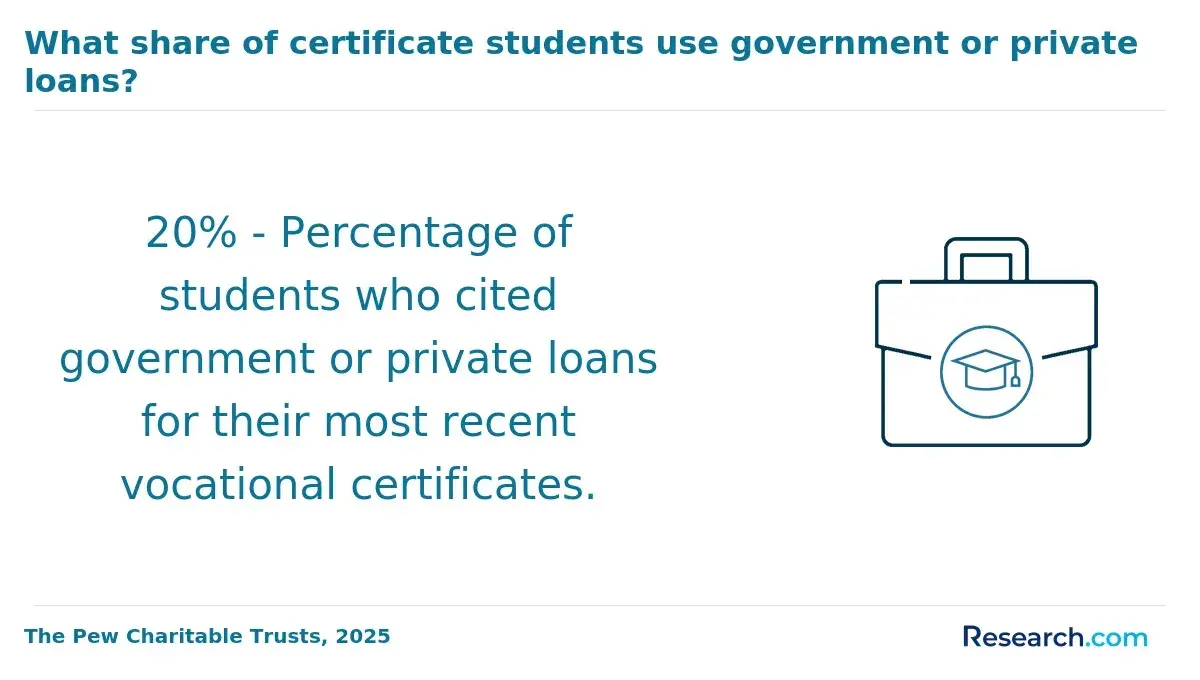
How can you find and win scholarships, grants, and other "free money" for college?
Scholarships and grants are often called "free money" because they usually do not have to be repaid, but they still require strategy. The strongest approach is to apply to a mix of large national scholarships, smaller local awards, school-based scholarships, state grants, employer-sponsored programs, and awards tied to your major or background.
Scholarship competition can be intense, so focus on fit rather than volume alone. A $750 local scholarship with a short applicant pool may be more realistic than a national award with thousands of applicants.
Use this search sequence to find awards that match your profile and reduce wasted effort.
- Check each college's scholarship page for automatic merit awards, departmental scholarships, honors college awards, and separate application deadlines.
- Search your state higher education agency's grant and scholarship programs.
- Ask your high school counselor, community college transfer office, employer, union, faith organization, local foundation, or civic group about local awards.
- Look for major-specific scholarships from professional associations in fields such as nursing, engineering, accounting, teaching, cybersecurity, or social work.
- Use reputable scholarship databases, but never pay a fee just to access a scholarship list.
- Create a reusable scholarship folder with transcripts, a resume, short essays, recommendation letters, and proof of activities or service.
Strong scholarship applications are specific. Instead of repeating general statements about being hardworking, connect your achievements, goals, financial need, and community impact to the award's mission. If a scholarship asks about leadership, describe the problem you addressed, the action you took, and the result.
Watch for red flags. Scholarship scams may ask for upfront fees, guarantee an award, request bank login credentials, or pressure you to act immediately. Legitimate scholarships may request financial information through secure forms, but they should clearly identify the sponsor, eligibility rules, deadlines, and selection process.
Grants can be just as valuable as scholarships. Federal Pell Grants, state need-based grants, institutional grants, and program-specific grants may be renewable if you meet enrollment and academic progress requirements. Before accepting a grant, confirm whether it applies only to tuition or can also cover housing, books, transportation, and other approved costs.
How do you estimate total college costs and compare prices across different schools?
To compare colleges accurately, look beyond tuition and calculate the full cost of attendance. Cost of attendance is the school's estimate of tuition, fees, housing, food, books, supplies, transportation, and personal expenses for one academic year. Net price is what remains after grants and scholarships are subtracted.
College Board's 2024 data shows that the average published budget for an in-state student at a public four-year college is about $29,910, while the average for a private nonprofit four-year college is about $62,990. Those figures are sticker prices, not what every student pays, but they show why comparing net price is essential.
The table below shows the major cost categories that can change your real bill. Reviewing each category helps prevent the common mistake of choosing a college based only on tuition.
| Cost category | What it includes | Why it affects affordability |
| Tuition and mandatory fees | Instructional charges and required campus or program fees | Usually the largest direct academic cost |
| Housing and food | Dorms, meal plans, rent, groceries, and utilities | Can make a low-tuition school expensive if living costs are high |
| Books, supplies, and technology | Textbooks, software, lab materials, laptop, and equipment | Some majors have higher supplies or licensing costs |
| Transportation | Commuting, parking, public transit, flights, or car expenses | Out-of-state or rural campuses may increase travel costs |
| Personal expenses | Clothing, phone, health needs, and basic living costs | Often underestimated in first-year budgets |
| Time to degree | Extra semesters, repeated classes, or lost transfer credits | Additional terms can add tuition and delay full-time earnings |
Use net price calculators on each college's website, but treat them as estimates. They are most useful when your family finances are stable and your academic profile is similar to the school's aid model. If your situation is unusual, ask the financial aid office how the estimate may differ from an official aid offer.
When time is a major cost factor, compare programs by total months to completion, not just annual tuition. Some students researching the quickest online degrees may find that a shorter path reduces living costs and opportunity costs, but only if the program is accredited, realistic, and aligned with their career goal.
Before committing, build a four-year or full-program budget. Include expected tuition increases, summer classes, transfer credits, housing changes, transportation, health insurance, exam fees, and the amount you may need to borrow each year. A school that looks affordable in year one may become difficult if scholarships are not renewable or housing costs rise.
What strategies help you choose an affordable college, including community college and transfer options?
Choosing an affordable college is not the same as choosing the cheapest advertised tuition. The best-value option is the school that offers a credible path to your goal at a net price you can manage, with strong academic support, transfer policies, accreditation, and career outcomes for your field.
Community college can be one of the strongest debt-reduction strategies, especially for students who can complete general education courses at a lower cost before transferring to a bachelor's program. The risk is losing credits during transfer, so planning matters.
Use these steps if you are considering community college or a transfer pathway.
- Identify the bachelor's degree and transfer destination before choosing community college courses.
- Ask for the official articulation agreement, not just verbal reassurance that credits "should transfer."
- Confirm grade requirements for transfer credits, major prerequisites, and competitive admission programs.
- Meet with advisors at both the community college and the intended four-year school.
- Track whether your courses satisfy general education, major, or elective requirements.
- Compare total cost for the full bachelor's degree, including the final two years after transfer.
Affordable options can also include regional public universities, commuter campuses, online bachelor's programs, competency-based programs, and schools with strong institutional grant aid. Students comparing online options can start with lists of the most affordable online colleges, then verify accreditation, transfer rules, student support, and total program cost.
Do not assume a private college is always unaffordable or a public college is always the best value. Some private nonprofit colleges offer large grants that bring the net price down, while out-of-state public universities may be costly without merit aid. Institution type alone does not determine return on investment.
A common mistake is choosing a college because it feels prestigious while ignoring whether the degree path is clear. Extra semesters can erase scholarship savings quickly. Ask each school for a degree plan showing how a typical student completes the program on time, including required courses that are offered only once per year.
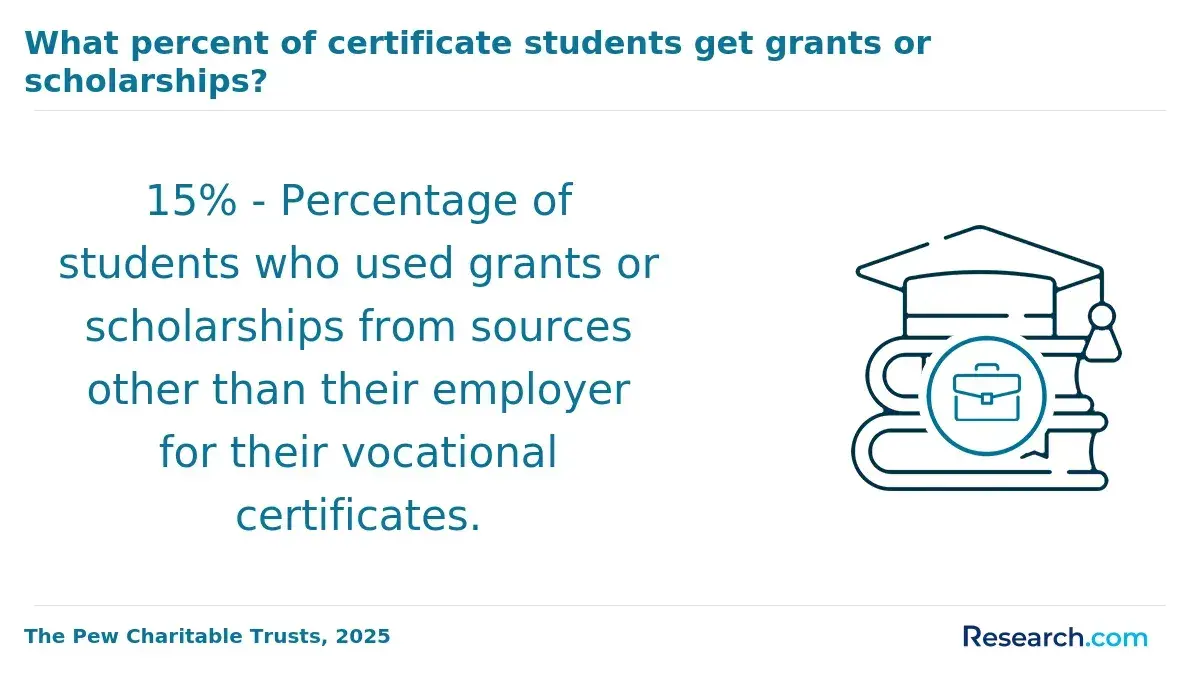
When are federal and private student loans necessary, and how much should you borrow?
Student loans may be necessary when grants, scholarships, savings, work income, and cost reductions do not cover the full cost of attendance. Borrowing is not automatically a bad decision, but it should be tied to a realistic education plan, completion timeline, and expected ability to repay.
Federal student loans are usually the first borrowing option to evaluate. For 2024-25, undergraduate Direct Subsidized and Unsubsidized Loans have a fixed interest rate of 6.53%. That rate matters because interest increases the total repayment cost, especially if you borrow every year or delay repayment through deferment or forbearance.
Use the following borrowing guardrails before accepting loans.
- Borrow only for costs you cannot reasonably cover through free aid, savings, work, or lower-cost school choices.
- Estimate total borrowing for the entire degree, not just the first year.
- Keep future monthly payments within a realistic entry-level budget for your intended field.
- Prefer federal loans before private loans because federal loans may offer income-driven repayment, deferment, forbearance, and forgiveness options.
- Avoid using loans for lifestyle upgrades, expensive housing, unnecessary travel, or costs unrelated to completing the degree.
- Reconsider the plan if you need private loans every year and do not have a high-confidence completion and repayment strategy.
Private student loans can help fill a remaining gap, but they require careful comparison. Terms depend on the lender and borrower credit profile, and many students need a cosigner. Private loans may have fixed or variable rates, different repayment terms, and fewer hardship protections than federal loans.
Some students try to reduce borrowing by choosing programs they believe will be easier to complete while working. That can be reasonable, but do not choose a major only because it appears simple. If you are comparing easy degrees to get online, also evaluate accreditation, career relevance, transferability, and whether the program builds skills employers value.
The biggest loan mistake is borrowing for a degree you are unlikely to finish. A smaller loan attached to an incomplete credential can be harder to repay than a larger but carefully planned loan attached to a completed program with clear career value. Before borrowing, make sure you understand graduation rates, academic support, course availability, and job placement information for your program.
How can work-study, part-time jobs, and employer tuition benefits help you cover costs?
Work can reduce the amount you need to borrow, but the best work plan protects your academic progress. Federal Work-Study is a need-based aid program that provides part-time jobs for eligible students, often on campus or with approved community organizations. The award is not automatically applied to your tuition bill; you typically earn wages through hours worked.
Part-time jobs, paid internships, resident assistant positions, tutoring, campus jobs, and cooperative education programs can all help cover living expenses. The trade-off is time. Working too many hours can delay graduation, reduce grades, or limit internship opportunities, which can raise total costs in the long run.
Consider these work options based on your schedule, transportation, and academic demands.
- Federal Work-Study may fit students who qualify through the FAFSA and want flexible campus-based employment.
- Campus jobs can reduce commuting time and may be more understanding of exam schedules.
- Resident assistant roles can reduce housing costs, though duties and availability vary by school.
- Paid internships can support both income and career experience, especially in business, technology, healthcare administration, engineering, and public service fields.
- Employer tuition assistance can help working adults earn credentials while staying employed.
- Apprenticeships and cooperative education programs may be useful in fields where paid training is built into the education path.
Students who need lower-social-energy work or flexible environments can also explore career-aligned options suited to their personality and schedule. For example, lists of jobs for introverts can be useful when thinking about part-time work, internships, and long-term career fit.
Employer tuition benefits are especially important for adult learners. Some employers reimburse tuition after you pass a course, while others pay schools directly. Ask whether benefits apply to degree programs, certificates, online courses, books, fees, and specific majors. Also check whether you must stay with the employer for a certain period after using the benefit.
A common mistake is assuming any job is helpful if it pays. The better question is whether the job helps you stay enrolled, maintain grades, avoid unnecessary loans, and move toward a career. If work is causing repeated course withdrawals, your total cost may rise even if your paycheck looks helpful in the short term.
How do 529 plans, family savings, and payment plans fit into your college funding strategy?
529 plans, family savings, and college payment plans can reduce borrowing, but they work best when coordinated with financial aid rules, tax considerations, and cash flow. A 529 plan is a tax-advantaged education savings account. Withdrawals are generally intended for qualified education expenses such as tuition, required fees, books, supplies, and certain room and board costs for eligible students.
Family savings can be powerful even when they do not cover the full bill. For example, using savings for books, transportation, or fees may prevent small costs from being placed on high-interest credit cards. The goal is to use savings strategically, not to drain emergency funds without a plan.
Before using savings or a payment plan, review these questions with your family or financial advisor.
- Which expenses are due immediately, and which can be spread across the term?
- Will 529 withdrawals be used for qualified expenses to avoid tax complications?
- Does the college charge enrollment fees for monthly payment plans?
- Can the family maintain an emergency fund after making college payments?
- Are scholarships renewable, or will savings be needed more in later years?
- Will a student's enrollment status affect aid, loan eligibility, housing, or insurance?
College payment plans can be useful for families that can pay the bill over several months but not in one lump sum. These plans are not the same as loans, but schools may charge setup fees or late fees. They work best when income is predictable and the remaining balance is realistic.
Some online and flexible programs allow students to adjust course loads around work and family savings plans. If pacing is important, researching self-paced degrees can help you compare formats, but you should confirm how pacing affects financial aid eligibility, billing, academic progress, and graduation timelines.
A major mistake is using retirement savings too quickly. Retirement accounts may have tax penalties, lost growth, and long-term consequences that student loans do not. Parents and guardians should balance support for college with their own financial stability because students have multiple education funding tools, while retirement funding options are more limited.
How can online programs, in-state options, and living at home reduce your college expenses?
Online programs, in-state tuition, and living at home can reduce college costs when they fit your learning style and degree requirements. These options are especially valuable for students who can avoid relocation, continue working, or complete courses without paying for campus housing.
Online learning is now a mainstream option, but it is not automatically cheaper. Some schools charge online program fees, technology fees, proctoring fees, or flat-rate tuition that differs from campus pricing. The real savings often come from avoiding housing, commuting, relocation, and schedule conflicts rather than from tuition alone.
Use this comparison to decide whether cost-saving formats match your needs. The table summarizes key trade-offs, not instructions, so use it as a starting point for deeper school-specific questions.
| Option | Potential savings | Best fit | Main trade-off |
| In-state public college | Lower tuition than many out-of-state options | Students with strong public university options in their state | May still be costly with campus housing |
| Living at home | Reduced housing and food costs | Commuters near a suitable college | Less campus immersion and possible transportation costs |
| Online bachelor's program | Lower relocation and commuting costs | Working adults, parents, military-affiliated students, and self-directed learners | Requires discipline and strong online support services |
| Hybrid program | Some commuting reduction while keeping in-person access | Students who need labs, advising, or campus resources | Scheduling may be less flexible than fully online study |
| Summer or winter courses | May shorten time to degree | Students trying to catch up or graduate early | Can affect aid, workload, and burnout risk |
If you choose an online program mainly to save money, confirm accreditation, student support, faculty access, exam requirements, internship rules, and whether the program meets licensure requirements in your state if applicable. Some fields, such as nursing, teaching, counseling, and social work, may have clinical, practicum, or state approval requirements that online coursework alone does not satisfy.
Students exploring flexible and lower-cost formats may also compare online majors that align with their strengths and goals. Resources on affordable paths and program formats can help, but the final decision should be based on total cost, completion likelihood, and career relevance.
Living at home can be one of the most effective cost reducers, but it requires boundaries and planning. Build a weekly schedule for classes, studying, work, commuting, family responsibilities, and rest. If the home environment makes studying difficult, the savings may not be worth delayed progress or lower academic performance.
What loan repayment, forgiveness, and income-driven plans can ease post-college financial burdens?
Repayment planning should begin before you borrow, not after graduation. Federal student loans offer several repayment options that can make payments more manageable, though rules can change and eligibility depends on loan type, employment, income, family size, and program requirements.
For federal loans, common repayment options include the standard repayment plan, graduated repayment, extended repayment for eligible borrowers, and income-driven repayment plans. Income-driven plans generally calculate payments based on income and family size, and they may lead to forgiveness after a required repayment period if the borrower meets all rules.
Public Service Loan Forgiveness, often called PSLF, may forgive remaining eligible federal Direct Loan balances for borrowers who make the required qualifying payments while working full time for a qualifying government or nonprofit employer. This can be valuable for teachers, public health workers, social workers, government employees, and nonprofit professionals, but documentation and eligibility details matter.
Use these repayment planning steps before leaving school or entering repayment.
- Log in to your federal student loan account and list every loan, interest rate, balance, and servicer.
- Use the federal loan simulator to compare repayment plans before your grace period ends.
- Update your contact information with your loan servicer so you do not miss required notices.
- If pursuing PSLF, submit employer certification forms regularly and keep copies of records.
- Avoid unnecessary forbearance if an income-driven plan could offer a lower required payment.
- Prioritize private loans carefully because they may have fewer hardship options than federal loans.
- Contact your servicer early if you cannot pay; waiting until delinquency limits your options.
Forgiveness is not guaranteed simply because you work in a public service field or enroll in an income-driven plan. You must meet the specific program rules, make qualifying payments, and keep documentation. Tax treatment of forgiven balances may also depend on the type of forgiveness and current law.
The most important repayment strategy is to borrow with repayment in mind. If the expected loan payment would force you to postpone basic needs, housing stability, or career flexibility, revisit the school choice, timeline, major, work plan, or transfer strategy before taking on additional debt.
Other Things You Should Know About
The best first step is to submit the FAFSA and check your state and college aid deadlines. This gives you access to federal grants, federal loans, work-study, and many state or school-based aid programs.
Yes, some students do it through grants, scholarships, community college, employer tuition benefits, family savings, part-time work, military benefits, or living at home. However, it depends on the school's cost, your aid eligibility, and how much you can contribute each term.
There is no universal cutoff, but borrowing becomes risky when projected monthly payments do not fit a realistic entry-level budget in your intended field. Estimate total debt for the full degree before accepting loans each year.
Not always. Choose the college with the best combination of net price, accreditation, completion support, transfer credit acceptance, program quality, and career fit. The cheapest option can become expensive if credits do not transfer or the program takes longer than expected.
References
- 529 Plan Basics - Fidelity https://www.fidelity.com/viewpoints/abcs-of-college-savings-plans
- Find College Scholarships https://www.fastweb.com/college-scholarships
- FAFSA Requirements: A Complete Guide | Bankrate https://www.bankrate.com/loans/student-loans/fafsa-requirements/
- Five tips to recruit community college students for this fall (and beyond) | EAB https://eab.com/resources/blog/community-college-blog/five-tips-recruit-community-college-students-fall-and-beyond/
- Earn While You Learn: Jobs That Pay For College - Citizens National Bank https://www.cnbohio.com/earn-while-you-learn/
- Student Loan Guide https://www.salliemae.com/resources/student-loans/student-loan-guide/
- How to Pay for College without Student Loan Debt https://www.savingforcollege.com/article/how-to-pay-for-college-without-student-loan-debt
- Income-Driven Repayment (IDR) - Student Loan Borrowers Assistance https://studentloanborrowerassistance.org/for-borrowers/dealing-with-student-loan-debt/repaying-your-loans/payment-plans/income-driven-repayment/
- Solving the College Funding Conundrum with 529 Plans - Roehl & Yi Investment Advisors https://roehl-yi.com/wealthinsights-solving-the-college-funding-conundrum-with-529-plans/
- How FAFSA Works & Important Things to Know | Ascent Funding https://www.ascentfunding.com/blog/fafsa-101/