2027 Best Scholarship Search Strategies

Co-Founder and Chief Data Scientist
Scholarship search is no longer just about typing "free money for college" into a database. College Board's 2024 Trends in College Pricing reports average published tuition and fees of $11,610 at public four-year in-state colleges and $43,350 at private nonprofit colleges, before housing and other costs. That makes a smarter scholarship strategy essential for high school students, college students, transfer students, adult learners, and families. This guide shows how to find better-fit awards, manage deadlines, write stronger applications, and reduce wasted effort.
Key Things You Should Know
- The strongest scholarship search combines three channels: national databases for volume, college financial aid offices for institutional awards, and local or niche organizations for lower-competition opportunities.
- The maximum Federal Pell Grant for 2024-25 is $7,395, so many students still need scholarships to close remaining gaps after federal, state, and institutional aid are applied.
- Prioritize scholarships by eligibility fit, required effort, deadline proximity, and award value; a smaller local award with a strong match can be more practical than a large national award with thousands of applicants.
What are the most effective ways to find college scholarships today?
The most effective way to find college scholarships today is to use a layered search strategy instead of relying on one website. A good search covers broad national awards, school-based scholarships, state grants, local awards, employer benefits, identity-based funds, major-specific scholarships, and renewable awards that continue after freshman year.
Scholarship search works best when you treat it like a matching process. A scholarship is a financial award that usually does not need to be repaid, but eligibility may depend on academic record, financial need, major, community service, identity, employer affiliation, military connection, location, talent, or career goal.
The table below compares common scholarship search channels so you can decide where each one fits in your plan. It is not a ranking; the best channel depends on your background, school list, and deadline window.
| Search channel | Best for | Main limitation |
| National scholarship databases | Finding many awards quickly across majors, demographics, and interests | High competition and duplicate listings are common |
| College financial aid and department pages | Institutional scholarships, donor awards, honors programs, and major-based funding | Some awards require admission or enrollment before applying |
| State education agencies | Need-based grants, merit programs, workforce scholarships, and resident awards | Eligibility often depends on residency, FAFSA completion, or approved programs |
| Local organizations | Community foundation, civic club, religious, credit union, and employer awards | Listings may be scattered and deadlines may not appear in large databases |
| Professional associations | Career-specific scholarships for fields such as nursing, engineering, education, accounting, or public service | Applicants may need a declared major, membership, or career commitment |
A practical search sequence is to start with your college and state aid options, then add national databases, then search locally. This order matters because institutional and state aid can be tied directly to your enrollment plan, while national awards may be more competitive and less predictable.
- Complete the FAFSA and any state aid application as early as possible because many need-based scholarships use the same financial information.
- Check every college on your list for first-year, transfer, departmental, honors, and continuing-student scholarships.
- Create profiles on reputable free scholarship databases using a dedicated email address.
- Search local sources such as community foundations, school counselor lists, libraries, banks, credit unions, unions, employers, and civic organizations.
- Repeat searches monthly because new deadlines and donor-funded awards can appear throughout the year.
The biggest mistake is applying only to famous national scholarships. Those awards can be valuable, but they should not crowd out better-fit opportunities with narrower eligibility pools.
How can I build a strong scholarship search profile based on my background and goals?
A strong scholarship search profile is a clear summary of who you are, what you plan to study, what you have done, and why a funder should invest in you. It should include academic details, financial context, personal background, career goals, activities, work experience, service, leadership, special circumstances, and the type of program you plan to attend.
Start by building a master profile before you apply anywhere. This prevents you from missing awards that match a specific detail, such as being a first-generation student, working part time, living in a rural county, participating in robotics, caring for a family member, or planning to enter a high-need profession.
Your profile should capture the details scholarship committees often use to filter applications. The list below gives you a practical inventory to prepare before searching.
- Academic information: GPA, class rank if available, test scores if used, honors courses, dual enrollment, academic awards, and intended major.
- Financial and enrollment details: FAFSA status, household circumstances you are comfortable disclosing, full-time or part-time plans, transfer status, and expected start term.
- Identity and background factors: first-generation status, military family connection, disability, cultural heritage, languages, religious affiliation, foster care experience, or community membership when relevant.
- Activities and impact: volunteering, leadership, athletics, arts, clubs, entrepreneurship, caregiving, employment, internships, and measurable accomplishments.
- Career direction: target field, long-term goal, communities you hope to serve, and why the pathway matters to you.
If your scholarship strategy is tied to long-term return on investment, compare your interests with majors that make the most money, but avoid choosing a major only because it appears lucrative. Scholarship committees often respond better to a coherent story than to a purely financial explanation.
Students often underuse personal context because they assume only GPA matters. In reality, many scholarship programs are designed to support specific missions, such as expanding access, developing local talent, supporting underserved communities, or preparing students for shortage fields. The more clearly your profile reflects those mission fits, the easier it is to prioritize the right awards.
Which free scholarship search websites and tools should students use first?
Students should use free, reputable tools first and avoid any service that requires payment to view basic scholarship listings. Good scholarship tools help you filter by deadline, major, grade level, location, identity, award amount, and application requirements, but they should not replace direct searches on college and state websites.
Start with sources that are most likely to be accurate, current, and relevant to your actual enrollment plan. The following tools are useful because each serves a different purpose in the search process.
- Federal Student Aid resources: useful for FAFSA guidance, Pell Grant information, federal aid basics, and avoiding confusion between grants, loans, and scholarships.
- State higher education agency websites: useful for resident grants, state merit programs, workforce incentives, and deadlines tied to state budgets.
- College financial aid portals: useful for automatic merit aid, competitive institutional scholarships, departmental awards, and continuing-student funding.
- Free scholarship databases: useful for broad searches, recurring deadline reminders, and finding awards outside your school or state.
- School counselor and community foundation lists: useful for local awards that may not appear on national platforms.
Students comparing affordable enrollment options may also want to review online college no application fee options, especially if application costs are becoming a barrier while they continue searching for scholarships.
When using large databases, fill out the profile carefully but remain selective. A database may show hundreds of matches, yet some may be outdated, ultra-competitive, or loosely related to your background. A manageable list of 20 strong-fit opportunities is usually more useful than a folder of 200 awards you will never complete.
Do not ignore college-specific systems after you enroll. Many schools offer continuing-student scholarships for sophomores, juniors, seniors, transfer students, and students admitted to a major. These awards may have separate deadlines from admission scholarships.
How do I organize and track multiple scholarship applications and deadlines efficiently?
Scholarship success depends heavily on organization because deadlines, essay prompts, recommendation requirements, transcripts, and eligibility rules vary widely. A simple tracking system prevents missed deadlines and helps you reuse materials without submitting generic applications.
Use one spreadsheet, calendar, or project-management board as your central tracker. The system does not need to be complicated, but it should show the status of every scholarship at a glance.
- Create columns for scholarship name, sponsor, URL or source note, award amount, deadline, eligibility, required materials, recommender, submission method, renewal rules, and status.
- Assign each scholarship a priority level based on fit, effort, award value, and deadline urgency.
- Store essays, transcripts, resumes, recommendation requests, and confirmation receipts in clearly labeled folders.
- Set reminders at least two weeks before each deadline for recommendations and one week before each deadline for final review.
- After submission, record the confirmation email or screenshot so you can resolve disputes if an application is not received.
The table below summarizes common application materials and why each one matters. Use it to understand what committees may review, not as a substitute for reading each scholarship's instructions.
| Application material | What it helps demonstrate | Common risk |
| Scholarship essay | Purpose, fit, motivation, resilience, and communication skills | Submitting a vague essay that could apply to any award |
| Resume or activities list | Leadership, service, work history, honors, and sustained commitment | Listing activities without explaining impact or responsibility |
| Transcript | Academic preparation and course rigor | Uploading an unofficial transcript when an official one is required |
| Recommendation letter | Character, performance, potential, and outside validation | Asking too late or choosing someone who knows you only superficially |
| Financial information | Need-based eligibility and special circumstances | Missing FAFSA, state aid, or institutional documentation deadlines |
A common mistake is waiting until the week before a deadline to begin. Many strong scholarships require transcripts, references, signatures, or proof of enrollment, and those steps can take longer than the essay itself.
What strategies help uncover local, college-specific, and niche scholarship opportunities?
Local, college-specific, and niche scholarships are often overlooked because they are harder to find than national listings. That extra search effort can be worthwhile because eligibility pools may be narrower, especially for awards tied to a county, school district, employer, cultural group, profession, or community service record.
Use targeted searches that reflect your actual life, not just your academic profile. The best niche opportunities often come from the intersection of location, background, major, and career goal.
- Ask your high school counselor, transfer advisor, or college financial aid office for lists of awards from local donors and community foundations.
- Search your county, city, and state name with terms such as "community foundation scholarship," "education foundation scholarship," and "local scholarship application."
- Check employers connected to your family, including parent employers, unions, professional associations, military benefits, and workplace tuition programs.
- Look at department pages for your intended major because academic departments may control scholarships that are not advertised through the main admissions office.
- Search niche eligibility areas such as first-generation status, disability, foster care background, rural residence, language skills, religion, ethnicity, veteran or military family status, and career commitment.
Military-connected families should pay special attention to school policies, spouse and dependent benefits, transfer flexibility, and scholarships; comparing the best online colleges for military spouses can help identify programs that are more likely to understand those circumstances.
The table below shows where hidden scholarships commonly appear. These sources are useful because they may not have the marketing reach of national scholarship platforms.
| Opportunity type | Where it often appears | Why students miss it |
| Community foundation awards | Regional foundation websites and counselor lists | Students search nationally but not by county or region |
| Departmental scholarships | Academic department or college-level pages within a university | Students assume the main financial aid page lists everything |
| Employer and union awards | Human resources portals, union newsletters, and benefit guides | Students do not ask relatives or employers about education benefits |
| Professional association awards | Association student pages and conference foundations | Students wait until after graduation to join professional networks |
| Identity-based scholarships | Community organizations, advocacy groups, and cultural associations | Students may not recognize that lived experience can be relevant eligibility |
Local and niche awards can be smaller, but several $500 to $2,000 scholarships can reduce book costs, fees, commuting expenses, or housing gaps. Always check whether an award is renewable and whether it is paid to you or directly to the college.
How do I evaluate scholarship eligibility rules and prioritize the best-fit awards?
Evaluating eligibility rules is one of the most important scholarship search skills. A scholarship can look attractive, but if you do not meet the residency, grade level, major, citizenship, enrollment, GPA, financial need, or deadline requirements, applying may waste time you could spend on better-fit awards.
Read eligibility rules before reading the essay prompt. Then classify each scholarship as strong fit, possible fit, weak fit, or not eligible. This prevents emotional decision-making based only on award amount.
The table below explains common eligibility terms that often affect whether an application is worth your time. Requirements vary by sponsor, so always confirm the exact wording.
| Eligibility term | What it usually means | Why it matters |
| Merit-based | Selection emphasizes academic performance, talent, leadership, or achievement | Financial need may not be required, but competition can be high |
| Need-based | Selection considers financial circumstances, often using FAFSA or institutional data | Missing aid forms can make an otherwise strong applicant ineligible |
| Renewable | The award may continue for more than one term or year if requirements are met | Total value can be much higher than the first-year amount |
| Stackable | The scholarship can be combined with other aid under the school's rules | Some colleges reduce institutional aid when outside scholarships are added |
| Program-specific | The award is limited to certain majors, degrees, certificates, or career pathways | Changing majors or enrollment status may affect eligibility |
After confirming eligibility, prioritize your list with a simple decision framework. The goal is to spend the most effort where your odds and the potential value justify the time.
- Remove scholarships where you clearly fail a nonnegotiable requirement, such as location, enrollment level, major, or deadline.
- Move scholarships with strong personal, academic, or career mission fit to the top of your list.
- Give extra weight to renewable awards because they can affect multiple years of college costs.
- Compare the effort required, including essays, videos, portfolios, interviews, or multiple recommendations.
- Check whether the award can be used for tuition only or also for fees, books, housing, transportation, childcare, or technology.
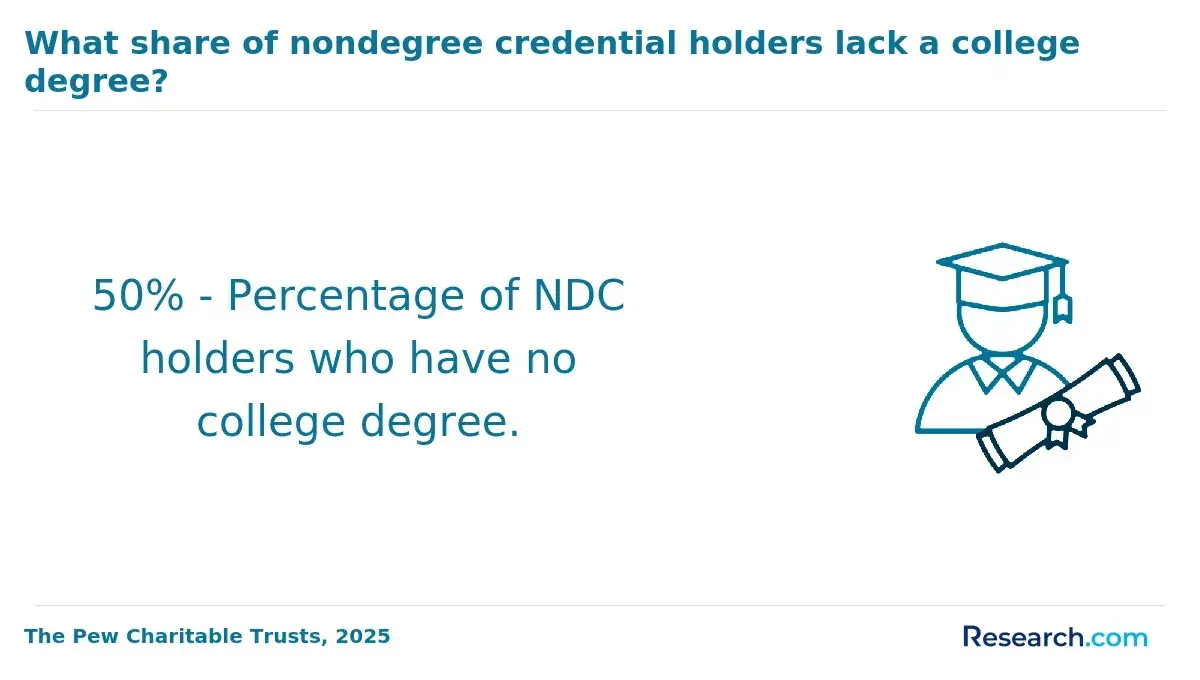
If you are considering shorter education paths, compare scholarship rules for certificates and nondegree programs with career outcomes from quick certifications that pay well. Some scholarships are restricted to degree programs, while others support workforce training or industry credentials.
One common mistake is chasing only the largest award. A $10,000 national scholarship may be worth applying for if you are a strong fit, but a $1,000 local award with a narrow applicant pool and a mission that matches your story may deserve equal or higher priority.
What are the key elements of a competitive scholarship essay and personal statement?
A competitive scholarship essay does more than describe need or ambition. It connects your background, actions, goals, and the sponsor's mission into a focused story that helps reviewers understand why you are a strong fit for the award.
Most scholarship essays are short, so clarity matters. Before writing, identify the prompt's real question: Is the committee asking about leadership, adversity, community impact, academic goals, career motivation, financial need, or personal identity?
Strong essays usually include the elements below. Use them to build a specific, credible response rather than a generic personal statement.
- A clear opening that introduces the central idea, challenge, goal, or turning point without overusing dramatic language.
- Specific evidence, such as a project, job, family responsibility, service role, research experience, competition, or measurable contribution.
- Reflection that explains what you learned and how your choices changed because of the experience.
- A direct connection to the scholarship's mission, field, community, or values.
- A realistic education or career plan that shows how the award would support your next step.
- Polished writing that follows word limits, answers the prompt, and avoids recycled content that ignores the sponsor.
Generative AI has changed the writing process, but it has also created new risks. Scholarship policies vary, so use AI cautiously for brainstorming, outlining, or grammar review only when allowed; do not submit an essay that misrepresents your voice, experiences, or authorship.
The strongest essays sound like a real person making a well-supported case. Reviewers do not need a perfect life story; they need evidence of purpose, effort, judgment, and fit. If your essay could be submitted by thousands of students without changing details, it is probably too broad.
Common essay mistakes include ignoring the prompt, starting with a cliché quote, exaggerating hardship, listing achievements without reflection, and failing to explain why the scholarship matters. A better approach is to choose one meaningful theme and support it with concrete examples.
How should I choose recommenders and manage recommendations for scholarship applications?
Recommendation letters can strengthen a scholarship application because they give reviewers outside evidence of your character, reliability, academic readiness, leadership, or service. The best recommender is not always the person with the highest title; it is the person who can speak specifically about your work and potential.
Choose recommenders based on the scholarship's purpose. A STEM scholarship may benefit from a science teacher or research mentor, while a service award may call for a volunteer coordinator, counselor, supervisor, coach, or community leader.
Use a professional recommendation process so your recommender has enough time and detail to write well. The steps below reduce stress and improve letter quality.
- Ask at least three to four weeks before the deadline, or earlier if the scholarship is highly competitive.
- Explain why you chose the recommender and what scholarship qualities you hope the letter will support.
- Provide a resume, transcript if relevant, essay draft, scholarship description, deadline, submission instructions, and any required forms.
- Clarify whether the letter is uploaded by the recommender, emailed to the sponsor, mailed, or returned to you in a sealed format.
- Send a polite reminder one week before the deadline if the letter has not been submitted.
- Thank the recommender afterward and update them if you receive the award.
A weak recommendation can hurt even a strong application if it is generic or late. Avoid asking someone who barely knows you, someone who may not meet the deadline, or someone who cannot speak positively and specifically about your qualifications.
Build a small recommender network before you need it. Teachers, advisors, supervisors, coaches, mentors, and community leaders are more likely to write strong letters when they have seen your effort consistently over time.
How can I identify and avoid scholarship scams and unreliable search services?
Scholarship scams exploit the pressure families feel around college costs. The Federal Trade Commission reported in 2024 that consumer fraud losses topped $10 billion in 2023; that figure covers many types of fraud, not only scholarships, but it shows why students should be cautious with any service asking for money or sensitive information.
Legitimate scholarships do not require you to pay to apply, pay to receive an award, or provide bank login credentials. Some legitimate programs may ask for tax or FAFSA-related information through secure official channels, but you should verify the sponsor before sharing sensitive documents.
Watch for the warning signs below. A single red flag does not always prove fraud, but several together should make you stop and verify the opportunity independently.
- The service guarantees you will win a scholarship or claims it has exclusive access to awards no one else can find.
- You are asked to pay an application, processing, redemption, matching, or disbursement fee.
- The sponsor pressures you to act immediately without giving clear eligibility rules, deadlines, or contact information.
- The application asks for bank account login details, Social Security number, or credit card information when it is not clearly necessary or securely handled.
- The website has vague sponsor information, broken pages, copied text, unrealistic award amounts, or no clear privacy policy.
- You receive an award notice for a scholarship you never applied for.
Verify scholarships by searching for the sponsor independently, checking whether the organization has a real address and staff, reviewing the college's outside scholarship policies, and asking a counselor or financial aid advisor if something feels suspicious. Do not rely only on a link sent by email or text.
Another common mistake is confusing scholarship search companies with scholarship sponsors. A search platform may list opportunities, but the actual sponsor controls eligibility, selection, and payment. Always trace the award back to its original source before applying.
What ongoing habits and timelines maximize scholarship success throughout college?
Scholarship searching should continue throughout college, not stop after senior year of high school. New opportunities can appear when you declare a major, earn a higher GPA, transfer, join an honors program, complete clinical hours, enter a teacher preparation track, start research, or qualify for department awards.
Use a recurring timeline so scholarship work becomes a habit instead of a last-minute scramble. The most successful students build short scholarship tasks into each term.
- Late summer: update your resume, activities list, transcript copy, budget, and scholarship tracker before fall deadlines begin.
- Fall term: search college, state, and national awards with deadlines from October through January, and ask recommenders early.
- Winter break: revise essays, prepare FAFSA-related materials, and apply for scholarships with early spring deadlines.
- Spring term: focus on departmental, transfer, local, and continuing-student awards that often close before summer.
- Summer: search employer, internship, professional association, graduate school, and credential scholarships while updating your profile with new achievements.
Students planning graduate study should also search beyond undergraduate awards; accelerated options such as 1-year master's programs online may have different funding rules, employer reimbursement possibilities, and institutional scholarship deadlines.
Ongoing habits matter because your eligibility changes. A student who was not competitive as a first-year applicant may become a strong candidate after completing college-level coursework, joining a professional organization, earning field experience, or demonstrating service in a specific community.
Review scholarship impact before accepting awards. Ask your financial aid office whether an outside scholarship will reduce loans, work-study, unmet need, or institutional grants. The best outcome is usually reducing borrowing or out-of-pocket cost, but school policies vary.
Other Things You Should Know About
Students can start in junior year of high school, but senior year is not the only window. College students should keep searching every term because departmental, transfer, major-specific, and continuing-student scholarships often become available later.
Yes, if you are a strong fit and the application effort is reasonable. Smaller local awards may have fewer applicants, and several modest scholarships can help cover books, fees, transportation, or housing gaps.
No. Some scholarships are merit-based, but others focus on financial need, leadership, community service, identity, career goals, location, talent, or overcoming barriers. A clear fit and strong application can matter as much as grades for many awards.
Usually no. Many strong scholarship search tools, college portals, state aid resources, and local lists are free. Be cautious of any service that guarantees awards, charges fees to apply, or asks for unnecessary financial information.
References
- The Best Scholarship Websites in 2025: Comparison, Tips, and Common Questions Answered https://www.businessinsider.com/personal-finance/student-loans/best-scholarship-websites
- Letters of Recommendation for Scholarships: Choosing Recommenders Who Know Your Specific Strengths - Cirkled In https://www.cirkledin.com/library/scholarships-and-financial-aid/scholarship-recommendations-choosing-recommenders/
- Cracking the Code: Niche and Local Private Scholarships Explained https://www.road2college.com/strategies-finding-local-scholarships/
- 10 Proven Study Habits for Academic Success - Effective Students https://effectivestudents.com/articles/10-proven-study-habits-for-academic-success/
- Fourteen Scholarship Essay Examples That Won Thousands 2026/2027 | College Essay Guy https://www.collegeessayguy.com/blog/scholarship-essay-examples
- College Composition https://courses.lumenlearning.com/suny-mcc-college-composition/chapter/outcome-habits-for-success/
- National Scholarship Providers Association https://www.scholarshipproviders.org/page/3_01_M_CriteriaDevel
- Mastering Scholarship Application Deadlines https://educationquest.org/blog/mastering-scholarship-application-deadlines/
- Find Scholarships for College for FREE | Fastweb https://www.fastweb.com/
- What we look for in scholarship recommendation letters https://cfgreateratlanta.org/2018/01/31/look-scholarship-recommendation-letters/