2027 College Billing Basics for New Students

Co-Founder and Chief Data Scientist
Your first college bill can look confusing because it mixes tuition, fees, housing, meal plans, financial aid, deposits, and payment deadlines in one place. This matters because College Board reported average published tuition and fees of $11,610 for in-state public four-year students and $43,350 for private nonprofit four-year students in 2024-25, before many indirect costs. This guide is for new students and families who want to understand charges, verify aid, compare payment options, and avoid costly mistakes before classes begin.
Key Things You Should Know
- A college bill is not the same as the full cost of attendance. It usually shows direct charges such as tuition, required fees, housing, and meal plans, while books, transportation, personal expenses, and off-campus living costs may not appear.
- Financial aid generally applies after charges are posted, but the maximum federal Pell Grant remains $7,395 for 2024-25, so students should compare aid against actual billed costs rather than assuming aid will cover everything.
- The safest first-bill routine is to verify enrollment level, residency status, housing, meal plan, insurance waivers, scholarship posting, loan acceptance, and the payment deadline before making a payment.
How do college billing statements work and what are the main charges and credits?
A college billing statement is the school's official summary of what you owe for a term or academic period. It usually includes charges, which increase your balance, and credits, which reduce your balance. The final amount due is the difference between the two.
The most important thing to understand is that the bill is built from school records. If your class schedule, housing assignment, meal plan, residency status, or financial aid file is wrong, your bill may be wrong too.
The table below breaks down the major pieces of a typical first college bill so you can tell whether an item is increasing your balance, reducing it, or requiring follow-up.
| Bill item | What it means | How it affects the balance | What to check |
| Tuition | The academic charge for enrolled credits or a full-time flat rate | Increases balance | Credit hours, program rate, residency rate, and course level |
| Mandatory fees | Required charges for services such as technology, student activities, facilities, health services, or registration | Increases balance | Whether fees are per credit, per term, program-specific, or campus-specific |
| Housing | Residence hall, apartment, or other school-managed housing charge | Increases balance | Room type, contract length, and move-in term |
| Meal plan | Dining plan charge, often required for students in certain residence halls | Increases balance | Plan level, required minimum, and ability to change before the deadline |
| Grants and scholarships | Gift aid that usually does not need to be repaid if eligibility rules are met | Reduces balance | Enrollment requirements, renewal rules, and whether funds have actually posted |
| Loans | Borrowed aid that must be repaid, usually after required loan steps are completed | Reduces current balance once disbursed | Accepted amount, entrance counseling, promissory note, and loan fees |
| Deposits and payments | Prior payments, enrollment deposits, housing deposits, or installment payments | Reduces balance | Whether deposits were credited to the correct term |
A common mistake is reading the "amount due" without checking the activity above it. For example, a missing scholarship, an accidental out-of-state tuition rate, or an unwanted health insurance charge can change the balance by hundreds or thousands of dollars.
What steps should new students take to review and verify their first college bill?
New students should review their first bill line by line, not just the total. The goal is to confirm that the school is billing you as the student you actually are: the right program, credit load, campus, residency category, housing plan, and aid status.
Use this first-bill review sequence before paying, enrolling in a payment plan, or borrowing additional money. It can help you catch errors early, when offices still have time to fix them before late fees or registration holds appear.
- Log in through the official student portal, not a forwarded email link, and confirm the bill is for the correct term.
- Compare your enrolled credits with the tuition charge and check whether the school bills by credit hour, flat full-time rate, or program cohort rate.
- Verify your residency classification if you attend a public college, because in-state and out-of-state tuition rates can differ sharply.
- Check housing and meal charges against your actual room assignment and dining selection.
- Look for optional or waivable charges, such as student health insurance, parking, orientation, or course materials programs.
- Confirm that grants, scholarships, loans, military benefits, employer benefits, or 529 payments are listed as paid, pending, or missing.
- Check whether any financial aid requires action, such as loan acceptance, entrance counseling, verification documents, or a master promissory note.
- Save a PDF or screenshot of the bill, payment deadline, and any office response in case you need to dispute a fee later.
If something looks wrong, contact the office that controls the item. The bursar or student accounts office can explain billing and payments, the financial aid office handles aid, housing handles room charges, dining handles meal plans, and the registrar usually handles enrollment and residency records.
How do tuition, fees, housing, and meal plans typically appear on a college bill?
Tuition, fees, housing, and meal plans are usually the largest direct costs on a college bill. They may appear as separate line items, bundled term charges, or program-specific charges depending on the institution's billing system.
College Board's 2024-25 pricing data shows why students need to read each category carefully: average published tuition and fees were $11,610 for in-state students at public four-year colleges, while out-of-state students at public four-year colleges faced $30,780. That gap shows why one billing classification error can materially change a family's payment plan.
The table below shows how common direct charges typically appear and what decisions may still be available before the school's add/drop, housing, or waiver deadlines.
| Charge category | Common billing format | What may affect the amount | Decision point for students |
| Undergraduate tuition | Per credit, flat full-time rate, or program rate | Credit load, residency, campus, major, course level, or cohort pricing | Confirm whether dropping or adding credits changes the bill before the deadline |
| Mandatory student fees | Per term, per credit, or per service | Campus access, technology, lab courses, health services, activities, or facilities | Ask which fees are required and which are optional or waivable |
| Course-specific charges | Attached to individual classes | Labs, clinical placements, studios, online course delivery, equipment, or digital materials | Compare required course materials with lower-cost approved options when allowed |
| Housing | Term charge or monthly school-managed charge | Room type, building, occupancy, contract length, and campus location | Check whether changing rooms or commuting is allowed and whether fees apply |
| Meal plan | Term dining charge | Required minimum, number of meals, dining dollars, residence hall rules, and commuter status | Choose the lowest realistic plan if changes are allowed after move-in |
Students often focus on tuition because it is the most visible number, but fees, housing, and meal plans can make a lower-tuition school more expensive than expected. When comparing colleges, look at the full bill plus indirect costs rather than tuition alone.
How is financial aid applied to your bill, and what if aid is missing or incorrect?
Financial aid is applied to your bill when the college confirms your eligibility, the term begins, and required steps are complete. Aid may appear as anticipated, pending, authorized, or disbursed. These labels vary by school, but they generally mean the aid is expected, in process, or already credited.
Federal Student Aid lists the maximum Pell Grant at $7,395 for 2024-25. That number is useful because it shows that even a strong federal grant package may cover only part of billed tuition, fees, housing, and meals at many four-year colleges.
If aid is missing or incorrect, do not assume it will fix itself automatically. These are the most common causes to check first because each one has a different solution.
- FAFSA or institutional aid forms are incomplete: submit missing documents and watch for verification requests in the student portal.
- Enrollment level changed: aid may be recalculated if you are below full time, waitlisted, taking non-required courses, or enrolled in a different session.
- Loan steps are unfinished: federal student loans usually require acceptance, entrance counseling, and a master promissory note before disbursement.
- Scholarship funds have not arrived: outside scholarships may need to be sent to a specific office with your student ID and term information.
- Residency, dependency, or program status is wrong: update the underlying record with the registrar, admissions, or financial aid office.
- Satisfactory academic progress or prior balances are blocking aid: ask whether an appeal, payment, or academic plan is required.
The red flag is a bill that says aid is expected but also shows a full payment due immediately. In that situation, ask the bursar whether anticipated aid protects you from late fees or whether you need a temporary payment plan while the aid office resolves the file.
What payment options, plans, and deadlines do colleges offer for paying your bill?
Most colleges offer several ways to pay a balance, but the best option depends on timing, fees, cash flow, and whether the student is still waiting on aid. The payment deadline is usually firm, even if classes have not started yet.
Students comparing flexible academic options may also want to consider whether a shorter or simpler program structure changes how often they are billed; resources on the easiest bachelor degree to get can help frame that conversation, though billing rules still depend on the specific institution.
Common payment options include the following. Review fees and deadlines before choosing, because convenience can add cost.
- One-time payment: paying the full balance by bank transfer, debit card, check, 529 plan distribution, or approved electronic payment may avoid installment fees.
- Monthly payment plan: schools often split the term balance into scheduled installments, usually with an enrollment fee and strict missed-payment rules.
- Federal student loans: eligible students may use federal loans after completing required steps, but borrowing increases future repayment obligations.
- Parent PLUS or private loans: these may cover remaining costs, but approval, interest rates, fees, and borrower responsibility differ significantly.
- Employer, military, or third-party billing: students may need authorization forms before the school will delay payment or bill the sponsor directly.
- 529 college savings plans: families should allow enough processing time and confirm whether funds are sent to the school or reimbursed to the account owner.
Credit card payments can be convenient, but many schools charge service fees. If you are using a card only to earn rewards, compare the reward value with the card processing fee and interest risk before paying.
How do online, hybrid, and campus programs differ in billing, fees, and total costs?
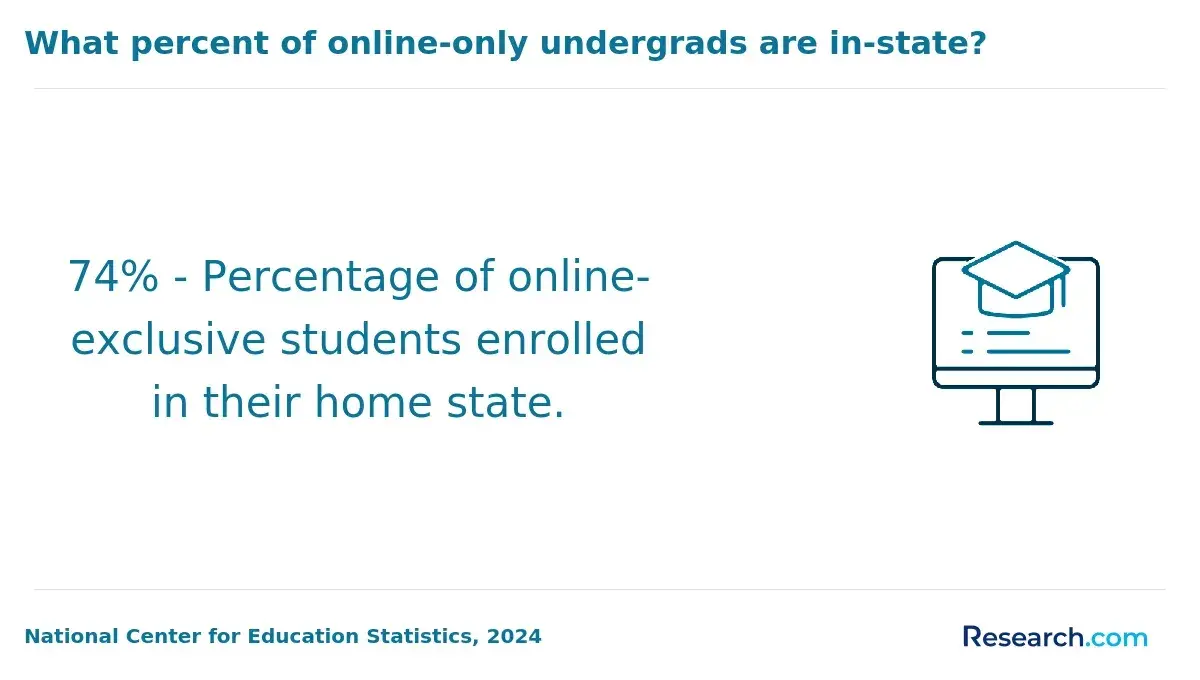
Online, hybrid, and campus programs can bill differently even when they lead to the same degree. The biggest differences often involve campus fees, housing, transportation, technology fees, and how courses are priced by credit or term.
Students exploring flexible study formats should compare total cost, not only tuition; guides to the best online degrees can be useful when weighing speed, program fit, and career goals alongside billing structure.
The table below compares the billing patterns students commonly see across formats. Use it to identify which costs are direct charges on the bill and which costs may show up in your personal budget instead.
| Program format | Typical bill differences | Costs that may be lower | Costs to verify before enrolling |
| Campus-based | Often includes campus fees, housing, meal plans, parking, and facilities-related charges | May include bundled access to campus services that would cost separately elsewhere | Housing contract rules, meal plan requirements, parking fees, and health insurance waiver deadlines |
| Online | May use per-credit tuition, online course fees, technology fees, or separate distance education rates | Housing, commuting, parking, and some campus-based fees may be reduced or absent | Course material fees, proctoring fees, residency requirements, clinical or practicum travel, and in-state eligibility |
| Hybrid | Combines online tuition rules with selected campus or site-based charges | Commuting and housing costs may be lower than full campus attendance | Required in-person weekends, lab sessions, parking, travel, and schedule conflicts |
| Competency-based or subscription term | May charge a flat amount for a time period rather than per course | Can be cost-efficient for self-paced students who complete work quickly | Academic support, financial aid eligibility, transfer credit acceptance, and pace expectations |
Online programs are not automatically cheaper, and campus programs are not automatically more expensive once aid, residency, and living arrangements are considered. The better comparison is net direct cost plus realistic indirect cost for the format you can actually complete.
How can students estimate indirect college costs beyond what appears on the bill?
Indirect costs are education-related expenses that may not appear on the school bill but still affect affordability. They can include books, supplies, a laptop, transportation, personal expenses, childcare, food beyond the meal plan, and rent if you live off campus.
This is especially important for students balancing caregiving, work, and school; readers comparing flexible options may find the guide to the best degrees for single moms helpful when thinking through schedule, support, and total cost.
To estimate indirect costs, start with the school's cost of attendance, then replace generic budget numbers with your real numbers. This gives you a more honest view of what you will need each month.
- Find the school's published cost of attendance for your living situation, such as on campus, off campus, with family, online, full time, or part time.
- Separate direct billed charges from indirect costs that you will pay yourself.
- Estimate books and supplies using actual course material requirements when available instead of relying only on averages.
- Calculate transportation based on commuting days, parking, fuel, public transit, rideshare, or required campus visits.
- Add technology costs, including a reliable laptop, software, internet, webcam, or proctoring tools if the program is online or hybrid.
- Include childcare, work-hour reductions, certification exams, uniforms, background checks, clinical travel, or lab supplies if your program requires them.
- Build a small emergency buffer so one repair, medical bill, or job-hour change does not immediately create a balance problem.
The main mistake is assuming that a lower bill means a lower total cost. A commuter student may save on housing but spend more on transportation and time, while an online student may avoid campus fees but need better technology or occasional travel.
How does college billing work for part-time, out-of-state, and nontraditional students?
Part-time, out-of-state, adult, transfer, military-connected, and returning students often see different billing rules than traditional full-time first-year students. These rules can affect tuition rate, fee structure, financial aid timing, and whether certain services are optional.
Students who need the simplest possible path may also compare the easiest degree to get online, but they should still verify tuition, transfer credit, aid eligibility, and program-specific fees before enrolling.
Here is how billing commonly differs for nontraditional enrollment situations.
- Part-time students: tuition may be billed per credit, but fees may still apply per term, and financial aid can be reduced if enrollment drops below required thresholds.
- Out-of-state students: public colleges may charge a higher nonresident rate unless the student qualifies for residency, reciprocity, military benefits, or a special online rate.
- Transfer students: accepted transfer credits can reduce future tuition, but transcript fees, evaluation delays, repeated courses, or major requirements may affect the total cost.
- Adult and returning students: prior balances, expired credits, employer reimbursement timing, and evening or online course fees can change the payment plan.
- Military-connected students: tuition assistance, GI Bill benefits, Yellow Ribbon funding, and residency protections can help, but certification timelines may delay posting.
- Certificate or nondegree students: some programs are not eligible for federal financial aid, even when the courses are offered by an accredited school.
The key decision is whether your enrollment pattern supports your aid and payment strategy. Taking fewer credits may lower the immediate bill, but it can also reduce aid, extend time to completion, and increase the number of terms in which you pay fees.
What happens if you miss a payment deadline or cannot pay your college bill in full?
If you miss a payment deadline or cannot pay in full, contact the bursar or student accounts office before the due date whenever possible. Schools often have more options before a balance becomes past due.
Consequences vary by institution, but students commonly face late fees, registration holds, transcript holds, housing or meal plan issues, dropped classes, collection activity, or delayed diploma release. Some schools also block future enrollment until the balance is resolved.
If the deadline is close and you do not have the full amount, take these steps in order. They help you preserve enrollment while avoiding rushed borrowing decisions.
- Confirm the exact amount that must be paid now, because the minimum required payment may be different from the full term balance.
- Ask whether anticipated financial aid, scholarships, employer benefits, or third-party payments can temporarily protect you from late penalties.
- Enroll in an official payment plan if the installment fee is lower than the cost of late fees, dropped classes, or high-interest borrowing.
- Request an emergency grant, hardship review, short-term loan, or student success fund if the school offers one.
- Ask whether optional charges can be waived, reduced, or removed before the deadline.
- Consider reducing course load only after confirming how it would affect aid, housing, immigration status, athletic eligibility, graduation timing, and insurance.
- Document every conversation, including dates, office names, payment arrangements, and confirmation numbers.
A major red flag is using high-interest credit card debt or private loans without checking aid corrections, waivers, and payment plans first. Borrowing may be necessary for some students, but it should be based on the corrected bill and a realistic repayment plan.
How can students reduce their college bill using discounts, waivers, and added funding?
Students can often reduce what they owe by combining cost controls, waivers, transfer credits, scholarships, employer benefits, and smarter enrollment choices. The best reductions happen before the bill is finalized, not after late fees appear.
Institution type can also affect pricing transparency, mission, and aid structure; students comparing school options may want to review non profit universities in USA while remembering that public, private nonprofit, and private for-profit schools can all vary widely in net price and outcomes.
Use these strategies to look for legitimate reductions before paying the full amount. Not every option applies to every student, but each one is worth checking early.
- Submit waiver forms on time: health insurance, parking, course materials programs, and optional fees often have strict deadlines.
- Choose the lowest realistic meal plan: students who do not use all meals or dining dollars may be overpaying if a smaller plan is allowed.
- Appeal financial aid when circumstances changed: job loss, medical costs, family changes, or other special circumstances may justify a professional judgment review.
- Apply for departmental and local scholarships: smaller awards can still reduce the amount due or the need to borrow.
- Use transfer, AP, CLEP, dual enrollment, or prior learning credit when appropriate: accepted credits can shorten the path to graduation, but policies vary by school and major.
- Ask about tuition discounts: some colleges offer employer partnerships, military rates, sibling discounts, alumni benefits, or regional tuition agreements.
- Compare housing choices: commuting, living with family, becoming a resident assistant, or choosing a lower-cost room can change the total cost significantly.
- Stay on track academically: repeating courses, changing majors late, or dropping below aid requirements can raise the long-term cost of a degree.
The most important affordability question is not "Can I pay this first bill?" but "Can I pay the full path to graduation?" A plan that works for one semester but depends on repeated emergency borrowing may not be sustainable.
Other Things You Should Know About
Many colleges issue the first bill after registration and before the term begins, but timing varies. New students should check the student portal regularly because the official due date may appear there before a paper or email notice arrives.
Award letters often estimate costs, while the bill reflects actual term charges. Differences can come from housing choices, meal plans, credit load, fees, residency status, missing aid steps, or costs that changed after the original estimate.
Often yes, but only before specific deadlines. Contact housing, dining, or the health insurance office immediately and ask whether the charge is required, optional, waivable, or adjustable.
Check the financial aid portal first for missing documents or required loan steps. Then contact the financial aid office with the scholarship name, expected amount, term, and any proof of award or payment submission.
References
- What to Do If a Financial Aid Offer Is Inaccurate https://www.iowastudentloan.org/articles/students/what-to-do-if-financial-aid-award-is-inaccurate.aspx
- What Happens If You Don’t Pay Your Student Loans? https://www.salliemae.com/resources/blog/not-paying-student-loans-back/
- How to Read Your College Tuition Bill: A Guide - Ascent Funding https://www.ascentfunding.com/blog/how-to-read-your-college-tuition-bill-a-guide/
- Paying In-State Tuition at an Out-of-State College https://www.nationaldebtrelief.com/blog/debt-guide/student-loan-debt/college-tuition-cutting-tips/
- 11 Common FAFSA Mistakes that Can Derail Your Financial Aid https://www.collegedata.com/resources/pay-your-way/common-fafsa-mistakes
- How to Pay In-State Tuition at Out-of-State Colleges https://www.fastweb.com/financial-aid/articles/how-to-pay-in-state-tuition-at-out-of-state-colleges
- 5 Steps in Paying the College Tuition Bill https://www.payfored.com/5-steps-in-paying-the-college-tuition-bill/
- The No-Panic Five-Step Practical Guide to Paying the College Bill https://www.lendkey.com/blog/paying-for-school/the-no-panic-five-step-practical-guide-to-paying-the-college-bill/
- Payment Plan https://paymybill.uillinois.edu/payments/PaymentPlan
- What would happen if we miss the tuition payment? https://talk.collegeconfidential.com/t/what-would-happen-if-we-miss-the-tuition-payment/600186