2027 How to Find Campus Jobs That Help Pay for College

Co-Founder and Chief Data Scientist
Paying for college is harder when tuition, fees, housing, and books all compete for the same budget. The College Board reported average published tuition and fees of $11,610 for in-state students at public four-year colleges in 2024-25, before housing and other costs. Campus jobs can help students reduce borrowing, cover fees, and build experience without leaving school grounds. This guide is for students and families comparing work options, Federal Work-Study, tutoring, assistant roles, and schedule trade-offs so they can choose jobs that support both college costs and graduation goals.
Key Things You Should Know
- Start with your school's student employment portal, financial aid office, academic departments, and career center; many campus jobs never appear on public job boards.
- Federal Work-Study is not an upfront grant: students earn wages through approved jobs, and earnings are limited by the award amount in the financial aid package.
- The best campus job is not always the highest hourly rate; a role that protects study time can be more valuable when average published in-state tuition and fees at public four-year colleges are $11,610.
What are campus jobs that help pay for college?
Campus jobs are paid positions offered by a college, university, affiliated office, research lab, dining unit, residence life department, library, recreation center, or approved community partner. They help students pay for college by turning available hours between classes into income that can cover books, transportation, food, fees, or part of tuition.
The main advantage is access. On-campus supervisors usually understand exam weeks, class schedules, and academic deadlines better than off-campus employers. That does not mean every campus job is flexible, but student employment is generally designed around enrollment.
The most common campus job categories differ in pay potential, flexibility, and career value. This table summarizes the main options so you can quickly compare what each job is best for before applying.
| Campus job type | Typical work setting | Best fit | Main trade-off |
| Office assistant | Admissions, registrar, academic departments, financial aid | Students who need predictable hours and administrative experience | May offer lower pay than specialized roles |
| Tutor | Writing center, math lab, tutoring center, department programs | Students with strong grades in high-demand subjects | Requires subject confidence and clear communication |
| Teaching assistant | Classrooms, labs, discussion sections, grading support | Advanced undergraduates or graduate students seeking academic experience | Workload may increase around grading deadlines |
| Research assistant | Faculty labs, institutes, data projects, fieldwork teams | Students considering graduate school or technical careers | Hiring may depend on faculty funding and prior skills |
| Resident assistant | Residence halls | Students comfortable with leadership and peer support | Time demands can include nights, weekends, and emergencies |
| Dining, facilities, recreation, or library staff | Campus operations | Students who want steady shifts and clear procedures | Some shifts may be early, late, physical, or customer-facing |
Campus jobs help most when you treat them as part of your college financing plan rather than as extra spending money. Before accepting a role, estimate how much you need for the term, how many hours you can realistically work, and whether the job supports your academic direction.
How do you find on-campus jobs at your school?
The fastest way to find on-campus jobs is to search in places that are specific to your school, not only on general job boards. Colleges often post student jobs through internal systems that require a student login, and some departments hire through faculty referrals or office announcements.
Use a focused search process so you do not miss jobs that open before the semester begins. These steps help you move from searching to applying without wasting time.
- Check your school's student employment portal and filter for on-campus, part-time, work-study eligible, remote, or department-specific roles.
- Ask the financial aid office whether your aid package includes Federal Work-Study and where eligible jobs are listed.
- Visit the career center for resume help, interview practice, and access to campus recruiting systems.
- Email academic departments where you have strong grades and ask whether faculty need graders, lab aides, peer mentors, or research assistants.
- Look at high-turnover campus units such as dining, recreation, libraries, housing, admissions, IT help desks, and event services.
- Apply early for fall jobs during summer or orientation because popular positions may fill before classes start.
A common mistake is waiting until financial stress becomes urgent. By then, the most flexible jobs may be gone. Build a short list of target departments before the term starts, then apply to several roles at once instead of depending on one opening.
If your schedule is already crowded because you are taking compressed classes, review how short formats work before taking on more shifts. Students considering 6 week college courses online should be especially careful because accelerated coursework can make even a modest job feel intense.
Which campus jobs pay the most for students?
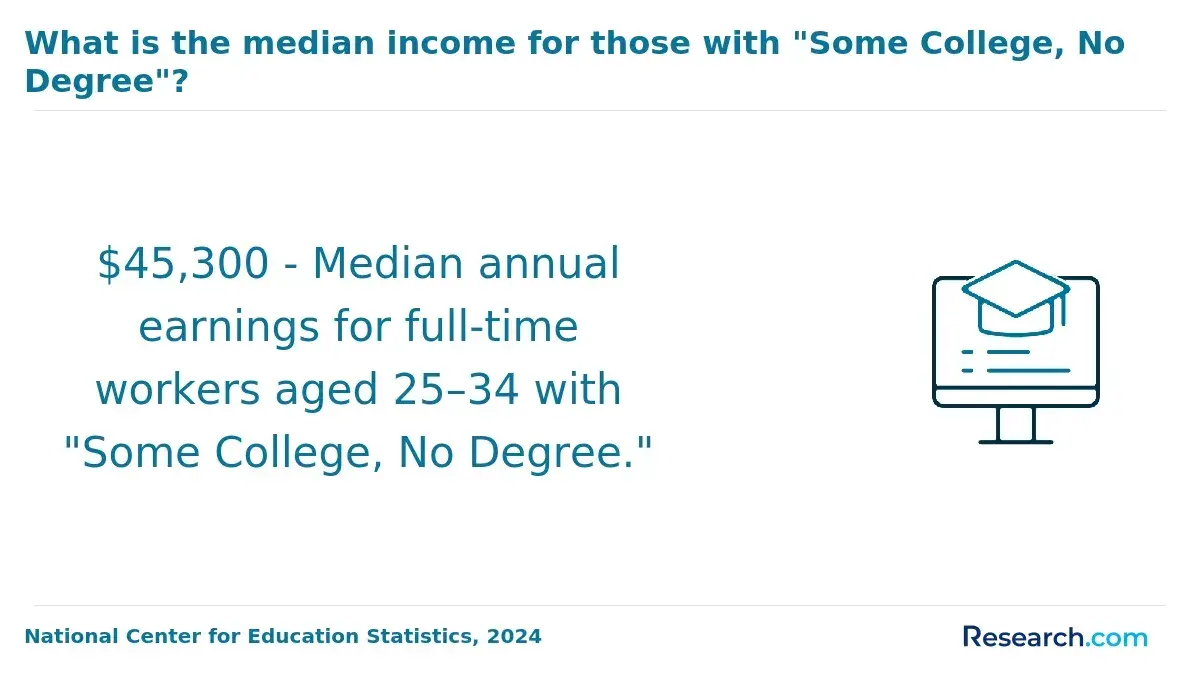
The highest-paying campus jobs usually require specialized knowledge, prior training, leadership responsibility, or inconvenient hours. Tutoring, IT support, research assistance, lab support, graduate assistantships, and resident assistant roles often provide stronger financial value than general clerical work, but the best choice depends on your skills and schedule.
Instead of choosing only by hourly wage, compare total value. Some jobs offer cash wages, while others may include housing, meals, stipends, or tuition-related benefits. This table shows how to think about "pay" more broadly.
| Role | Why it may pay more | Best for | Watch for |
| Resident assistant | May include housing or meal benefits in addition to pay, depending on the school | Students with leadership, conflict resolution, and availability outside class hours | Benefits are valuable, but time demands can be unpredictable |
| Peer tutor | Requires proven subject mastery and communication skills | Students strong in math, writing, sciences, languages, accounting, or computer science | Hours may depend on student demand during the term |
| IT help desk assistant | Requires technical troubleshooting and customer support | Students interested in technology, cybersecurity, or systems support | Some roles require evening or weekend coverage |
| Research assistant | May require data, lab, coding, writing, or fieldwork skills | Students preparing for graduate school or research-heavy careers | Funding and hours may vary by grant, professor, or semester |
| Teaching assistant or grader | Requires strong performance in a course or discipline | Upper-level undergraduates and graduate students | Deadlines can cluster around exams and final grades |
For U.S. wage context, the Bureau of Labor Statistics reported that tutoring and teaching-related support roles generally fall above the lowest-wage service jobs in many labor markets, but campus pay still varies by state minimum wage, institutional budget, union rules, and job requirements. Use national wage data only as context; the actual rate you receive will be set by your school or employer.
The smartest approach is to rank jobs by net value: hourly pay, benefits, commute time, downtime for studying, resume value, and stress. A $1 or $2 hourly difference may not matter if the higher-paying job causes you to miss class, reduce credits, or perform worse academically.
How does Federal Work-Study pay for college costs?
Federal Work-Study is a need-based federal aid program that allows eligible students to earn money through part-time employment. It does not pay your bill automatically. You must find an eligible job, work approved hours, submit time records, and receive wages through payroll.
The key financial detail is that your award is a maximum earning limit, not a guaranteed paycheck. If your financial aid offer lists a work-study amount, that is the amount you may earn through approved work-study employment during the award period, subject to job availability and hours worked.
Here is how Federal Work-Study typically affects college costs in practice.
- You file the FAFSA and your school determines whether you are eligible based on financial need and available funds.
- Your award letter may list a work-study amount, but you still need to apply for a qualifying job.
- Your wages are usually paid directly to you, though some schools may allow you to apply earnings to your student account.
- Your total earnings cannot exceed the work-study amount assigned by your school unless the award is adjusted.
- Work-study earnings can help with ongoing expenses such as books, food, transportation, supplies, and small balances.
A major benefit is that Federal Work-Study earnings are treated differently from some other student income in the federal aid formula, which can help students avoid reducing future aid eligibility in the same way regular earnings might. However, rules can change, and schools administer the program differently, so confirm details with your financial aid office.
Do not assume work-study will cover a large tuition gap by itself. If your remaining cost is substantial, compare campus employment with grants, scholarships, payment plans, lower-cost programs, or academic pathways connected to the best college degrees for the future, especially if long-term earnings potential is part of your decision.
What qualifications do campus employers usually want?
Campus employers usually want reliable students who can follow procedures, communicate clearly, and show up on time. Many entry-level jobs do not require extensive work history, but specialized roles may require coursework, grades, software skills, lab safety training, customer service experience, or faculty recommendations.
Qualifications vary by role, but most campus hiring managers evaluate a small set of practical signals. Prepare evidence for these before you apply.
- Availability that matches the department's open shifts without conflicting with classes or exams.
- Basic professionalism, including punctuality, email etiquette, confidentiality, and respectful communication.
- Academic fit for subject-specific roles, such as a strong grade in the course you want to tutor or assist with.
- Technical skills for IT, lab, media, data, design, or research positions.
- Reliability under supervision, especially for roles involving safety, money handling, student records, or equipment.
- Campus involvement or leadership experience for resident assistant, orientation, admissions, and peer mentor jobs.
AI and automation are changing some student jobs, but they are not eliminating the need for human support. Offices may use chatbots, scheduling tools, analytics platforms, and automated ticketing systems, which means students who can learn software quickly may have an advantage. At the same time, employers still need students for peer tutoring, lab setup, resident life, event support, and face-to-face services.
One red flag is a job that expects full-time availability from a full-time student. If the supervisor cannot explain expected hours, peak weeks, training requirements, or how shifts work during exams, ask more questions before accepting.
How do tutoring and teaching assistant jobs compare?
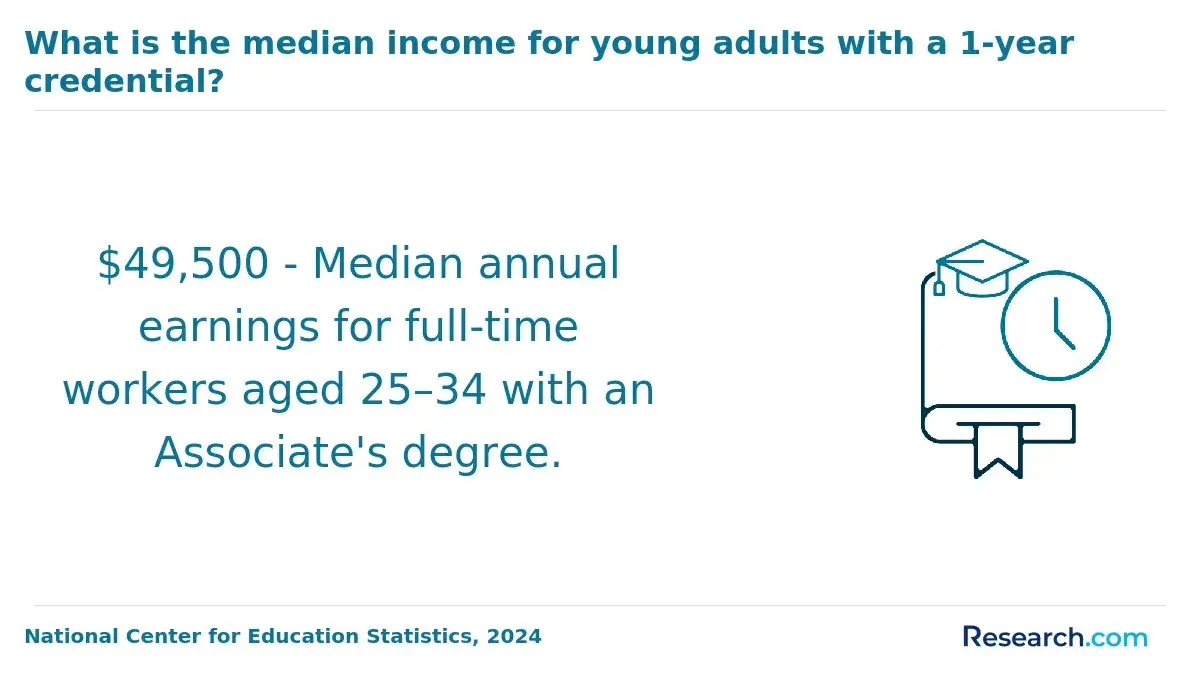
Tutoring and teaching assistant jobs are two of the most valuable academic campus roles, but they are not the same. Tutors usually help students understand course material outside class, while teaching assistants support an instructor through labs, grading, discussion sections, office hours, or class preparation.
The best role depends on your academic level and career goals. This comparison can help you choose the role that fits your strengths.
| Factor | Tutoring | Teaching assistant role |
| Main responsibility | Help individual students or small groups learn course concepts | Support a course, professor, lab, or discussion section |
| Typical requirement | Strong grade in the subject and good communication skills | Prior coursework, instructor approval, department eligibility, or graduate standing |
| Schedule pattern | Often appointment-based or center-based | Often tied to class meetings, grading cycles, labs, or office hours |
| Career value | Strong for education, counseling, communication, and subject-matter confidence | Strong for graduate school, teaching, research, and academic references |
| Possible drawback | Demand may fluctuate by subject and exam season | Workload may spike when assignments and exams are due |
Choose tutoring if you enjoy explaining ideas patiently and want flexible, student-facing work. Choose a teaching assistant role if you want closer faculty contact, deeper academic responsibility, and experience that may support graduate school or teaching-related careers.
Students should avoid both roles if the subject matter is weak or if helping others would interfere with their own performance in the course sequence. Academic jobs look impressive only when they do not compromise your progress toward graduation.
What other student jobs can cover tuition or fees?
Some student jobs can help with tuition or fees beyond regular hourly wages. These positions are more competitive because they may include housing, meal plans, stipends, tuition assistance, or remission. The details vary widely by institution, so read the offer carefully and ask whether benefits are taxable, prorated, or contingent on completing the term.
The strongest tuition-support roles usually require more responsibility than a standard desk job. Consider these options if you can meet the time commitment.
- Resident assistant roles may reduce housing or meal costs, which can free up money for tuition and fees.
- Graduate assistantships may include stipends and tuition support, especially for students in master's or doctoral programs.
- Research assistantships may be funded by grants and can sometimes connect to tuition support in graduate programs.
- Teaching assistantships may provide tuition-related benefits for eligible graduate students or advanced students in specific departments.
- Campus employment with tuition remission may be available for eligible full-time employees, though student workers often do not qualify for the same benefits.
Students who need to reduce total college cost should also think beyond a single job. Transferring credits, starting at a lower-cost institution, completing prerequisite work efficiently, or using online associate degrees can sometimes lower the amount you need to earn while enrolled in a bachelor's program.
A common mistake is accepting a high-responsibility job without calculating the full academic cost. If a role provides housing but requires frequent overnight duty, crisis response, or weekend work, decide whether the benefit is worth the potential strain.
How many hours can students work while enrolled?
Many students can work while enrolled, but the right number of hours depends on course load, commute, health, family responsibilities, financial need, and academic difficulty. A student taking 15 credits in a demanding major may have far less work capacity than a student taking 9 credits with mostly asynchronous coursework.
Federal Student Aid generally frames Federal Work-Study as part-time employment, and schools often set their own maximums for student workers. International students, scholarship recipients, athletes, and students in clinical or lab-heavy programs may face additional limits, so always check the rules that apply to your situation.
Use this planning sequence before committing to weekly hours.
- Block class time, labs, clinicals, commuting, meals, sleep, and recurring study periods before adding work shifts.
- Estimate weekly study time based on the hardest course, not the easiest one.
- Start with fewer hours during the first two weeks, then add shifts only if your grades and health are stable.
- Ask supervisors how scheduling changes during midterms, finals, holidays, and campus breaks.
- Track your net earnings after taxes and compare them with the academic risk of working more.
Working more hours can make sense when the alternative is high-interest debt, but it can backfire if it delays graduation. Students in fast track degrees should be especially cautious because accelerated calendars leave less recovery time when work, exams, and assignments collide.
What campus jobs build career experience after graduation?
The best campus jobs after graduation are the ones that build transferable experience, credible references, and work samples. A role does not need to match your future career perfectly, but it should help you prove skills employers care about: communication, data handling, leadership, customer service, writing, technology, research, project coordination, or teaching.
Use campus employment strategically if you want your job to support your resume, not just your budget. These roles often translate well into post-college opportunities.
- Research assistant roles build data collection, analysis, lab, writing, and faculty collaboration experience.
- IT help desk jobs build troubleshooting, ticketing systems, cybersecurity awareness, and customer support skills.
- Admissions ambassador or tour guide roles build public speaking, sales communication, and relationship management.
- Writing center or tutoring roles build coaching, explanation, documentation, and subject-matter confidence.
- Student media, marketing, or communications jobs build portfolios in writing, video, design, social media, and analytics.
- Resident assistant and orientation leader roles build conflict resolution, crisis response, leadership, and peer mentoring.
For salary context, the Bureau of Labor Statistics reported in 2024 that workers with higher levels of education generally had higher median weekly earnings and lower unemployment than workers with only a high school diploma. Campus jobs are not a substitute for completing your credential, but they can make your degree more marketable by adding evidence of applied skills.
Before graduation, turn your student job into career proof. Save nonconfidential work samples, ask supervisors for LinkedIn recommendations or references, record measurable accomplishments, and connect the job to the roles you want. If you are still choosing a major or pathway, compare employment-linked options with the best college degrees for the future so your work experience and academic plan reinforce each other.
How do you choose a campus job that fits your schedule?
Choosing a campus job is a scheduling decision as much as a money decision. The right job should help you pay for college without pushing you into missed classes, rushed assignments, poor sleep, or delayed graduation.
Before accepting an offer, ask direct questions about time, expectations, and flexibility. The answers will tell you whether the role fits your semester.
- How many hours per week are expected, and are they fixed or flexible?
- Can shifts be changed during midterms, finals, labs, clinicals, or required academic events?
- Is training paid, mandatory, or scheduled before classes start?
- Are weekend, evening, holiday, or break shifts required?
- Will the job continue next semester, or is it temporary?
- Who approves time sheets, and how often are students paid?
- Does the job provide experience related to your major, graduate school plan, or career goals?
Also watch for red flags: vague job descriptions, unpaid "trial" shifts, pressure to skip class, unclear pay dates, unsafe conditions, or supervisors who discourage questions. Legitimate campus employers should be able to explain pay, duties, hours, training, and reporting lines clearly.
The best decision rule is simple: choose the highest-value job you can sustain. If two jobs pay similarly, the better option is usually the one with less commute time, more predictable hours, stronger supervisor support, and better career relevance. For adult learners or returning students comparing flexible credentials, options such as one-year degrees for seniors may also affect how much work is realistic during enrollment.
Other Things You Should Know About
Usually, no. A campus job can help with books, fees, transportation, food, or part of tuition, but most students need a broader plan that may include grants, scholarships, savings, lower-cost credits, payment plans, or loans.
No. Many campus jobs are open to students without Federal Work-Study. However, some positions are reserved for work-study eligible students because the program helps fund the wages.
Dining services, event support, recreation centers, libraries, call centers, and office assistant roles are often more accessible because they hire multiple students and may not require advanced skills. Availability and reliability often matter as much as experience.
Apply before the semester starts, ideally during summer, orientation, or the first weeks of registration. Popular roles such as tutoring, research assistance, resident assistant positions, and office jobs can fill quickly.
References
- Become A Tutor - Operam Education Group https://www.operameducationgroup.com/become-a-tutor/
- What Is Federal Work-Study? How It Works & How to Apply https://www.act.org/content/act/en/students-and-parents/college-planning-resources/paying-for-college/work-study.html
- Earn While You Learn: Jobs That Pay For College - Citizens National Bank https://www.cnbohio.com/earn-while-you-learn/
- Companies That Pay For College | Find 36 Top Options https://www.educationconnection.com/financial-aid/companies-that-pay-for-college/
- On-Campus Employment - Global Education https://global.mines.edu/current-international-students/j-1-students/employment/on-campus-employment/
- What Is Work-Study and How Does It Pay for College? - The Scholarship System https://thescholarshipsystem.com/blog-for-students-families/what-is-work-study-and-how-does-it-pay-for-college/
- Tutoring Jobs | Teaching Personnel https://www.teachingpersonnel.com/tutoring-jobs
- Jobs That Help Pay for Your College Degree | SoFi https://www.sofi.com/learn/content/jobs-that-pay-college-tuition/
- Federal Work Study? https://talk.collegeconfidential.com/t/federal-work-study/1900555
- Job advantage for graduates with work experience - survey https://www.bbc.com/news/education-22875717