2027 Best States for Library and Information Science Career Growth

Co-Founder and Chief Data Scientist
Library and information science professionals face a critical challenge: pinpointing states that offer not only robust job prospects but also flexible educational paths enabling quick qualification or upskilling. Recent data from the National Center for Education Statistics reveals a 22% surge in online master's enrollments among adult learners since 2023, underscoring growing reliance on remote or hybrid programs that accommodate working professionals.
This shift makes geographic location a strategic factor not just for employment but for access to recognized programs with adaptable formats. This article identifies states leading in career growth and education access to help LIS candidates optimize their training investments and employment outcomes.
Key Things You Should Know
- States like California show a 12% librarian job growth forecast through 2030, per BLS, but median wage stagnation below inflation reduces real income gains, pressuring candidates toward specialized certifications to secure higher pay.
- Employers in Midwestern states prioritize dual MLS and data analytics skills amid rising digital archives demand, forcing professionals to weigh added credential costs against enhanced marketability in shrinking public budgets.
- Southern states report shorter LIS program completion times averaging 18 months, but lower per-graduate employment rates (under 70%) signal regional credential saturation, requiring strategic geographic job targeting beyond education speed.
Which states currently offer the strongest job growth for library and information science careers?
California, Oregon, New York, Massachusetts, and Nevada emerge as the best states for library and information science career advancement due to their balanced mix of salary, job availability, and cost of living. Librarians in these states earn between $77,024 and $89,310 annually, though candidates must weigh these figures against regional living expenses-particularly in New York and Massachusetts, where higher costs may erode purchasing power.
Employers prioritize candidates with skills in digital archiving, data management, and IT integration, extending beyond traditional cataloging. A mid-career move to California, for instance, offers access to diverse sectors-from academic libraries to corporate knowledge management-highlighting the practical benefit of specialized competencies.
Regions with strongest library and information science job growth also reflect sector variation: Oregon and Nevada exhibit rapid expansion in government and healthcare information roles, favoring those with policy or medical informatics expertise. Public library positions remain competitive in these states due to robust funding and community support.
Prospective professionals should align their credentials with local licensure requirements, continuing education mandates, and demand for bilingual or technical skills. For those exploring educational pathways, understanding where a library degree fits into these market realities can critically impact long-term employability and career pivots.
How do the best states for library careers compare in salary, cost of living, and benefits?
Top states for library and information science salary and cost of living comparison must balance nominal wages against real purchasing power. California and New York offer early- to mid-career salaries above $65,000, but their cost of living indexes exceed 130, eroding take-home pay notably in housing and healthcare.
By contrast, Texas and Illinois provide lower salaries in the $55,000-$60,000 range but maintain cost of living near or below 100, preserving disposable income and supporting savings accumulation.
Washington presents a middle ground with salaries near $63,000 and a moderate cost of living around 110, particularly in urban areas like Seattle.
Library and information science career benefits across top states also reveal tradeoffs: New York and California tend to offer robust pension plans and comprehensive health coverage funded by larger public budgets. Meanwhile, Texas and Illinois libraries may deliver fewer benefits but compensate with greater job stability due to steady LIS hiring trends.
For example, an LIS professional opting for Chicago can leverage affordable living costs and stable benefits to build financial security over time. Conversely, a counterpart in San Francisco faces high rent and medical expenses despite higher salary, underlining the necessity of weighing total compensation realistically rather than relying solely on salary figures.
Prospective LIS students should consider how these dynamics impact long-term career feasibility and savings potential. Evaluating these factors alongside educational investments, such as pursuing the best online nutrition degree or related degrees, can influence strategic decisions about workforce entry and geographic mobility.
What factors make a state attractive for long-term library and information science career development?
Long-term career growth in library and information science depends heavily on regional wage disparities, job market sustainability, and the availability of advanced professional roles. For example, median librarian salaries above $80,000 in states like California, Maryland, and the District of Columbia contrast starkly with $50,000-$60,000 ranges typical in the Midwest and South.
This gap impacts not only immediate earnings but also the feasibility of building a lasting career and network within a state.
States offering higher wages often feature larger institutions with diverse sectors, enabling specialization in digital archiving or data management-critical areas for growth. Conversely, lower-paying states usually present constrained advancement pathways, limiting access to specialized roles and leadership positions, such as managing statewide digital resources.
Key factors influencing library and information science job opportunities by state include access to accredited iSchools or graduate programs. These institutions support credential upgrades and practical skill development in emerging technologies, which employers increasingly demand. Yet prospective students must weigh these educational benefits against local job market realities and living costs.
Decision-making in this field must balance wages, cost of living, specialization availability, and professional development prospects. Those seeking flexible educational options might consider health information management programs online as a comparative route for transferable skills.
Which U.S. states employ the most librarians and information professionals across sectors?
Career opportunities in library and information science vary considerably across U.S. states, with California, New York, and Texas leading in employment figures due to their diverse institutional needs. California's market supports over 9,000 librarian positions across public, academic, and specialized libraries, accompanied by a strong 8% national salary increase reported by Zippia in 2026.
However, such salary gains may be offset by California's high cost of living, a critical consideration for job seekers prioritizing financial sustainability.
Texas presents a contrasting scenario where lower salaries align with more affordable living costs, requiring candidates to balance earnings against living expenses strategically.
New York benefits from a robust mix of urban public libraries and specialized information centers, including government archives and museums, reflecting the complexity of librarian roles demanded. Midwestern states like Illinois and Ohio emphasize digital information services and demand expertise in emerging technologies, influencing hiring preferences.
Prospective professionals assessing the top states for career opportunities in library and information science sectors should factor in state-specific certification requirements, institutional diversity, and local workforce development patterns. Job openings remain competitive yet promising, with over 1,200 librarian vacancies nationally in 2026. Aligning educational choices with regional labor market realities and cost-of-living tradeoffs is essential.
For those exploring educational pathways, combining traditional library training with technical skills is increasingly indispensable. Many evaluate data science masters online programs to augment their digital proficiency, which can enhance employability in evolving information environments. Resources like data science master's online provide relevant options to meet this demand.
How do state and regional differences affect demand for digital and information science specialists?
Geographic variation significantly shapes the demand and compensation for digital and information science specialists. Metropolitan hubs offer the most lucrative opportunities due to denser institutional investments in advanced technology.
States like California and New York exhibit higher salaries for digital asset management roles, supported by universities, healthcare systems, and corporate archives that prioritize complex metadata and digital rights management skills.
In contrast, rural or less populated areas offer roles that are more generalized and focused on traditional library functions. Job seekers in these areas may need to broaden their skill sets or consider relocation to sustain career growth.
For example, a mid-career professional specializing in digital preservation technologies may find limited openings outside primary hubs such as Washington, D.C., revealing a critical tradeoff between specialization and geographic flexibility. Median pay for librarians and media collections equals $64,320 annually, yet the top 10% earn more than $100,880, highlighting stark wage disparities tied closely to regional economic and technological conditions.
Job seekers must align educational pathways with local market realities, anticipating funding fluctuations and varying public-private partnerships that influence institutional priorities. Employers increasingly demand demonstrable expertise in emerging metadata standards and linked data applications, competencies often less emphasized in lower-demand states.
Navigating these variables requires strategic decisions balancing skill depth with geographic mobility to avoid stagnation in low-demand regions.
What education and degree pathways best align with high-growth library job markets by state?
Securing a master's degree in library & information science (MLIS) from an ALA-accredited program remains the most direct path to entry-level librarian roles in high-demand states such as California, Texas, Florida, and New York, where institutional growth is robust. Candidates with an MLIS can expect $15,000-$25,000 higher annual salaries than those in technician or assistant positions, justifying typical tuition investments ranging from $25,000 to $65,000.
However, this advantage comes with tradeoffs: longer program durations and upfront costs must align with regional job market realities and personal career goals.
States with significant digital and archival development, including Massachusetts and Washington, favor candidates with specializations in digital curation or information systems. These markets often require additional state-specific certifications or background checks beyond the MLIS credential, adding complexity to professional eligibility.
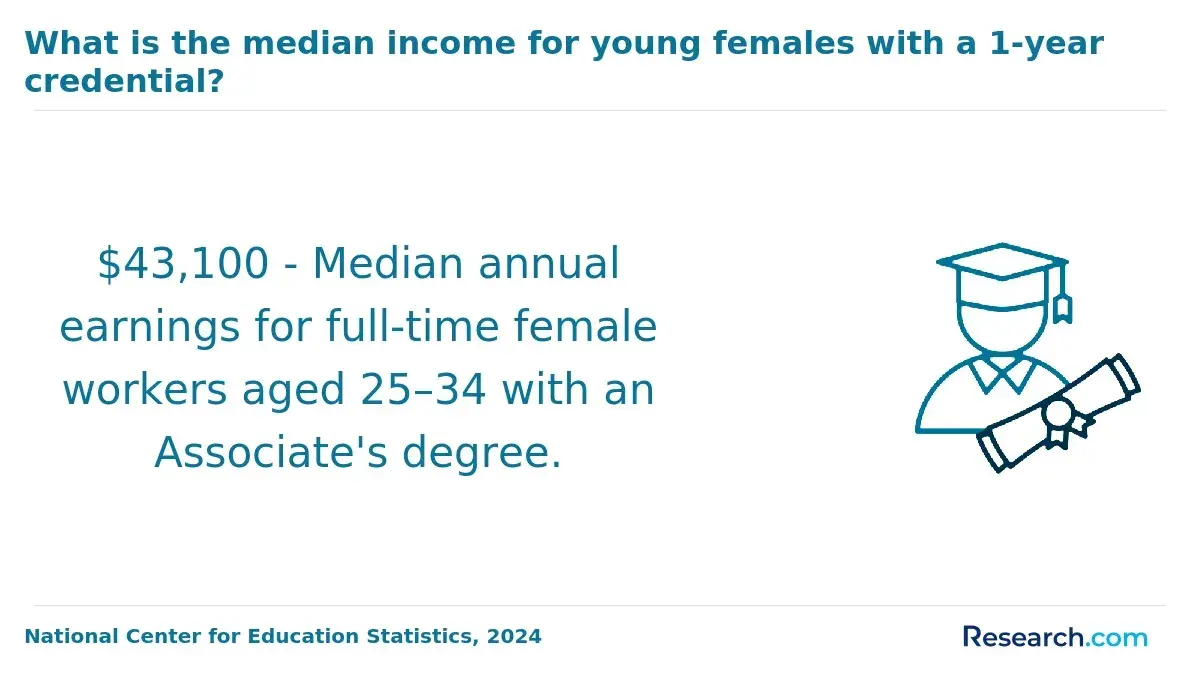
For those targeting rural or smaller markets where librarian roles grow slower, associate degrees or certificates for library technicians and assistants provide faster, lower-cost entry points but restrict upward mobility and earning potential. Deciding between a master's or technician pathway involves evaluating:
- State and local demand for advanced librarian skills versus support roles
- Financial investment versus long-term salary differentials
- Licensing or credentialing requirements beyond academic completion
- Personal readiness for program length and career trajectory
Ultimately, the optimal choice depends on balancing immediate employment needs with strategic positioning for emerging leadership and digital information management roles within the evolving library & information science landscape.
How do online library science programs support relocation or multi-state career opportunities?
Online library & information science programs offer critical geographic flexibility by providing accredited credentials accepted across state lines. For working professionals, this means they can pursue advanced qualifications while maintaining employment, avoiding disruptions caused by relocation. For instance, a librarian in the Midwest can enroll in a west coast-based online master's program without sacrificing job continuity or uprooting their family.
- Median librarian salaries typically hover around $69,180 annually, with leadership or specialized hybrid roles commanding $80,000 to over $100,000
- Licensing exam and experience requirements vary by state and influence employability and career mobility
- Program choice should consider how practicum arrangements support credentials in multiple jurisdictions
The standardized curricula in many online programs meet American Library Association accreditation standards, which facilitates meeting varying state licensure conditions. This alignment is essential because state certification requirements differ, and graduates need credentials that employers recognize nationwide. Many online formats employ asynchronous courses, enabling students to balance professional and personal commitments despite time-zone differences.
Yet, students must proactively evaluate state-specific licensure mandates, especially for specialized roles like media specialists, since additional exams or continuing education might be required. Employers often expect candidates to demonstrate practical experience relevant to local workforce conditions, so securing internships or practicum placements aligned with intended employment locations is vital.
What state-specific licensing or certification requirements impact library and information science careers?
Licensing requirements across states impose significant practical barriers in library and information science careers, shaping who qualifies for certain roles and where. For example, Texas and California require ongoing state certifications or continuing education to maintain public library employment, adding recurring costs and delaying career shifts.
In New York, K-12 librarian positions demand a School Library Media Specialist certificate, requiring extra state-specific exams and coursework beyond a general MLIS credential. This patchwork of regulation often restricts hiring flexibility and complicates relocation.
By contrast, specialized roles in university archives or corporate environments are less bound by state licensure but often require unique credentials, security clearances, or advanced technical certifications. Positions in UX research or data management, common pivots for MLIS graduates, typically bypass traditional state licensure altogether.
Instead, these roles emphasize skills in data analytics and user experience, offering median salaries over $100,000 compared to roughly $55,000 in public library settings, illustrating a financial and professional incentive to pursue non-licensed, technically oriented paths.
Prospective professionals must evaluate state-specific credential reciprocity and career alignment carefully. Ignoring such factors risks credential redundancy, employment gaps, and limited mobility. Employers in regulated states prioritize local certification, whereas corporate and tech sectors value adaptable skill sets and external certifications more.
How do unionization, funding levels, and state policy influence library career stability?
Job stability and compensation disparities in library careers are tightly linked to union presence, funding levels, and state policy. Strong unions anchor collective bargaining, safeguarding salaries and reducing the risk of arbitrary layoffs. In contrast, states lacking union frameworks typically offer fewer job protections and less predictable career progression. This structural difference significantly shapes workforce experiences and retention.
Funding allocations also determine career opportunities. States with consistent investment in public and academic libraries maintain or grow services, attracting demand for qualified professionals. Conversely, limited budgets trigger hiring freezes or reductions, compressing wage growth and narrowing advancement options. For instance, sustained funding aligns with salaries near or above the $64,320 median.
Policy environments impose additional layers of complexity through licensure requirements and labor protections. High qualification thresholds might uphold quality but can restrict entry-level roles, impacting workforce diversity and supply. Regulatory shifts favoring austerity typically lead to increased contract-based employment with reduced benefits, further fragmenting job security.
Employers in well-funded, unionized states tend to offer permanent contracts and clearer career ladders, while counterparts in constrained environments provide more precarious, contract-level roles. This division helps explain the broad income range seen in the field-from $38,920 at the 10th percentile to $100,880 at the 90th percentile.
Which professional associations and networks help librarians advance careers in different states?
State and national library and information science associations serve as indispensable, practical gateways for navigating varied licensing standards and employer expectations across the U.S. For example, the Florida Library Association's targeted workshops address specific state education technology mandates, enabling librarians there to maintain compliance and network within their distinct job market.
This fine-grained alignment is crucial given the nuanced differences in public, academic, and special library systems between states such as Texas and Massachusetts.
Membership in organizations like the American Library Association (ALA) extends beyond networking by offering actionable data such as national salary benchmarks. Recent figures reveal a 3.7% wage increase in public services librarian roles, signaling growing demand that varies regionally but is trackable through these resources.
However, the cost-benefit balance of multiple memberships depends on state-specific credentialing demands, as seen with Illinois's rising certification thresholds that necessitate ongoing professional development through these associations.
Practitioners should weigh these tradeoffs carefully: while dues can add up, engagement provides timely updates on policy shifts and hiring trends that influence actual employability. In evolving hiring landscapes, strategic involvement with these bodies can translate into competitive advantage for those seeking advancement in a field where localized knowledge and credentials weigh heavily.
Other Things You Should Know About Library & Information Science
A master's degree in library and information science is often essential for career advancement in 2027, as many senior positions require advanced education. However, gaining practical experience and networking can also play significant roles in progressing within this field.
Employers in library and information science prioritize practical experience alongside academic credentials. Internships, practicums, or part-time roles within libraries provide skills that programs often cannot fully replicate.
Candidates with both a recognized degree and demonstrable hands-on experience are more competitive, particularly for roles involving technology management or user services. Prioritize programs that require or facilitate direct library work during study to enhance employability.
Online programs offer flexibility and accessibility, especially for professionals balancing work or relocation. However, traditional on-campus programs tend to provide richer networking opportunities and closer collaboration with faculty experienced in local or regional library systems.
If career advancement depends heavily on regional connections or state-specific licensing, an on-campus program in that state often yields better outcomes. For broader or multi-state aspirations, an accredited online degree with strong practicum support is a practical choice.
Specialization can enhance job prospects in competitive markets but may narrow the range of available positions. Employers value candidates with expertise in digital libraries, archives, or data management if those align with regional demand. However, a broad-based degree offers flexibility to navigate shifting job markets and institutional budgets. Prioritize specialization only when you have a clear career target and market research confirms sustained demand in that niche.
References
- 12 Library Professional Associations & Organizations to Know https://www.mastersinlibraryscience.net/12-associations-all-new-librarians-should-know/
- Alternative Career Paths Utilizing Library Science Skills https://www.librariancertification.com/alternative-career-paths-utilizing-library-science-skills/
- Shaping the Future of Information: Library Science Education, Versatile Careers, and Pioneering Trends https://mujeebpatla.com/2023/10/29/shaping-the-future-of-information-library-science-education-versatile-careers-and-pioneering-trends/
- Renewing the Labor Union and Library Partnership https://journal.radicallibrarianship.org/index.php/journal/article/view/92
- Allied Organizations https://www.atla.com/about/allied-organizations/
- Library and Information Science: Continuously Evolving https://www.libraryjournal.com/story/library-and-information-science-continuously-evolving-lj231025
- Peter Lang Verlag - Trade Unions in the European Union https://www.peterlang.com/document/1303070
- Are Librarians in High Demand? https://www.affordableschools.net/faq/are-librarians-in-high-demand/
- Requirements to Become a Librarian By-State - EveryLibrary Institute https://www.everylibraryinstitute.org/requirements_to_become_a_librarian_by_state
- Labor Unions and the U.S. Economy https://home.treasury.gov/news/featured-stories/labor-unions-and-the-us-economy