2027 How to Compare Online Library and Information Science Degrees by School Library Licensure Fit

Co-Founder and Chief Data Scientist
Professionals seeking online library and information science degrees often confront a critical hurdle: identifying programs aligning precisely with their state's school library licensure requirements. Given that about 65% of online graduate enrollments involve adult learners balancing work and study, according to the National Center for Education Statistics, the ability to access licensure-appropriate coursework remotely can make or break career advancement opportunities.
Misaligned programs risk wasted time and resources on nontransferable credits or unmet credential criteria, delaying entry into school library roles. This article evaluates how to compare online library and information science programs by licensure fit, equipping students to navigate these complexities and optimize credential relevance.
Key Things You Should Know
- Only 58% of LIS programs nationally align fully with K-12 school library licensure, creating a cost-time tradeoff as candidates must pursue additional certification courses or endorsements beyond degree completion (NCES, 2024).
- Employers in public school districts prioritize candidates from CAEP-accredited LIS programs offering embedded licensure paths, correlating with 15% higher initial placement and faster role advancement (AASL Workforce Report, 2024).
- Programs with integrated practicum requirements in K-12 settings lengthen degree duration by 6-9 months on average but yield 22% higher job retention rates among school librarians after 2 years, per recent BLS data.
What is a school library licensure-focused online library and information science degree?
Licensure-focused online library and information science degree programs designed for school librarians address specific state certification requirements, unlike generalist LIS degrees. Graduates without this specialization often face additional coursework or endorsements, delaying their entry into school librarian roles and increasing expenses.
Employing districts prefer candidates from programs that comply exactly with their state's educator credentialing standards to minimize administrative barriers.
These programs integrate practical field experience or K-12 internships, fulfilling supervised teaching or library practicum mandates while covering education laws, child development, and instructional technology. This preparation is essential for actual licensure and competitive employability. In contrast, degrees lacking this focus may limit career flexibility and increase friction for workforce entry.
Furthermore, online library and information science degrees with school librarian certification are increasingly tailored to evolving workforce demands, such as digital resource management and equitable student access to information. Prospective students should critically assess program curricula against job market expectations rather than purely academic or public librarianship orientations.
Exploring the best online library science programs can help clarify options that balance licensure compliance with practical skill development, streamlining the pathway to employment in this specialized sector.
How do online and campus library science programs differ for school library licensure?
The critical distinction between online library science programs for school library licensure and campus-based degrees lies in how effectively they align with state-specific licensure mandates. Many states require supervised K-12 school library internships integrated into the curriculum, a feature campus programs often facilitate through established local partnerships and direct faculty engagement.
For example, North Carolina mandates holding a teaching license, completing an MLIS with a K-12 internship, and passing the Praxis exam with a minimum score of 148. Online programs can fulfill these requirements, but students must independently verify state compliance and secure practical internship placements, which may not be clearly supported by the program.
Employers tend to prefer candidates whose preparation explicitly includes licensure-oriented K-12 experience, as graduates from exclusively online tracks without validated internships can face verification delays or additional training hurdles. This challenge is especially relevant in states with strict in-person practicum requirements, where campus programs offer a more seamless path.
Prospective students evaluating differences between campus and online library science degrees should anticipate potential friction points such as:
- The burden of independently arranging internships for online degrees
- The risk of unmet practicum requirements limiting employability
- Possible extra coursework or exam retakes due to state-specific mandates
Conducting a thorough audit of state regulations against program curricula is essential to avoid these pitfalls. Those balancing work and study may lean toward online programs for flexibility, but must weigh this against the practical realities of licensure readiness, particularly when targeted school library internships are required.
Those interested in exploring parallel workforce pathways might consider alternatives like jobs for environmental science majors as comparators in terms of licensure and internship nuances, which can inform strategic educational choices.
What accreditation and state approval should school library licensure programs have?
School library licensure programs must secure both accreditation from the American Library Association (ALA) and state approval to meet licensing standards essential for employment. These dual requirements impact graduate eligibility directly, as many districts require state teaching or specialist certificates that hinge on state-level licensure components.
The variance in state approval standards for online Library and Information Science degrees means that students pursuing such programs must carefully assess whether the curriculum, practicum, and testing requirements align with their target state's mandates.
For example, 75% of ALA-accredited MLIS programs in North Carolina were fully online in 2024, with average tuition around $10,500. Yet, without corresponding state licensure approval, graduates may face delays due to additional certification demands post-graduation. This illustrates the real-world tradeoff between convenience and credential validity that prospective students must weigh.
Prioritizing programs with clear state licensure authorization mitigates costly detours, enhancing employability and reducing time to workforce entry. Navigating these layered accreditation requirements demands rigorous scrutiny rather than reliance on ALA accreditation alone.
Students evaluating their options should also consider financial and operational factors, including how online delivery formats affect state approval. Exploring the best online health information management degree CAHIIM-accredited can provide a comparative example of navigating accreditation complexities in related professional fields.
How do I check if an online library science program meets my state licensure rules?
Meeting state-specific licensure requirements is the decisive factor when selecting an online library science program for school librarian certification. Candidates must identify their state's credentialing rules through official education or library board websites, ensuring that coursework and practicum hours align precisely with mandated standards.
This is a critical checkpoint, as failing to verify that an online library science degree meets state credentials can result in costly delays or denial of licensure.
Programs accredited by the American Library Association (ALA) carry significant weight in employer evaluations and licensure eligibility. For example, North Carolina offers four ALA-accredited MLIS programs, three available fully online, demonstrating practical options for distance learners.
However, some states impose unique requirements-for instance, Texas and California often require school media certification endorsements embedded within the degree. Without state-specific advisement, graduates may find themselves lacking prerequisite credentials despite holding accepted degrees.
Prospective students should request detailed syllabi and clarify practicum support to confirm their practical hours fulfill state mandates. Additionally, verifying if the institution facilitates state exam registration or provides targeted exam prep is essential to avoid administrative roadblocks.
Decisions on educational pathways must weigh accreditation, targeted compliance, and hands-on experience, especially for those considering a strategic pivot into library roles. For individuals comparing graduate offerings or broader career options, relating this pathway with alternatives like an online master in data science highlights the tradeoffs in market demand and credential applicability.
What degree pathways lead to becoming a licensed school librarian?
In 2026, becoming a licensed school librarian requires more than a bachelor's degree; effective pathways center on completing a master's in library & information science (LIS) with a school librarian certification or obtaining a state-approved post-master's certificate for those already holding teaching credentials. State requirements vary, often mandating specific LIS coursework alongside supervised practicum hours, which directly affect licensure eligibility and subsequent employability.
For licensed K-12 teachers, LIS master's programs tailored for school librarian certification offer flexible scheduling, including part-time and online options, allowing professionals to maintain employment while completing requirements. Non-teacher candidates face added hurdles, such as supplementary pedagogy coursework or pre-licensure teaching credentials, extending both time and financial investment to meet state standards.
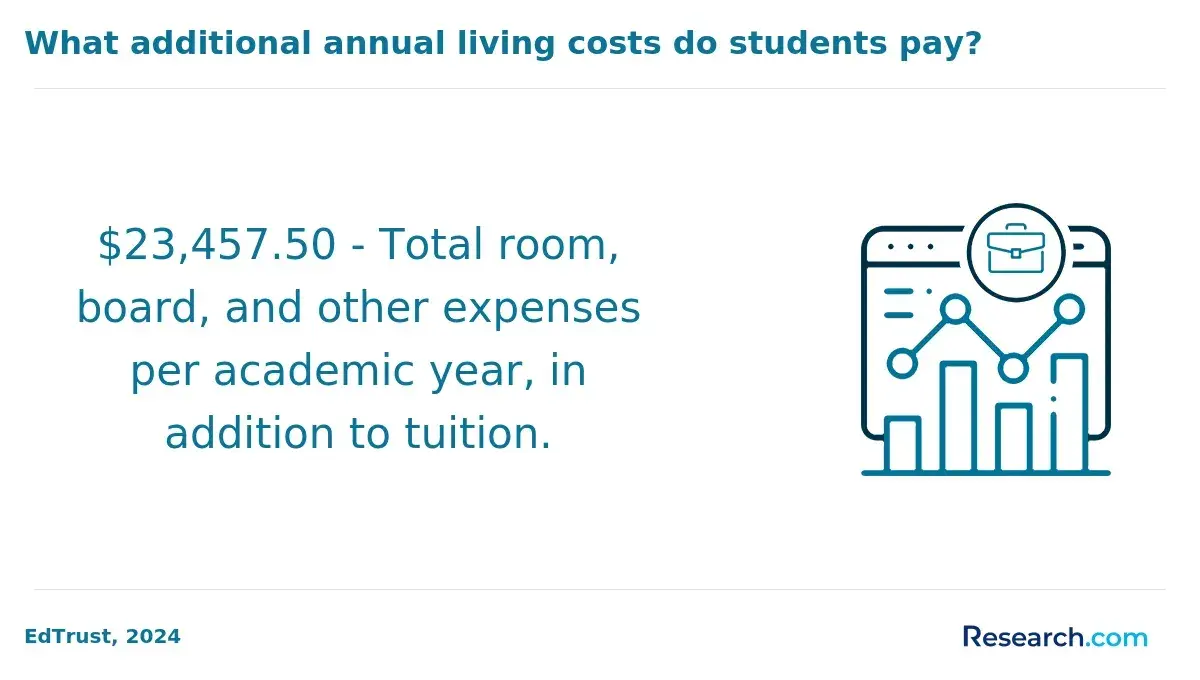
The cost discrepancy between undergraduate institutions compounds the financial burden before graduate study, with average annual tuition ranging from $7,869 at public universities to $37,095 at private ones.
Graduate LIS programs themselves can exceed $50,000 depending on institution and duration. Prospective students should assess these cumulative expenses against regional demand, salary expectations, and potential for financial aid, particularly when practicum placement options affect logistical and opportunity costs.
For example, candidates in underserved districts must prioritize accredited programs offering practicum sites close to home to minimize disruption, highlighting the practical tradeoff between program prestige and accessibility.
Which curriculum and coursework elements matter most for school library licensure readiness?
Programs preparing candidates for school library licensure must prioritize direct alignment with state-specific requirements and practical experience over theoretical breadth. Candidates equipped with specialized coursework in collection development, ethical considerations in school libraries, and instructional design for digital literacy are more likely to meet district expectations focused on both academic support and digital citizenship.
Critical to employability are supervised internships or practicum placements offering substantial hands-on experience, typically 100+ hours, within K-12 settings. For example, districts with stringent practical experience demands often favor candidates who have managed library operations and collaborated directly with educators in classroom integrations. This real-world exposure outweighs purely academic credentials during hiring.
Licensure-focused tracks that integrate information literacy instruction alongside curriculum development demonstrate measurable relevance to employers, reflecting an operational focus rather than abstract knowledge.
Geographic concentrations of graduates in areas such as San Jose, CA; Denton, TX; and Boston, MA correspond to regions with strong licensure-oriented programs, signaling regional workforce pipelines that affect mobility and employment competition. Evaluating programs should include scrutiny of transparent practicum requirements and technology integration capabilities.
What practicum, internship, or student teaching requirements do licensure-track programs include?
Licensure-track library & information science programs demand rigorous fieldwork that directly affects employability and state certification timelines. Typically, candidates are required to complete between 200 and 400 hours of supervised practicum or internships, often concentrated in final semesters.
For example, North Carolina mandates a minimum of 300 internship hours within a certified school library under direct mentorship, a requirement that correlates with a median librarian wage near $64,320.
The practicum experience centers on practical skills such as collection development, instructional collaboration, digital resource management, and promoting equitable access. Candidates navigate challenges related to diverse student needs and integrate information literacy into classroom settings. The process also involves continuous performance assessments and portfolio documentation, which employers increasingly emphasize when evaluating candidates' readiness.
Significant tradeoffs arise in balancing scheduling flexibility with program and state standards, particularly for working professionals who may pursue part-time or summer placements rather than consecutive full-time student teaching. Securing compliant placements can delay licensure and impact job market entry, making upfront verification of field placement options and approval crucial for applicants.
Employers tend to prioritize candidates with completed practicums that demonstrate tangible instructional partnerships and evidence-based interventions, underscoring the strategic importance of these supervised hours beyond mere credentialing.
How do admission requirements differ among online school library licensure programs?
Admission prerequisites among online school library licensure programs reveal critical tradeoffs impacting accessibility and completion timelines. Programs demanding prior teaching certification or documented classroom experience effectively limit entry for career changers without education backgrounds, extending licensure duration.
Conversely, those accepting only a bachelor's degree without additional educational prerequisites offer more open access but may require more extended coursework or practicum completion periods.
Fieldwork integration remains a pivotal factor. Three of North Carolina's four ALA-accredited MLIS programs now embed required school-library internships fully within online pathways, eliminating relocation or job interruptions. This contrasts with programs that enforce localized, in-person supervision or restrict practicum placements geographically, complicating enrollment for working professionals.
Internship structures vary widely in length, timing, and supervision intensity, influencing scheduling flexibility and financial feasibility. Applicants should scrutinize whether programs provide flexible practicum site options or impose rigid formats necessitating travel.
Other considerations include the role of standardized tests or writing samples in admission, where some programs weigh prior experience heavily enough to waive such requirements. This affects how quickly a candidate can transition or advance within the field.
For rapid career pivots, prioritizing programs with minimal prerequisites and adaptable practicum arrangements can reduce barriers. Educators upgrading skills may find programs recognizing prior certification enable faster licensure completion, aligning more closely with employer expectations and operational realities.
What tuition, fees, and financial aid should I compare across licensure-focused programs?
Licensure-focused online library and information science programs vary significantly in cost due to credit requirements and fixed fees, directly influencing total investment and financial feasibility. For instance, a 36-credit program charging $750 per credit plus $500 in fees sums to $27,500, while a 42-credit program at $600 per credit with $750 in fees totals $25,950, illustrating how credit load and fee structure affect affordability and time to recoup expenses.
Financial aid targeted at licensed school librarian candidates is a critical factor. Scholarships, grants, and state-driven loan forgiveness for educators in underserved communities can materially reduce upfront debt and long-term financial burden. Prospective students should prioritize programs aligned with such aid to optimize total cost of education.
Median wages reinforce the value proposition: librarians earned $61,190 annually in 2021, contrasted with $34,050 for library technicians. Hence, a higher-cost master's degree aligned with licensure can accelerate upward mobility and salary growth despite initial expense differences.
Additionally, tuition models supporting part-time enrollment and employer tuition reimbursement are essential for working professionals balancing income and study. Flexible payment options mitigate cash flow challenges, enabling persistence without financial disruption.
What are the career outcomes, salaries, and job outlook for licensed school librarians?
Specialized licensure requirements and regional budget variations sharply influence career prospects and salaries for licensed school librarians. Median wages hover near $63,000 nationally, but school library roles commonly pay between $50,000 and $70,000, fluctuating with district funding and location. Employment growth is modest at about 5% through 2032, constrained by shifting K-12 priorities and budget caps.
Licensure pathways tailored for school librarianship directly affect employability. North Carolina's model exemplifies a regional ecosystem with multiple graduate LIS options-including four ALA-accredited MLIS programs and one AASL-accredited master's focused on school library licensure-facilitating smoother alignment with state certification and employer expectations. This reduces credential mismatches that often delay job placement or depress wages elsewhere.
Prospective students face a critical tradeoff: enrolling in broad LIS programs versus specialized school librarian tracks aligned with their target state's licensure. States lacking explicit licensure pathways frequently demand additional certifications, extending time to employment. Conversely, graduates from niche programs in states with structured school librarian credentials tend to secure faster job placements and higher starting pay, reflecting employer trust in their focused preparation.
When program accreditation and licensure do not align, market saturation can worsen employment prospects, often steering candidates toward public or academic library roles with different salary scales and career trajectories. Assessing licensure fit against program offerings is thus essential to avoid delayed employment and stagnant wages.
Other Things You Should Know About Library & Information Science
Shorter programs may offer convenience but often reduce time for meaningful fieldwork and instructor interaction, which are essential for mastering school library-specific skills.
Longer programs generally provide deeper exposure to curriculum integration, youth literacy initiatives, and compliance with state licensure mandates. Prioritize programs that balance efficient timelines with robust practicum components, as employers often favor graduates demonstrating applied experience rather than solely theoretical knowledge.
Employers increasingly accept online degrees but may view hybrid formats as more credible when they include on-campus residencies or synchronous sessions.
Hybrid programs typically facilitate stronger peer networking and mentorship opportunities, which correlate with job placement success. If your goal is to enter competitive school districts or districts with established LIS hiring preferences, a hybrid program can improve your readiness and marketability compared to fully asynchronous online tracks.
Faculty with active school library experience and knowledge of current state licensure requirements enhance program relevance and graduate preparedness. Programs staffed by instructors without direct school library backgrounds can neglect practical teaching and compliance insights critical for licensure. Prioritize programs where faculty have a demonstrated record of school library employment or advisory roles to improve your transition into the field and meet licensure standards efficiently.
References
- Ohio School Librarian Certification https://www.librariancertification.com/librarian-certification-guides/ohio-school-librarian-certification/
- Master of Science inInformation Science School Library Online or On Campus https://www.albany.edu/cehc/programs/ms-information-science-school-library-online-program
- School Librarian Certification: Requirements & State Guide https://www.mastersinlibraryscience.org/resources/school-librarian-certification/
- Merit-Based vs. Need-Based Financial Aid https://www.umassglobal.edu/blog-news/merit-based-vs-need-based-financial-aid
- 10 Sped Student Teaching Experience | Educate Pathways https://educatepathways.com/10-sped/10-sped-student-teaching/
- School Library Ready https://course.libraryjournal.com/products/school-library-ready-certification
- How to Become a School Librarian: Your Guide | Book Riot https://bookriot.com/how-to-become-a-school-librarian/