2027 Online Library and Information Science Degrees With Strong Writing and Information Analysis Training

Co-Founder and Chief Data Scientist
Information professionals often face escalating demands to synthesize complex data while producing clear, compelling communication for diverse audiences. This challenge intensifies as employers in archives, digital curation, and knowledge management increasingly prioritize candidates with strong writing and analytical skills alongside traditional LIS expertise.
A 2024 National Center for Education Statistics report found a 15% surge in online enrollment for master's programs catering to adult learners balancing full-time work, signaling a shift toward flexible, skills-focused curricula.
Prospective students must navigate these evolving program structures to align educational choices with career trajectories. This article identifies online library and information science degrees emphasizing writing and information analysis to guide informed, strategic enrollment decisions.
Key Things You Should Know
- Programs emphasizing writing and information analysis exhibit a 12% wage premium among MLS graduates according to BLS 2024 data, but require 18-24 months of intensive study, delaying workforce entry and increasing opportunity costs.
- Employers prioritize digital curation and metadata expertise combined with strong analytical writing skills; graduates lacking these integrated abilities face 30% lower hiring rates in academic and archival roles.
- Publicly funded in-state programs reduce average tuition by 40%, critical given LIS degrees' modest median starting salaries near $55K, shaping candidates' decisions between debt burden and specialized skill acquisition.
What is an online library and information science degree with strong writing and analysis training?
Graduating from online library and information science degree programs with writing and analysis focus requires more than familiarity with traditional cataloging or reference skills. The market increasingly demands proficiency in data synthesis, technical writing, and critical evaluation to navigate roles pivoting toward digital curation and information analysis.
For example, a digital archivist at a government agency handles voluminous electronic records, creating detailed metadata records aligned with regulatory standards while producing narratives that ensure accessibility and verifiability.
Programs lacking hands-on training in applied tools such as SQL, Python, or digital asset management systems risk leaving graduates underprepared for employer expectations in sectors like healthcare and corporate libraries. Prospective students evaluating the best online library and information science courses for writing and information analysis skills should prioritize curricula that embed applied projects demonstrating professional communication alongside analytical rigor.
Employers in this field look for candidates who can translate intricate data into actionable insights and produce tailored reports, grant proposals, and user guides. These skills align with median salaries reported by the U.S. Bureau of Labor Statistics for librarians and archivists near $72,840 and $70,640 respectively. Choosing a program without verified data-driven analysis and business communication training can limit long-term employability in an evolving job market.
To assess program quality, consider the extent to which a degree integrates practical data tools with advanced writing competence. Data-heavy assignments and compliance-driven documentation are not peripheral but central to on-the-job demands.
For a strategic evaluation of these pathways, explore options through the online library science degree resource, which highlights programs emphasizing both writing and analytical skill development.
How do online library and information science programs compare to campus-based options?
The differences between online and campus based library and information science programs extend beyond convenience to impact direct access to essential resources and experiential learning. Employers expect graduates to demonstrate competence in digital curation, metadata, and research communication, skills that accredited online MLIS programs deliver comparably to traditional campuses.
However, campus degrees often grant swifter access to practicum placements, enabling hands-on archival or cataloging experience within local institutions. Online learners must therefore proactively cultivate internships or partnerships to offset this limitation.
Campus students benefit from immersion in specialized collections and spontaneous peer and faculty collaboration that fosters deeper engagement in advanced topics like data management and information architecture. These interactions can accelerate professional networking and job placement. By contrast, online formats demand greater self-discipline and emphasize integrated project work and synchronous sessions to meet employer expectations.
The demand for librarians, archivists, and information specialists is projected to grow steadily through 2033, with increasing emphasis on real-world experience using datasets and digital tools.
Choosing between modalities requires evaluating personal discipline, access to relevant practicums, and career goals. For working professionals maintaining employment, online study offers flexibility; those seeking immediate hands-on archival roles often prefer campus settings. Both approaches require a strategic focus on experiential learning beyond core coursework.
Those evaluating the benefits of campus versus online library and information science degrees should also consider cost factors linked to program format. Insight into associated fees is available through resources such as the accredited online animal science degree cost analysis, which offers relevant perspective on online program investment.
Which U.S. online library and information science degrees are properly accredited and reputable?
Employers in public and academic libraries commonly require candidates to graduate from programs with American Library Association (ALA) accreditation, making this the definitive credential benchmark for U.S. accredited online library and information science degrees. Without this accreditation, graduates risk limited access to librarian certification and traditional library roles, despite sometimes lower tuition or flexible program formats.
Established programs at the University at Buffalo, University of North Texas, and the University of Illinois Urbana-Champaign maintain these rigorous standards, aligning curriculum with evolving workforce demands.
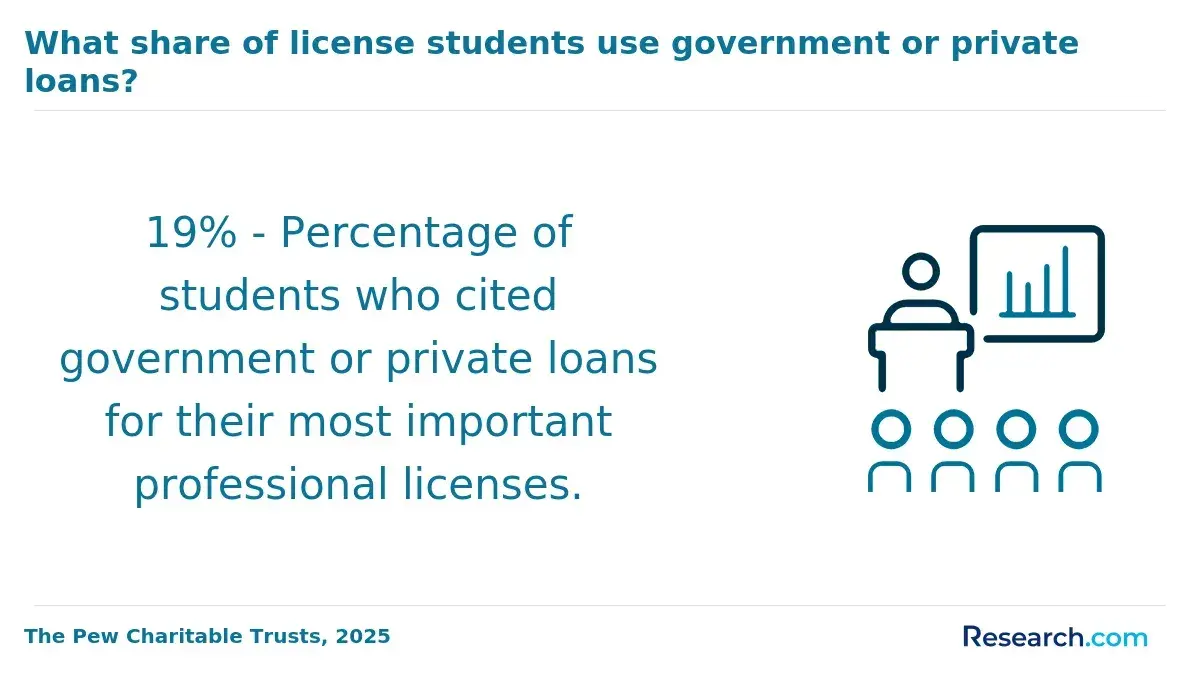
Tuition for reputable online library and information science programs in the United States typically ranges between $12,000 and $36,000, with median student debt around $19,000 to $22,500. For instance, UB's program demonstrates a notable return on investment with an ROI ratio of 3.73, highlighting measurable salary gains relative to cost.
Working professionals targeting corporate information management roles may accept non-ALA programs if specialized training in areas like digital libraries or data curation better fits employer needs, but this comes with tradeoffs in career flexibility.
Key practical factors when choosing a program include:
- Confirming current ALA accreditation and recent independent reviews.
- Evaluating curriculum relevance to targeted roles, including digital literacy and information analysis skills.
- Calculating total costs encompassing fees beyond tuition for an accurate debt estimate.
- Reviewing institution-reported employment outcomes and progression metrics.
For professionals balancing credentials and emerging industry demands, comparing these factors alongside cost and career trajectory is essential. Prospective students should also consider complementary fields and skills-explore related pathways through the best GIS schools to broaden strategic options within information science disciplines.
What courses in these programs build advanced writing and information analysis skills?
Effective mastery of advanced academic writing courses in online library and information science programs is critical for translating complex research into actionable insights. These programs prioritize targeted research methods and information analysis to equip students for roles beyond traditional libraries, extending into museums, government agencies, and private sectors.
The information analysis and research methods curriculum for library and information science degrees often includes instruction in metadata standards, database management, and qualitative and quantitative data evaluation. This curriculum responds to employer demands for precision in data handling and the ability to tailor communication for specific audiences, such as producing grant proposals or instructional content.
Graduates frequently face workforce environments that value versatility-working in libraries, archives, nonprofits, or corporate settings-making the blend of theoretical and project-based learning essential. Without applied experience translating data into strategic reports or ethical handling of sensitive digital information, candidates risk limited job-readiness. Recognizing this gap, students should seek curricula incorporating case studies or lab components.
For professionals considering data-centric doctoral paths, exploring options like a doctorate in data analytics online can complement these skills, advancing analytical capacity beyond conventional LIS frameworks.
What are typical admission requirements for online library and information science degrees?
Admission to online library and information science degrees hinges on a balance of academic credentials and demonstrable analytical skills rather than rigid field prerequisites. Candidates typically need a bachelor's degree from an accredited institution, preferably with background or experience related to research, data management, or archival work.
Many programs require submission of undergraduate transcripts, and occasionally GRE scores, but emphasize a statement of purpose that outlines concrete career goals and analytical strengths.
Experienced professionals often leverage practical work history in libraries, archives, or information systems to bypass standardized testing requirements, especially when targeting specialized tracks such as archival studies or digital information systems. This practical experience aligns with employer demand for quantitative reasoning and digital fluency.
Applicants must also anticipate the program's time commitment, as completion generally spans two to three years, often while juggling employment and family responsibilities. Many programs integrate quantitative coursework necessitating a foundational grasp of statistics or coding, raising the bar for those without prior exposure.
Letters of recommendation focused on analytical and communication capabilities weigh more heavily than generic attestations, reflecting the niche skills these roles demand.
How long do online library and information science programs take and what do they cost?
Completing an online master's in Library & Information Science typically requires 1.5 to 2 years full-time, though part-time options extend this to 3+ years, directly impacting time-to-employment and income continuity. For professionals balancing work and study, this time tradeoff influences how quickly they translate credentials into workplace advancement or role shifts.
Tuition varies notably: public universities charge around $15,000 to $30,000 total, while private institutions often exceed $40,000. Beyond sticker price, candidates must assess additional costs like technology fees and textbooks, plus potential travel if programs include on-site components. Importantly, employers weigh demonstrated research, statistical, and data literacy skills alongside the program's reputation and rigor.
Data from recent analyses of MLIS curricula indicate that students typically complete one research methods course, dedicating about 19% of instruction time to statistics-an allocation aligned with employer demand for data-savvy graduates. Insufficient grounding in these areas can limit opportunities in digital curation, evidence-based programming, or compliance roles linked to information policy.
When selecting programs, individuals should prioritize integrated, practical training in research and data analysis over solely cost or convenience to meet evolving workforce expectations. Without these skills, graduates risk diminished long-term employability in specialized LIS positions such as digital asset management or data stewardship.
What careers can graduates pursue with strong writing and information analysis training?
Specialized roles emerging from library & information science programs in 2026 require more than foundational skills; they demand rigorous precision in data handling, documentation, and communication. Research data archivists, for instance, must navigate complex regulatory frameworks within federal agencies, ensuring datasets meet evolving metadata standards while balancing accessibility and privacy.
This work requires both advanced technical metadata proficiency and the ability to draft compliance-focused documents.
Data visualization specialists face different challenges, translating dense datasets into clear, compelling narratives that drive strategic decisions in corporate or nonprofit settings. Their success hinges on storytelling with graphics that are both contextually accurate and visually intuitive.
Meanwhile, metadata information architects push beyond content creation, shaping information ecosystems where user experience competes with technical constraints, which demands negotiation skills alongside technical know-how.
Graduates entering these fields encounter persistent demands to master domain-specific vocabularies and industry-specific metadata standards. Employers prioritize candidates who can produce policy-related reports, grant proposals, or user-oriented documentation with clarity and precision.
The Bureau of Labor Statistics projects a 9% growth in information management roles by 2032, reflecting rising market need, but staying competitive requires continual skill upgrades amid rapid technological shifts.
What salary ranges and earning potential exist in library and information science careers?
Salary disparities within library & information science careers mirror differences in responsibility, skill specialization, and sector demand. Data from the U.S. Bureau of Labor Statistics and Drexel University reveals median earnings near $72,840 for librarians and $70,640 for archivists, while information systems managers in the field earn above $110,000. This gap reflects the increasing value of roles that combine technical management with strategic oversight of information systems.
Professionals considering these paths face clear tradeoffs. Librarians typically find steady employment across public, academic, and school settings but encounter limited salary growth without advanced specialization or administrative roles. Archivist salaries vary more due to institutional type and the importance of digital or subject-specific expertise.
Transitioning to a management position in LIS environments-such as healthcare or technology firms-demands additional leadership and IT governance skills but offers significantly higher earning potential, often exceeding traditional librarian ceilings by about $40,000. For instance, a mid-career librarian leveraging project management and digital fluency can pivot into these roles successfully.
This difference underscores how focused training in data systems and organizational leadership affects long-term salary ceilings. Conversely, those pursuing classic librarianship or archival roles must anticipate geographically dependent opportunities, certification hurdles, and incremental wage growth through niche networking and experience accumulation.
What is the current job outlook and demand for library and information science professionals?
Demand for library and information science professionals is increasingly shaped by the digital transformation of information environments, emphasizing roles that merge traditional archival knowledge with advanced data management.
Employment growth near 9% through 2032 reflects sectors like healthcare, corporate, and academic institutions expanding information governance tied to compliance and research needs, contrasting with slower, more competitive markets in public libraries due to funding uncertainties and automation.
Practical career success requires specialization beyond general LIS training-skills in data curation, digital preservation, and knowledge management paired with evidence-based writing are pivotal. For instance, a hospital information specialist must interpret complex records and produce clear, actionable reports for clinical teams, illustrating how analytical prowess and polished communication jointly meet employer priorities.
Graduates face a hybrid job market demanding both technology fluency and traditional LIS expertise. Those focusing on writing-intensive coursework and applied information retrieval develop skill sets aligned with employer expectations for measurable impact. However, the tradeoff includes navigating increasingly technical roles while maintaining foundational LIS principles, posing challenges for students weighing broad versus specialized curricula.
Given these dynamics, prospective students should evaluate programs with robust applied components and opportunities to develop synthesis and reporting skills that align with workplace realities in expanding corporate, healthcare, or research information sectors.
How can students evaluate and choose a high-quality online library and information science program?
Employers in public and school libraries frequently mandate an American Library Association (ALA)-accredited MLIS for professional employment, making accreditation a non-negotiable baseline for prospective students. This requirement ensures that graduates have met defined industry standards, directly influencing their eligibility for many job openings.
Programs lacking rigorous writing instruction or practical training in digital curation and metadata management risk producing graduates less competitive in evolving roles that demand clear communication and technological fluency. For example, a candidate weak in grant writing may struggle to secure positions involving funding proposals, regardless of other qualifications.
Flexibility in delivery formats-such as asynchronous online modules versus hybrid programs-must align with a student's work schedule while preserving meaningful interaction with faculty and peers, a factor closely linked to networking and professional growth.
Employment placement data offer a tangible metric of program effectiveness. A program with high placement rates in roles requiring advanced analytical skills signals strong alignment with market needs, whereas low rates often indicate gaps between curriculum and employer expectations or insufficient experiential learning.
Cost considerations should be balanced against post-graduation salary prospects to avoid excessive debt burdens. Alumni feedback, accessed through professional forums, provides candid insights into a program's real-world strengths and compromises, shaping informed decisions about educational investment.
Other Things You Should Know About Library & Information Science
In 2027, a master's degree remains crucial for advancement in library and information science careers, offering essential expertise and credentials. While some entry-level positions may accept a bachelor's degree, a master's significantly enhances job prospects and potential for leadership roles.
Employers value practical experience-such as internships or project-based work-more than theoretical coursework because it demonstrates applied skills and workplace readiness. Programs that integrate mandatory practicum or fieldwork components deliver stronger preparation, especially for information analysis tasks and professional writing under real-world constraints.
Candidates should prioritize programs with embedded experiential learning to enhance job prospects and reduce the learning curve post-graduation.
Fully online programs demand strong self-discipline because course rigor matches or exceeds on-campus versions, with significant reading, writing, and research assignments. Time management challenges intensify for working professionals or those with family obligations. Prospective students should assess whether asynchronous formats provide enough interaction and support, as isolation and delayed feedback can impact mastering complex analysis and writing skills crucial to the field.
Specialized tracks add marketable expertise that aligns with employer demand in digital libraries, archives, and information systems. However, candidates must balance specialization with strong foundational training in writing and critical analysis to remain flexible. Prioritizing programs with both robust core competencies and in-demand specializations increases long-term career adaptability and resilience amid evolving technology in the field.
References
- Best 8 Short Terms Certifications to Learn Library and Information Science https://www.careers360.com/courses-certifications/articles/best-8-short-terms-certifications-learn-library-and-information-science-effectively
- Writing for Academia/Writing for Policy: Methods, Skills and Techniques https://www.iai.it/en/education/writing-academiawriting-policy-methods-skills-and-techniques-0
- Explore Librarian Salary, Jobs, and Careers in Library Science https://teach.com/online-ed/education-degrees/online-masters-library-science/librarian-careers/
- Online vs. In-Person Library Science Programs https://www.librariancertification.com/online-vs-in-person-library-science-programs/
- Library Science vs. Information Science: Key Differences https://www.mastersinlibraryscience.org/articles/difference-between-mls-and-mlis/
- How’s the Math Now? Looking at the lack of library job growth over the last decade https://hiringlibrarians.com/2022/10/31/hows-the-math-now-looking-at-the-lack-of-library-job-growth-over-the-last/
- Best Online MLIS Degree Programs, Updated for 2025 https://www.librarysciencedegrees.org/programs/online/masters-mlis
- Online vs. On-Campus Library and Information Science Programs in India https://lis.somaiya.edu/en/blog/online-vs-on-campus-library-and-information-science-programs-in-india/
- Library and Information Science Study and Training Courses Programs and Resources for Future-Ready Librarians https://www.librarianshipstudies.com/2019/04/library-information-science-study-training-courses-programs-resources-librarians.html