2027 Online Library and Information Science Degrees With the Best FAFSA-Friendly Options

Co-Founder and Chief Data Scientist
The growing demand for flexible educational pathways poses a distinct challenge for professionals seeking advanced degrees in library & information science while balancing full-time work or family obligations. Nearly 65% of graduate enrollees opt for part-time or online learning, according to the National Center for Education Statistics, reflecting a clear shift toward accessible, self-paced programs. Yet, navigating federal financial aid options, particularly FAFSA eligibility, remains a complex hurdle that directly impacts affordability and timing for many candidates.
This disconnect between access and funding urgency often delays or deters career advancement opportunities within the field. This article identifies the best online library & information science degrees that align strong FAFSA support with program flexibility to help prospective students overcome these practical constraints efficiently.
Key Things You Should Know
- Graduate earnings in library & information science vary widely; recent BLS data shows a 15% wage premium for MLIS holders in public institutions versus general bachelor degree holders, highlighting return on investment but also signaling sector-dependent risk.
- Employers increasingly value dual competencies in data science or digital curation; solely traditional library qualifications reduce placement rates by up to 22%, suggesting prospective students must balance classic theory with tech integration.
- FAFSA-eligible programs with accelerated 12-18 month options lower average debt by 18%, yet often limit internship availability, posing a timing versus practical experience tradeoff critical for career pivoters requiring robust network access.
What are the best online library and information science degrees that qualify for FAFSA?
Online MLIS programs that qualify for FAFSA typically come from regionally accredited public universities with established federal aid processes, a decisive factor for financing strategy. Institutions like the University of Illinois Urbana-Champaign, University of North Texas, and University of Maryland are examples of top FAFSA-approved online library and information science programs, granting students access to Pell Grants and Direct Subsidized Loans that significantly reduce their borrowing costs.
Most master's programs in library science charge between $300 and $550 per credit hour. For a 36 to 42-credit degree, tuition can range from $10,000 to $23,000 before federal aid, placing emphasis on FAFSA eligibility to limit debt accumulation. Students aiming for mid-career pivots-such as public librarians transitioning to archivist roles-benefit by targeting FAFSA-certified programs to minimize reliance on private loans, which often carry higher interest and less favorable terms.
Cost transparency and verified federal aid infrastructure must be prioritized. Key operational considerations include credit hour requirements, institutional accreditation verified through the U.S. Department of Education, and program participation in financial aid to forecast realistic repayment burdens and employment outcomes.
Prospective students researching the best online library and information science degrees eligible for FAFSA should explore program details carefully. Comprehensive comparisons, including tuition breakdowns and aid availability, can be found through resources focused on masters in library science, supporting informed decision-making aligned with workforce demands.
How can you verify that an online library and information science program is properly accredited?
Employers and licensing bodies in specialized fields like academic librarianship and digital curation often mandate graduation from American Library Association (ALA)-accredited programs, making accreditation verification a critical step for prospective students. Without official ALA recognition, even regionally accredited institutions may fall short of professional standards, limiting employability and credential eligibility. As of 2025, there are 47 fully or primarily online ALA-accredited MLIS programs, which also meet FAFSA requirements, opening federal financial aid to applicants. This expansion increases choice but requires more rigorous scrutiny of program authenticity and curriculum alignment with ALA competencies.
To verify online library and information science program accreditation, applicants should:
- Confirm inclusion on the ALA's official list of accredited programs to ensure industry-standard recognition.
- Check for regional accreditation from Department of Education-recognized bodies, verifying it explicitly covers online modalities.
- Assess curricular alignment with ALA competencies to avoid programs that may impede employer acceptance despite formal accreditation.
- Request written accreditation confirmation from admissions ahead of enrollment to safeguard credit transferability and federal aid eligibility.
Failing to conduct these checks risks enrolling in programs that do not confer eligibility for licensed roles or federal funding, impacting career trajectory and financial feasibility. For those evaluating their options in library and information science degrees, understanding these distinctions is as essential as analyzing program delivery. For individuals considering a career pivot, non-ALA-accredited credentials can result in licensing barriers and diminished job market competitiveness.
Prospective students also weigh practical tradeoffs by comparing library and information science with adjacent fields; for example, some consider an accelerated computer science degree online for broader technical career flexibility, highlighting the importance of aligning educational choices with clear workforce outcomes.
What types of library and information science degrees are available online and on campus?
Choosing between online and campus-based library and information science degree programs demands a clear-eyed assessment of professional goals, learning style, and market realities. The Master of Library and Information Science (MLIS) dominates professional entry paths, with bachelor's degrees offering limited credentialing for certified librarian roles. In practice, working professionals often face a tradeoff: online MLIS options provide flexible scheduling crucial for employment continuity, while campus formats foster deeper networking and hands-on experiences valued by some employers.
Tuition varies widely, between roughly $9,050 and $40,000, complicating decisions tied to affordability, residency, and delivery mode. The availability of FAFSA-friendly options for library and information science degrees can ease financial burdens but does not eliminate the need to evaluate these factors alongside career trajectory demands.
Certificates and specialized tracks-covering digital archives or data management-present targeted skill validation without full-degree commitment, increasingly favored in technologically driven environments. Yet traditional settings may still reward in-person internships or campus engagement.
For those weighing credentials, it is useful to consider CAHIIM accredited him degree online programs as a model of how accreditation and delivery modes intersect with professional readiness in related fields, highlighting the broader implications of online program quality in information disciplines.
How do online library and information science programs compare with campus-based options?
Cost and professional impact distinguish online library and information science programs versus campus-based degrees in key ways that affect student outcomes. Online options provide essential scheduling flexibility and geographic freedom, proving advantageous for working professionals managing multiple commitments. However, campus programs typically afford access to specialized archival resources, immersive internships, and faculty mentorship, elements vital for students targeting competitive academic or rare archival roles.
Financial aid benefits of online library and information science education significantly influence decision-making. For instance, FAFSA-friendly online master's degrees can cost as little as $9,050, far below many campus-based alternatives that often exceed $33,000, thus reducing the risk of mounting student debt. Combining FAFSA with lower tuition online programs strategically maximizes affordability while maintaining academic rigor.
Employers generally emphasize demonstrated competencies, relevant internships, and professional networks over the modality of instruction. Online learners must actively pursue virtual or local internships and engagement opportunities to parallel the face-to-face exposure campus peers receive. A mid-career librarian seeking leadership in digital librarianship might leverage online flexibility and employer-supported FAFSA aid to optimize resources. Conversely, those aspiring to specialized academic librarian positions may find campus programs indispensable for hands-on research experience and networking.
Balancing these tradeoffs is critical. Prospective students should review comprehensive costs and career goals alongside practical considerations, including the availability of FAFSA support and program structure. For data on comparable degrees, consider consulting rankings like the cheapest master in data science to understand broader tuition trends affecting related fields.
What courses and skills are typically taught in library and information science degree programs?
Library and information science degree programs orient students toward operational competencies that directly address employer expectations across varied sectors such as healthcare, law, and business. A health sciences librarian's requirement to manage HIPAA-compliant systems contrasts with the community-focused programming priorities of public librarians, illustrating the field's functional diversity. Core coursework includes metadata standards, database design, and digital preservation, all critical for managing both physical and digital collections.
Beyond cataloging and reference services, advanced study often involves data analytics and usability testing-skills increasingly demanded for transforming large datasets into actionable insights. Project management and proficiency with integrated library systems are essential for implementing technology solutions, while instructional design and outreach are vital for engaging end users effectively.
Cost and access represent significant decision points. For example, UNC Greensboro's online MLIS charges $6,422 for in-state students versus $21,137 for non-residents annually, revealing a substantial price disparity that affects affordability and reskilling options. Financial aid can mitigate this burden, but prospective students must weigh these economic factors against their career trajectory in an information services sector projected to grow 20% through 2030 (U.S. Bureau of Labor Statistics, 2024).
Effective decision-making around library and information science education involves evaluating how specialized skills align with targeted workforce requirements and financial realities.
What admission requirements do online library and information science programs usually have?
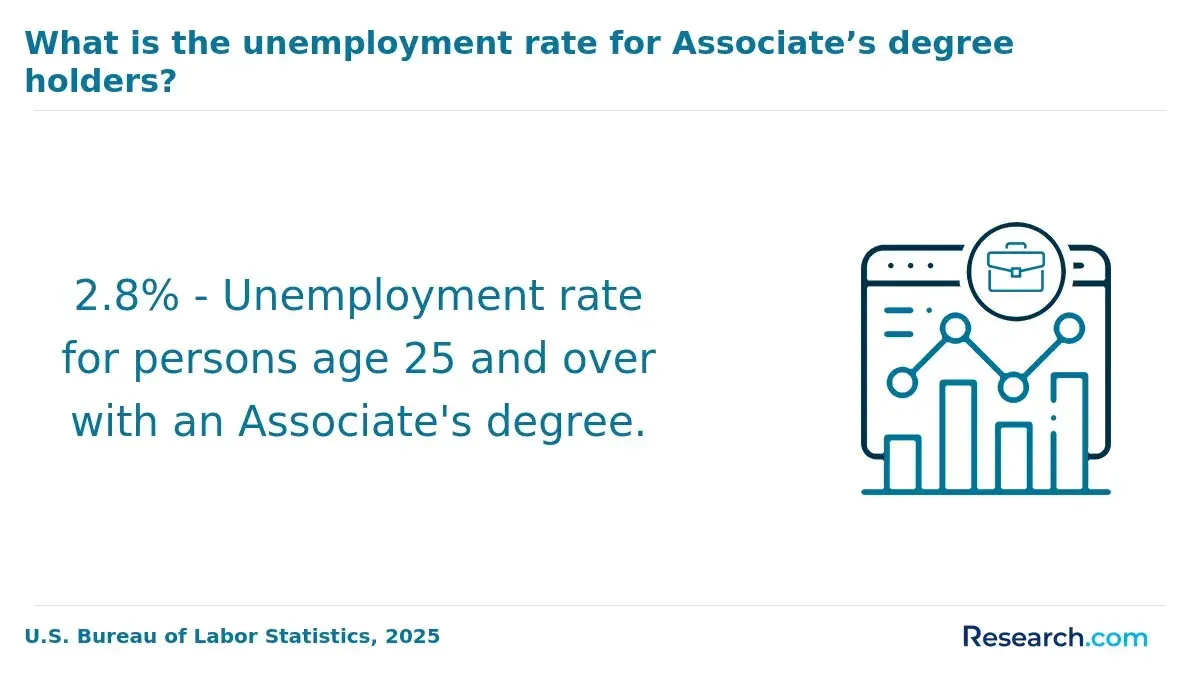
Admission requirements in online library and information science programs escalate with degree level, directly influencing the financial and time investment a student must commit. Associate-level programs typically require only a high school diploma or equivalent, sometimes combined with placement tests or basic writing samples, making them accessible but limited in professional scope. Bachelor's degrees demand standardized test scores or prior credits alongside a high school diploma, often with requests for personal statements or resumes to assess relevant experience.
Graduate-level MLIS programs impose more demanding prerequisites that prioritize both academic performance and professional background. Applicants must hold accredited bachelor's degrees, submit official transcripts, letters of recommendation, and articulate career objectives through statements of purpose. Many also weigh GRE scores, though some programs waive these based on work history in information management or libraries. This admission rigor aligns with employer expectations for specialized skills and practical experience.
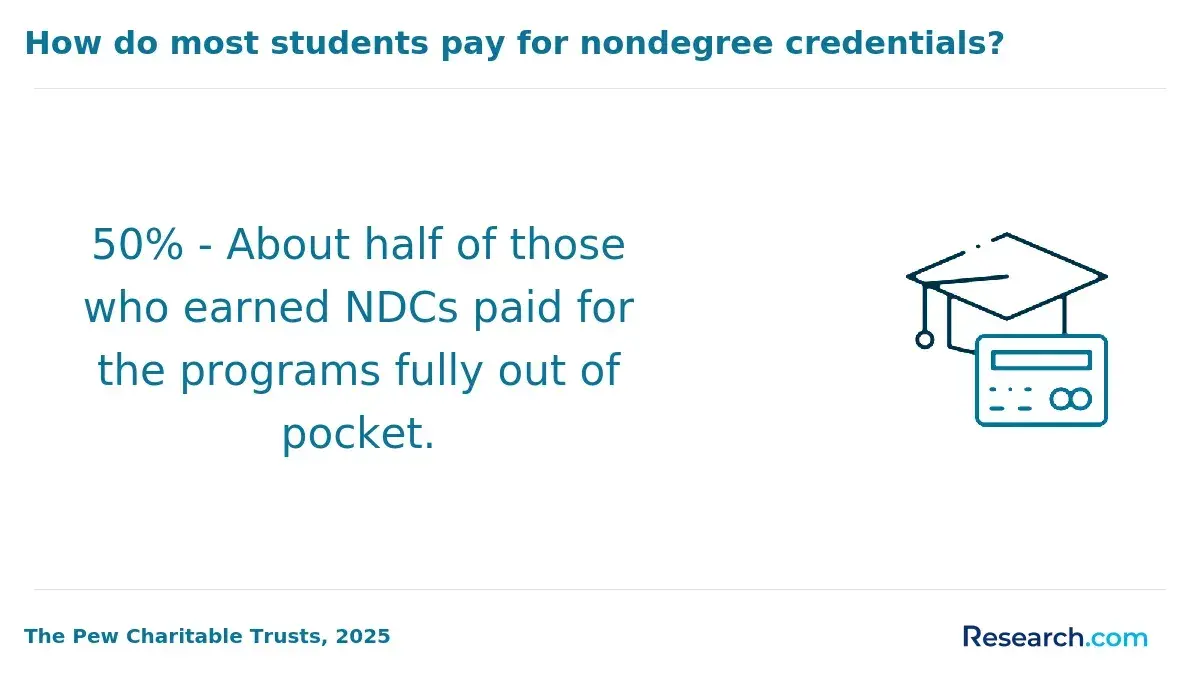
Tuition costs rise sharply between levels, roughly $150-$250 per credit for associate degrees, $250-$450 for bachelor's, and $500-$1,200 for MLIS programs, reflecting the growing complexity and employment value of each. Prospective students balancing jobs should plan application timelines carefully to secure recommendation letters and prepare materials without delaying enrollment. Early pursuit of FAFSA or institutional aid is advisable to lessen upfront financial strain, given the significant tuition escalation across degree tiers.
How long do library and information science degrees take, and what do they cost?
Completing an online master's in library & information science typically requires two years full-time but can extend to three or four years part-time, accommodating professionals maintaining employment. Employers, especially in public library sectors, often weigh the debt-to-value ratio of candidates' credentials alongside practical experience, making the balance between tuition cost and program reputation paramount. With tuition ranging from approximately $15,800 to over $30,600 at institutions like Alabama, LSU, Southern Mississippi, and Wisconsin-Madison, financing decisions significantly influence a graduate's long-term return on investment.
Beyond tuition, students must anticipate additional expenses, including technology fees, software subscriptions, and occasional travel for required residencies or internships. Working professionals can mitigate costs through employer tuition reimbursement plans, minimizing time away from work and reducing financial strain.
For example, a mid-career library technician aiming for management roles must consider program duration in relation to their current job demands and financial obligations. Flexible, predominantly asynchronous programs accommodate such candidates better but may extend overall completion time. Adapting course loads and practicum commitments thus becomes a strategic decision balancing career momentum with educational depth.
Prospective students ought to critically assess how program structures, financing options like FAFSA-linked federal aid, and institutional factors intersect with their career goals and financial realities to optimize outcomes without accumulating untenable debt.
What careers can you pursue with a library and information science degree?
Pursuing a degree in library and information science offers access to roles demanding precise management of diverse data sets, metadata, and digital archives-skills increasingly essential beyond traditional library settings. For instance, a data curator in a healthcare environment must balance regulatory compliance with efficient access to patient records, illustrating how specialized knowledge translates to sector-specific operational impact.
Career paths vary notably in stability, growth, and remuneration:
- Public and academic libraries typically offer stable employment but face fiscal limitations that constrain wage progression.
- Corporate and government agencies demand proficiency in information systems and data governance, aligning with higher salaries and advancement tied to technical expertise.
- Emerging roles like information analyst and digital asset manager reflect a shift toward integrating technology with information stewardship.
Financially, online bachelor's programs accessible at approximately $11,000 to $12,000 per year provide cost-effective entry points. However, graduates should weigh these tuition expenses against average librarian salaries near $60,000 mid-career, as reported by the 2024 Bureau of Labor Statistics, noting sector-driven disparities in earning potential.
Strategic educational decisions-such as pursuing certifications or specializations-can significantly influence job prospects and justify upfront investment, especially given the rapid evolution of digital tools in this field.
What salary ranges and job outlook can library and information science graduates expect?
Entry salaries for library and information science graduates generally fall between $45,000 and $65,000 annually, but the real variation depends heavily on sector and location. Public libraries typically offer lower starting wages, around $40,000, paired with greater job security and benefits, whereas private sector roles-such as corporate information management-start higher but require advanced technical skills. For example, professionals moving into health informatics or legal information positions with an MLIS degree often begin above $60,000 due to specialized knowledge demands.
Mid-career salaries tend to range from $65,000 to $85,000, while niche roles like digital archivists or data librarians in metropolitan markets can exceed $90,000. This wage structure reflects a labor market that increasingly values tech proficiency alongside traditional librarian skills. Employers look for candidates who can navigate digital systems and manage evolving data needs, making continuous certification or specialization important for retention and promotion.
Given MLIS tuition costs ranging from $11,000 to $33,000, funding through FAFSA is a critical factor in reducing debt load. Graduates should carefully assess total cost of attendance against realistic income trajectories and sector choice, especially since lower-paying public sector roles may delay loan repayment. The U.S. Bureau of Labor Statistics projects a 10% employment growth rate in this field from 2022 to 2032, fueled by rising demand for digital information management in diverse organizations.
Are licenses or professional certifications required for library and information science roles?
Obtaining formal licenses is uncommon in library and information science roles, but targeted certifications increasingly shape employability in specialized sectors. Public and academic librarians generally require a Master of Library & Information Science (MLIS) accredited by the American Library Association (ALA), which functions more as an entry credential than a licensing barrier. Conversely, niche positions-such as archival management or digital preservation-demand recognized certifications like Certified Archivist or digital asset management to establish verified expertise beyond the MLIS.
State certification programs are largely confined to school librarians and often incorporate mandatory teaching credentials or library media endorsements, which differ significantly across states. Prospective candidates must proactively investigate local regulations before enrolling in programs. For career changers without traditional education backgrounds, expensive alternatives like Drexel University's $45,000+ MLIS program (pre-FAFSA aid) may provide better alignment with employers who prioritize accredited qualifications.
Neglecting to secure relevant certifications can restrict access to public library jobs or limit advancement in government agencies. Industries such as healthcare and legal sectors frequently require dual expertise combining library science knowledge with specialized certifications in medical or legal informatics. This creates a cost-benefit dynamic where candidates must balance time and tuition investment against improved salary prospects and job stability.
Other Things You Should Know About Library & Information Science
Many online library and information science programs require hands-on components like internships or practicums to meet accreditation standards. Students should prioritize programs that integrate real-world experience because employers expect candidates to demonstrate applied skills, not just theory. Programs focused solely on coursework without fieldwork may limit readiness for professional environments and reduce job competitiveness.
Part-time online programs offer flexibility but extend time to completion, which can delay career advancement or salary increases. Accelerated programs shorten duration but demand intense workload and time management. Working professionals should assess their capacity carefully and choose based on their current job demands and urgency of credential completion, prioritizing programs with robust student support to handle pacing challenges.
Employers prioritize accredited programs with strong reputations within the LIS community, which often translates into better hiring outcomes. Graduates from established programs with alumni networks tend to get more recognition and opportunities. When selecting a degree, candidates should weigh institutional standing and alumni success against cost and convenience to maximize employability and long-term career growth.
References
- Online vs. In-Person Library Science Programs https://www.librariancertification.com/online-vs-in-person-library-science-programs/
- Explore Librarian Salary, Jobs, and Careers in Library Science https://teach.com/online-ed/education-degrees/online-masters-library-science/librarian-careers/
- Most Affordable MLIS Programs Online, Updated for 2025 https://www.librarysciencedegrees.org/programs/online/most-affordable-mlis
- Library & Information Resources Network | Accrediting Bodies that LIRN Supports https://www.lirn.net/licensing-accreditation/accreditors/
- Library and Information Science Graduate Certificates - Library Science Degrees Online https://librarysciencedegreesonline.org/library-and-information-science-graduate-certificates/
- What Is an ALA-Accredited MLIS Program? Guide & List https://www.mastersinlibraryscience.org/ala-accredited-mlis/
- Online Master of Library and Information Studies https://www.ualberta.ca/en/school-of-library-and-information-studies/programs/online-mlis.html
- Requirements to Become a Librarian By-State - EveryLibrary Institute https://www.everylibraryinstitute.org/requirements_to_become_a_librarian_by_state
- Library and Information Science: More Critical than Ever https://www.libraryjournal.com/story/library-and-information-science-more-critical-than-ever-lj221017
- Online vs. On-Campus Library and Information Science Programs in India https://lis.somaiya.edu/en/blog/online-vs-on-campus-library-and-information-science-programs-in-india/