2027 Online Library and Information Science Degrees With Records and Information Management Focus

Co-Founder and Chief Data Scientist
Information professionals tasked with managing increasingly complex digital records often confront uneven access to specialized education tailored to records and information management. With 45% of postsecondary students enrolled exclusively in online classes as reported by the National Center for Education Statistics in 2024, the challenge lies in identifying programs that balance flexibility with rigorous, targeted curricula that prepare graduates for evolving regulatory and technological demands. Many working adults must navigate program structures that either lack depth in records management or disrupt career continuity.
This article examines fully online library and information science degrees emphasizing records and information management to guide prospective students through critical considerations in accessibility, content focus, and career relevance.
Key Things You Should Know
- Graduates with records and information management focus face a 15% lower starting salary but gain access to specialized federal job streams growing at 8% annually, per U.S. Bureau of Labor Statistics, complicating ROI timing.
- Employers prioritize dual-competency candidates versed in digital curation and compliance regulations, with 72% requiring advanced accreditation certifications as per 2024 SLA workforce survey, intensifying credential complexity.
- Program length and cost vary drastically-master's degrees range from 18 to 36 months and cost $15K to $45K according to recent NCES data-forcing candidates to balance accelerated completion against financial burden amid shifting employer demands.
What are online library and information science degrees with a records and information management focus?
The value of online library and information science degrees with records management specialization lies in their ability to prepare professionals for nuanced organizational challenges in data governance and compliance. Graduates must navigate the tension between regulatory mandates and operational efficiency. For instance, a healthcare records manager must enforce patient privacy laws while enabling swift access to data, contrasting with a government records specialist who prioritizes public transparency and archival integrity under specific public records statutes.
Distance learning programs in information science focused on records and information management emphasize mastery of information governance frameworks, electronic records systems, and risk mitigation in rapidly evolving digital infrastructures. This requires proficiency in metadata best practices, audit protocols, and cross-departmental coordination. Employers equally demand leadership and strategic communication skills beyond technical ability, signaling that educational programs must balance hands-on technology training with governance and compliance theory.
Data from the U.S. Bureau of Labor Statistics indicates that administrative services managers, including many records and information managers, earned a median annual wage of $106,470 in 2024, with a steady 6% growth outlook through 2033. Candidates should weigh the benefit of specialized knowledge against the need for broader administrative capability to meet these job demands.
When evaluating programs, prioritize curriculum depth in compliance and applied projects simulating real-world records challenges to enhance job-market readiness. For prospective students seeking a masters in library science online program, practical integration of technology with regulatory frameworks will determine the degree's operational relevance.
How do online records and information management programs differ from campus-based options?
Choosing between online records and information management degree differences involves assessing distinct operational demands and outcomes. Online formats offer critical flexibility through asynchronous learning, enabling professionals to balance employment with advanced study. This model suits individuals who can independently secure relevant work environments or internships to practice digital records policies, which many employers now expect.
Conversely, campus-based records and information management program advantages lie in immersive, in-person access to faculty, networking, and hands-on archival experiences. These programs often suit students who benefit from structured settings and direct mentorship, especially in institutions with specialized collections or tightly knit professional communities.
Employers lean towards graduates who demonstrate proficiency in data governance software, privacy compliance, and legal frameworks. Thus, online programs must integrate robust technology training and remote collaboration to achieve parity with campus-based immersive readiness. Prospective students should consider these tradeoffs: online pathways maximize accessibility and convenience, while campus programs frequently offer deeper experiential learning critical for long-term career progression.
For those evaluating library science degree online options within Library & Information Science, exploring the best online registered dietitian programs can provide insight into how flexible program models address workforce needs and technological skill demands in similar fields. Understanding these nuances is essential for making an informed decision aligned with career trajectory and practical engagement requirements.
Which U.S. schools offer accredited online records and information management degrees?
Employment demand for professionals with specialized knowledge in records and information management (RIM) increasingly favors candidates from fully accredited online programs that reflect current industry standards. Drexel University delivers a distinctive ALA-accredited online MLIS with explicit RIM tracks and top rankings in information systems and digital librarianship. This focus aligns with employer preferences in government and corporate sectors for credentials that integrate information governance and compliance technologies.
Other reputable programs like those at the University of Wisconsin-Milwaukee and San José State University also offer online MLIS with certificates or options in records management, but often involve some on-campus requirements or synchronous participation. Their curricula emphasize archival studies, metadata, and digital curation, addressing key skills yet lacking the direct RIM concentration Drexel provides.
Choosing a top online records and information management degree program in the United States demands weighing practical factors: tuition costs tend to be higher for RIM-specialized degrees compared to generalized LIS options, and faculty expertise in RIM may be limited across states. Prospective students should evaluate cohort size and networking opportunities as these affect long-term professional connections critical for career pivots.
Verifying alignment with ARMA International's RIM Body of Knowledge and access to remote practicum placements is essential for maintaining employability. For professionals balancing remote work, such fully online accredited RIM programs offer reduced logistical barriers without compromising credential value.
For those considering related fields, exploring a computer science bachelor degree online might provide complementary tech skills relevant to emerging information system roles within LIS.
What admission requirements do online records and information management programs typically have?
Admission to online records and information management programs in the United States typically hinges on a bachelor's degree from an accredited institution with a GPA around 3.0, but applicants face substantial navigation challenges depending on their background. Those without prior exposure to archival science or information systems often confront prerequisite coursework or post-admission requirements, delaying career pivots. GRE scores are becoming less mandatory, especially when candidates present strong professional experience or graduate credentials. Effective applications emphasize a targeted personal statement and two or three recommendation letters that confirm analytical skills and commitment to the discipline.
Meeting employer expectations means programs often demand proof of proficiency in research and technical writing, aligning with the precise documentation standards needed in records management roles. For those evaluating typical application requirements for online library and information science degrees with rim focus, practical tradeoffs involve balancing admission hurdles against eventual job placement in competitive sectors like government compliance and corporate digital archiving.
Financial transparency matters: Kent State University's 2024 tuition ranges from $829 to $839 per credit, totaling roughly $30,700 to $31,000 exclusive of distance learning and out-of-state fees. This illustrates financial barriers that mid-career professionals must weigh against long-term returns.
Prospective students specializing in online records and information management program admission criteria United States must carefully assess these factors. Those seeking flexible admission paths or post-admission coursework options can mitigate delays. For comparative insight on investing in advanced degrees, see online masters data science.
How long do online records and information management degrees take, and what do they cost?
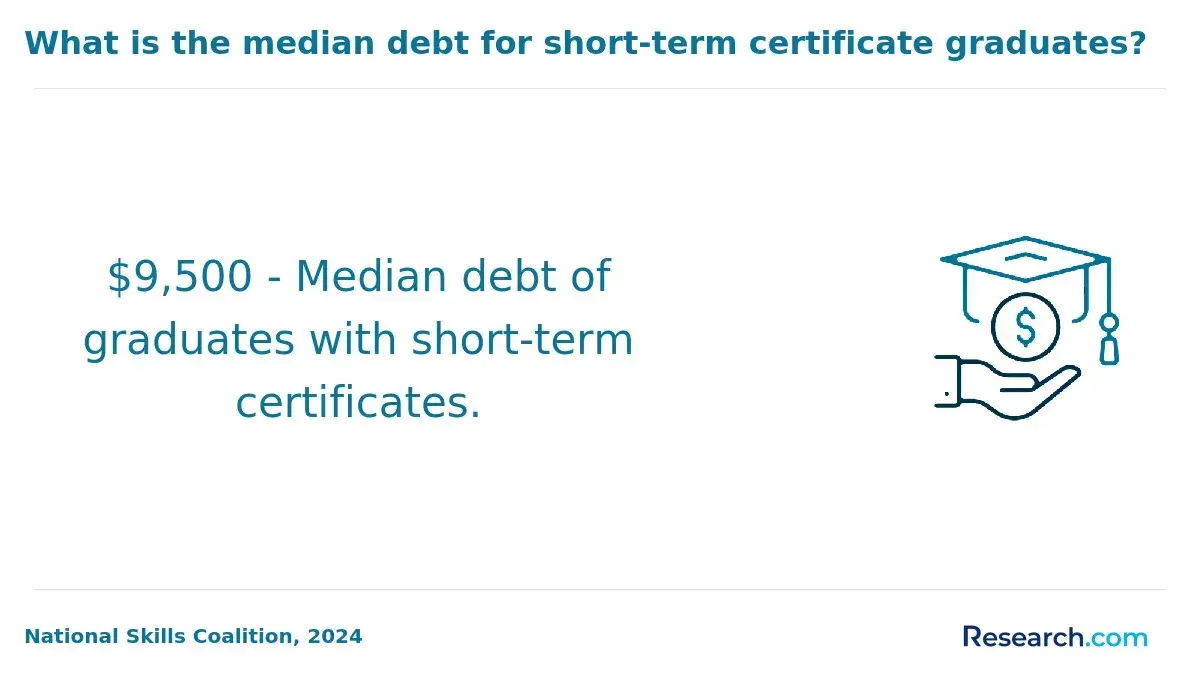
The duration and cost of online records and information management degrees directly influence how students balance work, education, and career progression. Programs typically span 18 to 36 months, with master's degrees requiring 30 to 36 credit hours to meet standards set by bodies such as the American Library Association. Tuition varies considerably: in-state public rates range from $400 to $700 per credit, totaling roughly $12,000 to $25,000, while private or out-of-state tuition can surpass $1,000 per credit, often exceeding $30,000.
This cost excludes additional expenses like technology fees, materials, and proctored exams, which can add $1,000 to $2,000. Professionals face tradeoffs: accelerated tracks reduce time-to-degree but may disrupt work-life balance, whereas extended timelines lower monthly financial strain but delay readiness for roles such as Data Management Specialist or Corporate Records Officer. These positions increasingly demand technical skills paired with project management experience-attributes gained through practicums or internships that can increase upfront costs.
Financial aid and employer tuition assistance often reshape the real investment, but students must assess indirect costs from requirements like residencies or synchronous sessions, potentially involving lost wages or travel. Degree length and total expenses should align with targeted career outcomes to ensure the investment translates into tangible workforce advantages.
What core courses and specialized RIM topics are covered in these online programs?
Records and information management (RIM) within online library and information science programs confronts practical challenges that extend well beyond foundational theory. Graduates face diverse compliance frameworks like GDPR and HIPAA while managing records lifecycles in environments ranging from healthcare to finance-requiring more than traditional archival knowledge. For instance, a corporate archivist must navigate digital asset management software and sector-specific retention policies, a marked departure from classical cataloging.
Program curricula often integrate real-world case studies and hands-on training in risk assessments, retention schedules, and sector-tailored information audits. This approach addresses employer demands for operational readiness rather than solely theoretical grasp. Yet, students should weigh the ongoing need for updating technical skills, as rapid tech evolution-such as blockchain for secure recordkeeping or AI-driven classification-reshapes RIM responsibilities.
Employment growth projections from the U.S. Bureau of Labor Statistics indicate steady demand for librarians and information specialists through 2033, but with increasing emphasis on digital archives and corporate research roles. This underscores a tradeoff: RIM graduates must balance core archival expertise with adaptability to emerging digital infrastructures and evolving regulatory requirements. Programs reliant on legacy systems risk leaving graduates underprepared for this complexity.
Graduates entering nontraditional or higher-growth RIM sectors must anticipate continuous learning and versatility to remain relevant within evolving compliance and technological landscapes.
How do accreditation and professional standards affect records and information management programs?
Accreditation and adherence to professional standards determine the practical value and labor market relevance of records and information management (RIM) education. Graduates from programs accredited by established entities, such as the American Library Association (ALA), are more likely to possess current, industry-specific competencies that employers require-particularly in regulated sectors like healthcare, finance, and government. Employers expect candidates to demonstrate proficiency in information governance, digital preservation, and legal frameworks that directly affect risk mitigation and compliance management.
In contrast, non-accredited programs often leave students underprepared for complexities like metadata application and cybersecurity mandates demanded by federal regulators. This gap can limit employment opportunities and diminish salary prospects, as foundational skills crucial to effective records management are overlooked or outdated.
Professional standards also embed specialized knowledge in emerging technologies and regulatory changes, including blockchain for audit trails and AI-enhanced classification systems. Such expertise is increasingly sought after in environments prioritizing data integrity and automation.
Prospective students evaluating programs should weigh the tradeoffs of accreditation status, recognizing that it directly impacts both immediate job readiness and long-term mobility within the records management workforce.
What careers can graduates of online records and information management programs pursue?
Online records and information management (RIM) graduates contend with sector-specific regulatory frameworks that shape their daily responsibilities and career trajectories. For instance, managing patient data in healthcare requires strict adherence to HIPAA, whereas financial sector roles demand familiarity with Sarbanes-Oxley mandates. Public-sector professionals prioritize transparency and archival fidelity under FOIA. This variance means adaptability is essential, as employers across technology, healthcare, finance, academia, and government seek candidates who can navigate complex compliance landscapes.
Practical challenges include mastering a spectrum of electronic records systems and interpreting evolving governance policies. A compliance officer at a university, for example, balances research data confidentiality with record retention schedules while preparing for rigorous oversight audits. Understanding standards such as ISO 15489 and incorporating AI-driven information retrieval tools increasingly factor into effective performance, requiring continuous skill development beyond initial degrees.
Certification credentials like Certified Records Manager (CRM) or Information Governance Professional (IGP) often differentiate candidates in a competitive job market. Successful RIM professionals typically collaborate with IT, legal, and operational teams, embedding information strategies within broader organizational objectives rather than managing records in isolation. This multidisciplinary coordination reflects the sector's increasing complexity and the need for holistic expertise.
The evolving workforce demand implies that graduates who combine practical regulatory knowledge, technical agility, and cross-functional communication are positioned for sustained relevance across diverse industries aligned with library & information science career pathways.
What salary ranges and job outlook can records and information management graduates expect?
Salary expectations for records and information management (RIM) graduates typically range from $50,000 to $95,000 annually in the U.S., influenced heavily by experience level, industry, and location. Entry-level roles, especially in government or healthcare, start near $50,000 to $60,000, while mid-career positions that involve compliance and data governance can approach $95,000, according to Bureau of Labor Statistics data for roles related to information management.
The evolving demand for RIM professionals stems from the integration of cloud technologies and digital data governance frameworks. For instance, a healthcare RIM manager's responsibilities now span managing physical records and ensuring electronic health records comply with HIPAA regulations, working closely with IT to secure data, and coordinating third-party cloud services. This expanded scope requires multidisciplinary skills, blending information science with cybersecurity and legal expertise.
Graduates face clear tradeoffs: routine administrative tasks in entry positions limit salary growth unless supplemented by technical upskilling. Professionals who obtain certifications in cybersecurity or data privacy accelerate their wage potential and access leadership roles. Employers increasingly seek candidates adaptable to regulatory and technological changes affecting information lifecycle management.
Long-term prospects align with broader STEM information management fields, but sustained advancement depends on continuous skill development targeting cloud and security trends emphasized in workforce research from the U.S. Department of Labor.
How can students choose a reputable online records and information management program?
Choosing a records and information management (RIM) program requires scrutiny beyond mere accreditation; it's about aligning credentials with employer expectations and industry specialization. Regional accreditation remains the baseline standard, but affiliations with bodies like the American Library Association or Council on Higher Education Accreditation add meaningful validation of academic rigor.
Employer demand overwhelmingly favors a master's degree in library and information science, often completed in one to two years by online programs. However, the degree's practical value depends on the curriculum's relevance to specific career paths. For instance, a corporate archivist in finance must master digital preservation, compliance, metadata standards, and relevant software-topics often underemphasized in generic LIS programs.
Program structure and delivery format influence both the feasibility for working professionals and speed of skill application. Synchronous and asynchronous options cater to different needs, affecting completion timelines and workforce readiness. Prospective students should also examine reported job placement rates and employer networks to avoid programs that fall short on professional connectivity.
For government-focused RIM roles, the inclusion of federal information governance and security clearance training is critical. Ultimately, the tradeoff lies in balancing program duration, curriculum specialization, accreditation status, and verifiable employment outcomes to match the targeted sector's demands.
Other Things You Should Know About Library & Information Science
Online records and information management degrees vary widely in pacing and workload, impacting working professionals differently. Programs with asynchronous coursework provide more flexibility but require strong self-discipline and time management, whereas synchronous or cohort-based models may demand rigid scheduling but offer clearer peer interaction. Working students should evaluate their capacity for independent learning against the need for structured guidance, prioritizing formats known for steady progress and strong faculty support to avoid burnout and maximize completion rates.
Employers look for proficiency in digital records systems, metadata standards, and cybersecurity practices, rather than purely theoretical understanding. Candidates must demonstrate skills in managing electronic records lifecycles, compliance with legal frameworks like HIPAA or GDPR, and strategic information governance. Choosing a program with a strong applied component-such as hands-on labs or case studies-is essential to meeting these practical demands and improving job-market readiness.
Certifications such as Certified Records Manager (CRM) or Information Governance Professional (IGP) provide targeted validation of specialized knowledge that degrees alone may not cover. Students aiming for roles with specific compliance or regulatory responsibilities should pursue these credentials soon after graduation to enhance employability. Prioritizing accredited programs that align coursework with certification criteria can streamline this process, making it a strategic extension rather than an optional add-on.
References
- 12+ Archival and Records Management Degrees Online & Campus https://librarysciencedegreesonline.org/archival-and-records-management-degrees/
- Information Management Graduate Career Profile | GRB https://www.grb.uk.com/industry-profiles/information-management/
- Online MLIS in Cultural Heritage Information Management https://www.mastersinlibraryscience.org/degree/culture-heritage/
- Information Management Learning https://librarianship.ca/resources/im-learning/
- Certification in Records and Information Management Course - Rcademy https://rcademy.com/course/certification-in-records-and-information-management-course/
- bachelor of archives & records management https://www.idmb.ac.bw/course-overview/BACHELOR%20OF%20ARCHIVES%20&%20RECORDS%20MANAGEMENT
- Best Records Management Degrees Online, Updated for 2026 https://www.librarysciencedegrees.org/programs/records-management
- Records and Information Management Course - Zoe Talent Solutions https://zoetalentsolutions.com/course/electronic-records-document-archives-and-information-management-training-course/
- College of the North Atlantic https://www.cna.nl.ca/program/records-and-information-management
- Records Management vs Information Management: Is There a Difference? | Access https://access.tt/blog/records-management-vs-information-management/