2027 Online Library and Information Science Degrees for Students Who Want Metadata Specialist Careers

Co-Founder and Chief Data Scientist
Metadata specialists confront persistent challenges in managing exponentially growing digital repositories while ensuring accurate data discovery and interoperability. Employers now prioritize candidates who can navigate complex metadata schemas and evolving standards, reflecting a sector-wide shift toward advanced technical proficiency.
According to the National Center for Education Statistics, enrollment in fully online graduate programs surged by over 18% in 2024, signaling stronger demand for flexible learning formats among working adults seeking timely credential upgrades. This trend directly impacts Library & Information Science students balancing career advancement with personal obligations, making program delivery modes a critical decision factor.
This article examines online library and information science degrees tailored to aspiring metadata specialists, offering practical guidance on program selection, credential relevance, and career outcomes.
Key Things You Should Know
- Metadata specialist roles grew by 14% nationally from 2022 to 2024, per BLS, pressuring students toward programs emphasizing advanced data curation, though specialized courses raise time-to-degree by 20%.
- Employers prioritize candidates with dual competence in metadata standards and programming; graduates from LIS programs lacking embedded coding sequences face up to 30% fewer interview callbacks.
- State-level tuition for online LIS degrees varies by 45%, disproportionately impacting mid-career pivoters balancing cost with accelerated credentialing demands for rapid relocation into metadata workforces.
What is a metadata specialist, and how does library and information science training prepare you?
Metadata specialist roles in Library and Information Science education in the United States demand a precise skill set that goes beyond typical data management. These specialists focus on the technical and contextual frameworks that ensure data is findable, interoperable, and compliant with sector-specific standards.
For example, in healthcare, accurate metadata management supports both regulatory compliance and research integrity, while in publishing, metadata expertize improves content discoverability through customized vocabularies.
Library & Information Science degrees develop metadata management skills by grounding students in standards like Dublin Core and MARC, along with hands-on experience in metadata schemes and digital curation tools. This training addresses interoperability challenges between legacy systems and new technologies, which is a frequent practical issue for metadata professionals.
However, prospective students should weigh the specialized nature of these competencies against the limited but targeted market demand.
Employment data underline the value of these programs: Syracuse University Online MSLIS graduates reported a 96% employment rate shortly after graduation in 2024. This outcome reflects how focused LIS curricula can align with employer requirements, particularly in government, corporate, and academic archives. Those considering a pivot or advancement in LIS roles will find that practical skills in metadata creation and management remain a sought-after niche.
For those researching affordable degrees in this area, MLIS programs offer a range of options balancing cost and curriculum rigor.
What types of online library and information science degrees lead to metadata careers?
Metadata specialist roles demand precise technical knowledge beyond general librarian skills, making online library and information science degrees for metadata specialists a practical choice for those targeting this niche.
Master's degrees with focused tracks on metadata, digital curation, or information organization emphasize cataloging standards like Dublin Core and MARC, fostering expertise needed for managing descriptive and structural metadata in settings such as academic libraries or museum collections.
Graduates with these concentrated credentials can expect to navigate complex digital asset management systems where accuracy directly impacts data discoverability.
For professionals already holding broader library science qualifications, specialized post-master's certificates or graduate diplomas offer targeted training with hands-on experience in metadata editing and standards governance. Such credentials are ideal for sectors with strict regulatory requirements-such as healthcare or government archives-where compliance with metadata protocols is non-negotiable.
These shorter programs reduce the friction of returning to school while delivering industry-relevant skills.
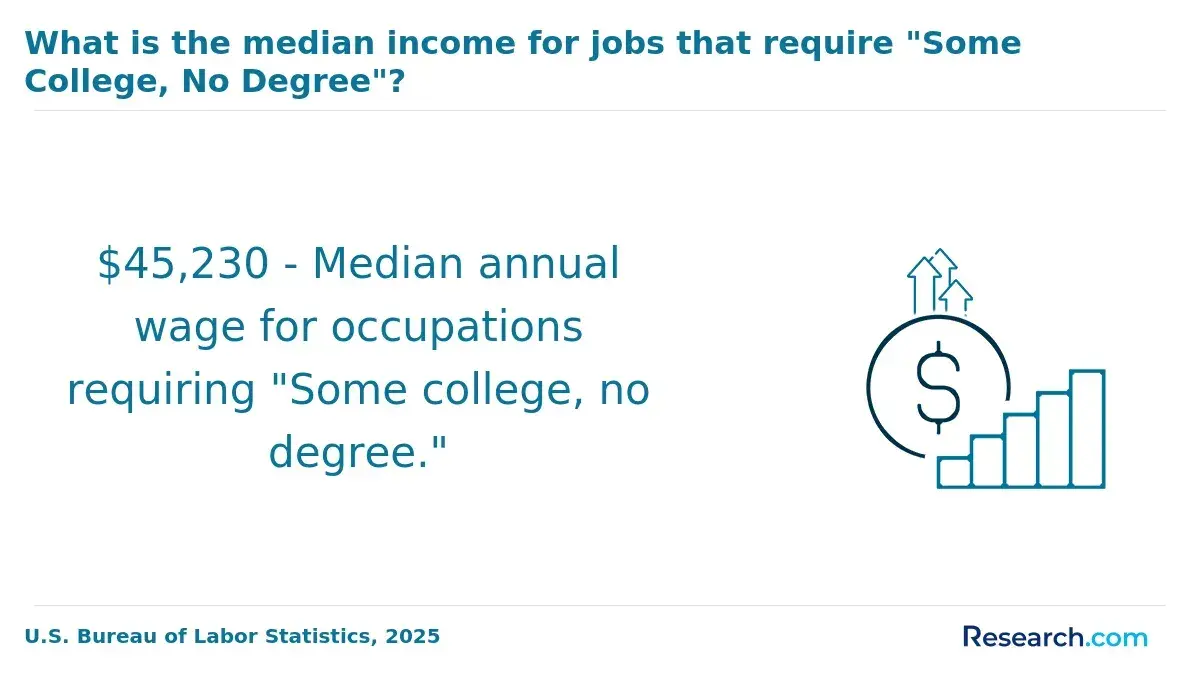
Bachelor's degrees in information science that include coursework in database management and metadata standards serve as foundational entry points, but the best online library and information science programs for metadata careers often favor graduate-level preparation due to the field's complexity and evolving technical demands. The median salary for librarians and library media specialists was $64,370 in May 2024, indicating a steady market valuation of these competencies.
Professionals considering a pivot to metadata roles should weigh these options alongside other accelerated degree paths, such as an accelerated computer science degree, evaluating program length, specialization depth, and long-term employability prospects.
How do online library and information science programs compare with campus-based options for metadata work?
Choosing between online library and information science programs versus campus degrees for metadata careers requires weighing practical skill acquisition against flexibility. Campus-based programs deliver hands-on experience with physical archives, real-time faculty collaboration, and local internships-elements that foster mastery of the nuanced metadata standards vital for specialized roles in government or academic collections.
Online programs, while providing essential theoretical foundations, often struggle to replicate this practical immersion, which can hinder access to employer-valued specialized metadata tools.
That said, online formats offer notable advantages for working professionals and those outside urban library hubs, allowing learners to upskill without disrupting their careers. Some accredited online degrees now integrate virtual labs and collaborations with digital repositories, partially bridging practical gaps. However, these virtual experiences seldom match the spontaneous problem-solving and mentorship naturally afforded by campus-based settings.
The job market outlook for librarians and library media specialists projects modest growth, emphasizing employers' preference for candidates with concrete, verified skills and established professional networks. Consequently, campus graduates often hold an advantage in metadata roles involving complex digital asset management or linked data projects.
Prospective students should scrutinize whether online options facilitate internships or robust alumni connections to better align with real-world job demands.
For individuals pursuing a health information technology associate degree online or related degrees, understanding program tradeoffs and practical exposure informs a strategic educational choice. Detailed program comparisons and costs can be found at health information technology associate degree online.
Which accreditation and professional standards should online library and information science programs meet?
Choosing an online library and information science program without American Library Association (ALA) accreditation significantly limits employability, especially for metadata specialist roles that demand mastery of standards like Dublin Core, MARC, and JSON-LD.
Salaries for such positions range from $60,571 to $76,640 annually, reflecting the premium placed on adherence to professional standards like the Metadata Object Description Schema (MODS), Resource Description and Access (RDA), and FAIR Data Principles.
Students targeting specialized sectors must navigate distinct compliance requirements. For instance, health informatics emphasizes HL7 and FHIR frameworks, while digital libraries require fluency in PREMIS and DACS.
Beyond accreditation, a critical factor overlooked by many programs is practical experience with real-world metadata systems such as Digital Asset Management Systems (DAMS) or Encoded Archival Description (EAD) repositories. The absence of hands-on training or coding proficiency in metadata workflow automation can render graduates less competitive in a market where employers prioritize demonstrated technical capability.
Given these nuances, prospective students should scrutinize curriculum transparency and availability of internships or project-based learning to ensure alignment with relevant professional certification guidelines for metadata specialist careers in library and information science. For a curated overview of programs meeting such criteria, consider exploring EDS to EDD programs.
Decisions made without accounting for these trade-offs risk undercutting long-term career trajectories despite attractive salary data, making informed choices about accreditation and practical training indispensable in this evolving field.
What core courses and technical skills are taught in metadata-focused library science programs?
Employers in digital collections and archival roles demand candidates who can navigate both the theoretical frameworks and technical execution of metadata management. Metadata-focused library & information science curricula focus heavily on standards like Dublin Core, METS, MODS, and XML.
However, the differentiation lies in applying these schemas within varied environments—academic libraries, corporate archives, or government repositories—each with distinct classification challenges and operational priorities.
Practical expertise extends beyond theory, emphasizing proficiency in metadata editing tools, integrated library systems (ILS), and platforms such as CONTENTdm or DSpace. Importantly, scripting languages like Python and APIs for data interoperability are crucial for developing scalable workflows, an expectation increasingly reflected in job descriptions for digital collections librarians and archivists.
Programs simulating real-world metadata audit and remediation reveal gaps where graduates may struggle without hands-on experience.
Tradeoffs emerge for students weighing specialization choices: a focus on purely theoretical knowledge can limit employability in positions requiring automation or large-scale asset management. Conversely, deep technical training enhances versatility but requires commitment to mastering evolving standards and tooling.
Syracuse University data on common MLIS career paths, including digital collections librarian roles, align with market needs, highlighting the premium placed on adaptable metadata competencies.
What are typical admission requirements for online library and information science degrees?
Admission to online library and information science degrees demands more than basic eligibility; programs seek candidates with a clear alignment between academic foundation and targeted workforce roles. A completed bachelor's degree with a minimum GPA around 3.0 is a common baseline, verified by official transcripts.
However, meeting this requirement alone rarely suffices. Letters of recommendation-typically two or three-are evaluated for insights into the applicant's academic potential and practical readiness, especially for metadata-focused positions.
Applicants should prepare a statement of purpose precisely articulating career objectives relevant to metadata specialization and information organization frameworks, which employers expect for specialized roles like metadata analyst or cataloger.
While some programs still request GRE scores, many have waived this after 2023 to reduce entry barriers. Practical experience-through internships or relevant professional roles-can substantially strengthen applications, often replacing standardized testing.
International candidates face additional hurdles with English proficiency requirements (TOEFL scores near 90 iBT or IELTS 6.5 minimum) and sometimes prerequisite coursework in IT fundamentals, databases, or research methods. Logistically, candidates must also arrange for remote access or virtual interviews when in-person residencies are part of the curriculum, emphasizing the balance between program demands and professional realities.
Key admission components include:
- Baseline academic performance verified via transcripts
- Two or three letters assessing academic and professional qualifications
- A statement of purpose focused on metadata and information organization
- Optional or waived GRE scores depending on program policies
- Demonstrated practical experience to offset standardized tests
- English proficiency proof and prerequisite coursework, especially for international students
- Preparedness for remote processes and digital portfolio submissions
These factors collectively emphasize the practical, outcome-driven screening process that admission committees employ to identify candidates ready for evolving roles in digital libraries and information systems, as detailed in the University of Washington iSchool report showing MLIS graduates transitioning to information architecture and user experience positions.
How long do online metadata-focused library science programs take, and what do they cost?
Metadata-focused MLIS programs typically require two to three years full-time, but part-time enrollment can extend this to five years, directly impacting time to degree and overall costs.
Choosing part-time study while working full-time reduces immediate financial strain but prolongs completion and delays entry into metadata-related roles. Public universities usually charge $12,000 to $30,000 for tuition, whereas private institutions often exceed $50,000, with additional fees adding 5-15% more, emphasizing the importance of evaluating financial aid or employer tuition support.
Employers increasingly demand candidates who combine metadata expertise with hands-on experience, such as internships or project work involving metadata standards and digital curation tools. Government agencies, for instance, require precise data structuring to manage large datasets that influence public access, making practical skills essential beyond academic credentials. Lack of internship opportunities can delay employment, while faster program completion may increase stress and cost.
Roles like research data librarian and data visualization specialist reflect the specialized demand identified in Syracuse University research, where practical metadata management skills enhance job prospects but necessitate deliberate planning around work-life balance.
What metadata specialist job titles, settings, and responsibilities can graduates expect?
Metadata specialist roles extend beyond generic librarian titles to include focused positions such as taxonomist, digital asset manager, and information architect. These roles emerge distinctly in settings like academic libraries, museums, and corporate digital repositories, where managing large datasets requires precise control over metadata quality and interoperability.
For example, a taxonomist in healthcare might devise clinical terminologies to advance research retrieval, while a metadata librarian in academia organizes digital theses to optimize access.
Core responsibilities combine developing metadata standards with hands-on data curation and taxonomy design. In corporate contexts, metadata specialists frequently engage with IT teams to implement frameworks that support enterprise search, content management, or AI data analytics. This cross-functional role demands both technical fluency and domain-specific understanding.
Proficiency in metadata schemas such as Dublin Core and MODS is indispensable, augmented by programming skills in Python or SQL to automate metadata tasks. Navigating this specialization involves a tradeoff: mastering complex technical tools while maintaining nuanced knowledge of content domains. For instance, government archives prioritize preservation and regulation compliance, differing significantly from efficiency-driven corporate roles.
Employers prioritize candidates who can resolve conflicting data sources and enforce consistent metadata practices across varied collections. Adapting to evolving industry trends, such as linked data and semantic web technologies, remains essential for sustained relevance.
What is the salary range and long-term job outlook for metadata specialists in the U.S.?
Metadata specialists' salaries vary substantially, reflecting sector and geographic tradeoffs that shape career strategies. Entry-level roles in library and academic settings typically start near $50,000, whereas corporate and tech firms often pay $80,000 to $100,000 or more, influenced by the complexity of data demands and organizational scope. Mid-career professionals generally earn $65,000 to $80,000, but this depends on factors like employer type and location.
Job growth is steady at around 7% through 2034, but workers must adapt to shifting sector needs, especially as digital and media industries expand metadata functions beyond traditional libraries. For example, a metadata specialist transitioning from a public library to a media production company may face higher pay but must invest in cross-disciplinary skills such as advanced metadata schemas, programming, or database management.
Key tradeoffs include:
- Higher salaries often demand additional training in data science or business, particularly outside library contexts.
- Library roles tend to offer greater job stability but slower wage growth.
- Geographic mobility to urban tech or entertainment hubs can improve earnings but intensify competition.
Long-term career resilience hinges on continuous skill development and balancing specialized metadata knowledge with broader technical capabilities. This approach mitigates sector volatility and supports navigating the evolving information economy effectively.
How can students evaluate and choose a reputable online metadata-focused LIS program?
Choosing an online metadata-focused library & information science program requires prioritizing accreditation, curriculum relevance, and tangible career outcomes. Accreditation by the American Library Association (ALA) remains a decisive factor because it directly affects employer recognition and eligibility for professional certification.
Programs must balance in-depth metadata coursework with foundational LIS topics like cataloging, digital asset management, and information organization. Students should also assess the flexibility of course delivery to fit nontraditional schedules.
Graduate employment data provides critical insight. For instance, Syracuse University Online's MSLIS program sustains an 87% job placement rate over five years, demonstrating both employer demand and effective alignment with workforce needs. This highlights the importance of choosing programs connected to sectors where metadata expertise is actively sought, such as digital archives, libraries, corporate information governance, and data management firms.
Consider practical tradeoffs: low-cost programs that lack industry linkage may undermine return on investment, while those with a narrow metadata focus but weak LIS foundations risk limiting career adaptability. Evaluate faculty expertise in current metadata standards like Dublin Core, RDF, and XML, and whether the program includes experiential learning opportunities such as internships.
Career goals also dictate program fit. Specialists in digital preservation should seek strong archival metadata curricula, whereas those aiming for data governance roles benefit from programs emphasizing information policy and system frameworks.
Other Things You Should Know About Library & Information Science
In 2027, while a bachelor's degree can offer entry into metadata roles, a master's may provide a competitive edge due to advanced coursework and specialized skills. Many employers favor candidates with master's credentials for higher-level positions, reflecting a trend towards advanced qualifications in this field.
Online programs vary significantly in their ability to simulate hands-on experiences with metadata tools and systems. Programs lacking synchronous labs or practical modules can leave gaps in applied skills, which employers identify during hiring.
Prospective students should prioritize programs offering live workshops, internships, or project-based learning to build technical competence directly tied to industry practices, rather than purely theoretical coursework that online formats often emphasize.
Theoretical-focused programs provide critical frameworks and research methods but often underprepare students for day-to-day metadata management tasks. Graduates from more practically oriented programs tend to perform better in employer assessments because they demonstrate proficiency with current metadata standards, tools, and workflows.
Students targeting metadata specialist careers should prioritize programs emphasizing applied coursework, technical training, and real-world projects to reduce the gap between education and job requirements.
Balancing part-time enrollment with ongoing professional responsibilities requires rigorous time management due to the technical and detail-intensive nature of metadata training. Students should expect sustained workload peaks during technical assignments and module deadlines.
Programs offering flexible pacing and clear schedules aid in managing this balance, but candidates must be proactive in preserving uninterrupted study periods and leveraging employer support to avoid delayed completion or skill dilution.
References
- Choosing the Right Library Science Program: Factors to Consider https://www.librariancertification.com/choosing-the-right-library-science-program-factors-to-consider/
- Library & Information Resources Network | Accrediting Bodies that LIRN Supports https://www.lirn.net/licensing-accreditation/accreditors/
- Case Studies: Metadata Assessment - DLF https://www.diglib.org/case-studies-metadata-assessment/
- Evaluating E-Learning Platforms: A Comprehensive Checklist Approach https://elqn.org/key-criteria-in-evaluating-the-effectiveness-of-e-learning-platforms-a-checklist-approach/
- Bachelors of Library Science Programs - Library Science Degrees Online https://librarysciencedegreesonline.org/bachelors-of-library-science-programs/
- Online Library vs. Internet Research: Choosing Appropriate Sources for Academic Work https://www.aiuniv.edu/blog/2014/february/online-library-vs-internet-for-research
- Online Master’s in Library Science https://www.mastersindatascience.org/programs/masters-in-library-science/
- Metadata Specialist I | Getty Research Institute https://members.calmuseums.org/job-board/Details/metadata-specialist-i-getty-research-institute-329183
- The Future of the Librarian As a Metadata Specialist https://schoollibraryconnection.com/content/article/1949082
- Access points: 4 Steps to gain metadata experience in academic libraries https://open-shelf.ca/20211025-4-steps-to-gain-metadata-experience-in-academic-libraries/