2027 Accelerated vs. Traditional Library Science Degrees: Pros & Cons

Co-Founder and Chief Data Scientist
Choosing between an accelerated and a traditional library science degree is mainly a question of pace, support, cost timing, and career urgency. Accelerated programs are designed for students who want to finish quickly, often working adults and career changers who can handle compressed coursework. Traditional programs usually give students more time to absorb theory, complete internships, build faculty relationships, and explore specializations.
The choice matters because library and information science programs can lead to roles in public libraries, academic libraries, archives, digital asset management, school libraries, records management, and information services. The best format is not always the fastest one. A shorter program can reduce time away from the workforce, but it can also create heavier weekly demands. A longer program can offer deeper academic engagement, but it may delay graduation and extend education-related expenses.
Recent data shows a 35% increase in enrollment in accelerated library science programs across the U.S., reflecting growing demand for faster education paths. This guide compares accelerated and traditional library science programs by structure, completion time, admissions, course format, cost, financial aid, student support, hiring outcomes, accreditation, and fit.
Key Points About Accelerated vs. Traditional Library Science Degrees
- Accelerated library science degrees offer flexibility and cost savings, ideal for working professionals seeking quicker entry or advancement in the field.
- Traditional programs encourage deeper academic exploration and stronger peer networks, benefiting students aiming for comprehensive mastery and long-term collaboration.
- Faster paced accelerated courses suit career-focused learners, while traditional courses provide a balanced timeline for skill retention and professional growth.
What Are the Differences Between Accelerated vs. Traditional Library Science Programs?
Accelerated and traditional library science programs usually cover similar academic foundations, but they deliver them in different ways. The biggest differences are pace, scheduling, interaction, and how much structure students receive week to week.
Accelerated programs compress coursework into shorter terms and often rely on online or hybrid delivery. Traditional programs typically follow a semester schedule and may offer more in-person learning, campus resources, and extended time for projects, internships, and faculty mentorship.
- Instructional format: Accelerated programs commonly use online or hybrid courses with asynchronous lectures, discussion boards, digital collaboration, and independent assignments. Traditional programs more often use scheduled classes, regular meetings, and a predictable academic calendar.
- Student-faculty interaction: Accelerated students may communicate mostly through email, learning platforms, virtual office hours, and occasional live sessions. Traditional students often have more routine access to faculty before, during, and after class, which can support mentoring and recommendation letters.
- Hands-on learning opportunities: Accelerated students can still complete applied work, but they may need to be more proactive in arranging internships, fieldwork, or local placements. Traditional programs may provide easier access to campus libraries, archives, assistantships, and physical collections.
- Learning environment: Accelerated programs work best for students who can manage deadlines without much external structure. Traditional programs provide a steadier rhythm, which can help students who benefit from regular class meetings and built-in accountability.
- Best-fit student profile: Accelerated programs tend to suit disciplined students with clear goals and enough weekly study time. Traditional programs may be better for students who want deeper exploration, more networking, or a gradual transition into the field.
In short, accelerated library science programs prioritize speed and flexibility, while traditional programs prioritize pacing, structure, and extended academic engagement. Students comparing faster education routes more broadly can also review fast track degree programs.
How Fast Can You Finish an Accelerated vs. Traditional Library Science Program?
Accelerated library science programs can shorten the time to graduation by condensing terms and increasing the weekly workload. Traditional programs take longer because courses are spread across standard semesters and may allow more part-time enrollment flexibility.
Completion time depends less on the label of the program and more on credit requirements, transfer policies, course availability, enrollment load, and whether the student can keep pace without stopping out.
- Transfer credits: Students with previous college credits, associate degrees, AP coursework, or approved graduate credits may be able to reduce the number of courses they must complete. Transfer policies vary, so students should confirm limits before applying.
- Full-time vs. part-time enrollment: Full-time students move faster. Accelerated MLIS programs may be completed in as little as 12 to 18 months. Part-time students in traditional formats typically take 3-4 years to graduate.
- Course intensity: Accelerated programs often use 5-10 weeks terms, which means assignments, readings, group work, and exams arrive quickly. Traditional programs usually use longer semesters, giving students more time to complete research projects and absorb complex topics.
- Program format: Online and hybrid models can make it easier for working students to fit coursework around employment and family obligations. That flexibility may also allow some students to take more credits per term, reducing accelerated library science degree completion time.
- Prior learning assessment: Some institutions evaluate relevant professional, military, or technical experience for credit. This can shorten the path to graduation when the program allows it.
Undergraduate degrees generally take four years, but some accelerated bachelor's programs may allow completion in three years under certain conditions. Students thinking beyond library science and comparing efficient doctoral routes can review easy PhD programs.
What Are the Admission Requirements for Accelerated vs. Traditional Library Science Programs?
Admission requirements for accelerated and traditional library science programs often overlap. Applicants are commonly asked for a bachelor's degree, transcripts, minimum GPA, letters of recommendation, a statement of purpose, prerequisite coursework, and sometimes standardized test scores.
The difference is how programs judge readiness. Accelerated programs may look more closely at whether an applicant can succeed in a compressed schedule. Traditional programs may have more room for applicants who are still exploring the field or who need a slower academic ramp-up.
- Work experience: Accelerated programs often favor applicants with library, archive, information management, education, technology, or related experience because these students can connect coursework to practice quickly. Traditional programs may be more accessible to recent undergraduates without direct field experience.
- Academic performance: Accelerated programs typically expect stronger evidence of academic readiness, and applicants commonly need a higher undergraduate GPA, often 3.0 or above. Traditional programs may allow more flexibility and may offer conditional admission in some cases.
- Test scores and waivers: Accelerated tracks may waive GRE requirements for applicants with strong GPAs, advanced degrees, or relevant professional backgrounds. Traditional programs still may require or prefer GRE scores, though many are increasingly making them optional.
- Readiness assessments: Accelerated programs may use interviews, essays, or supplemental questions to evaluate time management, motivation, and ability to handle intensive coursework. Traditional programs may place more emphasis on academic potential, recommendations, and fit with the program.
- Prerequisite expectations: Both formats may expect applicants to demonstrate writing ability, research readiness, technology competence, and interest in information access, organization, and service.
Applicants should not assume that accelerated programs are easier because they are shorter. In many cases, the admissions review is more focused on maturity, organization, and readiness for sustained weekly work. Students evaluating long-term career outcomes across undergraduate pathways may also find the highest paying bachelor degree resource useful for broader planning.
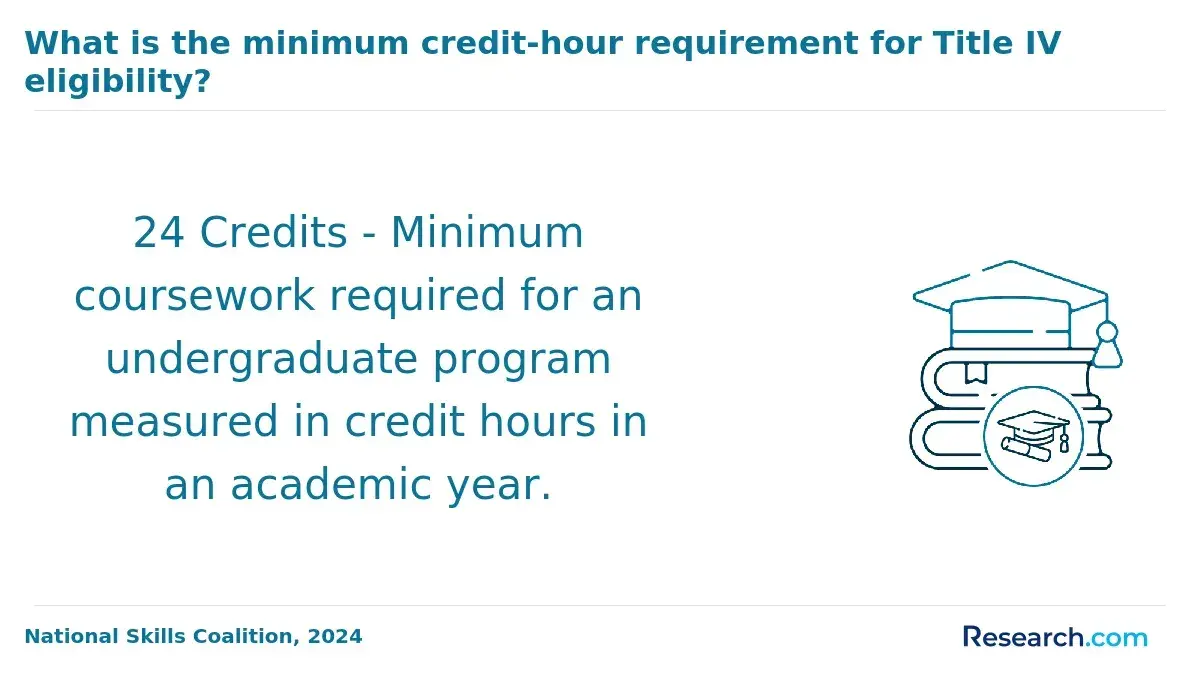
Breakdown of Public Fully Online Title IV Institutions

Accelerated library science courses usually compress the same core learning outcomes into a shorter academic period. Students may complete a degree in about 12 to 24 months instead of the typical 2 to 4 years, but the shorter timeline requires heavier weekly engagement.
The structure affects how students study, interact with classmates, complete assignments, and retain material. A faster course is not automatically less rigorous; it simply gives students less time between deadlines.
- Course length: Accelerated courses usually run 5 to 10 weeks, often with 1 or 2 intensive classes at a time. Traditional courses usually run 15 to 16 weeks, giving students more time to complete readings, research, and applied projects.
- Weekly workload: Accelerated courses require concentrated effort. Students may need to read, post discussions, complete assignments, and prepare projects within the same week. Traditional courses distribute the workload more gradually.
- Instruction style: Accelerated programs often use online, asynchronous, or hybrid formats, which can help working professionals. Traditional courses more often include fixed class meetings, in-person discussions, labs, and campus-based activities.
- Assessment pace: In accelerated formats, feedback cycles are shorter, so students must apply corrections quickly. Traditional formats provide more time between major assignments, which can support revision and deeper research.
- Collaboration: Group projects in accelerated courses can be efficient but demanding because schedules move quickly. Traditional programs may allow more time for peer relationships, study groups, and professional networking.
Both approaches can meet rigorous academic standards and comply with accreditation requirements. The better option depends on whether a student can maintain quality work under compressed deadlines or would benefit from a slower, more structured academic calendar.
Accelerated and traditional library science programs may have similar total tuition when they require the same number of credits. The financial difference often comes from timing: how quickly tuition is due, how long students remain enrolled, and whether they can keep working while studying.
Students should compare total program cost, not just tuition per credit. Fees, books, technology costs, commuting, housing, and lost income can change the real cost of either pathway.
- Tuition rate per credit: Both program types usually require around 30 to 36 credits to graduate, and tuition rates may be comparable across formats. For instance, some universities charge roughly $440 per credit regardless of format.
- Program duration and total cost: Total tuition may be similar, but accelerated programs typically finish in 1 to 1.5 years versus about 2 years for traditional tracks. A shorter timeline may reduce the number of terms in which students pay enrollment-related fees.
- Additional expenses: Students in either format should budget for fees, textbooks, and supplies, which may range from $628 to $1,200 annually. Online accelerated programs may reduce commuting or housing costs, but they may require reliable technology and strong internet access.
- Opportunity costs: Accelerated students may spend less time out of the workforce or may qualify for professional roles sooner. However, the workload may also make full-time employment harder during the program.
- Payment pressure: A shorter program can mean larger or more frequent tuition payments within a compressed period. Traditional programs may spread expenses over more terms, which can be easier for students using employer reimbursement or pay-as-you-go budgeting.
Students comparing affordability should request a full cost estimate from each school and confirm whether tuition differs by residency, online status, or course load. A lower-cost library degree may be worth considering if it is properly accredited and fits the student's career goals.
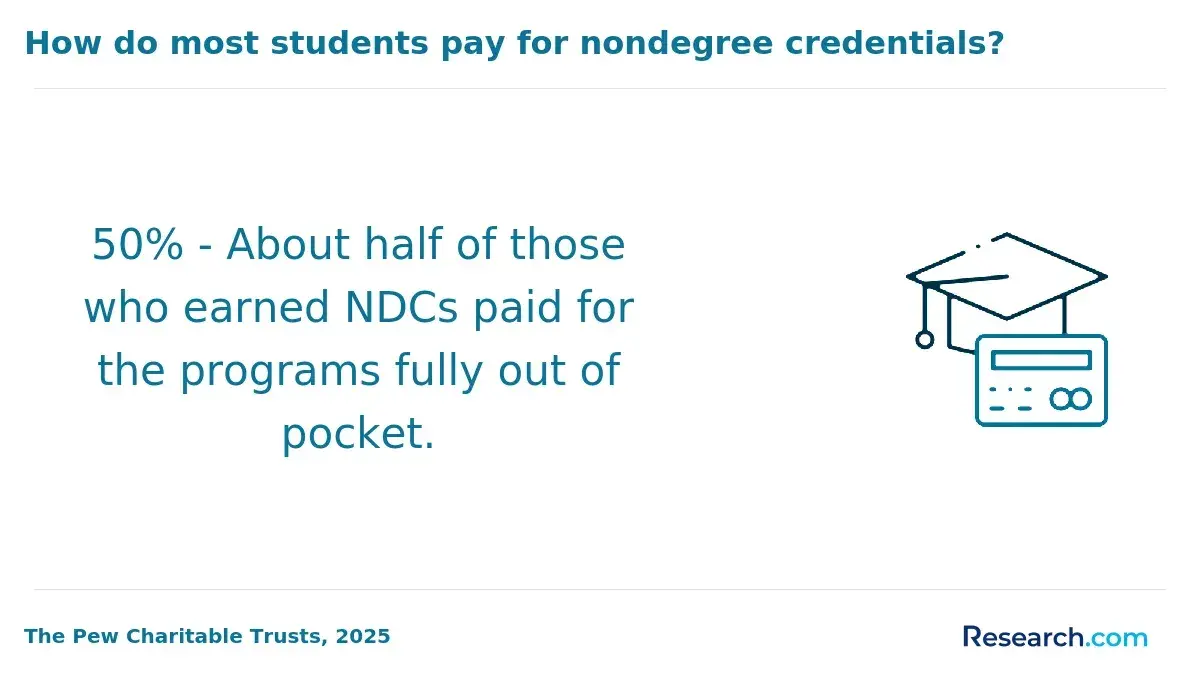
Financial aid may be available for both accelerated and traditional library science degrees, but students need to pay close attention to enrollment status, academic calendar, disbursement dates, and satisfactory academic progress rules.
The shorter timeline of an accelerated program can make aid planning more complicated. Traditional programs may align more easily with standard financial aid cycles, but they can also require students to maintain eligibility over a longer period.
- Federal aid eligibility: Students in accredited programs may qualify for federal loans if they meet enrollment requirements, including at least part-time status. Accelerated students should ask how loan disbursements work when terms are shorter or start dates are nontraditional.
- Scholarship timelines: Many scholarships depend on credit load, semester length, and renewal dates. Traditional students may have access to more scholarship cycles because they remain enrolled longer and may fit standard academic calendars more consistently.
- Employer tuition assistance: Employer reimbursement can be useful in either format, but policies may require grades, proof of completion, or reimbursement after the term ends. Accelerated students should confirm whether fast course sequences create cash-flow gaps before reimbursement arrives.
- Impact of accelerated pacing: Faster course completion may shorten the time available to renew aid, submit documents, or correct eligibility problems. Students in accelerated formats should track deadlines closely and communicate early with the financial aid office.
- Part-time enrollment risks: Students who reduce their course load should confirm whether they still meet aid requirements. Dropping below required enrollment levels can affect loans, scholarships, and deferment status.
When discussing financial aid with a professional who finished an accelerated library science degree, he said the process required detailed planning.
"I had to coordinate loan applications carefully since the program's condensed timeline meant aid awards were staggered differently than I expected," he explained.
He said the accelerated pace was demanding, but communication with the financial aid office helped him avoid preventable mistakes. "It was challenging balancing faster coursework and financial processes, but the aid I secured made pursuing the accelerated program feasible and rewarding."
Student support can strongly affect whether a student finishes on time, especially in a demanding graduate program. Accelerated and traditional library science programs may offer similar services, but students access them differently.
Accelerated students often need fast, online, and flexible support. Traditional students may benefit from more in-person services, regular faculty contact, and campus-based professional development.
- Academic advising: Accelerated programs typically rely on email, virtual meetings, online degree audits, and short planning sessions that fit compressed schedules. Traditional programs may offer more in-depth advising conversations over several semesters.
- Tutoring services: Accelerated formats often provide online tutoring with flexible hours because students may need help quickly between short deadlines. Traditional programs may provide in-person tutoring, writing centers, and scheduled academic workshops.
- Career counseling: Accelerated students often use digital career tools, remote workshops, resume reviews, and online job boards. Traditional programs may offer in-person career fairs, alumni events, and networking opportunities with local libraries and archives.
- Peer interaction: Accelerated programs may rely on discussion boards, group projects, and virtual meetings. Traditional programs often make peer relationships easier through repeated in-person classes, student organizations, and campus events.
- Library and technology support: Online accelerated students should confirm access to digital databases, research librarians, technical help, and remote authentication support. Traditional students may have easier access to physical collections and on-campus workspaces.
Research comparing 8-week and 16-week courses suggests that although accelerated students may complete courses at slightly higher rates, traditional students often achieve marginally better success, likely benefiting from more accessible and structured support systems.
Graduates from accelerated and traditional library science programs can both compete for library and information science roles. Hiring speed usually depends more on accreditation, experience, specialization, location, networking, and job market demand than on whether the degree was accelerated or traditional.
That said, each format may create different advantages. Accelerated students can enter the job market sooner. Traditional students may have more time to build internships, assistantships, faculty references, and professional networks.
- Employer perception: Some employers value the breadth and extended engagement of traditional programs. Others appreciate accelerated graduates who show discipline, adaptability, and the ability to complete intensive work.
- Career readiness: Accelerated programs may emphasize current digital tools and emerging technologies, which can help in roles involving digital information management, metadata, systems, or online services.
- Industry demand: Librarianship jobs are expected to grow by 6% through 2030, with employers increasingly seeking candidates skilled in digital information management.
- Job placement speed: For example, 55% of online MSLS graduates from PennWest Clarion find roles in social services within months, reflecting strong hiring momentum in online formats.
- Experience matters: Students who complete internships, practicums, volunteer work, or library assistant roles often have an advantage regardless of program format.
When asked about hiring speed, a professional who completed a traditional library science degree described a competitive but manageable search. She said her program's alumni network and hands-on internships helped her stay visible to employers.
"I faced a few months of waiting and multiple interviews, but the comprehensive knowledge I gained helped me stand out," she said.
Her experience shows why students should judge programs by placement support, field experience, and employer connections, not only by completion time.
Yes. Accelerated library science degrees can be accredited under the same standards as traditional programs when they meet the required academic and institutional criteria. The delivery format or pace does not by itself determine legitimacy.
The American Library Association (ALA) is the primary accrediting body for master's-level library science degrees in the United States. ALA accreditation is especially important for many librarian roles because employers may require or strongly prefer graduates from ALA-accredited programs.
Accreditation affects several practical issues: eligibility for federal financial aid, employer recognition, credit transferability, and confidence that the curriculum meets professional expectations. Students should verify both institutional accreditation and programmatic accreditation before enrolling.
- Programmatic accreditation: For master's-level library science degrees, students should check whether the program is recognized by the appropriate professional accreditor, including the ALA where relevant.
- Institutional accreditation: The college or university itself should also be accredited by a recognized accrediting organization.
- Online and accelerated formats: A credible accelerated or online program must still meet standards for curriculum quality, faculty qualifications, student support, learning resources, and assessment.
- Employer recognition: Students should review job postings in their target field to see whether employers specify ALA accreditation, state certification, school library credentials, or other requirements.
Prospective students should be cautious with any program that emphasizes speed but is unclear about accreditation. A fast degree is only useful if employers, licensing bodies, and other institutions recognize it. Students seeking lower-cost online options can compare fully accredited institutions, including cheap online colleges, while still verifying program-level requirements.
Choose an accelerated library science degree if you can handle a demanding schedule, already have clear career goals, and want to graduate as quickly as possible. Choose a traditional program if you want more time for internships, faculty mentorship, networking, research, or specialization.
The right decision should reflect your time, budget, work schedule, learning style, and target job requirements. A faster program is not automatically better, and a longer program is not automatically more rigorous. Fit matters most.
- Time commitment: Accelerated programs typically last 12-18 months, making them attractive to students who want faster workforce entry. Traditional degrees usually take 2-4 years, which may work better for students balancing work, family, or part-time study.
- Learning style: Accelerated degrees often require independent learning, careful scheduling, and comfort with online coursework. Traditional programs may provide more structure, live discussion, and routine feedback.
- Career goals: Students who want to change careers quickly may prefer accelerated options. Students interested in broader academic exploration, research, or multiple specializations may prefer traditional formats. Those considering combined academic pathways can review the best dual degree combinations.
- Flexibility needs: Online asynchronous accelerated courses may help working professionals, but they still require consistent weekly study time. Traditional programs may require scheduled attendance, which can be harder for some students but helpful for others.
- Support needs: Students who need frequent advising, structured peer interaction, and in-person mentoring may find a traditional program more supportive. Students who are comfortable seeking help proactively may do well in an accelerated format.
- Financial planning: Accelerated programs may reduce time in school, but tuition and aid timelines can be compressed. Traditional programs may spread costs over more terms but keep students enrolled longer.
Before enrolling, confirm accreditation, total cost, course load, internship options, faculty access, student support, and job placement resources. For working students, the best accelerated MLIS programs for working professionals are the ones that balance speed with credible accreditation, realistic workload expectations, and strong career support.
What Students of Accelerated vs. Traditional Library Science Programs Say About Their Degree
- Pierce: "The traditional library science degree program offered a comprehensive learning experience that allowed me to deeply understand the theory and practical aspects at a manageable pace. Although the tuition was higher than I expected-around $25,000 per year-the investment has already started to pay off with several job interviews in the archives sector. Balancing coursework with my part-time job was challenging but ultimately rewarding."
- Aryan: "Pursuing a traditional library science degree has been a transformative journey. The steady, immersive learning environment gave me time to really absorb the material, though it did extend the total time before I could enter the workforce. The cost was significant, but the connections I've made and the skills acquired make it worthwhile for my long-term career goals."
- Jonathan: "The accelerated library science program was intense and fast-paced, which suited my desire to enter the field quickly. The shorter duration helped reduce overall tuition costs, making it a more affordable option compared to traditional programs. However, the rapid pace sometimes left little room for deep reflection or slower absorption of complex topics. I'm grateful for finishing early and beginning my career sooner."
Other Things You Should Know About Traditional vs. Accelerated Library Science Degrees
Yes. If a library science program leads to an MLIS or MLS, employers usually expect American Library Association accreditation, whether the degree is accelerated or traditional. Accreditation status is listed by the ALA Office for Accreditation and matters more than program length for most public and academic libraries.
Accelerated library science degrees typically present a more intense workload due to condensed course schedules, requiring students to manage a higher volume of work in a shorter time frame. This demands strong time management skills but allows for quicker program completion compared to traditional degrees.
Accelerated programs can be challenging for students balancing work and family due to their faster pace and denser schedules. Traditional programs usually offer more flexibility with part-time options and spread-out courses, which can better accommodate personal obligations.
Choosing the right format depends on individual circumstances and the ability to dedicate time to studies.
- Computer Science + Library and Information Science (3+1) https://www.simmons.edu/undergraduate/academics/majors-minors/computer-science-library-and-information-science-3plus1
- What is Library and Information Science? LIS Degree, Requirements, Duration, and More! https://shorelight.com/student-stories/what-is-library-science
- Three-year degree programs (Accelerated or Fast Track Degree Programs) - Finance Option | Learn & Work Ecosystem Library https://learnworkecosystemlibrary.com/topics/three-year-degree-programs-accelerated-or-fast-track-degree-programs-finance-option/
- Emerging landscapes of “alternative-academic” careers in library and information science: Evolutionary patterns and prospects in the Chinese context - Humanities and Social Sciences Communications https://www.nature.com/articles/s41599-024-03821-9
- 2025's Most Affordable Library Science Degrees (MLIS) Online https://librarysciencedegreesonline.org/affordable-library-science-programs/
- Best Online Library Science Degrees, Updated for 2025 https://www.librarysciencedegrees.org/programs/online
- What are the Pros and Cons of an Accelerated Degree Program? - Best Degree Programs https://www.bestdegreeprograms.org/faq/what-are-the-pros-and-cons-of-an-accelerated-degree-program/
- Compare the Fastest MLIS Degree Programs | Find a Fast MLIS Program https://www.mastersinlibraryscience.org/resources/fastest/
- New career opportunities and their impact on Library and Information Science degrees, an exploratory study https://bid.ub.edu/en/35/weech.htm
- A Comparative Study of the Accelerated 8-Week and Traditional 16-Week Online Course Formats at a North Carolina Community College https://digitalcommons.gardner-webb.edu/education_etd/57/