
2027 Library Science Degree Coursework Explained: What Classes Can You Expect to Take?

Co-Founder and Chief Data Scientist
Choosing a library science degree is really a coursework decision: you need to know whether the classes will prepare you for the kind of information work you want to do. Public libraries, school libraries, academic libraries, archives, museums, government agencies, and corporate information teams now expect graduates to understand both people-centered service and digital information systems.
That shift matters. Recent data shows that 72% of library science graduates find roles requiring strong digital literacy and information management abilities within a year of graduation. A strong program should therefore teach more than how libraries operate. It should build skills in organizing information, helping users find reliable sources, managing digital collections, evaluating community needs, and applying ethical standards to access and privacy.
This guide explains the classes students typically take in a library science degree, how core courses differ from electives, what to expect from internships and capstones, and how coursework can affect career readiness, workload, and salary potential after graduation.
Key Benefits of Library Science Degree Coursework
- Library science coursework develops advanced information management skills crucial for organizing digital and physical collections, improving efficiency in diverse information environments.
- Students gain research and data analysis expertise, enhancing critical thinking and problem-solving abilities that are highly valued across multiple industries.
- The curriculum supports increased employability and salary potential, with professionals in library science fields experiencing a median annual wage around $60,000, reflecting strong market demand.
What Types of Class Do You Take in a Library Science Degree?
A library science degree usually combines professional foundations, technology training, research methods, electives, and supervised practice. The goal is to prepare students to manage information in ways that are accurate, accessible, ethical, and useful to a specific community or organization.
A recent industry survey found that over 75% of programs now emphasize digital information handling, which reflects how libraries have expanded beyond print collections into databases, digital archives, online learning support, research services, and community technology access.
- Core foundational classes: These courses introduce the library and information science profession, including information organization, cataloging, classification, reference services, library ethics, and library technologies.
- Technology and digital information classes: Students learn how digital collections, metadata, databases, discovery tools, institutional repositories, and preservation systems support modern information access.
- Specialization or elective courses: Electives allow students to focus on areas such as school librarianship, youth services, archives, digital librarianship, academic libraries, public libraries, records management, or information technology.
- Research or methods coursework: These classes teach students how to assess user needs, evaluate services, analyze data, and make evidence-based decisions in library and information settings.
- Practicum, internship, or capstone experiences: Applied requirements help students turn coursework into workplace skills through supervised fieldwork, professional projects, portfolios, or culminating assignments.
When comparing programs, look at the full curriculum map rather than the course titles alone. A program with strong technology courses may be a better fit for digital archives or systems work, while a program with youth services and school library coursework may better support education-focused roles. Students exploring adjacent helping professions or flexible online formats may also compare how specialized curricula are structured in BCBA programs online.
What Are the Core Courses in a Library Science Degree Program?
Core courses provide the professional base of a library science degree. They teach students how information is created, organized, retrieved, preserved, evaluated, and delivered to users. These classes are important because most library and information roles require a shared foundation before students move into a specialty.
Although course names vary by school, the essential library science classes for degree completion usually cover the areas below.
| Core course area | What students learn | Why it matters professionally |
| Foundations of Library and Information Science | History, values, ethics, information access, professional roles, and the social purpose of libraries and information organizations. | Helps students understand the profession’s responsibilities, including intellectual freedom, privacy, equity of access, and service to diverse communities. |
| Information Retrieval and Organization | Cataloging, classification, indexing, controlled vocabularies, search systems, and resource discovery. | Builds the skills needed to make collections findable and usable in both physical and digital environments. |
| Research Methods in Library Science | Qualitative and quantitative research, needs assessment, survey design, data interpretation, and evaluation methods. | Prepares students to assess services, justify decisions, and improve programs using evidence rather than assumptions. |
| Management of Libraries and Information Centers | Leadership, budgeting, staffing, strategic planning, policy development, and operations. | Supports advancement into supervisory, administrative, or program-management roles. |
| Digital Libraries and Archives | Digital collections, preservation planning, metadata, digitization workflows, and electronic resource management. | Develops skills for roles involving online collections, institutional repositories, archives, and digital access systems. |
| Reference and User Services | Research assistance, information literacy, user interviews, instruction, accessibility, and service design. | Prepares students to help patrons, students, researchers, employees, or community members locate and evaluate information. |
Students should review whether core courses include practical assignments, current software exposure, and ethical case studies. A course that only explains cataloging theory, for example, is less useful than one that also requires students to create records, apply metadata standards, and troubleshoot access problems. Those considering people-centered professional paths outside library science may also compare curriculum expectations in cacrep-accredited online counseling programs.
What Elective Classes Can You Take in a Library Science Degree?
Electives let students shape a library science degree around a specific career direction. Recent data shows that more than 60% of students select electives to gain expertise in emerging specializations, which can strengthen their qualifications for targeted roles.
The best electives are not simply the most interesting ones. They should match the type of institution, audience, collection, or technology environment where a student hopes to work.
- Digital Librarianship: Focuses on digital curation, metadata standards, digital preservation, online collections, and electronic resource access. This path is useful for students interested in digital archives, institutional repositories, database management, or web-based information services.
- Archival Studies: Covers appraisal, arrangement, description, preservation, and access for historical records and special collections. It can prepare students for archives, museums, universities, historical societies, and government recordkeeping environments.
- Information Technology: Introduces database management, information retrieval systems, library platforms, usability, and technical troubleshooting. This elective area is valuable for students who want to work with systems, discovery tools, or digital infrastructure.
- Community Engagement and Outreach: Teaches program design, partnership development, literacy initiatives, community assessment, and inclusive service planning. It is especially relevant for public libraries and community-facing roles.
- Records Management: Emphasizes retention schedules, compliance, document control, digital records, and organizational information governance. This can support careers in government, healthcare, legal, corporate, and nonprofit settings.
- School Librarianship: Focuses on youth services, curriculum support, literacy development, instructional collaboration, and educational technology. Students should also check state requirements because school library roles may involve additional certification or licensure rules.
- Metadata Creation: Develops skill in applying metadata schemas, describing digital objects, supporting interoperability, and improving retrieval. This is useful for archives, digital collections, data repositories, and academic libraries.
A useful way to choose electives is to work backward from job postings. If positions you want repeatedly mention metadata, digital preservation, instruction, or youth services, your electives should help you build evidence in those areas through projects and portfolio samples.
One library science graduate described the choice this way: “Choosing electives felt overwhelming at first because each path led to different opportunities. I chose digital librarianship because it connected my interest in technology with the service mission of libraries.” He also noted that applied assignments made the difference: “Real-world projects tied to my electives helped bridge theory and practice, so I could talk about specific skills during interviews.”
His advice to current students is practical: choose electives that support your first job goal, but also build adaptable skills for future changes in library technology, access models, and user expectations.
Internships and practicums are common in library science programs because they give students supervised experience in real information settings. Currently, more than 70% of accredited library science programs require such hands-on components.
These experiences are especially valuable for students who are changing careers, have limited library work experience, or want to test a specialization before graduating.
- Program requirements: Programs may require an internship, practicum, field experience, approved library employment, or another supervised applied component. Some schools make the experience optional but strongly recommended.
- Duration and hours: Students typically complete between 100 and 400 supervised hours. The exact requirement may depend on credit hours, degree level, placement type, and whether the student is completing the experience during a semester or summer term.
- Placement settings: Students may work in public libraries, academic libraries, school libraries, archives, museums, special libraries, government agencies, or information centers.
- Experience focus: Assignments may involve reference service, collection development, youth programming, digitization, metadata, records management, instruction, community outreach, or digital information management.
- Skills developed: Fieldwork can build technical skills, patron-service judgment, communication, project planning, workplace professionalism, and confidence using library systems.
Before enrolling, ask how placements are arranged. Some programs place students directly, while others expect students to locate and secure an approved site. Online students should confirm whether local placements are allowed and whether the program has relationships with libraries or archives near them.
Many library science programs require a culminating experience, but the format varies. About 60% of master's-level programs provide students the option to select either a capstone or a thesis to complete their degree.
The right choice depends on whether a student wants to demonstrate applied professional skills, prepare for research, or build a portfolio piece for employment.
| Option | Best fit | Typical outcome |
| Capstone | Students seeking practical job preparation, portfolio evidence, or an applied project connected to a workplace problem. | A final project, service plan, digital product, program evaluation, collection plan, or professional portfolio. |
| Thesis | Students interested in research, doctoral study, academic writing, or a scholarly question in library and information science. | An original research paper with a defined question, literature review, methodology, analysis, and conclusions. |
| Portfolio or comprehensive exam | Students in programs that use alternative assessments to verify broad competency across the curriculum. | A curated body of work or exam demonstrating mastery of program learning outcomes. |
- Capstone vs. thesis: A thesis emphasizes original research and scholarly analysis. A capstone emphasizes applied problem solving and professional practice.
- Time and effort: Theses typically require several months of focused work, including detailed methodology and critical evaluation. Capstones are often more practice-based, but they still require planning, documentation, and revision.
- Skills gained: A thesis builds research design, academic writing, and analytical depth. A capstone builds project management, implementation, communication, and practical problem-solving skills.
- Career alignment: Students aiming for academic or research roles may benefit from a thesis. Students seeking immediate employment in libraries, archives, or information centers may find a capstone more useful.
- Program flexibility: Some programs allow portfolios or comprehensive exams instead of a capstone or thesis, so students should compare culminating requirements before applying.
One recent graduate explained her decision clearly: “I chose the capstone because I wanted something that would directly connect to my future job.” Her project involved designing a digital resource, which she described as challenging but useful because it forced her to apply theory to a concrete problem. “It helped me build confidence in my practical skills and gave me a portfolio piece I’m proud of.”
Library science coursework is usually similar online and on campus in content, outcomes, and academic expectations. Students in both formats commonly study information organization, cataloging, reference service, research methods, digital collections, management, and ethics.
The main differences are delivery, interaction, scheduling, and access to campus-based resources.
| Factor | Online coursework | On-campus coursework |
| Schedule | Often more flexible, especially when courses are asynchronous. | Usually follows set class meeting times. |
| Interaction | Uses discussion boards, video meetings, group platforms, and online office hours. | Offers face-to-face discussion, immediate feedback, and informal networking. |
| Resources | Relies on digital libraries, remote databases, online advising, and virtual collaboration tools. | May provide easier access to physical collections, labs, campus events, and local faculty contact. |
| Applied learning | May require local internships, remote projects, or virtual simulations. | May offer placements through nearby campus partnerships or regional library networks. |
| Best for | Working adults, students far from campus, and learners who need scheduling flexibility. | Students who prefer in-person learning, structured schedules, and campus networking. |
Online learning can be a strong option, but it requires self-discipline and reliable technology. On-campus learning can offer stronger day-to-day connection, but it may be less convenient for students balancing work, family, or geographic constraints. When comparing formats, students should evaluate accreditation, faculty expertise, internship support, technology access, total price, and program fit—not just whether classes are online or in person.
Library science classes typically require between 10 and 15 hours per week, depending on enrollment status, course level, credit load, and whether the student is completing fieldwork. That estimate usually includes 3 to 5 hours attending lectures or classes, 4 to 7 hours on readings and assignments, and 1 to 3 hours on group work and collaboration.
Applied requirements such as practicums, internships, or major projects can add extra time, especially near deadlines or during placement-heavy terms.
- Enrollment status: Full-time students usually spend more total hours per week because they take more courses at once. Part-time students may have a lighter weekly load but take longer to finish the degree.
- Course level and complexity: Introductory courses may involve more structured readings and discussion posts, while advanced courses may require research papers, technical projects, or extensive portfolio work.
- Course delivery format: Online courses can require more self-directed planning because students must manage readings, discussions, recorded lectures, and deadlines without a fixed classroom routine.
- Credits taken: A heavier credit load increases weekly expectations. Students working full time should be cautious about stacking multiple reading-heavy or project-heavy courses in the same term.
- Applied learning requirements: Practicums, internships, and capstones can create uneven workloads. A term that looks manageable on paper may become demanding if field hours, commuting, supervision meetings, and documentation are added.
A practical planning approach is to review syllabi before the term starts, block recurring study time, and identify project deadlines early. Students comparing community-focused graduate options may also review marriage and family therapy online programs accredited to understand how other service-oriented degrees structure online workload and applied training.
Prospective students should treat weekly study time as a real scheduling commitment. The degree can be manageable, but it is easiest to sustain when students plan around reading volume, technology assignments, group work, and any required field experience.
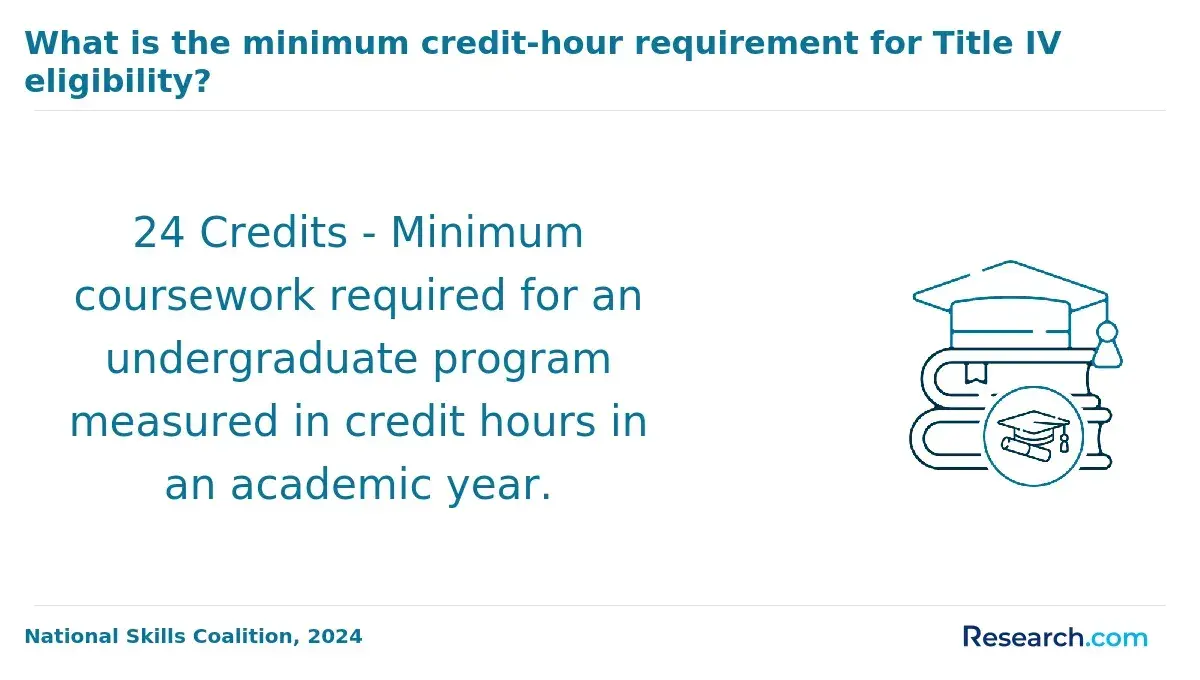
Credit hour requirements affect how long a library science degree takes, how much coursework students complete, and how they should plan tuition, workload, and graduation timing. Requirements vary by degree level and program design.
- Undergraduate programs: Undergraduate programs generally require between 120 and 130 credit hours. These credits usually include general education, major requirements, electives, and foundational library science or information studies courses.
- Core coursework: Core credits cover essential areas such as information organization, cataloging, reference services, library technologies, research methods, ethics, and management.
- Electives: Electives allow students to build a concentration in areas such as archival science, data management, youth services, digital libraries, information technology, or school librarianship.
- Experiential components: Practicums, internships, capstone projects, or theses typically make up 3 to 6 credit hours, though the time commitment may be greater than the credit count suggests.
Undergraduate degrees usually provide a broader educational foundation, while graduate programs tend to emphasize professional preparation and specialization. Students comparing degree pathways should look beyond the total number of credits and examine whether the program includes the courses, fieldwork, and culminating experience required for their intended role.
Prospective undergraduates who are still deciding whether library science is the right academic direction can also compare career outcomes and degree choices through resources such as what bachelors degree should i get.
Library science coursework prepares students for careers by combining technical information skills with user service, research, ethics, and applied practice. This matters because library and information roles increasingly require graduates who can work with people, systems, data, and digital collections.
The U.S. Bureau of Labor Statistics projects a 9% growth in librarian employment from 2022 to 2032, reflecting steady demand for information professionals.
- Skill development: Students build critical thinking, organization, information evaluation, digital literacy, communication, and problem-solving skills used across library and information roles.
- Applied projects: Coursework often asks students to create metadata records, design outreach programs, evaluate collections, build research guides, analyze user needs, or plan digital preservation workflows.
- Industry tools and technologies: Students may gain exposure to digital catalogs, databases, content management systems, data tools, discovery platforms, citation systems, and archival description tools.
- Professional judgment: Courses in ethics, access, privacy, intellectual freedom, copyright, and inclusion help students make responsible decisions in complex service environments.
- Networking opportunities: Group projects, faculty connections, internships, practicums, conferences, and professional association activities can help students build relationships before graduation.
Students who plan to request employer support for a library science degree should review tuition reimbursement policies carefully and prepare a clear proposal. The strongest case explains how the coursework will improve the employee’s current role, such as better information management, stronger research support, improved digital literacy, or more efficient knowledge organization.
Working students should also be realistic about scheduling. If flexibility is a major concern, comparing formats and workload expectations in an easiest online degree resource can help clarify how online study may fit around employment, though program quality and career alignment should remain the main decision factors.
Library science coursework can affect salary potential by shaping the roles a graduate can realistically pursue. According to the U.S. Bureau of Labor Statistics, the median annual salary for librarians was around $61,000 in 2023, with higher wages often linked to advanced training, specialized expertise, leadership responsibilities, and relevant experience.
Coursework alone does not guarantee a higher salary. Location, employer type, union structures, public funding, experience level, credentials, and management responsibility all matter. However, the right courses can make a graduate more competitive for roles with stronger advancement potential.
- Development of in-demand skills: Courses in digital librarianship, information technology, metadata, data management, and electronic resources can help graduates qualify for technology-centered positions.
- Specialized and advanced courses: Electives in archival management, data curation, records management, or digital preservation may open pathways to niche roles that require more specific expertise.
- Leadership and management training: Coursework in administration, budgeting, supervision, assessment, and strategic planning can support movement into coordinator, manager, department head, or director roles.
- Applied experiences: Practicums, internships, and capstone projects help students demonstrate real workplace ability, which can strengthen applications and interview responses.
- Certification preparation: Coursework aligned with credentials such as Certified Archivist or Certified Public Librarian may support advancement where employers value or require those qualifications.
Students should weigh salary potential against total program cost, time to completion, and career fit. If affordability is a major factor, comparing mlis degree online cost can help applicants evaluate whether an online master’s pathway fits their budget before committing.
What Graduates Say About Their Library Science Degree Coursework
- Pierce: "Enrolling in the library science degree program was a strong investment for me, especially because the tuition was reasonable compared with other fields I considered. The online coursework helped me balance work and study, and the practical assignments improved how I manage digital archives in my current role. I left the program feeling prepared and more confident."
- Michael: "The cost of attending the library science courses was significant, but the program offered real value because of the depth of the coursework. Studying on campus gave me immediate access to support, faculty, and networking opportunities. The degree changed how I approach information management in a professional setting."
- Teresa: "Investing in a library science degree was a calculated decision based on the average cost of attendance and my career goals. Online coursework was convenient and flexible, but it required strong self-discipline. The concepts and methods I learned now form the foundation of my work as an information specialist and have strengthened my career prospects."
Other Things You Should Know About Library Science Degrees
Most library science degrees require cataloging and classification, reference services, collection development, information organization, research methods, and library technology. Many programs also require 36 to 48 credit hours for the master’s degree, with practicum or internship coursework adding supervised hands-on training.
Yes, many library science programs offer specialized courses tailored to specific career tracks such as archival studies, digital libraries, school librarianship, or information technology.
These options allow students to focus on areas like metadata standards, digital preservation, or youth services, aligning coursework with their professional goals.
- Best Online MLIS Degree Programs, Updated for 2025 https://www.librarysciencedegrees.org/programs/online/masters-mlis
- Library and Information Science https://online.missouri.edu/degrees-programs/mu/education/library-and-information-science/mlis
- Information and Library Science https://inside.southernct.edu/information-and-library-science/comprehensive-exam
- Types of Library & Information Science Degree Programs https://www.librariancertification.com/types-of-library-information-science-degree-programs/
- Who Should Study Library Science? https://mguindia.com/blogs/who-should-study-library-science
- Online Master of Science in Library and Information Science Curriculum https://online.stjohns.edu/online-programs/mslis/curriculum
- Management Matters. Boost Career Exploration for All Learners in Your Library https://schoollibraryconnection.com/content/article/2294198
- Library and Information Studies MA https://www.ucl.ac.uk/prospective-students/graduate/taught-degrees/library-and-information-studies-ma


