2027 Communication Management ROI by Institution Type: Public vs Private vs Nonprofit Online Programs

Co-Founder and Chief Data Scientist
A prospective student comparing online communication management programs might see public, private, and nonprofit options with comparable curricula but vastly different tuition prices and student debt outcomes.
For example, a 2024 Government Accountability Office report found that graduates from private online institutions incurred on average 40% higher debt than those from public institutions, despite similar graduation rates. This disparity signals deeper differences in institutional support and long-term career value, affecting borrowers' financial flexibility post-graduation.
Choosing the wrong institution type could result in burdensome debt or diminished return on investment, complicating career advancement. This article analyzes these institution types to guide better ROI decisions for communication management students.
Key Things to Know About Communication Management ROI by Institution Type
- Public institutions often offer lower total educational costs but may have longer average time-to-completion, increasing opportunity costs for working adults seeking swift career transitions.
- Private programs typically boast stronger employer network connections and brand recognition, enhancing early-career advancement, though this advantage may diminish without corresponding accreditation rigor.
- Nonprofit online programs strike a balance with supportive learner services reducing attrition, but prospective students should weigh moderate tuition against variable student debt exposure linked to less predictable financial aid structures.
- Key Things to Know About Communication Management ROI by Institution Type Key Things to Know About Communication Management ROI by Institution Type
- What Does ROI Mean for a Communication Management Program and How Is It Measured? Understanding Communication Management Program ROI
- How Do Public, Private, and Nonprofit Online Communication Management Programs Differ in Overall Value? Value by Institution Type
- How Do Tuition Costs Affect the ROI of a Communication Management Program Across Institution Types? Tuition Costs and ROI
- How Do Graduation Rates Influence Communication Management Program ROI? Graduation Rates Impact ROI
- What Role Do Career Outcomes Play in the ROI of a Communication Management Degree? Career Outcomes and ROI
- How Does Student Debt Impact the Long-Term ROI of a Communication Management Program? Debt vs. Long-Term ROI
- How Do Flexibility and Adult Learner Support Affect Communication Management Program Value? Flexibility and Program Value
- How Do Accreditation and Institutional Reputation Influence Communication Management ROI? Accreditation and Reputation
- How Does Time-to-Degree Affect the ROI of Public, Private, and Nonprofit Communication Management Programs? Time-to-Degree
- How Can You Choose the Best Communication Management Program Based on Your ROI Goals? Choosing Programs by ROI
What Does ROI Mean for a Communication Management Program and How Is It Measured?
ROI for a communication management program extends beyond tuition costs, demanding a nuanced assessment of total educational expenses, student debt, graduation rates, and time-to-degree. For example, a prospective student choosing between a public and a private online program must weigh the typically lower debt burden from public institutions against the often smaller class sizes and tailored curriculum private schools provide.
According to data from the Institute for College Access & Success, graduates from public programs carry 25-40% less student debt on average, a vital factor when considering long-term financial flexibility. However, debt alone does not capture opportunity costs such as lost income while studying or the relative speed of program completion, which can significantly influence overall ROI.
Measuring a communication management program's return on investment also requires evaluation of institutional reputation and career outcomes, as these affect employability and salary growth prospects. Nonprofit programs, for instance, may offer stronger learner support and networking opportunities that accelerate job placement, offsetting higher upfront costs through faster advancement.
Graduates aiming for specialized industry roles should consider how program quality aligns with employer demands and how this alignment improves long-term value beyond immediate earnings. A cost-conscious student might explore options such as an artificial intelligence degree online as a complementary skill set, increasing versatility and potential ROI in fields where communication management intersects with technology.
Ultimately, ROI calculations in communication management education depend heavily on individual goals and circumstances, making a blanket comparison inadequate. While public institutions often offer affordability and accelerated graduation rates, private and nonprofit programs might better serve those prioritizing specialized curricula or stronger alumni networks.
This diversity of tradeoffs underscores why a lower sticker price does not always yield the most substantial long-term return. Prospective students must integrate data on graduation metrics, debt load, and program outcomes with their personal career strategies to arrive at an informed decision, reflecting the multifaceted nature of communication management program return on investment measurement.
How Do Public, Private, and Nonprofit Online Communication Management Programs Differ in Overall Value?
Choosing between public, private, and nonprofit online communication management programs requires weighing more than just sticker price, as each sector presents distinctive tradeoffs in affordability, student support, and career impact. Public institutions generally offer lower tuition, appealing to budget-conscious learners, but this cost advantage may coincide with larger class sizes and less personalized guidance, potentially affecting graduation rates and networking opportunities.
Private programs, while often more expensive, tend to provide stronger institutional reputations and more individualized support, reflected in slightly higher graduation rates, around 5% according to a 2024 Online Learning Consortium report, which can translate into better career readiness and employer connections. Nonprofit programs frequently strike a balance, combining cost controls with solid accreditation and career services that help graduates avoid excessive debt, with median student debt roughly 20% lower than private counterparts, indicating a tangible financial benefit over time.
Employer priorities tend to focus on practical competencies and relevant experiences rather than the public or private designation of a program, influencing how learners should evaluate ROI. Flexibility, alignment with industry demands, and credential recognition often weigh more heavily on long-term employability than institutional label.
Thus, students with constrained finances might prioritize public options for upfront savings, whereas those seeking enhanced mentorship and tighter alumni networks might consider private or nonprofit pathways despite higher costs. The balance between cost, support, and outcomes ultimately depends on individual goals, debt tolerance, and learning preferences rather than any single institutional category.
A prospective student comparing these options reported wrestling with whether the higher tuition at a private school was justified by perceived prestige and smaller class sizes. After reviewing financial aid offers and graduation statistics, they hesitated due to concerns about accumulating debt but valued the nonprofit program's combination of accreditation, reasonable pricing, and career services that promised manageable costs and solid employer recognition.
This mix aligned better with their priorities for long-term return on investment and flexibility while minimizing borrower risk, showing how nuanced scrutiny of these factors can clarify an often complex decision.
How Do Tuition Costs Affect the ROI of a Communication Management Program Across Institution Types?
The financial impact of tuition costs on the ROI of communication management programs varies significantly by institution type, with public online programs generally offering the lowest net tuition after aid and private nonprofit programs commanding the highest prices.
While a public university's lower tuition correlates with less student debt, averaging about $22,000 at graduation in 2023 according to the National Center for Education Statistics, this does not guarantee the strongest return if program quality or completion rates lag. For example, a working professional balancing employment may find a quicker path to degree and reduced borrowing costs at a public institution advantageous, but only if adequate academic support and flexible scheduling exist to ensure timely graduation.
Conversely, more expensive private nonprofit online programs often justify their premium through smaller class sizes, enhanced career services, and robust alumni networks, which can lead to better workforce connections and potential salary gains.
However, evidence suggests that these advantages materialize primarily when students complete the program efficiently and actively engage with career resources, rather than relying on tuition investment alone. Prospective students must weigh whether paying upwards of $30,000 to $35,000 in debt, typical at private nonprofits, is offset by tangible career benefits given their individual goals, learning styles, and employment situations.
Ultimately, tuition price is one variable within a complex decision matrix where graduation rates, program flexibility, and post-degree employment outcomes critically shape the actual ROI of communication management degrees.
How Do Graduation Rates Influence Communication Management Program ROI?
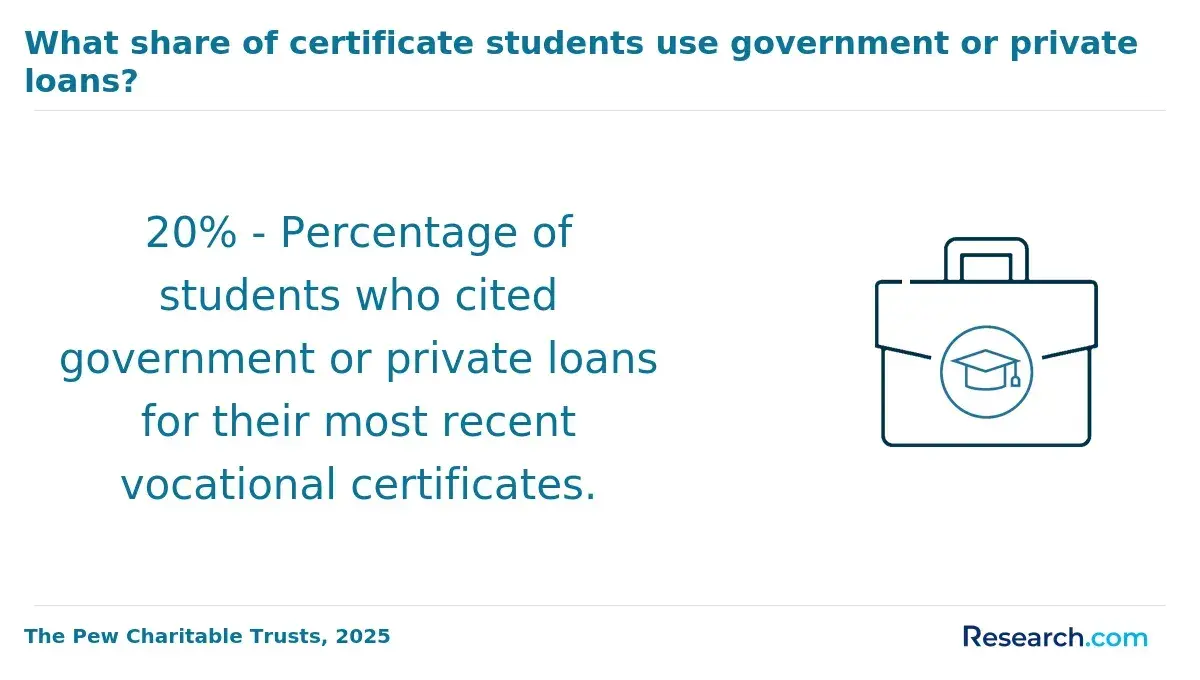
Graduation rates provide a critical yet incomplete lens for assessing the ROI of communication management programs, especially when comparing public, private, and nonprofit online institutions. Private nonprofit programs often achieve graduation rates between 50% and 60%, a notable contrast to 40%-50% reported by many public institutions, reflecting differences in student demographics, institutional support, and academic flexibility.
While higher completion rates can accelerate entry into the workforce and reduce total educational costs, students balancing work and family commitments, common in public and nonprofit settings, may follow longer, nontraditional pathways that depress graduation statistics without necessarily reducing program value.
Programs that invest in tutoring, mentoring, and adaptable course options tend to improve persistence, which positively influences the practical ROI by enhancing employability and debt management outcomes. However, graduation rates alone can mislead if not viewed alongside factors like affordability, credit accumulation, and post-graduate career placement.
For cost-conscious adult learners and transfer students, evaluating graduation rates in context with these variables is vital for understanding long-term value and selecting effective communication management pathways. Prospective students weighing the impact of graduation rates on communication management program ROI should also consider affordability metrics and employment return.
For example, data from the National Center for Education Statistics (NCES, 2024) underlines how these outcomes interrelate. Additionally, exploring accredited programs such as a library science degree can offer insight into affordability paired with strong support services that underpin successful completion and workforce readiness.
What Role Do Career Outcomes Play in the ROI of a Communication Management Degree?
Career outcomes serve as a pivotal factor in determining the true return on investment of communication management degrees offered through public, private, and nonprofit online programs. While public institutions typically boast higher employment rates within six months of graduation, around 82%, according to the National Center for Education Statistics 2024 report, the value extends beyond initial placement.
Employers frequently weigh the relevance of job roles to program curricula and the rigor of professional skill development, such as digital communication and data analytics, when assessing candidate readiness. Private and nonprofit online programs may provide specialized networking and targeted career services that enhance mobility in niche fields but often come with greater tuition costs and potential debt burdens, complicating ROI calculations for cost-conscious learners.
The interplay between tuition, debt, and career trajectory is critical; adult students returning to education often prioritize flexible roles and stability over salary alone, making state-supported public programs with strong alumni networks attractive.
Conversely, professionals seeking specific expertise might justify paying higher fees at private or nonprofit institutions if the program's reputation aligns with employer expectations and facilitates promotions or lateral moves. Skills gained, time-to-degree, and employer recognition combine with tangible job outcomes to form a more nuanced and practical measure of value than salary increases alone, underscoring the importance of choosing programs aligned with individual career goals and financial circumstances.
One graduate reflected on the decision to enroll in an online communication management program amid uncertainty about its career impact. Although initial outcomes were hard to quantify beyond the tuition cost, she noted that over time her employer gave her expanded responsibilities and acknowledged the credential during internal reviews.
Networking opportunities through the program introduced her to industry contacts that helped navigate a mid-career shift. While she remains cautious about equating ROI strictly to salary, the practical career progress following the degree justified the investment when considering both professional development and job security.
How Does Student Debt Impact the Long-Term ROI of a Communication Management Program?
Debt levels and repayment obligations critically shape the long-term ROI of a communication management program, influencing whether graduates gain financial stability or face prolonged hardship. Public online programs typically present lower tuition, resulting in reduced borrowing, sometimes 25% less than private nonprofit counterparts, thereby easing monthly repayments and risk exposure.
However, higher sticker prices at private nonprofits may offer specialized curricula or networking benefits that justify the added debt if matched by wage premiums; failure to do so can strain graduates financially, especially since federal data show these borrowers often carry median debts exceeding $40,000 compared to roughly $25,000 at public institutions. This dynamic underscores the importance of evaluating student debt impact on long-term ROI of communication management programs beyond just tuition costs.
Graduation rates and program design further influence financial outcomes. Accelerated nonprofit online programs might limit tuition accumulation through shorter completion times, but moderate debt burdens persist if financial aid is insufficient. Delinquency rates, up to 30% higher among private institution graduates, reveal tangible repayment challenges amid evolving job markets.
Working professionals must weigh these factors alongside career advancement opportunities and flexibility, making decisions informed not only by cost but also by educational quality and practical value. In comparing options, cost-conscious learners should consider resources like the online construction management bachelor's degree for insights into accelerated pathways that mitigate debt burdens while enhancing employment prospects in related fields.
How Do Flexibility and Adult Learner Support Affect Communication Management Program Value?
Program flexibility and tailored adult learner support critically shape the real-world value of communication management offerings across institution types. For example, flexible scheduling with asynchronous courses enables working professionals or parents to progress without pausing their careers, directly boosting persistence and on-time graduation.
According to a 2024 National Center for Education Statistics report, 58% of adult learners identify such flexibility as pivotal. Yet, public institutions' rigid academic calendars often restrict synchronous session availability, potentially extending time-to-degree despite lower tuition, while private programs generally provide more personalized academic advising and career services that help reduce dropout rates though at higher overall costs.
Nonprofit online programs often strike a balance by blending affordability with focused student retention efforts, including technology resources and transfer credit assistance beneficial for career changers or military-affiliated students. Enhanced faculty accessibility and proactive advising in these nonprofits correlate with a 12% higher retention rate, as found in a 2024 Online Learning Consortium study, illustrating how support services mitigate common adult learner challenges.
However, the tradeoff remains that private institutions' extensive support may not sufficiently offset increased debt burdens, and public programs' cost advantages can be undermined by less individualized guidance, which can delay degree completion and reduce long-term financial return. Evaluating these nuanced tradeoffs against personal work-life demands and financial tolerance is essential when assessing communication management program ROI.
How Do Accreditation and Institutional Reputation Influence Communication Management ROI?
Accreditation and institutional reputation materially affect the return on investment of communication management programs by shaping employer perceptions, transfer options, and graduate study eligibility. For instance, employers often prioritize candidates from regionally or programmatically accredited programs because these credentials signal adherence to rigorous academic standards and consistent student support.
According to a 2024 survey by the National Association of Colleges and Employers, 68% of employers explicitly prefer graduates from accredited programs, underlining how accreditation directly influences hiring decisions and salary potential.
However, the value of accreditation varies when weighed against tuition costs and institutional reputation, particularly across public, private, and nonprofit online providers. Public and nonprofit institutions generally offer more affordable tuition and benefit from broad employer recognition associated with established reputations, which can enhance ROI by reducing debt burden and expanding access to professional networks.
Conversely, private institutions may promise specialized curricula or cohort models, but premium costs do not always translate to better credential transferability or licensure eligibility, creating tradeoffs that cost-conscious learners must evaluate carefully.
Ultimately, accreditation and reputation are significant but insufficient alone to guarantee ROI. Prospective students should consider graduation rates, credit transfer policies, and institutional support systems that influence long-term career outcomes and educational flexibility. Balancing these factors with the cost of attendance and expected debt load is crucial for making pragmatic decisions about the real-world value of a communication management degree.
How Does Time-to-Degree Affect the ROI of Public, Private, and Nonprofit Communication Management Programs?
Time-to-degree directly affects the financial and career outcomes of students pursuing communication management across public, private, and nonprofit online institutions. Public programs tend to have longer completion timelines, often 4.5 to 5 years on average, due to higher rates of part-time enrollment and less accelerated options, which increases opportunity costs through extended income disruption and potential debt accumulation.
Conversely, private and nonprofit programs, though typically more expensive, frequently offer accelerated pathways and stronger support services that raise graduation rates and shorten time-to-degree, allowing students to re-enter the workforce sooner and reduce overall educational costs.
In practical terms, a working adult balancing family and job commitments might prioritize a nonprofit program's faster completion despite higher tuition, while a cost-conscious transfer student could find better ROI in a public program if they leverage transfer credits effectively to shorten their study period.
The average completion time and ROI comparison for online communication management degrees underscores the importance of program flexibility and persistence. Efficient transfer credit utilization can significantly trim degree length, benefiting career changers who rely on previous coursework, while full-time enrollment improves outcomes by reducing prolonged financial strain.
However, longer programs may still appeal to those needing flexible pacing to maintain steady employment and manage life obligations, despite the increased risk of lost earnings and elevated debt service. Students must carefully consider how these factors intersect with their professional trajectory and financial capacity.
For those wondering what can you do with a masters in forensic psychology, a degree path with similar considerations of time-to-degree and ROI may provide additional perspective on balancing educational investment and career goals. Aligning expectations around graduation likelihood, cost, and program intensity is crucial to optimizing the return on investment in communication management education in any institutional context.
How Can You Choose the Best Communication Management Program Based on Your ROI Goals?
Maximizing ROI in communication management programs depends more on aligning institutional attributes with individual goals than on selecting public, private, or nonprofit institutions categorically. Public online programs typically offer lower tuition and reduce debt burdens for in-state students, but nonprofit programs often yield higher graduation rates, reflecting stronger learner support and flexibility critical for working adults.
Private institutions may provide valuable employer connections and accreditation advantages in specialized fields, yet these benefits do not always translate into universally higher returns, especially when offset by increased costs and limited financial aid options.
Choosing the best communication management program based on your ROI goals involves weighing tradeoffs between tuition, financial aid, graduation rates, and time to degree. For example, a career changer balancing family obligations might prioritize accelerated, flexible scheduling to minimize income disruption, favoring nonprofit programs despite higher tuition.
Meanwhile, a transfer student seeking to reduce debt may find public online options more cost-efficient despite moderate graduation rates. These differing personal circumstances and career objectives underscore why no single type of institution guarantees the best returns, as emphasized by the Council of Graduate Schools' recent data.
Students should also consider program accreditation, employer perception, and networking opportunities, which vary widely across institutions and impact long-term earnings. This nuanced approach, incorporating realistic workforce demands and institutional tradeoffs, helps learners choose effectively among the best communication management online programs for return on investment.
For related decisions in geographically nuanced fields, insights into the best GIS schools may offer useful comparative frameworks.
References
- Deep Dive: New Research Shows the Profound Impact of Debt on Perceptions of Higher Ed - Protect Borrowers https://protectborrowers.org/resource/deep-dive-new-research-shows-the-profound-impact-of-debt-on-perceptions-of-higher-ed/
- Content Marketing ROI for Universities | Carnegie https://www.carnegiehighered.com/content-marketing-roi/
- Careers in Communication: What Can You Do With a Degree in Communications? https://www.mastersincommunications.com/features/careers-in-communication
- Demonstrate the ROI of Communication https://amecorg.com/measurement-month-ev/demonstrate-the-roi-of-communication/
- What customers report: ROI, performance, and compliance gains with OpenText Communications https://blogs.opentext.com/customer-communications-roi-performance-compliance/
- Bridging Education and Opportunity: Exploring the ROI of Higher Education and Workforce Development — HCM Strategists https://hcmstrategists.com/resources/ucmfwg7ha7zzeug6nb3dlawh3poziz
Other Things You Should Know About Communication Management ROI by Institution Type
Course design in communication management programs varies significantly between public, private, and nonprofit online institutions, shaping skill acquisition and employability. Public programs often emphasize broader foundational skills with fewer electives, which may limit specialization but reduce overall workload and time investment. Private programs might offer more tailored concentrations but demand higher engagement and time commitment, potentially increasing immediate costs in effort but enhancing niche expertise that employers value. Nonprofit programs frequently balance these approaches but can differ widely in rigor, meaning prospective students must assess whether curriculum alignment with their career goals justifies the time and expense to maximize ROI.
Employer expectations in communication management often vary by sector, influencing which institution type provides better ROI for working professionals. Public institutions typically enjoy broader regional recognition, advantageous for those targeting government or public sector roles, while private institutions may carry more prestige with corporate and high-profile firms that prioritize brand and networking opportunities. Nonprofit graduates might face challenges if employers are unfamiliar with specific programs, possibly requiring extra effort to demonstrate competencies. For working professionals, aligning program choice with the primary employer market is crucial, making public institutions preferable for stability and cost, while private options may justify their cost if corporate advancement is the goal.
Smaller cohorts, often found in private and some nonprofit online programs, encourage more meaningful peer interaction and personalized feedback, which can enhance understanding of complex communication management concepts and improve practical skills. Larger cohorts typical of public programs might limit individual engagement and reduce networking value, potentially dampening learning outcomes and the professional connections that impact ROI. Decision-makers should weigh whether the price premium for smaller peer groups in private or nonprofit settings translates into sufficiently better skill development and career support to justify the investment.
While accelerated completion can reduce tuition and lost income time, it may undermine ROI if the compressed pace compromises depth of learning or practical project experience in communication management. Programs at private institutions often offer faster tracks but demand intense workloads that may not suit working adults balancing jobs or families. Public programs' slower timelines could enhance mastery and reduce burnout, improving long-term applicability of skills despite a longer time-to-degree. Students should consider their personal capacity and employer expectations, prioritizing completion time only if it does not sacrifice the quality and comprehensiveness of their education.