2027 Homeland Security Degree Growth by State: Where Interest Is Rising the Fastest

Co-Founder and Chief Data Scientist
States facing rapid growth in homeland security degree enrollment reveal more than academic trends-they highlight regional economic shifts and workforce demands reshaping education choices. For example, the U. S. Department of Education reports a 15% increase in adult learner enrollment in security-related master's programs nationwide, reflecting broader acceptance of flexible, online pathways. This shift enables working professionals and career changers to adapt without pausing employment, a critical factor in states where public safety industries are expanding. Understanding which states lead in this growth and why offers vital insights into local regulatory environments, institutional capacities, and labor market needs driving the evolving homeland security education landscape.
Key Things to Know About the State Where Homeland Security Degree Interest Is Rising the Fastest
- States with expanding cybersecurity sectors like Virginia show rapid enrollment growth; however, higher tuition rates there create a tradeoff, requiring students to weigh immediate cost against long-term workforce demand.
- In Texas, strong collaboration between industry and academia aligns programs with employer needs, enhancing graduate job placement but limiting curricular flexibility for mid-career changers seeking broader skill sets.
- Florida's growth in online graduate offerings improves access for adult learners balancing work and study, accelerating enrollment timing yet possibly diluting hands-on training valued by certain public safety employers.
- Which States Are Seeing the Fastest Growth in Homeland Security Degree Enrollment? States Seeing the Fastest Growth in Enrollment
- What Does Enrollment Growth in Homeland Security Programs Actually Tell Prospective Students? Interpreting Enrollment Growth
- How Do Regional Job Market Conditions Drive Homeland Security Degree Demand by State? Role of Regional Job Market Conditions
- Which States Have Added the Most New Homeland Security Degree Programs in the Last Five Years? States That Have Added the Most Programs
- How Has the Rise of Online Education Changed Which States Lead in Homeland Security Program Interest? Role of Online Education in Increased Program Interest
- What Demographic Trends Are Fueling Homeland Security Degree Growth in Specific States? Demographic Trends Fueling Growth
- How Do State Funding Levels for Homeland Security Services Influence Degree Program Growth? Role of State Funding Levels
- Which States Are Emerging as Unexpected Leaders in Homeland Security Degree Interest? States Emerging as Unexpected Leaders in Growth
- How Does State Population Size Affect the Interpretation of Homeland Security Degree Growth Data? Role of State Population Size
- What Role Do State Licensing Requirements Play in Driving or Suppressing Homeland Security Enrollment? Role of State Licensing Requirements
Which States Are Seeing the Fastest Growth in Homeland Security Degree Enrollment?
Growth in homeland security degree enrollment increasingly reflects the complex interplay between regional security priorities and workforce development strategies, rather than a uniform national trend. While educational demand rises broadly, states with the fastest rising interest in homeland security degrees reveal how localized factors-ranging from federal agency presence to border security dynamics-shape candidate flows and program expansion. For prospective students weighing where to invest time and resources, recognizing these state-specific accelerations can highlight where employer demand and institutional responsiveness align most closely, ultimately impacting job market entry and career advancement pathways.
- Florida: Florida's surge is shaped by its unique vulnerability to climate-driven disasters and geopolitical interest in maritime security. The state's universities have responded to employer calls for graduates adept in emergency preparedness, cyber resilience, and multi-agency coordination, creating a robust but competitive market for homeland security graduates.
- Tennessee: Investment in the state's emergency management infrastructure and critical infrastructure protection initiatives correlates with the growth in homeland security degree enrollment, attracting students focused on operational leadership roles within state and local agencies, while also balancing traditional law enforcement career paths.
- Arizona: Heightened focus on border security and immigration enforcement drives the enrollment rise, particularly in programs emphasizing federal-state collaboration. Students often face tradeoffs between focusing on policy-centered frameworks or tactical security operations, depending on their career targets within the border security environment.
- Virginia: Proximity to the Pentagon and multiple federal agencies creates an immersive ecosystem for homeland security education, with programs capitalizing on internship and employment pipelines that demand specialized knowledge in intelligence, cybersecurity, and interagency coordination.
- North Carolina: The state's expanding tech and defense industries have prompted universities to broaden curricula with cyber defense and critical infrastructure protection tracks. This alignment supports career changers aiming for mid-career specialization and leveraging local employer engagement for practical experience.
This distribution across geographically and economically diverse states illustrates that growth in homeland security degree enrollment is less about regional clustering and more about how well programs integrate with prevailing economic sectors and security challenges. The following sections will unpack how these enrollment trends interface with licensure requirements, workforce supply-demand imbalances, and policy contexts-critical information for individuals prioritizing programs with tangible labor market impact over generalized credentials. Notably, this analysis acknowledges that alongside formal homeland security degrees, there are niche offerings such as billing and coding classes that similarly respond to evolving workforce needs, underscoring the value of sector-specific educational calibration.
What Does Enrollment Growth in Homeland Security Programs Actually Tell Prospective Students?
Enrollment growth in homeland security programs often signals interest but can mislead if interpreted without deeper analysis. For example, a recent surge might reflect broad marketing efforts rather than sustained academic quality or strong job market alignment, which can affect graduates' career outcomes in tangible ways.
Raw enrollment figures, while indicative of popularity, fail to capture essential indicators like retention, graduation, and employment success that directly affect student investment value. Programs expanding due to rigorous curricula and employer demand often show strong licensure pass rates and job placement, critical in fields requiring certification. Conversely, some growth stems from relaxed admissions or aggressive recruitment, potentially weakening program rigor and graduate competitiveness.
Prospective students must approach enrollment data as one element among many, integrating direct feedback from current students and alumni to evaluate real-world training value, program reputation, and instructional quality. Geographic mobility and career goals also shape how well program expansion translates into meaningful employment across different states' regulatory and labor environments.
How Do Regional Job Market Conditions Drive Homeland Security Degree Demand by State?
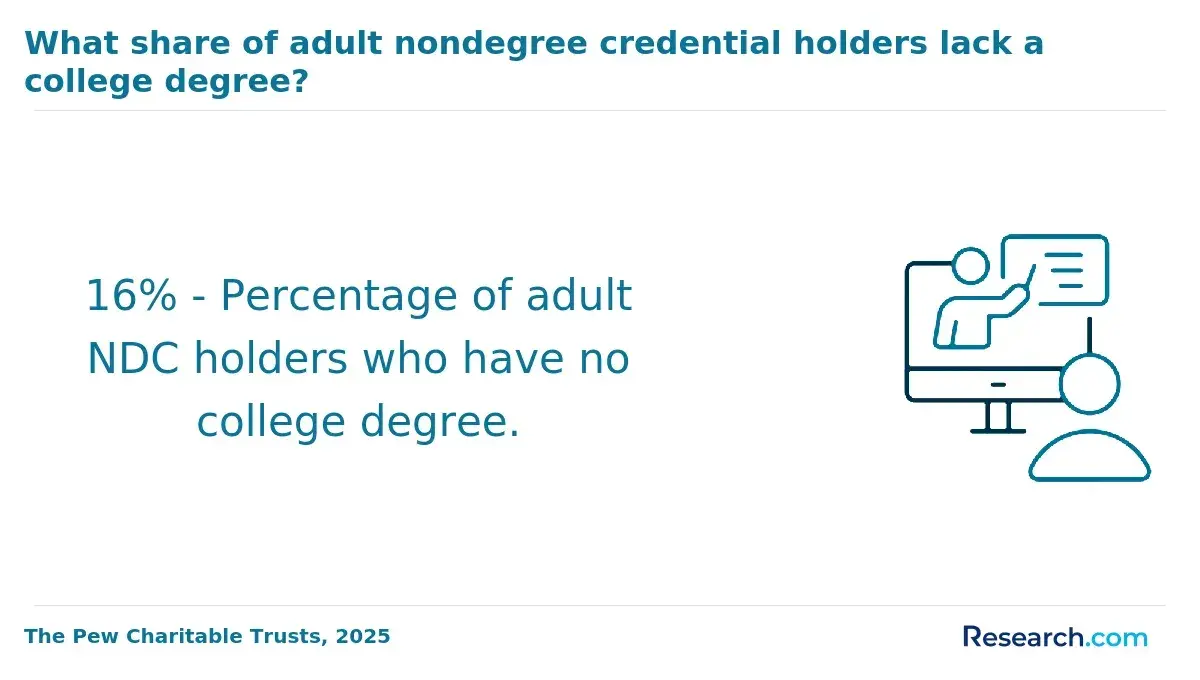
Regional labor market factors directly inform demand for homeland security degree programs, shaping enrollment through the interplay of public sector growth, healthcare expansion, and employer incentives. For instance, in states with rapidly evolving emergency response infrastructures and cybersecurity investments tied to healthcare and education sectors, graduates with specialized credentials find enhanced job placement opportunities and stronger bargaining positions on salary. Such dynamics underscore the importance of analyzing state-specific workforce trends and regulatory environments before committing to a program, as robust local markets not only provide richer practicum experiences but also influence long-term career trajectories for homeland security professionals.
- California: Accelerating public sector hiring focused on emergency preparedness and cybersecurity roles in healthcare and school districts benefits from state-led disaster resilience initiatives, supporting consistent demand for homeland security expertise.
- Texas: Driven by substantial border security investments and public health emergency services expansion amidst rapid population growth, Texas projects significant job openings across multiple government layers, validating rising enrollment interest.
- Florida: Frequent exposure to hurricanes and natural disasters sustains need for homeland security specialists, predominantly in emergency management and critical infrastructure protection, backed by targeted public funding.
- Virginia: Hosting numerous federal agencies with a strong cybersecurity workforce enhances demand for homeland security skills, reinforced by state programs that integrate practical training with government partners.
- Arizona: Growth in border security and healthcare sectors creates incentives and apprenticeship models that encourage hiring homeland security graduates.
When evaluating homeland security job growth by state labor market, prospective students must consider how local economic drivers shape program relevance and outcomes. States projecting greater job openings typically offer better practicum placements, improving practical experience crucial to employer expectations. Graduates in these regions often have leverage in salary negotiations compared to those in stagnant markets. Candidates with flexibility might also explore cross-state educational options, including remote or blended formats. For those balancing continuing education with work, programs like a doctor of nursing practice online illustrate the type of flexible learning models increasingly intersecting with security discipline offerings, though adaptation is needed to meet specific hands-on training demands inherent to homeland security professions.
Which States Have Added the Most New Homeland Security Degree Programs in the Last Five Years?
Growth in homeland security degree programs across certain states reflects targeted responses to evolving workforce demands rather than uniform national trends. This uneven expansion is shaped by factors like state-directed funding priorities, regional security concerns, and institutional competition, affecting how students might weigh program availability against cost and educational focus.
- Texas: Programs have surged due to state grants addressing shortages in emergency management and border security professionals. The rise of online tracks at public universities improves access for working adults, while competition fosters curriculum innovation and scholarships, though students must navigate variability in program depth.
- Florida: Its role as a transportation and immigration nexus drives demand for homeland security specialists. Expansion of both in-person and online programs is bolstered by accreditation incentives, enabling tailored concentrations in areas like cybersecurity and crisis management. However, the diverse program landscape requires careful selection by applicants sensitive to specialization and delivery mode.
- California: Concern about natural disasters and terrorism propels new launches and expansions, producing a broad but regionally varied array of program options. This diversity offers competitive tuition pricing and financial support in some locales but necessitates diligent comparison given differing program emphases statewide.
- New York: Federal partnerships and peer competition underpin growth, especially with expanded online offerings catering to career changers and mobile students. Scholarship opportunities exist but remain highly contested, reflecting rising enrollment interest that may impact aid availability and admission timing.
- Virginia: Proximity to federal agencies and contractors fuels degree expansions focused on intelligence and counterterrorism, supported by workforce initiatives. The state's programs connect students to meaningful internships and job networks, though generally higher tuition calls for balancing costs against potential career pathway advantages.
A graduate from the northeast recalled navigating applications during an especially competitive admissions cycle. Initial uncertainty about program start dates and scholarship notification timelines created pressure to submit documents early while waiting for decisions. This experience underscored the importance of strategic timing and extended communication with admissions advisors in states where program growth intensifies competition and complicates entry logistics.
How Has the Rise of Online Education Changed Which States Lead in Homeland Security Program Interest?
The expansion of fully online homeland security graduate programs has fundamentally altered traditional enrollment patterns, no longer confining students to institutions within physical travel or relocation distance. This shift means states with well-developed online offerings-often distinguished by strong reputations, affordable tuition, and recognized accreditation-are drawing substantially more out-of-state students, effectively becoming national hubs for this field of study. For example, a midwestern state with a competitive, accredited online program may now enroll students from across the country, despite having a relatively low in-person student population. While this geographic decoupling broadens educational access, prospective students must carefully consider state-specific licensure or certification requirements essential to working in homeland security roles, which remain tied to local regulations and can limit employment mobility.
- Geographic Decoupling: Online delivery eliminates physical proximity constraints, enabling states with strong virtual programs to expand beyond their traditional regional markets.
- Program Reputation: Accreditation and employer-valued curricula position certain states as preferred national providers, attracting students prioritizing outcomes and practical skills over location.
- Tuition Accessibility: Competitive fees and flexible pacing incentivize enrollment from distant learners seeking cost-effective alternatives without compromising quality.
- Regulatory Nuances: Licensure and certification criteria vary by state, requiring students to align program choice with their intended career jurisdiction to avoid later credentialing barriers.
- Student and Program Implications: Students gain greater options but must balance online convenience with licensing realities; host states benefit from scalable enrollment but must sustain high standards to maintain program competitiveness nationally.
What Demographic Trends Are Fueling Homeland Security Degree Growth in Specific States?
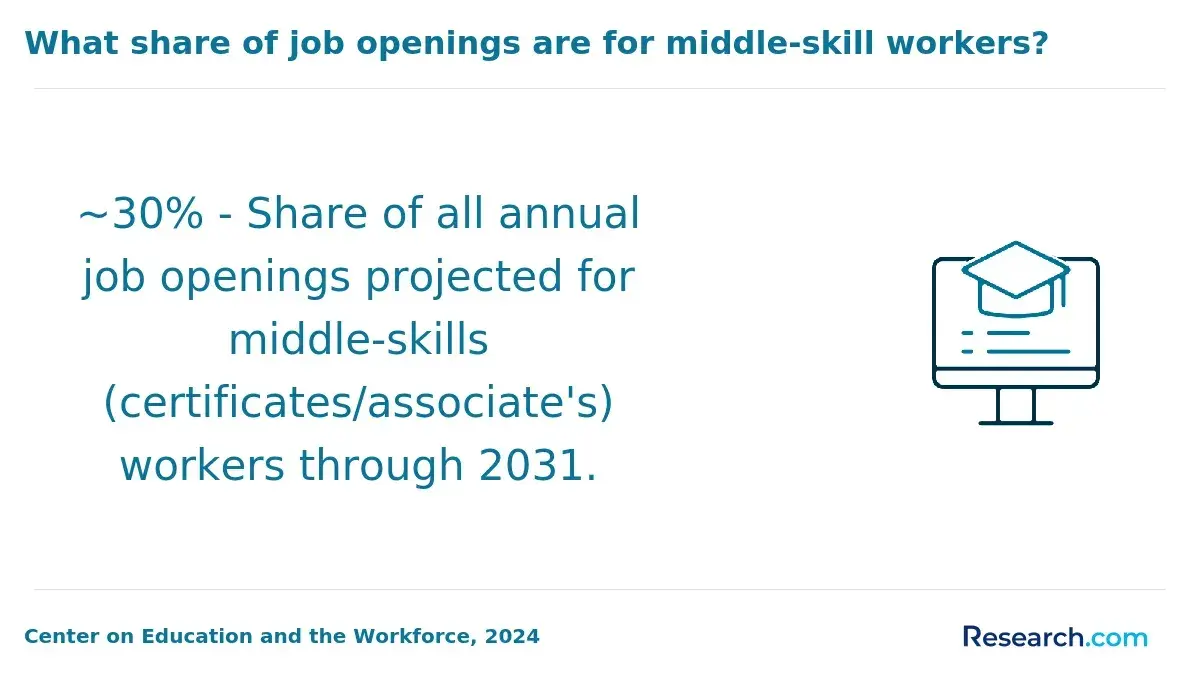
Variations in enrollment growth for homeland security degrees reflect complex demographic and regional workforce dynamics that directly affect hiring practices and program relevance. Prospective students should recognize that states experiencing sustained population changes present more reliable, long-term demand for homeland security professionals than those with transient or cyclical shifts. This understanding is critical for aligning educational investment with stable employment prospects amid fluctuating regional policy and economic conditions.
- Population Aging: Midwestern and Northeastern states with aging populations are seeing enrollments driven by the need for homeland security expertise in healthcare facility protection and emergency response tailored to older adults. Employers in these regions value graduates skilled in managing vulnerabilities related to aging infrastructure and populations.
- Immigration Patterns: Border states including Texas, Arizona, and California report increased degree interest as immigration policy complexities heighten demand for customs enforcement, community resilience, and border security professionals. Workforce supply must rapidly scale in these areas, influencing curriculum focus and practical training.
- Urbanization: Rapidly growing metropolitan regions in the Southeast and West demand homeland security roles centered on terrorism prevention and urban disaster response. Enrollment surges here mirror local government investments in critical infrastructure protection within dense urban environments.
- K-12 Enrollment Growth: Expanding K-12 demographics often foreshadow overall population increases, signaling sustained demand for homeland security roles embedded in community safety and emergency management. States with rising youth populations typically see parallel expansion in related educational programs.
- Rising Mental Health Diagnoses: States in the Pacific Northwest and Southern U.S. facing higher mental health issue rates are emphasizing behavioral threat assessment and crisis intervention in homeland security curricula to meet emergent workforce demands.
Such demographic trends create highly localized enrollment growth that national averages obscure. Therefore, students must analyze specific state trajectories to gauge whether homeland security degree demand is stable or susceptible to policy-driven volatility. Regions aligned with steady urban expansion, demographic growth, and specialized workforce needs will likely offer stronger career resilience. Considering these factors alongside economic indicators clarifies the practical value of pursuing degrees in states reflecting robust population growth impact on homeland security degree demand by state.
Additionally, understanding these demographic drivers can help individuals differentiate programs and career pathways. For those balancing practical considerations like the availability of financial support, it is worth exploring options such as medical assistant programs that accept financial aid, since this reflects broader trends in navigating funding for workforce-relevant education under economic uncertainty.
How Do State Funding Levels for Homeland Security Services Influence Degree Program Growth?
State funding decisions for homeland security services directly shape the vitality of related degree programs, with public investment in Medicaid reimbursements, block grants, school-based mental health, and community health centers creating tangible demand for skilled professionals. States with consistent or growing financial support in these areas typically sustain a dependable flow of job openings, which in turn encourages academic institutions to expand or enhance program offerings. This dynamic attracts students seeking realistic career paths and fosters the development of faculty expertise and agency collaborations. In contrast, states that reduce or fail to prioritize such funding often see their degree programs shrink, as graduates confront limited in-state employment prospects and may relocate to markets with stronger public sector support, contributing to local talent drain.
- Employment Pipeline: Adequate public funding generates predictable workforce needs, increasing program attractiveness to both learners and educators targeting market-relevant skills.
- Graduate Retention: Sustained investment improves local hire rates, reducing losses to better-resourced states and strengthening community safety networks.
- Program Development: Stable funding enables institutions to invest in curriculum expansion, recruit specialized faculty, and cultivate partnerships that enhance training and placement.
- Underfunding Risks: Insufficient state support signals limited job opportunities, deterring prospective students and depressing enrollment.
- Legislative Awareness: Prospective students should evaluate recent state budget actions related to homeland security to gauge future employment environments.
- Employment Outcomes Inquiry: Asking programs about the in-state employment percentage of graduates after five years offers insight into realistic career prospects and local demand.
A recent graduate recounted how the rolling admissions process for homeland security programs complicated their decision-making. Although eager to start, they hesitated to commit without clarity on funding availability and job market strength in their state. Delayed notification of admission offers forced them to juggle acceptance deadlines with uncertainty about program growth and employment pathways influenced by shifting public budgets. Eventually, access to detailed employment data and funding trends helped them prioritize programs in states with stronger investment, underscoring how financial backing at the state level can extend beyond curriculum quality to impact timing and confidence in educational choices.
Which States Are Emerging as Unexpected Leaders in Homeland Security Degree Interest?
States not traditionally recognized for homeland security degree education are now demonstrating significant enrollment growth, reflecting complex interactions of state policy, program innovation, and workforce demand. This shift brings important tradeoffs: while emerging regions can offer reduced competition and lower costs, their labor markets and institutional infrastructure may not yet support long-term career stability or advancement. Temporal funding, such as pandemic-era appropriations, often inflates initial interest, making it critical for prospective students to evaluate the sustainability of these trends carefully.
- Ohio: Ohio's enrollment growth stems largely from targeted workforce development funding focused on cybersecurity and emergency management. Partnerships between universities and government agencies strengthen practical training pipelines, yet much of this growth is recovering from a previously low baseline. Continued legislative backing beyond short-term stimulus is essential to maintain this trajectory.
- Nebraska: As a member of interstate public safety compacts, Nebraska benefits from streamlined cross-state licensure that appeals to students pursuing multi-jurisdictional careers. The introduction of certificate programs complements traditional degrees by emphasizing hands-on skills. However, Nebraska's relatively small population may limit long-term employer demand unless regional agencies increase hiring substantially.
- Alabama: Alabama's growth is tied to state initiatives promoting workforce readiness in critical infrastructure protection, including new accredited offerings centered on emerging threats like drone security. This alignment with evolving industry needs suggests a more durable expansion than states reliant on ephemeral funding bursts.
- Nevada: Leveraging its gaming and hospitality economy, Nevada is developing homeland security programs specializing in cyber resilience aimed at niche market needs. Although still emerging, this sector-focused diversification points to steady demand, appealing to students seeking specialized expertise.
These developments in fastest growing states for homeland security degrees highlight varying state strategies and economic drivers. For students, balancing the benefits of less competitive admissions and cost advantages against the risks of shifting policy priorities is essential. Durability of employer ecosystems and licensure flexibility across states are critical factors influencing long-term career prospects.
Prospective students evaluating these pathways should also consider related fields; for example, those interested in healthcare-oriented security roles might explore options among the cheapest psychiatric nurse practitioner programs, which reflect similar dynamics in program availability and workforce demand.
How Does State Population Size Affect the Interpretation of Homeland Security Degree Growth Data?
Raw increases in homeland security degree enrollment can be misleading without considering the state population size, as this contextualizes actual market growth. For instance, a large state adding 2,000 new homeland security graduates annually may reflect slower per-capita growth compared to a smaller state adding 300 graduates, which could indicate a rapidly expanding and underserved market. Understanding homeland security degree enrollment trends by state population size reveals where demand for professionals might genuinely outpace supply versus where growth merely tracks overall population scale.
Employers and prospective students should prioritize per-capita growth and workforce saturation metrics over absolute numbers. A state with a lower ratio of licensed or employed homeland security professionals relative to its population often signals stronger early-career hiring prospects and less saturated job markets. Conversely, populous states with large graduate numbers may have mature workforces that limit new opportunities despite high enrollment.
Additional factors shaping program growth and workforce dynamics include:
- Regulatory Complexity: States with stringent licensing or certification slow workforce entry despite rising enrollment.
- Population Density: Rural states may experience uneven growth driven by shifts in federal funding and infrastructure priorities.
- Economic Drivers: Areas near federal facilities or major ports typically show disproportionate demand for homeland security professionals.
- Workforce Saturation: Regions with high concentrations of professionals face stiffer competition despite growing graduate totals.
Evaluators examining the impact of state demographics on homeland security program growth should seek markets where the profession's penetration remains below the national average, indicating genuine expansion potential.
For related insights into accelerated degree options reflecting workforce demand, consider exploring the easiest ABSN programs to get into, which illustrate analogous trends in healthcare education responsiveness across states.
What Role Do State Licensing Requirements Play in Driving or Suppressing Homeland Security Enrollment?
States with transparent and stable licensing requirements for homeland security significantly influence enrollment by providing prospective students with clearer career pathways. In contrast, states where licensing rules are ambiguous, inconsistent, or frequently revised tend to deter candidates who face uncertain returns on educational investment. For example, a professional considering relocation may opt for a program in a state whose licensure process is explicitly defined and supported by employer demand, rather than one with unpredictable or opaque standards. This decision reflects a tradeoff between immediate degree completion ease and longer-term career flexibility and security.
Licensing authorities shape workforce dynamics by signaling to employers which qualifications they value, with many requiring or preferring candidates holding recognized licenses. This demand reinforces enrollment patterns: programs operating under well-articulated licensure frameworks often experience growth, which in turn strengthens institutional advocacy for maintaining or improving regulatory clarity and relevance. Such feedback loops enhance the attractiveness and perceived value of these programs, influencing salary and job placement outcomes, where licensed professionals frequently command median wages 10-15% higher than their non-licensed peers, according to recent labor market analyses.
Prospective students should perform a rigorous comparative evaluation of the complete licensure pathway in their target states, beyond just degree requirements. This includes exam difficulty, required professional experience, and renewal processes. States with manageable and transparent licensure protocols not only facilitate program enrollment but also improve employability and long-term career mobility for homeland security graduates.
References
- Demographics and the Changing National Security Environment https://www.rand.org/pubs/research_briefs/RB5035.html
- How Online Learning Has Changed Education | ACE Blog https://ace.edu/blog/how-online-learning-has-changed-education/
- Homeland Security Market Analysis & Overview, Size, Share, Trend 2035 https://www.marketresearchfuture.com/reports/homeland-security-market-7602
- Department of Homeland Security (DHS) https://obamaadministration.archives.performance.gov/agency/department-homeland-security.html
- Redefining Homeland Security: A New Framework for DHS To Meet Today’s Challenges - Center for American Progress https://www.americanprogress.org/article/redefining-homeland-security-new-framework-dhs-meet-todays-challenges/
- What Will Homeland Security Cost? https://www.newyorkfed.org/research/epr/02v08n2/0211hobi/0211hobi.html
- Homeland Security & Emergency Management (AS) https://www.gmc.edu/degree-programs/homeland-security-emergency-mgmt/
- Homeland Security wants state driver’s license data for sweeping citizenship program • Stateline https://stateline.org/2025/11/25/homeland-security-wants-state-drivers-license-data-for-sweeping-citizenship-program/
- The Demographic Security Dilemma (Volume 5, Issue 2) — Yale Journal of International Affairs https://www.yalejournal.org/publications/the-demographic-security-dilemma
- Homeland Security Market Size and YoY Growth Rate, 2026-2033 https://www.coherentmarketinsights.com/market-insight/homeland-security-market-5557
Other Things You Should Know About Homeland Security
In 2026, factors like increased state investment in security infrastructure, expanded public safety initiatives, and heightened focus on cyber-security have driven demand for homeland security graduates. Additionally, partnerships between universities and government agencies in states experiencing rapid growth also contribute to the rise in demand.
States with rising interest often feature a more affordable cost of living combined with reasonable tuition rates, making graduate programs attractive to a broader range of candidates. High tuition coupled with expensive living costs may deter otherwise qualified applicants, slowing enrollment growth even if job prospects are good. Students must balance the total financial burden against potential salary gains post-graduation, not just the reputation of the program or state. Prioritizing programs in states where education costs align with local market salaries can optimize return on investment.
Rising enrollment in a state can indicate increasing demand for homeland security professionals but also signals growing competition for those jobs. Students should interpret these trends alongside labor market saturation and employer absorption capacity. High growth states may see a surge in new programs that vary widely in quality and focus, so careful vetting of program outcomes is essential. Enrollment data is a useful starting point but should not overshadow factors like program accreditation, employer partnerships, and alumni success.
Rural and underserved states are expanding degree offerings by partnering with local agencies and leveraging online delivery to overcome geographic and resource limitations. These initiatives address critical workforce gaps in emergency preparedness and border security where recruitment has historically lagged. However, program expansions may involve tradeoffs such as reduced access to in-person experiential training vital for some homeland security roles. Students should weigh the convenience and accessibility of these programs against potential compromises in hands-on learning.