2027 Public Health ROI by Institution Type: Public vs Private vs Nonprofit Online Programs

Co-Founder and Chief Data Scientist
Choosing between public, private, and nonprofit online public health programs is often clouded by surface similarities despite stark differences in total tuition costs, graduation rates, and student debt burdens. A 2024 Georgetown University study found graduates from nonprofit institutions often carry 20% less debt but may face longer completion times than public school peers. This highlights crucial tradeoffs: lower upfront costs in public programs can come with less personalized support, while private options might offer prestige but significantly higher debt.
Understanding how these variables influence long-term career stability and financial well-being is essential for prospective students navigating this complex educational choice. This article unpacks those distinctions, focusing on ROI metrics to help students assess institutional value within public health online programs.
Key Things to Know About Public Health ROI by Institution Type
- Lower tuition costs at public online institutions reduce upfront financial barriers but often correspond with higher graduation timeframes, impacting opportunity cost and delaying return onset compared to private or nonprofit peers.
- Private online programs often leverage stronger institutional reputations and employer networks, enhancing career advancement prospects; however, greater student debt exposure may offset these gains, emphasizing the need for targeted debt management strategies.
- Nonprofit online public health programs balance affordability and learner support, but varying accreditation standards influence employer perception, signaling that prospective students should scrutinize program legitimacy alongside long-term value.
- Key Things to Know About Public Health ROI by Institution Type Key Things to Know About Public Health ROI by Institution Type
- What Does ROI Mean for a Public Health Program and How Is It Measured? Understanding Public Health Program ROI
- How Do Public, Private, and Nonprofit Online Public Health Programs Differ in Overall Value? Value by Institution Type
- How Do Tuition Costs Affect the ROI of a Public Health Program Across Institution Types? Tuition Costs and ROI
- How Do Graduation Rates Influence Public Health Program ROI? Graduation Rates Impact ROI
- What Role Do Career Outcomes Play in the ROI of a Public Health Degree? Career Outcomes and ROI
- How Does Student Debt Impact the Long-Term ROI of a Public Health Program? Debt vs. Long-Term ROI
- How Do Flexibility and Adult Learner Support Affect Public Health Program Value? Flexibility and Program Value
- How Do Accreditation and Institutional Reputation Influence Public Health ROI? How Do Accreditation and Institutional Reputation Influence Public Health ROI?
- How Does Time-to-Degree Affect the ROI of Public, Private, and Nonprofit Public Health Programs? How Does Time-to-Degree Affect the ROI of Public, Private, and Nonprofit Public Health Programs?
- How Can You Choose the Best Public Health Program Based on Your ROI Goals? Choosing Programs by ROI
What Does ROI Mean for a Public Health Program and How Is It Measured?
Return on investment for a public health program transcends a basic cost-versus-salary calculation, requiring a broader view of educational expenses, time-to-degree, graduation likelihood, and post-completion opportunities. For example, a working adult considering public, private, and nonprofit online programs must weigh whether a lower tuition at a public institution justifies potentially slower completion times or less personalized support.
A 2024 analysis by the Education Policy Institute found that public programs' graduation rates are approximately 30% higher on average, which can significantly mitigate the risk of sunk costs and delayed workforce entry. This suggests that program completion certainty and duration directly shape ROI as much as sticker price or eventual salary.
Measuring educational ROI in online public health programs depends heavily on individual goals and circumstances, such as balancing work, family, and career transitions, which influence the value of program flexibility and networking support. Private and nonprofit institutions often offer accelerated schedules and cultivation of professional connections that can enhance employability in government, healthcare, and nonprofit sectors where long-term job stability matters more than rapid salary growth.
Prospective students should also consider institutional reputation and faculty expertise, which correlate with quality of hands-on learning and alignment with employer expectations. Evaluating these factors alongside debt burden and opportunity costs enables a more nuanced and decision-relevant assessment, going beyond tuition alone to capture what truly shapes sustained career impact.
Those weighing programs must recognize that the cheapest option is not always the best investment, especially if it delays graduation or limits career services that enrich professional pathways. Thoughtful analysis could include exploring related accelerated health education options like medical assistant programs near me that may complement public health career objectives with quicker return timelines. Ultimately, return on investment for public health degree programs requires balancing measurable academic outcomes against lived realities, cost structures, and evolving labor market demands to ensure the educational commitment delivers meaningful long-term value aligned with each student's vocational priorities.
How Do Public, Private, and Nonprofit Online Public Health Programs Differ in Overall Value?
Value in online public health programs varies notably across public, private, and nonprofit institutions, shaped heavily by tuition models, graduation rates, and support systems rather than by prestige alone. Public institutions often provide lower tuition and reduced debt burdens due to state subsidies, benefiting cost-sensitive learners who prioritize affordability and foundational knowledge relevant to local public health roles.
However, these programs might offer less personalized support and larger classes, potentially impacting timely degree completion and professional networking opportunities. By contrast, private programs tend to report higher graduation rates and enhanced career services, which can translate into better job prospects but often at the cost of higher tuition and increased loan dependency-a significant consideration as rising debt complicates long-term financial stability.
Nonprofit online public health programs frequently blend attributes of both sectors, emphasizing accredited curricula linked to employer-acknowledged qualifications and mission-driven education. These degrees can carry weight in career advancement, especially in leadership roles valued by public health employers, yet their higher price points and varying flexibility can challenge working professionals managing complex schedules and financial constraints.
A 2024 analysis from the National Center for Education Statistics reveals that graduation rates differ by up to 15 percentage points between private nonprofit and public online programs, underscoring the real impact institutional type has on student outcomes. Ultimately, students must weigh these factors against their priorities, whether minimizing debt, accessing robust support networks, or pursuing credentials aligned with employer expectations.
One student, weighing options across institution types, grappled with choosing between a low-cost public program and a private nonprofit offering stronger mentorship but with double the tuition. Concerned about accumulating debt yet eager for stronger career guidance, they hesitated, comparing graduation stats and accreditation status closely. After extensive research, they opted for a nonprofit program with flexible scheduling and recognized accreditation that aligned with their goals, finding relief in a balanced ROI despite the higher sticker price. This nuanced choice demonstrated how examining beyond headline tuition to outcomes, support, and program design is critical for adult learners seeking real-world public health value.
How Do Tuition Costs Affect the ROI of a Public Health Program Across Institution Types?
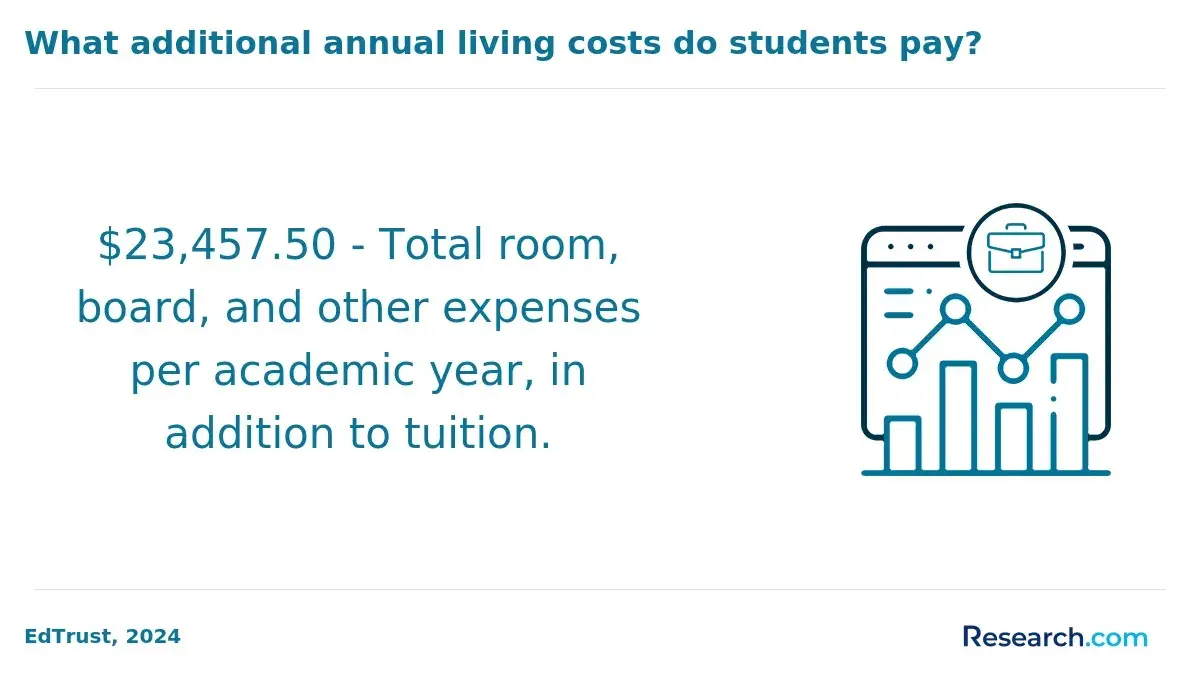
Evaluating tuition costs in relation to return on investment (ROI) for public health programs requires more than comparing sticker prices across public, private, and nonprofit online institutions. While public programs typically average about $8,000 annually-according to 2024 National Center for Education Statistics data-lower tuition does not inherently guarantee stronger financial outcomes.
Many public programs have longer completion times for part-time students, increasing total expenses and delaying workforce reentry, which can erode gains from lower upfront costs. Conversely, private nonprofit programs with higher tuition, often exceeding $30,000 per year, may provide accelerated pathways, stronger academic support, and career services that can justify the added expense for certain students by potentially boosting post-graduation earnings.
The true cost assessment hinges on net price after scholarships and the resulting debt burden, since debt levels significantly influence long-term financial stress. For instance, graduates from some private nonprofit institutions can see earnings up to 15% higher five years after finishing their programs, a premium that may offset their initial higher debt load.
However, this advantage depends largely on alignment with one's career goals and employer expectations, including whether the program's resources and networks enhance marketability in competitive public health job markets. Prospective students must weigh these tradeoffs carefully, as debt-minimizing public options might suit those prioritizing financial stability, while those targeting quicker advancement or specialized roles might find value in costlier programs offering intensive student support and flexible pacing.
How Do Graduation Rates Influence Public Health Program ROI?
Graduation rates provide a critical lens on the return on investment of public health programs, but they must be interpreted with caution. For example, public four-year institutions average a six-year graduation rate near 62%, while private nonprofit programs hover around 49%, according to the 2024 NCES report.
This disparity reflects differences in student demographics and institutional priorities: nonprofit online programs often serve more part-time and nontraditional students, which affects persistence and time-to-degree. These factors influence the total cost of education and lost earnings during enrollment, making graduation rates an imperfect but meaningful indicator of program efficiency.
However, a higher graduation rate does not uniformly translate to greater ROI. Private institutions frequently invest substantially in academic support and career services, improving employment outcomes despite lower completion rates. Conversely, public programs generally offer more affordable tuition and reduced debt burdens, which can enhance long-term financial stability even with moderate graduation percentages.
Adult learners and professionals weighing these options should consider not only completion metrics but also the availability of flexible pathways, support infrastructure, and post-graduation employment prospects. For those interested in self-directed pacing, exploring a self-paced bachelor's degree online may provide a tailored balance between speed, cost, and support.
What Role Do Career Outcomes Play in the ROI of a Public Health Degree?
Career outcomes critically determine the return on investment (ROI) of public health degrees, with notable differences between public, private, and nonprofit online programs shaped by their employer networks and industry alignment. Public institutions often benefit from stronger connections to regional health agencies and government employers, which translates into higher placement rates in stable, publicly funded roles.
Conversely, private and nonprofit programs emphasize specialized certificates and flexible curricula that support professionals aiming to pivot into niche fields like epidemiology or health informatics, though their graduates may face more fragmented labor markets requiring proactive networking. The U.S. Bureau of Labor Statistics (2024) reports that about 87% of public health graduates secure employment within six months, yet this average masks substantial variability tied to institutional reputation, program focus, and local labor demand.
Evaluating ROI involves more than immediate employment prospects; students must consider how tuition costs and associated debt align with access to career support services, alumni networks, and employer recognition that influence longer-term mobility and earnings growth. For example, debt from a private program offering specialized training might be offset by faster vertical movement in private health organizations, while public program graduates might experience steadier but slower progression tied to government roles. Time-to-degree also plays a role as working adults balance course schedules with job demands, making the seamless integration of practical skills like data analysis and policy implementation vital to securing roles that justify the investment.
One graduate from a nonprofit online public health program recalled hesitating before enrolling, uncertain if the degree's cost would translate into meaningful advancement beyond her current job. Over a two-year period, she observed that while immediate salary gains were modest, the program's strong focus on health informatics and community partnerships led to expanded responsibilities and a promotion within her employer's network. She noted, "The degree wasn't just a credential; it opened doors to projects I wouldn't have accessed otherwise, which feels like the true measure of value beyond just dollars." This experience highlights how career outcomes intricately factor into ROI decisions amid a complex interplay of educational quality, cost, and professional relevance.
How Does Student Debt Impact the Long-Term ROI of a Public Health Program?
Higher student debt levels directly affect the long-term ROI of a public health program by constraining graduates' financial flexibility and extending repayment periods, often diminishing net earnings despite salary gains. For example, candidates from private nonprofit institutions may face over 25% higher average debt compared to public university graduates, driven mainly by elevated tuition and fewer state subsidies.
This disparity impacts workforce outcomes, as heavier debt burdens can delay career mobility and narrowing options for further professional development, especially in regions where median public health salaries vary considerably. Such financial pressures underscore the importance of managing graduate debt for better public health career outcomes through careful selection of programs with reasonable costs relative to anticipated earnings.
Debts must be weighed against program quality and completion timelines since higher retention at public universities typically shortens time-to-degree and reduces total borrowing, enhancing ROI. Nonprofit online programs, although sometimes costlier, often provide stronger career services and networking, which can lead to better job placement and salary growth.
Ultimately, students should balance sticker price with factors like educational support and completion rates while considering how debt influences long-term financial health, including default risk and wealth accumulation potential. For those balancing work and study, exploring options such as an online masters in healthcare management or similar flexible paths can align learning speed with career goals and financial capacity, allowing for more strategic debt management.
How Do Flexibility and Adult Learner Support Affect Public Health Program Value?
Flexibility and targeted adult learner support directly shape the return on investment of online public health programs by influencing completion rates, time-to-degree, and affordability. Programs offering asynchronous coursework can better accommodate professionals balancing jobs, family, or military service, increasing the likelihood of persistence; a 2024 report from the National Center for Education Statistics found students with flexible scheduling were 18% more likely to graduate on time.
However, private institutions that emphasize synchronous learning and smaller cohorts often provide more personalized faculty interaction and career networking, which may benefit students seeking direct mentorship but can constrain those unable to commit to fixed schedules, potentially extending their time to degree and increasing opportunity costs.
Support systems such as academic advising tailored to part-time enrollment, transfer-friendly policies, and workforce-aligned career counseling play a significant role in program value across sectors. Public programs leverage state resources to reduce technology and transfer barriers, making them cost-effective options for transfer students and working adults, though individual advising may be less comprehensive.
Meanwhile, nonprofits typically provide balanced support initiatives, enhancing student success by addressing non-academic challenges that impact persistence, often leading to around a 12% higher graduation rate compared to programs without such services, according to the Adult Learner Success Institute. These variations underscore that ROI is not solely tied to tuition cost but must be weighed against how well a program's structural supports align with a learner's life demands and career trajectory.
How Do Accreditation and Institutional Reputation Influence Public Health ROI?
Accreditation and institutional reputation critically shape the practical return on investment for students selecting public health programs, particularly when balancing tuition costs and career outcomes. Graduates from CEPH-accredited programs, for example, experience a notable 12% higher employment rate in relevant roles within a year, according to the National Student Clearinghouse 2024 report.
This advantage reflects employer preferences for recognized credentials that assure foundational knowledge and facilitate licensure or certification pathways essential in public health careers. Without such accreditation, students may face limited credit transfer options and reduced eligibility for graduate programs, directly impacting their long-term flexibility and earnings potential.
Institutional reputation further influences ROI by affecting employer perceptions and networking opportunities but often comes with tradeoffs. Public institutions typically offer lower tuition and established state support, which can alleviate debt burdens, while private nonprofits might provide specialized curricula or enhanced career services at a higher cost.
However, neither reputation nor accreditation alone guarantees improved outcomes; program quality, faculty expertise, and alignment with workforce demands equally matter. Adult learners and career changers must therefore weigh cheaper tuition against potential deficits in support or recognition, as a strong reputation may not offset high debt or limited program adaptability in an evolving public health job market.
How Does Time-to-Degree Affect the ROI of Public, Private, and Nonprofit Public Health Programs?
Faster completion times in public health online degrees often translate to reduced opportunity costs, allowing students-particularly working adults-to reenter the workforce sooner and begin offsetting tuition expenses. However, the time-to-degree impact on ROI differs notably by institution type. Private and nonprofit programs frequently offer accelerated paths or cohort models that compress program length to two or three years, but higher tuition and a more intensive pace may not suit all students. In contrast, public institutions tend to provide greater flexibility through part-time enrollment and generous transfer credit policies, extending the median completion to 4.5-5 years but improving degree accessibility and persistence for those balancing work and family demands.
These variances illustrate a core tension in assessing roi differences by institution type in public health online degrees: faster programs reduce earned income lost but may increase debt burden, while longer, more flexible programs limit immediate financial strain but delay workforce reentry. T
ransfer credits, for example, can accelerate graduation and lower total costs, yet not all students can leverage them equally across different schools. Retention and graduation rates also shape actual ROI, as extended timelines caused by course scheduling or life interruptions may ultimately benefit students who might otherwise drop out. Navigating these tradeoffs requires considering both practical constraints and employer expectations for timely credential attainment, especially in competitive job markets.
Prospective students should weigh these factors carefully, ideally consulting resources like NASP accredited programs for guidance on quality and accreditation indicators. By aligning personal, financial, and career circumstances with institutional pacing and support structures, learners can make informed decisions that optimize the return on their public health education investment over the long term.
How Can You Choose the Best Public Health Program Based on Your ROI Goals?
Choosing the best public health program based on ROI goals depends heavily on individual priorities rather than institution type alone. Public online programs generally offer lower tuition and more robust financial aid, reducing student debt-a critical factor given National Center for Education Statistics data showing graduates from public online programs tend to carry 25% less debt than private counterparts. However, private online programs often deliver higher graduation rates and stronger learner support, which can accelerate time to degree and potentially enhance early career earnings, though they come with higher upfront costs. This tradeoff means students valuing rapid workforce entry and extensive institutional reputation might accept higher expenses, while those prioritizing minimizing debt may lean toward public or nonprofit options.
Nonprofit online programs frequently balance cost and quality, attracting career changers and working adults seeking flexible scheduling without excessive financial risk. When comparing the ROI of public health online programs by institution type, learners must weigh accreditation, program flexibility, and learner services alongside total cost and expected salary growth. Personal circumstances-such as current employment, family responsibilities, and time available to complete the degree-profoundly shape how these factors align with ROI. For example, a working professional may prioritize program flexibility and learner support over tuition, while a full-time student might focus more on total cost and institutional reputation.
Prospective students should also recognize how institutional differences affect long-term employability and income potential rather than assuming a universal best choice exists. Research on which LPN programs are easiest to get into illustrates that similar nuanced evaluation applies across healthcare disciplines. Ultimately, ROI decisions require carefully balancing cost, quality, debt, and career goals to select a public health program that best fits one's unique situation and professional trajectory.
References
- The Economics of Accreditation: Costs, Benefits, ROI - Course Accreditation https://course-accreditation.com/blog/the-economics-of-accreditation-costs-benefits-roi/
- Health economics: a guide for public health teams https://www.gov.uk/guidance/health-economics-a-guide-for-public-health-teams
- Public Health Initiatives Deliver Big Returns on Investment https://www.pew.org/en/research-and-analysis/articles/2025/07/08/public-health-initiatives-deliver-big-returns-on-investment
- Adult Mental Health in Education: Examining the Needs of Today’s Adult Learner - ProLiteracy https://www.proliteracy.org/resources/adult-mental-health-in-education-examining-the-needs-of-todays-adult-learner/
- Career Paths for MPH Graduates: Top Job Roles in Public Health https://www.unicaf.org/career-paths-for-mph-graduates-top-job-roles-in-public-health/
- How do college graduates benefit society at large? - APLU https://www.aplu.org/our-work/4-policy-and-advocacy/publicuvalues/societal-benefits/
- Are Public Health Degrees Still Worth It? Short Answer, Yes. - The Public Health Millennial https://thephmillennial.com/are-public-health-degrees-still-worth-it-short-answer-yes/
- A Perspective on Public–Private Collaboration in the Health Sector - NAM https://nam.edu/perspectives/a-perspective-on-public-private-collaboration-in-the-health-sector/
- High School Graduation https://www.apha.org/what-is-public-health/generation-public-health/our-work/graduation
- When Dedication Meets Debt: How Student Loan Burdens Put Public Health at Risk https://debeaumont.org/news/2026/when-dedication-meets-debt/
Other Things You Should Know About Public Health
Yes, employer perceptions often vary by institution type, affecting how your degree is valued in the job market. Public institutions tend to be recognized for their research affiliations and established networks, which can signal credibility for roles in government or academia. Private and nonprofit programs may offer specialized curricula or flexible formats appealing to certain employers but sometimes lack the broad brand recognition of large public universities. For career changers prioritizing sector-specific roles, matching the institution's strengths with target employer expectations is crucial.
Workload and program pacing can vary substantially, impacting time investment and earnings lost during study. Public programs often have more standardized, longer timelines with a steady workload, while private and nonprofit online offerings sometimes use accelerated formats that front-load effort. This affects ROI by influencing how soon you can re-enter the workforce or balance ongoing employment. Prioritizing programs that align workload with your current job and life commitments can reduce financial strain and improve net career returns.
Networking and mentorship significantly affect long-term ROI but vary widely by institution type. Public universities often have larger alumni bases and established public health partnerships, facilitating broader connections in governmental and nonprofit sectors. Nonprofit and private programs may offer closer mentorship or cohort-specific networking, which benefits students seeking niche fields or personalized guidance. Evaluate whether your prospective program provides access to active industry networks relevant to your career goals, not just institutional prestige.
Public institutions typically offer the best balance of affordable tuition and credible degree recognition, especially for those targeting traditional public health careers in government or large agencies. Nonprofit online programs can present middle-ground options with specialized offerings but sometimes at higher cost without proportional salary premium. Private programs may focus on innovation or convenience but often come at a higher price and variable employer recognition. For maximizing ROI under budget constraints, public programs are usually the optimal starting point unless career goals strongly align with niche expertise or delivery formats found elsewhere.