2027 Public Health Salary Trends Report: Are Wages Keeping Up With Tuition and Inflation?

Co-Founder and Chief Data Scientist
A prospective public health student faces a complex financial decision when weighing the cost of a degree against potential salary gains. With tuition rising steadily and inflation eroding purchasing power, evaluating whether future wages will keep pace with these factors is critical. Understanding the interplay between education expenses, salary growth, and inflation becomes essential to determine if the investment in a public health degree offers sustainable financial benefits over time.
Salary increases, tuition costs, and inflation often move at different rates, complicating straightforward comparisons between earnings and expenses. Prospective and recent graduates must consider long-term earning potential rather than focusing solely on initial salary figures. This article examines trends in public health salaries alongside tuition and inflation rates to assess the return on investment, affordability, and key factors affecting the degree's financial value over the long term.
Key Things to Know About Public Health Salary Trends
- Median wages for public health graduates rose by only 3% from 2022 to 2024, trailing inflation, signaling that tuition increases may erode real income gains post-graduation.
- Career specialization strongly affects earnings; epidemiology and biostatistics roles show 15-20% higher salaries than health education, shaping strategic program choices for long-term return.
- Institutional prestige influences starting salaries less than networking and practical experience, highlighting the importance of internships and applied skills for maximizing early-career compensation.
- Key Things to Know About Public Health Salary Trends Key Things to Know About Public Health Salary Trends
- What Is the Current Salary Outlook for Public Health Graduates? Salary Outlook
- Are Public Health Salaries Keeping Up With Inflation? Inflation Impact
- How Do Tuition Costs Compare With Public Health Salary Growth? Tuition vs Salary
- Does a Public Health Degree Deliver a Positive Return on Investment? Degree ROI
- Which Industries Offer the Highest Salaries for Public Health Graduates? Which Industries Offer the Highest Salaries for Public Health Graduates?
- Which States and Cities Offer the Highest Pay for Public Health Professionals? Which States and Cities Offer the Highest Pay for Public Health Professionals?
- How Do Public Health Salaries Grow Throughout a Career? Career Growth
- How Do Public Health Salaries Compare With Similar Degrees? Salary Comparison
- How Is Employer Demand Affecting Public Health Salary Trends? Employer Demand
- How Can Students Maximize Their Lifetime Earnings With a Public Health Degree? Maximizing Earnings
What Is the Current Salary Outlook for Public Health Graduates?
Salary prospects for public health graduates in 2024 reveal a varied financial landscape influenced by factors such as role specialization, experience, and geography. Entry-level positions like health educators and community health workers earn median salaries around $49,000 according to recent data, whereas epidemiologists, who possess more specialized skills, see median pay closer to $80,000 annually. Even more experienced professionals in policy or management roles can reach six-figure salaries, especially in federal agencies or major metropolitan areas. For example, two graduates with identical MPH degrees might diverge financially if one works in a community outreach role while the other secures a government epidemiology post, underscoring the importance of career path choice in public health salary trends 2024.
Assessing public health salary outcomes requires looking beyond starting pay to long-term growth, job market demand, and educational investment. Though tuition costs for public health graduate programs have risen about 30% since 2014, outpacing inflation and squeezing early-career wages, demand for skilled professionals remains strong. Growth projections favor public health roles more than average, suggesting expanding opportunities and potential compensation increases with advanced degrees and experience. Career changers and new graduates should also consider total compensation, including benefits often available in government or private sectors, rather than focusing solely on immediate earnings.
Prospective students evaluating a public health degree need to weigh these financial realities alongside educational costs. For those uncertain about timing or commitment, exploring a medical assistant program may provide a faster, cost-effective alternative while maintaining engagement in healthcare fields. Ultimately, despite immediate salary limitations, public health careers offer solid long-term earning potential that aligns with growing public needs and the sector's diverse roles.
Are Public Health Salaries Keeping Up With Inflation?
Nominal wage increases in public health occupations have ranged between 7% to 10% from 2020 to 2023, yet inflation during the same period has outpaced these gains, hovering around 12% to 15%. This disparity means that even with higher salaries on paper, the real earning power for many public health professionals has diminished, affecting their ability to cover everyday costs and save for the future. For example, a recent graduate who earned a 9% raise over three years might find that rent, groceries, and tuition-related expenses have increased faster than their income, effectively reducing their purchasing power. This dynamic challenges the assumption that wage growth directly translates into increased financial stability.
The relationship between public health salary growth compared to inflation becomes especially significant when considering rising tuition costs and living expenses. Despite some entry-level and mid-career health professionals seeing nominal increases, many still grapple with tuition debt and stagnant budgets in public-sector roles where most positions exist. These factors contribute to a real wage stagnation scenario that complicates the long-term financial benefits of a public health degree. Evaluating whether public health wages are keeping pace with rising tuition requires a careful weighing of potential debt, salary trajectories, and inflationary pressures on essential living costs.
Career changers and prospective students must also consider alternative pathways and comparable professions when analyzing public health salaries. For those curious about related roles, an understanding of how much does a medical coder make reveals different growth and inflation dynamics that might influence career decisions. Ultimately, the economic environment and job market constraints play a decisive role in shaping whether public health professionals maintain their standard of living over time, underscoring the need for strategic planning beyond initial salary offers.
How Do Tuition Costs Compare With Public Health Salary Growth?
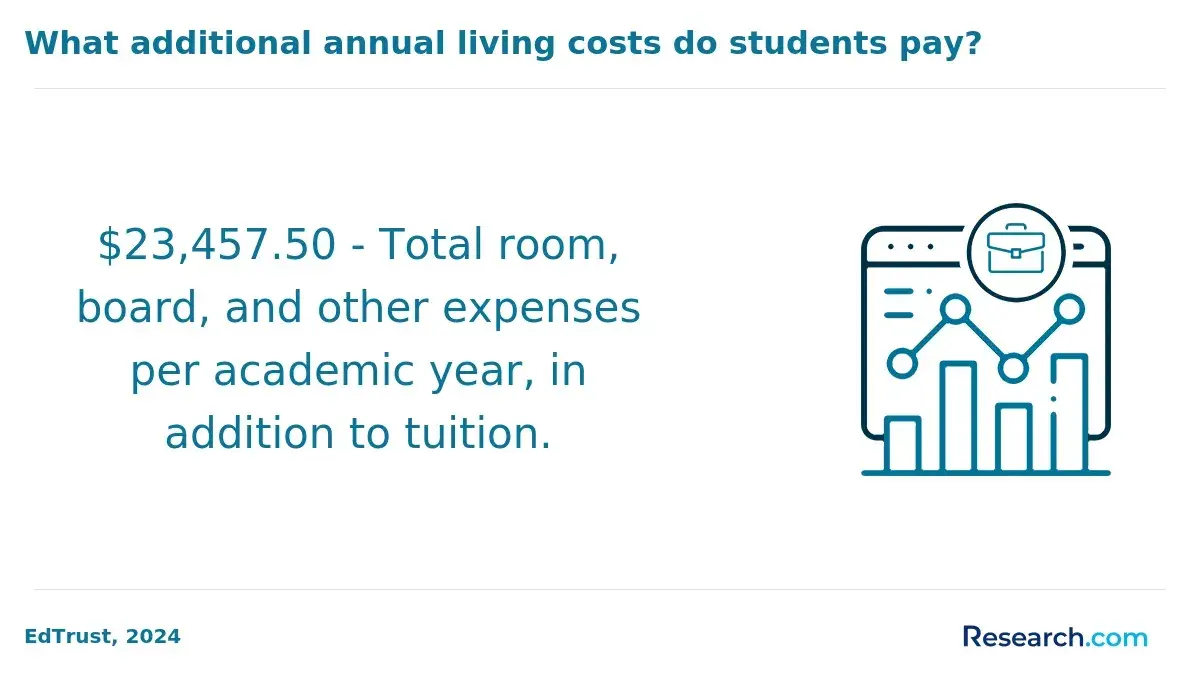
Examining tuition expenses alongside public health salary growth offers a clearer understanding of the degree's financial worth than evaluating each separately. In 2024, annual tuition at public institutions ranges roughly from $12,000 to $30,000, while private schools can exceed $40,000, according to data from government and industry sources. Entry-level salaries for recent public health graduates generally fall between $50,000 and $60,000 per year, increasing modestly to about $75,000 to $90,000 in mid-career stages. However, tuition costs have risen faster than salaries and inflation, creating a widening gap that affects graduates' net financial gains and long-term repayment burdens.
Consider two students: one attending a public university with moderate tuition and another opting for an expensive private program. The former may graduate with manageable debt, aligning salary growth and loan repayments more comfortably, while the latter faces heavier financial strain despite similar earning potential. This disparity is compounded by geographic variations, specialization, and funding fluctuations in government and nonprofit sectors that shape wage increases. Recognizing these factors helps prospective students weigh the true cost of their education beyond sticker prices, factoring in how salary trajectories interact with loan obligations and cost-of-living pressures over time.
A recent graduate described wrestling with the decision to enroll in a private school with high tuition, drawn by a specialized public health concentration not available at their local state university. Faced with an estimated $45,000 debt and an expected starting salary near $55,000, they hesitated, concerned about long-term financial stability. After securing partial scholarships and budgeting stringently, the graduate acknowledged the emotional weight of debt but found value in the focused training and stronger job prospects offered. This experience underscores how individual choices about tuition costs and anticipated salaries require nuanced personal assessment beyond aggregate data points.
Does a Public Health Degree Deliver a Positive Return on Investment?
Return on investment in higher education extends beyond immediate salary gains, requiring an assessment of the total cost of earning a public health degree against long-term career prospects, earning growth, and professional development. Tuition inflation, which has consistently outpaced general inflation by a significant margin over the past decade, complicates this calculation. For instance, a graduate who incurs $50,000 in debt for a master's degree from a reputable institution might initially face a modest salary increase, but the degree's true value emerges over time through steady wage growth and job stability in fields like epidemiology or health policy.
Recent statistics from the U.S. Bureau of Labor Statistics reveal that public health professionals benefit from roughly a 3-4% annual wage increase, which often exceeds regional inflation rates. Complementing this trend, research from Georgetown University's Center on Education and the Workforce (2024) found that individuals with a master's in public health earn between 20-30% more over their lifetime compared to those holding only a bachelor's or no degree. Crucially, this means that despite the upfront expense, many graduates achieve positive net returns long term, though outcomes vary widely by geographic region, institution, and chosen specialization.
Employment prospects also influence the degree's financial payoff. Data from the Association of Schools and Programs of Public Health (ASPPH) shows first-year placement rates above 80%, which supports income continuity and debt repayment after graduation. However, economic fluctuations and program costs can erode returns, especially for those attending higher-tuition schools or working in lower-paying roles within the field. Therefore, prospective students should weigh program costs against career options carefully, recognizing that the public health degree's ROI depends on balancing educational investment with realistic long-term earnings trajectories rather than focusing solely on initial salary figures.
Which Industries Offer the Highest Salaries for Public Health Graduates?
For graduates with a public health degree, selecting an industry with strong salary prospects is vital to offset rising educational expenses and inflationary pressures. Not all sectors offer equivalent compensation, even for similar credentials and experience levels. Understanding which industries value the specialized skills of public health professionals-such as data analytics, policy expertise, and program management-can significantly influence long-term financial outcomes. Identifying these top paying public health careers in the US also means weighing the demand for interdisciplinary skills and leadership potential in various environments. The following list highlights industries that typically provide higher salaries for public health graduates.
- Pharmaceutical and Biotechnology: This sector rewards public health graduates involved in clinical trial management, regulatory compliance, and epidemiological research. High demand for expertise in drug safety and translational science, combined with an emphasis on advanced degrees and certifications, drives median salaries above $100,000 for experienced workers according to U.S. Bureau of Labor Statistics data.
- Healthcare Administration: Hospitals, health systems, and insurance companies offer competitive pay for public health professionals in leadership roles overseeing quality improvement, healthcare operations, and policy implementation. Salary ranges from $80,000 to $120,000 reflect the critical responsibility of maintaining efficient patient care and compliance.
- Government Public Health Agencies: Federal, state, and local health departments provide stable career paths where advanced skills in biostatistics, health informatics, and policy development lead to senior roles. Although entry salaries are moderate, career progression can match private sector earnings, supported by data from Centers for Disease Control and Prevention and state health entities.
- Consulting Firms: Firms specializing in health policy, environmental health, and analytics demand strong quantitative and communication skills. These companies serve diverse clients including governments and private sector organizations, offering higher compensation for professionals who translate complex data into actionable strategies.
- Health Technology Companies: The rapid growth of digital health tools and telemedicine creates opportunities for public health experts to contribute to product development, data privacy, and outcomes research. Competitive salaries arise because these roles merge public health knowledge with technical acumen in a technology-driven industry.
- Nonprofit and International Organizations: NGOs focused on health program design and global health initiatives often pay well for senior-level expertise, particularly when grant management and policy advocacy skills are involved. Salaries vary widely but tend to increase with specialization and leadership experience.
- Academic and Research Institutions: Public health graduates with advanced degrees often enter research or faculty positions where funding and grants impact income. While entry pay might be modest, prestigious institutions and significant research contributions can raise earnings substantially.
Those weighing options should consider the interplay of salary, job stability, and career growth within these industries. Interest in effective skill building can be supported by exploring various educational paths, including online associate nursing programs, which complement public health expertise in many practical healthcare settings.
Which States and Cities Offer the Highest Pay for Public Health Professionals?
Geographic location plays a crucial role in shaping earning potential for public health professionals, reflecting regional economic conditions, funding priorities, and local healthcare infrastructure. While some states and metro areas offer significantly higher wages, these come with varying costs of living and competitive job markets that must be carefully weighed. For example, a graduate starting as a health policy analyst might earn over $100,000 annually in Boston but face sharply higher housing and transportation expenses compared to mid-tier markets. Balancing income against expenses and career prospects is essential for making informed decisions after obtaining a public health degree. Below are some of the top-paying states and cities for public health roles based on 2024 data from the U.S. Bureau of Labor Statistics and recent industry reports.
- California: This state leads with average annual salaries exceeding $90,000 for roles such as epidemiologists and health educators. A combination of a strong healthcare system and substantial state and federal investments fuels demand. However, candidates must consider the high cost of living, especially in urban centers.
- Massachusetts: Home to prestigious academic institutions and research centers, Massachusetts offers some of the nation's highest salaries for biostatisticians and health policy specialists, often above $100,000. The region's innovation economy drives these wages, but expensive real estate and living costs temper the overall financial advantage.
- Maryland: Proximity to federal agencies and health-related organizations propels salaries higher than the national median. The Washington, D.C. metropolitan area influences local job opportunities and wage scales, though cost of living is also elevated.
- San Francisco Bay Area: This metro area ranks among the best for pay in specialized public health roles, including data analytics and health technology positions. Salary premiums here reflect thriving biotech and digital health industries, but living expenses are among the highest nationally.
- Washington, D.C. Metro: Federal government presence creates demand for policy analysts and program managers in public health at competitive salaries. Career growth potential is strong, but candidates must factor in the region's substantial housing and commuting costs.
- Ohio: Offering comparatively lower salaries, Ohio compensates with affordable living expenses. This balance suits professionals valuing purchasing power and quality of life over top-tier wages, highlighting tradeoffs for early-career decisions.
- Georgia: Atlanta's growing healthcare sector provides solid public health job opportunities with moderate salaries. The city's lower cost of living attracts many who prioritize long-term financial sustainability alongside reasonable compensation.
How Do Public Health Salaries Grow Throughout a Career?
Starting salaries in public health often reflect entry-level positions such as community health workers or health educators, with median wages around $45,000 to $55,000 annually according to 2024 data from the U.S. Bureau of Labor Statistics. As professionals gain experience and earn advanced degrees like a Master of Public Health, their earning potential typically rises, often reaching $70,000 to $90,000 in mid-career roles that involve management or specialized skills. Beyond 15 years, those who move into senior roles-such as program directors or epidemiologists-may earn salaries exceeding $100,000, though government and academic sectors can cap growth due to budget limits. Salary progression thus depends heavily on factors like role specificity, advanced education, and sector of employment, creating variability in long-term income trajectories.
Consider two graduates who both start with a Master of Public Health. One pursues additional certifications and moves into project management within a private health consultancy, steadily increasing their salary through strategic career moves and networking. The other remains in a nonprofit setting focused on community outreach, experiencing slower wage growth despite similar experience. This example highlights how professional development choices and employer type have a significant impact on overall salary growth, sometimes more so than years of experience alone. While advancing qualifications boosts potential earnings, geographic location, job market demand, and sector stability critically shape the financial rewards over a public health career.
Early in her career, one graduate felt hesitant about investing in an MPH due to the mounting student debt and uncertain salary gains. After five years working in local government health promotion, she noticed colleagues with additional training moving into higher-paying regional roles. Motivated, she pursued a specialized certification and transitioned to an epidemiology position, where her salary notably increased. She reflects that while the climb was gradual and occasionally frustrating, targeted professional development and sector shifts were key steps that helped her overcome initial financial doubts related to her degree's value.
How Do Public Health Salaries Compare With Similar Degrees?
Evaluating the financial return on investment of a public health degree requires understanding how its salary outcomes compare with those of related disciplines. Early-career public health graduates typically earn median salaries ranging from $58,000 to $65,000, which aligns closely with several peer fields but remains modest compared with some clinical and science-based professions. Recognizing these patterns helps prospective students weigh tuition costs against long-term earning potential and career flexibility. Below is a comparison of average wages for public health versus similar fields that highlight practical differences in compensation and job outlook.
- Healthcare Administration: Salaries generally fall within the $55,000 to $68,000 range for entry-level roles, closely paralleling public health earnings. Careers often focus on hospital management and operations, with salary growth driven by organizational leadership responsibilities rather than clinical expertise.
- Nursing: Starting salaries typically approach $70,000, reflecting high demand and direct patient care roles. The clinical nature of nursing secures a premium, especially in hospital settings, which sustains higher initial and mid-career wages compared with public health fields.
- Biomedical Sciences: Graduates earn between $62,000 and $72,000 early on, particularly in pharmaceutical or biotech sectors known for innovation-driven compensation. These roles often require specialized technical knowledge, influencing the wage premium over public health.
- Epidemiology and Health Policy: Mid-career professionals in public health disciplines can reach $80,000 to $90,000, rivaling related fields. This upward salary trend reflects the value of expertise in data analysis and policy influence, areas critical to systemic health improvements.
Given these comparisons, students should consider not only starting salaries but also career trajectory and sector demand. For those balancing costs against future earnings, like via the cheapest BSN to MSN online pathways, informed decisions require recognizing where public health fits in the broader labor market.
How Is Employer Demand Affecting Public Health Salary Trends?
Employer demand directly influences salary trends within public health by intensifying competition among organizations for qualified professionals. When demand spikes-such as during global health crises or expansion of epidemiology programs-hiring activity rises, pushing employers to offer higher wages and incentives to attract skilled candidates. For example, a state health department facing an outbreak may increase starting salaries for epidemiologists to fill urgent vacancies quickly, reflecting how demand drives compensation strategies in real time. However, salary growth is also contingent on factors like specialization, experience, and overall economic conditions.
A 2024 report from the U.S. Bureau of Labor Statistics shows that while public health job market salary trends generally reflect increased openings, average annual salary growth in key roles like health educators and policy analysts remains modest-typically between 2% and 4%-which often does not fully keep pace with inflation. This modest growth occurs in part because many public health roles are funded by government budgets that limit wage flexibility despite strong employer demand. Understanding these complexities, prospective students should consider both the expanding job availability and the nuanced pace of wage increases relative to rising tuition and living costs.
Major factors shaping employer demand include ongoing public health challenges, the prioritization of preventive care, and funding sources. For those evaluating educational investments, especially those exploring specialized fields, it is crucial to balance these demand-driven opportunities with realistic expectations about compensation growth. Students also benefit from exploring credentials linked to stronger clinical placement outcomes, like the best psychiatric mental health nurse practitioner programs online, which may provide a competitive advantage in demand-driven salary markets.
How Can Students Maximize Their Lifetime Earnings With a Public Health Degree?
Maximizing lifetime earnings with a public health degree requires strategic decisions beyond just earning the credential. Recent 2024 data from the U.S. Bureau of Labor Statistics and the National Center for Education Statistics show that career specialization, advanced degrees, and industry experience directly influence salary trajectories in this field. For instance, someone starting with a bachelor's may find their earning potential doubles by targeting high-demand sectors and attaining graduate degrees. The following strategies highlight practical ways to enhance income over the long term.
- Graduate Education: Pursuing a master's or PhD can increase salaries by 20-40% compared to bachelor's-only peers. This investment opens doors to leadership, research, and policy roles that pay substantially more.
- Specialize Technically: Focus on data analytics, biostatistics, or health informatics, which are increasingly critical as health agencies rely on data-driven decisions. Technical skills create a competitive edge and boost pay.
- Gain Government Experience: Positions in federal or state health departments often provide higher salaries and job stability. Internships or fellowships in government are practical first steps.
- Leadership Development: Transitioning into management within healthcare organizations generally commands top-tier wages. Developing project management and supervisory skills early is beneficial.
- Certifications: Credentials like Certified in Public Health (CPH) add measurable value by differentiating candidates and facilitating promotions in competitive job markets.
- Network Strategically: Engaging with professional associations and internships through NGOs increases access to higher-paying opportunities often unavailable through job boards.
- Target High-Demand Sectors: Biotechnology firms and global health organizations often offer premium compensation, reflecting their growth and complexity. Aligning career moves with these sectors improves income prospects over time.
References
- Public Health Salaries: What Can You Earn with an MPH? https://masterspublichealth.com/masters-in-public-health-salary/
- Top 10 Best States for Public Health - MPH Online https://www.mphonline.org/best-states-for-public-health-jobs/
- Public Health Initiatives Deliver Big Returns on Investment https://www.pew.org/en/research-and-analysis/articles/2025/07/08/public-health-initiatives-deliver-big-returns-on-investment
- Has pay kept up with inflation? - The Hamilton Project https://www.hamiltonproject.org/data/has-pay-kept-up-with-inflation/
- Highest Paid Public Health Careers https://www.publichealthdegrees.org/careers/highest-paid-public-health-jobs/
- Is College Worth it? | Return on Investment Analysis of College Degree https://educationdata.org/college-degree-roi
- The price of college is rising faster than wages for people with degrees | USAFacts https://usafacts.org/articles/is-college-worth-it-the-price-of-college-is-rising-faster-than-wages-for-people-with-degrees/
- Do increases in public sector wages affect inflation? :: Public Sector Economics https://www.pse-journal.hr/en/archive/do-increases-in-public-sector-wages-affect-inflation_13377/
- Public Health’s Compensation Crisis https://publichealthpost.org/health-equity/public-healths-compensation-crisis/
- The Return on Investment of Local Public Health: A More Complete Accounting https://www.coloradohealthinstitute.org/blog/return-investment-local-public-health-more-complete-accounting
Other Things You Should Know About Public Health
Salary growth in public health often lags behind tuition hikes and inflation, meaning financial returns alone may not justify the investment. However, many roles offer intrinsic rewards such as impact on community well-being and opportunities in policy or research that may not be immediately quantifiable. Deciding if pursuing public health is worthwhile financially requires prioritizing your tolerance for lower initial wages versus long-term career fulfillment and social contribution.
Obtaining advanced certifications or specialized training in fields like epidemiology or health informatics can improve salary prospects, but the incremental pay raise may not fully offset additional tuition or professional development time. Prospective students should critically examine whether these credentials align with market demand in their target sectors, as overspecialization can lead to limited job opportunities or higher student debt without proportional wage gains.
Tuition differences between public and private schools often widen the gap between educational cost and salary growth. Students paying premium private tuition should consider whether the institution's employer networks and internship pipelines effectively translate into higher starting salaries or faster wage progression. Without strong evidence of such advantages, choosing a well-regarded public program may offer a better balance of debt load versus earnings potential.
Many public health roles entail demanding workloads, including grant writing, data management, and community outreach, which are often not reflected in salary figures. When wages fail to keep pace with tuition and inflation, heavier workload requirements can exacerbate the imbalance between compensation and effort. Candidates should prioritize job settings with manageable workloads or negotiating for additional support to avoid burnout and maximize career sustainability.