2027 Online vs Campus Public Health Outcomes Report: Graduation Rates, Cost, and Career Trade-Offs

Co-Founder and Chief Data Scientist
Adult learners and transfer students aiming to maximize previously earned credits face critical challenges when choosing between online and campus public health programs. In 2024, fewer than 60% of institutions accept more than 75% of transfer credits for online programs, compared to 68% in traditional settings. This disparity often delays graduation timelines and inflates costs, underlining a broader institutional reluctance to fully accommodate flexible degree pathways.
Such trends reflect persistent barriers in credit mobility and degree completion efficiency for non-traditional students. This article examines graduation rates, total costs, and career trade-offs to guide informed decisions between online and campus public health education options.
Key Things to Know About Online vs Campus Public Health Outcomes
- Campus-based public health programs report a 12% higher graduation rate than online alternatives, indicating increased student retention but often requiring more rigid scheduling and geographic presence.
- Employer surveys from 2024 highlight persistent biases favoring campus degrees for leadership roles, implying online graduates may need to demonstrate additional field experience to compete effectively.
- Online public health programs offer approximately 30% lower total costs due to reduced living and commuting expenses, benefiting working adults but potentially limiting immersive clinical practicum opportunities.
- Key Things to Know About Online vs Campus Public Health Outcomes Key Things to Know About Online vs Campus Public Health Outcomes
- What Are the Biggest Differences Between Online and Campus Public Health Program Outcomes? Online vs Campus Outcomes
- How Do Graduation Rates Compare Between Online and Campus Public Health Programs? Comparing Graduation Rates
- Why Do Online and Campus Public Health Students Have Different Completion Rates? Why Completion Rates Differ
- How Do Online and Campus Public Health Programs Compare on Total Cost? Total Cost Comparison
- What Hidden Costs Should Students Expect in Online vs Campus Public Health Programs? Hidden Program Costs
- How Does Financial Aid Affect the Cost of Online and Campus Public Health Programs? Financial Aid Impact
- Do Online and Campus Public Health Graduates Have Different Career Outcomes? Comparing Career Outcomes
- How Do Employers View Online vs Campus Public Health Degrees? How Do Employers View Online vs Campus Public Health Degrees?
- Which Public Health Degree Format Offers Better Flexibility for Working Adults? Which Public Health Degree Format Offers Better Flexibility for Working Adults?
- How Should Students Choose Between an Online and Campus Public Health Program? Choosing Your Program Format
What Are the Biggest Differences Between Online and Campus Public Health Program Outcomes?
Graduation rates highlight a decisive operational difference between campus-based and fully online public health programs, with campus cohorts achieving a roughly 62% first-time completion rate within six years versus about 48% for online students, according to National Center for Education Statistics data from 2024. This discrepancy often reflects the challenges online students face in balancing part-time study with work and family, which can extend time to degree and reduce continuity.
For example, a working professional pursuing an online public health degree may gain flexibility but must navigate fewer opportunities for immersive practicums, which can affect readiness for licensure exams and slow career progression compared to a peer engaged in cohort-based, campus instruction.
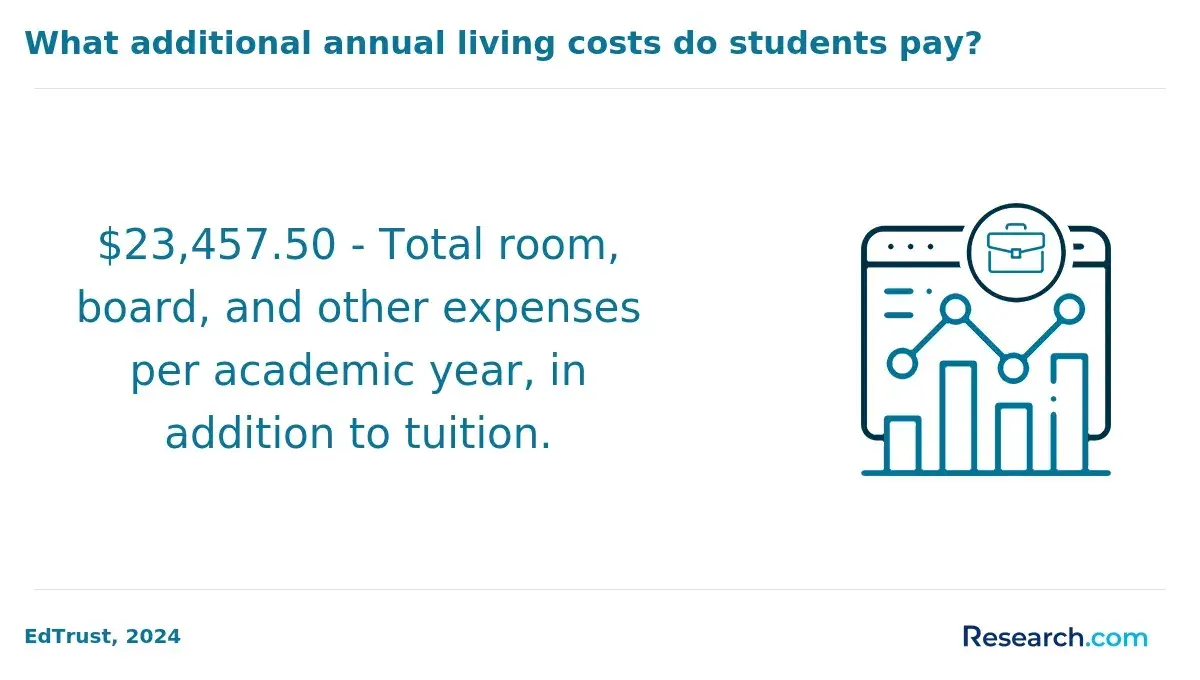
Cost considerations also differ materially, shaping persistence and debt exposure. While campus programs tend to impose hidden costs beyond tuition-such as housing and transportation-that pad total expenses by up to 40%, online students often avoid these but incur technology and software fees. Lower living costs and part-time enrollment frequently result in online learners carrying somewhat less student debt, yet the trade-off includes reduced direct access to academic advising, hands-on networking, and employer-valued internships.
Students weighing these factors must balance short-term affordability and flexibility against potential long-term employer preferences and experiential learning advantages. Those exploring online PharmD programs might draw parallels when assessing how modality impacts total cost and career outcomes.Career trajectories in public health hinge on nuanced trade-offs between access to peer and faculty networks, program rigor, and practical experience rather than delivery mode alone.
Campus programs afford more immediate engagement with support services and field placements critical to strong career signaling in an increasingly competitive job market. Conversely, online options provide broader geographic accessibility and schedule adaptability valued by working adults but may result in extended completion timelines and challenges securing in-person internships. Understanding these layered differences in online versus campus public health program graduation rates comparison and cost and career trade-offs in online and campus public health education equips prospective students to align choices with their professional ambitions and real-world constraints.
How Do Graduation Rates Compare Between Online and Campus Public Health Programs?
Graduation rates between online and campus public health programs are influenced more by student circumstances and program structure than by modality alone. Recent data from the National Center for Education Statistics indicates campus programs typically see around 65% six-year graduation rates, compared to about 55% for fully online programs. This difference often reflects factors such as part-time enrollment, work and caregiving responsibilities, and varied academic backgrounds among online learners, rather than academic quality. Programs with strong cohort models, intensive advising, and structured pacing-features more common on campus-tend to support persistence better, particularly for younger, full-time students.
Comparing raw completion rates without context can mislead prospective students, especially since many online public health enrollees balance substantial outside demands that extend time to degree or lead to stop-outs. Transfer students, who are more numerous online, may also complicate typical time-to-graduation metrics due to credit evaluation issues. Meanwhile, campus programs still benefit from in-person experiences that build community and enable timely intervention by faculty and advisors. Employers often acknowledge these differences when evaluating credentials but value demonstrated competencies and relevant experience across formats equally, particularly in public health where applied skills and internships matter.
A student weighing options recently shared how she hesitated between enrolling in a campus program with tight cohorts and scheduled courses and an online program offering flexibility for her caregiving duties. She worried the online format might lack enough real-time interaction and advising to keep her on track given her part-time status. After discussing with current students and alumni, she realized that while online graduation rates were lower overall, her ability to balance work and family without a daily commute would improve her chances of eventual completion. This nuanced insight helped her cautiously commit to an online path with a clear plan for regular advisor check-ins and cohort involvement, underscoring how understanding these complex factors aids realistic decision-making.
Why Do Online and Campus Public Health Students Have Different Completion Rates?
Graduation rate differences between online and campus public health students often highlight deeper structural and demographic dynamics rather than purely instructional quality. For instance, campus-based learners typically engage in tightly sequenced programs with cohort models and more direct access to advising and support services, which help sustain momentum through complex requirements like practicum placements.
Conversely, many online students enroll part-time while managing full-time jobs and family obligations, leading to higher stop-out risks and extended time to degree; according to the National Center for Education Statistics in 2024, six-year completion rates average 65% for campus learners but fall nearer to 45% for fully online students.
This gap also reflects different institutional designs and student needs. Campus programs often embed resources such as mental health counseling and tutoring in familiar, accessible settings, reducing barriers to retention, while online students face challenges with resource availability and asynchronous course formats that can weaken engagement.
Moreover, credit transfer policies may be less streamlined for online learners, complicating degree progress. Prospective public health students weighing these outcomes should consider their schedule stability and support requirements carefully, since success frequently depends on consistent pacing, planning for fieldwork demands, and reliable academic guidance rather than mode of delivery alone.
How Do Online and Campus Public Health Programs Compare on Total Cost?
Evaluating total expenses in deciding between online and campus public health program tuition comparison requires careful attention to more than sticker tuition. The National Center for Education Statistics reports that while online tuition may initially appear lower, technology fees and limited access to in-state tuition discounts often reduce their financial advantage.
Conversely, campus students face additional mandatory fees for facilities and activities, plus costs tied to commuting, housing, and meal plans, which can substantially increase overall expenses. In some cases, financial aid policies and employer tuition assistance make online formats more manageable for working professionals aiming to maintain employment throughout their studies.
These cost dynamics influence debt accumulation and program timelines differently by format. According to College Scorecard data, public health graduates from campus programs often emerge with higher debt loads, in part due to the cumulative effect of living and campus fees, but may benefit from enhanced internship and networking opportunities that can accelerate career entry.
Students juggling employment might find the flexibility of online programs reduces time-to-completion disruptions, though balancing hidden fees and limited residency discounts remains essential. Prospective enrollees should also consider how course materials and on-site clinical travel impact expenses, alongside potential pathways to reduce costs through bundled digital resources or employer benefits, particularly in fields closely linked to medical billing and coding jobs.
What Hidden Costs Should Students Expect in Online vs Campus Public Health Programs?
Differences in hidden costs between online and campus public health programs can significantly influence a student's net investment, often outweighing initial tuition estimates. Online learners frequently face technology fees averaging $150 to $300 per semester, according to the 2024 IPEDS data, alongside expenses for reliable hardware, specialized software, and potentially costly proctored exams. Conversely, campus students commonly encounter housing costs that have recently risen by about 7%, parking fees, meal plans, and childcare, all contributing to a higher indirect financial burden. These cost disparities also intersect with scheduling realities: rigid campus attendance hours may cause more lost work time, whereas online formats might shift expenses toward technology and occasional travel for required practicums, complicating budget projections and graduation pacing.
Financial aid models often favor full-time campus enrollees, which can exacerbate out-of-pocket costs for part-time or online students despite generally lower base tuition. Moreover, campus relocation and daily commuting add both time and monetary burdens that online students avoid, but online learners must still reconcile the demands of home infrastructure and occasional fieldwork travel. For prospective public health students balancing family, work, and study, these nuanced cost factors materially influence program selection and completion strategies, as well as long-term career trajectory planning in a field increasingly attentive to practical experience and geographic flexibility.
A graduate who weighed options between formats reflected on how hidden fees reshaped their decision. Initially attracted to an online program's lower sticker price, they later discovered added technology and exam proctoring fees that eroded anticipated savings. Meanwhile, campus options demanded a costly move and parking passes, but offered clearer access to clinical placements and peer networking. This student ultimately chose online study with caution, budgeting more conservatively and questioning if lost work hours and additional travel for on-site practicums might negate the nominally lower tuition. Their experience underscores how careful scrutiny of less visible expenses is essential to avoid unexpected financial strain and to align educational investments with career goals.
How Does Financial Aid Affect the Cost of Online and Campus Public Health Programs?
Financial aid plays a pivotal role in differentiating the net cost outcomes between online and campus public health programs, yet its impact varies significantly based on format and student circumstances. On-campus students often access institution-specific scholarships and assistantships requiring physical presence, which can substantially reduce tuition and provide stipends, effectively lowering debt burdens.
Conversely, online learners frequently rely on merit-based grants or employer tuition reimbursement programs, especially those working full-time, which help offset costs but might not match the scale of campus aid, leading to higher average debt-sometimes exceeding $9,500 more due to longer program durations and fewer grant opportunities. This dynamic demands close comparison of aid packages that factor in tuition structures, mandatory technology fees for online courses, and enrollment intensity options, as spreading costs over a longer timeline can ease immediate financial strain but increase cumulative expenses and time to degree.
Prospective students weighing how financial aid impacts the cost of online and campus public health programs should consider how eligibility for federal aid, support for part-time study, and residency requirements affect available funding. Campus-based programs often include teaching or research assistantships that not only reduce tuition but also provide valuable career-building experience, a benefit less common in online formats. Meanwhile, flexible enrollment and wider access to military or veterans' benefits for online students represent important financial trade-offs tied to lifestyle and employment status.
These nuances influence borrowing decisions and program pacing, shaping the real-world value of each format relative to career timing and budget constraints. For those exploring this balance, reviewing pathways akin to the easiest RN to BSN program online offers insight into how financial aid structures can align with work and life demands across modalities.
Do Online and Campus Public Health Graduates Have Different Career Outcomes?
Career outcomes for public health graduates are shaped less by whether a degree was earned online or on campus and more by the institutional quality, availability of hands-on experiences, and depth of professional networks. Although employment rates within six months of graduation show campus programs slightly ahead-85% compared to 80% for online-this gap often reflects differences in direct access to internships, local health departments, and face-to-face employer engagement.
Employers valuing practical experience may view programs offering robust fieldwork more favorably, which can influence initial job placement and long-term mobility, especially where transcripts do not reveal delivery format but hiring managers remain cautious of experiential rigor.
Online formats offer geographic and scheduling flexibility, which can enable graduates to pursue opportunities in diverse markets or balance work and study, yet may limit organic networking compared to traditional campus settings that host regular in-person career events and mentorship. Accessibility to alumni networks and personalized career advising tends to be stronger on campus, influencing sustained professional connections critical in public health sectors.
Ensuring net equivalence in practicum hours and accreditation is crucial for licensure readiness, as some state boards assess experiential components rigorously, underscoring the need for prospective students to confirm these criteria when evaluating programs. Ultimately, the choice between online and campus public health programs hinges on weighing these trade-offs against individual career goals and resource constraints.
How Do Employers View Online vs Campus Public Health Degrees?
Employer evaluation of online versus campus public health degrees hinges less on the delivery format and more on program accreditation, institutional reputation, and tangible applied experience. A 2024 Society for Human Resource Management survey reports that 68% of employers regard accredited online public health degrees as equivalent in quality to on-campus ones, provided the institution is regionally accredited and well-established. In hiring scenarios, candidates presenting degrees with structured internships or practicums aligned to industry standards often have an advantage, since these experiences directly demonstrate relevant competencies beyond the diploma itself.
That said, some employers retain a preference for campus-based graduates in leadership-track roles within traditional organizations, citing stronger peer collaboration and mentorship opportunities. The National Association of Colleges and Employers found that 27% of hiring managers view on-campus degrees more favorably for such positions, reflecting concerns over networking and experiential depth. For students weighing formats, this underscores the necessity of critically assessing program rigor, availability of hands-on learning, and how the credential signals academic and practical standards recognized by employers within the public health workforce.
Ultimately, online and campus credentials increasingly converge in employer perception once program quality and practical relevance are established, especially at the entry level. However, delivery mode may still influence longer-term career trajectories, particularly in settings where professional relationships and collaborative experiences drive advancement. Candidates prioritizing flexibility should seek programs with strong accreditation and integrated experiential components to mitigate potential limitations linked to online delivery.
Which Public Health Degree Format Offers Better Flexibility for Working Adults?
Flexibility in public health degree formats for working adults involves nuanced trade-offs beyond the simple online-versus-campus dichotomy. Online programs often offer asynchronous coursework, allowing learners with irregular schedules-such as shift workers or caregivers-to engage on their own time. However, this flexibility requires strong self-discipline for coordinating required field placements independently, which can pose barriers without institutional assistance. Campus-based formats, including hybrid and evening classes, provide more structured cohort experiences and direct faculty interaction but impose commute times, fixed schedules, and synchronous attendance that can challenge work-life balance.
These differences have tangible impacts on graduation outcomes and career progression. Online public health degree flexibility for working adults supports part-time enrollment and pacing tailored to professional demands, but national data show lower completion rates compared to campus students, reflecting engagement and persistence hurdles.
Meanwhile, campus versus online public health programs work-life balance considerations highlight that campus learners benefit from on-site resources that can accelerate time-to-degree despite reduced schedule control. Employer tuition support increasingly favors online degrees given minimal disruptions, yet some roles still prize campus network-building. Prospective students must weigh these factors while also evaluating practical aspects like commute fatigue, synchronous versus asynchronous demands, and how program format influences costs and job continuity.
For those exploring public health as a viable career path, understanding these complexities is critical. Working adults comparing program formats should consider how scheduling constraints intersect with experiential learning needs and workforce expectations. Real-world decisions often hinge on balancing program flexibility against the practical realities of fieldwork, academic support, and long-term employability. Exploring resources such as how to become a pharmacist salary studies can offer analogous insights into health sector career trajectories and compensation outcomes relevant to public health professionals.
How Should Students Choose Between an Online and Campus Public Health Program?
Deciding between an online and campus public health program hinges on balancing graduation rates, costs, and employer expectations within your personal and professional context. Campus-based programs show higher completion rates-about 62% within six years versus roughly 48% for fully online ones according to the National Center for Education Statistics-which reflects differences in academic engagement and support structures. For students managing work or caregiving responsibilities, the flexibility of online formats may mitigate some persistence risks, but they must be prepared for self-directed learning demands and varying tuition models that can affect total cost and enrollment stability.
Cost comparisons go beyond sticker price: campus programs often add commuting, housing, and campus fees, pushing annual expenses above $30,000. Online learners may avoid those but face tech costs and sometimes limited financial aid options restricted to on-campus attendance. Career readiness also diverges, as employers often perceive campus graduates as better prepared for collaborative, experiential roles, partly due to direct faculty access and in-person fieldwork. However, many online programs now incorporate virtual internships and networking platforms, balancing accessibility with the need for hands-on experience in a competitive job market.
Prospective students exploring how to choose between an online and campus public health program should weigh these trade-offs in light of their learning style, financial situation, and career goals. Factors like licensure prerequisites, which may require in-person practicum, influence format suitability as do the risks related to course sequencing and opportunity costs. For those interested in programs that are more accessible, it is worth reviewing options such as which online MPH programs are easiest to get into, ensuring choices align with realistic expectations about graduation potential and professional pathways.
References
- Online vs in-person study: which one is right for you? https://www.ube.ac.uk/whats-happening/articles/online-vs-in-person-learning/
- What to Expect from an MPH Program | University of Bridgeport https://www.bridgeport.edu/news/mph-program-expectations/
- In-Person Learning vs. Online Learning: Which Is Right for You? | ACE Blog https://ace.edu/blog/examining-in-person-instruction-from-a-virtual-mindset-what-can-we-improve/
- The Hidden Costs of College: What Students Don’t Plan For – The Coach Space https://thecoachspace.com/blog/hidden-costs-of-college/
- How to Choose a Program https://www.publichealth.org/resources/choosing-a-program/
- What Can I Do With an Online Bachelor’s in Public Health? - MPH Online https://www.mphonline.org/jobs-online-bachelors-public-health/
- What to Do With a Master's in Public Health Degree | University of Phoenix https://www.phoenix.edu/articles/healthcare/what-can-you-do-with-a-masters-in-public-health-degree.html
- Studying Online vs On-Campus: Which Is Better for You? | UNF https://www.unfc.ca/blog/studying-online-vs-on-campus-which-is-better-for-you
- Online Health Science Degrees with Financial Aid https://www.edumed.org/online-schools/health-science-degrees/financial-aid/
- Online college courses are popular, why do they still cost so much? https://hechingerreport.org/as-online-higher-education-hits-a-milestone-why-does-it-still-cost-so-much/
Other Things You Should Know About Public Health
Online public health programs often emphasize asynchronous learning, which can limit hands-on experiences like group projects, community outreach, or lab work typically embedded in campus settings. This may affect skill development in areas requiring interpersonal communication or fieldwork, crucial for many public health roles. Prospective students should assess whether their chosen online program includes facilitated internships or live sessions to mitigate these gaps, especially if they aim for jobs prioritizing practical community engagement.
Campus programs provide direct access to professors, peers, and local public health organizations, fostering face-to-face networking that often leads to job referrals and mentorship. Online students can miss this dynamic but might gain broader geographic connections if the program supports interaction through virtual events or alumni networks. For careers dependent on local public health systems, campus learning offers an edge, while online learning may require proactive efforts to build relevant professional ties.
Online public health students generally juggle coursework alongside work or family obligations, making self-discipline and time management critical. The flexibility of online programs can reduce scheduling conflicts but may increase stress from a lack of structured deadlines and immediate instructor feedback. Campus students benefit from predictable schedules and in-person support but face less flexibility. Choosing a format should consider personal time management skills and the ability to seek support independently or in person.
Program reputation often trumps format in influencing employer perceptions; well-established schools have recognized curricula, whether online or campus-based. However, newer or less known online programs may struggle to demonstrate rigor, potentially limiting job opportunities in competitive markets. Students aiming at leadership or research-intensive public health roles should prioritize programs with strong reputations and proven outcomes, even if it requires attending campus, while those focusing on immediate workforce entry might accept reputable online options balancing flexibility and credibility.