2027 How to Choose an Online Electrical Engineering Degree for Electrical Engineer Careers

Co-Founder and Chief Data Scientist
Choosing an online electrical engineering degree is a high-stakes decision because the wrong program can limit licensure options, job eligibility, or return on investment. The field remains strong: the U.S. Bureau of Labor Statistics reports a May 2024 median annual wage of $111,910 for electrical engineers.
This guide is for prospective bachelor's and master's students comparing online programs, career outcomes, accreditation, costs, and admissions requirements. You will learn how to judge program quality, avoid common mistakes, and choose a path that fits your engineering goals.
Key Things You Should Know
- For engineering careers, institutional accreditation is not enough by itself; bachelor's programs intended for traditional engineering roles should be checked for ABET Engineering Accreditation Commission accreditation when licensure, defense, utilities, or regulated engineering work may matter.
- The U.S. Bureau of Labor Statistics lists a May 2024 median annual wage of $111,910 for electrical engineers, but pay varies by industry, location, experience, security clearance, graduate study, and specialization.
- Online electrical engineering degrees are best for disciplined students who can handle calculus, physics, circuit labs, simulations, and team design projects; they are a poor fit if the program lacks lab access, qualified faculty, transparent outcomes, or clear transfer and accreditation policies.
What is an online electrical engineering degree and how does it prepare electrical engineers?
An online electrical engineering degree is a college program that teaches students how to design, analyze, test, and improve electrical and electronic systems through distance-based coursework, virtual labs, simulation software, and sometimes short campus residencies or local lab arrangements. At the bachelor's level, it prepares students for entry-level engineering or engineering-adjacent roles. At the master's level, it helps working engineers specialize in areas such as power systems, signal processing, controls, embedded systems, communications, microelectronics, or machine learning applications in hardware systems.
Electrical engineering is different from electrical technology or electrician training. Electricians usually focus on installation, wiring, codes, and field service. Electrical engineers focus on design, modeling, testing, systems integration, and problem solving across products, infrastructure, energy, defense, aerospace, telecommunications, medical devices, transportation, and semiconductor systems.
A strong online electrical engineering program should prepare students for both theory and practice. That means it should not only teach formulas and software; it should require students to build, simulate, troubleshoot, document, and communicate engineering decisions. The best fit depends on where you are starting and what role you want after graduation.
The table below summarizes how common online electrical engineering paths differ. Use it to match the degree level to your current education and target career outcome.
| Program type | Best fit | Typical career purpose | Main caution |
| Bachelor's in electrical engineering | Students seeking entry-level engineering roles. | Builds the core engineering foundation employers expect for design, test, systems, power, electronics, or controls roles. | ABET accreditation may be important for licensure-oriented paths. |
| Bachelor's completion program | Students with transfer credits or an associate degree. | Shortens time to degree by applying prior math, science, and general education credits. | Not all technical credits transfer into engineering requirements. |
| Master's in electrical engineering | Engineers or STEM graduates seeking specialization. | Supports advancement into senior, specialized, or research-heavy roles. | May require prerequisites if the bachelor's degree was not in electrical engineering. |
| Graduate certificate | Working professionals needing focused skill development. | Targets a narrow area such as power systems, RF, embedded systems, or controls. | Usually not a substitute for a full engineering degree. |
An online format can be especially valuable for working adults, military-affiliated students, parents, and students who do not live near an engineering school. However, electrical engineering is mathematically demanding and lab-intensive, so convenience should not be the only deciding factor.
How do online electrical engineering programs compare to campus-based programs in quality and outcomes?
Online electrical engineering programs can be comparable to campus-based programs when they share the same faculty standards, curriculum requirements, assessment methods, accreditation, and student support. Quality depends less on delivery format and more on whether students complete rigorous labs, design projects, exams, teamwork, and technical communication assignments.
The main difference is how learning happens. Campus students often use physical labs on a fixed schedule. Online students may use mailed lab kits, remote-access instruments, simulation platforms, recorded lectures, live sessions, and project-based assignments. For some students, that flexibility is a major advantage. For others, the lack of in-person structure can make difficult courses harder to manage.
The comparison below shows where online and campus-based electrical engineering programs usually differ. It can help you decide whether the online format matches your learning style and career goals.
| Factor | Online electrical engineering degree | Campus-based electrical engineering degree | Decision point |
| Course delivery | Mostly asynchronous or hybrid, often with recorded lectures and scheduled exams. | Face-to-face lectures, labs, and office hours. | Choose online if you can manage independent study and deadlines. |
| Labs | May use simulation, remote labs, home kits, or short residencies. | Usually uses on-campus lab equipment. | Ask exactly how circuits, electronics, and design labs are completed. |
| Networking | Depends on virtual teams, faculty access, online career events, and local internships. | Often easier through campus clubs, labs, and recruiting events. | Online students should actively seek internships and professional societies. |
| Employer perception | Strongest when the school is reputable and the transcript does not suggest a weaker curriculum. | Familiar path for many engineering employers. | Accreditation and demonstrated projects matter more than format alone. |
| Flexibility | Higher for working adults and geographically limited students. | Lower because attendance and lab access are scheduled. | Online can reduce opportunity cost if it lets you keep working. |
A useful way to think about online engineering is that it is not automatically easier or less rigorous. In many cases, it is harder because students must be self-directed while completing demanding technical work. If you are also comparing other online fields, remember that engineering has heavier math and lab expectations than many career-oriented degrees; for example, a best online nutrition degree may involve different science prerequisites, supervised practice considerations, and career regulations.
Online quality is improving because engineering education increasingly uses professional tools that are already digital: MATLAB, SPICE, Python, CAD tools, FPGA environments, cloud collaboration platforms, and remote instrumentation. Still, hands-on design matters. A program that relies only on video lectures and multiple-choice tests is not enough preparation for engineering work.
What accreditation should an online electrical engineering degree have for engineering careers?
Accreditation is one of the most important filters when choosing an online electrical engineering degree. It tells you whether an outside body has reviewed the institution or program against defined academic standards. For engineering students, the key distinction is between institutional accreditation and programmatic engineering accreditation.
Institutional accreditation applies to the college or university as a whole. It matters for federal financial aid eligibility, credit transfer, graduate school admissions, and general legitimacy. Programmatic accreditation evaluates a specific engineering program. In electrical engineering, the most widely recognized programmatic accreditor is the ABET Engineering Accreditation Commission.
Use the categories below to understand what each type of accreditation means and why it matters for engineering career planning.
| Accreditation or approval | What it applies to | Why it matters | What to verify |
| Institutional accreditation | The college or university | Supports financial aid access, credit transfer, and general academic recognition. | The institution is accredited by a recognized accrediting agency. |
| ABET Engineering Accreditation Commission | Specific engineering programs, often bachelor's programs | Important for many traditional engineering roles, graduate admissions, and Professional Engineer licensure pathways. | The exact online program name and degree level appear in the accreditor's listing. |
| State authorization | Online enrollment across state lines | Allows a school to enroll students living in certain states. | Your state is approved for enrollment and any required field activities. |
| Licensure board recognition | State-specific engineering licensure requirements | May affect eligibility for the FE exam, PE exam, and experience requirements. | Your state licensing board accepts the degree path you plan to follow. |
Students who want to become licensed Professional Engineers should be especially careful. Licensure requirements vary by state, but many licensing boards look closely at ABET-accredited engineering education, passing the Fundamentals of Engineering exam, supervised engineering experience, and passing the Principles and Practice of Engineering exam. Not every electrical engineer needs a PE license, but it can be important in power, utilities, public infrastructure, consulting, and work that affects public safety.
Common accreditation mistakes are avoidable if you verify details before applying. The program name, degree level, delivery format, campus designation, and accreditation status should all match your intended enrollment option.
- Do not assume a university's campus program accreditation automatically applies to the online version.
- Do not confuse engineering technology accreditation with engineering accreditation if your goal is a traditional electrical engineer role.
- Do not rely only on admissions representatives; check the accreditor's official program listing and your state licensure board if licensure may matter.
- Do not enroll in an unaccredited institution because credits may not transfer and employers or graduate schools may not recognize the degree.
What types of electrical engineering degrees and specializations are available online?
Online electrical engineering options range from full bachelor's degrees to specialized master's programs and certificates. The right choice depends on your prior education, technical readiness, career target, and whether you need a licensure-oriented engineering credential or a focused skills upgrade.
A bachelor's degree is the standard entry point for most electrical engineer roles. A master's degree is usually for students who already have a STEM foundation and want advanced specialization. Certificates can be useful for targeted upskilling, but they usually do not replace a full engineering degree for jobs that require an engineering bachelor's or graduate degree.
The table below compares common degree and specialization options available online. Use it to narrow your search before looking at individual schools.
| Option | Typical focus | Who should consider it | Career alignment |
| Bachelor of Science in Electrical Engineering | Circuits, electronics, electromagnetics, signals, systems, design, and engineering math. | First-time engineering students or transfer students seeking engineer roles. | Entry-level electrical engineering, test engineering, systems engineering, power, electronics, controls. |
| Electrical engineering technology degree | Applied electronics, troubleshooting, instrumentation, and implementation. | Students who prefer applied technical work over advanced theory. | Engineering technologist, field applications, manufacturing support, test technician or technologist roles. |
| Master's in Electrical Engineering | Advanced technical depth in a chosen area. | Engineers seeking promotion, specialization, or technical leadership. | Senior engineer, systems lead, design specialist, R&D support, technical project roles. |
| Power systems specialization | Power generation, grid systems, protection, renewable integration, and energy conversion. | Students interested in utilities, energy, infrastructure, or electrification. | Power engineer, protection engineer, energy systems engineer. |
| Embedded systems specialization | Microcontrollers, digital systems, firmware, real-time systems, and hardware-software integration. | Students interested in devices, robotics, vehicles, aerospace, or IoT systems. | Embedded systems engineer, firmware engineer, hardware integration engineer. |
| Communications and signal processing specialization | Wireless systems, digital signals, data transmission, filtering, and estimation. | Students interested in telecom, defense, radar, audio, imaging, or sensing. | Signal processing engineer, RF systems engineer, communications engineer. |
| Microelectronics or semiconductor specialization | Devices, integrated circuits, VLSI, materials, and fabrication concepts. | Students interested in chips, hardware design, or semiconductor manufacturing. | IC design support, semiconductor process, validation, or test engineering. |
Military-affiliated students should also compare credit transfer, tuition assistance, GI Bill policies, and deployment flexibility. A program designed around an online electrical engineering bachelor degree for veterans may offer stronger advising for service members, prior technical training review, and scheduling interruptions.
Students should avoid choosing a specialization only because it sounds advanced. A better approach is to connect the specialization to industries that hire in your region or support remote-friendly engineering work. For example, power systems can be strong for utilities and infrastructure, while embedded systems may fit defense, automotive, robotics, medical devices, and consumer electronics.
What courses and technical skills are typically taught in online electrical engineering programs?
Online electrical engineering programs usually combine math, science, core engineering theory, software tools, lab work, and a capstone design project. The strongest programs make students apply concepts repeatedly through problem sets, simulations, lab reports, and team-based design decisions.
The exact curriculum varies by school and degree level, but most bachelor's programs include a sequence like the one below. These subjects matter because electrical engineers need to translate physical principles into reliable systems.
- Mathematics: calculus, differential equations, linear algebra, probability, and numerical methods.
- Science foundation: calculus-based physics, chemistry in some programs, and engineering science fundamentals.
- Core electrical engineering: circuit analysis, electronics, digital logic, electromagnetics, signals and systems, controls, power, communications, and microprocessors.
- Laboratory and design: measurements, instrumentation, prototyping, simulation, troubleshooting, technical documentation, and senior capstone design.
- Computing and tools: MATLAB, Python, SPICE-based circuit simulation, HDL or FPGA tools, CAD environments, and data analysis workflows.
Technical skills are only part of the equation. Employers also look for engineers who can explain trade-offs, document test results, work across teams, manage uncertainty, and learn new tools quickly. This is especially important as AI-assisted design, automation, digital twins, and model-based systems engineering become more common in electrical engineering environments.
Master's programs go deeper into specialized subjects. A student in power systems may study grid stability and protection, while a student in signal processing may focus on statistical estimation and digital filtering. Students interested in advanced analytics, machine learning, or research-heavy technical leadership may eventually compare an electrical engineering master's with a doctorate in data analytics online, especially if their work centers on sensor data, intelligent systems, or large-scale engineering datasets.
When comparing curricula, look for evidence that students complete realistic engineering work rather than only reading and watching lectures. Useful signs include required labs, proctored technical exams, faculty-supervised projects, industry-standard tools, and a capstone that produces a portfolio-worthy design artifact.
What are the typical admission requirements for online electrical engineering bachelor's and master's programs?
Admission requirements differ significantly between online bachelor's and master's programs. Bachelor's programs focus on college readiness and math preparation, while master's programs focus on prior technical coursework, engineering background, and readiness for graduate-level analysis.
At the bachelor's level, schools commonly review high school or transfer transcripts, GPA, math placement, prior science coursework, and sometimes standardized test scores if required by the institution. Students who are not calculus-ready may need precalculus or college algebra before starting the engineering sequence, which can add time and cost.
At the master's level, programs often expect a bachelor's degree in electrical engineering, computer engineering, or a closely related STEM field. Applicants from physics, mathematics, mechanical engineering, or computer science may be admitted with prerequisite requirements. Some programs require GRE scores, while others have moved to optional or waived testing policies.
The table below outlines typical requirements. Always confirm requirements with the specific program because online engineering admissions can vary by school, state authorization, and degree level.
| Requirement | Bachelor's program | Master's program | Why it matters |
| Prior education | High school diploma, GED, or transfer credits. | Bachelor's degree from an accredited institution. | Determines whether you enter as a first-year, transfer, or graduate student. |
| Math readiness | Placement into calculus is often important. | Advanced math and engineering analysis are expected. | Weak math preparation is one of the biggest barriers to progress. |
| Science background | Physics preparation may be required or strongly recommended. | Engineering physics and systems background may be expected. | Electrical engineering relies heavily on physical modeling. |
| Prerequisites | May include college algebra, trigonometry, precalculus, or calculus. | May include circuits, signals, electronics, programming, or electromagnetics. | Missing prerequisites can extend the timeline. |
| Application materials | Transcripts, application form, possible test scores, and placement records. | Transcripts, resume, statement of purpose, recommendations, and sometimes GRE scores. | Graduate admissions often evaluates career goals and technical fit. |
Before applying, students should complete a readiness check. This is especially important for online learners because gaps in math or physics can be harder to fix without regular in-person support.
- Review the first two years of the degree plan and identify the first calculus, physics, and programming courses.
- Ask whether the school offers online tutoring, supplemental instruction, faculty office hours, and engineering-specific advising.
- Request a preliminary transfer credit evaluation if you have prior college, military, or technical coursework.
- Ask how prerequisite courses affect financial aid eligibility, full-time status, and time to graduation.
- Confirm whether labs require special equipment, software licenses, campus visits, or fixed meeting times.
How long do online electrical engineering degrees usually take, and what do they cost?
Online electrical engineering bachelor's degrees commonly take about four years of full-time study for first-time students, while transfer students may finish sooner depending on accepted credits. Part-time students often need longer because engineering courses are sequential; delaying calculus, physics, or circuits can delay later courses. Master's programs often take one to three years depending on course load, thesis or non-thesis format, and prerequisite requirements.
Cost is harder to compare than the advertised tuition rate suggests. Engineering students may pay for lab kits, software, proctoring, textbooks, equipment, residency travel, graduation fees, and prerequisite courses. Public universities may charge different rates for in-state and out-of-state online students, while some online programs use a flat distance-learning rate.
A useful national benchmark comes from the College Board's 2024 Trends in College Pricing and Student Aid, which reported average published tuition and fees of $11,610 for in-state students at public four-year institutions. This figure is not specific to online electrical engineering, but it helps students understand why public options can be cost-effective when the program's accreditation, transfer policy, and engineering support are strong.
The table below summarizes cost and timeline factors that can change the true price of an online electrical engineering degree. Use it to compare total cost rather than tuition alone.
| Cost or time factor | How it affects students | What to ask before enrolling |
| Transfer credits | Accepted credits can shorten the degree, but rejected technical credits can force course repetition. | Will the school evaluate engineering, math, physics, military, and community college credits before admission? |
| Prerequisite courses | Missing calculus, physics, or programming can add terms. | Which prerequisites are required before major courses begin? |
| Lab requirements | Home kits, software, equipment, or residencies may add costs. | Are lab materials included in tuition or billed separately? |
| Course sequencing | Some courses are offered only once per year, delaying graduation if missed. | How often are required engineering courses offered online? |
| Part-time enrollment | Can reduce short-term workload but extend total time and fees. | Is there a recommended part-time course map for working students? |
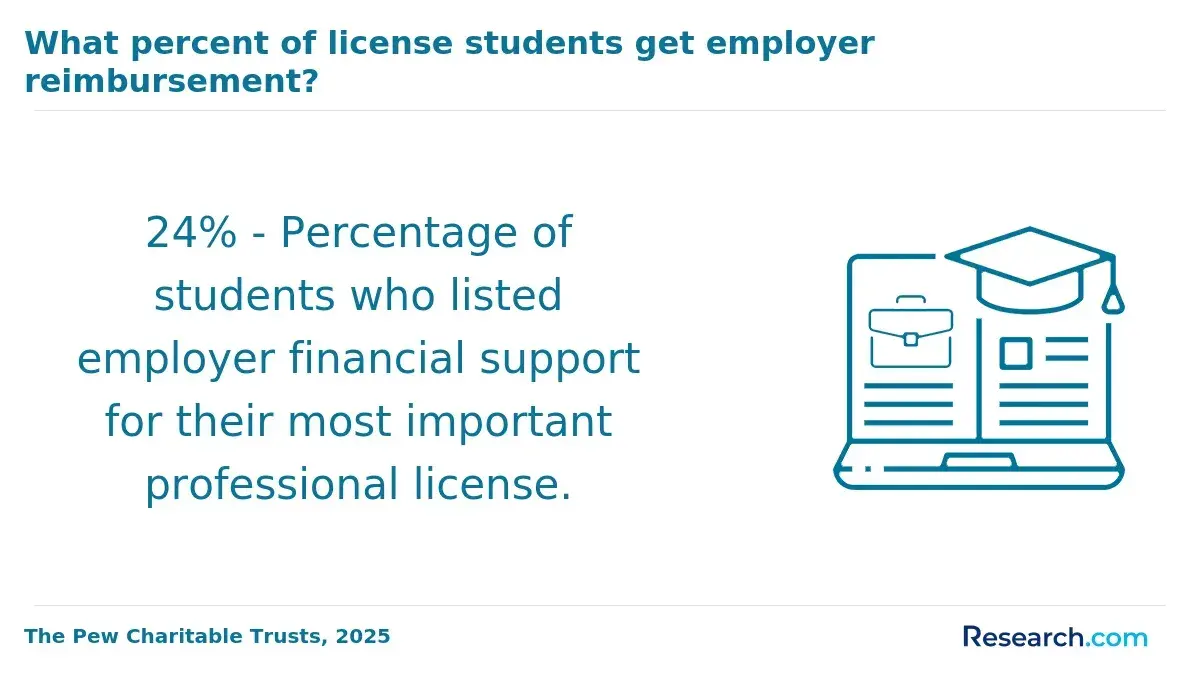
| Employer or military benefits | Tuition assistance can reduce out-of-pocket cost. | Does the school coordinate employer reimbursement, GI Bill benefits, or tuition assistance? |
To estimate return on investment, compare your expected total cost with the roles the degree realistically supports. A low-cost program may not be a good value if it lacks accreditation or career support. A higher-cost program may be reasonable if it has strong engineering labs, employer connections, flexible scheduling, and a proven record of helping students complete demanding technical courses.
What electrical engineer jobs can you get with an online electrical engineering degree?
An online electrical engineering degree can lead to several engineering and engineering-adjacent roles, depending on the degree level, accreditation, projects, internships, and technical focus. A bachelor's degree is typically the baseline for electrical engineer positions, while a master's degree may help with specialized design, research, systems, or leadership roles.
Electrical engineers work across industries that depend on power, electronics, automation, communication, sensing, controls, and embedded computing. Common employers include utilities, aerospace and defense contractors, semiconductor firms, manufacturing companies, automotive and electric vehicle companies, telecommunications providers, medical device firms, robotics companies, and engineering consulting firms.
The table below connects common job titles with typical responsibilities and useful preparation. Job titles vary by employer, so read postings carefully rather than relying only on the title.
| Job title | Typical responsibilities | Helpful preparation |
| Electrical engineer | Designs, analyzes, tests, and improves electrical systems, components, or products. | ABET-aligned bachelor's curriculum, circuits, electronics, labs, capstone, internships. |
| Power systems engineer | Works on generation, transmission, distribution, protection, renewable integration, or grid reliability. | Power systems coursework, controls, protection, utilities exposure, possible PE pathway. |
| Controls engineer | Develops automation and control systems for manufacturing, robotics, vehicles, or industrial processes. | Control systems, programming, sensors, PLC exposure, modeling, and troubleshooting. |
| Embedded systems engineer | Integrates hardware and software in devices, vehicles, industrial systems, or connected products. | Microcontrollers, digital logic, C or C++, firmware, real-time systems, lab projects. |
| Test engineer | Plans tests, collects measurements, validates designs, and documents product performance. | Instrumentation, statistics, lab reports, scripting, troubleshooting, quality systems. |
| RF or communications engineer | Works on wireless systems, antennas, signal transmission, radar, or communications hardware. | Electromagnetics, signals, probability, RF labs, simulation tools. |
| Hardware design engineer | Designs circuit boards, electronic modules, or product hardware. | Electronics, PCB concepts, SPICE simulation, prototyping, design reviews. |
| Systems engineer | Coordinates requirements, interfaces, testing, and performance across complex technical systems. | Broad engineering foundation, communication, modeling, documentation, project experience. |
Students should build career evidence while studying. Online learners can be competitive, but they may need to be more intentional about internships, co-ops, project portfolios, professional networking, and faculty relationships because they are not physically present for campus recruiting every week.
If you are unsure whether engineering is the right professional identity, compare it with adjacent degree paths before committing. For example, students who like information organization, research systems, and digital access services more than circuit design may be better suited to a degree in library science than an electrical engineering curriculum.
What is the salary potential and job outlook for electrical engineers in the United States?
Electrical engineering salary potential is strong, but it should be interpreted carefully. The U.S. Bureau of Labor Statistics reported a May 2024 median annual wage of $111,910 for electrical engineers. A median is not a starting salary and not a guarantee; it represents the midpoint across workers in the occupation, including experienced engineers in higher-paying industries and regions.
The job outlook is also favorable. The BLS projects employment of electrical and electronics engineers to grow 9% from 2023 to 2033, which is faster than the average for all occupations. For students, that suggests continuing demand, but hiring conditions will still vary by specialization, local industry mix, security clearance requirements, internship experience, and economic cycles.
Several trends are shaping electrical engineering careers. Electrification, grid modernization, renewable energy integration, electric vehicles, semiconductor investment, automation, defense systems, robotics, and connected devices all rely on electrical engineering talent. AI is also changing the work, but not simply by replacing engineers. It is increasingly used for simulation, design exploration, predictive maintenance, signal analysis, test automation, and documentation support.
The salary and outlook table below gives a practical way to think about earning potential. It separates occupation-level data from the factors that influence individual outcomes.
| Factor | Current U.S. context | How students should use it |
| Median wage | BLS May 2024 median annual wage for electrical engineers: $111,910. | Use as a broad benchmark, not as an expected first job salary. |
| Employment growth | BLS projected growth for electrical and electronics engineers: 9% from 2023 to 2033. | Look for programs aligned with growing areas such as power, semiconductors, embedded systems, and automation. |
| Education level | Bachelor's degrees support many entry-level roles; master's degrees may support specialization. | Choose graduate study when it clearly improves access to your target technical area. |
| Experience | Internships, co-ops, labs, and portfolios can strongly affect competitiveness. | Do not wait until graduation to build project evidence. |
| Licensure and clearance | PE licensure, security clearance, or industry certifications may matter in certain sectors. | Research requirements for utilities, public infrastructure, defense, and consulting roles early. |
The strongest salary strategy is not simply choosing the highest-ranked or most expensive school. It is choosing a reputable program that helps you finish, build technical evidence, access internships or employer projects, and specialize in areas with durable demand.
How can you evaluate and choose a reputable online electrical engineering program?
Choosing a reputable online electrical engineering program requires more than comparing tuition and rankings. The best program for you should match your career goal, schedule, academic preparation, state, budget, and need for accreditation or licensure eligibility.
Use the following steps to evaluate programs in a practical order. This sequence helps you eliminate poor fits before spending time on applications.
- Define your target role first, such as power engineer, embedded systems engineer, test engineer, controls engineer, or graduate-school-bound engineering student.
- Verify institutional accreditation and, for bachelor's engineering pathways, check whether the specific electrical engineering program has ABET Engineering Accreditation Commission accreditation.
- Ask how online labs work, including equipment, software, remote access, lab reports, group work, and any required campus visits.
- Review the full degree map to identify calculus, physics, programming, circuits, electronics, signals, and capstone sequencing.
- Request written transfer credit information before enrolling, especially for math, science, engineering, military, or community college coursework.
- Compare total cost, including tuition, fees, lab kits, software, travel, textbooks, proctoring, and prerequisite courses.
- Evaluate student support, including engineering advising, tutoring, faculty office hours, career services, internship help, and disability accommodations.
- Ask for career outcome context, such as common employers, internship participation, graduate school placement, licensure exam preparation, and alumni job titles.
- Confirm state authorization and any licensure implications if you live outside the school's home state.
- Speak with current students or alumni when possible to understand workload, faculty responsiveness, lab quality, and scheduling reality.
Red flags should be taken seriously. Electrical engineering is too technical and too career-dependent to gamble on a vague or weak program.
- The school cannot clearly explain whether the online program is ABET-accredited.
- Labs are described only in general terms, with no details about equipment, simulations, reports, or assessment.
- Admissions promises fast completion without reviewing your math, physics, and transfer credit background.
- The program has limited access to engineering faculty, tutoring, or technical advising.
- Tuition looks low, but required fees, software, lab kits, or repeated prerequisites are unclear.
- The curriculum lacks a meaningful capstone, design sequence, or project portfolio opportunity.
- The school implies that salary or employment outcomes are guaranteed.
Finally, compare fit honestly. An online electrical engineering degree makes sense if you want technical design or systems work and are ready for rigorous math-based study. It may not be the best investment if you primarily want a faster credential, dislike physics and problem solving, or prefer people-centered, information-centered, or health-centered career paths. The right decision is not just whether the degree sounds valuable; it is whether the program can realistically move you from where you are now to the role you want.
Other Things You Should Know About Electrical Engineering
Yes, many electrical engineers work in industries where the Fundamentals of Engineering exam is not required. However, the FE exam is usually an important early step if you plan to pursue Professional Engineer licensure, especially in utilities, consulting, infrastructure, or public-safety-related work.
It can be harder for students who need frequent in-person structure. The material is the same type of rigorous math, physics, circuits, and systems content, but online students must manage deadlines, labs, troubleshooting, and collaboration with more independence.
Most accredited online electrical engineering bachelor’s degrees require about 120 to 128 credit hours. The curriculum usually includes calculus, differential equations, circuits, electronics, signals, and a senior design project, plus general education courses required by the accreditor and the university.
References
- 6 Best Online Electrical Engineering Degree Programs for Future Engineers https://www.myprivatetutor.com/blog/best-online-electrical-engineering-degree-programs
- Inside the Best Online Bachelor's in Electrical Engineering Degrees https://www.onlinecolleges.me/engineering-degrees/bachelors/electrical-engineering/
- What can you do with an electrical engineering degree? - People of Pacific https://www.pacific.edu/blog/2025/01/24/what-can-you-do-with-an-electrical-engineering-degree/
- Electrical Engineer Salary in the United States 2026 | Cake https://www.cake.me/resources/industry-job-overview/electrical-engineer-salary
- Online Electrical Engineering Degrees - BSEE, MSEE https://www.onlineengineeringprograms.com/electrical
- Explore Electrical Engineering https://www.learnelectricalengineering.com/explore.php
- Job Outlook: Electrical Engineering | Progressive https://www.progressiverecruitment.com/en-us/knowledge-hub/industry-insights/job-outlook-electrical-engineering/