2027 How to Compare Online Electrical Engineering Degrees by Career Alignment

Co-Founder and Chief Data Scientist
Choosing an online electrical engineering degree is really a career decision. The wrong program can limit licensure, lab experience, internships, or specialization options. The field is also expanding as employers invest in power systems, semiconductors, automation, AI-enabled hardware, and grid modernization.
The U.S. Bureau of Labor Statistics projects electrical and electronics engineer employment to grow 9% from 2023 to 2033, faster than average. This guide helps prospective students, career changers, military learners, and working technicians compare programs by outcomes, not just convenience or tuition.
Key Things You Should Know
- For most engineering careers, the safest baseline is an online bachelor's degree in electrical engineering from an institutionally accredited school with programmatic ABET accreditation, especially if you may pursue Professional Engineer licensure later.
- Power systems, electronics, embedded systems, communications, controls, and semiconductor-focused curricula lead to different roles, employers, labs, and software skill expectations.
- BLS data shows strong demand: electrical and electronics engineer employment is projected to grow 9% from 2023 to 2033, while the median annual wage for the broader occupation was $118,780 in May 2024.
How can you compare online electrical engineering degrees to find the best career fit?
The best online electrical engineering degree is not simply the cheapest, fastest, or highest-ranked option. It is the program whose accreditation, labs, electives, faculty expertise, career support, and pacing match the type of engineering work you want to do.
Start by translating your target career into program requirements. A student aiming for electric power utilities needs different courses and labs than someone targeting robotics, chip design, wireless systems, or hardware test engineering.
Use the following comparison process before requesting information or applying:
- Define your target role first, such as power engineer, controls engineer, electronics design engineer, embedded systems engineer, field applications engineer, or systems engineer.
- Check whether the curriculum includes the technical foundation for that role, including circuit analysis, signals and systems, electromagnetics, digital logic, electronics, control systems, and a senior design project.
- Verify ABET accreditation if you want maximum flexibility for licensure, government engineering roles, defense contractors, graduate school, or employers that screen for accredited engineering degrees.
- Ask how labs work online, including whether students use mailed lab kits, simulation software, remote instrumentation, short campus residencies, or local proctoring.
- Compare career services by engineering-specific outcomes, not generic job placement language. Look for internship support, employer partnerships, resume reviews for technical roles, and access to engineering career fairs.
- Review pacing and transfer policies carefully, especially if you already have calculus, physics, programming, military training, or community college credits.
The table below summarizes how different comparison factors affect career alignment. Use it to separate "nice to have" features from requirements that can change your employment options.
| Comparison factor | Why it matters | Best fit | Red flag |
| ABET accreditation | Supports licensure eligibility and employer recognition | Students pursuing engineering titles, PE licensure, or technical design roles | The school is accredited, but the specific electrical engineering program is not |
| Lab delivery model | Electrical engineering requires measurement, troubleshooting, and design validation | Students who need hands-on experience for hardware, power, controls, or electronics jobs | Labs are described only as "virtual" with no detail about equipment or assessment |
| Specialization options | Electives shape the first engineering job and graduate study pathway | Students with a clear target industry such as utilities, aerospace, telecom, semiconductors, or robotics | Few upper-division electives are available online |
| Transfer credit policy | Prior coursework can shorten the degree and reduce cost | Community college transfers, working technicians, and military learners | Core engineering courses must be repeated without a clear reason |
| Career support | Online students may need extra help accessing internships and employer networks | Students changing careers or studying outside a major engineering hub | No engineering-specific advising, capstone showcase, or internship guidance |
A common mistake is comparing programs as if all online engineering degrees lead to the same outcome. A more useful question is: "Does this program build the portfolio, labs, math depth, and accreditation profile expected for the engineering job I want?"
What accreditation should an online electrical engineering program have for engineering careers?
Accreditation is one of the highest-stakes checks in an online electrical engineering search. At minimum, the college or university should hold institutional accreditation from an agency recognized by the U.S. Department of Education. For engineering-specific career flexibility, the electrical engineering program itself should ideally be accredited by ABET's Engineering Accreditation Commission.
ABET accreditation matters because it signals that the program has been reviewed against engineering education standards covering curriculum, faculty, facilities, student outcomes, and continuous improvement. Many employers recognize ABET as a quality marker, and many state licensing boards use ABET-accredited education as the most direct pathway toward Professional Engineer eligibility.
Before enrolling, verify accreditation directly rather than relying only on marketing language. Take these steps:
- Confirm the institution's accreditation status through an official accreditor or federal database.
- Search the ABET program database for the exact degree name, campus or online designation, and accreditation commission.
- Check whether the program is "electrical engineering" rather than a related technology, electronics, or engineering management degree.
- Ask admissions whether the online version is covered by the same ABET accreditation as the campus version.
- If licensure matters to you, contact your state engineering board and ask how it evaluates online, transfer-heavy, or non-ABET engineering degrees.
The distinction between engineering and engineering technology is especially important. Both can be valuable, but they are not always treated the same by employers or licensing boards.
| Program type | Typical focus | Common career alignment | Licensure consideration |
| Electrical engineering | Math-intensive design, analysis, modeling, and systems theory | Design engineer, power engineer, controls engineer, electronics engineer, systems engineer | Most direct academic fit for PE pathways when ABET-accredited |
| Electrical engineering technology | Application, testing, implementation, maintenance, and instrumentation | Engineering technologist, test engineer, field service engineer, applications specialist | Licensure rules vary more by state and may require additional review |
| Electronics or applied technology degree | Practical electronics, troubleshooting, manufacturing, or technician preparation | Electronics technician, manufacturing technician, automation technician | Often less direct for engineering licensure |
The safest approach is to choose an ABET-accredited electrical engineering degree if you want broad engineering career mobility. If you are aiming for technician, manufacturing, or field service work, a technology-focused program may still be practical, but you should understand the ceiling it may create for licensure or design-heavy roles.
How do online electrical engineering degrees differ from campus programs in quality and outcomes?
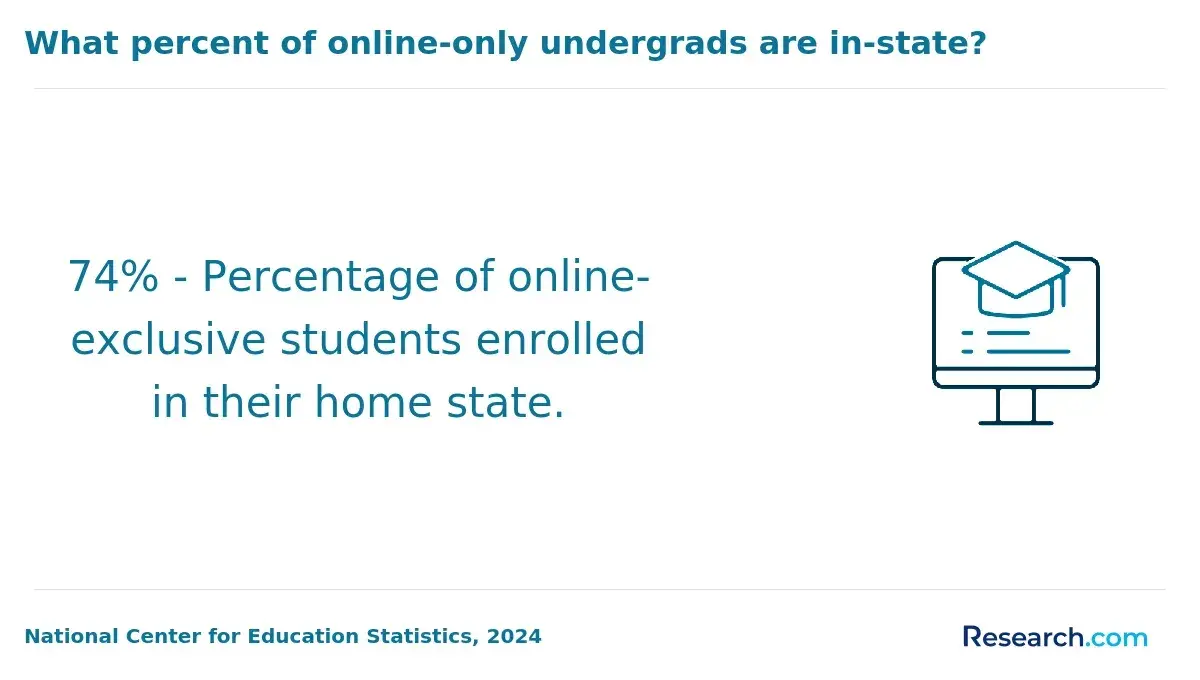
An online electrical engineering degree can be academically comparable to a campus program when it has the same accreditation, faculty standards, curriculum rigor, and learning outcomes. The main differences are usually not the degree title but the way students complete labs, collaborate on design work, access internships, and build professional networks.
Online engineering is also less plug-and-play than many other online majors. For comparison, a library science degree online may rely more heavily on digital projects, information systems, and remote research assignments, while electrical engineering often requires physical measurement, circuit construction, simulation, and hardware troubleshooting.
The table below explains where online and campus formats tend to differ most. These differences do not automatically make one format better; they help you identify what support you will need to succeed.
| Area | Online electrical engineering | Campus electrical engineering | Decision point |
| Lab access | May use home kits, simulation tools, remote labs, or short residencies | Typically uses scheduled on-campus labs and shared equipment | Ask whether lab work includes real measurement and troubleshooting |
| Schedule flexibility | Often better for working adults, military learners, and parents | Usually more structured around daytime classes | Choose online if flexibility is essential and you can manage self-paced work |
| Networking | Requires intentional use of virtual events, faculty office hours, and professional societies | Often easier through labs, clubs, research groups, and local employers | Online students should build a networking plan early |
| Internships | May require more independent searching if the school is outside your region | May offer stronger local employer pipelines | Ask how online students access internships and co-ops |
| Student support | Strong programs provide remote tutoring, advising, software access, and technical help | Support may be easier to access in person | Look for engineering-specific online support, not only general academic advising |
Quality is strongest when the online program treats remote learners as engineering students, not as a separate convenience track. That means comparable exams, design expectations, lab documentation, faculty access, and capstone standards.
Online can be the better choice if you need to keep working, live far from a campus, have military obligations, or already have technical experience. Campus may be better if you want undergraduate research, daily lab access, engineering clubs, or a more traditional internship pipeline.
What prerequisites and admission requirements do online electrical engineering bachelor's programs have?
Electrical engineering is math- and physics-heavy, so admissions requirements are often more specific than for many online bachelor's degrees. Schools want evidence that you can handle calculus, laboratory science, programming, and sustained problem-solving.
Requirements vary by institution and by whether you apply as a first-year student, transfer student, or degree-completion student. Many online electrical engineering bachelor's programs are designed for students who have already completed lower-division general education and prerequisite courses.
Common requirements include the following:
- High school diploma or equivalent for first-year admission, often with strong preparation in algebra, trigonometry, precalculus, chemistry, and physics.
- College transcripts for transfer or degree-completion applicants, including minimum GPA requirements that may be higher for engineering majors than for general admission.
- Completed or in-progress calculus sequence, calculus-based physics, chemistry, and introductory programming for upper-division admission.
- Placement testing or prerequisite validation if prior math or science coursework is old, incomplete, or from a nontraditional provider.
- English composition and general education coursework, especially for students transferring from community colleges.
- Technology readiness, including reliable internet, a capable computer, required software, webcam proctoring capability, and sometimes lab kit purchasing.
Transfer students should pay close attention to course equivalency. A course called "physics" may not satisfy an engineering requirement unless it is calculus-based and includes the correct lab component.
The table below shows how different applicant profiles should evaluate readiness before applying.
| Applicant profile | Likely strength | Likely challenge | Best next step |
| Recent high school graduate | Fresh math and science preparation | May need structure and academic support | Compare first-year support, tutoring, and online cohort design |
| Community college transfer | May reduce cost and time through completed prerequisites | Course equivalency can be complex | Request a written transfer evaluation before enrolling |
| Working technician | Practical hardware or systems experience | May need to rebuild calculus and theory skills | Take math refreshers and confirm credit for technical coursework |
| Military learner or veteran | Discipline, technical training, and possible education benefits | Military credits may not map cleanly to engineering requirements | Ask for a Joint Services Transcript review and veteran advising |
| Career changer with a prior degree | General education may already be complete | Missing engineering prerequisites can extend the timeline | Build a prerequisite plan before committing to a full program |
The biggest admissions mistake is assuming that acceptance to the university means immediate entry into upper-division engineering courses. Ask whether the engineering major has separate progression requirements, minimum grades in prerequisites, or limited course sequencing that could delay graduation.
How long do online electrical engineering degrees take, and what do they cost?
A full bachelor's degree in electrical engineering typically requires about 120 to 130 credits. Full-time students entering as first-year undergraduates often need about four years, while transfer students may finish faster if prerequisites and engineering foundations apply cleanly. Part-time online students often take longer because advanced engineering courses may be sequenced and not offered every term.
Cost depends on tuition, fees, transfer credits, residency status, lab kits, software, books, proctoring, and travel for any required campus labs.
College Board's 2024 pricing data reported average published tuition and fees of $11,610 for in-state students at public four-year institutions, $30,780 for out-of-state students at public four-year institutions, and $43,350 at private nonprofit four-year institutions for the 2024-25 academic year. Those figures are not online-specific, but they help frame the tuition spread students may encounter.
When comparing cost, look beyond the advertised per-credit rate:
- Tuition charged per credit, term, or academic year.
- Online course fees, technology fees, engineering program fees, and graduation fees.
- Lab kits, electronics components, measurement tools, calculators, and shipping costs.
- Software access for circuit simulation, programming, CAD, modeling, or numerical computing.
- Travel and lodging if the program requires short campus residencies or proctored labs.
- Lost income or reduced work hours if the program requires synchronous classes or intensive lab weeks.
Students using military education benefits should also compare benefit fit, credit transfer, and support services. A veteran friendly online electrical engineering degree should provide clear benefit advising, military transcript evaluation, flexible scheduling, and support during deployments or relocations.
The table below shows common timeline and cost trade-offs. Use it to decide which format supports completion, not just enrollment.
| Path | Typical timeline | Cost advantage | Trade-off |
| Full-time first-year online bachelor's | About four years | Predictable sequence and full access to financial aid packages | Harder to maintain full-time employment |
| Transfer or degree-completion program | Often shorter if prerequisites transfer | Can reduce total credits taken at the university | Engineering course equivalency can limit savings |
| Part-time online study | Often five or more years | Allows continued employment and lower term-by-term costs | Longer time to salary transition and possible course sequencing delays |
| Accelerated format | Potentially shorter for prepared students | May reduce time away from higher-paying work | Can be intense for calculus, physics, and lab-heavy courses |
To control cost, request a degree plan showing exactly which credits you still need, which courses are offered online each term, and which fees apply. A low per-credit price can become less attractive if many credits do not transfer or if required courses are offered infrequently.
What core courses and specializations shape career pathways in electrical engineering?
Electrical engineering programs share a core foundation, but upper-division electives and capstone projects often determine how well the degree aligns with a specific career. The core teaches you how electrical systems behave; the specialization teaches you where to apply that knowledge.
Most students should expect a sequence that includes calculus, differential equations, physics, circuit theory, digital systems, electronics, signals and systems, electromagnetics, control systems, probability or statistics, programming, and engineering design. A strong program also requires technical writing and a capstone project because engineers must document, test, and defend design decisions.
Specialization choices matter because employers often read transcripts, project portfolios, and capstone topics for evidence of fit. The table below connects common concentrations with career directions.
| Concentration or elective area | What students study | Career alignment | Useful project evidence |
| Power and energy systems | Power electronics, machines, grids, renewable integration, protection systems | Utilities, energy firms, electrical contractors, grid modernization teams | Load-flow studies, inverter design, protection coordination, microgrid modeling |
| Electronics and circuit design | Analog electronics, digital electronics, PCB design, instrumentation | Hardware design, test engineering, product development, manufacturing | Designed and tested circuit boards, sensor systems, amplifier circuits |
| Embedded systems | Microcontrollers, real-time systems, firmware, sensors, interfaces | IoT, robotics, automotive electronics, medical devices, aerospace systems | Firmware-controlled device, sensor network, real-time control project |
| Controls and automation | Feedback systems, robotics, industrial controls, modeling, PLC concepts | Manufacturing automation, robotics, process control, aerospace | Control algorithm, robotic subsystem, automated test platform |
| Communications and signal processing | Wireless systems, filters, modulation, DSP, antennas | Telecommunications, defense, aerospace, audio and imaging systems | Signal processing pipeline, communication link simulation, antenna analysis |
| Semiconductors and microelectronics | Devices, integrated circuits, fabrication concepts, VLSI fundamentals | Chip design, semiconductor manufacturing, validation, device engineering | IC layout exercises, device simulation, verification project |
AI and data-intensive engineering are changing expectations in several areas. Electrical engineers increasingly work with sensor data, predictive maintenance, digital twins, and automated design tools.
If you want to combine hardware with analytics, compare electives in machine learning, numerical methods, embedded AI, and data acquisition; students exploring analytics-heavy pathways may also compare adjacent online data science programs for graduate or certificate options after the engineering foundation.
A practical way to evaluate specialization fit is to ask programs for recent capstone examples. If the projects look like the work you want to do, the program is more likely to support your career direction.
Which electrical engineering careers align with different online degree levels and concentrations?
Different credentials lead to different levels of responsibility. An associate degree or certificate may support technician work, while a bachelor's degree is the standard entry point for many engineering roles. A master's degree can help with advanced design, research and development, specialized technical leadership, or career shifts into high-demand niches.
The table below connects degree levels and concentrations with realistic career paths. Job titles vary by employer, so use responsibilities and required skills as the better comparison point.
| Education level | Common roles | Typical responsibilities | Best-fit student |
| Certificate or technical coursework | Electronics technician, maintenance technician, controls technician | Install, test, troubleshoot, and maintain equipment | Students seeking faster entry into hands-on technical roles |
| Associate degree in electronics or engineering technology | Engineering technician, field service technician, test technician | Support engineers, run tests, collect data, maintain systems, document results | Students who want applied work and may transfer later |
| Bachelor's in electrical engineering | Electrical engineer, power engineer, controls engineer, electronics engineer, systems engineer | Design, analyze, model, test, and improve electrical or electronic systems | Students pursuing professional engineering roles and long-term mobility |
| Bachelor's plus concentration | Embedded systems engineer, signal processing engineer, hardware test engineer, automation engineer | Apply core engineering to a specialized industry or product area | Students with a clear target sector or project portfolio |
| Master's in electrical engineering | Senior engineer, design specialist, research engineer, technical lead | Handle advanced modeling, specialized design, technical review, or applied research | Engineers seeking specialization, advancement, or a technical pivot |
Career alignment should also consider your preferred work environment:
- Choose power and energy if you want to work on grids, renewable integration, substations, industrial power, or utility infrastructure.
- Choose electronics or embedded systems if you enjoy hardware, firmware, product design, testing, and debugging.
- Choose controls and automation if you like systems behavior, robotics, manufacturing, and feedback loops.
- Choose communications or signal processing if you are drawn to wireless systems, defense, aerospace, imaging, or audio technologies.
- Choose semiconductors or microelectronics if you want to work close to devices, chips, fabrication, or validation.
Students should avoid choosing a concentration only because it sounds high-tech. The better test is whether you are willing to spend significant time on the math, tools, labs, and debugging style that the concentration requires.
What are typical salaries and earning potential for electrical engineers by role and education?
Salary potential is one reason many students consider electrical engineering, but earnings vary by role, industry, region, experience, security clearance, licensure, and degree level. BLS reported a May 2024 median annual wage of $118,780 for electrical and electronics engineers. Treat that as a labor-market benchmark, not a promise for any individual graduate.
The salary table below uses broad role categories to help you compare earning potential by career direction. Actual offers can differ significantly based on location, employer, internships, portfolio strength, and whether the role is classified as engineering, engineering technology, or technician work.
| Career direction | Typical education signal | Earning context | What can improve competitiveness |
| Electrical engineer | ABET-accredited bachelor's degree in electrical engineering | Often benchmarked against the broader electrical and electronics engineer labor market | Strong design projects, internships, CAD or simulation tools, FE exam progress |
| Power engineer | Bachelor's with power systems electives | Can be strong in utilities, renewables, industrial facilities, and infrastructure firms | Power systems software, protection concepts, utility internship, PE pathway awareness |
| Electronics or hardware engineer | Bachelor's with electronics, circuits, and lab-heavy projects | Often tied to product development, manufacturing, aerospace, defense, or devices | PCB design, test equipment experience, documentation, prototype portfolio |
| Embedded systems engineer | Bachelor's plus programming, microcontrollers, and real-time systems | Can overlap with software, hardware, automotive, IoT, and robotics markets | C/C++, Python, firmware projects, debugging tools, communication protocols |
| Engineering technician or technologist | Certificate, associate degree, or engineering technology degree | Often pays less than engineer-classified design roles but can enter the workforce sooner | Instrumentation, troubleshooting, safety training, vendor certifications, field experience |
Students comparing education investments across fields should compare salary data by occupation, not just degree name. For example, someone reviewing online animal science degree salary information would be looking at a different labor market, employer base, and credential structure than electrical engineering.
Education can influence earning potential, but it works through opportunity access rather than automatic salary increases. A bachelor's degree may open engineering roles. A master's may support specialization or promotion; licensure may matter in public-facing engineering work; and internships often influence first-job competitiveness.
What is the job outlook and industry demand for electrical engineers in the United States?
The U.S. outlook for electrical engineers is supported by several overlapping trends: grid modernization, electrification, renewable energy integration, semiconductor investment, automation, aerospace and defense systems, electric vehicles, robotics, and connected devices. BLS projects 9% growth for electrical and electronics engineers from 2023 to 2033, which is faster than the average for all occupations.
That growth does not mean every concentration has the same demand everywhere. Local labor markets matter. A student near utility headquarters, defense contractors, semiconductor facilities, automotive suppliers, or advanced manufacturing hubs may see different internship and job opportunities than a student in a region with fewer engineering employers.
The table below summarizes major U.S. demand areas and the kinds of preparation that align with them.
| Demand area | Why employers need electrical engineers | Helpful preparation |
| Power and grid modernization | Aging infrastructure, renewable integration, distributed energy, reliability needs | Power systems, protection, energy conversion, utility internships |
| Semiconductors | Domestic chip production, device innovation, manufacturing expansion | Microelectronics, semiconductor devices, cleanroom exposure if available |
| Automation and robotics | Manufacturing efficiency, industrial controls, smart factories | Controls, embedded systems, PLC concepts, sensors, robotics projects |
| Aerospace and defense | Communication systems, avionics, radar, sensors, power electronics | Signal processing, RF, electronics, systems engineering, security eligibility awareness |
| Electric vehicles and transportation | Battery systems, charging infrastructure, motor control, power electronics | Power electronics, controls, embedded software, thermal and systems thinking |
| Medical and connected devices | Miniaturized electronics, sensing, reliability, embedded firmware | Electronics, embedded systems, instrumentation, documentation practices |
AI will not remove the need for electrical engineers, but it is changing how they work. Engineers increasingly use simulation, automated testing, model-based design, and data analysis to speed design cycles. Students who combine fundamentals with modern tools are better positioned than students who rely only on theory or only on software shortcuts.
The practical takeaway is to compare programs against industries that are actually hiring in your region or in regions where you are willing to relocate. A strong online program should help you connect coursework, projects, and internships to those markets.
How do licensing, certifications, and professional engineer status affect electrical engineering careers?
Licensing is not required for every electrical engineering job, but it can be important in power, utilities, construction, consulting, public infrastructure, and roles where engineers sign or seal work affecting public safety. The Professional Engineer credential is state-regulated, so requirements vary by licensing board.
The most common PE pathway includes an ABET-accredited engineering degree, passing the Fundamentals of Engineering exam, gaining qualifying supervised engineering experience, and passing the Principles and Practice of Engineering exam. Some states allow alternate pathways, but they may require more experience or additional review.
Students should understand the difference between licensure and certifications. Licensure grants legal authority in regulated engineering practice; certifications usually demonstrate skill with a tool, standard, technology, or vendor platform.
| Credential | What it signals | Most relevant for | Student action |
| FE exam | Progress toward engineering licensure | Students near graduation from an engineering program | Ask whether the curriculum prepares students for FE topics |
| Engineer in Training or Engineer Intern status | Passed FE exam and met state requirements | Early-career engineers pursuing PE licensure | Check your state board's terminology and process |
| PE license | Authority to practice regulated engineering and sign engineering work where required | Power, consulting, infrastructure, public-sector, and responsible-charge roles | Choose an education path that your state board recognizes |
| Vendor or software certifications | Competence with specific tools, platforms, or systems | Automation, networking, controls, test, and field roles | Use certifications to complement, not replace, engineering fundamentals |
| Safety or industry credentials | Awareness of standards, hazards, and compliance expectations | Power, manufacturing, field service, and industrial environments | Ask employers or internship supervisors which credentials are valued |
Before enrolling, ask these licensing-focused questions:
- Is the specific online electrical engineering program ABET-accredited?
- Have graduates been eligible to sit for the FE exam in my state?
- Does the curriculum include engineering economics, ethics, and design topics commonly tested on the FE exam?
- Will transfer credits or international credits affect licensure review?
- Does the program have faculty or advisors familiar with PE pathways in electrical engineering?
A common mistake is assuming licensure can be handled after graduation no matter which degree you choose. If PE status may matter to your career, check requirements before enrolling, because changing programs later can cost time and money.
Other Things You Should Know About Electrical Engineering Degrees
Yes, but it is demanding. Calculus, physics, circuits, and labs require steady weekly study time. Part-time enrollment is often more realistic for full-time workers, especially during upper-division engineering courses.
In 2027, many employers accept online electrical engineering degrees as equivalent to traditional ones, provided they are accredited. Accreditation ensures program quality, so prospective students should verify this aspect. Employers often value the flexibility and discipline required for completing online degrees.
Yes. ABET-accredited online electrical engineering programs usually require a senior capstone, often 3 to 6 credit hours, plus a design project that demonstrates professional engineering outcomes. For licensure and employer review, check that the program is ABET-accredited through the Engineering Accreditation Commission.
Strong portfolio projects show design, testing, and documentation. Examples include a PCB, embedded sensor device, power electronics model, control system, signal processing project, or capstone prototype with schematics, code, test results, and a short explanation of trade-offs.
References
- Exploring Electrical Engineering: Pathways to Innovation and Careers https://www.amanengineering.com.sg/electrical-engineering-complete-guide-to-career-paths-and-specializations/
- Why Get Licensed https://www.nspe.org/about/about-professional-engineering/why-get-licensed
- Salary for Electrical Engineer: Is it a high paying career? https://www.stonebridge.uk.com/blog/engineering/salary-for-electrical-engineer-or/
- The Significance of Electrical Engineering Certification for Professional Advancement - CertLibrary Blog https://www.certlibrary.com/blog/the-significance-of-electrical-engineering-certification-for-professional-advancement/