2027 Online Criminal Justice Bachelor's Degree Completion Programs for Working Adults

Co-Founder and Chief Data Scientist
Jessica, a mid-career professional with partial college credits, struggles to find an online criminal justice bachelor's degree program that fits her demanding work schedule and allows maximum credit transfer. Many working adults like Jessica face hurdles balancing career commitments with degree completion, delaying advancement in a competitive field. According to the National Center for Education Statistics, over 35% of adult learners seek flexible online programs specifically designed for degree completion. This article systematically evaluates online criminal justice bachelor's completion programs, focusing on factors like program structure, accreditation, tuition, transfer policies, and employment outcomes to help readers choose the best fit for their goals.
Key Benefits of Online Criminal Justice Bachelor's Degree Completion Programs for Working Adults
- Online criminal justice bachelor's degree completion programs offer flexible scheduling, allowing working adults to balance career and education without compromising job responsibilities.
- Fully asynchronous coursework enables professionals to study at their own pace, fitting classes around demanding work hours while maintaining steady income.
- These programs often provide accelerated paths to graduation, saving time compared to restarting a traditional four-year degree and facilitating quicker career advancement.
What Are Online Criminal Justice Bachelor's Degree Completion Programs, and Who Are They Designed For?
Degree completion programs are designed specifically for adults who have previously earned some college credits but did not finish their four-year bachelor's degree, offering a more focused pathway than traditional programs that start from the beginning. According to data from the National Center for Education Statistics (NCES), millions of Americans have some college experience but hold no credential, making them the primary audience for these programs. Tailored for working adults, military veterans, and community college transfer students, these online criminal justice bachelor's programs for adult learners emphasize flexible credit transfer and accelerated pacing to reduce time spent completing the degree.
These programs have become increasingly popular due to employer demands for bachelor's degrees in roles that formerly accepted associate degrees or certificates. Key hallmarks of these degree completion options include: Accelerated Format: Terms often run in fast-paced eight-week sessions, allowing students to graduate sooner while maintaining academic standards.High Transfer Credit Acceptance: Substantial prior credit is accepted, minimizing redundant coursework and easing the path to graduation.Flexible Delivery: Fully online or hybrid formats accommodate busy schedules, allowing coursework access anytime and anywhere.Growing Employer Demand: Increasing professional requirements in criminal justice make these programs an effective route for career advancement.For those seeking to balance work, life, and education, these programs provide a practical solution. Additionally, some students explore the shortest PhD programs to further enhance their academic and professional credentials beyond the bachelor's level.
How Do Online Criminal Justice Degree Completion Programs Differ From Traditional Four-Year Criminal Justice Bachelor's Degrees?
Online bachelor's degree completion programs in criminal justice differ notably from traditional four-year degrees in credit requirements, curriculum sequencing, and time to completion, benefiting students who have already earned 60 or more college credits.
- Credit Requirements: Completion programs typically require incoming students to have completed 60 credits, focusing on upper-division courses to finalize the degree. Traditional programs cover the full 120 to 130 credit hours, incorporating general education and lower-division coursework.
- Curriculum Sequencing: Degree completion paths replace or reduce general education requirements by recognizing prior learning, professional training, or military experience. This adult learner focus often uses competency-based assessments, allowing flexibility. Traditional programs usually follow a linear course progression with fewer substitution options.
- Time to Completion: By accepting more transfer credits, completion programs enable graduation in two years or less. In contrast, IPEDS data shows many traditional students take three to four years to finish, balancing all required curriculum levels either online or on campus.
- Tuition and Cost Efficiency: Completion programs tend to use per-credit pricing, which can be more predictable and affordable, reducing redundant work for adult learners. Traditional degrees may involve higher overall costs due to longer times and heavier credit loads.
- Adult Learner Adaptation: These programs are designed for working professionals, offering asynchronous courses and flexible schedules that align with prior knowledge and life experience. Traditional degrees often serve full-time, newly enrolled students with less schedule flexibility.
Many institutions that offer these paths also provide specialized options for mid-career students, including in related fields often pursued alongside criminal justice degrees. For example, those interested in expanding their expertise might explore marriage and family masters programs as complementary disciplines.
2026 Update: Hidden In-Person Requirements to Check Before Enrolling
This 2026 update adds a closer look at non-classroom requirements that can affect working adults in online criminal justice bachelor’s completion programs, especially those balancing shifts, family responsibilities, or agency schedules.
- Whether the program requires an internship, practicum, service-learning project, or in-person capstone presentation.
- If field placements can be completed near your home or workplace instead of near the university.
- Whether current law enforcement, corrections, military, or security work can satisfy any experiential requirement.
- Background check, fingerprinting, drug screening, or agency clearance requirements before placement approval.
- Any required campus visits, live online sessions, proctored exams, or fixed-time presentations.
- Technology requirements for case simulations, virtual labs, secure testing, or recorded presentations.
Checking these details early helps students avoid schedule conflicts and choose a completion program that is truly manageable alongside full-time work.
University of North Florida: Offers a regionally accredited program through the Southern Association of Colleges and Schools Commission on Colleges (SACSCOC) with additional recognition from the Academy of Criminal Justice Sciences (ACJS). Tuition is $212.61 per credit hour for in-state students and a significantly higher $581.68 for out-of-state enrollees. The curriculum supports adult learners with prior learning assessments and flexible pacing options.
Fort Hays State University: This program charges a flat online tuition rate of $218.67 per credit regardless of residency, accredited by the Higher Learning Commission (HLC). It emphasizes practical criminal justice competencies and generously accepts up to 93 transfer credits, catering well to students with previous college experience seeking to finish their degree affordably.
Columbia Southern University: Accredited by HLC and recognized by ACJS, it offers a uniform tuition of $275 per credit hour for all online students. The program provides flexible enrollment windows and a comprehensive curriculum designed to support career development in law enforcement and related sectors.
Bemidji State University: With a flat tuition rate of $300 per credit, this HLC-accredited program focuses on accommodating working professionals through asynchronous classes and multiple start times annually. It features strong transfer credit policies and applies practical course content suited for degree completion by adult learners.
Thomas Edison State University: Charges $358 per credit hour flat for all online students and holds accreditation from the Middle States Commission on Higher Education (MSCHE). Known for its generous transfer credit policy and inclusion of prior learning assessments, the program especially benefits military veterans by recognizing training and experience for academic credit.
The most affordable programs typically feature a flat online tuition rate for all students, regardless of residency, significantly lowering costs for out-of-state learners. Strong acceptance of transfer credits and prior learning credits is also common, allowing students to expedite graduation and reduce expenses. Programs with higher out-of-state rates often provide specialized accreditation or curriculum benefits that may justify the additional cost.
Asked about his experience, a professional who enrolled in an online criminal justice bachelor's degree completion program shared that balancing work, family, and studies was challenging but manageable due to the program's flexible scheduling. He appreciated the ability to transfer much of his prior college coursework, which eased financial pressure and shortened his timeline. "It felt empowering to apply what I'd already achieved toward my degree," he said. He also noted that the prior learning assessments recognizing military and professional experience made the program uniquely accessible, helping him stay motivated despite a busy life. This tailored approach, he added, was crucial in advancing his career without overwhelming his day-to-day responsibilities.
Typical Credit Caps: Most programs permit between 60 and 90 semester hours of transfer credits, generally covering about two-thirds of the total requirements for an online criminal justice degree completion. This cap ensures that key upper-level courses are completed at the awarding institution.
Credit Evaluation: Schools carefully review transcripts to assess alignment with their curricular standards. This process may lead to partial credit awards or denials if course content does not meet degree criteria, affecting the maximum transferable credits for working adults in criminal justice programs.
Articulation Agreements: Partnerships between community colleges and four-year universities simplify credit transfers by specifying eligible courses and their equivalency. These agreements help eliminate redundant coursework and expedite degree completion.
Credit Loss Risks: The U.S. Department of Education's transfer summit highlights that students typically forfeit around 40% of credits during transfer. To reduce this loss, prospective students should prioritize programs offering guaranteed or structured transfer pathways.
Military and Professional Credits: Some institutions accept ACE-recommended military training credits and professional certifications, providing valuable options for veterans and professionals seeking to leverage prior experience in criminal justice education.
Transcript Evaluation: Requesting an official transcript evaluation before enrollment clarifies how many credits transfer and remaining degree requirements, enabling better-informed decisions.
Working adults can also explore the fastest business degree online programs for comparison and accelerated study options.
- Transfer Credit Minimums: Most programs require between 24 and 60 transferable credits, typically from accredited schools. These credits often need to relate to general education or foundational criminal justice topics to facilitate a smooth transition.
- GPA Requirements: A minimum GPA usually falls between 2.0 and 3.0 on a 4.0 scale. More selective programs demand higher academic achievement, while open-access courses may accept lower GPAs, occasionally offering conditional enrollment for those just below the cutoff.
- Required Documentation: Official transcripts are mandatory, and some schools ask for personal statements, letters of recommendation, or proof of prior learning, especially for military veterans or those with significant professional experience.
- Prerequisite Coursework: Some programs insist on prior coursework in criminal justice or related areas. Applicants without these must complete prerequisites, often through community colleges or online courses, before formally starting the degree completion.
- Admission Selectivity: Open-admission programs cater to working adults with fewer barriers but usually less academic support and potentially weaker credential recognition. Selective programs maintain stringent entry criteria, offering stronger reputations and resources.
- Conditional Acceptance Options: Institutions sometimes extend provisional admission to applicants who don't fully meet requirements, allowing students to prove their capabilities through initial courses under certain conditions.
- Application Enhancement: Strengthening an application includes finishing prerequisite classes, gaining relevant job experience, and securing strong recommendation letters to compete more effectively in selective programs.
A professional who completed an online criminal justice bachelor's degree highlighted the initial uncertainty during application due to having a slightly lower GPA and limited formal coursework specific to the field. The opportunity for conditional admission gave a critical chance to prove commitment through early coursework, which she found both motivating and reinforcing. She emphasized how careful preparation before applying-especially completing key prerequisites-made navigating the process less daunting and ultimately opened pathways to new career opportunities, reflecting on the balance between accessibility and rigor these programs must maintain.
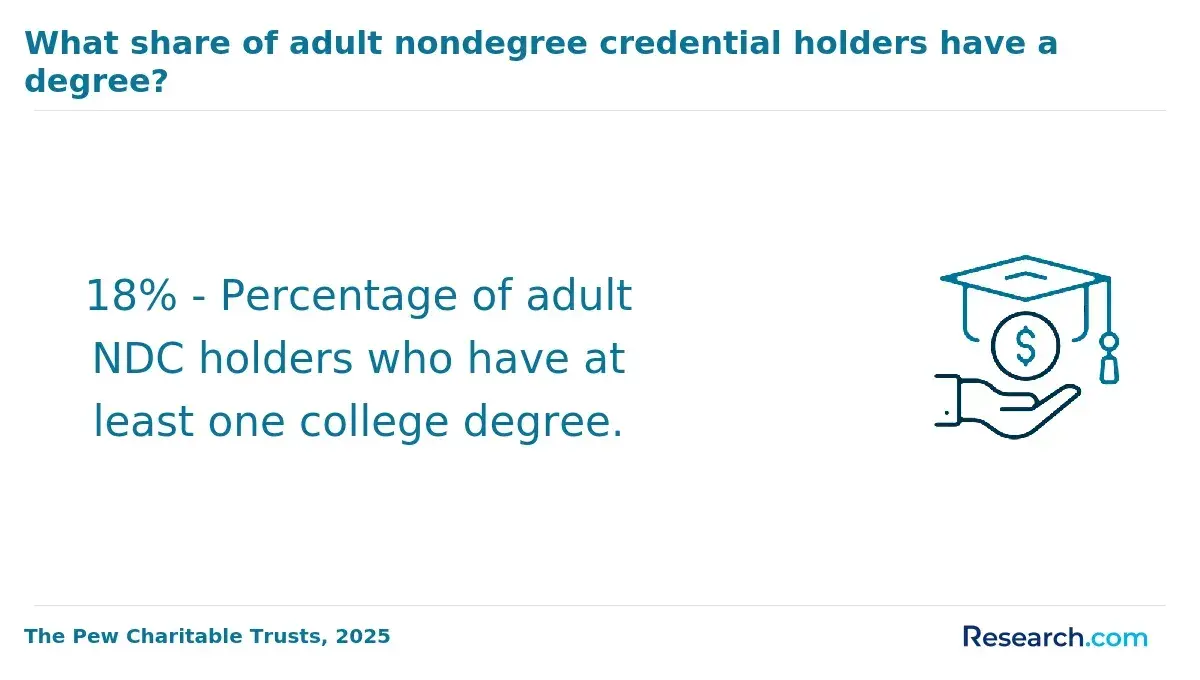
For working adults transferring credits into an online criminal justice bachelor's program, completion time varies widely based on prior coursework and enrollment intensity. Those with about 30 transfer credits often have around 90 credits left, while students transferring 60 credits will need roughly 60 more. Individuals entering with 90 credits typically require about 30 to graduate. These credit differences significantly impact how long finishing the degree will take.
Part-time students commonly enroll in 6 credits per semester, which can extend graduation timelines to approximately five years if starting with 60 transfer credits. Committing to 12 or more credits per term through accelerated full-time enrollment can cut this time in half, allowing most students to finish within two to three years depending on transferred credits and course availability.
Many institutions implement eight-week accelerated courses, offering two classes per semester instead of the traditional single-course pace over 15 weeks. This format enables motivated working professionals to shorten their degree path nearly a year. Adding summer terms and taking advantage of competency-based progression-where learners advance by demonstrating mastery rather than waiting for scheduled semesters-also helps speed up completion.
It's important to balance academic goals with personal and professional demands. Job responsibilities, family commitments, and employer support all influence course loads and steady progress. According to a 2023 report from the National Center for Education Statistics, over 60% of adult learners choose online programs for the flexibility needed to juggle work and personal lives effectively.
- Transfer Credits: Prior college credits determine remaining coursework and overall completion time, ranging from one to five years.
- Enrollment Pace: Part-time versus full-time enrollment can dramatically double or halve how long it takes to graduate.
- Accelerated Terms: Eight-week courses allow taking more classes in less time compared to traditional 15-week semesters.
- Summer Enrollment: Utilizing summer sessions helps reduce total time needed to earn the degree.
- Competency-Based Progression: Mastery-based advancement enables learners to move faster by proving knowledge instead of following standard schedules.
- Life and Employer Factors: Balancing work, family, and employer support is essential for sustained academic momentum.
Students completing an online criminal justice bachelor's degree have multiple financial aid opportunities to ease the cost of finishing their education. Federal Pell Grants remain accessible to eligible adult learners demonstrating financial need, while Direct Loans provide flexible borrowing options for tuition and expenses. Additionally, many states offer specialized grants crafted for adults returning to college; these vary widely by residency and program specifics.
Non-traditional students benefit from institutional scholarships, which often target working adults or those with some college credits who need support to graduate. Specific scholarships and fellowships may also be available for adult learners completing a criminal justice degree, making it essential to explore scholarship databases and contact school financial aid offices for tailored award options.
Employer tuition assistance programs offer a significant funding source. Under IRS Section 127, employers can provide up to $5,250 annually in tax-free tuition benefits for undergraduate education. This advantage reduces out-of-pocket costs without impacting taxable income, though employees should verify their company's participation and eligibility requirements.
Before enrolling, students should complete the following financial aid steps to optimize available support:
- File FAFSA: Submit the Free Application for Federal Student Aid promptly to qualify for federal grants, loans, and work-study opportunities aligned with your financial profile.
- Check State Grants: Research adult learner grant programs offered by your state to supplement federal aid; availability varies by location.
- Explore Scholarships: Identify institutional and criminal justice-specific scholarships designed for degree completers to lower education expenses.
- Request Employer Aid: Confirm your employer's tuition assistance policy and secure any necessary agreements before registering for courses.
Per-credit-hour tuition rates for online criminal justice completion programs show considerable variation among accredited institutions nationwide. Data from the National Center for Education Statistics (NCES) and the Integrated Postsecondary Education Data System (IPEDS) indicate that the national average per-credit cost for these online programs ranges between $300 and $450. This benchmark assists prospective students in gauging affordable yet quality options when comparing accredited online criminal justice bachelor's degree tuition.
Programs requiring a standard transfer level of 60 credits generally cost between $18,000 and $27,000 in tuition, depending on the per-credit price and total credits needed. Students entering with 90 credits typically face lower total tuition, approximately from $9,000 to $13,500. However, actual costs often exceed these figures when considering added fees for technology, graduation, proctoring, and textbooks, which can collectively inflate the program's total cost. Notably, the lowest per-credit rates might not guarantee the lowest overall expense if a program mandates more credits than average for graduation.
- Average Cost Benchmark: National data places the average online criminal justice completion program tuition between $300-$450 per credit hour, establishing a useful frame of reference for evaluating options.
- Total Cost Variability: Programs with low per-credit prices can still cost more overall if they have higher total credit requirements; understanding required hours is essential to estimate full program cost.
- Hidden Fees Impact: Additional expenses such as technology, proctoring, and textbooks can inflate the total cost noticeably, so students should factor these into their budgeting.
- Accreditation Matters: Accredited schools typically ensure transfer credits are accepted and program standards meet employer expectations, which can justify tuition differences across institutions.
Students planning their degree paths should also explore each program's policy on transfer credits and prior learning options to optimize cost-efficiency. For example, mid-career professionals or military veterans may benefit from accelerated pathways. For those uncertain about switching fields, resources like can you become a speech pathologist with an education degree offer guidance on career changes that parallel considerations in criminal justice fields. Careful review of tuition models coupled with professional outcomes helps ensure a program aligns with individual schedules, budgets, and career goals.
Prior learning assessment (PLA) options provide a valuable pathway for working adults pursuing an online criminal justice bachelor's degree to accelerate completion by converting existing knowledge into academic credit. Top programs accept credit through CLEP and DSST exams, portfolio assessments, and military training credits evaluated via the American Council on Education (ACE) system. These options recognize formal and informal learning from workplaces, military service, and corporate training, allowing students to reduce time and tuition costs.
Institutions with the most expansive PLA policies typically accept up to 30-60 credit hours from prior learning. They often allow portfolio evidence such as professional certifications, detailed work experience documentation, and validated training programs. This flexibility benefits a wide range of learners, from community college transfers to military veterans navigating credit-by-exam policies in online criminal justice bachelor completion programs.
ACE credit recommendations hold particular importance for military service members and those engaged in corporate workforce development. ACE evaluates military occupational specialties and civilian training, translating them into college credits accepted by many online programs. Students should carefully document all prior learning with syllabi, performance evaluations, and certificates.
Preparing and submitting prior learning evidence requires attention to detail. Applicants should review their chosen program's PLA portfolio guidelines, ensure all materials clearly reflect course competencies, and meet deadlines for credit evaluation. Taking these steps maximizes credit award and supports timely degree completion.
- Credit-by-Exam: CLEP and DSST exams allow students to demonstrate knowledge in key subjects, earning standardized credits recognized across many accredited institutions.
- Portfolio Assessment: Candidates submit comprehensive evidence of work and training experience for individualized credit evaluation, often paired with a faculty interview.
- ACE Recommendations: Military and corporate training evaluated by ACE translate directly into transferable credits, easing transitions into online degree paths.
- Documentation Tips: Prepare clear, organized records including transcripts, certifications, and training descriptions to streamline institutional review and acceptance.
For working adults balancing career and education, leveraging PLA options is a strategic step toward degree completion. This approach is increasingly supported by online criminal justice programs, reflecting a growing emphasis on flexible, competency-based learning. Aspiring students can explore detailed offerings through resources such as online architecture degree programs to identify similar credit transfer innovations across online education.
- Fully Asynchronous Delivery: Courses are designed for complete flexibility, allowing students to access lectures, assignments, discussions, and exams anytime and from any time zone, accommodating irregular work hours and travel without live session constraints.
- Synchronous vs. Hybrid Formats: Synchronous programs require attendance at set times, which can challenge shift workers and caregivers, while hybrid options blend live sessions with on-demand content, offering moderate flexibility but less freedom than fully asynchronous models.
- Eight-Week Terms: Many institutions adopt shorter, intensive eight-week courses so students can concentrate on fewer subjects at once, helping to balance academic workload with professional and personal commitments effectively.
- Time Management Strategies: Prioritizing weekly goals, setting consistent study schedules, and breaking work into manageable tasks are crucial. Successful learners often use digital calendars, task apps, and reminders to stay organized and meet deadlines.
Online criminal justice bachelor's degree completion programs typically incorporate concentrations within the standard 120-credit curriculum, meaning these specializations do not add extra credit hours. This approach helps students minimize additional tuition costs and maintain manageable completion timelines, especially for working adults balancing other commitments.
- Law Enforcement: Designed for aspiring police officers, detectives, or other law enforcement roles, this track aligns with certifications like the Police Officer Standards and Training (POST). According to the Bureau of Labor Statistics (BLS), median annual wages are around $67,600, supported by consistent job growth driven by public safety needs.
- Corrections: This focus prepares students for careers managing prisons or supervising probation programs. Median salaries reported by BLS are near $47,000, with favorable employment prospects influenced by evolving rehabilitation strategies in the field.
- Forensic Science: Concentrating on applying scientific techniques to criminal investigations, this path suits those pursuing forensic analyst positions and may require additional forensic technology certifications. Median income figures hover near $60,000, reflecting the demand for specialized expertise.
- Court Systems and Legal Studies: Tailored to careers such as paralegals or court clerks, this specialization often facilitates preparation for credentials like the Certified Paralegal (CP) exam. Salaries typically range between $50,000 and $60,000, emphasizing administrative and legal procedural skills.
Choosing a concentration should weigh personal career interests alongside realistic employment opportunities and salary potential. Many programs support transfer credits and prior learning assessments, enabling adult learners to efficiently tailor their education toward roles with strong labor market demand.
What Graduates Say About Online Criminal Justice Bachelor's Degree Completion Programs for Working Adults
- Paxton: "The program's clear structure and strict accreditation standards gave me confidence that my degree would be valued by employers nationwide. I especially appreciated how seamlessly my previous college credits transferred, saving both time and money, which made continuing my education less stressful. Completing this bachelor's online was a game changer for my busy schedule, and now I feel fully prepared to advance in my field."
- Ameer: "Reflecting on my experience, the generous transfer credit policies truly stood out, allowing me to build on what I had already accomplished without unnecessary repetition. The tuition model was straightforward and affordable, which helped me manage my finances while studying. Plus, the recognition of prior learning meant I could leverage both my work and academic history-this program respects real-world experience and it showed in my career progression."
- Nathan: "As a working professional, the flexible online format aligned perfectly with my lifestyle while the program's institutional accreditation assured me of educational quality. I found that their prior learning assessment options validated much of what I had learned outside the classroom, accelerating my path to graduation. Graduating from this program opened doors at my organization, and my employer recognized the degree as a significant step toward leadership roles."
Other Things You Should Know About Criminal Justice Degrees
In 2027, online criminal justice bachelor's degree completion programs often offer innovative tuition models to accommodate working adults. Flat-rate and subscription-based tuition plans are available from certain universities, allowing students to manage costs more predictably and potentially accelerate their education by taking more courses in a set time frame.
Online criminal justice completion programs typically offer academic advising tailored to transfer credits and degree progress, ensuring working adults can navigate requirements efficiently. Many programs provide virtual tutoring, writing assistance, and career counseling focused on the criminal justice field. Additionally, some schools offer networking events or internship placement support to help students connect with potential employers.
Yes. Many completion programs accept up to 30 semester credits from CLEP or DSST exams, but the exams usually must be taken through an approved testing center and sent directly from the testing agency. Schools may cap exam credit in the major at 12 to 18 credits.
- Online BS in Criminal Justice Benefits | University of Bridgeport https://www.bridgeport.edu/news/benefits-of-earning-criminal-justice-degree-online/
- Top 50 Affordable Online Bachelor's in Criminal Justice https://www.greatvaluecolleges.net/affordable/online-criminal-justice-degree-programs/
- Online Criminal Justice Degree Completion - The University of Olivet https://www.uolivet.edu/program/online-criminal-justice-degree-completion/
- Online Criminal Justice Degrees (Types, Benefits & FAQ) https://www.allcriminaljusticeschools.com/criminal-justice/criminal-justice-online-degree/
- Online Bachelor's Degree Criminal Justice https://www.umgc.edu/online-degrees/bachelors/criminal-justice
- Asynchronous Education vs Fixed Schedule Online Classes: Which Works for Working Professionals https://puie.ac/asynchronous-education-vs-fixed-schedule-online-classes-which-works-for-working-professionals/
- Demand For Professionals With A Criminal Justice Degree Online Grows - MRR and PLR Article https://resale-articles.rky.pl/a/Reference_Education/Weather/89275.html
- Criminal Justice Scholarship | Financial Aid https://www.monmouth.edu/finaid/graduate-aid/grants-and-scholarships/criminal-justice-scholarship/
- Bachelor of Arts inCriminal Justice Online or On Campus https://www.albany.edu/scj/programs/ba-criminal-justice
- Fastest Way to Finish a Criminal Justice Degree Online https://www.collegetransitions.com/blog/fastest-way-to-finish-a-criminal-justice-degree-online/