2027 Cheapest Human Resources Degree Programs for Working Adults

Co-Founder and Chief Data Scientist
Is it possible to find an affordable, accredited human resources degree program that works around a full-time job and family commitments? Many returning students face scheduling conflicts and rising tuition while seeking flexible options that accept transfer credits and offer asynchronous learning.
According to the U. S. Bureau of Labor Statistics, employment of human resources specialists is projected to grow 9% from 2022 to 2032, highlighting demand for qualified professionals.
This article explores the cheapest human resources degree programs tailored to working adults and outlines key factors for evaluating affordability, flexibility, and long-term career value.
Key Things to Know About the Cheapest Human Resources Degree Programs for Working Adults
- Cheapest human resources degree programs often feature low per-credit tuition, online asynchronous courses, generous transfer credit policies, and flexible scheduling to accommodate working adults' varied commitments.
- Low-cost options offer practical benefits like accessibility and accelerated formats but may include tradeoffs in employer recognition and require accreditation verification for quality assurance.
- Prospective students must evaluate total costs, financial aid, state eligibility, institutional accreditation, student services, and career outcomes to ensure the program aligns with professional and financial goals.
What Are the Cheapest Accredited Human Resources Degree Programs Online?
Accredited online human resources degree programs offer working adults flexible and cost-efficient paths to higher education while juggling work and family duties. Affordability depends on factors like tuition models, transfer credit policies, course delivery methods, and accreditation status.
With nearly 35% of U.S. postsecondary students enrolled in distance education courses, more adult learners are choosing accessible online programs that fit their busy lives.
Several considerations can help identify the most affordable accredited human resources degree programs online for working adults:
- Accreditation Status: Regional or specialized accreditation ensures academic quality and influences eligibility for federal financial aid, helping reduce overall costs. Employers often recognize degrees from accredited institutions as meeting professional standards.
- Tuition and Fee Structure: Programs may charge by credit hour or offer flat-rate tuition, sometimes with discounts for online or in-state students. Understanding these models enables better budgeting and comparison of actual expenses.
- Transfer Credit Acceptance: Generous transfer policies let students apply previously earned credits from other accredited schools, shortening time to completion and lowering tuition costs. This feature benefits those with prior coursework or certifications.
- Scheduling Flexibility: Asynchronous courses that allow students to complete work on their own time accommodate demanding work schedules and family commitments. Accelerated formats may also speed up degree completion without sacrificing quality.
- Financial Aid Opportunities: Availability of scholarships, grants, employer tuition reimbursement, and robust student support services enhances affordability. Access to academic advising and career counseling improves persistence and successful graduation rates.
Working adults seeking affordable online degrees in human resources should also explore related areas such as medical billing and coding certification cost when considering career flexibility and cost options.
How Much Does an Online Human Resources Degree Cost for Working Adults?
The cost of an online human resources degree for working adults varies based on factors such as tuition structure, school type, transfer credits, residency status, and program format. Affordability and scheduling flexibility often influence enrollment decisions for nontraditional learners balancing employment or family responsibilities.
According to the National Center for Education Statistics, about 41% of undergraduate distance education students are aged 25 or older, demonstrating the demand for flexible online options among adult learners. Total expenses often include more than tuition, adding fees and other charges that impact the overall cost.
Key factors influencing the overall cost of affordable online human resources degree programs for working adults include:
- Tuition Models: Online tuition is typically charged per credit hour, but some institutions offer flat rates for full-time students. Public, private nonprofit, and for-profit schools vary widely in price, which can affect budgeting and course load decisions.
- Transfer Credit Acceptance: Many accredited human resources programs recognize previously earned credits, allowing adult learners to bypass redundant courses. This can reduce both the time and money needed to complete the degree.
- Financial Aid Opportunities: Scholarships, federal aid, and grants are critical in lowering out-of-pocket expenses. Employer tuition assistance can also help offset costs for working students, making degree programs more accessible.
- Technology and Fees: Additional expenses such as technology fees, course-specific charges, and general service fees often increase total costs beyond base tuition. Awareness of these fees is essential for accurate budgeting.
Adult learners should also consider program formats; asynchronous classes offer flexibility but may have slightly different tuition rates than synchronous options. Part-time enrollment usually incurs per-credit charges without flat-rate benefits, influencing affordability.
To explore pathways tailored for affordability and flexibility, some students compare human resources degrees alongside other programs like an RN to BSN online degree, which also often accommodates working adults.
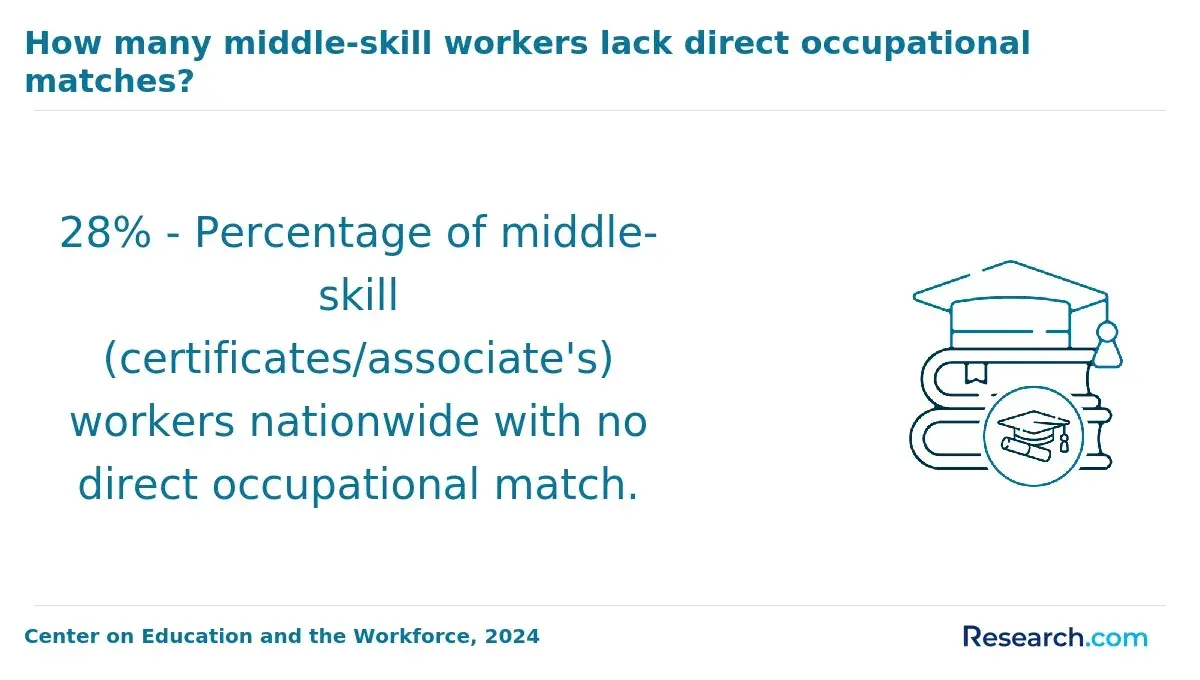
Are Cheap Human Resources Degree Programs Legitimate and Respected by Employers?
Cost alone doesn't determine whether a human resources degree program is credible or valued by employers. Factors like accreditation, institutional reputation, curriculum alignment with industry standards, and relevance to workforce needs often shape how both online and affordable programs are perceived.
Since working adults have varying career goals, scheduling priorities, and credential requirements, their criteria for assessing affordable degrees can differ. According to a 2023 National Association of Colleges and Employers survey, almost 80% of employers show neutral or positive views of online degrees obtained from accredited institutions.
Key factors influencing employer respect for low-cost human resources degrees include:
- Institutional Accreditation: Accredited programs meet stringent academic criteria, which assures employers of consistent educational quality. This helps distinguish legitimate programs from lesser-known or non-accredited offerings.
- Curriculum Standards: Programs that follow established human resources professional guidelines provide content aligned with current job requirements, improving graduate readiness.
- Employer Recognition of Online Degrees: Growing acceptance of accredited online degrees supports wider legitimacy of flexible, affordable pathways for working adults.
- Faculty Expertise: Instructors with real-world human resources experience enhance program credibility by bridging theory with practical skills valued by employers.
- Transfer Credit Policies: Programs welcoming prior learning reduce duplicated coursework and help adults complete degrees more quickly, increasing program appeal and perceived value.
A human resources degree graduate shared that balancing coursework while managing a full-time job was challenging but rewarding. He recalled, "Navigating complex group projects taught me patience and communication in ways I hadn't expected."
He emphasized how practical assignments helped develop empathy and problem-solving skills essential to HR roles. "It wasn't just about theory; it was about learning to listen, negotiate, and adapt to different personalities," he explained, highlighting that these soft skills proved just as valuable as formal knowledge when entering the workforce.
Employer Confidence in Online vs. In-Person Degree Skills, Global 2024

What Are the Best Human Resources Degree Programs for Working Adults?
The best human resources degree programs for working adults often blend affordability with flexibility, strong accreditation, and robust student support.
Online and hybrid learning models have broadened access, allowing many to pursue their degrees alongside professional and family commitments. Notably, about 40% of postsecondary students in the US are aged 25 or older, reflecting the growing presence of adult learners in higher education.
Several important factors help define quality, affordable online human resources degrees for working professionals:
- Accreditation Standards: Programs accredited by recognized regional or national agencies ensure the educational quality and transferability of credits. This recognition boosts employer confidence and maintains the degree's value over time.
- Scheduling Flexibility: Offering asynchronous coursework permits students to access materials and complete assignments on their own time, accommodating diverse work and family schedules. Hybrid options further combine online and occasional on-campus engagement for added convenience.
- Transfer Credit Acceptance: Many programs allow significant transfer of prior college credits or relevant professional training, reducing tuition costs and time to completion. This feature is especially valuable for working adults leveraging previous academic or workforce learning.
- Affordability and Financial Aid: Low tuition rates, scholarships, and financial aid opportunities make degree completion financially feasible. Programs tailored to working adults often consider cost alongside flexible payment plans and resources.
- Academic and Career Support: Access to advisors, tutoring, and career counseling helps adult learners navigate challenges unique to nontraditional students. These services support retention and align study paths with workforce demands, such as understanding medical coding pay trends for related career options.
Which Human Resources Degree Programs Offer the Most Flexible Schedules?
Flexible scheduling options are essential for working adults pursuing a human resources degree, allowing them to juggle employment, family, and education without overwhelming conflicts.
Online and hybrid learning models have significantly broadened access to adaptable study pathways, though the extent of flexibility often depends on the institution, program design, and course delivery methods. For example, nearly 45% of adult learners now engage in online courses, reflecting growing demand for accessible education tailored to busy professionals.
Key features that improve schedule flexibility in human resources degree programs include:
- Asynchronous Coursework: Students can complete lectures and assignments on their own time rather than attending live sessions. This format helps learners fit studies around work hours and personal duties with greater autonomy.
- Part-Time Enrollment: Reduced course loads let students extend their studies over several years, easing pressure while maintaining steady progress toward their degree.
- Multiple Start Dates: Programs offering quarterly or monthly enrollment let students begin classes without waiting for traditional semester schedules, enabling quicker transitions after breaks or job changes.
- Transfer Credit Acceptance: Recognizing previous college credits shortens the path to degree completion, making programs more affordable and less time-consuming.
- Online Accessibility: Fully online or hybrid courses allow learners to study remotely, saving commute time and offering flexibility in where and when learning takes place.
A professional with a human resources degree shared that balancing full-time work and family commitments was initially daunting. She found that choosing a program with asynchronous classes and multiple start dates was crucial for maintaining momentum without feeling overwhelmed.
"Being able to log in anytime allowed me to study after my kids were asleep," she said, reflecting on the relief that flexible scheduling gave her. Transfer credits from previous coursework also reduced her overall course load, letting her finish faster than expected. This experience shows how thoughtful program features can transform challenges into achievable milestones for working adults.
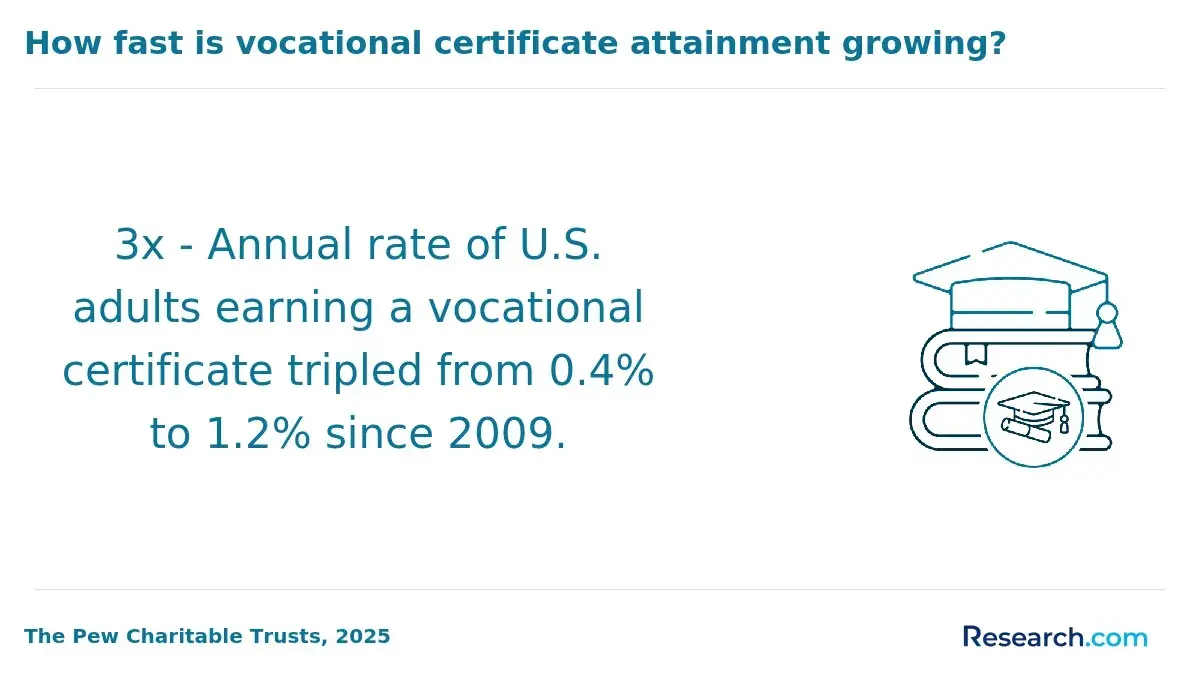
What Are the Fastest and Cheapest Human Resources Degree Programs?
Several accredited human resources degree programs cater specifically to working adults by offering faster and more affordable paths to graduation. These programs frequently use flexible schedules, online formats, and transfer credit options to help students manage their education alongside professional and personal obligations.
Recent data from the National Center for Education Statistics shows adult enrollment in distance education has surged by over 30%, underscoring the rising popularity of accelerated and accessible learning.
Key features that support quicker and cost-effective human resources degree completion often include:
- Accelerated Courses: Many programs offer classes lasting 5 to 8 weeks rather than a full semester, enabling students to complete credits more rapidly and reduce overall degree timelines.
- Transfer Credit Policies: Accepting prior college credits or relevant professional certifications helps minimize redundant coursework and lowers tuition expenses.
- Asynchronous Learning: Coursework that can be completed on a flexible schedule without live sessions allows students to study when convenient, accommodating diverse work hours and life commitments.
- Prior Learning Assessments: Credit earned for previous work experience or military training can shorten the time to degree by recognizing skills gained outside the classroom.
- Multiple Enrollment Dates: Frequent start times throughout the year give students the flexibility to begin studies when ready, avoiding long waits to enroll.
These elements combine to improve access and affordability, making it easier for adult learners to balance cost, time, and educational rigor when pursuing a human resources degree.
Which Schools Accept the Most Transfer Credits for a Human Resources Degree?
Transfer credit policies enable working adults to reduce both the cost and time needed to complete a human resources degree by applying previously earned college credits, military training, professional certifications, or prior learning experiences toward degree requirements.
However, transfer flexibility varies significantly depending on the institution's accreditation, program structure, and credit evaluation methods. Approximately 37% of undergraduate students in the U.S. have transferred at least once, reflecting the importance of transfer credit policies in adult learner mobility.
Several key factors influence how many transfer credits a human resources degree program may accept for working adults, including:
- Accreditation Compatibility: Credits from regionally accredited colleges typically transfer more easily than those from nationally accredited or unaccredited institutions. This compatibility expands options for adult learners seeking to apply prior coursework toward their human resources degree.
- Transfer Equivalency Evaluations: Institutions perform detailed assessments to match previously earned courses with degree requirements, focusing on course content and credit hours. Thorough evaluations maximize accepted credits, helping reduce time to completion and overall expenses.
- Prior Learning Assessments (PLAs): Many programs recognize military training, certifications, or work experience through PLAs, providing credit for relevant knowledge outside traditional coursework and increasing flexibility for adult learners balancing education with career obligations.
- Articulation Agreements: Pre-established agreements between community colleges and four-year institutions clarify credit transfer pathways, minimizing administrative delays and uncertainty for students transferring into human resources programs.
- Residency Requirements: Some schools require students to complete a set minimum of credits directly through their programs, which may extend study duration and affect scheduling flexibility but ensure academic standards.
What Financial Aid Options Are Available for Human Resources Students?
Financial aid opportunities can significantly ease the cost burden for working adults pursuing a human resources degree by offering grants, scholarships, employer assistance, federal aid, or institutional support. Eligibility and availability vary widely depending on factors such as school, enrollment status, and program accreditation.
Notably, over 70% of undergraduate students receive some form of financial aid, reflecting how affordability concerns strongly influence many adult learners returning to school.
Several common financial aid options and affordability resources may help reduce out-of-pocket expenses while accommodating work schedules:
- Federal Grants and Loans: Programs like the Pell Grant and Direct Loans provide crucial financial assistance that helps lower tuition costs for many students. These federal resources are foundational for those seeking online human resources degree financial assistance programs, often with favorable repayment terms and reduced interest rates.
- Employer Tuition Assistance: Many companies support employees by covering part or all of their educational expenses related to job roles, thus reducing financial strain. This option can require balancing flexible schedules to fulfill both work duties and academic requirements.
- Scholarships for Adult Learners: Targeted scholarships recognize the unique experiences and career transitions of mature students. Offered by institutions and private organizations, these funds often do not require repayment, helping working adults manage tuition costs effectively.
- Military and Veteran Benefits: Eligible students may use GI Bill benefits or tuition assistance programs to cover substantial portions of tuition, easing the path toward degree completion. These benefits frequently help accelerate enrollment without incurring heavy debt.
- Prior Learning Assessment and Transfer Credits: Some schools grant credit for professional certifications or relevant work experience, reducing the number of courses needed. This can shorten program length and overall expenses, making affordable human resources education more accessible.
Working adults seeking affordable and flexible human resources programs should also explore options like payment plans or work-study programs. Combining multiple aid sources and flexible program structures optimizes the potential for a cost-effective education aligned with long-term career goals.
For example, students interested in interdisciplinary studies might consider programs such as the best online biology degree to expand their opportunities while benefiting from similar financial support mechanisms.
What Jobs Can You Get With a Human Resources Degree?
A human resources degree equips working adults with the knowledge and skills needed for a range of entry-level, mid-level, and specialized career opportunities. Affordable and flexible degree programs designed for nontraditional students support career advancement and transitions, accommodating busy schedules and prior credits.
According to the U.S. Bureau of Labor Statistics, employment of human resources specialists is projected to grow 7% from 2022 to 2032, highlighting strong demand in the field.
Common careers you can pursue with a human resources degree include:
- Entry-Level Support: Roles such as human resources assistants or coordinators involve managing employee records, assisting with hiring processes, and providing general organizational support. These positions leverage foundational knowledge of employment law and HR procedures ideal for entry level human resources jobs for working adults.
- Technical Specialists: Jobs like recruiters or benefits specialists focus on talent acquisition, employee development, and compensation management. Earning credentials alongside a degree can increase competitiveness and deepen technical expertise in these specialized areas.
- Management Roles: Positions such as HR managers and labor relations specialists require advanced skills in leadership, strategic planning, and regulatory compliance. Degrees help develop the competencies needed for overseeing HR functions and directing workforce strategies.
- Community-Based Positions: Opportunities in nonprofit and government sectors emphasize workforce development and employee advocacy. These roles focus on program coordination and communication to enhance organizational impact.
Working adults interested in flexible, accelerated educational pathways may also explore programs like the best RN to BSN programs, which exemplify how short-term, affordable degrees can support career mobility and credential attainment across fields.
What Should Working Adults Look for When Choosing a Human Resources Degree Program?
Working adults frequently weigh multiple factors such as affordability, flexibility, accreditation, and career relevance when selecting a human resources degree program.
Balancing work, family, and education is crucial, and online or hybrid options have made learning more accessible for nontraditional students. In fact, around 40% of undergraduates are aged 25 or older, reflecting the growing demand for flexible degree pathways.
Several key considerations can guide working adults toward the best fit for their situation:
- Accreditation: Ensuring a program is accredited by recognized agencies confirms it meets academic standards and is valued by employers, which is essential for career advancement.
- Scheduling Flexibility: Programs offering asynchronous courses or part-time enrollment enable students to integrate studies alongside work and family duties, promoting better work-life balance.
- Transfer Credits: Acceptance of prior college credits can shorten the time and cost required to complete the degree, helping students advance more quickly.
- Online Accessibility: Fully online or hybrid programs facilitate convenient access, allowing learners to study from any location without disrupting their daily responsibilities.
- Student Support: Services such as academic advising and career counseling can improve retention, provide guidance, and enhance overall success throughout the degree journey.
What Do Students Say About Affordable Human Resources Degree Programs?
- Joanna: "Deciding to pursue a human resources degree as a full-time employee was challenging, but focusing on affordability without compromising accreditation was my top priority. I found that researching programs that accepted transfer credits saved me both time and money, which made balancing work and study manageable. For anyone in a similar spot, it's crucial to check if the program is recognized by employers to ensure your efforts lead to real career advancement."
- Jeremy: "Choosing a flexible human resources degree program made all the difference for my busy lifestyle as a parent and worker. Evening and weekend class options gave me the freedom to learn without sacrificing my job or family time. I recommend prospective students to prioritize schools with solid reputations and transparent accreditation, so the "cheap" programs don't end up costing more in the long run due to lack of employer respect."
- Beatrice: "Reflecting on my experience, I realized that the key for working adults pursuing a human resources degree is a program that fits around your schedule and career goals rather than forcing you to adjust your life around school. Verifying legitimacy through accreditation and employer feedback helped me steer clear of diploma mills. Affordable programs that also allow transfer credits accelerated my path and gave me peace of mind about my investment."
Other Things You Should Know About Human Resources Degrees
Working adults face challenges such as balancing work and study time, adapting to flexible schedules often required by online courses, and managing the stress of juggling multiple responsibilities. Despite affordability, these programs may lack in-person support, making self-motivation crucial for success.
Some low-cost programs include internships, practicum courses, or project-based learning to ensure practical experience. Working adults should verify whether the program integrates real-world applications to enhance employability after graduation. Hands-on opportunities can vary by school and should be confirmed before enrollment.
While tuition may be low, additional fees such as technology, lab, or course material charges can add up. These ancillary costs vary widely between institutions. It is important for prospective students to review the full cost breakdown to avoid surprises during their studies.
Lenient credit transfer policies help reduce total credit requirements and cost by recognizing previous coursework. The most affordable programs tend to accept a higher number of transfer credits, which benefits working adults with college experience. Confirming transfer policies early can significantly lower overall expenses.
References
- Discover The Most Affordable Online Human Resources Degrees https://www.affordablecollegesonline.org/degrees/human-resources-programs/
- What Can You Do With a Human Resources Degree? https://www.snhu.edu/about-us/newsroom/business/what-can-i-do-with-an-hr-degree
- What Degree Might You Need to Pursue an HR Career Path? The Requirements to Know https://www.trident.edu/what-degree-do-you-need-for-hr-requirements-to-know/
- 5 Scholarships for Human Resources https://www.greatvaluecolleges.net/lists/5-scholarships-for-human-resources/
- 11 Top HR Courses that Every Working Professional Should Take https://learnerspoint.org/blog/hr-courses-for-working-professionals
- Which Degree is Right for You? https://www.shrm.org/membership/students/degree-right
- Top 30 Most Affordable Online Master's in Human Resources https://www.bestcollegesonline.org/most-affordable/online-masters-human-resources/
- 50 Most Affordable Small Colleges for a Human Resources Degree and HR Study - Human Resources Degrees https://www.humanresourcesmba.net/best/affordable-small-colleges-human-resources-degree/