2027 Cheapest Accredited Online Psychiatric Mental Health Nurse Practitioner Degree Programs That Accept FAFSA

Co-Founder and Chief Data Scientist
Choosing an online psychiatric mental health nurse practitioner program is a cost, licensure, and career decision at the same time. Nurse practitioner roles had a 2024 median wage of $132,050, according to the U.S. Bureau of Labor Statistics, and demand remains strong as mental health access shortages continue.
This guide is for RNs comparing accredited online PMHNP degrees that participate in federal student aid. You will learn how to compare tuition, FAFSA eligibility, accreditation, transfer credits, aid packages, clinical requirements, and long-term return before committing.
Key Things You Should Know
- The cheapest FAFSA-eligible online PMHNP options are usually public university MSN or post-BSN-to-DNP programs with published graduate tuition under roughly $750 per credit, but the lowest advertised tuition is not always the lowest net cost.
- Graduate PMHNP students generally cannot use Pell Grants, but FAFSA can unlock Direct Unsubsidized Loans, Grad PLUS Loans, institutional scholarships, state aid, and work-study where available.
- Programmatic nursing accreditation matters: students should verify CCNE or ACEN accreditation, institutional accreditation, state authorization, clinical placement rules, and eligibility for PMHNP certification before enrolling.
Which Are the Cheapest Accredited Online Psychiatric Mental Health Nurse Practitioner Degree Programs That Accept FAFSA?
The cheapest accredited online psychiatric mental health nurse practitioner degree programs that accept FAFSA are typically online MSN-PMHNP, post-master's PMHNP certificate, or BSN-to-DNP psychiatric-mental health tracks at Title IV-participating institutions.
For cost comparison, students should look beyond the per-credit rate and calculate the full program cost, including credits required, mandatory fees, clinical placement costs, travel for intensives, background checks, and whether tuition differs by residency.
The table below gives a practical shortlist of lower-cost online or mostly online PMHNP degree pathways to investigate. Tuition can change by term, residency, fees, and enrollment status, so use the figures as a screening tool and request a written cost-of-attendance estimate from each school before applying:
| School | Online PMHNP pathway | Typical credit range | Published tuition position | Accreditation to verify | FAFSA participation |
| University of Southern Indiana | MSN psychiatric-mental health nurse practitioner | About 44 credits | Often among lower advertised public-university online graduate nursing rates | Institutional accreditation and CCNE nursing accreditation | Yes, through federal student aid participation |
| The University of Alabama | MSN psychiatric-mental health nurse practitioner concentration | About 45 or more credits, depending on plan | Competitive online graduate nursing tuition for a public flagship institution | Institutional accreditation and CCNE nursing accreditation | Yes, through federal student aid participation |
| New Mexico State University | Online MSN psychiatric-mental health nurse practitioner | About 47 credits | Lower-cost public university option for many online graduate students | Institutional accreditation and CCNE nursing accreditation | Yes, through federal student aid participation |
| McNeese State University | MSN psychiatric-mental health nurse practitioner | Often around the mid-40-credit range | Public-university tuition that can compare favorably with private online programs | Institutional accreditation and CCNE nursing accreditation | Yes, through federal student aid participation |
| Northern Kentucky University | Online MSN psychiatric-mental health nurse practitioner | About 46 credits | Moderate-cost online MSN option with clear online delivery | Institutional accreditation and CCNE nursing accreditation | Yes, through federal student aid participation |
| Wilkes University | Online MSN psychiatric-mental health nurse practitioner | About 47 credits | Usually higher than the lowest public options but still commonly compared for flexibility | Institutional accreditation and CCNE nursing accreditation | Yes, through federal student aid participation |
A low-cost MSN is usually the shortest route for BSN-prepared RNs who want PMHNP certification eligibility. A DNP program online may make more sense for nurses who want the terminal practice degree, leadership preparation, or an employer-preferred doctoral credential, but it usually requires more credits and a larger total budget.
When comparing schools, ask whether the quoted tuition applies to the PMHNP track specifically. Some universities advertise a general graduate nursing rate, while PMHNP students may face added simulation, clinical, compliance, or placement expenses.
How Does FAFSA Eligibility Work for Online Psychiatric Mental Health Nurse Practitioner Degree Programs?
FAFSA eligibility means the school and program can be considered for federal student aid; it does not mean the program will be free or that every admitted student will receive grant aid. For PMHNP students, FAFSA is mainly the gateway to federal graduate loans, institutional aid, state aid where available, and need-analysis information that some schools use for scholarships.
Use this sequence before you treat any online PMHNP program as financially viable:
- Confirm that the institution participates in Title IV federal student aid programs and has a valid federal school code.
- Ask whether the specific online PMHNP degree or certificate is aid-eligible, because not every certificate or non-degree enrollment status qualifies for the same aid.
- Verify whether you will be admitted as a degree-seeking graduate student, since non-degree or continuing education status can limit aid eligibility.
- Ask the financial aid office for the program's estimated cost of attendance, not just tuition.
- Confirm satisfactory academic progress rules, enrollment minimums, and whether part-time study changes loan eligibility.
Graduate nursing students are usually considered independent for FAFSA purposes. That can simplify dependency questions, but it does not automatically create grant eligibility; most PMHNP students rely on a mix of loans, employer assistance, scholarships, and personal payment plans.
A common mistake is assuming that "accepts FAFSA" means "covered by FAFSA." FAFSA is an application, not a funding source by itself. The real question is what aid package the school offers after it processes the FAFSA and applies federal rules to your enrollment status.
How Much Does an Online Psychiatric Mental Health Nurse Practitioner Degree Cost After Financial Aid?
The cost after financial aid depends on tuition, credits, fees, living expenses included in the school's cost of attendance, scholarships, employer benefits, and how much the student borrows. For graduate PMHNP students, the most important number is not the sticker price; it is the net amount you must pay or finance after gift aid and employer support.
The table below shows how the same type of online PMHNP program can produce different borrowing needs depending on tuition and aid. These are planning scenarios, not quotes from a specific school:
| Cost factor | Lower-cost public option | Moderate-cost online option | Higher-cost private option |
| Estimated credits | 44 to 48 | 46 to 50 | 47 to 52 |
| Tuition pattern | Lower per-credit rate | Midrange per-credit rate | Higher per-credit rate |
| Likely added costs | Fees, compliance, exam prep, clinical travel | Fees, technology, clinical placement support | Fees, clinical services, intensive travel, higher loan need |
| Best-case affordability driver | Low tuition plus employer aid | Scholarships plus flexible pacing | Strong support services or faster completion |
| Main risk | Limited seats or state restrictions | Higher total tuition than advertised headline rate suggests | Large federal loan balance if grants and employer aid are limited |
For federal loans first disbursed in the 2024-25 aid year, graduate Direct Unsubsidized Loans carried an 8.08% fixed interest rate and Grad PLUS Loans carried a 9.08% fixed interest rate. That matters because a program that costs only a few thousand more in tuition can become much more expensive if the difference is financed with higher-interest graduate debt.
To estimate your after-aid cost, subtract grants, scholarships, tuition waivers, and employer reimbursement from the school's cost of attendance. Then separate what you can pay out of pocket from what you would need to borrow. This gives you a clearer view of affordability than tuition alone.
Which Affordable Online Psychiatric Mental Health Nurse Practitioner Degree Programs Offer the Best Value?
The best-value affordable PMHNP program is not automatically the one with the lowest tuition. Value comes from the relationship between total cost, accreditation, certification eligibility, clinical feasibility, time to completion, student support, and likely career use of the credential.
The table below organizes the main value factors students should compare when two programs appear similarly affordable:
| Value factor | Why it matters | When a higher-cost program may be worth it |
| Clinical placement support | PMHNP programs require supervised clinical hours, and placement difficulty can delay graduation. | If the school provides structured placement help in your state and reduces the risk of extra semesters. |
| State authorization | Online programs may not enroll or place students in every state. | If the more expensive school is authorized in your state and the cheaper one is not. |
| Certification alignment | Graduates generally need eligibility for national PMHNP certification before state APRN licensure. | If curriculum mapping, exam preparation, and faculty advising are stronger. |
| Part-time flexibility | Working RNs may need to keep income and benefits while studying. | If flexible pacing prevents lost wages or reduces burnout. |
| Net cost after aid | Scholarships and employer support can make a higher sticker price cheaper in practice. | If the final aid letter shows lower borrowing than the cheaper advertised program. |
A more expensive program can be the better financial decision if it helps you finish sooner, secures clinical access, or offers enough scholarship aid to reduce borrowing. On the other hand, paying more for brand recognition alone is risky if the program does not improve your licensure readiness, clinical placement prospects, or employment options.
The best approach is to compare at least three schools using the same assumptions: total credits, tuition, mandatory fees, aid offer, expected loan balance, clinical placement responsibility, and graduation timeline.
Are the Cheapest Online Psychiatric Mental Health Nurse Practitioner Degree Programs Properly Accredited?
The cheapest online PMHNP programs should still meet two accreditation tests. First, the institution should be accredited by an agency recognized for federal student aid purposes. Second, the nursing program should hold recognized nursing accreditation, commonly from the Commission on Collegiate Nursing Education or the Accreditation Commission for Education in Nursing.
Accreditation affects federal aid, transferability, employer confidence, certification eligibility, and state licensure review. For PMHNP students, state board rules are especially important because online enrollment does not erase the requirement to meet the licensure standards in the state where you plan to practice.
Before applying, verify these items directly with the school and your state board of nursing:
- The institution is currently accredited and eligible to participate in federal student aid programs.
- The PMHNP track is included under the nursing program's accreditation status, not merely offered by an accredited university.
- The curriculum is designed to meet educational requirements for PMHNP certification and APRN licensure in your intended state.
- The school is authorized to offer online education and arrange clinical experiences in the state where you live.
- The program discloses any required campus visits, intensives, simulation sessions, or local clinical requirements.
Red flags include vague accreditation language, refusal to confirm state authorization in writing, unclear clinical-hour policies, very aggressive admissions promises, and tuition pages that omit required fees. A properly accredited low-cost program should be transparent enough for you to verify the full pathway from admission to certification eligibility.
What FAFSA Grants and Federal Aid Can Pay for an Online Psychiatric Mental Health Nurse Practitioner Degree?
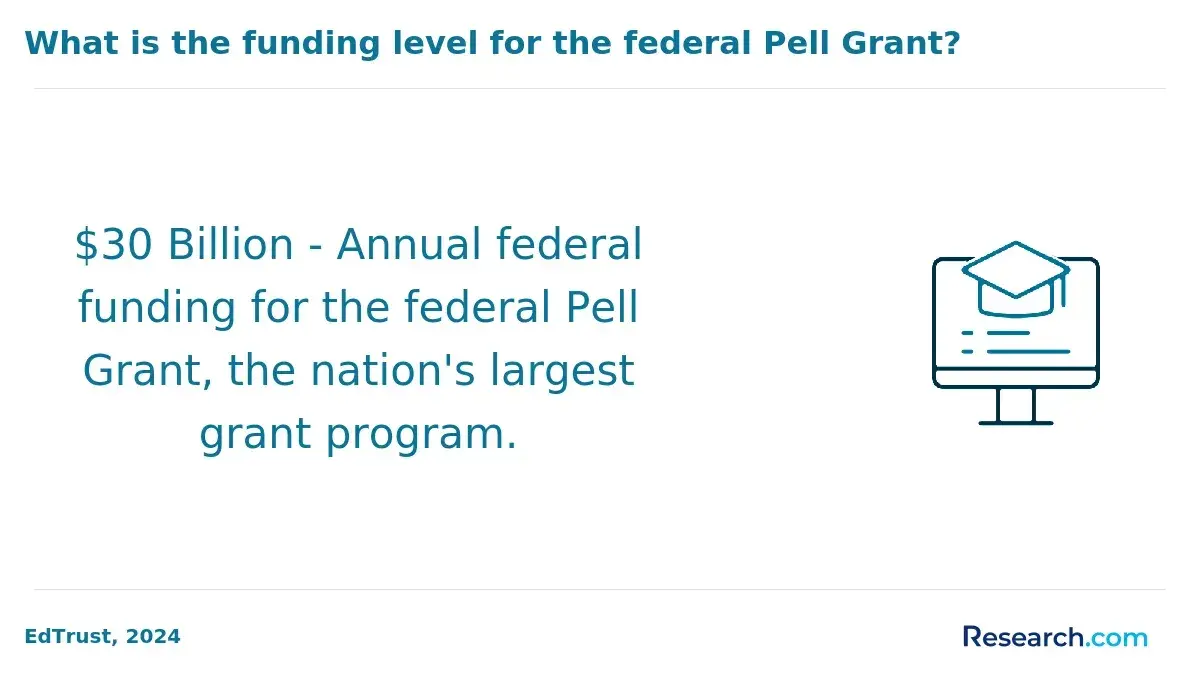
FAFSA can help pay for an online PMHNP degree, but the aid mix is different from undergraduate aid. Because PMHNP programs are usually graduate-level, students should not build their budget around Pell Grants unless they are enrolled in a qualifying undergraduate program, which is uncommon for this credential path.
These are the main FAFSA-connected aid categories PMHNP students should understand:
- Direct Unsubsidized Loans: Graduate students may borrow up to the annual federal limit, subject to the school's cost of attendance and aggregate loan limits.
- Grad PLUS Loans: These can cover remaining eligible costs after other aid, but they require a credit check and usually carry a higher interest rate than unsubsidized loans.
- Federal Work-Study: Some graduate students may qualify, but availability depends on the institution and job options may be limited for working nurses.
- Institutional scholarships: Many universities use FAFSA information when awarding need-based or mixed need-and-merit scholarships.
- State or workforce grants: Some states and employers support advanced practice nursing education, especially in shortage areas, but rules vary widely.
The strongest affordability strategy is to reduce borrowing before accepting loans. Ask about nursing school scholarships, behavioral health workforce awards, employer tuition reimbursement, military or veteran benefits, Indian Health Service or National Health Service Corps opportunities, and service-based repayment programs.
A major mistake is borrowing the maximum amount simply because it is offered. Federal loans can be useful, but graduate interest rates make overborrowing expensive. Accept only what you need after you have a realistic budget for tuition, fees, clinical travel, exam costs, and emergency reserves.
How Do Transfer Credits Lower the Cost of an Online Psychiatric Mental Health Nurse Practitioner Degree?
Transfer credits can lower the total cost of an online PMHNP degree when the school accepts prior graduate nursing coursework, advanced pathophysiology, pharmacology, health assessment, or applicable doctoral credits. The savings can be meaningful because every waived graduate credit reduces both tuition and the interest you might otherwise pay if borrowing.
Transfer policies vary sharply, so students should ask for a written transfer evaluation before choosing a school. Focus on these questions:
- How many graduate credits can be transferred into the PMHNP program?
- Are the "three Ps" courses accepted if they were completed at another accredited nursing school?
- Is there a time limit on prior coursework, such as courses completed within the past five or seven years?
- Will transferred credits reduce the total tuition bill, or do they only change course sequencing?
- Are clinical hours from a prior NP program accepted, or must PMHNP clinical hours be completed within the current program?
Transfer savings are most relevant for nurses who already hold an MSN, another NP credential, or completed graduate nursing courses before changing specialties. BSN-prepared RNs typically have fewer graduate credits to transfer, although a strong undergraduate record may help with scholarships or admission competitiveness.
Students still completing the nursing ladder should plan the path carefully. For example, an RN finishing a bachelor's degree through online RN to BSN programs no clinicals may reduce scheduling friction before applying to a graduate PMHNP program, but BSN credits usually do not replace graduate PMHNP coursework.
Which Students Benefit Most From a Low-Cost Online Psychiatric Mental Health Nurse Practitioner Degree With FAFSA?
A low-cost online PMHNP degree with FAFSA is most useful for licensed RNs who are academically ready for graduate nursing, can complete psychiatric clinical hours, and need a manageable way to finance advanced practice preparation. It is especially helpful for working nurses who must keep earning income while studying.
These students tend to benefit most from the low-cost FAFSA-eligible route:
- BSN-prepared RNs who want to become psychiatric mental health nurse practitioners without relocating for campus study.
- MSN-prepared nurses seeking a post-master's PMHNP pathway with fewer credits than a second full graduate degree.
- RNs in rural or underserved areas who can secure approved local psychiatric clinical placements.
- Students with employer tuition assistance who can combine workplace benefits with federal aid and scholarships.
- Nurses who have compared state licensure rules and know the program is authorized where they plan to practice.
Students should be cautious if they are not yet licensed RNs, lack psychiatric nursing exposure, cannot identify potential preceptors, or need a program that guarantees placement in a restricted state. For earlier-stage nursing students, a LPN fast track program may be a more appropriate first step, but it is not a substitute for the RN, BSN, and graduate preparation required for PMHNP practice.
Low cost also should not override fit. PMHNP work involves psychiatric assessment, medication management, therapy-informed care, crisis evaluation, documentation, and collaboration with physicians, therapists, social workers, and primary care teams. Students who are mainly attracted by salary should shadow or speak with psychiatric clinicians before choosing the specialty.
How Does the Cost of an Online Psychiatric Mental Health Nurse Practitioner Degree Affect Career ROI?
The cost of an online PMHNP degree affects career ROI because advanced practice earnings must be weighed against tuition, fees, interest, lost time, clinical travel, and repayment obligations.
The BLS reported a 2024 median annual wage of $132,050 for nurse practitioners, but actual earnings vary by specialty, state, employer, experience, schedule, and whether the role is outpatient, inpatient, telehealth, community-based, or integrated care.
ROI is strongest when the student keeps borrowing low, finishes on time, gains certification eligibility, and practices in a setting that uses the PMHNP credential fully. ROI weakens when students extend enrollment because of clinical placement delays, borrow up to the full cost of attendance without a repayment plan, or enroll in a program that does not meet the licensure rules of their intended state.
Use this practical ROI check before enrolling:
- Estimate total program cost, including fees and clinical expenses.
- Subtract scholarships, employer reimbursement, grants, and personal payments.
- Estimate the loan amount needed and the interest rate category.
- Compare likely monthly repayment with conservative local PMHNP salary expectations.
- Ask whether the program's timeline allows you to keep working while completing coursework and clinicals.
- Confirm that the credential will qualify you for the roles you actually want.
Some students discover that another healthcare path has a better short-term ROI for their situation, especially if they are not already RNs. Comparing alternatives such as 1 year radiology tech programs can clarify whether the PMHNP path is worth the longer nursing education sequence and higher graduate-level borrowing.
How Should Students Choose the Cheapest FAFSA-Eligible Online Psychiatric Mental Health Nurse Practitioner Degree?
Students should choose the cheapest FAFSA-eligible online PMHNP degree only after confirming that it is accredited, licensure-aligned, clinically feasible, and affordable after aid. The right program is the one that lets you complete the credential with acceptable debt, not the one with the most attractive tuition headline.
Use this decision checklist when comparing programs:
- Request a written total cost estimate that includes tuition, fees, clinical expenses, required visits, books, technology, background checks, and certification preparation.
- Ask the financial aid office whether the PMHNP track is eligible for federal loans and whether any scholarships require full-time enrollment.
- Verify institutional accreditation, nursing program accreditation, state authorization, and PMHNP certification alignment.
- Ask who is responsible for finding clinical preceptors and what happens if a placement falls through.
- Compare net price after grants, scholarships, employer aid, and tuition discounts rather than comparing tuition alone.
- Review part-time and full-time plans to see whether keeping your RN income offsets a longer timeline.
- Check whether transfer credits can reduce tuition without creating certification or licensure problems.
- Estimate repayment before accepting loans, especially if Grad PLUS borrowing is part of the package.
The cheapest program may be the best choice if it meets licensure requirements, has transparent clinical policies, and allows you to graduate with low debt. A more expensive program may be worth choosing if it offers stronger clinical support, better state fit, meaningful scholarships, or a schedule that protects your income.
If you are still exploring healthcare fields rather than committed to advanced practice nursing, compare the PMHNP path with other affordable online options, such as a nutritionist degree online, before taking on graduate nursing debt. The best financial decision is the one that matches your licensure goal, timeline, and realistic career plan.
Other Things You Should Know About Psychiatric Mental Health Nurse Practitioner
Usually not. Coursework may be online, but PMHNP programs require supervised clinical hours in approved settings. Some schools also require campus intensives, simulation sessions, skills checks, or orientation visits.
Some programs prefer or require psychiatric, behavioral health, emergency, community health, or related nursing experience. Others admit BSN-prepared RNs without a formal psychiatric background, but relevant experience can help with admissions, clinical readiness, and career fit.
Many students work while enrolled, especially in part-time plans. However, clinical semesters can be demanding, and students may need schedule flexibility for daytime clinical hours, exams, synchronous sessions, or travel requirements.
Policies vary by institution, but many universities do not distinguish online delivery on the diploma. Employers and licensing boards usually care more about accreditation, certification eligibility, state licensure, clinical preparation, and whether the degree came from a recognized institution.
References
- Regulations for Attending an Online NP Program Out-Of-State | ThriveAP https://provider.thriveap.com/blog/regulations-attending-online-np-program-out-state
- Guide to the Most Affordable Online Nurse Practitioner Programs https://www.edumed.org/online-schools/nurse-practitioner-programs/most-affordable/
- Most Affordable Online PMHNP Programs for 2025–2026 - Nurse Practitioner Degrees https://npdegrees.org/degrees/online-np-masters-degrees/most-affordable-pmhnp-programs/
- Most Affordable Online NP Programs (2026): Comprehensive https://www.npschools.com/rankings/all-affordable-online-np-programs
- 10 Cheapest Online PMHNP Certificate Programs https://blog.forthenurse.us/10-cheapest-online-pmhnp-certificate-programs/