2027 Return on Investment of an Online Management Information Systems Bachelor's Degree: Salary vs Cost

Co-Founder and Chief Data Scientist
Imagine a working professional aiming to pivot into the technology sector by earning an online Management Information Systems bachelor's degree but unsure if the investment will pay off. With tuition costs averaging around $40,000 for accredited online programs and the median salary for MIS graduates at $85,000 annually, the financial return can be significant.
However, not all online degrees offer equal value-especially considering differences in program reputation, course quality, and career support. This article analyzes the true return on investment of an online Management Information Systems bachelor's-examining salary outcomes versus cost to guide informed decisions in career-focused education.
Key Things to Know About the Return on Investment of an Online Management Information Systems Bachelor's Degree
- Average tuition for online management information systems bachelor's programs ranges from $15,000 to $40,000-significantly lower than traditional on-campus costs.
- Graduates report median salaries between $65,000 and $90,000 annually, reflecting a strong return compared to education expenses.
- Non-financial benefits include enhanced career mobility, increased job security in IT sectors, and ongoing professional development opportunities.
What is the true cost of earning an online management information systems bachelor's degree from enrollment to graduation?
Several direct and indirect expenses contribute to the total financial investment when pursuing an online management information systems bachelor's degree. Prospective students must evaluate these costs carefully to measure the true return on investment. The cost breakdown of an online management information systems bachelor's degree can be summarized as follows:
- Tuition Costs: Published tuition rates vary widely, typically ranging from $15,000 to $45,000 for a complete online bachelor's degree depending on whether the institution is public or private. Many students pay less after grants and scholarships, with university net price calculators showing possible reductions between 20% and 50% off the sticker price.
- Technology and Fees: Online programs often charge mandatory technology fees of $300 to $1,200 per year. Additional course fees for software licenses or lab access may add several hundred dollars annually.
- Textbooks and Materials: Despite the growing use of digital resources, textbooks and other required course materials typically cost between $1,200 and $1,800 over four years. This includes expenses for updated editions and specialized management information systems software frequently required for coursework.
- Proctoring and Exam Fees: Secure online proctoring services usually cost from $30 to $100 per exam, and these fees accumulate across multiple courses depending on program requirements.
The total expenses from enrollment to graduation for MIS degree students usually approach $50,000 before financial aid. Factoring in scholarships and grants lowers actual costs for most students to approximately $20,000 to $35,000. This realistic baseline helps working professionals or first-generation college students on tight budgets make informed decisions.
Evaluating these direct and indirect costs alongside verified salary outcomes, sourced from the Bureau of Labor Statistics, IPEDS, and leading higher education organizations, offers a clearer view of the return on investment.
For those considering further advancement, understanding the cost and benefits of an online doctorate in a related field can also be valuable.
How does the starting salary for management information systems bachelor's degree graduates compare to the total cost of the degree?
The starting salary for graduates with a bachelor's degree in Management Information Systems (MIS) provides a solid return on investment when compared to the total cost of earning the degree. According to the Bureau of Labor Statistics (BLS), entry-level roles such as information security analysts, computer systems analysts, and database administrators offer median starting salaries ranging from approximately $60,000 to $75,000 annually.
When this is measured against the typical total cost of an online MIS bachelor's degree-which can vary from $20,000 in a best-case scenario with financial aid, to $60,000 in a worst-case scenario without substantial aid-the financial payoff becomes clear.
In the best-case scenario, the starting salary can offset the total program cost in just four to five months of gross earnings. Conversely, the worst-case scenario may require 10 to 12 months of income to reach break-even.
This payback period highlights only the initial financial benefit, as professionals with an MIS degree often experience steady salary growth, promotions, and access to higher-paying positions in IT management or cybersecurity over time.
It is also essential to consider that students choosing an accelerated online bachelor's degree can often reduce time and costs further, improving return on investment risks. With continued career development and upward salary trends, graduates typically recoup their investment several times over throughout their careers.
- Entry-Level Salary Range: Median starting salaries in common MIS roles typically range from $60,000 to $75,000 annually, providing a strong income foundation post-graduation.
- Cost Offset Timeline: Total tuition costs are recovered within 4 to 12 months of starting salary earnings, depending on financial aid and tuition rates.
- Salary Growth Potential: Ongoing raises, promotions, and enhanced roles in the MIS field significantly increase long-term financial returns beyond initial salary.
- Financial Aid Impact: Scholarships, grants, and employer tuition assistance can drastically reduce costs and shorten the payback period.
- Broader Benefits: MIS graduates gain valuable job security, professional development, and expanded career pathways, further enhancing degree value.
What is the average return on investment (ROI) for an online management information systems bachelor's degree over a 10-year career?
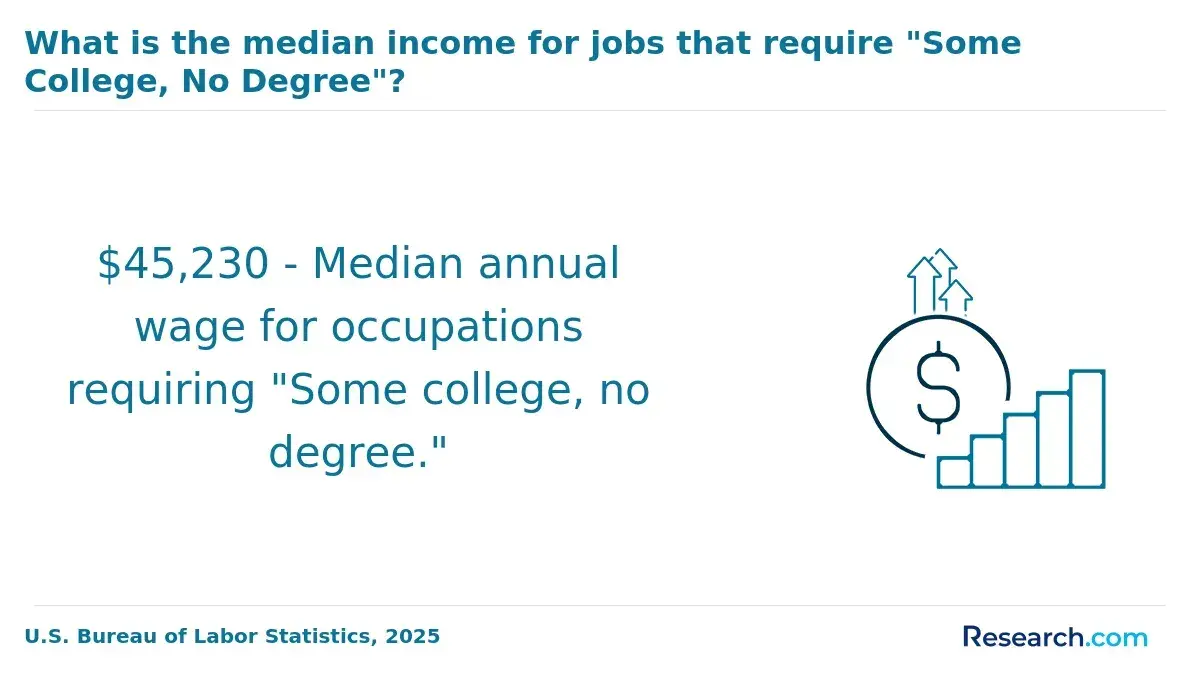
Return on investment (ROI) in higher education is calculated by subtracting the cost of a degree from the increased earnings a graduate makes over 10 years compared to those with only a high school diploma or associate degree.
Data from the Georgetown University Center on Education and the Workforce and PayScale's College ROI Report show that the total tuition for an online management information systems bachelor's degree typically ranges from $30,000 to $60,000.
According to Bureau of Labor Statistics (BLS) median wage data, starting salaries in management information systems are about $90,000, with average annual raises near 3%, leading to roughly $1 million in earnings over a decade.
In comparison, individuals with a high school diploma earn around $40,000 yearly-totaling $440,000 in 10 years-while associate degree holders make about $55,000 annually, summing to $600,000. The bachelor's degree holder's additional income, before subtracting tuition, ranges between $400,000 and $560,000 during this period. After accounting for degree costs, the net gain remains substantial.
- Clear Definition of ROI: ROI measures the net financial benefit from education by calculating extra earnings over 10 years minus degree costs, helping to evaluate if the investment is worthwhile.
- Sample Earnings Calculation: Starting at a $90,000 median salary with steady pay increases offers a practical estimate of the financial advantage gained from the degree.
- Cost Considerations: Tuition varies by institution, but even higher tuition stays well below the incremental earnings generated, supporting the degree's financial value.
- Comparison to National Averages: The ROI for an online management information systems degree generally surpasses the average return for all bachelor's degrees, reflecting robust demand in tech and business sectors.
A professional who completed an online management information systems bachelor's degree shared that evaluating the financial commitment upfront was critical. "I spent months comparing tuition rates and expected salaries to make sure this degree would improve my position," he explained.
Balancing work, study, and family responsibilities proved challenging, but knowing the potential long-term benefits motivated him to persevere. He described feeling anxious about the initial cost but confident that the career opportunities and salary progression justified the investment in the end.
Public universities generally offer the most affordable tuition, especially for in-state students. Many feature flat-rate online tuition, ranging from about $6,000 to $12,000 annually for the full bachelor's program. These rates benefit from state funding and aim to balance cost with educational quality, making them a practical option for budget-conscious students seeking an online management information systems tuition comparison by institution type.
Private nonprofit institutions tuition typically ranges between $20,000 and $35,000 per year. Though pricier, these programs often provide enhanced reputations, higher graduation rates, and broader alumni networks, which may boost career advancement and improve long-term ROI.
For-profit colleges often offer lower tuition-sometimes close to public institution costs-to attract working adults and career changers. However, lower prices come with trade-offs:
- Reduced graduation rates and employer skepticism concerning the legitimacy of some for-profit degrees can negatively impact job prospects and salary growth.
- Fewer transfer options and weaker career support services may diminish overall value.
Selecting an online management information systems program requires careful consideration of both tuition and expected career outcomes, as the cheapest tuition does not always yield the best ROI. Public universities often strike a balance between cost and recognized quality, while private nonprofits provide stronger evidence of career success.
Prospective students should examine these distinctions alongside verified salary outcomes and institutional data available through sources like IPEDS. For those interested in affordable alternatives, reviewing the accounting degree online cheap options can provide context on navigating cost-effective online education choices.
Career earnings for holders of a management information systems bachelor's degree typically grow steadily over two to three decades, with key salary increases occurring around 5, 10, and 15 years of experience. Early career growth reflects skill development and entry-level promotions, leading to salary increases of 15% to 25% within the first five years. Common roles in these early stages include systems analyst and junior IT consultant.
- Mid-Career Acceleration: Around the 10-year mark, professionals often move into managerial and project leadership roles. Data from the American Community Survey and PayScale indicate salary growth can jump by 30% to 40% during this phase, showcasing rapid income expansion as responsibilities deepen.
- Senior-Level Plateau and Advancement: After 15 years, salaries may level off unless taking on senior management, IT director, or niche strategic positions, which can push earnings beyond 50% above mid-career levels.
- Lifelong Earnings Advantage: Overall, management information systems graduates accumulate significantly higher lifetime earnings than those without a degree-often surpassing a million dollars in additional income-underscoring the financial value of this credential.
A professional who built her career following completion of an online management information systems bachelor's program shared how the early years required balancing full-time work with coursework, which was challenging yet rewarding. She described steadily gaining confidence as she applied new technical skills directly to her job, eventually securing a leadership role at about the decade mark.
"It wasn't just about salary increases," she reflected, "but the ability to take on complex projects and influence strategic decisions that made the journey worthwhile." Her experience highlights how the program's flexible structure and practical curriculum supported both financial growth and professional development over time.
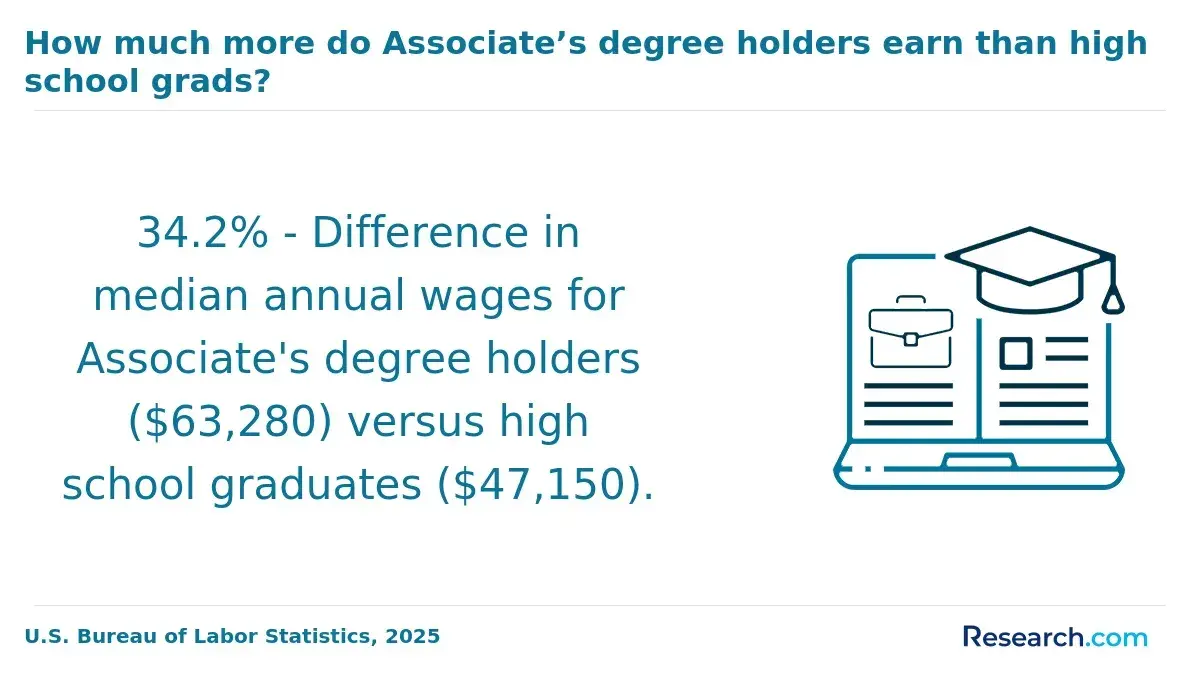
Comparing online management information systems bachelor's degrees with associate degrees and professional certificates reveals distinct trade-offs between cost, time, and career outcomes.
- Cost: Bachelor's programs usually require an investment between $20,000 and $40,000, depending on the school and program duration. Associate degrees tend to be more affordable, often ranging from $6,000 to $15,000 for two years. Certificates represent the lowest upfront expense, typically costing between $1,000 and $5,000 with much shorter completion times.
- Median Salary: Data from the Bureau of Labor Statistics shows bachelor's graduates in this field earn median annual wages between $80,000 and $95,000, reflecting access to managerial and technical roles. Those with associate degrees make about $50,000 to $65,000, while certificate holders usually earn between $40,000 and $55,000, depending on industry and certification type.
- Short-Term Investment: For individuals who need rapid entry into the workforce or have limited financial resources, certificates and associate degrees provide quicker, less costly paths. They facilitate earlier employment and decent starting salaries, supporting career growth through hands-on experience.
- Long-Term Returns: A bachelor's degree offers stronger lifetime earnings potential and improved career advancement. Graduates often secure leadership roles and benefit from greater job stability, which can balance out the higher initial costs over time.
- Career Flexibility and Advancement: Bachelor's graduates enjoy broader opportunities across technology management, analytics, and systems design. Associate degree and certificate holders frequently fill more specialized technical positions but can use these credentials as stepping stones toward higher education.
- Decision Framework: When choosing a credential, consider your current finances, timeline, and career goals. Shorter programs may suit those prioritizing immediate employment or restricted budgets. Conversely, investing in a bachelor's degree aligns better with long-range aspirations for leadership, expanded responsibilities, and increased earnings.
Choosing a specialization within an online Management Information Systems bachelor's degree can significantly influence your salary and career trajectory. According to the Bureau of Labor Statistics and research from leading education organizations, certain concentrations command higher median wages compared to generalist Management Information Systems graduates due to their technical focus and industry demand.
- Cybersecurity: Graduates in cybersecurity typically earn median salaries above $100,000 annually. This specialization meets growing needs for protecting corporate data and critical infrastructure.
- Additional certifications like CISSP or CEH often enhance job prospects but increase total education costs.
- Data Analytics and Business Intelligence: Professionals in this field analyze complex data to inform strategic decisions, with median salaries generally ranging from $85,000 to $95,000. Proficiency in SQL, Python, or Tableau may require extra coursework or certification.
- IT Project Management: This track offers salary premiums between $80,000 and $90,000. Acquiring PMP certification is usually recommended for career advancement, adding to time and financial investment.
- Enterprise Resource Planning (ERP) Systems: Specializing in ERP platforms such as SAP or Oracle yields median salaries near $90,000. Certifications in these systems demand upfront expenses but provide strong long-term returns.
- Systems Analysis and Design: Focused on optimizing IT processes, this specialization typically offers salaries from $75,000 to $85,000 and usually involves fewer additional certification costs.
Specializations tied to emerging technologies and project leadership often provide the highest salary premiums over generalist graduates in Management Information Systems.
When selecting a concentration, consider how certification requirements impact your total investment and timeline for return on investment. Align your choice with your existing experience and career goals to maximize both financial outcomes and job security.
Employer tuition reimbursement programs play a crucial role in reducing the out-of-pocket cost of an online management information systems bachelor's degree. Under IRS Section 127, employers can offer up to $5,250 annually in tax-free tuition assistance to employees, making this benefit a valuable financial resource. Research from the Society for Human Resource Management (SHRM) shows that about 60% of U.S. employers provide some form of tuition reimbursement, significantly aiding working students pursuing higher education.
Beyond employer tuition reimbursement benefits for online management information systems degrees, federal and institutional financial aid further decrease the net tuition costs. Federal Pell Grants and subsidized loans offer essential support based on financial need-grants require no repayment, and subsidized loans have lower interest rates. Many universities also have scholarships targeted toward management information systems or online students, which can substantially reduce the sticker price.
Consider a student with an annual tuition of $15,000 in an online management information systems program. By combining a $5,250 employer tuition reimbursement, $3,000 from federal Pell Grants, and $2,500 in institutional scholarships, the student's net annual cost falls to $4,250. Over four years, this totals approximately $17,000, a 70% reduction that greatly improves the return on investment.
Considering salary outcomes and career benefits, those who invest in such degrees often gain valuable opportunities in job security and professional development. For students balancing work and education, this multi-layered financial aid approach fosters smarter planning. Those aiming for executive roles might also explore related paths, such as online MBA in operations management programs, to complement their skill set.
- Employer Benefits: Many employers provide tuition reimbursement programs under IRS Section 127 limits, enabling employees to reduce education costs tax-free and advance their careers.
- Financial Aid: Federal grants, subsidized loans, and institutional scholarships offer essential support, further lowering net tuition beyond employer contributions.
- Cost Reduction Example: Combining employer tuition reimbursement with federal and institutional aid can cut total degree costs by up to 70%, making online management information systems degrees more affordable.
- Prevalence of Assistance: Over half of U.S. employers offer tuition assistance, making it a widely accessible benefit for working students.
- Strategic Financial Planning: Knowing how employer tuition reimbursement benefits for online management information systems degrees and financial aid impact net cost enables students to plan effectively and invest wisely in their education.
Regional accreditation assesses the quality of an entire institution, ensuring consistent academic standards that employers recognize as a sign of reliability. Programmatic accreditation targets specific degrees like management information systems, confirming that the curriculum meets industry expectations and technical skill requirements.
Both forms of accreditation impact graduate outcomes, but employers typically prioritize degrees from regionally accredited schools when making hiring decisions.
According to data from the National Association of Colleges and Employers (NACE), hiring managers show stronger preference for candidates with regionally accredited degrees, often offering them higher starting salaries. Graduates from programs lacking this accreditation frequently encounter difficulties in salary negotiations and job placement.
Additionally, earning a degree from a non-accredited or only nationally accredited program can restrict access to professional licensing exams, further education, and jobs in regulated fields such as healthcare and government.
Candidates should confirm accreditation status before enrolling by consulting resources like the U.S. Department of Education's accreditation database and the Council for Higher Education Accreditation (CHEA). Verifying this information helps protect against programs that may not deliver the expected return on investment or career opportunities.
- Regional Accreditation Importance: This ensures the overall institution maintains rigorous academic standards, which enhances employer trust and can lead to better salary prospects.
- Programmatic Accreditation Benefits: Validates that management information systems curricula align with professional standards, improving job readiness and technical competence.
- Employer Preferences: Surveys show hiring managers favor degrees from regionally accredited institutions, correlating with higher confidence in candidates' skills and preparedness.
- Licensing and Graduate Admission Restrictions: Degrees without proper accreditation may block eligibility for licensure exams and deny entry to graduate programs essential for career advancement.
- Verification Resources: The U.S. Department of Education and CHEA databases provide authoritative information to check accreditation status before committing to a program.
Graduates with a management information systems bachelor's degree often begin their careers in a variety of roles, reflecting the program's broad skill set. Common entry-level positions include:
- Business Analyst: Median starting salaries range from $55,000 to $70,000. Finance and technology sectors typically offer the highest pay. Early career earnings increase with data analytics experience or certifications like CBAP.
- Systems Analyst: Starting salaries fall between $60,000 and $75,000. Competitive wages come from healthcare and government employers.
- IT Support Specialist: Entry-level pay usually spans $45,000 to $60,000. Technology companies and educational institutions lead in compensation.
- Database Administrator (Junior Level): Salaries typically start around $60,000 and can reach $75,000. Larger finance and healthcare firms often pay more, especially for those with SQL or Oracle certifications.
- Network Administrator: New professionals earn between $50,000 and $65,000, particularly in telecommunications and technology sectors.
- Project Coordinator: Starting salaries range from $48,000 to $62,000, with technology and construction industries offering higher pay.
- Data Analyst: Median entry pay is $55,000 to $70,000, with finance and marketing employers providing top salaries.
- Information Security Analyst (Entry-Level): Salaries vary from $60,000 to $80,000, led by government and technology sectors.
Certifications like CompTIA Security+ or CISSP significantly enhance starting salaries. Internships and specialized concentrations such as cybersecurity or data analytics boost salary prospects and accelerate return on investment. Earning industry-recognized certifications further elevates entry-level pay, affecting how quickly graduates recover education costs through initial earnings.
What Graduates Say About the Return on Investment of Their Online Management Information Systems Bachelor's Degree
- Trace: "Choosing the online management information systems bachelor's degree was a strategic decision for me-I thoroughly assessed the ROI and found the program's cost justified by the potential salary increase and career flexibility. Beyond financial gains, the program opened doors to leadership roles that previously seemed out of reach, greatly enhancing my job security. Today, I'm excited by the ongoing professional growth this degree continues to support."
- Sutton: "Reflecting on my journey, the non-financial returns of the online management information systems degree stand out most. The opportunities for career advancement and expanded professional network have been invaluable, offering stability in an ever-changing tech landscape. Although the financial investment was considerable, the long-term benefits in job satisfaction and security have proven well worth it."
- Ezekiel: "The impact of earning my online management information systems bachelor's degree has been profoundly positive on my professional career-my earning potential increased significantly while the flexible online format allowed me to maintain full-time work. This balance made the ROI particularly compelling from both a financial and personal perspective. I now feel more confident navigating technology-driven roles with broader responsibility."
Other Things You Should Know About Management Information Systems Degrees
On average, graduates of online management information systems bachelor's programs can expect to recoup the cost of their degree within five to seven years, depending on tuition fees and salary growth. Early career salaries in IT and management roles tend to rise steadily, helping offset education expenses over time. Factors such as prior work experience and job placement rates also influence how quickly the investment pays off.
Yes. AACSB accreditation signals that a business program meets recognized quality standards and is reviewed by the Association to Advance Collegiate Schools of Business. Employers often treat it as a strong quality marker, and many graduate schools prefer or require credits from AACSB-accredited programs.
Prospective students can use cost-benefit analysis calculators to compare program tuition costs against expected salary outcomes in their target job markets. These tools typically incorporate factors such as program length, financial aid, post-graduation employment rates, and salary growth projections. Using such analyses helps candidates make data-driven decisions that align educational investments with long-term career and financial goals.
- Bachelor of Science in Management Information Systems University of Nebraska at Omaha https://www.hotcoursesabroad.com/india/course/us-usa/bachelor-of-science-management-information-systems/58421638/program.html
- Top 5 Careers For Management Information Systems (MIS) Majors https://cdbusiness.ksu.edu/videos/top-5-careers-for-management-information-systems-mis-majors/
- Cost Analysis of Student Information Systems for Small Schools - Classter https://www.classter.com/blog/edtech/cost-analysis-of-student-information-systems-for-small-schools/
- EdAssist | How Employers Can Maximize the ROI of Education Benefits with Degree and Non-Degree Programs https://www.brighthorizons.com/article/employers/how-employers-can-maximize-the-roi-of-education-benefits-with-degree-and-non-degree-programs
- Is College Worth it? | Return on Investment Analysis of College Degree https://educationdata.org/college-degree-roi
- MBA Degree Salaries: Guide to Highest Paying Concentrations https://www.onlinemba.com/rankings/best-online-mba/highest-paying/
- Best Online Management Information Systems Bachelor's Degree Programs, Jobs, and Salaries https://careerkarma.com/blog/best-online-management-information-systems-bachelors-degrees/
- Tuition Reimbursement Programs [A Guide for HR and Employers] https://compt.io/blog/employee-tuition-reimbursement/
- Management Information Systems Careers https://online.maryville.edu/online-bachelors-degrees/management-information-systems/careers/
- How An Online Masters In Management Information Systems Can Advance Your Career - ReviewNPrep https://reviewnprep.com/blog/how-an-online-masters-in-management-information-systems-can-advance-your-career/