
2027 Alaska Psychology Licensure Requirements – How to Become a Psychologist in Alaska

Co-Founder and Chief Data Scientist
Becoming a psychologist in Alaska requires more than earning a psychology degree. To diagnose, assess, and treat clients independently, you must meet the Alaska Board of Psychologist and Psychological Associate Examiners’ education, supervised experience, examination, and renewal rules. The process is lengthy, but it is especially important in a state where distance, rural access, cultural responsiveness, and behavioral health needs shape how mental health care is delivered.
This guide explains how Alaska psychology licensure works, what degree path is required, how supervised practice and exams fit into the timeline, what fees to expect, and how to compare psychology programs and related mental health licenses before choosing your path.
Alaska Psychology Licensure Requirements Table of Contents
- Alaska psychology industry overview
- Education required for psychology licensure in Alaska
- How to apply for and renew an Alaska psychology license
- Top psychology programs in Alaska for 2027
- How substance abuse counseling can strengthen an Alaska practice
- Career outlook for child psychology in Alaska
- How behavior analysis can expand psychology services
- MFT and LMFT degree program differences
- Steps to earn an LPC license in Alaska
- How social work skills can support psychology practice
- How to become a school psychologist in Alaska
- How to become a criminal psychologist in Alaska
- How psychologists can address Alaska’s geographic and cultural barriers
- LPC licensure vs. psychology licensure in Alaska
- Psychology careers and salaries in Alaska
- Online education options for psychology students
- Resources for aspiring Alaska psychologists
- Other mental health license options in Alaska
- Emerging trends in Alaska psychology careers
Quick Answer: How Do You Become a Licensed Psychologist in Alaska?
To become a licensed psychologist in Alaska, you generally need a doctorate in psychology, supervised doctoral and postdoctoral training, a Board-approved supervised practice plan, passing scores on the National Examination for Professional Practice in Psychology and Alaska’s State Law & Ethics Examination, required documentation, and payment of licensing fees. Alaska licenses must be renewed on the state’s biennial schedule, with 40 continuing education credits required for each licensing period, including three credits in ethics.
| Licensure step | What Alaska requires | Why it matters |
| Graduate education | A doctorate in psychology is required for psychologist licensure. | The degree verifies advanced training in assessment, diagnosis, research, ethics, and intervention. |
| Predoctoral internship | Doctoral students must complete a practicum and a predoctoral internship of 1,500 hours within 24 months. | This gives candidates supervised clinical experience before independent practice. |
| Postdoctoral supervised practice | Applicants must complete at least 1,500 hours in not less than 10 months and not more than 24 months. | The Board uses this period to confirm readiness for professional practice. |
| Examinations | Candidates must take the EPPP and the State Law & Ethics Examination. | These exams test general psychology competence and Alaska-specific legal and ethical knowledge. |
| Renewal | Licenses expire by June 30th of every odd-numbered year, with continuing education required. | Renewal keeps psychologists current with professional standards and ethics. |
Overview of the Psychology Industry in Alaska
Alaska’s psychology workforce serves a geographically large state with a population of just over 735,000 people. The Bureau of Labor Statistics reports 170 clinical and counseling psychologists employed in Alaska, while another state workforce figure cited for employed licensed psychologists is about 210. In either case, the number of practicing psychologists is small compared with the size and geographic complexity of the state.
Access to care is not only a headcount issue. Alaska includes remote villages, frontier communities, Indigenous populations, weather-related travel barriers, and regions where telehealth may be essential. Mental Health America reports that each mental health provider in Alaska serves about 160 people, compared with the national average of 310 people per mental health provider in 2024. That ratio looks favorable on paper, but it does not fully capture how distance, provider specialty, cultural fit, insurance access, and local availability affect care.
The need for mental health services remains substantial. Reported indicators include 334 people with suicidal ideation, 298 people with severe depression, and 588 people who identify as trauma survivors. HelpAdvisor also ranked Alaska as the state most at risk for depression in 2024. These realities make licensure standards important: Alaska needs qualified clinicians who can practice safely, ethically, and effectively in diverse community settings.
The Alaska Board of Psychologist and Psychological Associate Examiners regulates psychology licensure. The Board operates under the Division of Corporations, Business and Professional Licensing, the same state division that oversees many professional and business licensing functions in Alaska.
Educational Requirements for Psychology License in Alaska
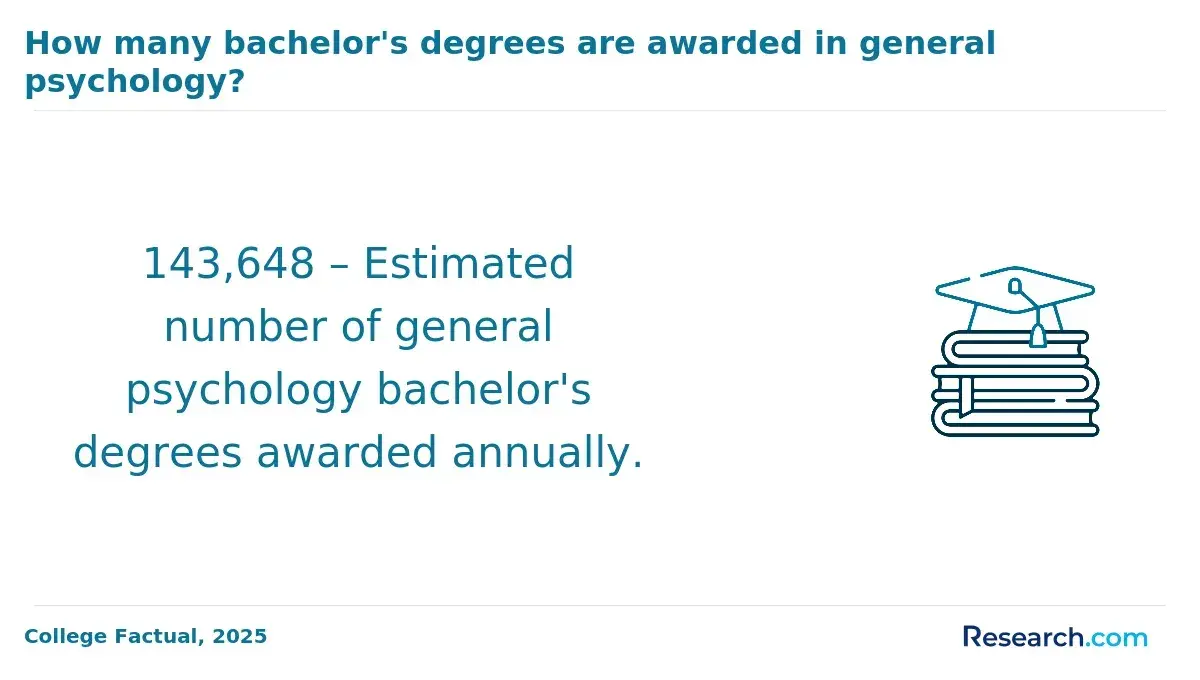
Alaska requires licensed psychologists to hold a doctorate in psychology. If you are still early in your education, the usual path starts with a bachelor’s degree, followed by graduate study and doctoral training. Students comparing undergraduate options can review online behavioral science degree programs and related psychology programs, but they should remember that a bachelor’s degree alone does not qualify someone for psychologist licensure.
The Board evaluates whether graduate training meets psychology licensure standards. Program title, curriculum, supervised practice, research preparation, and internship structure all matter. Accreditation can also affect how easily a program is reviewed for licensure eligibility.
| Degree level | Role in the licensure pathway | Key Alaska-related considerations |
| Bachelor’s degree | Builds foundational knowledge in psychology, research methods, statistics, human development, and abnormal psychology. | Useful for admission to graduate programs, but not sufficient for independent psychologist licensure. |
| Master’s degree | May provide graduate training in psychology or counseling and may support related licenses, depending on the program. | The program must be identified as psychology and include methodology, core psychology content, and supervised practicum or laboratory work relevant to the degree. |
| Doctorate degree | Required for psychologist licensure in Alaska. | The program must include basic psychology studies, research methodology, data analysis, practicum training, and a predoctoral internship of 1,500 hours within 24 months. |
A master’s program can be valuable if it is part of a longer doctoral plan or if you are considering a related counseling credential. For example, students interested in workplace behavior, leadership, and employee assessment may compare organizational psychology graduate programs with counseling or clinical pathways before committing to a licensure goal.
Doctoral psychology programs typically focus on an area such as clinical psychology, counseling psychology, school psychology, forensic psychology, or another specialty. Specialization can influence training sites, supervision options, and future employment. It may also affect long-term earning potential in some settings, which is why students often compare specialties connected to the highest-paying careers available with a psychology degree.
The Board recognizes psychology programs accredited by the American Psychological Association. APA accreditation indicates that a program has met professional standards for doctoral psychology education and training. As of 2024, Alaska has one APA-accredited doctorate program.
Application and Renewal Process of Psychology License in Alaska
Alaska psychology licensure is best understood as a sequence: earn the required doctorate, document supervised training, receive approval for postdoctoral supervised practice, complete the required hours, pass exams, pay fees, and keep the license active through renewal and continuing education. Planning early matters because the process includes strict timing rules and several separate costs.
Application Process
- Complete a doctorate in psychology. Before applying to the Alaska Board of Psychologist and Psychological Associate Examiners, applicants must hold the required doctoral degree in psychology.
- Collect required records. Candidates need official undergraduate and graduate transcripts, internship documentation, and five letters of recommendation. Three letters must come from licensed psychologists or members of the APA, and two must come from people who are not related to the applicant.
- Submit a supervised practice plan. Applicants must prepare a Supervised Practice plan for postdoctoral experience. The Board must approve the plan before supervision begins. Once approved, the applicant may receive a temporary license.
- Complete postdoctoral supervised experience. Applicants must complete at least 1,500 hours of experience in not less than 10 months and not more than 24 months. Supervision must come from a licensed psychologist, an APA member, or a graduate of a psychology doctorate program whom the Board considers qualified to supervise.
- Become exam-eligible. After meeting the education, documentation, and supervision requirements, applicants may be approved to take the National Examination for Professional Practice in Psychology and Alaska’s State Law & Ethics Examination. The EPPP may be taken electronically in Anchorage or at a Prometric Test Center in the US, US territories, or Canada. The State Law & Ethics Examination is scheduled separately by the Board.
- Submit fees with the application process. Alaska lists a $200 nonrefundable application fee, a $50 state examination fee, a $150 temporary license fee, and an initial license fee of $500. EPPP fees are separate.
- Receive the license after all requirements are met. Once the Board verifies that all requirements are complete, the applicant may be granted an Alaska psychology license. Candidates seeking an Alaska school psychologist license may also need a Type C Special Services Certificate from the Alaska Department of Education and Early Development and a teacher certificate in Special Education.
Renewal Process
- Track the expiration cycle. Alaska psychology licenses follow a biennial cycle and expire by June 30th of every odd-numbered year. If a license is issued 90 days before June 30, its expiration may move to the next biennium.
- Complete continuing education. Psychologists must complete 40 continuing education credits during each licensing period. Three credits must cover ethics.
- File the renewal application and pay the fee. Psychologists should use the current renewal form from the Board. Renewal fees are $500 for licenses issued on or before June 30 and $250 for licenses issued on or after July 1. Online renewal is also available.
| Purpose | Fee |
| New application | $200 |
| State examination | $50 |
| Temporary license | $150 |
| Initial license fee | $500 |
| EPPP | $600 (Part 1), $450 (Part 2) |
| Renewal fee | $500 (issued on or before June 30); $250 (issued on or after July 1) |
Common Licensure Mistakes to Avoid
| Mistake | Why it can delay licensure | Better approach |
| Starting postdoctoral supervision before Board approval | Hours may not count if the supervised practice plan and temporary license are not approved first. | Wait for formal Board approval before beginning supervised practice. |
| Assuming any psychology doctorate qualifies | Program content, internship structure, and accreditation status can affect eligibility. | Compare curriculum and supervised training requirements before enrolling. |
| Budgeting only for tuition | Licensure includes application, exam, temporary license, initial license, renewal, travel, and continuing education costs. | Create a full cost estimate before the final year of doctoral study. |
| Ignoring renewal timing | Missing the June 30th odd-year expiration cycle can disrupt practice authorization. | Track renewal deadlines and continuing education credits throughout the biennium. |
| Choosing an online program without checking Alaska rules | Some online programs may not provide the practicum, internship, or licensure alignment Alaska requires. | Ask the program in writing whether it meets Alaska psychology licensure requirements. |
List of Top Psychology Programs in Alaska for 2027
Because Alaska has a limited number of in-state psychology programs, students should compare each option carefully by degree level, accreditation, delivery format, clinical training, cost, and intended license outcome. A bachelor’s program can prepare students for graduate admission, while a master’s program may support counseling-related goals. For psychologist licensure, however, Alaska requires doctoral-level preparation.
University of Alaska Anchorage
The University of Alaska Anchorage offers a Ph.D. in Clinical-Community Psychology. It is Alaska’s only APA-accredited clinical psychology program. The program emphasizes mental health needs in rural and Indigenous communities, which makes it especially relevant for students who plan to practice in Alaska. Students may also complete a master’s degree in clinical psychology while progressing toward the Ph.D.
- Program Length: 5 years
- Cost per Credit: $513 (Resident), $1,079 (Non-resident)
- Required Credits to Graduate: 115
- Accreditation: American Psychological Association
Alaska Pacific University
Alaska Pacific University offers a Master of Science in Counseling Psychology for students with psychology backgrounds as well as career changers. Coursework is delivered online with evening scheduling, while campus visits help prepare students for internship placement. The program is designed to meet State of Alaska requirements for the Licensed Professional Counselor designation.
- Program Length: 3 years
- Cost per Credit: $650
- Required Credits to Graduate: 60
- Accreditation: Northwest Commission of Colleges and Universities
University of Alaska Fairbanks
The University of Alaska Fairbanks offers both Bachelor of Arts and Bachelor of Science options in psychology. Students may study online, in person, or through a hybrid format. Graduates who want to pursue psychologist licensure can then move into doctoral study or compare online graduate psychology programs that align with their goals.
- Program Length: 4 years
- Cost per Credit: $539 (Arizona resident); $1,105 (Non-resident), $289 (online)
- Required Credits to Graduate: 120
- Accreditation: Northwest Commission of Colleges and Universities
| Program | Best fit | Important caution |
| University of Alaska Anchorage Ph.D. in Clinical-Community Psychology | Students pursuing psychologist licensure and clinical-community practice in Alaska. | Doctoral admission is competitive, and students should verify current internship and licensure outcomes. |
| Alaska Pacific University M.S. in Counseling Psychology | Students aiming for counseling practice and LPC-related preparation. | This is not the same as a doctoral psychology license pathway. |
| University of Alaska Fairbanks bachelor’s in psychology | Students beginning undergraduate psychology study or preparing for graduate school. | A bachelor’s degree alone does not qualify graduates for independent psychology practice. |
Is Becoming a Licensed Psychologist in Alaska Worth It?
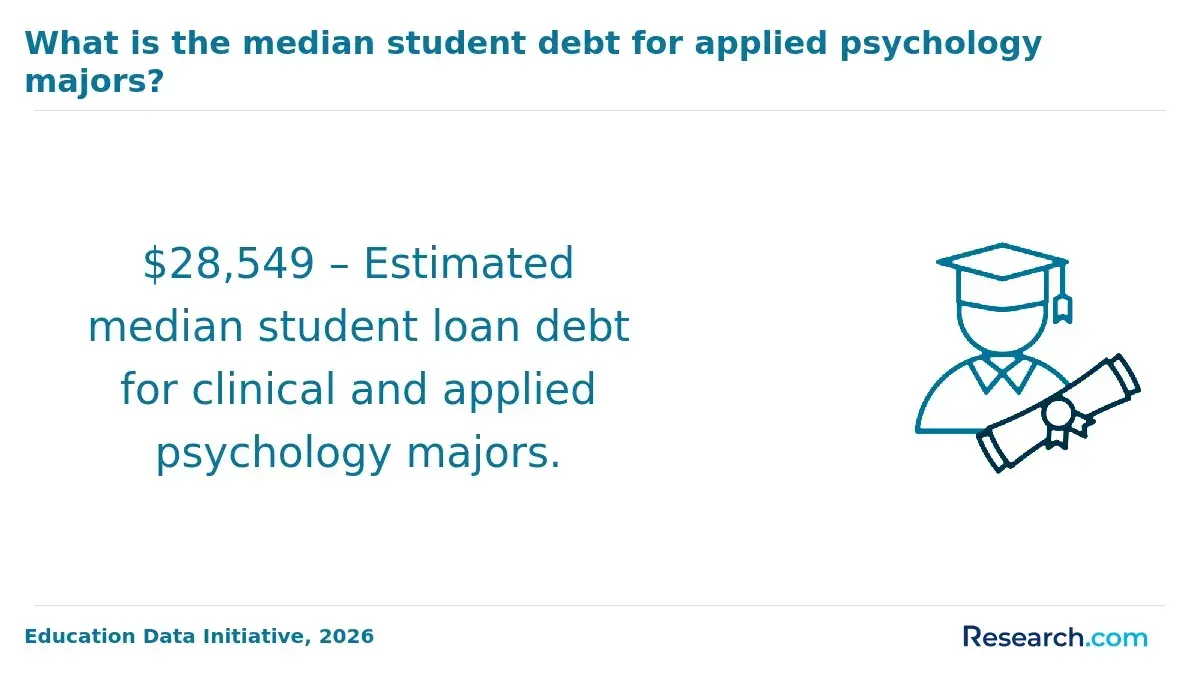
Psychology licensure in Alaska is a major commitment. Students should expect years of education, supervised training, exam preparation, licensing fees, and continuing education. For people who want independent clinical authority, psychological assessment responsibilities, doctoral-level practice, and the ability to serve communities with complex behavioral health needs, the pathway can be worthwhile.
It may not be the best route for everyone. If your goal is to provide counseling sooner, a master’s-level LPC, MFT, social work, or behavior analysis pathway may be a better fit. If you are interested in workplace behavior rather than clinical practice, industrial-organizational psychology training may align more closely with your goals.
| Choose psychology licensure if... | Consider another path if... |
| You want doctoral-level clinical practice, diagnosis, testing, and independent psychology services. | You want to enter direct counseling practice through a master’s-level route. |
| You are prepared for a long education and supervised practice timeline. | You need the fastest possible route into the behavioral health workforce. |
| You want to work in clinical, counseling, community, forensic, academic, or assessment-heavy roles. | Your interests focus mainly on family therapy, school services, addiction counseling, or case management. |
| You are comfortable navigating Alaska-specific licensure and renewal requirements. | You may relocate and need a program that clearly supports licensure in multiple states. |
How can specializing in substance abuse counseling boost your practice in Alaska?
Substance abuse counseling can make a psychology practice more responsive to one of Alaska’s pressing behavioral health needs. Training in addiction assessment, relapse prevention, motivational approaches, trauma-informed care, and recovery support can help psychologists collaborate with treatment centers, community clinics, hospitals, and multidisciplinary teams. This specialty may be especially useful in rural and community-based settings where mental health and substance use concerns often overlap. For a focused credentialing pathway, review how to become a substance abuse counselor in Alaska.
What are the prospects for child psychology in Alaska?
Child psychology can be a valuable specialization in Alaska because early intervention, school collaboration, family support, and culturally responsive care are central to serving youth. Child-focused psychologists may work with schools, pediatric providers, community programs, tribal health organizations, and families to address developmental, emotional, behavioral, and trauma-related concerns. Students considering this direction should seek programs with child assessment, family systems, developmental psychopathology, and supervised youth-focused placements. For related career options, explore child psychology careers.
How can specializing in behavior analysis enhance your practice in Alaska?
Behavior analysis can expand a psychologist’s toolkit for addressing developmental disabilities, autism-related needs, behavioral intervention planning, school consultation, and community-based support. In Alaska, where access to specialized services can be uneven, behavior analytic skills may help clinicians design measurable interventions and train caregivers, educators, and support teams. If you are interested in this specialization as a separate credential pathway, see how to become a BCBA in Alaska.
What distinguishes MFT and LMFT degree programs?
MFT and LMFT pathways focus on family systems, couples therapy, relational dynamics, and clinical treatment within family contexts. The main distinction is that MFT commonly refers to the educational or professional field, while LMFT refers to licensed marriage and family therapist status after meeting state-specific requirements. Students should compare curriculum, clinical practicum hours, accreditation, supervision rules, and intended licensure outcome before choosing a program. For a side-by-side explanation, read about the difference between MFT and LMFT degree programs.
What are the key steps to obtain an LPC license in Alaska?
The LPC route is a master’s-level counseling pathway rather than a doctoral psychology pathway. Candidates typically need a qualifying counseling program, supervised clinical experience, and required licensing exams. This option may suit students who want to provide counseling services but do not need the broader doctoral scope of psychologist licensure. For Alaska-specific steps, see how to become an LPC in Alaska.
How can integrating social work skills complement your psychology career in Alaska?
Social work training can strengthen psychology practice by adding skills in case coordination, community advocacy, systems navigation, crisis response, and resource referral. These competencies are especially useful in Alaska settings where clients may face transportation barriers, housing instability, limited local services, cultural disconnection, or complex family and community needs. Psychologists who understand social work perspectives may collaborate more effectively across healthcare, education, tribal, and public service systems. For a related credential overview, review what degree you need to be a social worker in Alaska.
How can I become a school psychologist in Alaska?
School psychology is a separate professional pathway focused on student assessment, intervention, learning support, behavioral consultation, crisis response, and collaboration with educators and families. In Alaska, candidates should complete a school psychology graduate program that aligns with state certification expectations and includes supervised experience in school settings. Those who also pursue psychologist licensure may face additional requirements. For a step-by-step guide, see how to become a school psychologist in Alaska.
How can I become a criminal psychologist in Alaska?
Criminal psychology generally combines doctoral-level psychology preparation with forensic training, criminal justice knowledge, and supervised experience in legal or correctional settings. Professionals in this area may contribute to risk assessment, offender evaluation, competency-related work, rehabilitation planning, expert consultation, or research. Students should pursue forensic coursework, relevant practicum sites, and mentorship from professionals familiar with legal ethics and Alaska practice rules. For a deeper pathway overview, review how to become a criminal psychologist in Alaska.
How can psychologists overcome geographic and cultural challenges in Alaska?
Alaska psychologists often work across long distances, severe weather constraints, limited local referral networks, and culturally diverse communities. Effective practice may require telepsychology, flexible scheduling, travel planning, cultural humility, consultation with community leaders, and collaboration with local health systems. Clinicians serving Indigenous communities should prioritize culturally responsive care rather than assuming that standard urban service models will transfer easily. If you are comparing faster counseling routes for community mental health work, this guide to the fastest way to become a counselor in Alaska may help.
What are the key differences between LPC and psychology licensure in Alaska?
The Alaska psychology license and LPC license lead to different scopes of practice, education levels, and training expectations. Psychologist licensure requires a doctorate and includes advanced training in psychological assessment, research, diagnosis, and clinical practice. LPC licensure is generally a master’s-level counseling route centered on psychotherapy, counseling theories, supervised clinical practice, and counseling ethics. Students should choose based on the work they want to do, the length of training they can commit to, and the license required for their target role. For more detail, compare Alaska LPC license requirements.
Career Opportunities and Salaries for Psychologists in Alaska
Psychologists in Alaska may work in hospitals, private practices, schools, community health centers, tribal health organizations, correctional settings, universities, and integrated care teams. Clinical and counseling psychologists are especially relevant because Alaska faces serious concerns related to depression, suicidal ideation, trauma, and substance abuse.
Psychologists in Alaska earn an average annual salary of $96,100, although actual pay can vary by specialization, employer, location, experience, supervision responsibilities, and whether the psychologist works in private practice or an institutional setting. Rural and Indigenous communities may offer meaningful opportunities for impact, but candidates should also evaluate workload, professional isolation, travel expectations, and access to peer consultation before accepting a position.
| Setting | Typical work | What to evaluate before choosing it |
| Private practice | Therapy, assessment, consultation, specialty services, and independent caseload management. | Business setup, insurance panels, referral sources, emergency coverage, and telehealth rules. |
| Hospitals and clinics | Assessment, treatment planning, integrated behavioral health, crisis support, and interdisciplinary care. | Patient volume, supervision structure, documentation requirements, and team culture. |
| Schools and education systems | Student assessment, behavioral intervention, special education support, and consultation. | Certification requirements, school calendar, caseload size, and rural district travel. |
| Community and tribal health organizations | Culturally responsive care, outreach, prevention, trauma services, and substance use support. | Community fit, cultural training, supervision access, and service delivery model. |
| Forensic or correctional settings | Risk assessment, evaluation, treatment, consultation, and justice-related psychological services. | Ethical boundaries, safety protocols, forensic training, and court-related responsibilities. |
Online Education Options for Aspiring Psychologists
Online psychology education can be useful for Alaska students who live far from campuses or need to balance school with work, family, or community responsibilities. However, students pursuing psychologist licensure must be careful: flexibility does not automatically mean licensure eligibility. Doctoral psychology programs usually require in-person clinical training, practicum placements, internships, or residencies, even when some coursework is online.
Benefits of Online Psychology Programs
- Flexible scheduling: Online courses may allow students to complete lectures, readings, and assignments without relocating.
- Improved access: Students in remote areas may be able to start undergraduate or graduate coursework without frequent travel.
- Program variety: Online options may include bachelor’s, master’s, doctoral, counseling, behavioral, or industrial-organizational psychology programs.
Questions to Ask Before Enrolling Online
- Is the institution properly accredited? Accreditation should be recognized and appropriate for the degree level and field.
- Does the program meet Alaska licensure requirements? Ask specifically about psychology licensure, not just graduation eligibility.
- How are practicum, internship, and supervision arranged? Students in Alaska should confirm whether local placements are available.
- Does the program disclose licensure outcomes by state? This is critical if you may practice in Alaska or move later.
- What technology and travel are required? Some programs include live sessions, campus intensives, software requirements, or in-person clinical training.
Students comparing doctoral options can review accredited online PsyD programs, but they should verify directly with each school and the Alaska Board before enrolling. A program that is convenient may still be a poor investment if it does not support the supervised training or accreditation expectations needed for licensure.
Resources for Aspiring Psychologists in Alaska
Good planning can reduce delays and help students avoid expensive mistakes. Aspiring psychologists should use state licensing resources, university advising, professional associations, financial aid offices, and supervisors before making major education decisions.
- State licensing information: The Alaska Board of Psychologist and Psychological Associate Examiners is the primary source for applications, forms, fees, renewal rules, and supervision requirements.
- University advising: Psychology departments can help students understand doctoral admissions, research experience, practicum expectations, and graduate school preparation.
- Scholarships and grants: Students should ask institutions about psychology scholarships and mental health workforce funding options. The University of Alaska offers scholarships for psychology students, and organizations such as the Alaska Mental Health Trust Authority provide grants for students pursuing mental health-related degrees.
- Professional associations: Groups such as the Alaska Psychological Association can support networking, mentorship, continuing education, and awareness of state practice issues.
- Mentorship: A licensed psychologist mentor can help students understand real practice conditions in Alaska, including rural service delivery and ethical issues.
- Related credentials: Students interested in applied behavior analysis may compare options such as affordable online BCBA certification programs to supplement psychology or counseling training.
- Continuing education: Workshops and professional trainings help students and licensed professionals stay current on ethics, telehealth, assessment, trauma-informed care, and culturally responsive practice.
What are the requirements for other mental health licenses in Alaska?
Psychologist licensure is not the only route into mental health work in Alaska. Depending on your goals, you may also compare counseling, marriage and family therapy, social work, substance abuse counseling, school psychology, or behavior analysis. For example, students interested in relational therapy can review the MFT license in Alaska. The best license depends on the population you want to serve, the services you want to provide, and how much time you are prepared to spend in graduate education and supervised practice.
| Path | Best for | How it differs from psychologist licensure |
| Psychologist | Doctoral-level assessment, diagnosis, therapy, consultation, and independent psychology practice. | Requires a doctorate and extensive supervised psychology training. |
| LPC | Counseling and psychotherapy in clinical, community, or private practice settings. | Typically follows a master’s-level counseling route rather than a doctorate. |
| MFT or LMFT | Couples, families, relational therapy, and systemic treatment. | Focuses on marriage and family therapy training and state-specific MFT requirements. |
| Social worker | Clinical services, case management, advocacy, systems navigation, and community support. | Emphasizes person-in-environment practice and social service systems. |
| BCBA | Behavior assessment and intervention, often with developmental or educational needs. | Centers on behavior analysis certification rather than psychology licensure. |
What are the emerging trends in psychology careers in Alaska?
Alaska’s psychology workforce is being shaped by access challenges, rural service needs, telehealth adoption, integrated care models, and demand for culturally responsive practice. Students who choose training experiences aligned with these realities may be better prepared for Alaska’s job market.
- Telepsychology and hybrid care: Remote delivery can help psychologists reach clients who face long travel distances, weather barriers, or limited local providers.
- Rural and Indigenous mental health: Psychologists need cultural humility, community collaboration, and awareness of historical trauma, resilience, and local healing practices.
- Substance abuse and co-occurring disorders: Addiction-related training can strengthen practice in clinical, community, and integrated care settings.
- Preventive and early intervention services: Schools, workplaces, and community agencies increasingly value programs that address concerns before they become crises.
- Integrated behavioral health: Psychologists may work alongside primary care providers to address mental and physical health needs together.
- Credential-aware hiring: Employers may look closely at licensure status, supervised experience, telehealth competence, assessment skills, and specialty training.
Students comparing in-state academic options can review the best colleges for psychology in Alaska and then verify which programs match their specific licensure or career goal.
Key Insights
- Alaska requires doctoral preparation for psychologist licensure. A bachelor’s or master’s degree can support earlier stages of training, but independent psychologist licensure requires a doctorate in psychology.
- Supervision must be planned carefully. Postdoctoral supervised practice requires Board approval before hours begin, and applicants must complete at least 1,500 hours in not less than 10 months and not more than 24 months.
- Licensure costs go beyond tuition. Applicants should budget for the $200 application fee, $50 state examination fee, $150 temporary license fee, $500 initial license fee, EPPP costs, renewal fees, and continuing education.
- Renewal is part of professional responsibility. Alaska psychologists renew on the odd-year June 30th cycle and must complete 40 continuing education credits, including three credits in ethics.
- Program choice affects licensure readiness. APA accreditation, practicum quality, internship structure, and Alaska-specific requirements should be checked before enrolling, especially in online programs.
- Psychology is not the only mental health pathway. LPC, MFT, social work, substance abuse counseling, school psychology, and BCBA options may be better fits for some students depending on career goals and timeline.
- Alaska practice requires more than clinical skill. Telehealth competence, cultural responsiveness, rural service awareness, and collaboration with community systems are essential for many psychology roles in the state.
Related Articles for Nearby States
- 2027 Washington Psychology Licensure Requirements – How to Become a Psychologist in Washington
- 2027 Oregon Psychology Licensure Requirements – How to Become a Psychologist in Oregon
- 2027 California Psychology Licensure Requirements – How to Become a Psychologist in California
- 2027 Hawaii Psychology Licensure Requirements – How to Become a Psychologist in Hawaii
- 2027 Idaho Psychology Licensure Requirements – How to Become a Psychologist in Idaho
- 2027 Montana Psychology Licensure Requirements – How to Become a Psychologist in Montana
- 2027 Nevada Psychology Licensure Requirements – How to Become a Psychologist in Nevada
- 2027 Utah Psychology Licensure Requirements – How to Become a Psychologist in Utah
- 2027 Arizona Psychology Licensure Requirements – How to Become a Psychologist in Arizona
- 2027 Wyoming Psychology Licensure Requirements – How to Become a Psychologist in Wyoming
References
- Alaska Department of Commerce, Community, and Economic Development. (2024 September). Board of Psychologists Applications. https://www.commerce.alaska.gov/web/cbpl/ProfessionalLicensing/BoardofPsychologists/Applications.aspx
- American Psychological Association. (2024). APA-Accredited Programs: Doctoral Programs in Clinical Psychology. https://accreditation.apa.org/accredited-programs
- College Factual. (2025). 2025 Psychology Degree Guide. https://www.collegefactual.com/majors/psychology/
- County Health Rankings & Roadmaps. (2024). 2024 County Health Rankings National Findings Report. University of Wisconsin Population Health Institute. https://www.countyhealthrankings.org/reports/2024-county-health-rankings-national-findings-report
- Education Data Initiative. (2026). Student Loan Debt by Major [2026]. https://educationdata.org/student-loan-debt-by-major
- HelpAdvisor. (2024, June 12). States with the Highest Rates of Depression – 2024 Report. https://www.helpadvisor.com/health-insurance/states-with-highest-depression-rates
- Bureau of Labor Statistics. (2026). State Occupational Employment and Wage Estimates Alaska. https://www.bls.gov/oes/current/oes_ak.htm
- Precedence Research. (2025). Behavioral Health Market Size to Hit USD 330.35 Billion By 2034. https://www.precedenceresearch.com/behavioral-health-market
- University of Alaska Anchorage. (2025). Clinical-Community Psychology, Ph.D. https://catalog.uaa.alaska.edu/graduateprograms/cas/psychology/phd-clinicalcommunitypsychology
Other Things You Should Know About Alaska Psychology Licensure Requirements
In Alaska, applicants are required to complete 1,500 hours of supervised experience before applying for a psychology license. This experience should be obtained within two years, under the supervision of a licensed psychologist, to ensure adequate training and preparation for professional practice.
The application fee is $200 (nonrefundable), the state examination fee is $50, and the temporary license fee is $150. The initial license fee is $500. Additionally, the EPPP exam costs $600 for Part 1 and $450 for Part 2.
A psychology license in Alaska must be renewed every two years. All licenses expire by June 30th of every odd-numbered year.
In 2027, psychologists in Alaska must complete 40 hours of continuing education every two years. This educational component is essential for license renewal, ensuring that practitioners remain informed about advances in the field and continue to provide high-quality service to their clients.


