2027 User Experience Degrees Explained: Are They Classified as Professional Degrees?

Co-Founder and Chief Data Scientist
Many prospective students mistakenly believe that user experience degrees automatically qualify as professional degrees similar to law or medicine. This misconception affects career planning and expectations about licensure and industry recognition. Recent data shows that only 15% of user experience graduates pursue advanced certifications that resemble professional licensing, contrasting sharply with fields like engineering where over 65% do. This gap influences hiring trends and salary growth in tech-related industries.
This article, prepared by career planning experts, clarifies how user experience degrees are categorized, their accreditation nuances, and the real impact on employment prospects, helping readers make informed decisions about their education path and career development.
Key Benefits of Professional User Experience Degrees
- Professional user experience degrees develop strong skills in user research, interaction design, and usability testing to create intuitive digital products.
- These degrees offer competitive earning potential, as UX professionals are in high demand across technology, e-commerce, and software-driven industries.
- They prepare graduates for specialized and leadership roles in UX design and strategy, supporting long-term career growth and adaptability.
What Is Considered a Professional User Experience Degree?
Students evaluating career-focused and licensure-oriented education pathways must understand what qualifies as a professional user experience degree to make informed decisions that impact career advancement and earning potential. Enrollment in user experience-related programs increased by over 15% from 2018 to 2022, reflecting strong workforce demand for skilled professionals in this field.
Several common myths and facts clarify the nature of professional user experience degrees.
Applied Training
- Myth: A professional user experience degree simply provides general knowledge in design principles and software tools.
- Fact: These degrees emphasize applied training with hands-on projects, internships, and portfolio development to equip graduates with career-ready skills.
Licensure Requirement
- Myth: All user experience degrees prepare students for licensure or professional certification.
- Fact: User experience does not require state licensure to practice, but many professional degrees include preparation for industry-recognized certifications that enhance employment prospects.
Program Quality
- Myth: Any user experience program awarding a degree is considered professional.
- Fact: Accredited UX degrees for career advancement usually feature curricula aligned with industry standards to ensure graduates have relevant, career-specific skills.
Considering accredited UX degrees for career advancement ensures students receive education aligned with employer expectations. For those interested in advancing their education further, exploring online doctorate of education programs may provide additional academic pathways to leadership roles in education or user experience design.
Who Should Pursue a Professional User Experience Degree?
Identifying the best candidates for professional user experience degree programs is important for students seeking career-focused, practice-oriented education. Enrollment in user experience programs has increased by over 35% in recent years, signaling strong industry demand and opportunity for growth.
This discussion clarifies common misconceptions by presenting myths and facts about who should get a user experience degree.
Early-Career Focus
- Myth: Only early-career professionals benefit from a professional user experience degree.
- Fact: While those at the start of their careers gain foundational skills, these degrees also serve career changers seeking structured training in user experience principles.
Licensure Need
- Myth: A professional user experience degree is necessary for licensure and regulated roles.
- Fact: Unlike certain professions, most user experience roles do not require licensure, but some specialized positions in healthcare or finance may prefer candidates with professional credentials.
Earning Potential
- Myth: Professional degrees are only for those looking to increase earning potential.
- Fact: Although salary growth is a benefit, students focused on practice-oriented education and career advancement in user experience find these programs valuable for gaining recognized skills and portfolios.
Students researching educational options should consider whether a user experience degree aligns with their professional goals and needs. For those exploring accelerated pathways in related fields, exploring accelerated social work programs can also provide insight into structured, practice-based education models.
What Are the Most Common Professional User Experience Degree Programs?
Knowing the different professional user experience programs available enables students to choose one that best matches their career ambitions. This clarity helps target learning toward specific skills and industry needs. Enrollment in user experience and related programs has grown by about 22% in the past five years, signaling strong market interest.
Here are the most common types of user experience degree programs:
- Bachelor's in User Experience Design: This program centers on fundamental design principles and practical skills for creating engaging digital and physical products. It prepares students to balance aesthetics and functionality in user interfaces.
- Master's in Human-Computer Interaction: Focused on studying how people interact with technology, this degree emphasizes usability, accessibility, and improving digital experiences. Demand is high due to the increasing complexity of digital tools.
- Master's in Interaction Design: This degree delves into designing interactive systems and environments, combining psychology, design thinking, and technology. It addresses the growing need for intuitive user interactions across platforms.
- Master's in Usability Engineering: Concentrating on testing and refining product interfaces, this program teaches methods to enhance user satisfaction through research and iterative design. It is valued for advancing product quality in competitive markets.
Accreditation is a crucial consideration for students evaluating professional user experience degree programs because it ensures quality standards and affects credit transfer, financial aid, and employer recognition. Recent studies show that over 70% of students prioritize attending accredited programs, highlighting the importance of understanding accreditation standards for user experience degrees.
Below are common myths and facts about accreditation for user experience programs, clarifying key aspects of program oversight and legitimacy.
Accrediting Bodies
- Myth: All professional user experience degree programs are automatically accredited by specialized accrediting bodies.
- Fact: While many programs are covered by institutional accreditation from recognized agencies, there is no specific accrediting organization exclusively for user experience degrees. Instead, accreditation usually comes through regional or national institutional accreditors approved by the U.S. Department of Education or CHEA.
Programmatic vs. Institutional
- Myth: Programmatic accreditation is the same as institutional accreditation for user experience degrees.
- Fact: Institutional accreditation evaluates the whole institution, including administration and resources, while programmatic accreditation focuses on specific disciplines such as engineering or business. User experience programs typically lack specialized programmatic accreditation, which can influence employer and licensure board perspectives.
Why Accreditation Matters
- Myth: Accreditation has little effect on financial aid, licensure, or employer confidence.
- Fact: Accreditation affects eligibility for federal financial aid, access to licensure in some cases, and employer trust in the degree's validity. Prospective students should verify accreditation status carefully when reviewing user experience programs.
Students seeking affordable options might also explore the cheapest psychology degree online as an example of how accreditation influences degree value across disciplines.
Knowing the admission criteria for professional user experience programs helps applicants gauge their readiness and align their qualifications with program demands. With user experience fields growing rapidly, some programs report enrollment increases exceeding 15% annually, intensifying competition for spots.
Below are key requirements commonly encountered when applying.
- Educational Background: Applicants typically need a high school diploma for undergraduate programs or a bachelor's degree for graduate studies, often in design, psychology, computer science, or communications. This foundation confirms basic academic preparedness and relevant knowledge.
- Professional Experience and Portfolios: Many programs require work experience or a portfolio to demonstrate practical skills and creativity. These elements provide evidence of hands-on capabilities and commitment to the user experience field.
- Personal Statements and Letters of Recommendation: A statement of intent and endorsements from professionals or educators help admissions panels assess the candidate's motivation, communication ability, and potential for success in rigorous study.
- Standardized Tests: Although less frequently mandated, exams like the GRE may be requested to evaluate analytical thinking. Their inclusion depends on program policies and applicant profiles.
Prospective students need to carefully evaluate the curriculum and practical elements of a professional user experience degree to ensure it meets industry expectations and prepares them for career advancement. These program components directly influence job readiness and earning potential in user-centered design roles. A clear understanding of these requirements supports informed decision-making when selecting a program.
Below are key courses and practical training elements commonly required in professional user experience degree curriculums that highlight essential skills and knowledge areas:
- Theoretical foundations: Courses cover human-computer interaction, usability testing, and visual design principles. This theoretical knowledge establishes a base for understanding user behavior and designing intuitive digital experiences.
- User research methods: Training focuses on qualitative and quantitative approaches to gathering user data, including interviews and surveys. Mastery of these methods enables students to develop empathy and create evidence-based solutions.
- Information architecture and interaction design: These classes teach how to organize and structure digital content and design interactive elements that enhance usability and accessibility across platforms.
- Practical UX training requirements: Hands-on projects simulate real-world challenges such as prototype development and iterative design processes. Students gain experience in problem-solving and technical tools like wireframing software and user analytics, reinforcing their applied skills.
- Internships and capstone projects: Many programs integrate collaborative experiences with industry professionals through internships or comprehensive final projects. These opportunities help bridge academic learning with workplace expectations and improve employability.
When assessing a program's professional user experience degree curriculum, consider whether it balances these theoretical and practical aspects effectively. Those combining rigorous coursework with experiential learning best prepare graduates to meet employer standards and thrive in competitive UX careers.
For students interested in expedited study options, reviewing a selection of accelerated online degrees can provide pathways that align with career goals without sacrificing quality.
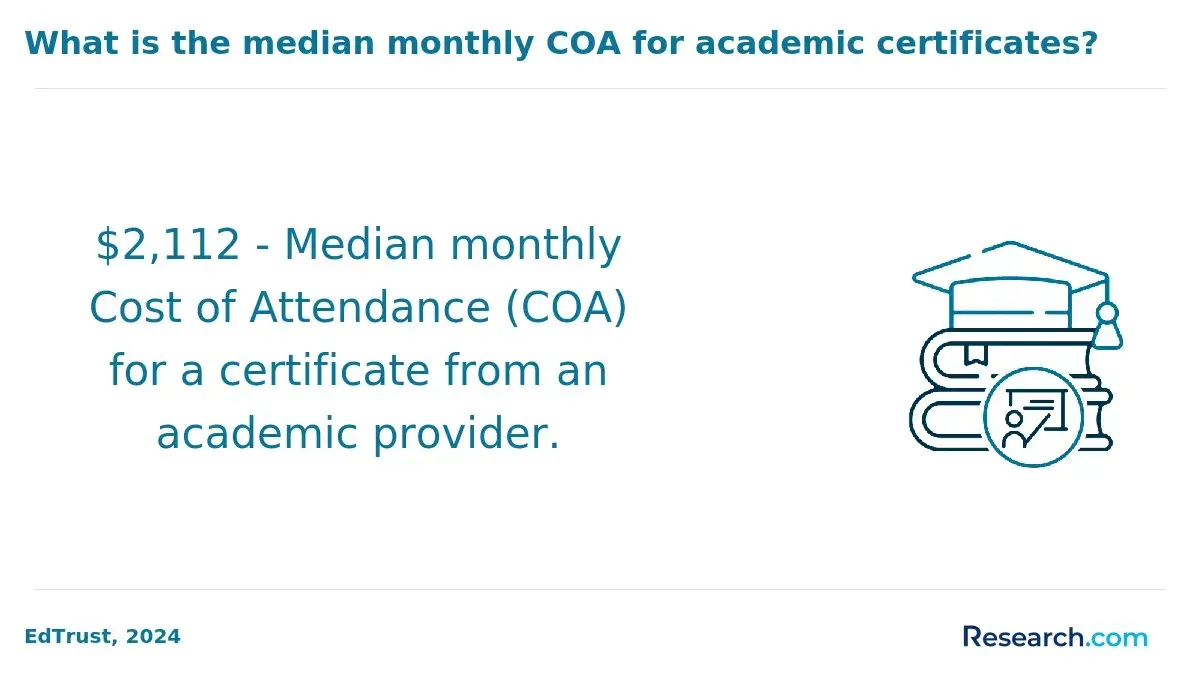
Understanding the cost of professional user experience degree programs is essential for prospective students evaluating their education options and long-term career plans. On average, tuition for these programs ranges from $15,000 to $50,000, with some specialized or extended courses exceeding this amount. Nearly 60% of user experience students finance their education through a mix of savings, loans, and scholarships, highlighting the importance of careful financial planning.
Below are key cost factors that influence the total expense of accredited UX design programs:
- Tuition and fees: Tuition is the largest single expense and varies widely depending on the program's length, delivery format (online or on-campus), and the institution's reputation. Prospective students should compare these factors carefully when assessing the cost of accredited UX design programs.
- Materials and software: Access to specialized design tools, prototypes, and software licenses often adds several hundred to a few thousand dollars annually. These resources are essential to hands-on learning and skill development in user experience design.
- Technology and equipment: Students typically need up-to-date computers or devices capable of running design software efficiently. This one-time or periodic investment can differ based on personal needs and program requirements.
- Living expenses: For those enrolled in on-campus programs, housing, transportation, and daily living expenses significantly add to total costs. These vary greatly by location and individual lifestyle.
For students seeking more affordable options, researching online colleges that accept FAFSA can provide flexible paths to earning a professional user experience degree without overextending financially.
Financial aid eligibility is a significant concern for those exploring professional user experience programs due to costs and program variety. Nearly 70% of graduate and professional students rely on some form of financial assistance, underscoring the need for clear guidance on aid options in this field.
Common misconceptions about financial aid often confuse prospective students. Below are some key myth-versus-fact clarifications.
Financial Aid Eligibility
- Myth: Professional user experience degrees aren't eligible for federal financial aid because they aren't traditional academic programs.
- Fact: Accredited institutions offering professional user experience degrees often qualify for federal loans and grants. Eligibility depends on factors like accreditation, enrollment status, and program length.
Types of Financial Help
- Myth: Financial aid for user experience studies is limited to federal loans and grants only.
- Fact: Besides federal aid, students may access scholarships, employer tuition reimbursement, and public service loan forgiveness programs, particularly if they work in nonprofit or government roles.
Students exploring professional user experience programs should clarify which careers require formal degrees to avoid unnecessary educational expenses and ensure their training aligns with job market demands. Recent data shows that over 60% of UX hiring managers emphasize portfolios and practical experience more than formal qualifications.
Below are common myths and facts about the necessity of user experience degrees in specific career paths.
Licensure Requirements
- Myth: All UX positions require a professional user experience degree by law.
- Fact: User experience careers generally lack formal licensure, so most roles do not legally mandate a professional degree.
Specialized Roles
- Myth: A user experience degree is unnecessary regardless of industry specialization.
- Fact: Regulated fields like healthcare or accessibility consulting often prefer or require formal credentials to meet compliance and safety standards.
Career Eligibility
- Myth: You can enter any UX role without a degree or certification.
- Fact: Certain structured environments and advanced positions may expect professional education to demonstrate foundational knowledge and expertise.
Assessing the financial impact of professional user experience degrees is essential for students weighing the cost and benefits of advanced education. Knowing if these degrees truly enhance salary prospects helps guide informed decisions about time and money invested.
Below are common myths and facts to clarify the relationship between user experience degrees and earnings.
Higher Salaries
- Myth: Professional user experience degrees automatically lead to substantially higher pay.
- Fact: While a degree can add value, salary growth is influenced by experience, skills, market demand, and location rather than education alone.
Job Eligibility
- Myth: Only those with user experience degrees qualify for top-paying positions.
- Fact: Practical skills, portfolios, and experience often weigh as heavily as formal credentials in securing lucrative roles, though degrees may enhance candidacy for advanced positions.
Career Advancement
- Myth: A user experience degree guarantees faster promotions.
- Fact: Advancement depends on a combination of education, competencies, networking, and job performance; a degree is rarely the sole factor.
Financial Outcomes
- Myth: Earning a professional user experience degree always results in positive financial returns.
- Fact: Tuition and program costs vary widely, and some degrees may not deliver clear ROI, so students should carefully evaluate expenses versus potential salary gains.
Professional degrees can deepen foundational expertise and specialized knowledge. They may increase competitiveness for some roles but are not mandatory for success. Ultimately, salary improvements rely on multiple career variables beyond holding a degree.
What Graduates Say About Their Professional User Experience Degree
- Ziane: "The flexibility of the professional user experience degree program was a game-changer for me. Balancing work, life, and study was seamless, which confirmed that pursuing this path was the right choice. Considering the average cost of attendance, it offered great value by opening numerous doors in my career, allowing me to land a position at a top design firm shortly after graduation."
- Francine: "Pursuing a professional user experience degree program was a thoughtful decision driven by my desire to deepen my understanding and stand out in a competitive market. The structure accommodated my busy schedule perfectly, making it manageable without sacrificing quality. The investment paid off well beyond the average cost of attendance, giving me the confidence and skills to lead UX projects that truly impact users."
- Robert: "Enrolling in a professional user experience degree program was a strategic career move that required dedication, but its flexible format made it feasible for a full-time professional like me. The program's value far exceeded the average cost of attendance, providing advanced knowledge that has been instrumental in elevating my role to senior UX strategist. It's been rewarding to witness tangible career growth rooted in this education. "
Other Things You Should Know About User Experience Degrees
As of 2027, internships or practical experience are increasingly integral parts of user experience degree programs, aiming to provide students with real-world applications of their skills. While not universally mandatory, they are highly encouraged to enhance employability and practical understanding.
In 2027, employers place significant importance on having a user experience degree for certain roles, although competency and practical experience are equally valued. Degrees often provide a comprehensive foundation, but portfolios and real-world problem-solving abilities greatly influence hiring decisions.
Yes. Many 2027 user experience programs end with a capstone project and portfolio review before graduation. Students usually must present 1 completed research-and-design project, showing usability testing, wireframes, prototypes, and final interface decisions to a faculty panel or external reviewer.
- 9 Best UX Design Schools for 2025 & How to Choose One | Uxcel https://uxcel.com/blog/best-ux-design-schools
- A freely available, state-of-the-art UX programme supported by independent certification https://www.uxqb.org/ux-training-and-certification/
- 5 Biggest UI/UX and Product Design Myths Debunked https://designerup.co/blog/ui-ux-and-product-design-myths-debunked/
- Debunking myths about graduate school - People of Pacific https://www.pacific.edu/blog/2025/08/15/debunking-myths-about-graduate-school/
- Ask A UXpert: What is the Biggest Myth You Hear About Working as a UX Designer? https://blog.adobe.com/en/publish/2017/11/27/ask-uxpert-biggest-myth-hear-working-ux-designer
- CourseCareers https://coursecareers.com/blog-posts/7-best-ui-ux-courses-for-beginners
- What Salary Can You Expect as a UX Designer? https://designlab.com/blog/ux-design-salary
- Understanding FAFSA: Separating Myth from Fact - Anna Maria College https://annamaria.edu/understanding-fafsa-separating-myth-from-fact/
- Why Learning UI/UX Design Course - Benefits & Career https://ecareupskill.com/why-learning-ui-ux-design-course-benefits-your-career/
- ED Releases Myth vs. Fact on Professional Degrees to Address Widespread Misconceptions | College Aid Services https://www.collegeaidservices.net/2025/11/25/ed-releases-myth-vs-fact-on-professional-degrees-to-address-widespread-misconceptions/