2027 Geography Degree Completion Rates by Format: Online, Hybrid, and Campus Programs Compared

Co-Founder and Chief Data Scientist
A prospective student faces a complex choice when deciding between an online, hybrid, or traditional campus format to complete a geography degree. Each option presents different demands on time management, access to resources, and interaction with faculty and peers. Understanding how these factors affect persistence and degree completion is crucial in making an informed decision that aligns with academic and career objectives.
Completion rates vary significantly across delivery formats, influenced by institutional support, student engagement, and real-world obligations. Employers increasingly value not only content knowledge but also demonstrated commitment and adaptability, which can be shaped by the learning environment. This article compares completion rates for online, hybrid, and campus geography programs, examines key factors impacting student success, and offers guidance for selecting the format that best supports long-term goals.
Key Things to Know About Geography Degree Completion Rates by Format
- Online Geography degree completion rates are about 15% lower than campus programs due to limited peer interaction, signaling potential challenges in maintaining sustained academic motivation.
- Hybrid formats show a 7% higher completion rate than fully online options, reflecting how structured face-to-face components enhance practical geographical skills and accountability.
- Campus-based Geography degrees consistently yield the highest completion rates, emphasizing the critical role of immersive fieldwork and direct faculty engagement in sustaining student progress and career readiness.
- Key Things to Know About Geography Degree Completion Rates by Format Key Things to Know About Geography Degree Completion Rates by Format
- How Do Completion Rates Compare Across Online, Hybrid, and Campus Geography Programs? Completion Rate Comparison
- What Factors Have the Greatest Impact on Geography Degree Completion? Degree Completion Factors
- Which Geography Degree Format Is Hardest to Complete? Completion Difficulty
- How Does Each Geography Learning Format Affect Student Success? How Does Each Geography Learning Format Affect Student Success?
- How Does Enrollment Status Affect Geography Completion Rates? How Does Enrollment Status Affect Geography Completion Rates?
- Can Transfer Credits Improve Geography Degree Completion? Transfer Credits
- What Student Support Services Improve Geography Completion Rates? Student Support Services
- How Do Geography Completion Rates Affect Career Outcomes? Impact on Career Outcomes
- How Should Students Choose the Best Geography Learning Format? Choosing the Best Format
- What Are the Long-Term Pros and Cons of Each Geography Learning Format? Learning Format Pros & Cons
How Do Completion Rates Compare Across Online, Hybrid, and Campus Geography Programs?
Completion rates across online, hybrid, and campus geography degree programs reflect more about the populations enrolled than the inherent quality of each format. Students' backgrounds, external commitments, and learning environments influence persistence, making completion rates indicators of how well programs align with student circumstances rather than absolute measures of program effectiveness. For example, a full-time working adult balancing family responsibilities may find a lower completion rate in online formats that require high self-discipline, while a traditional campus student benefiting from structured schedules and peer interaction often completes their degree more reliably.
The variation in geography degree completion rates by program format stems from differences in flexibility, support systems, and student engagement. Campus-based programs generally have higher rates, often between 65-70%, due to direct faculty access and on-campus resources that encourage sustained motivation. Hybrid programs offer a compromise-typically around 55-65% completion-by blending face-to-face interaction with the convenience of remote learning, aiding those managing work and study simultaneously. Online programs, with completion rates closer to 40-55%, provide accessibility but demand a stronger capacity for self-management, which not all students possess equally. Ultimately, individual factors such as enrollment intensity and personal obligations weigh as heavily as the delivery mode itself.
Prospective geography students should consider completion rate data alongside their own learning style, available study time, and career objectives to select the format most conducive to degree attainment. A student aiming for steady progress and valuing face-to-face mentorship might prioritize campus or hybrid pathways. Conversely, those requiring maximum scheduling flexibility and equipped with robust self-motivation might lean toward online options, possibly exploring resources like affordable online doctoral programs for extended career advancement. These comparisons can serve as a practical starting point to evaluate how well each program structure supports their likelihood of success in geography degree completion rates by program format.
What Factors Have the Greatest Impact on Geography Degree Completion?
Degree completion rates in geography programs hinge on an interplay of personal readiness, academic support, and program-specific resources rather than motivation alone. Students often underestimate how critical these combined factors are in navigating challenges across different learning formats. Recognizing where barriers most commonly arise allows students to strategically address them. Below are the primary factors influencing geography degree completion informed by recent empirical data and practical experience.
- Academic Preparation and Foundational Skills: Strong skills in critical thinking, spatial reasoning, and quantitative analysis form the backbone of success in geography programs. Students lacking these may struggle, especially in online settings where direct access to preparatory resources is limited. Strengthening these areas through supplemental coursework or tutoring before or during enrollment can significantly improve persistence.
- Financial Stability and Resource Access: Economic uncertainty disproportionately affects online geography students who may juggle work and family. In contrast, hybrid students often utilize on-campus financial advising, aiding sustained enrollment. Proactively seeking comprehensive financial aid counseling increases completion probability by an estimated 15%, underscoring the value of institutional support in offsetting fiscal barriers.
- Engagement with Institutional Support Services: Regular interaction with faculty, advisors, and peers builds accountability and motivation critical to finishing a geography degree. Campus programs excel here by fostering immersive academic communities, while hybrid options offer moderate benefits. Students should prioritize mentorship programs and structured advising to gain the documented 25% boost in completion odds associated with these interventions.
- Program Format and Delivery Nuances: Although fully online formats offer flexibility, they often pose greater risks for attrition due to perceived isolation and limited real-time support. Hybrid programs blend convenience with some in-person engagement, often leading to better outcomes than purely virtual formats. Prospective students must honestly assess their ability to self-manage study habits and seek out interactive opportunities accordingly.
- Balancing External Commitments and Time Management: Geography students handling external responsibilities such as employment or caregiving frequently face competing demands that impede steady progress. Those in hybrid or campus formats generally find scheduling and support that better accommodate these challenges. Developing rigorous time management strategies and communicating needs early with advisors enhances the chance of completion.
- Access to Technology and Learning Platforms: Reliable internet connectivity and familiarity with digital tools are fundamental for success in online and hybrid geography programs. Students experiencing technical difficulties or lacking digital literacy risk falling behind. Investing time in mastering the necessary technology and utilizing campus help desks can mitigate these obstacles.
- Alignment of Learning Environment with Personal Circumstances: The decision to enroll in online, hybrid, or campus geography programs should factor in how each format supports access to academic, financial, and social resources. For example, a working parent might capitalize on hybrid formats that balance flexibility and community, while a full-time student may thrive in a campus setting. Evaluating these tradeoffs is essential for sustained commitment and degree completion.
For those exploring advanced education options in related fields, the role of format flexibility and support is equally critical, as seen in specialized offerings like the executive online MBA, where comprehensive academic and financial supports become pivotal for completion and career advancement.
Which Geography Degree Format Is Hardest to Complete?
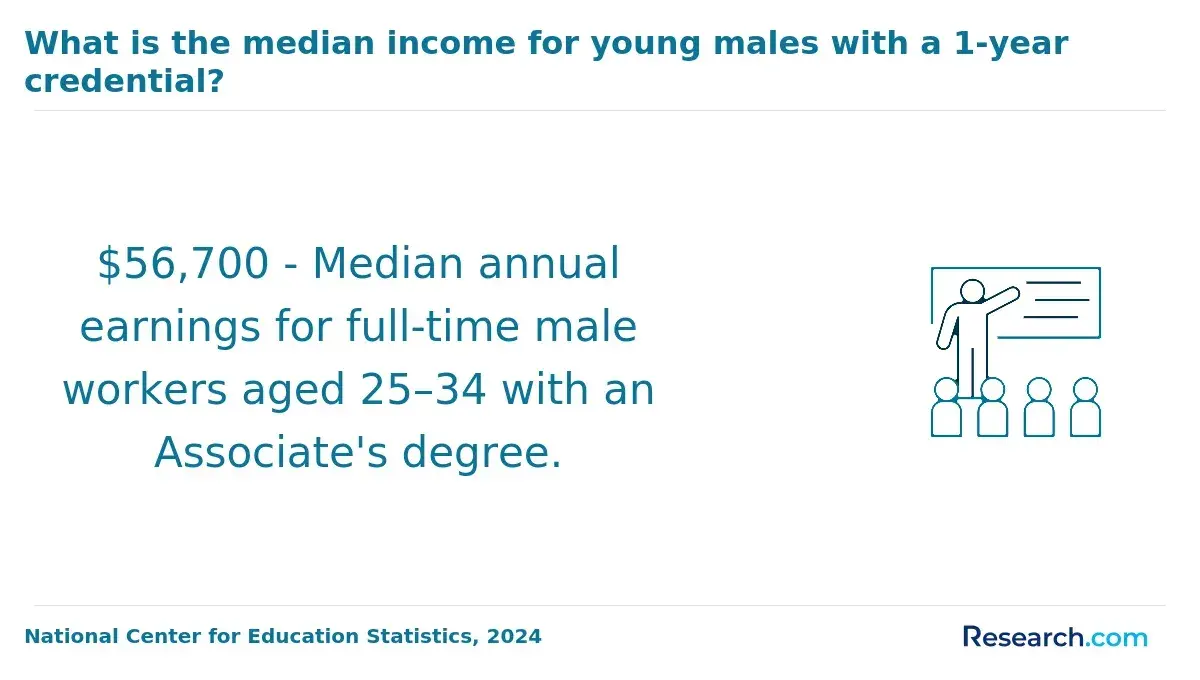
Recent data from the National Center for Education Statistics reveals notable disparities in completion rates among geography degree formats, with traditional campus programs exceeding 60% completion, significantly higher than fully online programs, which hover around 40-50%. This difference reflects how structured environments and face-to-face interactions support persistence, while online formats demand greater self-discipline amid challenges like limited faculty engagement and potential technological hurdles. Hybrid formats, falling between these extremes with completion rates near 50-60%, offer flexible yet conflicted circumstances; students juggle remote learning benefits against occasional campus attendance that can disrupt scheduling.
These completion disparities suggest that difficulty is less about inherent academic rigor and more about the interaction between program delivery and individual life contexts. For instance, a working parent enrolled online may struggle more due to isolation and competing responsibilities than a full-time campus student immersed in campus life. Conversely, relocating for a campus program can impose significant financial and personal strain, making hybrid models appealing but sometimes logistically complicated. Ultimately, the "hardest" format depends on a student's need for support structures versus flexibility and how external obligations intersect with academic demands.
A recent graduate who completed a hybrid geography degree shared how balancing biweekly campus labs with online lectures created ongoing scheduling conflicts, forcing constant adjustment of work shifts and childcare. She hesitated before enrolling, worried about meeting these demands but persisted because fully online options felt isolating and the campus program required relocation she couldn't afford. After graduation, she reflected that the hybrid format's blend was tough yet manageable, highlighting that format-related struggles are deeply personal and hinge on one's ability to negotiate competing priorities in real time.
How Does Each Geography Learning Format Affect Student Success?
Student success in geography degree programs depends largely on how well a learning format matches an individual's study habits, time availability, and life commitments. The choice between online, hybrid, or campus instruction influences more than convenience-it shapes access to support, engagement opportunities, and the likelihood of persisting through challenges. For example, a working parent juggling job and family may thrive in a hybrid format that balances flexibility with some on-campus interaction, while a recent high school graduate might benefit more from the structured environment of a traditional campus. Here are key factors that illustrate how each learning format can impact success rates and degree completion:
- Level of face-to-face engagement: Campus programs typically provide the most direct interaction with faculty and peers, which enhances motivation and accountability. Students who rely on immediate feedback and group learning usually complete degrees at higher rates in this setting.
- Flexibility versus structure balance: Hybrid formats offer a compromise, granting flexibility to accommodate jobs or caregiving while maintaining some in-person classes for connection and support. This can reduce dropout risks for non-traditional students managing multiple obligations.
- Self-discipline and time management demands: Fully online geography programs require significant self-motivation and disciplined scheduling because real-time interaction is limited. Students lacking these skills tend to struggle more with persistence.
- Academic support accessibility: Campus environments often provide easily accessible tutoring and mentoring, but some online programs are improving by integrating virtual advising and interactive resources, which helps close gaps in completion rates.
- Feelings of isolation and engagement barriers: Online learners may face social isolation, diminishing a sense of belonging critical for persistence. Hybrid and campus settings foster community more naturally, supporting student retention.
- Impact of external pressures: For students balancing education with work or family, hybrid programs have shown completion rates closer to campus learning by allowing better management of external demands, as reported in 2024 data from the National Student Clearinghouse Research Center.
- Real-world application and networking opportunities: Campus students often gain more immediate access to local internships and professional networks, an advantage in geography fields requiring hands-on experience, although some online programs now offer virtual networking to partially offset this.
How Does Enrollment Status Affect Geography Completion Rates?
Enrollment status is one of the most critical factors influencing geography degree completion rates, yet its impact extends beyond simply the number of courses a student takes each term. The difference between full-time and part-time enrollment reflects broader challenges such as time management, academic support, and personal obligations. These challenges vary widely depending on individual circumstances, making enrollment status a nuanced predictor of completion rather than a fixed rule. Below are key ways enrollment status shapes outcomes for prospective geography students.
- Structured Progression and Momentum: Full-time geography students benefit from a consistent academic schedule that promotes steady progress through degree requirements. This immersive approach tends to correlate with higher completion rates, especially in campus-based programs, where recent statistics indicate full-time students graduate at approximately 20-30% higher rates than part-time peers.
- Balancing Commitments: Part-time students often juggle work, family, or other responsibilities alongside their studies, which can slow momentum. This balancing act may lead to extended degree timelines but can be sustainable for students needing flexibility, particularly within hybrid formats offering some face-to-face engagement.
- Self-Discipline in Online Formats: Online geography enrollees, particularly part-time, face unique hurdles requiring rigorous self-motivation and time management. Without immediate academic community support, these students frequently encounter higher dropout rates, underscoring the importance of choosing an enrollment pace aligned with one's ability to maintain focus independently.
- Access to Academic Resources: Full-time students typically have greater access to institutional support services such as advising, tutoring, and peer networks, which can enhance persistence and help mitigate challenges that arise during the program.
- Career Timing and Workforce Integration: Completing a geography degree full-time often enables quicker entry into related fields, leveraging recent skills and earning potential. Part-time students, completing over longer durations, risk skill obsolescence and may face challenges adapting to evolving job market demands.
- Format-Specific Flexibility: Hybrid formats can serve as a middle ground, allowing part-time enrollees to maintain flexibility while benefiting occasionally from in-person interactions, which research suggests improves completion rates relative to fully online part-time counterparts.
- Individual Circumstances Drive Success: Ultimately, choosing between full-time and part-time enrollment requires an honest assessment of personal obligations, learning preferences, and support needs. Enrollment status impact on geography degree completion rates should inform decisions alongside an evaluation of format and life stage.
Prospective students balancing these factors may also explore related fields and comparative pathways, such as those offered through an online social work masters degree, for additional perspective on managing enrollment status effects.
Can Transfer Credits Improve Geography Degree Completion?
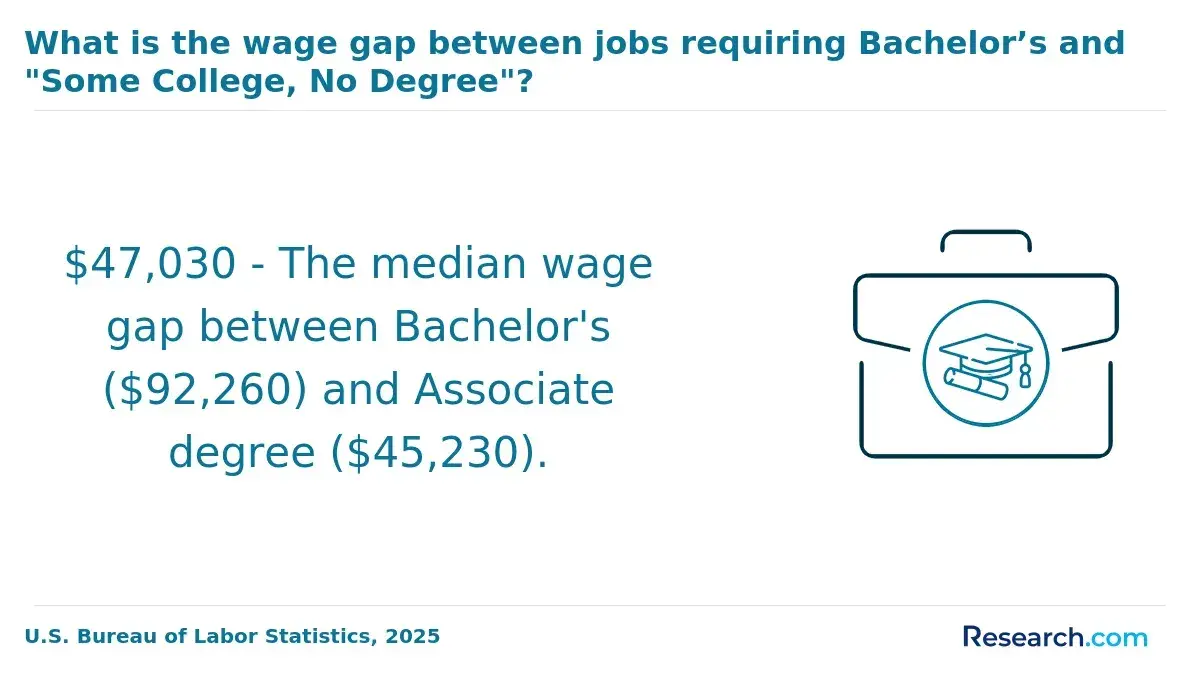
Transfer credits can meaningfully shorten degree completion times in geography programs by allowing students to bypass foundational courses already mastered elsewhere. According to the National Student Clearinghouse Research Center (2024), students who transfer credits generally finish their degrees faster and have higher completion rates. This is especially relevant in geography, where many institutions share overlapping core requirements, enabling credit portability to prevent redundant coursework and letting students focus earlier on advanced material and experiential learning that enhances employability.
However, the advantage of transfer credits varies considerably based on credit relevance and program rules. For example, a student who previously completed introductory geography or related social science classes-whether through another college, military training, or professional certification-may reduce their course load significantly by transferring these credits. Conversely, if transferred credits don't align well with a program's specific requirements or if key courses require in-person fieldwork or labs, the degree path may see little acceleration, or even delays if additional courses substitute for inapplicable credits.
Online and hybrid geography programs often exhibit more flexible transfer policies than campus-based options, appealing to working adults or part-time students by accommodating prior learning and easing scheduling constraints. On-campus programs might have stricter articulation agreements limiting credit acceptance, which can slow progress when changing institutions. Thus, format choice interacts with transfer viability, affecting how quickly students can complete their degrees.
Prospective geography students should conduct a thorough review of each program's transfer policies and curricula. Obtaining an official credit evaluation is essential to measure how many previously earned credits count toward graduation and to estimate remaining coursework. Comparing this with one's intended enrollment pace-whether full-time or part-time-provides the most realistic forecast of time to degree. Transfer credits offer a distinct advantage but are only one dimension of graduation success, which also depends on course sequencing, program rigors, and student circumstances.
What Student Support Services Improve Geography Completion Rates?
Student support services shape the trajectory of geography degree completion in meaningful ways, with their effectiveness influenced by the program's delivery format. National data from 2024 reveal that degrees paired with tailored advising and skill-focused resources see persistence rates rise by over 15% compared to programs lacking such supports. The following highlights key support types that matter most across online, hybrid, and campus settings.
- Personalized Academic Advising: Customized advising helps students navigate course selections and manage pacing based on their format-especially critical for online learners who lack face-to-face guidance. Regular check-ins prevent small issues from becoming barriers to completion.
- Flexible Tutoring Services: Hybrid students benefit from a mix of in-person and online tutoring options that accommodate competing life demands. Geography-specific tutoring, such as GIS software help, boosts practical proficiency which directly impacts course success.
- Career Counseling Linked to Geography: Aligning academic content with job market realities sustains motivation. When students understand how geographic skills translate to local and global roles, they maintain clearer goals that support program persistence.
- Early Alert and Intervention Systems: On-campus programs using proactive risk identification allow timely support before students fall behind. This approach significantly improves retention by addressing academic or personal challenges promptly.
- Peer Mentoring Networks: Both campus and hybrid students benefit from mentors who provide situational guidance and foster belonging. These relationships counter isolation and reinforce commitment to degree completion.
- Integrated Career Readiness Programs: Embedding career prep within coursework helps campus learners connect classroom theory with employability skills, reducing the gap between education and workforce demands.
One online geography graduate recalled hesitating midway through her program due to mounting work and family pressures paired with feelings of disconnection. The turning point came when her university's virtual advising paired her with a dedicated mentor who helped break down course requirements into manageable goals. Access to specialized online tutoring for remote sensing software increased her confidence to engage fully in assignments. This combination of targeted support transformed a fragile commitment into a sustained drive that ultimately led to her on-time graduation and a fulfilling position at a regional planning agency.
How Do Geography Completion Rates Affect Career Outcomes?
Completion rates for geography degrees strongly shape long-term employability, earnings potential, and career progression across online, hybrid, and campus formats. Data from recent 2024 workforce studies show that graduates generally fare better than non-completers, though campus programs often lead in successful outcomes. The differences among program formats reflect not only barriers to finishing but also access to professional experiences. For students weighing these options, understanding how degree completion directly affects career trajectories is essential. Key ways completion influences career outcomes include the following:
- Access to industry-relevant skills and professional networks enhances early career opportunities: Campus geography programs frequently offer immersive fieldwork and face-to-face networking that strengthen resumes and internship chances. Students who persist to graduation in these settings gain competitive edges in urban planning, GIS analysis, and environmental consulting roles.
- Balancing flexibility with engagement supports degree completion without stalling employment: Hybrid programs combine online convenience with some in-person elements, helping working students finish their degrees while maintaining employment. Although networking may be less robust, graduates often secure mid-level jobs comparable to their campus peers.
- Online degree completion mitigates access challenges but requires high self-motivation and may delay career entry: Students who complete online geography degrees overcome notable obstacles and still report better employment outcomes than non-graduates. However, lower average completion rates and limited hands-on experience can slow advancement or reduce competitiveness for graduate study.
- Degree completion correlates with higher earnings and promotion potential: According to 2024 U.S. Department of Education data, bachelor's degree holders in geography-related fields experience approximately 20% higher median wages and faster promotion rates compared to non-completers, though job market fluctuations and individual skills remain decisive.
- Successful graduates are better positioned to pursue advanced education or specialized certifications: Completing a geography program opens pathways to graduate studies or professional credentials, boosting long-term career versatility. Understanding practical tradeoffs in program format can help maximize these opportunities, much like exploring the impact of factors such as SLP salary informs career decisions in other fields.
How Should Students Choose the Best Geography Learning Format?
Choosing the best geography degree format for student success depends on individual circumstances such as lifestyle demands, learning preferences, and long-term goals. Recent data from 2024 highlights that degree completion rates vary significantly by format, influenced by students' ability to engage with the learning environment and balance commitments. For example, a working parent pursuing a campus program might struggle with rigid schedules, whereas another student thrives in immersive, face-to-face settings. Below are key factors to consider when choosing the ideal geography program format.
- Time Availability and Scheduling Flexibility: Campus programs usually have fixed schedules that require consistent on-site attendance, benefiting students who can dedicate set hours weekly. Online formats offer flexibility for those balancing work or family but demand strong time-management skills to avoid delays.
- Learning Style and Engagement Needs: Students who learn best through direct interaction and hands-on experiences may perform better in campus or hybrid formats, which provide real-time discussions and access to field resources. Online programs risk lower engagement unless supplemented with synchronous sessions or virtual labs.
- Self-Discipline and Motivation: Online learners must be self-driven to complete assignments without regular supervision. Hybrid programs can provide additional structure to support those needing some accountability while maintaining flexibility.
- Access to Technology and Resources: Stable internet and suitable devices are essential for online participation, while campus programs offer direct access to libraries, labs, and faculty. Hybrid options blend these advantages but still require reliable technology at home.
- Geographic and Financial Considerations: Proximity to campus influences costs and feasibility for in-person attendance, especially for full-time campus study. Online formats reduce commuting expenses and can open opportunities for students in remote locations.
- Support Services and Peer Interaction: Campus and hybrid students benefit from more immediate academic advising, tutoring, and social networking, which correlate with higher completion rates. Online programs must actively foster community to mitigate isolation risks.
- Career Outcome Alignment: Certain geography roles demand skills best acquired face-to-face, such as fieldwork; others rely on analytical capabilities that online programs can effectively teach. Evaluating program emphasis against career goals is critical.
Studies show campus program completion rates outperform online by about 15%, though hybrid models narrow this gap by combining flexibility with engagement. Students assessing their best geography degree format should consider these real-world tradeoffs carefully. For those interested in efficient credentialing alternatives, exploring a fast track project management degree online may provide relevant insights into balancing speed with quality in remote learning contexts.
What Are the Long-Term Pros and Cons of Each Geography Learning Format?
Choosing between online, hybrid, and campus formats for earning a geography degree shapes long-term academic success and career prospects. Each format presents distinct advantages and challenges that align differently with student lifestyles, motivation levels, and professional goals. Below are key considerations informed by 2024 data from the National Center for Education Statistics and recent findings from the Council for the Advancement of Geography Education.
- Degree Completion Rates: Campus programs show the highest completion rates due to structured environments and direct faculty support, benefiting students who thrive in social learning settings. Hybrid models perform moderately well by blending flexibility with in-person interaction, while fully online programs face lower completion, often requiring strong self-discipline.
- Networking and Professional Connections: Face-to-face opportunities on campus facilitate relationship-building critical for geography internships and jobs. Hybrid students also gain some access, whereas online learners may struggle to build networks, potentially impacting long-term employability.
- Flexibility for Non-Traditional Students: Online formats excel for working adults or caretakers needing schedule adaptability. Hybrid students balance this with essential fieldwork access, while campus-only options are less feasible for those with external commitments.
- Skill Development Through Fieldwork: Geography demands hands-on experience with field techniques. Campus and hybrid programs typically offer better access to these applied learning opportunities compared to purely online alternatives.
- Motivation and Engagement Challenges: Without regular in-person interactions, online learners often report more difficulty maintaining motivation across rigorous spatial coursework, potentially delaying degree completion.
- Cost and Time Investment: Online courses can reduce commuting and housing expenses, though prolonged completion times may offset initial savings. Campus programs require greater upfront time commitment but typically lead to faster graduation.
- Adaptability to Learning Styles: Visual and kinesthetic learners benefit from campus or hybrid formats offering experiential learning, while self-directed students may thrive in online settings given adequate support resources.
References:
- Studying Geography at university: how to succeed in the first year of your new degree https://blog.geographydirections.com/2025/08/15/studying-geography-at-university-how-to-succeed-in-the-first-year-of-your-new-degree/
- Data on geography at university | RGS https://www.rgs.org/research/higher-education-resources/data-on-geography-at-university
- Geography Homeschool Curriculum: Options, Resources, and Tips for Parents https://thebinaschool.com/blog/geography-homeschool-curriculum
- The 22 Best Geography Resources For Every Key Stage | Discover the World Education https://www.discover-the-world.com/study-trips/blog/best-geography-resources/
- Resources for Student Success https://www.maynoothuniversity.ie/geography/handbooks
- Online and hybrid college programs explained. Flexibility, risk, and the real value equation | CG https://collegegrind.org/posts/online-and-hybrid-college-programs-explained/
- 9 Best Geography Apps https://grindgis.com/
- Geography and College Attainment: A Place-Based Approach https://www.higheredtoday.org/2017/06/19/geography-college-attainment-place-based-approach/
- [PDF] Using Geography to Spark Curiosity in Students https://digitalcommons.hamline.edu/cgi/viewcontent.cgi
- Applying Rosenshine to the geography classroom : My College https://my.chartered.college/early-career-hub/applying-rosenshine-to-the-geography-classroom/
Other Things You Should Know About Geography
While online geography programs offer unparalleled scheduling flexibility, this advantage can paradoxically contribute to lower completion rates. The lack of fixed class times sometimes leads students to underestimate the workload or deprioritize coursework amid competing life responsibilities. For prospective students balancing jobs or family, online formats require exceptional self-discipline-without it, program attrition risks increase. Therefore, students should honestly assess their time-management skills before choosing online formats, as flexibility alone doesn't guarantee completion.
Campus geography programs often integrate fieldwork, labs, and in-person collaboration more seamlessly than online or hybrid formats. These practical components can boost student engagement and motivation, contributing to higher completion rates by anchoring theoretical knowledge in concrete experience. Moreover, employers in geography-related fields frequently value demonstrated hands-on skills, which campus students are more likely to acquire fully. For students prioritizing career readiness alongside degree completion, the immersive environment of campus programs is a strategic advantage.
Hybrid programs combine online and face-to-face elements, but this mixture requires careful navigation of two distinct learning environments. Students may struggle with inconsistent pacing or unclear expectations between online and in-class components, leading to confusion and delays in completion. Hybrid formats demand adaptability and proactive communication skills, as students must manage varying instructor styles and schedules. Therefore, hybrid programs suit learners comfortable toggling between modalities but may hinder those seeking uniformity or predictability in their studies.
Choosing between formats often involves balancing the likelihood of finishing the degree against acquiring critical, employable geography skills. Online programs may offer a smoother path to completion for self-motivated students but often limit direct interaction essential for mastering practical techniques. Conversely, campus-based programs foster deeper skill acquisition yet require navigating more rigid scheduling and higher immediate demands. For those aiming at technical expertise and field proficiency, prioritizing campus or hybrid programs is generally advisable despite potential hurdles to completion.