2027 Fire Science Degree Enrollment Trends by Age Group: Traditional Students vs Adult Learners

Co-Founder and Chief Data Scientist
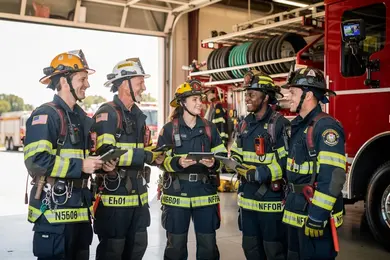
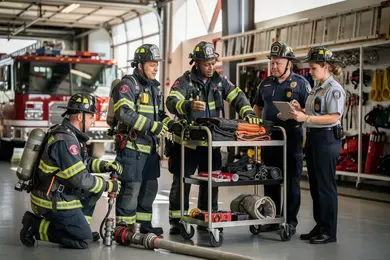
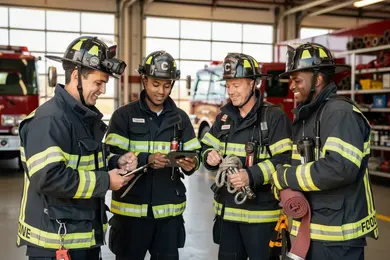
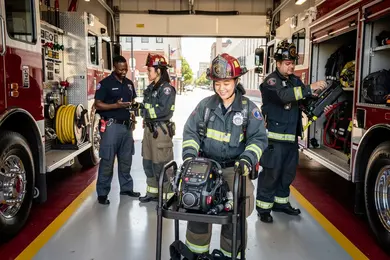
The demand for skilled fire science professionals has intensified amid a projected 7% workforce growth over the next decade, driven by evolving public safety standards and complex emergency response needs. Licensing prerequisites and practicum commitments distinctly shape age-group participation in fire science degree programs. Traditional students often navigate structured academic timelines aligned with entry-level firefighter roles, while adult learners frequently pursue education alongside career transitions or advanced certifications, reflecting workforce shortages and credential inflation. These enrollment patterns illuminate varied access hurdles and professional motivations, suggesting that fire science education must adapt to support a bifurcated student body balancing practical training with evolving industry expectations.
Key Things to Know About Fire Science Degree Enrollment Trends by Age Group
- Students aged 25+ represent 45% of fire science enrollments in 2024, reflecting a shift toward mid-career reskilling but often facing limited access to employer tuition support, increasing their out-of-pocket cost burden.
- Employers tend to prioritize candidates with traditional-age fire science degrees due to perceived adaptability and longer career spans, affecting adult learners' initial hiring despite comparable skill sets.
- Traditional-age students complete programs faster, impacting long-term career timing, while adult learners frequently balance slower progress with work, delaying credential-driven advancement but gaining valuable field experience simultaneously.
- Key Things to Know About Fire Science Degree Enrollment Trends by Age Group Key Things to Know About Fire Science Degree Enrollment Trends by Age Group
- Which Age Groups Represent the Largest Share of Fire Science Students? Students by Age Group
- Why Do Traditional Students Choose Fire Science Degree Programs? Traditional Students
- Why Do Adult Learners Return to School for a Fire Science Degree? Adult Learners
- How Do Academic Goals Vary Between Younger and Older Fire Science Students? Academic Goals by Age Group
- How Do Financial Concerns Differ Between Traditional Students and Adult Learners? Financial Concerns by Age Group
- What Challenges Do Adult Learners and Traditional Students Face While Earning a Fire Science Degree? Student Challenges by Age Group
- How Does Age Affect Fire Science Degree Student Retention? Age and Student Retention
- Which Fire Science Specializations Are Most Popular Among Adult Learners? Top Specializations for Adult Learners
- How Does Age Affect Job Opportunities for Fire Science Graduates? Impact of Age in Job Opportunities
- What Do Current Fire Science Enrollment Trends Reveal About Future Demand? What Do Current Fire Science Enrollment Trends Reveal About Future Demand?
Which Age Groups Represent the Largest Share of Fire Science Students?
Fire science programs attract learners at various stages of life, yet enrollment tends to cluster within particular age ranges influenced by differing career entry points, financial capabilities, and educational formats. The age distribution among fire science students reflects broader patterns in workforce participation and higher education access rather than simple academic preference. Understanding these dynamics helps clarify why some age groups dominate enrollment and highlights how timing, motivation, and program accessibility shape the student body.
- Ages 18-24: This group constitutes the largest portion of fire science degree enrollment by age group, as most traditional students begin postsecondary education immediately after high school. Their relative financial dependence and fewer competing responsibilities allow them to pursue full-time study, focusing on foundational skills and credentials for early workforce entry.
- Ages 25-39: Adult learners in this range form a significant segment, often comprising current firefighters upgrading their qualifications or individuals transitioning career paths. Their enrollment behavior is shaped by balancing work, family, and education, resulting in preference for part-time or online learning options that accommodate ongoing employment demands.
- Ages 40 and above: This group sees a smaller but steady presence, primarily driven by mid-career professionals seeking targeted credentialing to meet evolving employer expectations. Their engagement is typically pragmatic, emphasizing immediate application of skills for promotion or role expansion rather than extended academic pursuits.
- Under 18: Enrollment from this group is minimal and generally limited to early college credit programs or specialized certifications, reflecting access constraints and legal workforce entry requirements in fire service roles.
The division between younger traditional students and older adult learners in fire science programs aligns with general trends revealed in National Center for Education Statistics reports, illustrating how workforce timing and life responsibilities drive enrollment decisions. Adult learners' need for flexible delivery modes contrasts with younger students' capacity for immersive campus-based experiences. Additionally, adult learners' motivations tend to center on credentialing aligned with immediate job performance, a pattern documented in workforce studies that emphasize experience-based advancement paths.
Many employers in public safety prioritize a combination of formal education and practical experience, which creates a dual pathway in fire science education accommodating both recent high school graduates and established professionals. Prospective students evaluating fire science degrees should weigh these dynamics carefully, considering how age-related factors influence program accessibility and long-term career trajectories. For those needing flexible options, exploring alternatives like online RN to BSN programs offers a relevant example of how professional education adapts to adult learners' constraints across disciplines.
Why Do Traditional Students Choose Fire Science Degree Programs?
Traditional students often choose fire science degree programs due to a combination of focused academic interests and the perceived signaling value these degrees hold in early career exploration. The appeal frequently lies in the clear educational pathways and the tangible skill sets associated with fire science curricula, which align closely with occupations in fire prevention, emergency response, and public safety management. The structured nature of these programs helps traditional-age students translate academic efforts into measurable credentials valued by employers. Recent data from the U.S. Bureau of Labor Statistics indicates that approximately 35% of fire science enrollees are recent high school graduates, highlighting the degree's role as a pragmatic step in launching public safety careers.
Beyond individual interest, deeper enrollment motivations often stem from institutional recruitment efforts, guidance counselor input, and exposure to fire science subjects during secondary education or early college coursework. Many universities and community colleges actively engage with traditional students through targeted outreach and articulation agreements that streamline pathways into fire science programs. Additionally, perceptions of job market stability and multi-disciplined roles that combine emergency medical training with fire science appeal to students anticipating resilient employment opportunities. These factors, alongside curricular alignment with early career goals, explain why many traditional students view fire science degree programs as a valuable foundation for entering public safety fields and influence decisions around specialization, internships, and long-term career planning. For prospective students weighing educational options, the benefits of fire science degree programs for traditional college students often extend beyond immediate academic interests to encompass practical workforce integration strategies, similar to fields like medical billing and coding salary trajectories.
Why Do Adult Learners Return to School for a Fire Science Degree?
Adult learners pursue a fire science degree primarily to enhance career mobility by meeting employer expectations for formal qualifications required in leadership and supervisory roles within fire departments. Many seek wage progression tied to credential attainment or aim to transition from frontline firefighting into specialized areas such as fire prevention or investigation, where advanced knowledge is critical. According to a 2024 report by the National Fire Protection Association, nearly 38% of fire service professionals hold postsecondary firefighting credentials, reflecting a growing demand for formal education as a baseline for both promotion and complex operational responsibilities.
Additional drivers include increasing employer tuition reimbursement programs and the accessibility of online fire science degrees tailored to adult students balancing work and family commitments. Shifts in industry requirements, such as enhanced emphasis on hazardous materials management and emergency response coordination, compel incumbents to update technical skills and maintain certifications through educational programs. These factors collectively shape enrollment patterns, highlighting the pragmatic calculus adult learners undertake when re-entering education to remain competitive amid credential inflation and evolving workforce standards.
How Do Academic Goals Vary Between Younger and Older Fire Science Students?
Younger fire science students often enter programs with primarily exploratory academic goals emphasizing foundational knowledge and basic operational skills essential for initial employment. Their studies typically focus on preparing for entry-level positions within fire service or emergency management, providing a broad skill set applicable to varied first-job contexts or further education paths. This cohort frequently pursues associate or bachelor's degrees as stepping stones toward practical certifications or graduate study aimed at solidifying their professional footing. According to a 2024 National Fire Academy report, about 65% of these traditional students enroll intent on acquiring their initial credentials to access labor market opportunities.
In contrast, adult learners approach fire science education with more targeted objectives aligned with career development, specialization, or credential completion tied directly to workplace outcomes. Many already employed in the field use their academic programs to gain advanced qualifications that support promotion, leadership roles, or transitions into specialized areas such as fire prevention or risk assessment. Their learning priorities reflect the need for flexible scheduling and part-time enrollment to balance professional and personal responsibilities, with 73% of adult learners emphasizing skill enhancement for immediate job impact, as noted by the U.S. Department of Education in 2024. Their academic engagement is often strategic, aiming to convert existing experience into recognized credentials while adapting to evolving labor market demands.
An adult learner shared that returning to school amidst ongoing work commitments introduced challenges navigating admissions with rolling deadlines. Initially hesitant due to timing uncertainty and needing to secure employer support, the individual weighed different start dates and course formats before committing. Their decision-making process was influenced by balancing urgency to upskill with the practical need for a manageable workload. Ultimately, gaining clarity on admission flexibility alleviated concerns, allowing enrollment to align with professional obligations and underscoring how goal-driven planning shapes the adult learner's approach differently from traditional students.
How Do Financial Concerns Differ Between Traditional Students and Adult Learners?
Traditional students pursuing a fire science degree often depend on a combination of family support, institutional financial aid, and student loans to manage educational expenses. Their financial concerns tend to center around tuition and related costs, with a strong emphasis on minimizing long-term debt accumulation. Nearly 70% of undergraduates under 25 access some form of financial aid, easing immediate monetary pressures but also creating a focus on timely graduation to reduce overall borrowing. These financial challenges shape enrollment patterns, as younger students generally have fewer competing household expenses but must consider the burden of student debt within the broader framework of their emerging financial independence and future earning potential, a dynamic reflected in the financial challenges faced by traditional fire science students.
In contrast, adult learners face more intricate budget concerns in fire science programs due to overlapping work, family responsibilities, and income obligations. Many adults balance pursuing education with full-time employment and caregiving duties, making lost wages from reduced hours or flexible scheduling a significant opportunity cost. Employer tuition assistance can partially offset direct costs, yet this demographic often must weigh immediate financial stability against the long-term advantages of credentialing. The Postsecondary National Policy Institute notes that around 60% of adult students actively contribute to household income while enrolled, further complicating decisions about loans or part-time study options and underscoring the distinct financial behavior adult learners exhibit compared to traditional students.
These financial discrepancies influence not only who enrolls but also the mode of education selected, with adult learners frequently favoring online or hybrid programs that accommodate work-life balance and reduce indirect costs. Assessing the return on investment is critical, as adult learners prioritize programs that translate quickly into employability, while younger students must consider broader career development timelines and internship demands. Those evaluating fire science degrees should also explore alternatives such as accelerated nursing programs and other allied fields where financial planning intersects with practical career outcomes, highlighting the nuanced financial decision-making essential to navigating these life-stage differences.
What Challenges Do Adult Learners and Traditional Students Face While Earning a Fire Science Degree?
Traditional students in fire science programs often confront the dual challenge of adapting to academic rigor while developing effective study habits within a structured college setting. Many arrive directly from high school lacking familiarity with the discipline and time management skills necessary for technical coursework and practical skills acquisition. This adjustment period can be compounded by limited financial independence and social pressures, which restricts access to resources and sometimes results in early attrition. According to the National Center for Education Statistics 2024, nearly 40% of students aged 18 to 24 face challenges balancing academic demands with emerging personal responsibilities, highlighting how transitional hurdles impact degree continuity.
Adult learners entering fire science pathways bring practical experience but must integrate studies alongside full-time employment, family care, and occasionally health concerns, intensifying time management pressures. More than half of adult students report difficulties aligning courses with varying work shifts, which affects attendance consistency and progression rates, according to recent Department of Education data. Re-engagement with academic environments also requires overcoming gaps in recent formal education, creating additional cognitive and motivational demands. Financially, adult learners often bear the burden of tuition without parental support, necessitating managing debt and household expenses concurrently, which can extend program completion timelines.
Institutions offering fire science degrees increasingly recognize these divergent needs, implementing flexible course schedules, online and hybrid formats, and tailored advising to improve accessibility for both traditional and adult populations. Support systems that consider lifecycle-specific challenges-such as foundational academic skill-building for younger students and schedule adaptability for working adults-are critical for fostering retention and credential attainment. This nuanced approach aligns with evolving workforce expectations by balancing experiential advantage with credential requirements, ultimately shaping how students navigate degree pathways and employability outcomes.
How Does Age Affect Fire Science Degree Student Retention?
Younger students in fire science degree programs often face retention challenges tied to adapting to the academic environment and maintaining motivation during early coursework. Many of these students encounter difficulties balancing the social and academic demands of college, where gaps in preparedness and limited real-world context can hinder sustained engagement. Institutional support designed primarily for a traditional campus experience may not fully address these transitional struggles, impacting persistence before key milestones like completing foundational classes. National education data from 2024 shows that while initial retention rates tend to be higher among traditional-age students, this advantage can diminish rapidly as academic and social integration pressures increase.
In contrast, older fire science students generally persist at higher rates once enrolled, driven by clear career objectives and a focused approach to education. Their retention, however, is frequently constrained by competing responsibilities such as full-time employment and family care, which require flexible learning options and targeted support services. These students rely heavily on curriculum relevance and practical application to maintain momentum, with workforce education reports from 2024 indicating a roughly 10% greater completion rate over younger cohorts after three years. Programs that offer adaptable scheduling and align coursework with professional demands better sustain older learners through completion.
One fire science graduate recalled hesitating during the rolling admissions process due to uncertainty about balancing current job duties with course start dates. After multiple inquiries, the student decided to delay enrollment until a more flexible online option opened, allowing better time management and preparation. This cautious timing reflects the nuanced decision-making many adult learners face, weighing workload, family commitments, and institutional responsiveness before fully committing to their studies.
Which Fire Science Specializations Are Most Popular Among Adult Learners?
Adult learners pursuing a fire science degree often prioritize specializations that provide clear pathways for career mobility and leverage their accumulated professional experience. Unlike traditional students, mature learners tend to select tracks that align with leadership roles, risk management, or community safety to facilitate upward movement or transition into less physically demanding positions. This preference reflects a broader pattern of upskilling and career reinvention where practical knowledge must be complemented by administrative, regulatory, or educational expertise.
The most popular fire science career paths for mature students frequently emphasize specializations that blend operational background with strategic and regulatory responsibilities. According to recent figures from the National Fire Protection Association, nearly 45% of fire science enrollees aged 25 and older gravitate toward leadership or administrative disciplines, underscoring the demand for supervisory competencies among experienced professionals.
- Leadership and Fire Administration: These programs attract adult learners seeking promotion into supervisory or managerial roles by developing skills in budgeting, personnel management, and policy implementation, which can lead to salary advancement and long-term career sustainability.
- Fire Prevention and Safety Education: Many mature students transition into this specialization to leverage frontline firefighting experience while focusing on risk reduction, code enforcement, and community outreach, providing more predictable schedules and reduced exposure to immediate hazards.
- Wildland Fire Management: Particularly relevant for those in fire-prone regions, this track allows learners to apply localized knowledge toward improving emergency response strategies and policy planning, supporting community resilience amid increasing wildfire incidents.
- Emergency Services Management: Adult learners with field experience often pursue this specialization to master the coordination of multi-agency responses, resource allocation, and crisis communication essential for large-scale emergency scenarios.
- Fire Investigation and Arson Prevention: This niche appeals to professionals interested in forensic analysis and legal aspects, integrating investigative skills that can diversify career options within public safety and law enforcement partnerships.
These specializations reflect pragmatic decision-making among adult learners who weigh their prior professional experience against the physical demands and advancement potential within the fire service sector. Their emphasis on leadership, prevention, and management tracks also signifies alignment with evolving industry standards that value compliance expertise and strategic foresight.
When evaluating program accessibility or considering your educational path, comparing these specialization trends with your career goals can clarify which areas offer the strongest potential for upskilling and sustainable employment. Additionally, those interested in cross-disciplinary upskilling may explore related fields such as online school psychology programs NASP approved, which blend support services and community safety considerations relevant to fire science professionals.
How Does Age Affect Job Opportunities for Fire Science Graduates?
Job opportunities for younger fire science graduates typically align with hiring patterns that favor early career entry, allowing candidates to enter physically demanding frontline roles while maximizing potential years of service. Many employers leverage traditional college-age hiring pipelines, including internships and networking during coursework, to identify promising entry-level candidates. This early positioning enhances access to promotions and specialized development within fire departments. A 2024 report by the U.S. Bureau of Labor Statistics notes that fire departments prioritize younger applicants to optimize long-term staffing and advancement, reinforcing the importance of timing in career trajectories and entry points within fire science degree job opportunities by age.
Conversely, older fire science graduates often enter the labor market with the unique advantage of prior work experience and transferable skills, which can direct them toward administrative, training, or fire inspection roles less constrained by physical demands. However, age-related hiring biases remain influential, with studies from the National Fire Protection Association showing a 15% lower likelihood for candidates over 30 to secure frontline firefighting positions compared to those under 25. This dynamic underscores nuanced career prospects for adult learners in fire science, where strategic role selection and leveraging maturity can offset physical-job constraints. For those navigating these challenges, comparing program accessibility and outcomes, such as with easiest ABSN programs to get into, may offer insights into accelerated pathways matching their career goals.
What Do Current Fire Science Enrollment Trends Reveal About Future Demand?
Recent enrollment patterns in fire science programs reflect a shifting perception of the degree's practical value, particularly among adult learners who now represent the primary growth segment with a 5% annual increase, compared to just 2% among traditional students, according to the National Center for Education Statistics. This indicates heightened interest from mid-career professionals seeking targeted skill enhancement and relevant certifications, rather than entry-level education alone. Such trends suggest a redefinition of fire science education as a tool for immediate workforce applicability and ongoing professional development, rather than a linear early-career pipeline. These shifts also hint at student preference for flexible program formats that accommodate working adults balancing professional responsibilities with academic commitments.
Enrollment trends also serve as indicators of evolving labor market demands where employers increasingly prioritize candidates demonstrating both technical proficiency and real-world readiness. The combination of rising enrollment among experienced learners and modest gains from traditional students points to workforce shortages and emerging specialization needs driven by technological advancements and complex emergency response challenges. This dual demographic dynamic encourages educational providers to expand hybrid and competency-based offerings aligned with industry priorities, reinforcing fire science programs as critical to long-term field sustainability and adaptation to sector growth. Understanding these patterns aids in forecasting future program development and the evolving nature of credentialing within emergency services employment.
References:
- Adult Postsecondary Learners: Reviewing the Data and Evidence https://www.jff.org/idea/adult-learners/
- U.S. fire department profile report | NFPA Research https://www.nfpa.org/education-and-research/research/nfpa-research/fire-statistical-reports/us-fire-department-profile
- 5 Key Trends in Fire Service for Instructors https://www.psglearning.com/blog/psg/2022/07/07/5-key-trends-in-fire-service-for-instructors
- Fire Science Degree | Fire Science Schools & Colleges https://www.firescience.org/fire-science-degrees-and-programs/
- The Benefits of College for Adult Learners - ReUp Education https://reupeducation.com/blog/the-benefits-of-college-for-adult-learners/
- 7 Emerging Trends in the Fire Service https://www.columbiasouthern.edu/blog/blog-articles/2023/february/emerging-trends-in-the-fire-service/
- Traditional Vs. Non-Traditional Students in Higher Education https://moderncampus.com/blog/traditional-vs-non-traditional-students-in-higher-education.html
- What’s next for the fire service? Tech trends you need to know about https://www.firerescue1.com/fire-products/communications/whats-next-for-the-fire-service-tech-trends-you-need-to-know-about
- Fire Science https://www.aims.edu/degrees-certificates/fire-science
- Fire Science | Reynolds Community College https://www.reynolds.edu/programs/program-pages/fire-science-csc.html
Other Things You Should Know About Fire Science
Adult learners often balance full-time jobs and family obligations, making the time-intensive nature of many fire science programs a critical concern. Unlike traditional students who may attend full-time and capitalize on campus resources, adults benefit most from flexible program formats like evening classes or online options. Prioritizing programs with modular or self-paced structures can help adult learners maintain steady progress without overwhelming their existing responsibilities, whereas traditional students might manage more rigid schedules without the same impact on work-life balance.
Traditional students generally adapt quickly to structured, in-person classroom settings that emphasize hands-on labs and group exercises, which align with typical collegiate experiences. Adult learners often seek hybrid or online formats that accommodate their professional and personal commitments but may face challenges engaging with hands-on components crucial to fire science competencies. Programs that integrate virtual simulations alongside flexible access to labs can mitigate this gap, but adult learners should assess how well a program supports skill development outside traditional classroom hours.
Completion speed can significantly impact career trajectory, but the calculus differs sharply between traditional and adult students. Younger students may prioritize accelerated paths to enter the workforce sooner and capitalize on entry-level roles, while adult learners might accept longer timelines to balance education with job stability. Nonetheless, adult learners should avoid programs with unrealistic pace demands that risk burnout or dropout, prioritizing steady progress aligned with life obligations. Traditional students can afford to select faster programs but should consider whether speed compromises depth of mastery in critical fire science skills.